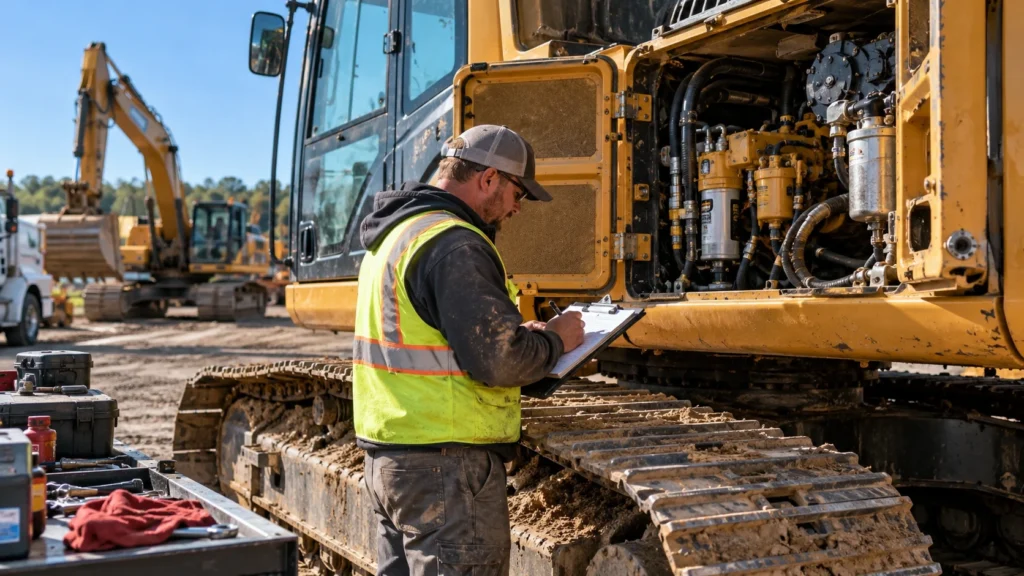
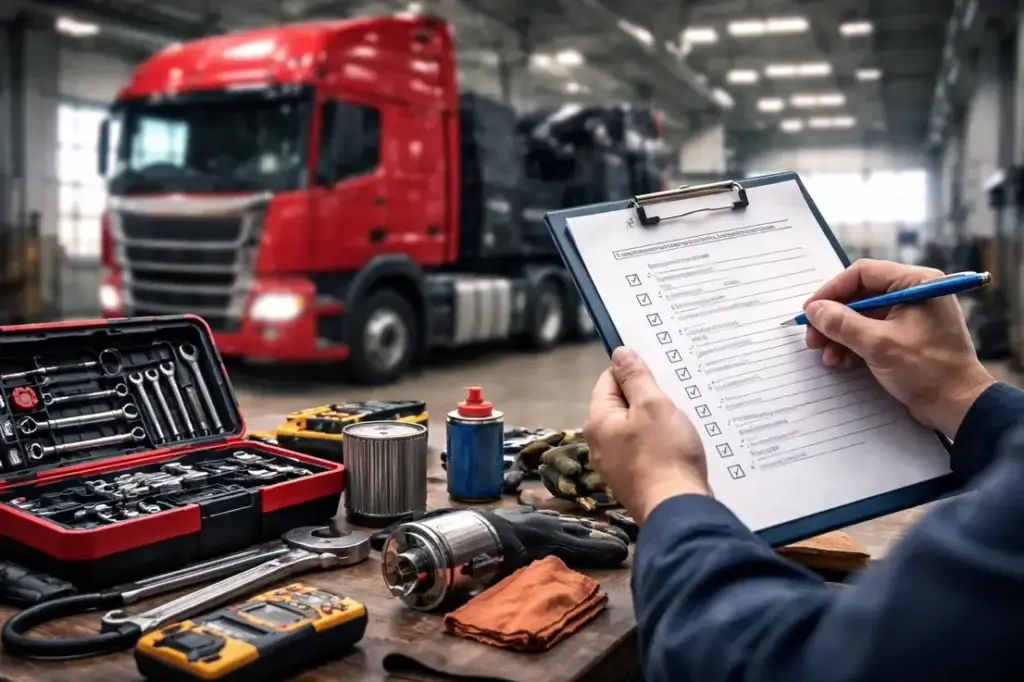
fleet shop safety training

OSHA Compliance Training for Fleet Maintenance Operations

Table of Contents
    Add a header to begin generating the table of contents

    Vehicle maintenance operations expose workers to serious hazards every day, from crushing injuries under vehicle lifts to chemical burns from battery acid. The Occupational Safety and Health Administration (OSHA) enforces mandatory safety standards under 29 CFR 1910 that govern fleet maintenance facilities nationwide. Non-compliance carries severe consequences: penalties range from $15,625 per violation to $156,259 for willful violations, plus devastating indirect costs from workplace injuries.

    Fleet managers and supervisors must implement comprehensive OSHA compliance training programs that protect technicians while maintaining operational efficiency. Effective programs address specific maintenance hazards including vehicle lifts, lockout-tagout procedures, chemical exposure, and fire safety. This guide provides practical frameworks for developing training systems that meet regulatory requirements, reduce liability exposure, and create proactive safety cultures in heavy-duty maintenance environments.

    Last Updated: November 2025

    Key Takeaways

    • Regulatory Framework: OSHA regulations under 29 CFR 1910 establish mandatory safety requirements for vehicle maintenance facilities, with penalties reaching $156,259 for willful violations.
    • Critical Training Areas: Comprehensive programs must address lockout-tagout procedures, hazard communication, PPE requirements, vehicle lift safety, and emergency response protocols.
    • Documentation Requirements: Fleet shops must maintain injury records for five years, hazard communication training for 30 years, and respiratory protection records for employment duration plus 30 years.
    • Common Violations: Hazard communication failures, improper lockout-tagout procedures, and inadequate machine guarding consistently rank among the most frequently cited OSHA violations in fleet maintenance.
    • Proactive Culture: Facilities with comprehensive safety programs experience 40% fewer OSHA citations and 52% lower workers’ compensation costs compared to reactive operations.

    Understanding OSHA Requirements for Fleet Maintenance Operations

    The Occupational Safety and Health Administration develops standards through structured processes involving employers, labor representatives, and industry experts. This collaborative approach ensures fleet shop regulations reflect real-world conditions while establishing enforceable safety measures. Fleet maintenance facilities must comply with comprehensive standards outlined in 29 CFR 1910, which covers general industry operations and vehicle-specific requirements.

    Walking-working surfaces standards (1910.22) address slip, trip, and fall hazards from oil spills and cluttered work areas. Means of egress regulations (1910.36-39) ensure workers can evacuate quickly during emergencies with unobstructed exit routes. Powered industrial truck standards (1910.178) govern forklift operations, requiring operator certification and annual competency evaluations.

    OSHA fleet shop regulations compliance framework

    The Hazard Communication Standard (1910.1200) mandates comprehensive chemical safety programs and ranks among the most frequently cited violations across all industries. Fleet shops must maintain chemical inventories, provide safety data sheets, and train employees on exposure risks. Electrical safety standards (1910.303-308) protect technicians working on vehicle electrical systems and shop power equipment through proper grounding and lockout procedures.

    Specific Regulations for Vehicle Maintenance Facilities

    Beyond general standards, OSHA enforces regulations designed specifically for vehicle maintenance operations. Vehicle servicing standards establish protocols for safely lifting vehicles on hydraulic lifts, jacks, and stands. Technicians must verify lift capacity before raising vehicles and use manufacturer-recommended lift points.

    Tire inflation safety (1910.177) addresses explosion hazards when inflating multi-piece rim wheels. A restraining device or cage must contain tire assemblies during inflation, and specialized training is mandatory due to severe injury risk. Compressed air equipment regulations (1910.242) limit air pressure for cleaning purposes to 30 psi when used with effective chip guarding.

    The lockout-tagout standard (1910.147) ranks among the most critical and frequently violated requirements. This regulation requires specific procedures to control hazardous energy during equipment servicing. Authorized employees must isolate energy sources before performing maintenance on vehicles or shop equipment. Machine guarding standards (1910.212) mandate protection for moving parts on grinders and drill presses.

    Recordkeeping and Reporting Obligations

    Comprehensive recordkeeping requirements form the backbone of regulatory compliance. Fleet shops must maintain accurate documentation of injuries, illnesses, and safety training activities. Form 300, the Log of Work-Related Injuries and Illnesses, requires employers to record qualifying incidents within seven calendar days. Form 300A summarizes annual data and must be posted from February 1 through April 30 of the following year.

    Certain severe incidents trigger immediate reporting obligations. Employers must report workplace fatalities within eight hours and hospitalizations, amputations, or eye loss within 24 hours through OSHA’s online reporting system. Beyond injury records, fleet shops must maintain extensive safety program documentation with varying retention periods.

    Document TypeOSHA StandardRetention PeriodPrimary Purpose
    Hazard Communication Program29 CFR 1910.120030 yearsChemical exposure tracking
    Respiratory Protection Program29 CFR 1910.134Duration of employmentFit test and medical clearance records
    PPE Hazard Assessments29 CFR 1910.132Duration of equipment useJob-specific protection requirements
    Training RecordsVarious standardsEmployment plus one yearCompetency verification

    Electronic recordkeeping systems streamline compliance for many fleet operations. Digital platforms facilitate quick updates, automated reminders, and centralized storage accessible during inspections. Regular audits verify timely incident recording, accurate classification, and complete employee information.

    Common Workplace Hazards in Fleet Maintenance Facilities

    Every fleet maintenance operation contains multiple hazard categories demanding targeted safety protocols and comprehensive employee training. Poor workshop layout contributes to 35% of workplace injuries in automotive facilities. Understanding specific hazard types enables managers to implement appropriate safeguards and develop effective OSHA compliance training programs.

    Physical Hazards: Slips, Trips, Falls, and Crushing Injuries

    Physical hazards constitute the most frequently reported category in vehicle service facilities. Oil spills, coolant leaks, and hydraulic fluid drops create slippery surfaces that compromise worker stability. Cluttered workspaces generate trip hazards from air hoses stretched across walkways, electrical cords in traffic areas, and tools left on floors.

    fleet maintenance hazards in vehicle service facility

    Fall hazards present serious injury risks from elevated work positions. Technicians working from ladders, vehicle platforms, and mezzanines face potential falls exceeding OSHA height thresholds. Crushing injuries represent the most severe danger category. Vehicle lifts, falling parts, and mobile equipment create hazards that can result in fatalities without proper controls.

    Chemical Exposure Risks from Fuels, Solvents, and Lubricants

    Chemical-related injuries in automotive shops increased 15% in 2024, primarily due to inadequate PPE and improper storage practices. Fleet maintenance facilities utilize dozens of hazardous chemicals daily. Solvents including brake cleaners and degreasers contain aromatic hydrocarbons causing skin irritation, eye damage, and respiratory issues.

    Petroleum products present fire hazards alongside health risks. Diesel fuel, gasoline, and various oils create skin absorption concerns and respiratory irritation. Hydraulic fluids pose unique injection injury risks under high pressure, penetrating skin at pressures exceeding 100 PSI. Battery acid containing sulfuric acid electrolyte causes severe chemical burns and permanent eye damage.

    Chemical CategoryCommon ExamplesPrimary Exposure RouteHealth Effects
    SolventsBrake cleaner, degreasers, carburetor cleanerInhalation, skin contactRespiratory irritation, dermatitis, CNS effects
    Petroleum ProductsDiesel, gasoline, motor oil, gear oilSkin absorption, inhalationSkin damage, respiratory issues, fire hazard
    Corrosive AcidsBattery electrolyte, wheel cleanersSkin contact, eye exposureChemical burns, permanent eye damage
    CoolantsEthylene glycol, propylene glycolIngestion, skin contactToxic effects, skin irritation

    Proper ventilation systems reduce airborne chemical concentrations to safe levels. Local exhaust ventilation at chemical use points captures contaminants before dispersing throughout facilities. General dilution ventilation provides background air exchange maintaining acceptable air quality.

    Ergonomic Hazards and Musculoskeletal Disorder Prevention

    Ergonomic hazards from repetitive motions, awkward postures, and forceful exertions contribute significantly to workplace injury challenges. Fleet technicians perform physically demanding tasks stressing the back, shoulders, hands, and knees. Repetitive motion injuries affect technicians performing similar tasks throughout shifts, while awkward postures create excessive stress when working overhead or bending at the waist.

    Engineering controls modify work processes to reduce ergonomic stress. Adjustable work benches, proper vehicle positioning, and mechanical assists eliminate high-risk postures. Lift tables, component carts, and pneumatic tools reduce manual force requirements while maintaining productivity. Work practice modifications include job rotation, microbreak schedules, and proper technique training.

    Essential Fleet Shop Safety Training Programs

    Training programs serve as primary defense against workplace injuries, providing employees with knowledge and skills to identify and control hazards. Organizations use computerized maintenance management systems (CMMS) to document OSHA-compliant procedures and store health and safety information. Maintenance managers must provide ongoing safety training programs when new chemicals are inventoried, regulations are updated, or new assets are installed.

    New Employee Safety Orientation and Onboarding

    Effective orientation begins before new hires perform hands-on work. This critical step establishes safety expectations and introduces facility-specific hazards. Orientation must cover emergency procedures, safety equipment locations, personal protective equipment requirements, and basic hazard communication principles.

    safety training programs for fleet maintenance technicians

    New employees need clear instruction on incident reporting procedures and their rights under OSHA regulations. Employees must understand that working safely is a non-negotiable condition of employment. Documentation plays a vital role—each new employee must sign acknowledgment forms confirming they received and understood safety orientation.

    Job-Specific Task Training Requirements

    OSHA requires employers to ensure employees demonstrate competency before working independently. Generic safety awareness is insufficient—workers need detailed instruction on specific equipment and procedures they will use daily. Task-specific instruction covers proper procedures, equipment operation, hazard recognition, and emergency response protocols.

    Training ProgramTarget AudienceDuration & FormatFrequency
    General Shop SafetyAll employees4 hours (classroom + hands-on)Annually
    Hazard CommunicationAll employees2 hours (online + practical)Annually
    Vehicle Lift OperationEquipment operators8 hours initial (hands-on demonstration)Initial plus retraining as needed
    Respiratory ProtectionRespirator users3 hours with medical evaluation + fit testAnnually

    Annual Refresher Training and Competency Assessments

    Initial training provides foundational knowledge, but competency deteriorates without periodic reinforcement. Annual refresher training maintains skill levels and updates employees on regulatory changes. OSHA mandates annual retraining for critical areas including hazard communication and respiratory protection.

    Competency assessments verify employees retain essential safety knowledge through written tests and practical demonstrations. Supervisors observe work practices to identify employees needing additional instruction. Documentation must specify topics covered, duration, date completed, and trainer qualifications.

    Stay Ahead of Industry Trends

    Get expert insights on fleet safety, equipment maintenance, and OSHA compliance delivered weekly to your inbox.

    Subscribe to Our Newsletter

    Hazard Communication and Chemical Safety Standards

    OSHA’s Hazard Communication Standard, aligned with the Globally Harmonized System of Classification and Labelling of Chemicals, requires employers to inform workers about chemical hazards through labels, safety data sheets, and comprehensive training. Fleet shops must establish written programs detailing how they will meet these requirements and protect employees from chemical dangers.

    Implementing the OSHA Hazard Communication Standard

    A written hazard communication program serves as the foundation for chemical safety. This document must identify the person responsible for implementation, list all hazardous chemicals present, and explain how labeling and training requirements will be met. The program must include a complete chemical inventory updated whenever new chemicals are introduced or discontinued.

    Essential program components include a designated administrator with clear responsibilities, complete inventory of hazardous chemicals by work area, procedures for maintaining proper container labels, methods for ensuring SDS accessibility during all shifts, employee notification system for new chemical hazards, and documentation of initial and refresher training.

    Safety Data Sheet Management and Accessibility

    Safety data sheets provide critical information about chemical hazards in a standardized 16-section GHS format. Sections one through eight contain immediate safety information including identification, hazards, composition, first aid measures, firefighting measures, accidental release procedures, handling and storage requirements, and exposure controls.

    hazard communication program safety data sheet management

    Facilities must maintain both physical and electronic SDS files accessible during all work shifts. Physical binders should be located where chemicals are stored and used. Electronic systems offer faster search capabilities but require backup procedures if computer systems fail. Establish clear procedures for obtaining safety data sheets before new chemicals enter facilities.

    Container Labeling and Secondary Container Requirements

    Original manufacturer labels must remain intact and legible on all chemical containers. These labels contain product identifiers, supplier information, hazard pictograms, signal words, hazard statements, and precautionary statements required by the GHS system. Secondary containers present special labeling challenges in busy maintenance environments.

    When technicians transfer chemicals into spray bottles or portable tanks, those secondary containers require proper labeling including product identifiers and appropriate hazard warnings. OSHA provides limited exemptions for portable containers used for immediate consumption during a single shift by the employee who filled them.

    Employee Training on Chemical Hazards and Protective Measures

    Chemical safety training must occur at initial assignment before employees work with hazardous substances. Additional training becomes necessary when introducing new chemical hazards, including new products, processes creating chemical exposures, or changes to existing chemicals.

    Effective training covers four essential areas. First, employees learn methods to detect chemical presence including visual appearance, odor, and monitoring results. Second, training explains physical hazards like flammability and health hazards such as respiratory irritation. Third, protective measures including engineering controls, work practices, and PPE are detailed. Finally, employees must learn to access and use hazard communication programs, including reading labels and interpreting safety data sheets.

    Personal Protective Equipment Requirements and Training

    Proper personal protective equipment creates critical safety barriers between fleet technicians and numerous hazards. OSHA requires employers to provide necessary PPE at no cost under 29 CFR 1910.132-138. Failure to meet these requirements can result in citations up to $15,625 per violation, with willful violations reaching $156,259.

    Assessing Workplace Hazards for Proper Equipment Selection

    Comprehensive PPE hazard assessments form the foundation of effective protection programs. This evaluation identifies specific hazards associated with each job task and determines appropriate protection levels. Assessments must be documented in writing and certified by the employer.

    PPE requirements for fleet maintenance workers

    The assessment process begins with workplace walkthroughs identifying potential injury sources including impact hazards from falling tools, penetration hazards from sharp objects, and compression hazards from heavy equipment. Chemical hazards from fuels and solvents must be evaluated along with thermal hazards from hot surfaces and welding operations.

    Each job task requires separate evaluation because hazards vary significantly across different maintenance activities. Brake service exposes technicians to asbestos-containing dust and heavy components. Battery maintenance involves acid splash risks and electrical hazards. Welding operations create intense light radiation and spark hazards.

    Eye and Face Protection Standards for Fleet Technicians

    Eye injuries represent one of the most common preventable workplace accidents. OSHA standard 29 CFR 1910.133 requires eye and face protection when workers face hazards from flying particles, molten metal, chemicals, acids, optical radiation, or harmful substances. All protective eyewear must meet ANSI Z87.1 standards for impact resistance and optical clarity.

    Safety glasses with side shields provide minimum protection for general shop work. Chemical splash goggles offer superior protection for fluid service tasks and battery maintenance, forming complete seals preventing liquids from entering at any angle. Face shields provide additional protection for grinding and cutting operations but must be worn with safety glasses, not as replacement.

    Welding operations require specialized protection from intense optical radiation. Welding helmets with auto-darkening or fixed shade lenses protect against arc flash and infrared radiation. Appropriate shade numbers depend on welding process and amperage—gas welding typically requires shade 4-8, while arc welding needs shade 10-14.

    Hand Protection, Foot Protection, and Protective Clothing

    Hand injuries account for significant portions of fleet maintenance accidents, making proper glove selection critical. Different tasks require specific glove types matched to encountered hazards. Cut-resistant gloves rated A2 through A4 under ANSI/ISEA 105 standards protect technicians handling sharp metal edges and cutting tools.

    Chemical-resistant gloves protect against hazardous substance exposure. Nitrile gloves resist petroleum products, oils, and fuels. Neoprene gloves provide protection against acids and caustic materials. Heat-resistant gloves are essential for welding and exhaust system work, withstanding temperatures up to 500°F.

    PPE TypeStandard/RatingReplacement ScheduleCost Range
    Safety GlassesANSI Z87.16-12 months$15-$45
    Steel-Toe BootsASTM F2413-1812-18 months$80-$200
    Cut-Resistant GlovesANSI A2-A43-6 months$25-$65
    Hearing ProtectionNRR 25-33 dB6 months (plugs)$15-$85

    Foot protection requirements under 29 CFR 1910.136 mandate safety-toe footwear meeting ASTM F2413-18 standards, providing impact resistance up to 75 pounds and compression resistance up to 2,500 pounds. Additional features include puncture-resistant soles, metatarsal guards, and electrical hazard ratings.

    Training Employees on Proper PPE Selection and Use

    Comprehensive training ensures workers understand when, how, and why to use protective equipment. OSHA requires documented training before employees begin work requiring PPE and whenever new hazards or equipment are introduced. Training must demonstrate employees understand content and can properly use assigned PPE.

    Effective programs address five critical knowledge areas: when PPE is necessary, what PPE is required for each task, how to properly don and adjust equipment, limitations of PPE protection, and proper care and maintenance procedures. Training delivery should accommodate different learning styles through hands-on demonstrations and practice sessions.

    Vehicle Lift and Hoisting Equipment Safety Protocols

    Equipment failures involving vehicle lifts account for 25-30 fatalities annually in automotive repair environments. These tragic incidents underscore the critical importance of implementing comprehensive safety protocols. Regular inspections, proper operator training, and strict adherence to manufacturer specifications form the foundation of effective programs.

    Daily Inspection Procedures for Hydraulic Lifting Systems

    Every hydraulic lift requires thorough visual inspection before its first use each day. Operators must examine lift arms, adapters, and locking mechanisms for signs of wear or damage. Technicians should check hydraulic hoses and fittings for leaks, cracks, or deterioration.

    vehicle lift safety inspection procedures in fleet maintenance shop

    Control functionality verification ensures all buttons, switches, and safety features respond correctly. Operators should raise lifts slightly to test for unusual noises, jerking movements, or irregular operation. Monthly detailed inspections by qualified maintenance personnel go beyond daily checks, assessing structural integrity, safety lock function, and hydraulic system pressure.

    Proper Vehicle Positioning and Load Capacity Verification

    Safe vehicle lifting begins with accurate weight verification before positioning vehicles on lifting equipment. Operators must confirm vehicle weight does not exceed equipment rated capacity. Vehicle positioning requires precise alignment ensuring stability throughout the lifting process.

    Different vehicle types have specific lifting requirements based on design and weight distribution. Technicians must consult vehicle service manuals to identify correct lift points before beginning work. The gradual lifting procedure involves raising vehicles in stages while monitoring for instability.

    Equipment TypeLoad CapacityInspection FrequencyTraining Required
    Two-Post Vehicle Lift12,000-20,000 lbsDaily visual, monthly detailed16-hour certification
    Four-Post Vehicle Lift15,000-50,000 lbsDaily visual, monthly detailed12-hour certification
    Heavy-Duty Floor Jack5-35 tonsBefore each use4-hour training
    Overhead Crane1-10 tonsDaily operation, annual detailed40-hour certification

    Safety lock engagement represents the most critical step in the lifting process. All locking mechanisms must be fully engaged before technicians work under raised vehicles. These locks provide mechanical backup if hydraulic systems fail, preventing vehicles from falling.

    Portable Jack Equipment and Secondary Support Requirements

    Floor jacks provide essential mobility but require strict safety protocols. These portable devices must never serve as sole support for vehicles during repair work. OSHA standards mandate jack stands as secondary support whenever technicians work beneath vehicles.

    Proper jack selection depends on load capacity required for specific vehicles. Stable placement on level, solid surfaces ensures jacks operate safely without tipping or sinking. Jack stand positioning requires careful consideration of load distribution and vehicle structure, with combined capacity exceeding total vehicle weight.

    Lockout-Tagout Procedures for Equipment and Vehicles

    OSHA’s Control of Hazardous Energy Standard establishes critical requirements that every fleet maintenance shop must implement. Lockout-tagout procedures outlined in 29 CFR 1910.147 consistently rank among most frequently cited violations. Unexpected energization or startup of equipment causes approximately 120 workplace fatalities and 50,000 injuries annually across industrial settings.

    Understanding OSHA’s Control of Hazardous Energy Standard

    The Control of Hazardous Energy Standard applies whenever service or maintenance activities require employees to remove or bypass machine guards or safety devices. Fleet shops must contend with multiple energy types including electrical power, mechanical energy from springs and moving parts, hydraulic pressure in lift systems, pneumatic energy in air tools, chemical energy from batteries, thermal energy from hot engines, and gravitational energy from raised vehicles.

    lockout tagout procedures in fleet maintenance shop

    The standard recognizes three employee classifications. Authorized employees perform servicing and maintenance, implementing lockout-tagout procedures themselves. Affected employees operate equipment where LOTO procedures are utilized but do not perform servicing. Other employees work in areas where LOTO procedures are implemented and need awareness training.

    Developing Equipment-Specific LOTO Procedures

    Written lockout-tagout procedures must be developed for each piece of equipment requiring servicing. Generic procedures fail to address specific hazards and energy sources unique to different equipment types. Fleet maintenance operations typically require separate procedures for hydraulic lifts, tire changers, brake lathes, welding equipment, compressed air systems, and diagnostic machines.

    Effective procedures begin with comprehensive energy surveys identifying all energy sources for each equipment piece. Each written procedure must clearly identify equipment by name and location, specify energy types and magnitudes, detail sequential shutdown steps, describe specific energy-isolating devices and locations, explain required lockout devices, and outline verification methods confirming effective energy isolation.

    Equipment TypePrimary Energy SourcesIsolation PointsVerification Method
    Hydraulic Vehicle LiftElectrical, Hydraulic, GravitationalElectrical disconnect, Hydraulic valve, Safety locksTest lift controls, Inspect gauges, Check lock engagement
    Tire Changer MachineElectrical, PneumaticPower switch, Air supply valveAttempt machine operation, Verify air pressure release
    Air Compressor SystemElectrical, Pneumatic, ThermalCircuit breaker, Pressure release valves, Tank drainTest compressor start, Monitor gauges, Confirm cool-down
    Battery Charging StationElectrical, ChemicalPower disconnect, Circuit isolationTest voltage with meter, Verify zero energy state

    Authorized Employee Training and Periodic Inspections

    Authorized employees must receive comprehensive training covering general LOTO principles and equipment-specific procedures. Training must address the purpose and function of procedures, methods for recognizing hazardous energy sources, energy types and magnitudes, and methods for isolating and controlling different energy types.

    Initial training for new employees must occur before they begin work assignments involving LOTO procedures. Retraining becomes necessary when job assignments change, equipment or processes are modified, procedures change, or periodic inspection findings reveal inadequate knowledge.

    Periodic inspections of lockout-tagout procedures represent a critical but often overlooked requirement. OSHA mandates at least annual inspections of each equipment-specific procedure. Inspections must be conducted by authorized employees other than those regularly using procedures, verifying all energy sources are identified, isolation methods prove effective, and verification steps confirm zero energy states.

    Fire Safety, Flammable Materials, and Emergency Response

    Automotive repair facilities experience over 4,500 fires annually, causing $218 million in property damage nationwide. Most fires start from welding operations, electrical faults, or improper fuel handling. Comprehensive fire prevention strategies combined with robust emergency response procedures dramatically reduce these risks.

    Flammable Liquid Storage and Handling Requirements

    Fleet maintenance shops handle numerous flammable and combustible liquids daily. OSHA classifies liquids by flashpoint—the temperature at which they produce enough vapor to ignite. Class I flammable liquids have flashpoints below 100°F, while Class II and III combustible liquids have progressively higher flashpoints.

    Proper storage begins with approved safety cabinets featuring double-wall construction with at least 1.5 inches of air space. Cabinets need self-closing doors, three-point latching systems, and raised door sills containing spills. Quantities stored outside approved cabinets cannot exceed 25 gallons of Class I liquids or 120 gallons of Class II liquids.

    Grounding and bonding procedures prevent static electricity buildup during liquid transfer operations. Always connect grounding wires between transfer containers before beginning fuel or solvent transfers. Spill containment represents another critical component—storage areas need secondary containment capable of holding 110% of the largest container’s volume.

    Fire Extinguisher Types, Placement, and Training

    Selecting correct fire extinguishers depends on understanding fire types facilities might encounter. Most fleet maintenance shops need multiple extinguisher types positioned throughout facilities. ABC dry chemical extinguishers serve as general-purpose units effective on ordinary combustibles, flammable liquids, and electrical fires.

    CO2 extinguishers excel at protecting electrical equipment without leaving residue damaging sensitive components. Foam extinguishers provide superior performance in fuel storage areas where flammable liquid fires pose greatest risk. Fire extinguisher maintenance follows strict schedules—monthly visual inspections checking pressure gauges and physical damage, with annual professional inspections by qualified technicians mandatory.

    Extinguisher TypeBest ApplicationCapacity RangeMaximum Travel Distance
    ABC Dry ChemicalGeneral workshop areas, all-purpose protection10-20 lbs75 feet
    CO2 (Carbon Dioxide)Electrical equipment and control panels15-20 lbs50 feet
    Foam (AFFF)Fuel storage and flammable liquid areas2.5-6 gallons50 feet
    Fire BlanketWelding stations and clothing fires6×8 feet minimumImmediate access

    Employee training on fire extinguisher use must occur upon hire and annually thereafter. Teach the PASS technique: Pull the safety pin, Aim the nozzle at the fire’s base, Squeeze the handle, and Sweep side to side. Emphasize that employees should only attempt fighting small, contained fires and must evacuate immediately if flames spread beyond the incipient stage.

    Emergency Action Plans and Evacuation Procedures

    OSHA requires written Emergency Action Plans for facilities employing more than 10 workers under 29 CFR 1910.38. Plans must address multiple emergency scenarios including fires, chemical spills, medical emergencies, and natural disasters. Clearly defined evacuation routes must remain unobstructed at all times, with exit doors marked by illuminated signs visible through smoke or during power failures.

    Designate specific assembly points located at safe distances from buildings and away from emergency vehicle access routes. All employees must know assembly locations and understand the importance of reporting there immediately during evacuations. Establish procedures for accounting for all employees after evacuation through supervisor headcounts at assembly points.

    Conduct evacuation drills at least annually, though quarterly drills provide better preparedness. Vary drill timing to include all shifts and use different scenarios to test employee knowledge. Document each drill with date, time, participation rate, evacuation time, and identified deficiencies.

    Share Your Expertise

    Join Heavy Duty Journal as a guest author and reach thousands of fleet managers, shop supervisors, and diesel technicians seeking practical safety insights.

    Become a Guest Author

    Building a Proactive Safety Culture in Your Fleet Shop

    True safety culture emerges when employees at every level actively participate in protecting themselves and coworkers. Moving beyond simple compliance requires fundamental shifts in how organizations approach daily operations. Facilities with comprehensive safety programs see 40% fewer OSHA citations and 52% lower workers’ compensation costs.

    Creating Effective Safety Committees

    Safe environments exist when employees are involved in decisions affecting workplace safety. Active safety committees supported by management are essential to successful safety culture development. Committees provide structured forums where front-line employees contribute practical knowledge to identify hazards and develop solutions.

    Committee composition should include diverse representation from throughout facilities. Include management representatives who can authorize changes, supervisors from different departments, and front-line employees from various shifts. Committee responsibilities extend beyond monthly meetings to reviewing incident trends, conducting facility inspections, evaluating safety suggestions, and recommending policy changes.

    Near-Miss Reporting and Investigation Procedures

    Near-misses are unplanned events that did not result in injury or damage but had potential to do so. These incidents provide invaluable learning opportunities to prevent actual injuries. Organizations should encourage near-miss reporting by creating non-punitive reporting systems where employees won’t fear discipline or blame.

    Incident investigation procedures follow systematic approaches to identify root causes. Evidence collection begins immediately—take photographs, record measurements, and obtain witness statements while memories are fresh. Root cause analysis uses systematic methods digging deeper than surface-level causes. The 5-Whys technique asks “why” repeatedly until fundamental causes emerge.

    “The focus of investigation shall be fact finding, not fault finding, to accurately identify causes and determine appropriate corrective actions.”

    Recognition Programs and Performance Measurement

    Positive reinforcement and measurement drive behavioral change in safety culture development. Recognition programs acknowledge employees demonstrating safety leadership, reporting hazards, or suggesting improvements. Individual recognition for safety suggestions or extended incident-free periods reinforces desired behaviors.

    Safety performance metrics fall into two categories: lagging indicators measuring outcomes of past failures, and leading indicators measuring proactive activities preventing incidents. Leading indicators provide more value for driving continuous improvement because they measure preventive activities rather than failure outcomes.

    Metric TypeWhat It MeasuresExamplesPrimary Use
    Lagging IndicatorsOutcomes of past failuresOSHA recordable incident rate, lost time rate, severity rateMeasuring historical performance and compliance
    Leading IndicatorsProactive prevention activitiesTraining completion rates, hazard corrections, near-miss reports, audit scoresPredicting future performance and driving improvement

    Staying Current and Continuously Improving

    Effective safety programs evolve based on performance data, operational changes, regulatory updates, and industry best practices. Subscribe to OSHA QuickTakes and Federal Register notices to stay informed about new workplace safety standards and enforcement policies.

    Participate in industry associations like the American Trucking Associations, National Private Truck Council, and National Safety Council offering valuable resources and networking opportunities. Review incident trends regularly to identify patterns requiring attention. Solicit employee feedback on program effectiveness through surveys, safety committee input, and informal discussions.

    The Plan-Do-Check-Act cycle provides a framework for continuous improvement: identify opportunities through audits and incident reviews, implement changes on small scales initially, measure results against objectives, and standardize successful changes while identifying new opportunities. Remember that safety is a journey of continuous improvement rather than a destination.

    Preparing for OSHA Workplace Inspections

    OSHA standards are enforced through compliance audits occurring with little or no advance notice. Understanding the inspection process reduces anxiety and ensures professional, cooperative responses. Compliance officers must show credentials to prove they are legitimate agency representatives. Employers should verify credentials before allowing facility entry.

    Officers explain why organizations were chosen for inspection—whether due to employee complaint, programmed inspection, or accident investigation. They outline the process including walking around and visually examining machines and equipment. Officers conduct private interviews with employees to gather information about working conditions.

    After inspecting workplaces for hazards, inspections conclude in one of two ways. If no violations are found, inspections are complete with no further action. If violations are found, officers may issue citations or fines varying based on severity. Citations provide opportunities to correct violations by stated deadlines. Fines range from thousands to hundreds of thousands of dollars depending on violation classifications.

    Maintaining inspection readiness through consistent application of safety audit procedures and recordkeeping practices transforms unexpected inspections from crises into routine demonstrations of compliance. Organizations operating as if inspectors could arrive at any moment naturally maintain higher safety standards and face fewer violations when inspections occur.

    Conclusion

    Management holds primary responsibility for fleet shop safety training success. Leadership must enforce safety policies, establish clear procedures, and direct adequate resources toward protecting workers. Working safely is a condition of employment at every successful operation.

    Facilities prioritizing OSHA compliance training see measurable improvements across entire operations. Workers’ compensation costs decrease, employee retention rates improve, and customer confidence grows stronger. These benefits directly impact bottom lines while protecting people who keep fleets running.

    The time to act is now. Each day without proper safety measures increases risk exposure and potential liability. Assess current programs against standards outlined in this guide. Identify gaps requiring immediate attention and prioritize improvements based on actual risk levels in facilities.

    Safety excellence is achievable through systematic implementation of these principles. Sustained commitment from leadership, engagement from employees, and recognition that protecting workers is both a legal requirement and moral obligation will transform operations. The investment in comprehensive fleet shop safety training delivers returns through reduced injuries, regulatory compliance, and operational excellence.

    Share This With Your Heavy-Duty Network

    Help fleet managers and diesel technicians discover essential OSHA compliance strategies by sharing this comprehensive safety training guide.

    Frequently Asked Questions

    What are the OSHA fine amounts for fleet maintenance safety violations?

    OSHA penalties for fleet maintenance violations vary by severity. Standard violations carry fines up to $15,625 per violation, while willful or repeated violations can result in penalties up to $156,259 per violation. These substantial fines underscore the financial imperative of maintaining comprehensive safety training programs and compliance protocols in fleet maintenance operations.

    Which OSHA standards apply specifically to fleet maintenance facilities?

    Fleet maintenance facilities must comply with general industry standards under 29 CFR 1910, including walking-working surfaces, means of egress, powered industrial trucks, hazardous materials handling, and environmental controls. Specific vehicle maintenance requirements address vehicle servicing on lifts and jacks, tire inflation safety, battery charging operations, and compressed air equipment use.

    How long must fleet maintenance shops retain OSHA injury and illness records?

    Fleet maintenance facilities must retain OSHA Form 300 (Log of Work-Related Injuries and Illnesses), Form 300A (Summary), and Form 301 (Injury and Illness Incident Report) for five years following the year to which they pertain. These records must be available for inspection by OSHA compliance officers, employees, and employee representatives.

    What are the most frequently cited OSHA violations in fleet maintenance operations?

    The most frequently cited violations include hazard communication failures (29 CFR 1910.1200), improper lockout-tagout procedures (29 CFR 1910.147), and inadequate machine guarding (29 CFR 1910.212). These citations typically involve incomplete chemical inventories, missing Safety Data Sheets, failure to control hazardous energy during equipment servicing, and unguarded moving machine parts.

    What safety training must new fleet maintenance employees receive before starting work?

    New employees must complete comprehensive safety orientation covering facility-specific hazards, emergency procedures, location of safety equipment, personal protective equipment requirements, hazard communication basics, incident reporting procedures, and employee rights under OSHA. This orientation must occur before employees begin hands-on work and must be documented with signed acknowledgments.

    How often must fleet maintenance employees receive refresher safety training?

    OSHA requires annual refresher training for critical safety topics including hazard communication, respiratory protection, and hearing conservation. Additional retraining is mandatory when new hazards are introduced, when employees demonstrate inadequate knowledge or unsafe work practices, or when changes in job assignments expose workers to different hazards.

    What does OSHA’s Hazard Communication Standard require for fleet maintenance shops?

    The Hazard Communication Standard requires fleet maintenance facilities to develop written hazard communication programs, maintain complete chemical inventories, ensure proper container labeling with GHS-compliant information, provide accessible Safety Data Sheets for all hazardous chemicals, and train employees on chemical hazards and protective measures at initial assignment and whenever new hazards are introduced.

    What personal protective equipment is required for fleet maintenance technicians?

    PPE requirements depend on specific job tasks and hazard assessments. Common requirements include safety glasses with side shields for general shop work, chemical splash goggles for fluid service, face shields for grinding operations, cut-resistant gloves for handling sharp objects, chemical-resistant gloves for fluid handling, safety-toe footwear meeting ASTM F2413 standards, and flame-resistant clothing for welding operations. Employers must provide PPE at no cost to employees.

    What inspection is required before using a vehicle lift in a fleet maintenance shop?

    Operators must perform daily pre-use inspections including visual checks of lift arms, adapters, and safety locks; inspection of hydraulic hoses and fittings for leaks; verification of control functionality; checking for unusual noises or movements; and ensuring work areas are clear. Monthly detailed inspections by qualified personnel and annual third-party inspections are also required, with all inspections documented.

    What is lockout-tagout and when is it required in fleet maintenance?

    Lockout-tagout refers to procedures for controlling hazardous energy under OSHA standard 29 CFR 1910.147. LOTO is required during servicing and maintenance of equipment and vehicles when unexpected startup or energy release could cause injury. This includes work on vehicle lifts, tire changers, air compressors, hydraulic systems, and electrical systems where employees could be exposed to hazardous energy.

    How should flammable liquids be stored in fleet maintenance facilities?

    Flammable liquids must be stored according to OSHA standard 29 CFR 1910.106 based on liquid classification and quantity. Approved flammable storage cabinets are required for quantities exceeding 25 gallons of Class I liquids or 120 gallons of Class II/III liquids in a single fire area. Containers must be properly labeled, grounded and bonded during transfer operations, equipped with flame arresters, and separated from ignition sources by specified distances.

    What type of fire extinguisher is required for fleet maintenance shops?

    Fleet maintenance facilities typically require multi-purpose ABC fire extinguishers effective on Class A (ordinary combustibles), Class B (flammable liquids), and Class C (electrical) fires. Extinguishers must be mounted in readily accessible locations with maximum travel distances of 75 feet for Class A hazards and 50 feet for Class B hazards. Additional specialized extinguishers may be needed for specific hazards.

    What is a near-miss in fleet maintenance safety and why is reporting important?

    A near-miss is an unplanned event that did not result in injury, illness, or property damage but had potential to do so under slightly different circumstances. Near-miss reporting is critically important because these events provide early warnings about hazards before they cause serious harm. Organizations encouraging non-punitive near-miss reporting, investigating events thoroughly, and implementing corrective actions proactively prevent future incidents.

    What are leading versus lagging safety indicators for fleet maintenance operations?

    Lagging indicators measure outcomes after events occur, including OSHA recordable incident rates, lost time incident rates, severity rates, and workers’ compensation costs. Leading indicators measure proactive safety activities predicting future performance, including safety training completion rates, hazard identification and correction rates, near-miss reporting frequency, safety audit scores, and safety meeting attendance. Leading indicators are more valuable for driving improvement because they measure preventive actions rather than failure outcomes.

    When must fleet maintenance shops report workplace fatalities or hospitalizations to OSHA?

    Employers must report work-related fatalities to OSHA within 8 hours of the incident. Work-related in-patient hospitalizations, amputations, or loss of an eye must be reported within 24 hours. Reports can be made by telephone to the nearest OSHA Area Office or through OSHA’s website. Failure to report within required timeframes can result in significant penalties beyond any citations for underlying safety violations.

    Leave a Comment

    Your email address will not be published. Required fields are marked *

    Sponsored

    Emergency Breakdown?

    Find Certified Repair Shops Near You

    24/7 Mobile Service
    Verified Facilities
    Nationwide Coverage
    Find Repair Shops Now →

    Trusted by thousands of fleet operators