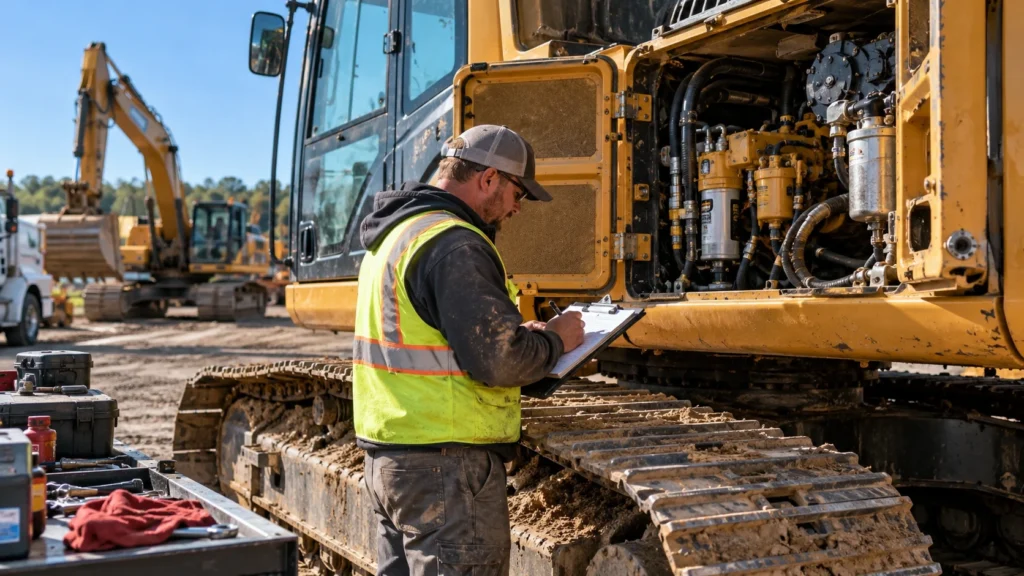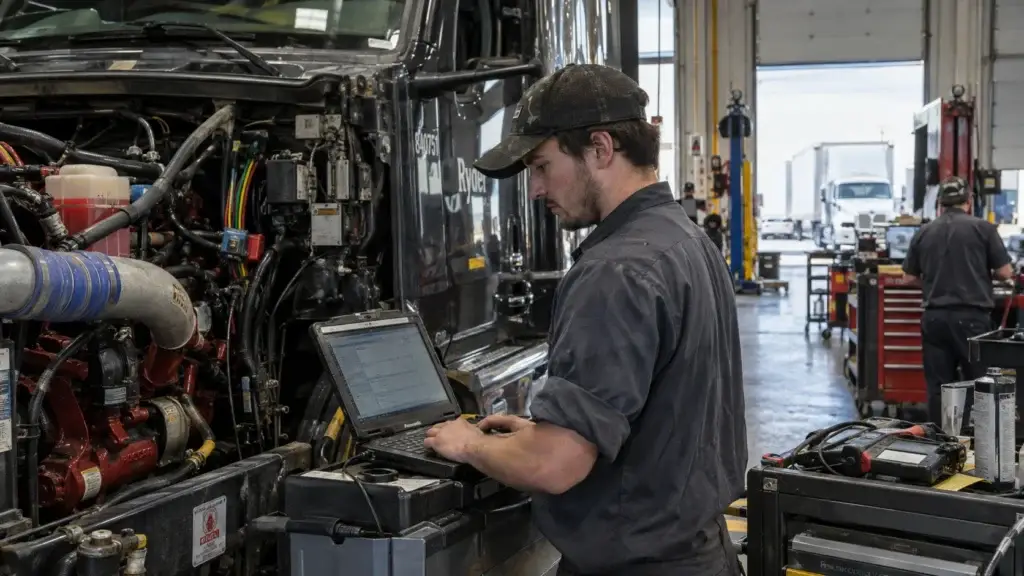
Diesel diagnostic certification has become the defining credential separating entry-level mechanics from highly sought-after diagnostic specialists in today’s commercial vehicle industry. Fleet managers across the nation struggle to find technicians capable of troubleshooting the sophisticated electronic systems controlling modern heavy-duty diesel engines, creating exceptional opportunities for professionals who invest in proper credentialing. With approximately 26,500 annual job openings projected according to the U.S. Bureau of Labor Statistics and median wages reaching $60,640, this career path offers both stability and substantial earning potential for those willing to pursue specialized training.
The transportation sector depends on diesel-powered vehicles to move freight across the nation, with commercial trucks essential to America’s supply chain. This massive logistics network requires constant maintenance and expert troubleshooting to keep operations running smoothly. Modern emission control systems, electronic fuel injection, and computerized engine management have transformed diesel repair from a purely mechanical trade into a sophisticated diagnostic discipline.
Last Updated: December 2025
Key Takeaways
- Strong job market: Approximately 26,500 annual openings for diesel technicians nationwide with median wages of $60,640.
- ASE certification matters: The ASE A9 Electronic Diesel Engine Diagnosis credential validates advanced diagnostic expertise employers actively seek.
- Multiple training pathways: Technical institutes, community colleges, and apprenticeships offer flexible routes to certification.
- Training accelerates eligibility: Accredited program graduates can substitute coursework for one year of the two-year ASE experience requirement.
- Employer incentives available: Many graduates receive sign-on bonuses, tool allowances, and relocation assistance from employers competing for talent.
What Is Diesel Diagnostic Certification?
Diesel diagnostic certification validates a technician’s specialized expertise in identifying, analyzing, and resolving complex problems within modern diesel engine systems using advanced electronic diagnostic equipment. This credential differs significantly from general mechanic qualifications by emphasizing electronic systems troubleshooting, data interpretation, and systematic problem-solving approaches rather than routine maintenance tasks.
Certified diagnostic specialists work with Electronic Control Modules (ECMs), sensor networks, and computerized engine management systems that govern every aspect of modern diesel engine performance. These professionals must demonstrate proficiency in reading diagnostic trouble codes, interpreting live data streams, and performing systematic troubleshooting procedures that isolate root causes rather than simply replacing parts.

The certification landscape includes credentials from multiple recognized organizations, each addressing different aspects of diesel technology. The National Institute for Automotive Service Excellence (ASE) provides the most widely recognized certifications, while state-level credentials address specific regulatory requirements such as emissions testing compliance.
How Certification Differs from Basic Mechanic Training
Basic diesel mechanic training teaches component replacement, preventive maintenance, and fundamental repair procedures. Diagnostic certification builds upon this foundation by validating expertise in electronic systems analysis, computerized troubleshooting, and advanced problem-solving methodologies. While a general mechanic might replace a faulty sensor, a certified diagnostic specialist determines why that sensor failed and whether related systems sustained damage.
This distinction carries significant career implications. Fleet managers increasingly recognize that misdiagnosis costs more than the diagnostic fee itself through unnecessary parts replacement, extended downtime, and repeat repairs. Technicians who can accurately identify problems on the first attempt command premium wages and enjoy greater job security.
Industry Recognition and Career Value
Certification creates uniform standards across the diesel industry, ensuring that credentialed technicians meet consistent competency benchmarks regardless of training location. This standardization facilitates technician mobility across employers and geographic regions. A certified diagnostic specialist can transfer skills seamlessly between different service centers and states, knowing their credentials carry weight with any employer.
Customers and fleet operators gain confidence knowing certified technicians have demonstrated competency through rigorous testing. Many maintenance contracts and warranty repair authorizations specifically require ASE-certified technicians, making certification essential for shops seeking premium work.
Types of Diesel Diagnostic Certifications Available
Multiple certification tracks exist for technicians who want to specialize in heavy-duty diesel diagnostics and electronic systems. Each credential serves distinct professional purposes and validates specific competencies. Understanding these certification options helps technicians build strategic career pathways aligned with their employment goals and technical interests.
ASE A9 Electronic Diesel Engine Diagnosis
The ASE A9 certification represents the gold standard for electronic diesel engine diagnostic expertise. This credential validates proficiency in computerized engine controls, sensor systems, and electronic fuel injection diagnostics. Technicians must demonstrate comprehensive knowledge of diagnostic trouble codes, scan tool operation, and systematic troubleshooting procedures.
Eligibility requires two years of relevant work experience or one year of experience combined with training from an ASE Education Foundation accredited program. The certification exam covers circuit testing, component identification, and data interpretation. This credential distinguishes diagnostic specialists from general diesel mechanics by confirming advanced electronic system expertise.
26,500 annual openings
Projected average annual job openings for diesel service technicians through 2034 — U.S. Bureau of Labor Statistics
ASE T2 Medium-Heavy Truck Diesel Engines
The T2 certification focuses specifically on medium and heavy-duty commercial vehicle diesel engines. This credential complements the A9 by emphasizing mechanical systems alongside electronic diagnostics. Technicians working in fleet maintenance or commercial truck repair facilities find this certification particularly valuable.
The T2 exam tests knowledge of fuel systems, air induction, exhaust systems, and cooling systems specific to commercial applications. Combined A9 and T2 certifications create a comprehensive credential portfolio that maximizes employment opportunities in the commercial diesel sector. Many fleet maintenance managers consider both certifications when evaluating candidates for senior diagnostic positions.
Manufacturer-Specific Training Programs
Major engine manufacturers offer specialized certification programs providing brand-specific diagnostic training on proprietary systems. Institutions like Universal Technical Institute partner with manufacturers including Cummins, Peterbilt, and Freightliner to deliver advanced training that mirrors actual workflows found in authorized service centers.
These manufacturer-specific credentials create competitive advantages when seeking positions with fleets operating specific engine brands. Technicians certified in Detroit Diesel or Caterpillar systems command premium salaries due to their specialized expertise with proprietary diagnostic software, scan tools, and repair procedures. Some programs receive direct manufacturer funding, reducing training costs for participants.
State Emissions and Specialty Certifications
Regulatory requirements drive additional certification needs, particularly in states with strict emissions standards. Programs like Delta College prepare students for California Air Resources Board (ARB) Heavy Duty Diesel Engine Emissions Control certification, validating expertise in diagnosing and repairing emission control systems.
The Society of Automotive Engineers (SAE) offers air conditioning certification for technicians working with refrigerant systems. States with comprehensive vehicle inspection programs often require technicians to hold specific credentials for emissions testing. These complementary certifications enhance employment prospects and demonstrate regulatory compliance expertise.
| Certification | Focus Area | Requirements |
|---|---|---|
| ASE A9 | Electronic diesel engine diagnosis | 2 years experience or 1 year + accredited training |
| ASE T2 | Medium-heavy truck diesel engines | 2 years commercial vehicle experience |
| Manufacturer-Specific | Brand-exclusive systems and tools | Completion of approved training program |
| State Emissions (ARB) | Emissions control systems compliance | State-approved training completion |
Training Program Formats for Diesel Technicians
The landscape of diesel technician training has evolved significantly, offering prospective students diverse program formats to match individual needs and circumstances. Each educational pathway provides distinct advantages in terms of scheduling flexibility, program duration, and learning environment. Understanding these options enables aspiring technicians to select the most appropriate program for their career goals.
Intensive Technical Institute Programs
Specialized technical schools like Universal Technical Institute, Lincoln College of Technology, and WyoTech deliver focused diesel diagnostic training in dedicated facilities equipped with industry-standard tools and equipment. These institutions concentrate exclusively on automotive and diesel technologies, creating an immersive learning environment that accelerates skill development.
Core programs at technical institutes can often be completed in less than a year, allowing students to enter the workforce quickly. The accelerated format appeals to individuals seeking rapid career transitions without sacrificing educational quality. Students benefit from extensive hands-on practice with current diagnostic equipment and real-world troubleshooting scenarios.
Community College Associate Degree Programs
Community colleges such as Delta College, American River College, and Ivy Tech Community College provide associate degree programs combining technical diesel training with general education coursework. These programs typically span two academic years and result in an Associate of Applied Science degree that demonstrates broader academic preparation.
The comprehensive curriculum includes mathematics, communication skills, and business fundamentals alongside diesel diagnostics instruction. This approach prepares graduates for advancement into supervisory positions and provides transfer pathways to four-year institutions for those pursuing management careers. Community colleges typically offer lower tuition rates due to public subsidization.

Blended Learning Approaches
Many programs now follow blended-learning models combining online instructor-led training with hands-on laboratory application. Students might spend approximately half of their instruction time on online coursework, with remaining time dedicated to practical lab work with actual equipment. This format mirrors modern workplace learning environments where technicians access digital resources while performing physical diagnostics.
Fully online diesel diagnostic certification remains unfeasible due to the profession’s hands-on nature, but hybrid formats optimize learning efficiency without compromising essential skill development. Students can review theoretical concepts at their own pace while ensuring adequate time for supervised practical application.
Earn-While-You-Learn Apprenticeships
Registered apprenticeship programs combine employment with structured training, allowing apprentices to earn wages while developing professional skills. These programs typically extend over longer timeframes than full-time school-based options, often requiring three to four years to complete all requirements.
Apprentices work under experienced diesel technicians during regular shifts while attending classroom instruction during designated training periods. This format provides substantial work experience alongside certification preparation, often resulting in immediate post-graduation employment with the sponsoring employer. The model suits individuals who need income during their training period.
Stay Current on Diesel Technology Careers
The heavy-duty industry evolves rapidly with new diagnostic technologies and training requirements. Get updates on certification changes, career opportunities, and technical developments delivered directly.
Eligibility Requirements and Prerequisites
Entry into diesel diagnostic certification programs depends on meeting specific educational, physical, and experiential standards established by training institutions and certifying bodies. These prerequisites ensure students possess the necessary foundation for technical learning. Understanding requirements helps aspiring technicians prepare adequately before applying.
Educational Background Requirements
Entry-level diesel technology programs require a high school diploma or GED equivalent. Most programs require no prior technical experience, making them accessible to beginners transitioning from other fields. This open-access approach welcomes students without previous automotive backgrounds while establishing foundational knowledge through structured coursework.
Prospective students benefit from solid foundations in mathematics, particularly algebra, as diagnostic work involves calculating specifications, interpreting sensor values, and understanding measurement tolerances. Basic science comprehension helps students understand combustion principles, electrical theory, and hydraulic systems that underpin diesel technology.
Work Experience for Advanced Certifications
Advanced certifications like ASE require documented work experience for eligibility. Most ASE certifications demand two years of hands-on experience in diesel repair environments. However, graduates from ASE Education Foundation accredited programs can substitute one year of their formal training for experience requirements, significantly accelerating the path to certification.
Manufacturer-specific advanced certifications often require completion of basic diesel technology training before enrollment, creating a logical progression pathway from foundational to specialized credentials. Students must complete prerequisite courses before advancing to higher-level programs focused on specific engine brands or diagnostic specialties.
Physical Requirements and Safety Standards
Diesel technician work demands specific physical capabilities for safety and effectiveness. Technicians must lift heavy components, sometimes weighing 50 pounds or more, and work in various positions including standing, kneeling, and lying under vehicles for extended periods. The job requires stamina for long shifts in shop environments that may involve temperature extremes and exposure to lubricants and fuels.
Vision and hearing requirements exist for safety-critical diagnostic work. Technicians must identify color-coded wiring, read small print on specifications, and detect unusual engine sounds that indicate developing problems. Safety awareness when working with heavy equipment, high-pressure fuel systems, and potentially hazardous materials is paramount throughout diesel technology careers.
Comprehensive Curriculum in Diagnostic Training
The curriculum for diesel diagnostic certification encompasses a wide range of technical competencies essential for today’s commercial vehicle technicians. Training programs integrate classroom instruction with extensive hands-on laboratory experience to build proficiency across multiple vehicle systems. Students progress through structured modules addressing both foundational mechanical principles and advanced electronic diagnostic procedures.
Electronic Control Modules and Engine Management
Modern heavy-duty diesel engines rely on sophisticated computerized control systems governing every aspect of performance. Students learn to navigate Electronic Control Modules that manage fuel delivery, injection timing, turbocharger boost, and emission control functions. Training covers sensor networks including temperature, pressure, position, and mass airflow sensors providing real-time data to the engine management system.
Instruction includes ECM programming procedures, software updates, and parameter adjustments using manufacturer-specific platforms. Students develop skills interpreting control module data streams and understanding how electronic systems integrate to optimize efficiency and power output. This foundation proves essential for advanced diagnostic work.
Advanced Diagnostic Equipment Proficiency
Proficiency with industry-standard diagnostic equipment distinguishes certified technicians in the job market. Training programs provide hands-on experience with handheld scan tools, laptop-based diagnostic software, digital multimeters, and oscilloscopes. Students learn proper connection protocols for accessing vehicle communication networks and retrieving diagnostic trouble codes efficiently.
Advanced instruction covers live data stream analysis, bi-directional control testing, and component activation procedures. Technicians master both generic OBD protocols and manufacturer-specific diagnostic systems from brands like Cummins, Detroit Diesel, and Caterpillar. This equipment proficiency enables accurate diagnosis of complex electronic and mechanical failures.
Emission Control Systems and Compliance
Environmental regulations mandate comprehensive training in emission control technologies for all commercial vehicle technicians. Students study diesel particulate filter (DPF) operation, regeneration processes, and service procedures. Selective Catalytic Reduction (SCR) systems receive detailed coverage, including diesel exhaust fluid (DEF) quality requirements and dosing system diagnostics.
Exhaust Gas Recirculation (EGR) systems and associated coolers represent another critical curriculum component. Understanding EPA emission standards for commercial trucks and compliance testing procedures proves essential for technicians working in regulated environments. Proper diagnosis of emission system faults prevents costly regulatory violations for fleet operators.
Fuel Injection and Turbocharger Systems
High-pressure common rail fuel systems and electronic unit injectors form the heart of modern heavy-duty diesel performance. Training includes fuel system component identification, pressure testing, injector flow testing, and electronic control diagnosis. Students learn troubleshooting procedures for fuel quality issues, contamination problems, and pressure regulation failures that affect engine performance.
Turbocharger operation, boost control systems, and variable geometry turbocharger (VGT) diagnostics receive dedicated instruction. Proper diagnosis of turbocharger-related codes requires understanding the interaction between boost pressure, exhaust backpressure, and engine management strategies. This knowledge enables technicians to optimize engine performance and fuel efficiency while preventing costly turbo failures.
The HDJ Perspective
The diesel technician shortage represents both challenge and opportunity for the commercial vehicle industry. Fleet managers who once valued wrench-turning speed now prioritize diagnostic accuracy—a shift that elevates certified technicians from replaceable labor to strategic assets. As emission systems grow more complex and telematics enable predictive maintenance, the gap between certified diagnostic specialists and general mechanics will only widen. Shops investing in technician certification programs today are building competitive advantages that compound over time.
The Certification Testing Process
Understanding the pathway to becoming a certified diesel technician starts with knowing what to expect from the examination process. Testing procedures validate technical knowledge and practical diagnostic abilities through standardized assessments. This comprehensive evaluation ensures technicians meet industry standards before entering professional practice.
Registration and Eligibility Verification
The first step involves creating an account with the testing organization and submitting documentation verifying eligibility. Candidates must document educational credentials or work experience to establish qualification for specific exams. Graduates from accredited programs should gather completion certificates and transcripts demonstrating training that substitutes for experience requirements.
After verifying qualifications, candidates schedule exam appointments at authorized testing centers. Most candidates pay examination fees during registration, which vary by certification type. Planning test dates three to six months after program completion allows adequate preparation time while maintaining fresh knowledge of curriculum materials.
Computer-Based Testing Format
Certification exams utilize computer-based formats featuring multiple-choice questions assessing applied knowledge rather than rote memorization. Each question presents real-world scenarios requiring candidates to diagnose problems and select appropriate solutions. Tests include diagnostic charts, technical diagrams, and specifications mirroring actual shop conditions technicians encounter daily.
Candidates face between 40 and 75 questions depending on certification level, with time limits ranging from 60 to 90 minutes. The testing system allows marking questions for later review, helping candidates manage time effectively throughout the examination. According to ASE, most certification exams require approximately 70 percent correct responses to pass.
Recertification and Continuing Education
Professional certifications require periodic renewal ensuring technicians maintain current knowledge as diesel technology evolves. ASE certifications expire after five years, requiring technicians to either retake examinations or complete approved continuing education courses demonstrating ongoing professional development.
Many technicians choose the continuing education pathway, accumulating credits through manufacturer training programs, industry seminars, and online courses. This recertification process demonstrates commitment to professional growth while keeping credentials valid in a rapidly changing industry where new technologies regularly emerge.
Training Costs and Financial Assistance
Investing in diesel mechanic school requires careful planning, but numerous financial assistance options make quality training accessible. Total costs vary based on institution type, program length, and geographic location. Understanding expenses and available funding sources helps students create realistic budgets for their education.
Tuition Ranges by Program Type
Technical school programs typically represent the largest financial investment for aspiring diesel technicians. Comprehensive programs at private technical institutes generally range from $20,000 to $40,000 for full training, reflecting intensive, equipment-rich learning environments and accelerated timeframes. These programs offer focused instruction with industry-standard diagnostic tools.
Community college associate degree programs provide more affordable alternatives. In-state students typically pay $5,000 to $15,000 for two-year programs due to public subsidization, making them accessible options for students mindful of educational debt. These institutions balance cost-effectiveness with recognized credentials valued by employers.
Additional Costs Beyond Tuition
Beyond tuition, students face several essential expenses. Professional starter tool sets cost approximately $2,000 to $5,000, representing significant but worthwhile investments in equipment that lasts throughout careers. Quality tools enhance efficiency and demonstrate professional commitment to employers evaluating new hires.
Other necessary costs include safety equipment and protective gear ($200-$400), textbooks and educational materials ($500-$1,000 per year), and ASE certification examination fees ($40-$70 per test). Students attending residential programs away from home must also budget for housing and living expenses during their training period.
Federal Financial Aid Options
Federal financial aid provides crucial support for qualified students attending accredited programs. The Free Application for Federal Student Aid (FAFSA) determines eligibility for grants and loans. Accredited institutions assist students with completing this application process to maximize available funding.
Pell Grants offer need-based assistance without repayment requirements. Eligible students can receive substantial annual support that significantly reduces out-of-pocket costs. Federal student loan programs provide additional funding with deferred repayment, allowing students to focus on education without immediate financial pressure.
Employer-Sponsored Training Programs
Many diesel service companies, fleet operators, and dealerships sponsor employee training in exchange for employment commitments. These arrangements often cover full tuition costs, eliminating student debt entirely while guaranteeing employment upon completion. Manufacturer-funded advanced training programs offer exceptional opportunities with some programs funded directly by engine manufacturers.
Industry data indicates many graduates receive employer incentives including sign-on bonuses ranging from $1,000 to $5,000, relocation assistance for geographic moves, tool allowances or purchasing programs, and tuition reimbursement for continuing education. These benefits reflect strong employer demand for certified technicians.
Veterans Educational Benefits
Military veterans gain access to excellent training funding through VA education programs. The Post-9/11 GI Bill covers tuition, housing allowances, and book stipends for approved programs at institutions maintaining VA approval status. The Montgomery GI Bill provides alternative funding options with different eligibility requirements for qualifying veterans.
Vocational Rehabilitation programs offer comprehensive support for eligible veterans transitioning to civilian careers. These benefits make diesel diagnostic certification highly accessible to service members, supporting successful transitions into stable, well-compensated technical careers within the transportation industry.
Share Your Diesel Diagnostic Expertise
Are you an experienced diagnostic specialist, fleet manager, or training professional with insights on certification pathways? Heavy Duty Journal welcomes contributions from industry experts.
Career Opportunities and Salary Expectations
With approximately 26,500 average annual job openings projected for diesel service technicians according to the U.S. Bureau of Labor Statistics, certified professionals enjoy substantial career choices. The transportation sector’s dependence on diesel-powered vehicles creates sustained demand for skilled diagnosticians capable of maintaining America’s freight network.
Entry-Level Career Paths
Newly certified professionals typically begin at truck dealerships, independent repair shops, or fleet maintenance facilities. Entry-level positions involve performing scheduled maintenance, basic repairs, and assisting with diagnostic procedures under experienced technician supervision. These roles provide essential hands-on experience while offering competitive starting compensation.
According to BLS data, the median annual wage for diesel service technicians reached $60,640 in May 2024. Entry-level technicians with recognized certifications typically command higher starting wages than non-certified applicants, reflecting the verified competency that proper credentialing demonstrates to employers seeking qualified personnel.
Fleet Maintenance Positions
Companies operating vehicle fleets create consistent demand for diesel service technicians. Logistics companies, construction firms, utilities, and government agencies all maintain diesel-powered trucks and equipment requiring regular servicing. Fleet positions provide stable employment with comprehensive benefits and predictable schedules compared to retail repair environments.
These roles expose technicians to diverse equipment types and maintenance challenges across various vehicle platforms. Fleet diagnostic technicians often develop broad expertise applicable throughout their careers while building relationships with specific vehicle manufacturers and equipment operators.
Diagnostic Specialist Advancement
Experienced technicians with proven diagnostic capabilities advance into specialist roles commanding premium compensation. These positions focus specifically on resolving complex problems that general mechanics cannot identify, requiring advanced certification credentials and sophisticated troubleshooting abilities.
Senior technicians with comprehensive ASE certifications including diagnostic credentials can earn $70,000 to $90,000 or more annually. Master technicians working for premium employers or holding manufacturer certifications reach upper compensation tiers while mentoring junior technicians and shaping service department quality standards.
Regional Salary Variations
Geographic location significantly influences compensation structures for diesel technicians. High-cost urban areas, oil and gas regions, and areas with acute technician shortages offer substantially higher wages than rural locations. BLS data shows the top 10 percent of diesel technicians earning more than $85,980 annually, with premium compensation concentrated in specific markets.
High-paying regions include Alaska, where remote conditions and industry concentration drive premium compensation; Wyoming, where energy sector demand supports competitive wages; Northeast corridor states balancing high cost of living with elevated salaries; and California, where strict emissions regulations require specialized diagnostic expertise.
Frequently Asked Questions
What is diesel diagnostic certification and how does it differ from general mechanic credentials?
Diesel diagnostic certification validates specialized expertise in identifying and resolving complex problems within diesel engine systems using advanced electronic diagnostic equipment. Unlike general mechanic credentials covering broad maintenance and repair tasks, diagnostic certification specifically focuses on electronic systems troubleshooting, data interpretation from engine control modules, and systematic problem-solving approaches for difficult-to-diagnose issues. Certifications like the ASE A9 Electronic Diesel Engine Diagnosis credential test competency in computerized engine controls, sensor systems, and electronic fuel injection diagnostics, distinguishing diagnostic specialists from technicians primarily performing routine maintenance.
How long does it take to complete a diesel diagnostic certification training program?
Training program duration varies significantly based on educational format. Campus-based technical school programs can often be completed in less than a year for core diesel technology curriculum, providing an accelerated pathway to workforce entry. Associate degree programs at community colleges typically require two years, combining diesel training with general education requirements. Hybrid learning options maintain similar timeframes while offering scheduling flexibility. Registered apprenticeship programs extend over longer periods, often three to four years, but allow earning wages during concurrent employment and structured training.
Can training substitute for work experience required for ASE certification?
Yes, graduates from ASE Education Foundation accredited diesel technology programs can substitute one year of their formal education for the two-year work experience ASE typically requires. This substitution significantly accelerates career progression, reducing the waiting period to just one year of post-graduation employment before becoming eligible for ASE certification testing. The experience substitution provision recognizes that structured training programs provide equivalent foundational knowledge to on-the-job learning, allowing motivated graduates to earn advanced credentials sooner than technicians entering the field without formal education.
What financial assistance is available for diesel technician training programs?
Multiple financial assistance pathways make diesel diagnostic certification accessible. Federal Pell Grants provide need-based assistance requiring no repayment for eligible students at accredited institutions. Federal student loans offer additional funding with deferred repayment until after program completion. Employer-sponsored training programs through diesel service companies and dealerships often cover full tuition in exchange for employment commitments. Manufacturer-funded advanced training programs reduce costs through partnerships with engine manufacturers. Military veterans can utilize Post-9/11 GI Bill benefits, Montgomery GI Bill, or Vocational Rehabilitation programs at approved institutions.
What salary can I expect as a certified diesel diagnostic technician?
Compensation varies based on experience level, geographic location, and employer type. According to U.S. Bureau of Labor Statistics data from May 2024, the median annual wage for diesel service technicians reached $60,640. The lowest 10 percent earned less than $41,670, while the highest 10 percent earned more than $85,980. Certified technicians typically command premiums over non-certified counterparts. Entry-level positions often include employer incentives such as sign-on bonuses, tool allowances, and relocation assistance that enhance first-year compensation beyond base salary figures.
Building Your Diesel Diagnostic Certification Career
Diesel diagnostic certification represents a strategic career investment offering exceptional returns in today’s commercial vehicle industry. With median wages exceeding $60,000 and approximately 26,500 annual job openings projected, certified technicians enter a market where demand significantly exceeds supply. The combination of stable employment, competitive compensation, and clear advancement pathways makes this career path attractive for individuals seeking skilled technical work.
Training programs provide multiple pathways accommodating different schedules, budgets, and learning preferences. Whether pursuing accelerated technical institute programs, community college associate degrees, or earn-while-you-learn apprenticeships, aspiring technicians can find options aligned with their circumstances. Financial assistance through federal programs, employer sponsorship, and veterans benefits makes quality training accessible regardless of starting financial position.
Begin your journey by researching accredited training institutions in your region and contacting admissions offices to discuss program specifics. Apply for federal student aid through FAFSA and explore employer-sponsored training opportunities with local fleets and dealerships. The FMCSA and industry associations provide resources for understanding commercial vehicle industry requirements. Taking concrete steps toward enrollment today positions you for success in this stable, well-compensated field with clear advancement opportunities.
Share This Career Resource
Know someone considering a career in diesel technology? This comprehensive guide to diesel diagnostic certification pathways can help them understand training options, costs, and career potential.