By Michael Nielsen, Editor & Publisher | 15+ Years in Diesel Repair
Last Updated: December 2025
📖 Estimated reading time: 22 minutes
Diesel particulate filter replacement cost ranges from $2,500 for light-duty pickups to more than $12,000 for Class 8 commercial trucks—and understanding these numbers can mean the difference between a smart repair decision and an expensive mistake. Fleet managers facing emission system failures need accurate cost data to budget effectively and evaluate whether cleaning, repair, or full replacement makes financial sense.
The price gap between dealership OEM parts and quality aftermarket alternatives can exceed $8,000 on the same vehicle. Regional labor rates vary by 40% or more depending on your location. These variables create significant opportunities for cost savings when you know what to look for and which questions to ask.
This guide breaks down DPF replacement expenses across vehicle categories, examines the factors that drive costs up or down, and provides the decision frameworks fleet professionals need to protect their maintenance budgets while maintaining emission compliance.
Key Takeaways
- Light-duty diesel trucks: DPF replacement typically costs $2,500-$6,000 at dealerships; quality aftermarket options reduce this to $1,900-$3,200.
- Class 8 commercial trucks: Expect $8,000-$12,000 for complete replacement, plus $500-$2,000 daily in lost productivity during downtime.
- Cleaning vs. replacement: Professional DPF cleaning at $600-$1,500 can extend filter life by 60,000+ miles when performed before damage occurs.
- Federal warranty protection: EPA regulations classify DPFs as major emission components with 8-year/80,000-mile warranty coverage on light-duty vehicles.
- Regional variation: Labor rates range from $90/hour in rural areas to $180/hour in coastal metros—traveling 100-200 miles can save $800-$2,000.
- Preventive maintenance: Using low-ash diesel oil and adequate highway driving can double DPF service life from 100,000 to 200,000+ miles.
How Diesel Particulate Filters Work
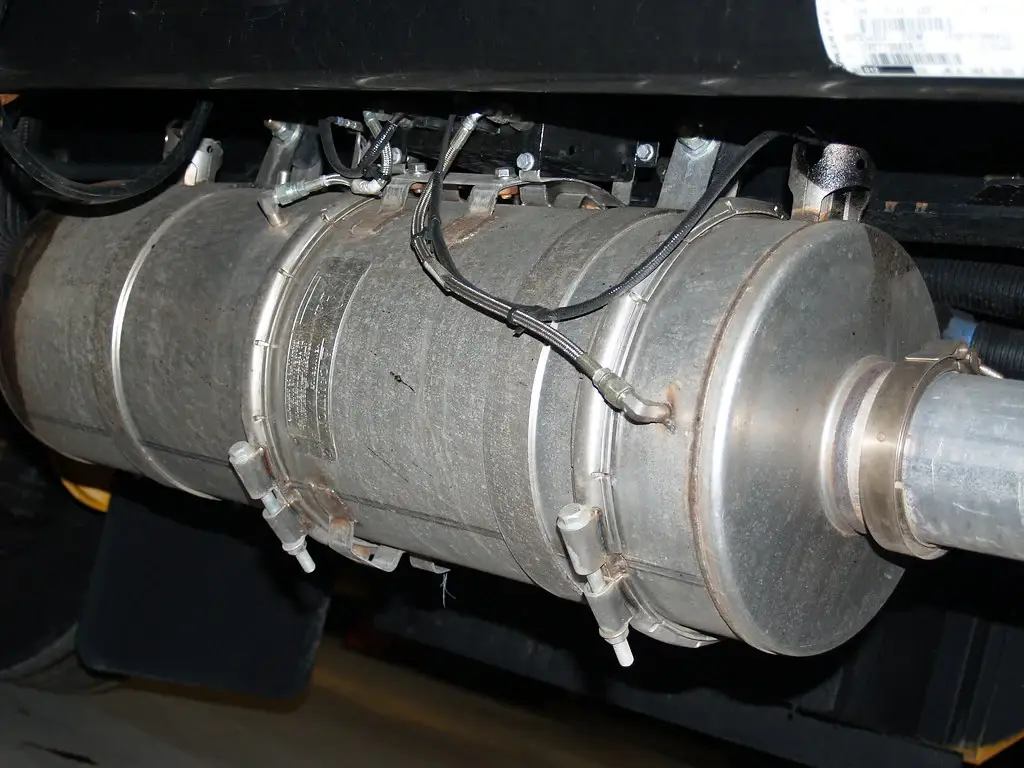
A diesel particulate filter captures and stores soot particles from diesel exhaust, preventing them from entering the atmosphere. EPA regulations implemented in 2007 for on-highway vehicles and Tier 4 Final rules for off-highway equipment mandate these devices on virtually all modern diesel engines.
The filter consists of a steel housing containing a cordierite or silicon carbide substrate with thousands of microscopic channels. As exhaust passes through the porous walls, particles larger than a few micrometers are trapped. Modern DPF systems capture up to 98% of particulate matter from diesel exhaust.
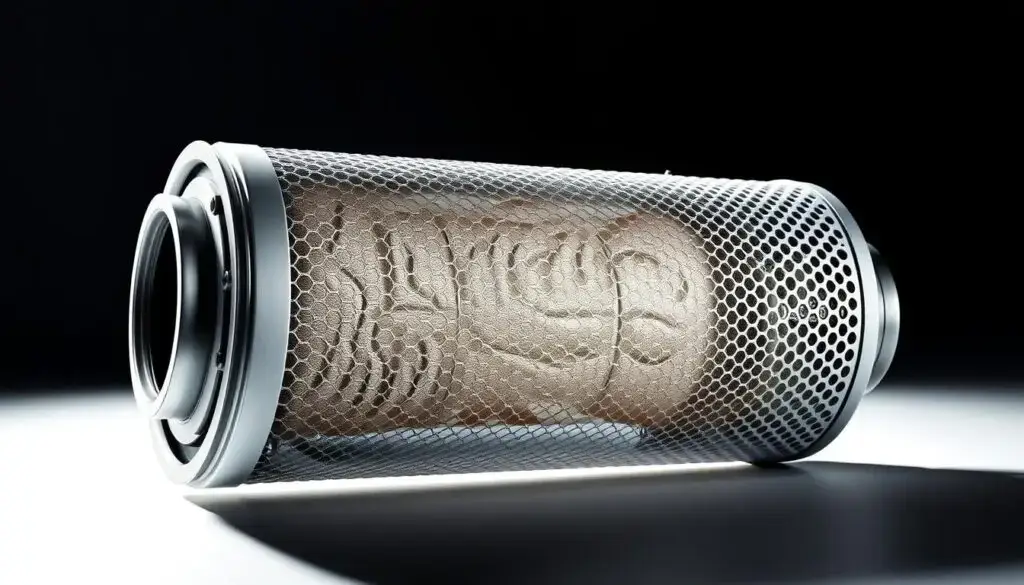
Regeneration cycles burn off accumulated soot to prevent filter clogging. Passive regeneration occurs naturally when exhaust temperatures reach 600°F or higher during sustained highway driving. Active regeneration happens when the engine control module injects additional fuel to raise exhaust temperatures when passive cleaning hasn’t adequately cleared the filter.
The differential pressure sensor measures restriction across the filter and triggers regeneration when soot accumulation reaches predetermined thresholds. When regeneration fails repeatedly—often due to short-trip driving patterns that never allow exhaust temperatures to climb high enough—the filter eventually requires professional cleaning or replacement.
Warning Signs Your DPF Needs Attention
Early recognition of DPF problems creates opportunities for less expensive interventions. A $500-$800 cleaning service becomes a $3,000-$8,000 replacement once the filter sustains physical damage or reaches complete saturation.
Dashboard Warning Progression
Modern diesel vehicles use a tiered warning system that escalates as DPF problems worsen. The initial warning typically appears as a filter icon with dots, indicating the system needs a regeneration cycle. Driving at highway speeds for 20-30 minutes often resolves this first-stage warning.
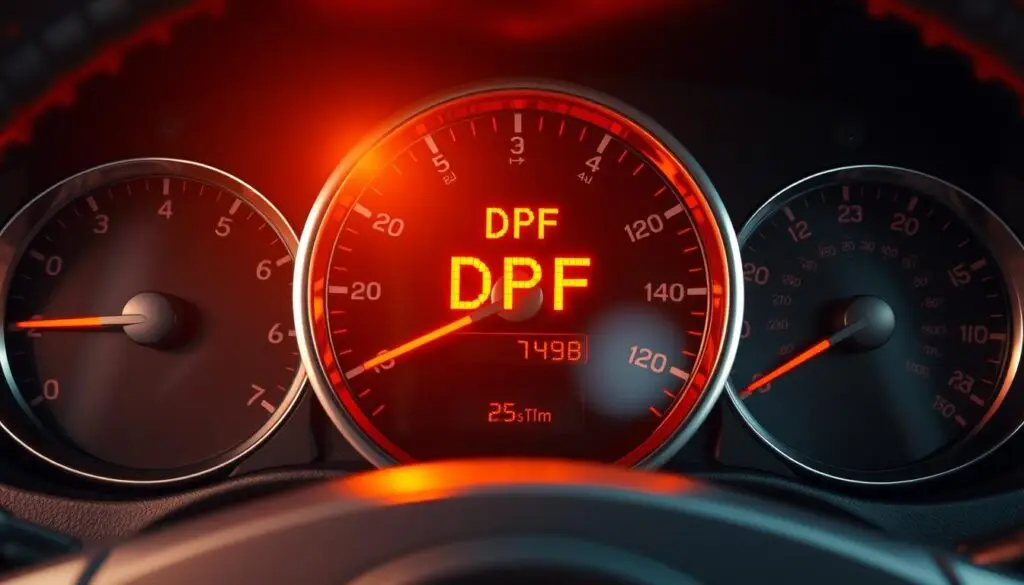
The check engine light represents the second escalation stage, signaling that standard regeneration attempts have failed. At this point, professional diagnosis becomes necessary. Common diagnostic trouble codes include P2002 (efficiency below threshold) and P2463 (excessive soot accumulation).
Limp mode activation indicates critical DPF failure. The engine control module drastically reduces power output to prevent damage. Vehicles operating in limp mode require immediate professional attention—continuing to drive risks damage to the turbocharger and other exhaust components.
| Warning Stage | Dashboard Indicator | Action Required | Typical Cost Range |
|---|---|---|---|
| Stage 1 | DPF regeneration light | Highway driving 20-30 minutes | $0 (self-service) |
| Stage 2 | Check engine light with DPF code | Professional diagnosis and cleaning | $300-$800 |
| Stage 3 | Reduced power warning | Immediate service required | $800-$2,500 |
| Stage 4 | Limp mode / multiple warnings | Complete DPF replacement likely | $2,000-$12,000 |
Performance and Physical Symptoms
A clogged DPF creates significant exhaust backpressure that affects engine performance. Most drivers notice difficulty maintaining highway speeds, sluggish acceleration, and delayed throttle response. Fuel economy typically degrades 15-30% when the filter becomes severely restricted.
Visible black smoke from the exhaust indicates the filter can no longer trap particulates effectively. Unusual burning smells during regeneration attempts suggest the cleaning cycle is failing or occurring too frequently. Rattling noises from the exhaust system may signal internal substrate damage requiring immediate replacement.
DPF Replacement Cost by Vehicle Category
Replacement expenses vary dramatically based on vehicle type, parts selection, and service provider. Understanding these cost structures helps fleet managers budget accurately and identify savings opportunities.
Light-Duty Diesel Trucks
Light-duty diesel pickups from Ford, Chevrolet/GMC, and Ram represent the largest segment of diesel vehicle ownership. Complete DPF replacement at dealership service centers typically ranges from $2,500 to $6,000, with most owners paying approximately $3,500 for parts and labor combined.
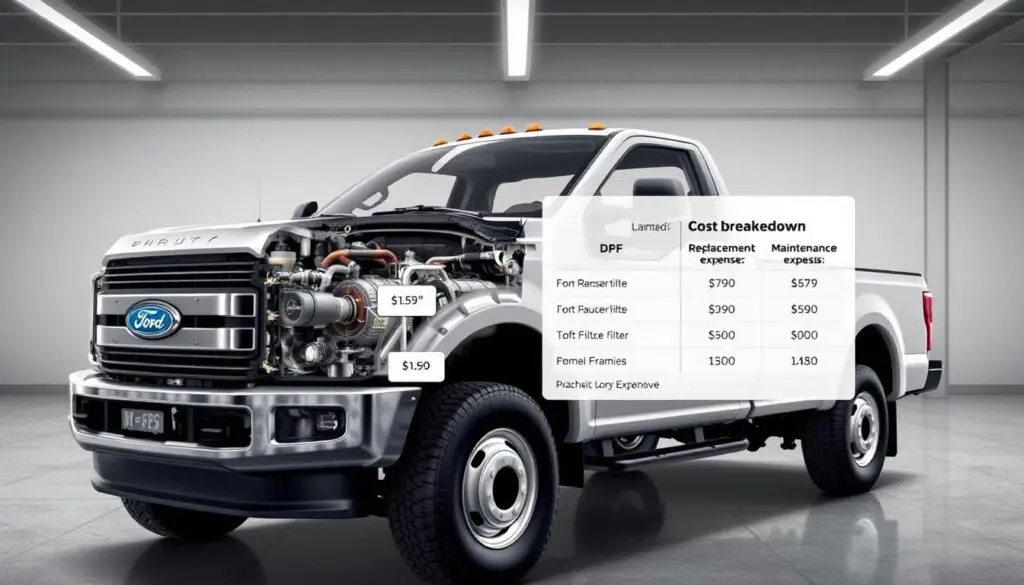
Ford Super Duty trucks with Power Stroke diesel engines see OEM parts pricing of $2,800-$4,500, plus $600-$1,200 in labor at authorized dealerships. Quality aftermarket alternatives reduce parts costs to $1,200-$2,000, bringing total replacement expenses to $2,000-$3,200 at independent diesel specialists.
GM’s Duramax-equipped Silverado and Sierra HD trucks face similar cost structures. OEM components run $2,500-$4,200, while aftermarket options span $1,100-$1,900. The Duramax engine’s DPF location provides slightly better access than some competitors, potentially reducing labor time by 30-60 minutes.
Model year significantly impacts pricing. Newer 2020-2024 trucks with integrated DEF systems and advanced sensor arrays cost 15-25% more to service than 2011-2019 generations due to increased system complexity.
Heavy-Duty Commercial Vehicles
Class 6-8 commercial trucks face substantially higher DPF replacement expenses. Parts alone range from $5,000 to $10,000 depending on engine size and manufacturer. Combined with 6-12 hours of labor at commercial truck shop rates, total replacement costs reach $8,000-$12,000.
$500-$2,000/day
Average lost productivity cost when a Class 8 truck is down for DPF service
Downtime costs often exceed parts and labor combined for commercial operations. Each day a truck sits in the shop represents $500-$2,000 in lost revenue depending on utilization rates and contract obligations. This economic pressure drives many fleet managers toward preventive maintenance strategies rather than reactive repairs.
| Vehicle Class | DPF Parts Cost | Labor Hours | Total Replacement |
|---|---|---|---|
| Class 6 (Medium Duty) | $3,500-$6,000 | 4-6 hours | $4,500-$7,500 |
| Class 7 (Heavy Duty) | $5,000-$8,500 | 5-7 hours | $6,000-$10,000 |
| Class 8 (Tractor-Trailer) | $6,500-$10,000 | 6-8 hours | $8,000-$12,000 |
Diesel Passenger Cars
European diesel passenger cars from Volkswagen, BMW, and Mercedes-Benz present unique cost challenges. These vehicles often integrate DPF systems deeply with engine management computers, requiring dealer-level diagnostic equipment for proper installation and calibration.
VW TDI models see dealer replacement costs of $1,800-$3,500. Quality aftermarket options have improved since 2015, with certified units available for $800-$1,500 plus $400-$800 installation at independent European car specialists.
Luxury diesel sedans command premium pricing. BMW and Mercedes-Benz DPF replacement ranges from $3,500-$8,000 at authorized service centers. Limited aftermarket alternatives and proprietary software requirements restrict cost-saving options for these vehicles.
Factors That Drive DPF Replacement Costs
Understanding the variables that influence pricing helps identify opportunities for cost reduction without sacrificing repair quality.
Vehicle Design and Filter Accessibility
Filter location dramatically affects labor expenses. Easily accessible DPFs mounted near the rear of the exhaust system require just 2-3 hours of labor ($200-$450). Complex installations where the filter sits deep within the chassis can demand 8-12 hours of work ($1,200-$2,400).
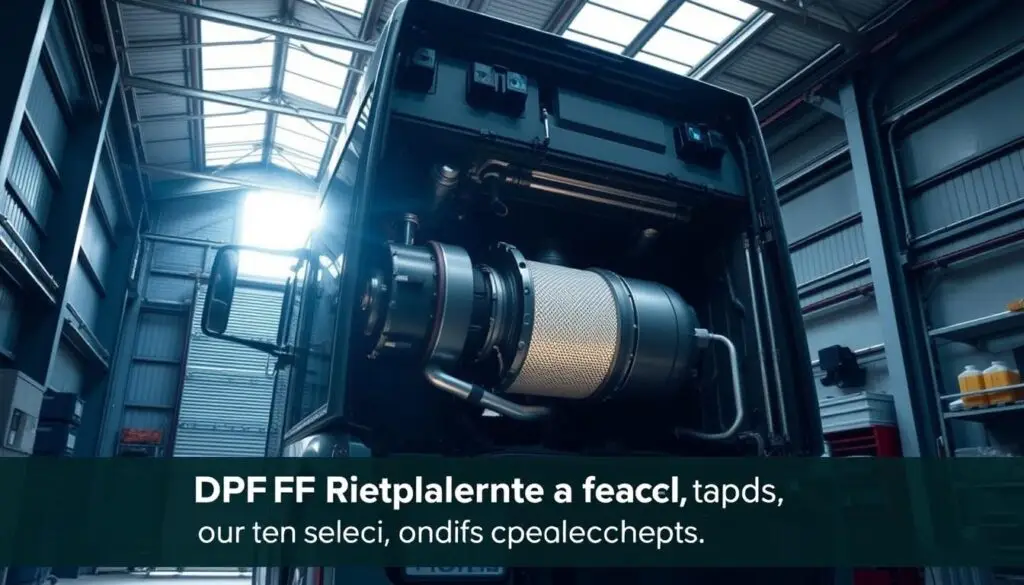
Some heavy-duty trucks require cab removal to access exhaust components. This labor-intensive process involves disconnecting electrical systems, fuel lines, and body mounts—procedures that can double or triple total replacement expenses.
Manufacturer design decisions also impact parts pricing. Some automakers integrate diesel particulate filters with catalytic converters in single expensive units costing $4,000-$8,000. Others use separate components allowing isolated replacement at $1,500-$3,000.
Related Component Requirements
Isolated DPF replacement rarely tells the complete cost story. Professional technicians inspect surrounding systems and typically identify worn components requiring simultaneous service.
Differential pressure sensors ($150-$400), temperature sensors ($80-$250), and NOx sensors ($200-$600) often need replacement along with the filter. The harsh heat and corrosive exhaust gases affect all monitoring components similarly. Replacing the complete sensor array during DPF service adds $500-$1,200 but ensures reliable operation.
Exhaust gaskets ($15-$60 each), stainless steel clamps ($20-$80 each), and corroded fasteners collectively add $200-$500 to the final bill. Reusing compromised sealing components risks exhaust leaks and sensor contamination that could damage the new filter.
Stay Informed on Emission System Developments
DPF technology and EPA regulations continue evolving. Get weekly updates on maintenance best practices, regulatory changes, and cost-saving strategies for commercial diesel operations.
Regional Price Variations Across the United States
Geographic location significantly influences DPF replacement costs. Labor rates, parts availability, and regulatory requirements all vary by region.
Metropolitan vs. Rural Pricing
Coastal metropolitan areas command the highest prices. New York, Boston, Los Angeles, and San Francisco see dealership labor rates of $140-$180 per hour. Southern and Midwest urban centers like Atlanta, Dallas, and Chicago offer more moderate rates of $110-$150 per hour.
Rural areas and smaller cities provide the most competitive pricing, with dealership rates of $90-$130 per hour. Independent diesel specialists in these markets charge $80-$100 per hour. The trade-off involves potentially longer parts delivery times and fewer specialist options.
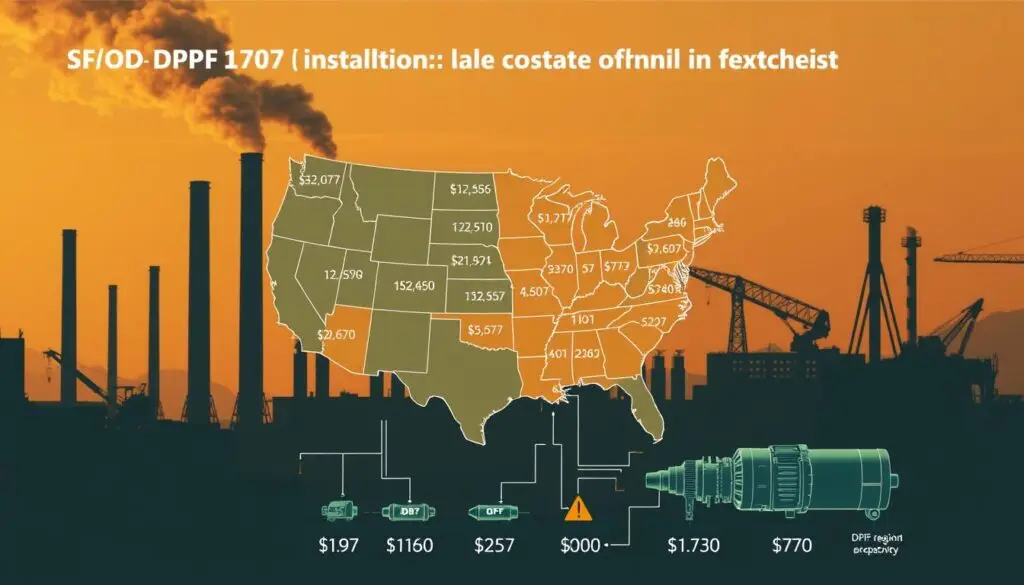
| Region | Dealership Rate | Independent Shop Rate | Potential Savings |
|---|---|---|---|
| Northeast/West Coast Metro | $140-$180/hour | $100-$120/hour | $400-$600 |
| South/Midwest Urban | $110-$150/hour | $85-$110/hour | $250-$400 |
| Rural/Small Cities | $90-$130/hour | $80-$100/hour | $100-$300 |
State Regulatory Impacts
States with mandatory diesel emission testing require functioning, compliant DPFs. California, New York, New Jersey, Massachusetts, and Connecticut enforce strict standards that limit repair options and sometimes mandate dealer-level service.
California’s unique emission standards require CARB-certified replacement parts, which cost more than federally-certified components. The state’s Truck and Bus Regulation continues tightening requirements for commercial vehicles.
States without emission testing programs provide more flexibility in repair timing and methodology. However, federal regulations still prohibit DPF removal or tampering regardless of state testing requirements. According to EPA guidance, tampering with emission control devices carries penalties up to $5,000 per violation for individuals.
OEM vs. Aftermarket DPF Options
The choice between manufacturer-branded and aftermarket filters significantly impacts replacement costs. Understanding the quality and value equation helps make informed purchasing decisions.
OEM Filter Considerations
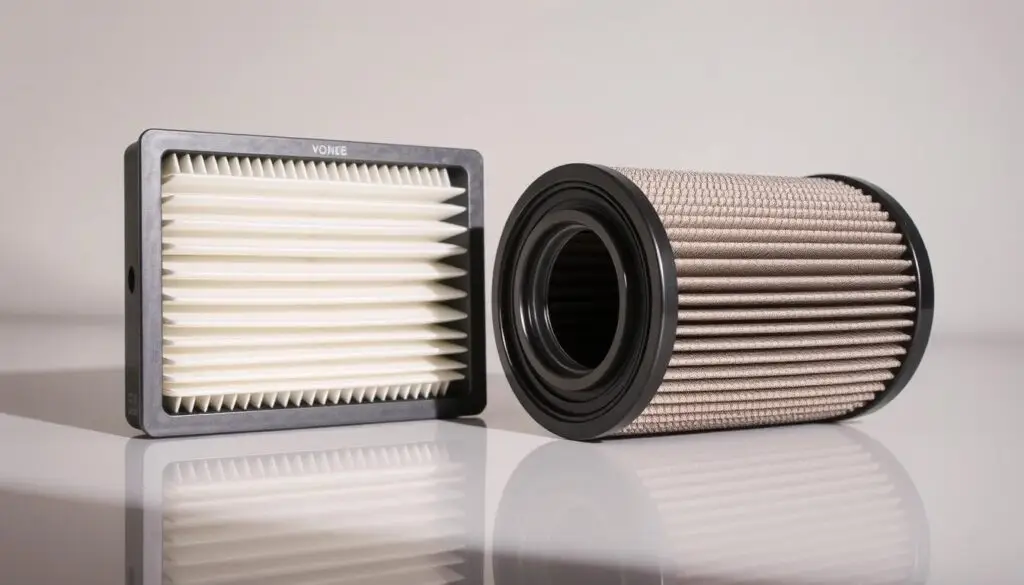
Original equipment manufacturer filters receive design specifications directly from vehicle manufacturers, ensuring exact compatibility. Every dimensional detail matches factory standards without requiring modifications during installation.
Vehicles under manufacturer warranty benefit most from OEM parts selection. Dealership service departments readily accept warranty claims when genuine parts were used throughout the vehicle’s service history. Federal regulations under 40 CFR Part 85 Subpart V specify that DPFs qualify as major emission control components with 8-year/80,000-mile warranty coverage.
OEM pricing ranges from $3,000 to $14,000 at retail. The actual manufacturing cost—approximately $200-$500 in precious metal catalyst material plus $100-$300 in stainless steel substrate—reveals significant markup margins at dealership parts departments.
Quality Aftermarket Alternatives
Reputable aftermarket manufacturers produce filters meeting or exceeding original specifications at dramatically reduced prices. Quality aftermarket options typically cost $900-$2,100, representing savings of $1,500-$10,000 depending on vehicle application.
Many aftermarket suppliers manufacture their products in the same facilities that produce OEM parts under different branding. The primary difference lies in distribution channels rather than manufacturing quality. Established aftermarket brands invest in emission compliance testing and EPA certification.
Quality indicators for aftermarket DPFs include minimum 12-month warranties (premium options offer 2-5 years), EPA compliance documentation, and verified customer reviews. Exercise caution with filters priced under $600—these products frequently use inferior substrate materials and may fail within months.
The federal Magnuson-Moss Warranty Act protects consumers’ right to use aftermarket parts without automatically voiding manufacturer warranties. However, manufacturers can deny claims if they prove the aftermarket component caused the failure in question.
The HDJ Perspective
The DPF replacement market has matured significantly since EPA regulations took effect in 2007. Quality aftermarket options now provide genuine value for budget-conscious fleet operators—but the key word is “quality.” We’ve seen too many fleets chase the lowest price only to face repeat failures and compounded costs. The sweet spot for most commercial operations lies in EPA-certified aftermarket filters from established suppliers, combined with independent diesel specialists who understand heavy-duty emission systems. This approach typically delivers 30-40% savings versus dealership pricing while maintaining the reliability commercial operations demand.
DPF Cleaning vs. Complete Replacement
Professional cleaning offers an alternative pathway to restore filter functionality at a fraction of replacement cost. Understanding when cleaning makes sense—and when it doesn’t—optimizes maintenance spending.
The Professional Cleaning Process
Legitimate DPF cleaning involves comprehensive multi-step procedures performed by qualified specialists with specialized equipment. The process begins with diagnostic flow testing to measure current restriction levels and establish baseline performance metrics.
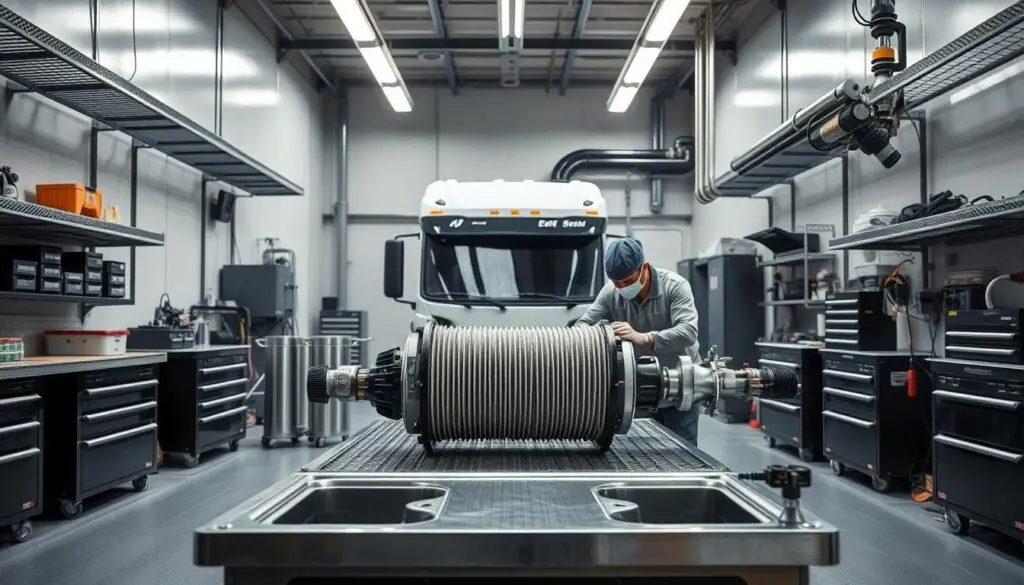
Pneumatic cleaning uses compressed air to remove loose soot accumulation from filter channels. Thermal regeneration follows, with the filter placed in specialized ovens reaching 1,000°F for 10-14 hours. This extended high-temperature process incinerates combustible material trapped deep within the honeycomb structure.
Post-cleaning flow testing validates that the filter has returned to acceptable capacity levels. Professional cleaning costs $600-$1,500 including removal and reinstallation—just 20-40% of replacement expenses.
The trade-off involves downtime. Professional cleaning requires 2-3 days as the thermal regeneration process cannot be accelerated safely. For commercial vehicles in constant service, this creates productivity losses that may exceed the cost savings.
When Cleaning No Longer Works
Several conditions indicate replacement has become the only viable solution. Filters exceeding 150,000 miles typically contain excessive ash accumulation that no cleaning method can remove. Unlike combustible soot, ash consists of non-burnable mineral deposits from engine oil additives that permanently occupy filter capacity.
Physical substrate damage—cracks, melted channels, or structural failures visible during lightbox inspection—renders cleaning worthless. Contamination from oil intrusion or coolant leaks creates residue that thermal cleaning cannot eliminate. Filters that re-clog within 10,000 miles after professional cleaning indicate underlying mechanical problems requiring attention before any filter work makes sense.
⚠️ Safety Warning
DPF systems operate at extreme temperatures during regeneration cycles. Never attempt to remove or service a filter immediately after engine operation. Allow minimum 2-hour cool-down period before handling exhaust components to prevent severe burns.
Long-Term Cost Analysis
Strategic cleaning extends DPF service life and substantially reduces lifetime ownership costs. Consider a filter designed for 150,000 miles: with one professional cleaning at 90,000 miles ($1,000) plus eventual replacement at 150,000 miles ($3,000), total expenditure reaches $4,000.
Premature replacement at 90,000 miles without attempting cleaning ($3,000), followed by another replacement at 180,000 miles ($3,000), totals $6,000 for the same service period. Strategic cleaning reduces lifetime costs by 30-40%.
Cleaning makes exceptional financial sense as a first intervention for DPFs with 60,000-120,000 miles showing initial clogging symptoms. At this mileage range, filters typically contain primarily combustible soot rather than permanent ash buildup, making cleaning highly effective.
Share Your DPF Expertise
Fleet managers and diesel technicians with hands-on DPF experience—your insights help the entire industry make better maintenance decisions. Consider contributing your knowledge.
Strategies to Reduce DPF Replacement Costs
Proactive approaches to warranty coverage, shop selection, and preventive maintenance deliver significant savings over a vehicle’s lifetime.
Warranty Protection and Coverage
Manufacturer-backed extended warranty coverage represents sound financial protection for DPF-equipped vehicles. These warranties typically add $1,500-$3,500 to initial purchase price but pay for themselves when a single replacement costs $3,000-$8,000.
Federal emission warranty regulations provide baseline protection. Under EPA rules, diesel particulate filters qualify as specified major emission control components with 8-year/80,000-mile coverage on light-duty vehicles and 5-year/50,000-mile coverage on medium-duty vehicles. This protection applies regardless of whether the vehicle is under other warranty coverage.
Third-party extended warranties require careful contract examination. Many policies exclude DPF coverage entirely or impose significant restrictions including mandatory dealership service, extensive documentation requirements, and claims processes that delay repairs for weeks.
Independent Shop vs. Dealership Savings
Qualified independent diesel specialists typically charge 30-50% less than dealerships for identical DPF replacement services. These savings reach $2,000-$3,000 on a single repair without sacrificing quality.
Selecting independent shops requires evaluation of specific qualifications. Look for ASE L2 Light Vehicle Diesel certification or manufacturer-specific training credentials. Proper diagnostic equipment matters significantly—generic code readers cannot properly diagnose complex emission system issues.
Commercial fleet operators often maintain relationships with multiple shops across their operating territory. This flexibility allows scheduling major repairs at lower-cost facilities during scheduled maintenance visits rather than emergency stops at premium-priced locations.
Preventive Maintenance Protocols
Evidence-based preventive maintenance practices can double DPF service life from typical 100,000-150,000 miles to 200,000-300,000 miles. These protocols represent the most effective long-term cost reduction strategy.
Low-ash diesel engine oil selection cannot be overstated. Standard engine oils contain ash-producing additives that accumulate in the DPF substrate. Oils marked as DPF-compatible with 0.4-0.8% sulfated ash content dramatically reduce this contamination. According to Caterpillar’s engine oil guidelines, CK-4 and FA-4 oils provide appropriate protection for DPF-equipped engines.
Highway driving sessions of 30-60 minutes at speeds above 60 mph at least twice monthly facilitate passive regeneration. Short trips and city driving never achieve the exhaust temperatures necessary for natural filter cleaning. Fleets operating primarily in urban environments should build regeneration opportunities into driver schedules.
Prompt attention to check engine lights prevents minor issues from cascading into major failures. Emission-related faults left unaddressed accelerate DPF degradation. A $150 diagnostic visit that catches a failing sensor early can prevent a $5,000 filter replacement months later.
Making the Repair vs. Replacement Decision
When confronting expensive DPF replacement costs, evaluate whether investing in repairs makes financial sense given the vehicle’s overall condition and intended service life.
Vehicle Age and Value Considerations
Diesel vehicles under 5 years old or with less than 80,000 miles warrant DPF replacement as a value-preserving investment. Declining repair creates a virtually unsellable asset in emission-testing states while abandoning substantial remaining service life.
Vehicles aged 5-10 years with 80,000-180,000 miles and market values between $12,000-$25,000 require more careful evaluation. DPF replacement makes sense if the vehicle remains otherwise well-maintained with no other major system concerns approaching failure.
For vehicles exceeding 10 years or 200,000 miles with market values under $12,000, DPF replacement costs approaching $5,000 rarely justify the expense. Exceptions include commercial vehicles with expensive upfitting or specialized equipment that serves irreplaceable business functions.
Cost-Benefit Framework
Calculate total repair costs including all related components and deferred maintenance items. These additional repairs typically add 30-50% beyond DPF replacement cost alone. Compare this total against replacement vehicle acquisition expenses including sales tax, registration fees, and transaction costs.
A practical guideline: if comprehensive repairs exceed 60% of current vehicle value and other major expenses appear likely within 24 months, replacement typically proves more economical. If repairs total 40% or less of vehicle value and the vehicle remains otherwise sound, repair represents the financially rational choice.
Commercial fleet operators should factor downtime costs, alternative equipment rental expenses, and business disruption into the calculation. A work truck worth $15,000 but generating $50,000 annually in revenue justifies a $6,000 DPF replacement providing 2-3 additional service years.
Frequently Asked Questions
How long does a diesel particulate filter last before needing replacement?
Under optimal conditions with proper maintenance, DPFs typically last 100,000-200,000 miles. Factors that shorten lifespan include frequent short trips that prevent regeneration, use of non-DPF-compatible oil, ignored warning lights, and oil-contaminated exhaust from worn seals. Commercial vehicles operating primarily in city driving patterns may see reduced life of 80,000-120,000 miles, while highway-dominant operations often exceed 150,000 miles before replacement becomes necessary.
Can I drive with a clogged DPF?
Limited driving is possible but not advisable. A severely clogged filter creates excessive exhaust backpressure that reduces engine power, increases fuel consumption, and can damage the turbocharger. Most vehicles enter limp mode when DPF restriction exceeds safe thresholds, limiting speeds to 25-40 mph. Continued operation risks thermal damage to the filter substrate and surrounding exhaust components. Address DPF warnings promptly to avoid escalating repair costs.
Is DPF delete legal?
No. Federal law prohibits removing, disabling, or tampering with emission control devices on all highway vehicles. The EPA’s Clean Air Act enforcement provisions apply regardless of state emission testing requirements. Penalties include fines up to $5,000 per violation for vehicle owners and up to $500,000 for businesses selling defeat devices. Beyond legal issues, DPF removal can void manufacturer warranties, create inspection failures, and significantly increase harmful particulate emissions.
Does the DPF warranty cover replacement costs?
EPA regulations classify diesel particulate filters as major emission control components with federally-mandated warranty coverage of 8 years/80,000 miles on light-duty vehicles and 5 years/50,000 miles on medium-duty vehicles. This coverage applies even after the basic vehicle warranty expires. Some dealers incorrectly deny DPF warranty claims—if this happens, reference 40 CFR Part 85 Subpart V and escalate to the manufacturer’s customer service department or file a complaint with the EPA.
Why is my DPF clogging so frequently?
Frequent clogging typically indicates upstream issues rather than filter defects. Common causes include failing fuel injectors that cause over-fueling, turbocharger oil seal leaks contaminating exhaust, EGR valve malfunctions increasing soot production, use of incorrect oil specifications, and driving patterns that never allow passive regeneration. Professional diagnosis should identify and address root causes before investing in cleaning or replacement—otherwise the new filter will clog just as quickly.
Protecting Your Fleet’s Emission System Investment
Diesel particulate filter costs represent significant maintenance expenses, but informed decision-making transforms these challenges into manageable budget items. The frameworks in this guide—from understanding regional price variations to evaluating cleaning versus replacement economics—provide the tools fleet professionals need to optimize emission system spending.
Key priorities for controlling DPF costs include maintaining proper oil specifications, ensuring adequate regeneration opportunities through driving patterns, addressing warning indicators promptly, and building relationships with qualified independent diesel specialists. These proactive approaches consistently deliver 30-50% lifetime savings compared to reactive, dealership-dependent maintenance strategies.
For vehicles under warranty, understand your coverage rights under federal emission regulations. For older equipment, apply the cost-benefit frameworks to make rational repair-versus-replace decisions. Either way, the knowledge to make smart choices exists—now it’s a matter of application.
Share This Resource
Know a fleet manager or diesel technician who could use this DPF cost breakdown? Share it with your network to help others make informed maintenance decisions.