
By Michael Nielsen, Editor & Publisher | 15+ Years in Diesel Repair
Last Updated: December 2024
📖 Estimated reading time: 13 minutes
DEF injector problems can sideline your truck faster than most emission system failures. When the injector that delivers diesel exhaust fluid into your SCR system malfunctions, you face warning lights, power derates, and potential DOT compliance issues. Fleet managers and diesel technicians who understand these problems catch issues early—before a $200 fix becomes a $2,000 repair.
This guide covers the symptoms, causes, diagnostics, and repair options for DEF injector failures. Whether you’re troubleshooting a crystallized nozzle or deciding between cleaning and replacement, you’ll find the practical information needed to get trucks back on the road.
Key Takeaways
- Warning signs: Dashboard alerts, power loss, and abnormal DEF consumption indicate injector problems requiring immediate attention.
- Root causes: Crystallization from improper purging, contaminated DEF, electrical failures, and temperature extremes account for most failures.
- Diagnostic approach: Start with code reading and visual inspection before performing electrical and flow tests.
- Repair decision: Clean injectors with early-stage crystallization; replace those with physical damage or electrical failure.
- Prevention focus: API-certified DEF, regular inspections, and proper cold weather care extend injector life significantly.
Understanding DEF Injectors and SCR System Function
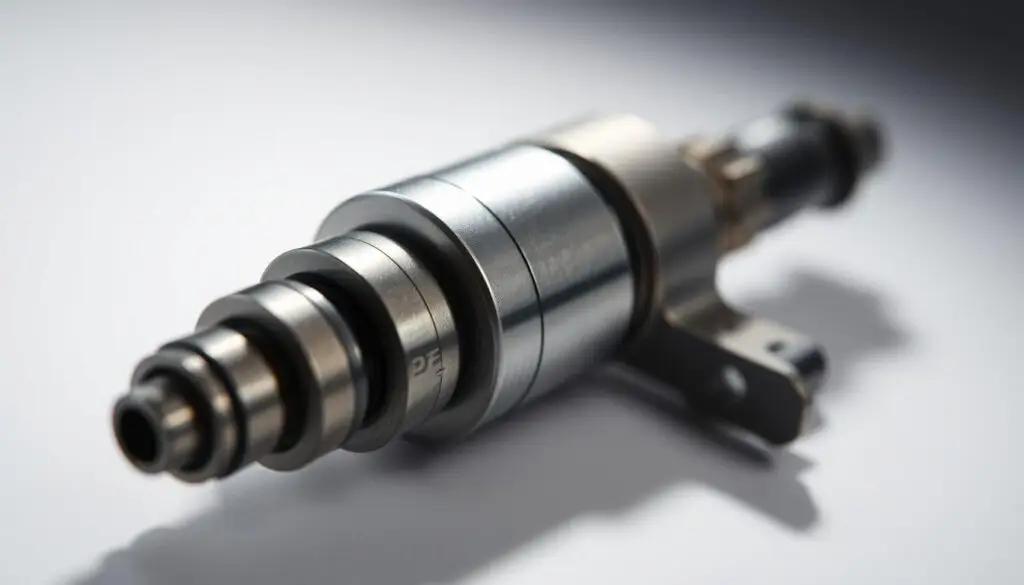
The DEF injector is a precision metering device that delivers diesel exhaust fluid into the exhaust stream at precisely controlled rates. This component operates under demanding conditions—withstanding temperatures exceeding 500°F while maintaining exact spray patterns and timing.

When the injector sprays DEF upstream of the SCR catalyst, the urea-based fluid undergoes thermal decomposition. The urea breaks down into ammonia, which then reacts with nitrogen oxides inside the catalyst. This chemical reaction converts harmful NOx into harmless nitrogen gas and water vapor—achieving up to 90% reduction in nitrogen oxide emissions according to EPA diesel exhaust fluid regulations.
Why Precision Matters
The injection process must maintain the correct ammonia-to-NOx ratio continuously. Too little DEF results in incomplete NOx conversion and elevated tailpipe emissions. Excess DEF creates ammonia slip, where unreacted ammonia exits the exhaust system.
Volume accuracy ensures optimal ammonia levels throughout the catalyst. Excessive injection wastes expensive fluid and can damage the SCR catalyst through thermal stress. Insufficient injection triggers dashboard warnings and activates engine derating protocols that limit power output.
Up to 90%
Nitrogen oxide emission reduction achievable with properly functioning SCR systems
Common Symptoms of DEF Injector Failure
DEF injector problems rarely announce themselves quietly. Modern diesel vehicles provide clear signals when these components begin failing. Recognizing symptoms early allows intervention before extensive damage occurs.

Warning Lights and Dashboard Alerts
The check engine light typically illuminates first when the engine control module detects abnormal SCR operation. A dedicated DEF warning light may also activate, often displaying as a tank symbol. More serious problems trigger speed and torque derate warnings that progressively restrict engine power—potentially limiting operation to 5 mph if issues remain unaddressed.
Common diagnostic trouble codes associated with injector problems include P20E8 (Reductant Injection Valve Circuit), P20B9 (Reductant Heater Control Circuit), P20EE (SCR NOx Catalyst Efficiency Below Threshold), and P2201 (NOx Sensor Circuit Range/Performance).
Performance Degradation
Noticeable power loss frequently accompanies DEF injector malfunction. The engine struggles during acceleration or fails to maintain highway speeds under load. This reduction occurs when the engine control module implements protective measures after detecting emissions system problems.
Engine derating represents the most severe form of power reduction. The control module intentionally limits performance to force repairs and prevent excessive emissions—reducing output by 25% to 75% in some cases.
Fuel Economy and DEF Consumption Changes
Malfunctioning injectors create fuel efficiency problems that impact operating costs. When the SCR system cannot properly treat exhaust gases, compensatory adjustments typically increase diesel consumption by 10% to 20%.
DEF consumption irregularities provide another clear indicator. Normal usage ranges from 2% to 3% of diesel fuel consumption. Excessive consumption suggests a leaking injector; abnormally low usage points to clogged injectors unable to deliver proper fluid volume.
Root Causes of DEF Injector Problems
Understanding why failures occur enables proactive prevention. Most DEF injector issues trace back to four primary categories affecting diesel engines across all manufacturers.
Crystallization and Blockages
DEF crystallization stands as the leading cause of injector malfunctions. When diesel exhaust fluid evaporates or becomes exposed to air, the urea component transforms into solid crystals. These deposits accumulate inside injector nozzles, supply lines, and internal passages.

Crystallization accelerates under several conditions: incomplete purging after engine shutdown, extended vehicle inactivity, and excessive heat exposure near exhaust components. Even small crystal formations restrict proper spray patterns, reducing emission control effectiveness.
Contaminated or Substandard Fluid
Using inferior DEF dramatically accelerates injector deterioration. The ISO 22241 standard specifies that DEF must maintain a precise 32.5% urea concentration in demineralized water. Products failing this specification cause accelerated component wear, and fleet managers should only purchase DEF from suppliers providing certificates of analysis per TMC Recommended Practices guidelines.
Contamination enters through multiple pathways: improper storage containers (metal containers react with urea solution), dirt from careless handling, cross-contamination from fuel or oil, and airborne contaminants in improperly sealed tanks.
⚠️ Safety Warning
Never store DEF in metal containers. Metals react chemically with the urea solution, introducing particles that damage injector seals and precision-machined surfaces.
Electrical System Failures
Injectors rely on precise electrical signals for proper operation. Solenoid malfunctions represent the most common electrical failure point—these electromagnetic actuators can short circuit, develop open circuits, or experience mechanical sticking.
Wiring harness damage from road debris, chemical corrosion, and physical wear also causes problems. Connector corrosion creates resistance that disrupts signal transmission, causing intermittent operation that mimics mechanical failures.
Temperature Extremes
DEF freezes at 12°F (-11°C). While modern systems include heating elements to thaw frozen fluid, heater failures leave injectors unable to deliver DEF. Ice expansion can crack housings, damage seals, and rupture supply lines. Repeated freeze-thaw cycles accelerate wear on rubber seals and plastic fittings.
Excessive heat presents equally serious challenges. High temperatures accelerate DEF degradation, breaking down the urea solution prematurely and leaving concentrated residues that promote rapid crystallization.
Diagnostic Procedures for DEF System Issues
A systematic diagnostic approach identifies root causes efficiently. Begin with basic checks before advancing to more complex testing.
Reading Diagnostic Trouble Codes
Connect an OBD-II scanner or professional diagnostic tool to retrieve stored fault codes. The engine control module stores valuable information about system malfunctions. Codes in the P20xx series typically indicate SCR system faults.

| Diagnostic Code | Description | Likely Cause |
|---|---|---|
| P20E8 | Reductant Pressure Too Low | DEF pump failure or injector restriction |
| P20EE | SCR NOx Catalyst Efficiency Below Threshold | Insufficient DEF delivery from faulty injector |
| P203F | Reductant Level Sensor Circuit | DEF level sensor malfunction or low fluid |
| P2201 | NOx Sensor Circuit Range/Performance | Improper DEF injection affecting emissions |
Professional scan tools offer additional capabilities beyond basic code reading. Live data streams showing DEF pressure, injector duty cycle, and system temperatures prove invaluable for identifying intermittent problems. Following TMC Recommended Practices for diagnostic procedures helps ensure systematic troubleshooting.
Visual Inspection
Physical examination reveals problems electronic diagnostics might miss. Check the injector nozzle for white crystalline deposits indicating DEF leakage or improper spray patterns. Examine electrical connections for corrosion, damage, or loose terminals.
Inspect DEF supply lines for cracks, kinks, or deformation. Look for white crystallization around fittings indicating leaks. Verify all connections are tight and properly secured. Check the DEF tank interior for sediment, discoloration, or foreign materials.
DEF Fluid Quality Assessment
Assess fluid quality through simple observation: DEF should be completely clear and colorless. Check for cloudiness, discoloration, or visible particles indicating contamination. Strong ammonia odors suggest degradation. Verify expiration dates before adding fluid—DEF has a shelf life of one to two years depending on storage conditions.
Stay Current on Diesel Diagnostics
Get practical troubleshooting guides, maintenance tips, and regulatory updates delivered to fleet managers and technicians weekly.
Step-by-Step Troubleshooting for DEF Injectors
Systematic testing isolates whether electrical, mechanical, or fluid delivery problems are causing failure. Each test builds on previous results to create a complete diagnostic picture.
Electrical Testing
Always disconnect the battery negative terminal before handling electrical connections. Set your digital multimeter to DC voltage and connect leads to the injector power supply wire and a clean ground point.

Command the injector to operate using a diagnostic scan tool. Voltage should read approximately 12 volts during activation. Readings below 11 volts indicate insufficient power supply or excessive circuit voltage drop.
Measure solenoid resistance by disconnecting the injector connector and placing multimeter leads across the terminals. Compare readings to manufacturer specifications—typically 2 to 10 ohms. Readings outside this range indicate a faulty solenoid requiring replacement. Infinite resistance means an open circuit in the coil windings.
Flow Testing
A flow test measures actual fluid volume delivered. Disconnect the injector from the exhaust system and position a graduated cylinder under the outlet. Use a scan tool to command operation for 60 seconds.
Most systems should deliver between 50 and 150 milliliters per minute at normal operating pressure. Results below specification indicate partial blockage or worn components; flow exceeding specifications suggests a stuck-open valve wasting DEF fluid.
Nozzle Inspection
Remove the injector following manufacturer procedures and examine the nozzle tip under bright lighting. Look for white crystalline deposits indicating urea crystallization or brown/black deposits suggesting exhaust gas contamination from a leaking seal.
A borescope provides detailed views of internal passages without complete disassembly. Document findings with photographs—visual evidence helps justify repair recommendations.
DEF Pump Evaluation
Verify the pump delivers adequate pressure by listening for operation when commanding system activation. A functioning pump produces a distinct humming sound. Install a pressure gauge at the test port—normal operating pressure ranges from 70 to 100 PSI depending on the vehicle application.
Examine the pump inlet filter for restrictions limiting fluid flow. A clogged filter reduces efficiency and causes pressure fluctuations that mimic more serious failures.
The HDJ Perspective
In our experience, technicians often jump straight to injector replacement when systematic diagnostics would reveal simpler problems. A contaminated DEF tank or failing pump can produce identical symptoms to injector failure—at a fraction of the repair cost. Spending 30 minutes on proper diagnostics saves hours of unnecessary labor and hundreds in parts. The shops with the best first-time fix rates approach every DEF system complaint as a diagnostic puzzle, not an automatic parts swap.
Cleaning vs. Replacing a DEF Injector
The decision between cleaning and replacement depends on failure severity and economic factors. Understanding when each approach applies prevents wasted money on ineffective repairs.

When Cleaning Works
Cleaning succeeds when problems are caught early. A relatively new injector with minor crystallization responds well to proper cleaning when electrical components still test within manufacturer specifications. Signs favoring cleaning include: no mechanical damage or physical wear, crystallization as the only identified problem, and electrical readings within normal ranges.
Use only distilled water to dissolve urea crystals—never apply harsh chemicals or solvents that damage seals. Ultrasonic cleaning equipment reaches areas manual cleaning cannot access. Ensure complete drying before reinstallation and replace all seals and O-rings during reassembly.
Professional cleaning services typically cost $150 to $400 depending on deposit severity. However, some manufacturers prohibit cleaning in their service documentation—always verify procedures against OEM guidelines.
When Replacement Is Required
Certain damage makes replacement the only practical solution: physical cracks in the nozzle or body, internal wear affecting spray patterns, electrical component failure (burned-out solenoids), visible corrosion damage, and persistent problems after proper cleaning attempts.
Replacement costs include the injector itself ($300 to $800 depending on vehicle make) plus labor ($200 to $600 based on component accessibility). Total replacement expenses generally range from $500 to $1,500 for standard diesel vehicles, with heavy-duty commercial applications sometimes exceeding $2,000.
Share Your DEF System Expertise
Have you developed effective diagnostic procedures or repair techniques for SCR system problems? Heavy Duty Journal welcomes technical contributions from experienced technicians and fleet maintenance professionals.
DEF Injector Replacement Procedure
Replacing a DEF injector requires specialized knowledge and proper equipment. While experienced DIY mechanics can complete this work, complexity often makes professional service the safer choice.

Required Tools and Materials
Gather appropriate wrenches and sockets, new O-rings and seals (even if existing ones appear undamaged), replacement injector (OEM or quality aftermarket), torque wrench for achieving manufacturer specifications, fresh DEF fluid for system priming, and a diagnostic scan tool for post-installation resets.
Safety Requirements
Disconnect the battery before working on electrical components. Relieve system pressure according to manufacturer specifications before removing lines. Wear protective gloves and eyewear—while DEF is relatively non-toxic, it can cause skin irritation. Work in well-ventilated areas when accessing exhaust components.
Installation Steps
Disconnect all electrical connectors from the injector assembly. Remove DEF supply and return lines carefully to prevent fluid spillage. Unbolt the injector from its mounting location using appropriate tools.
Inspect the mounting surface for crystallization buildup or damage that could compromise the new seal. Install the replacement injector with fresh seals, applying torque exactly as the manufacturer recommends. Follow TMC maintenance standards for proper torque specifications and procedures. Reconnect lines and electrical connections in reverse order.
Post-Installation Procedures
Prime the DEF system to remove trapped air from lines. Use a diagnostic scan tool to clear trouble codes and perform required system resets. Many vehicles require specific initialization procedures for new injectors.
Run the vehicle through a complete test cycle while monitoring for leaks at all connections. Verify dashboard warning lights extinguish during the test drive. Monitor DEF consumption over subsequent operating cycles to confirm normal system function.
Preventing DEF Injector Problems
Prevention costs far less than repairs. Most DEF system failures result from contamination, improper storage, or neglected maintenance rather than component defects.
Use API-Certified DEF
The foundation of DEF system protection starts with fluid certified to meet ISO 22241 quality specifications. Certified products maintain the precise 32.5% urea concentration required for proper SCR operation and undergo testing to ensure freedom from damaging contaminants.
Always check for API certification labeling before purchasing. Avoid expired fluid—shelf life typically ranges from one to two years depending on storage conditions. The small savings from off-brand products pale compared to potential injector replacement costs.
Establish Regular Inspection Routines
Check DEF levels at every fuel stop. Perform visual inspections of system components monthly, looking for leaks, damaged lines, corroded fittings, and crystallization around the tank cap and injector. Replace DEF filters according to manufacturer intervals—typically annually or every 10,000 miles.
Address warning lights immediately rather than deferring. Dashboard alerts indicate problems that worsen over time, and prompt attention prevents cascading failures. Operating with malfunctioning emissions systems can affect your fleet’s CSA Safety Measurement System scores during roadside inspections.
Follow Proper Storage Practices
Store DEF in original sealed containers or dedicated DEF-safe plastic containers. Maintain storage areas within 10°F to 90°F. Protect from direct sunlight, which degrades urea molecules. Seal containers immediately after dispensing and practice stock rotation.
Manage Cold Weather Operation
DEF freezing at 12°F is normal—modern heating systems handle this. However, verify heater function before winter arrives. Keep tanks at least half-full during cold months, as partially full tanks freeze more slowly. Brief delays during system warm-up are normal in extreme cold.
Warranty Coverage and Cost Considerations
Federal regulations mandate minimum emissions system coverage. Most diesel vehicles include protection for at least 5 years or 50,000 miles, with many manufacturers offering 8 years or 80,000 miles on emissions components per 40 CFR 1037.120 warranty requirements.
Warranty coverage typically includes defective parts but excludes damage from contamination, neglect, or improper maintenance. Maintain detailed service records to preserve coverage—documentation proving proper DEF use protects your rights during warranty claims.
For vehicles outside warranty, expect diagnostic fees of $100 to $200, professional cleaning costs of $150 to $400, and complete replacement expenses ranging from $500 to $1,500. Heavy-duty applications may exceed these figures. Fleet operators should consider maintenance contracts bundling DEF system service with scheduled maintenance.
Frequently Asked Questions
How often should DEF injectors be inspected?
Perform visual inspections monthly as part of routine maintenance checks. Look for crystallization around the injector nozzle, damaged electrical connections, and leaks at supply line fittings. Equipment operating in extreme temperatures or making frequent short trips benefits from more frequent inspection due to accelerated crystallization risk. Professional assessment during annual service intervals provides comprehensive evaluation of injector function and overall SCR system health.
Can I drive with a failing DEF injector?
Limited driving is possible initially, but continued operation risks progressive engine derating. Modern diesels implement staged power reductions when emissions compliance fails—starting with warning lights, progressing to reduced power modes, and eventually limiting speed to 5 mph. Beyond performance impacts, operating with elevated NOx emissions creates regulatory compliance risk. Address injector problems promptly to avoid expensive derate recovery procedures and potential roadside inspection violations.
What causes white crystalline buildup around the DEF injector?
White deposits indicate urea crystallization from DEF leakage or improper system purging. When fluid escapes around seals or the injector fails to purge completely after shutdown, residual DEF evaporates and leaves crystallized urea behind. This condition signals developing problems requiring attention. External crystallization often precedes internal blockages, so early cleaning when deposits first appear prevents more serious failures.
How do I know if my DEF is contaminated?
Quality DEF appears completely clear and colorless—similar to water. Cloudiness, discoloration, or visible particles indicate contamination. Strong ammonia odor suggests degradation from heat exposure or age. Check container expiration dates and verify API certification on all DEF purchases. If contamination is suspected, drain the entire tank and refill with certified fluid rather than attempting to dilute bad DEF with fresh product.
Protecting Your SCR Investment
DEF injector problems are preventable with proper attention to fluid quality, regular inspection, and prompt response to warning signs. Understanding the symptoms, causes, and repair options covered in this guide equips fleet managers and technicians to protect their emissions system investment while maintaining compliance and uptime.
The most effective approach combines certified DEF usage, systematic inspection routines, and professional diagnostics when problems arise. Whether handling repairs in-house or working with service providers, this knowledge ensures informed decisions that minimize costs and downtime.
Share This Guide With Your Team
Help other fleet managers and diesel technicians understand DEF injector diagnostics and prevention strategies.