By Michael Nielsen, Publisher | 15+ Years in Diesel Repair
Last Updated: October 2026
⏱ Estimated reading time: 12 minutes
CP4 fuel pump failure is among the most feared problems on modern common-rail diesels, because a failing high-pressure pump can fill the fuel system with metal debris and strand the truck. It is also a topic crowded with myths, vague model lists and repair-cost claims that nobody can source. This guide sticks to what federal records and primary sources say.
This guide from Heavy Duty Journal (HDJ), written by publisher Michael Nielsen, covers the pump, the recalls and investigations involving high-pressure pumps, warning signs, causes, diagnosis and prevention. It leans on National Highway Traffic Safety Administration (NHTSA) records and says plainly where the records stop.
HDJ rebuilt the earlier version around sources it could check. It removed unsourced repair costs, pressures, model-year lists, brand-name product advice, settlement details and trade links, along with images and advertising prompts.
Key Takeaways
- ✓Know what the records say. Recalls and an investigation name pump failures, not one proven cause.
- ✓Check your VIN. A recall may already cover your truck.
- ✓Stop on metal. Metal in a filter or fuel sample means shut the engine down.
- ✓Fuel and filters matter. Contamination and deposits are documented contributors.
- ✓Follow the maker. HDJ found no verified pressure or interval values.
In This Guide
What the CP4 High-Pressure Pump Does
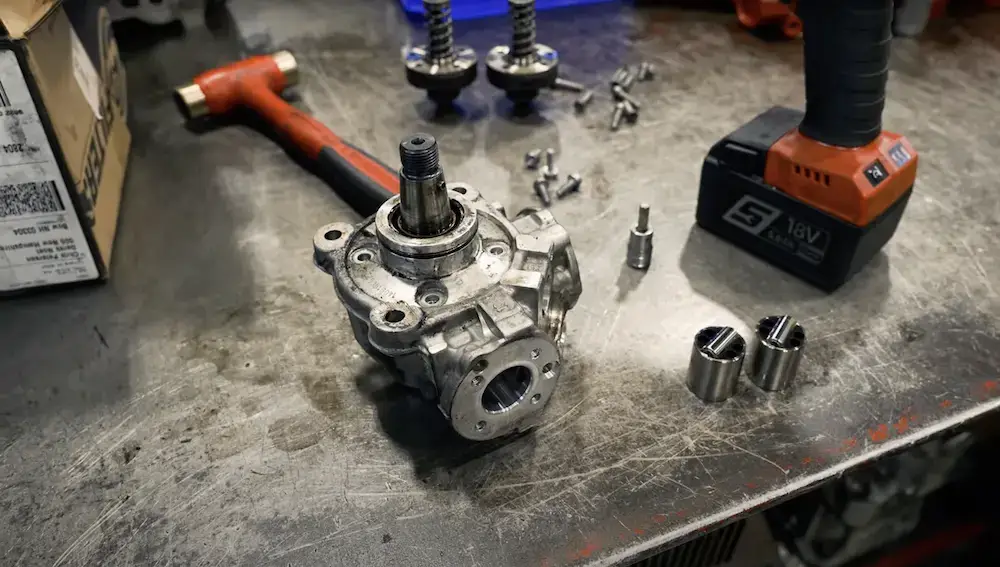
CP4 fuel pump failure begins inside the pump. A common-rail diesel uses a high-pressure pump to feed fuel to a shared rail, and the injectors draw from that rail. The pump is driven by the engine, and its internal parts are lubricated and cooled by the fuel passing through it. Failure therefore spreads through the fuel the pump moves.
Bosch makes the pump family at issue. The NHTSA recall report 22E-087 names the Bosch CP4.2 high-pressure fuel pump on 3.0-liter diesel engines. Other recalls below name a high-pressure fuel pump without giving its model, so HDJ treats them as high-pressure pump records, not as proof of a CP4 problem.
That distinction matters. The earlier version listed truck models by pump type and model year, and described a CP3 as the reliable alternative. HDJ could not confirm either from primary sources, so both were removed. Check your own engine's fuel system documents for the pump fitted to your truck.
Key Recommendation
Check your VIN for open recalls before you pay for any high-pressure pump work. A free remedy may already exist for your truck.
HDJ's guide to diesel fuel pump problems covers the wider pump family beyond this one design.
Recalls and Investigations Involving High-Pressure Pumps
As of October 2026, four federal documents describe high-pressure fuel pump failures in diesel trucks and engines. The table lists what each says. It replaces the earlier model-year and cost tables, which HDJ could not source.
| Record | Vehicles covered | What it says |
|---|---|---|
| NHTSA recall 21V-880 | Model year 2019-2020 Ram 2500, 3500, 4500 and 5500 with 6.7-liter Cummins diesels | Pump could fail prematurely and send debris into the fuel system; root cause not reported |
| NHTSA recall 22E-087 | 184 engines, 3.0-liter diesel, Bosch CP4.2 pump | Pump may wear prematurely and fail internally; root cause not reported |
| NHTSA recall 24V-957 | Model year 2020-2022 Ford Super Duty and 2021-2022 F-650 and F-750, 6.7-liter diesel | Aged biodiesel deposits can form on pump internals; software update remedy |
| NHTSA investigation EA 23-001 | About 490,000 vehicles, including Ram, BMW and Bosch pumps | Failures lead to stall or loss of motive power; BMW names a fuel interaction |
The NHTSA recall report 21V-880 covers 222,410 trucks. It says FCA US estimated 4 percent have the defect, that failure may send debris into the fuel system and cause fuel starvation, and that the remedy is a new pump design, a software update and inspection or replacement of other fuel system parts.
The National Highway Traffic Safety Administration (NHTSA) recall report 24V-957 covers 295,449 trucks and estimates 4 percent have the defect. Ford says aged biodiesel deposits can form on the pump's drivetrain roller and in the tappet body cooling passages, increasing wear and putting metal debris in the fuel. The remedy is a no-charge software reflash that increases pump cooling.
The NHTSA investigation EA 23-001 was opened March 17, 2023 and covers an estimated 490,000 vehicles. It reports 794 complaints and no crashes, fires, injuries or fatalities. BMW says failures came from an interaction between pump internals and U.S. market diesel fuel. NHTSA says it has not determined whether the Ram trucks share that cause.
The page does not give a status date, so HDJ cannot say whether the investigation is still open. The earlier version's claim about a GM class action and a state-by-state settlement came from a law-firm page, so HDJ removed it.
The earlier version also said Ram swapped to a CP3 pump for 2021. The recall documents do not say that, so it was removed. Look up your own truck's recall status by VIN on the NHTSA lookup page.
CP4 Fuel Pump Failure Warning Signs
The recall documents list the warning signs the makers themselves gave. CP4 fuel pump failure warnings across these records include extended cranking, a malfunction indicator lamp or check engine light, abnormal engine or pump noise, reduced power, a change in drive quality and a fuel leak at the pump.
The 22E-087 report lists a malfunction indicator lamp, an electronic throttle control service indicator, a fuel leak at the pump and excessive pump noise. The Ram report adds a change in drive quality, and Ford adds extended cranking and reduced engine power.
The documents also say pump failure may lead to an unexpected loss of motive power, and the Ram report says that can cause a crash without prior warning. Treat a stall in traffic as a safety issue, not just a repair.
Those signs overlap with many other faults. Air in the fuel, a weak lift pump, clogged filters and injector problems all cause hard starting and power loss. HDJ's low fuel pressure guide helps you rule out the supply side first.
The earlier version listed fuel pressure codes P0087, P0088, P0191 and P0193 and a four-stage severity table. These are light-duty OBD-II codes, and HDJ could not source the stages. Heavy-duty trucks usually report suspect parameter number (SPN) and failure mode identifier (FMI) pairs, so use your maker's service information.
Bring the record to the shop with the truck. Tell the technician when the symptom began, whether it follows a fill-up, and whether a filter has been changed recently. A shop that knows the fuel history and the pattern can test the right things first instead of replacing parts in the order a code suggests.
Write down the pattern: cold or warm, idle or load, steady or intermittent. Note any metallic sound, any fuel smell and any lamp. That record helps the technician decide which test comes first, and it shows whether the fault is changing.
Do not clear codes and keep driving. A repeat fault that returns after clearing may mean the pump is still wearing, and the stored data may be the only record of when the fault first set.

Why High-Pressure Pumps Fail
HDJ found no primary source that proves one cause for every failure. The records name fuel interactions, aged biodiesel deposits and premature wear, and they leave root causes unreported in several cases. Treat the list below as documented contributors to CP4 fuel pump failure.
Fuel Lubricity
The pump's internal parts rely on the fuel for lubrication. The Department of Energy (DOE) Alternative Fuels Data Center (AFDC) page on biodiesel benefits says diesel engines depend on fuel lubricity to keep moving parts from wearing prematurely, and that federal sulfur limits and lower aromatics reduced petroleum diesel's lubricity.
The same page says the diesel fuel specification sets a lubricity limit, and that about 2 percent biodiesel is almost always enough for adequate lubricity. It says to confirm the allowable blend in your maker's recommendations. HDJ does not endorse a blend or an additive.
Biodiesel Deposits
Ford's recall report ties 2020-2022 Super Duty failures to aged biodiesel deposits on pump internals. As of October 2026, that is the clearest manufacturer-stated mechanism in the records HDJ read. The Ram and 3.0-liter recalls do not report a root cause.
Contamination and Water
Water and dirt make wear worse in any precision pump. The Environmental Protection Agency (EPA) notice on diesel tank corrosion calls regularly checking for and removing water from tank bottoms a key preventive step, and says filters may show sludge that looks like coffee grounds. HDJ's guide to preventing diesel fuel contamination covers the causes.
Design and Fuel Interaction
BMW says its failures came from an interaction between pump internals and U.S. market diesel fuel, which increased slip and produced particle-generating wear surfaces. HDJ found no primary source that compares U.S. and European fuel or ranks causes, so the earlier version's lubricity numbers were removed.
What a Pump Failure Does to the Fuel System
In a CP4 fuel pump failure, the recall reports describe the same chain: a pump fails internally, debris enters the fuel system and the engine can be starved of fuel. The Ram report says failure may introduce internally failed component debris into the fuel system.
Both remedies go beyond the pump. The Ram remedy replaces the pump with a new design, updates the software and inspects, and if necessary replaces, other fuel system components. The 3.0-liter remedy replaces the pump and inspects other parts too.
That is the practical lesson. Replacing only the pump can leave debris behind. HDJ found no primary source that lists every part that needs replacing or gives a cost, so it removed the earlier $8,000 to $12,000 range and component price table.
Ask any shop what it will inspect and clean beyond the pump: filters, lines, rail, injectors and the tank. Ask it to document what it found, and keep the old pump and filters until the repair is proven. Written findings help with a warranty claim.
Warranty terms vary. The earlier version quoted a five-year powertrain term and said makers deny claims by blaming fuel. HDJ found no primary source for either, so it removed them. Read your own warranty documents, and keep fuel and service records.
HDJ's common rail troubleshooting guide shows how the pump, rail and injectors work together after a repair.
Diagnosing a Suspect Pump
Follow your engine maker's diagnostic tree. The order below runs from fast and cheap to slow and invasive. It is practitioner guidance, not a replacement for the service information, so have the fuel system pages open before you pick up a tool.
Codes, Data and Recalls
Check the VIN for open recalls first. Then read active and inactive codes with their SPN and FMI pairs, note freeze-frame data and watch actual against commanded rail pressure on a scan tool. HDJ's diesel diagnostic trouble codes guide explains how codes are structured.
Filters and Fuel
Inspect the fuel filter and water separator for metal, glitter or sludge, and take a fuel sample from the filter housing into a clean glass jar. Look for water, particles and color. Metal in the filter or sample means the pump may be failing.
⚠️ Safety Warning
High-pressure fuel can penetrate skin. Never check a leak with your hand or finger. Relieve pressure by the engine maker's procedure, wear eye protection and fuel-resistant gloves, and keep a Class B fire extinguisher within reach. If fuel is injected into the skin, go to a hospital at once.
The StatPearls review of high-pressure injection injuries says these injuries can look like benign puncture wounds and that amputation has been reported in 30 to 40 percent of high-pressure injection injuries. It advises elevating and irrigating the limb and avoiding ice and compressive dressings.
Supply and Pressure
Test supply before blaming the pump: lift pump output, filter restriction and air in the fuel. HDJ's high-pressure fuel pump diagnosis guide covers the tests. HDJ has no verified pressure values, so use the maker's specification.
If you find metal, stop. Do not keep cranking to see whether it starts. Cranking can circulate debris through the system. Tow the truck and hold the evidence.
Free Diesel Maintenance Checklist
Get HDJ's free, field-tested diesel maintenance checklist delivered instantly to your inbox — print it, laminate it, keep it in the shop.
Instant PDF • 100% Free • No Spam
Prevention and Repair Options
Preventing CP4 fuel pump failure rests on documented steps. Check recalls and apply the remedy. Use fuel from sources that turn over stock. Change filters on the maker's schedule, and inspect each old element for metal and sludge. Drain water separators as the maker specifies. HDJ found no primary source for a fixed interval.
Additives are a judgment call. The AFDC page says a small biodiesel share can supply adequate lubricity and tells readers to confirm the allowable blend with the maker. HDJ found no independent test data for specific additives, so the earlier 400-micron claim and price table were removed. Ask your maker before adding anything.
Be careful with aftermarket conversions and bypass kits. The earlier version praised named brands and said they were proven. HDJ found no primary source on their performance, emissions compliance or warranty effect. Check with the engine maker, a qualified shop and the emissions rules before changing the fuel system.
If you operate several trucks, track pump work by truck, fuel source and filter findings. A cluster of failures on one fuel supplier points toward the fuel, not the pump. A single truck with repeat failures points toward the truck.
Fleets can also review fuel purchases against failures. If trucks that fuel at one site show filter sludge or water more often, change the source before you change the pump. A simple map of where each truck fuels costs nothing and shows patterns a single repair order never will.
Ask drivers to report extended cranking, new noises and lamps the day they happen, with the conditions. Early reports are cheaper than a roadside stall.
Keep a one-page pump log: VIN and recall check, filter findings, fuel source, codes and sign-off. It gives the next technician a history, and it supports a warranty claim.
Frequently Asked Questions
What are the signs of CP4 fuel pump failure?
Recall documents list extended cranking, a check engine or malfunction lamp, abnormal pump or engine noise, reduced power, a fuel leak at the pump and a change in drive quality. These overlap with other fuel faults, so test supply first. Metal in the filter or fuel is the clearest sign to stop.
What causes high-pressure fuel pumps to fail?
HDJ found no single proven cause. Ford ties 2020-2022 Super Duty failures to aged biodiesel deposits, BMW cites an interaction between pump parts and U.S. diesel fuel, and Ram's reports leave the root cause unreported. Lubricity and contamination are documented contributors. Follow your maker's guidance on fuel and filters.
Is there a recall for my truck?
Check your VIN on the NHTSA lookup page. Recalls 21V-880 and 24V-957 cover certain Ram and Ford 6.7-liter trucks, and 22E-087 covers 184 engines with 3.0-liter diesels. NHTSA investigation EA 23-001 is separate from a recall. Ask your dealer whether a remedy applies to you.
What should I do if I find metal in the fuel filter?
Stop the engine and do not keep cranking, because cranking circulates debris. Tow the truck, keep the filter and fuel sample, and have a shop inspect the whole fuel system, not just the pump. Recall remedies include inspecting other fuel system parts. Record what was found.
Should I install an aftermarket conversion or bypass kit?
HDJ found no primary source on how these kits perform, whether they comply with emissions rules or how they affect warranty. Ask your engine maker, a qualified shop and your insurer before changing the fuel system. Start with the VIN recall check, filter inspection and fuel quality.
What should I do if diesel fuel is injected under my skin?
Treat it as an emergency even if the wound looks minor. StatPearls advises going straight to the nearest hospital with a surgeon on staff, elevating and irrigating the limb, and avoiding ice and compressive dressings. Do not wait for symptoms to develop.
The Bottom Line
CP4 fuel pump failure is serious, but the federal records support a calm response: check the VIN, protect the fuel, inspect the filters and stop at the first sign of metal. HDJ could not verify repair costs, model lists or the performance of aftermarket fixes.
Michael Nielsen and the HDJ editorial team publish more diagnostic guidance at heavydutyjournal.com. This month, run a recall check on every diesel in your fleet, add filter inspection to your service checklist and build the one-page pump log.
Share This Guide With Your Shop
Know a technician or owner running a diesel with a high-pressure pump? Share this guide with them. Michael Nielsen and Heavy Duty Journal publish it free at heavydutyjournal.com.