By Michael Nielsen, Editor & Publisher | 15+ Years in Diesel Repair
Last Updated: December 2025
📖 Estimated reading time: 18 minutes
Hydraulic cylinder seal replacement on telehandlers represents one of the most cost-effective repairs fleet managers and equipment owners can perform. When worn seals allow oil to leak from lift cylinders, boom extension cylinders, or tilt mechanisms, addressing the problem promptly prevents cascading damage to pumps, valves, and other system components. A complete seal kit typically costs $60 to $150, while professional cylinder rebuilds run $200 to $500 depending on cylinder size and shop rates.
The stakes are significant. Left unaddressed, leaking seals allow contaminants into the hydraulic system, accelerate component wear, and eventually create safety hazards when cylinders lose their ability to hold loads. Understanding the complete repair process—from diagnosis through testing—empowers technicians to tackle this essential maintenance task with confidence.
This guide delivers the systematic approach experienced hydraulic technicians use to diagnose seal failures, safely disassemble cylinders, install replacement seals correctly, and verify repairs meet operational standards. Whether you’re maintaining a single telehandler or managing a fleet, these procedures help maximize equipment uptime while controlling repair costs.
Key Takeaways
- Cost savings: Seal replacement costs $60-$150 for parts versus $600+ for new cylinder assemblies, making repair the economically sound choice for most situations.
- Safety first: Hydraulic systems operate at 2,000-3,000 PSI—fluid injection injuries from pinhole leaks can penetrate skin and cause tissue damage requiring immediate surgical intervention.
- Diagnosis before disassembly: Systematic testing distinguishes external rod seal leaks from internal piston seal bypass, ensuring you address the actual failure mode.
- Contamination prevention: Approximately 75% of hydraulic system failures trace back to contamination—maintaining cleanliness throughout the repair process is critical.
- Seal orientation matters: Installing U-cup seals with lips facing the wrong direction guarantees immediate failure regardless of installation quality.
- Testing validates success: Pressure testing and drift checks confirm repairs meet specifications before returning equipment to service.
Understanding Telehandler Hydraulic Cylinder Operation
Before attempting any repair, understanding how hydraulic cylinders function helps you diagnose problems accurately and avoid unnecessary disassembly. The cylinder converts pressurized hydraulic fluid into linear motion through a straightforward mechanical arrangement that has remained largely unchanged for decades.
How Hydraulic Cylinders Generate Force
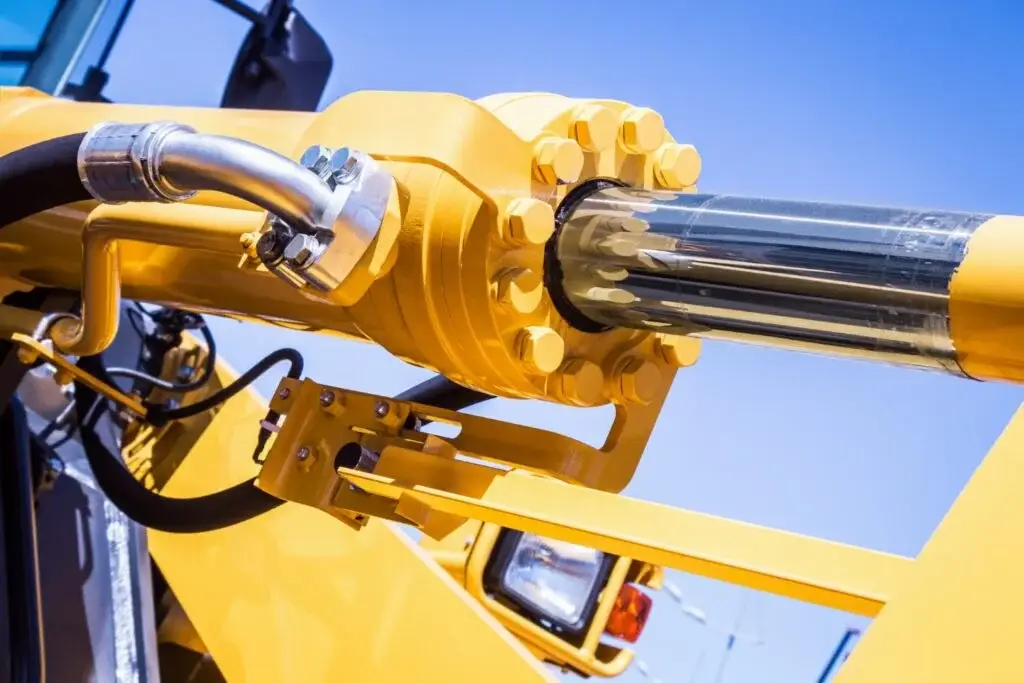
When hydraulic fluid enters one end of the cylinder barrel, it pushes against the piston, which connects to the piston rod extending outward. This rod transfers force to the telehandler’s boom assembly, creating the lifting and extending motions that make these machines indispensable for material handling. Double-acting cylinders—standard on telehandlers—allow fluid pressure on both sides of the piston, enabling powered extension and retraction.
The pressure involved is substantial. Most telehandler hydraulic systems operate between 2,000 and 3,000 PSI, with some high-capacity units reaching 5,000 PSI. At these pressures, even small seal failures create performance problems that worsen rapidly.
Critical Seal Types and Their Functions
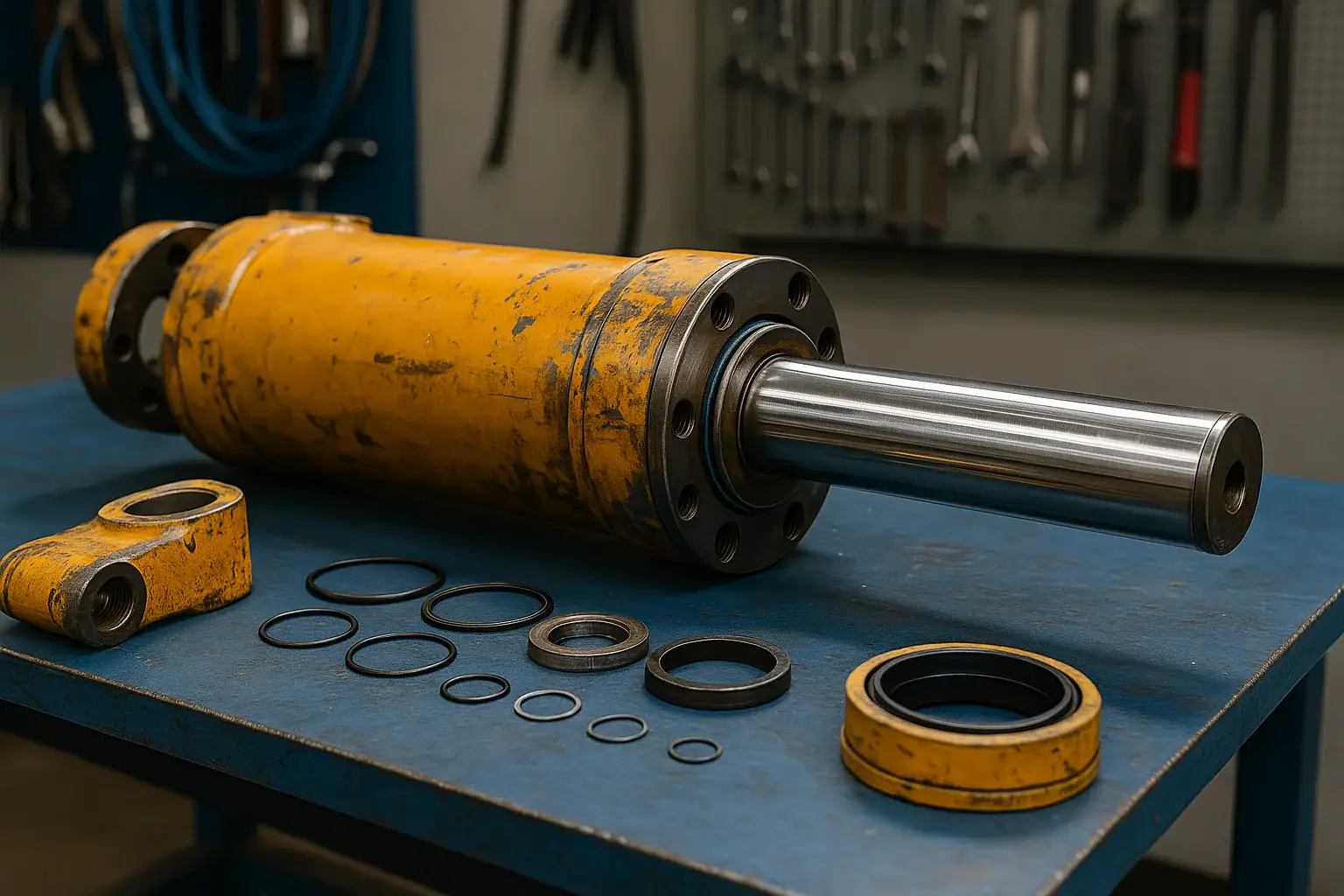
Each seal in the cylinder assembly performs a specific function. Piston seals prevent hydraulic fluid from bypassing the piston between the two pressure chambers, maintaining the pressure differential that generates force. When these seals wear, the cylinder loses power and develops internal bypass that causes load drift.
Rod seals—typically U-cup designs—stop external leakage where the chrome-plated rod exits through the cylinder gland. Wiper seals (also called scraper seals) mount at the outermost position and remove dirt, dust, and debris from the rod surface during retraction strokes. This contamination control function protects all the internal seals from abrasive particles.
Wear rings center the piston and rod assembly within the barrel, preventing metal-to-metal contact that would score the cylinder bore. O-rings provide static sealing at threaded connections and gland interfaces. Quality hydraulic cylinder seal kits include all these components matched to specific cylinder specifications.
Recognizing Seal Failure Symptoms
Visible hydraulic fluid accumulating around the rod seal area provides the most obvious indication of seal failure. However, internal seal wear often presents more subtly through performance degradation before any external leaks appear.
Implement drift—when the boom gradually lowers under load despite controls being in neutral—signals serious piston seal wear that compromises safe operation. Slower cycle times, reduced lifting capacity, and elevated hydraulic oil temperatures also indicate seal problems requiring attention.
Hydraulic Repair Safety Requirements
Working with hydraulic systems demands respect for the forces involved and adherence to established safety protocols. According to OSHA machine guarding guidelines, the consequences of shortcuts can be severe—hydraulic fluid under pressure can penetrate skin and cause injection injuries that require immediate surgical intervention.
⚠️ Safety Warning
Hydraulic systems store energy even when the engine is off. Pressures of 2,000+ PSI can inject fluid through skin, causing severe tissue damage. Never use your hands to check for leaks—use cardboard or paper instead. According to Ohio State University Extension safety guidelines, penetration injuries may not appear serious initially, but the injected body part is usually lost if medical attention isn’t promptly sought.
Required Personal Protective Equipment
Safety glasses or face shields protect against hydraulic fluid spray and debris during disassembly. Chemical-resistant gloves prevent skin contact with hydraulic fluids, which can cause irritation and dermatitis with prolonged exposure. Steel-toed boots protect feet from heavy components—hydraulic cylinders can weigh several hundred pounds depending on bore size and stroke length.
Proper Pressure Release Procedures
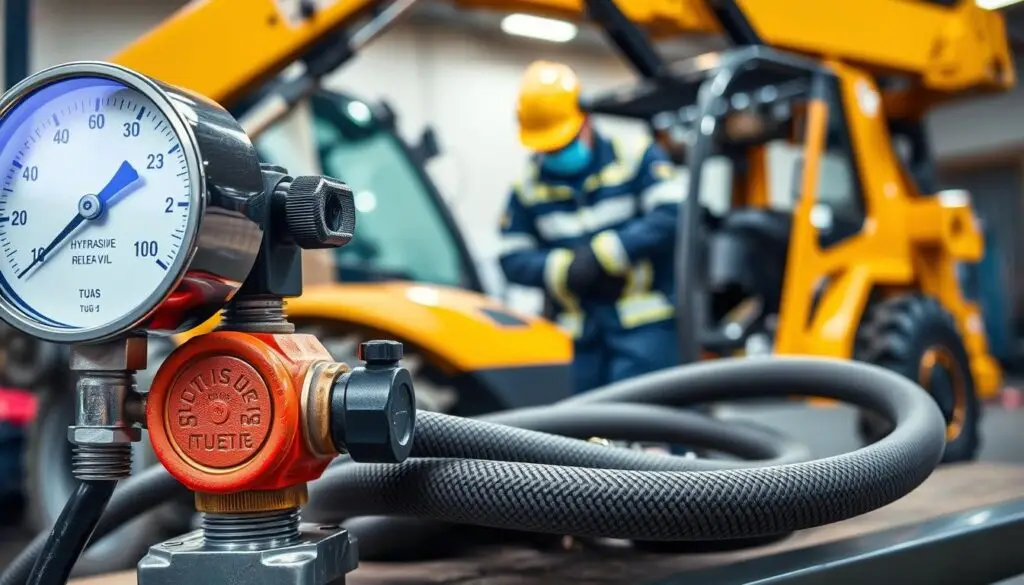
Never assume a cylinder is depressurized until you have systematically verified zero pressure through proper procedures. Follow this sequence before beginning any disassembly work:
- Lower all telehandler attachments completely to the ground
- Shut down the engine and remove the ignition key
- Operate each hydraulic control lever through its full range several times to relieve residual pressure
- Apply lockout/tagout procedures to prevent accidental equipment operation
- Slowly loosen hydraulic line connections to verify zero pressure before full disconnection
If cylinders support heavy loads, brace the weight with appropriately rated jacks or blocks before proceeding. This prevents sudden movement that could cause injury or equipment damage during the repair process.
Workspace Preparation
Select a clean, level surface with adequate lighting and ventilation. Position drip pans and absorbent materials to contain hydraulic fluid during disassembly—a typical cylinder holds 2 to 5 gallons depending on size. Keep fire extinguishers accessible, as hydraulic fluid is flammable under certain conditions.
Organize tools for efficient access throughout the repair. The time invested in proper workspace setup pays dividends in reduced contamination risk and faster completion of the repair.
Tools and Materials for Cylinder Seal Replacement
Professional-quality results require appropriate tools. Attempting this repair with inadequate equipment risks damaging precision components and compromising the final result.
Essential Repair Tools
Your toolkit should include complete socket and wrench sets with deep sockets for recessed fasteners. Hydraulic cylinder spanners or strap wrenches help turn large threaded glands without scratching chrome surfaces. Brass or plastic drift punches protect components from damage during disassembly—never use steel punches that can gouge seal grooves.
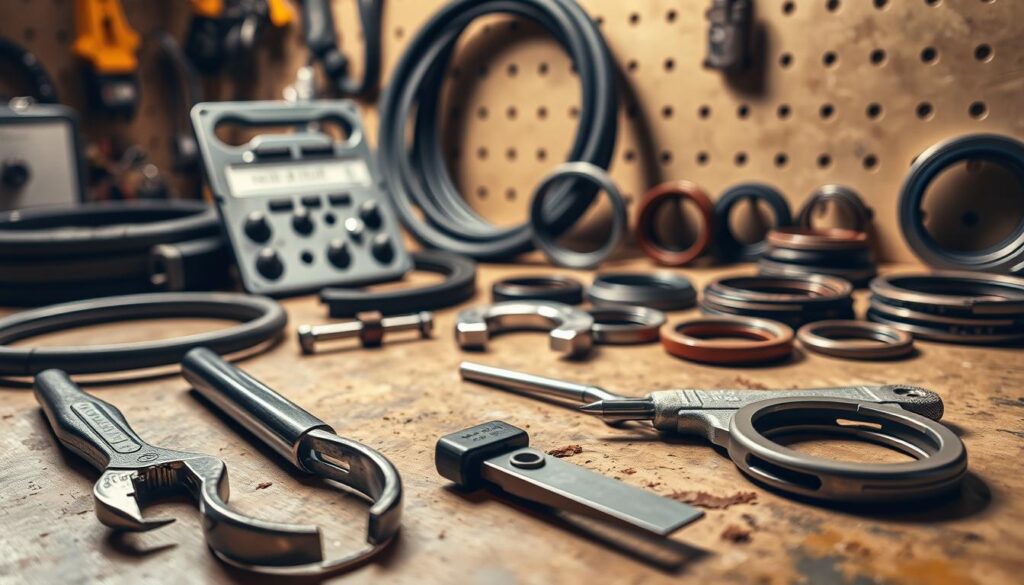
Seal installation tools with tapered pilots guide seals safely over threads and sharp edges that could cut the material. Seal pick sets remove old seals without gouging groove surfaces. Inside and outside micrometers or calipers verify component dimensions and wear.
A calibrated torque wrench ensures proper fastener tightening during reassembly. Manufacturers specify torque values for good reason—insufficient torque allows loosening during operation, while excessive torque strips threads or cracks components.
Selecting the Correct Seal Kit
Your seal kit must match your specific cylinder manufacturer, model, bore size, and rod diameter exactly. Generic universal kits often fail prematurely because seal dimensions and compounds vary between applications. Quality kits from suppliers like Hercules Sealing Products include piston seals, rod seals, wiper seals, wear rings, and O-rings for static joints—all matched to your cylinder specifications.
Verify seal material compatibility with your telehandler’s hydraulic fluid. Most telehandlers use ISO VG 46 hydraulic oil, but verify specifications in your operator’s manual. Incompatible seal materials deteriorate rapidly, causing premature failure and potential system contamination.
Cleaning and Lubrication Products
Use lint-free cleaning cloths with mineral spirits or approved cleaning solvents designed for hydraulic systems. These products remove contaminants without leaving residue that could compromise new seals. Compressed air dries components thoroughly after cleaning.
Fresh hydraulic fluid matching your system specifications provides the proper lubricant during seal installation. Never use petroleum jelly, motor oil, or other inappropriate lubricants that can cause seal swelling or degradation.
Diagnosing Hydraulic Cylinder Seal Failures
Accurate diagnosis before disassembly saves time and ensures you address the actual failure mode rather than symptoms. This systematic approach identifies whether you’re dealing with external leaks, internal bypass, or both.
Visual Inspection Techniques
Begin with the cylinder still mounted on the telehandler. Examine the rod seal area closely for fresh fluid or accumulated residue indicating active leakage. Inspect the chrome-plated rod surface throughout its full extension range for scoring, pitting, or corrosion that damages seals during operation.
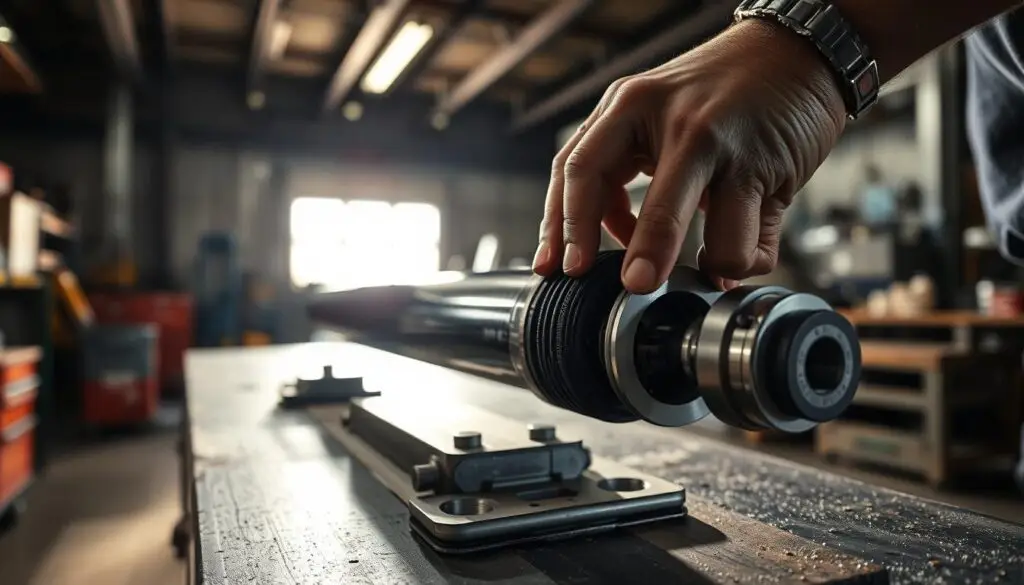
Check for bent or misaligned rods suggesting impact damage or excessive side loading. Inspect the cylinder barrel for dents, corrosion, or distortion compromising seal contact. Document your findings with measurements and photographs—this reference material proves valuable during reassembly.
Distinguishing Leak Types
External rod seal leaks appear as fluid escaping where the rod exits the gland, often dripping to the ground or accumulating on the cylinder body. These failures are readily visible and straightforward to confirm.
Internal piston seal bypass presents more subtly. Worn piston seals allow pressurized fluid to flow past the piston from one chamber to the other. The result is slow cylinder operation, load drift, and loss of holding capacity—often without any visible external leakage.
Performance Testing Procedures
Conduct a drift test by fully extending the cylinder under load, shutting off hydraulic pressure, and timing how long the cylinder maintains position. Rapid drift indicates internal bypass through worn piston seals. For telehandler lift cylinders, more than 2% rod movement over 10 minutes typically indicates seal problems.
Run an internal bypass test by connecting a flow meter to measure leakage past the piston seals. This quantitative approach helps distinguish between minor wear requiring monitoring versus significant deterioration demanding immediate repair.
| Symptom | Likely Cause | Repair Required |
|---|---|---|
| External oil leak at rod | Worn rod seal or wiper seal | Gland seal replacement |
| Boom drift under load | Internal piston seal bypass | Complete seal kit installation |
| Slow cylinder movement | Internal bypass or worn pump | Diagnose before repair |
| Rod surface scoring | Contamination or wiper failure | Rod refinishing or replacement |
Preparing for Cylinder Removal
Proper preparation prevents problems during disassembly and protects the hydraulic system from contamination that causes premature failure of your new seals.
Equipment Positioning
Position the telehandler on firm, level ground with adequate clearance for component removal. Retract the boom to its transport position for lift cylinder service, or position it at a comfortable working height when addressing boom extension cylinders.
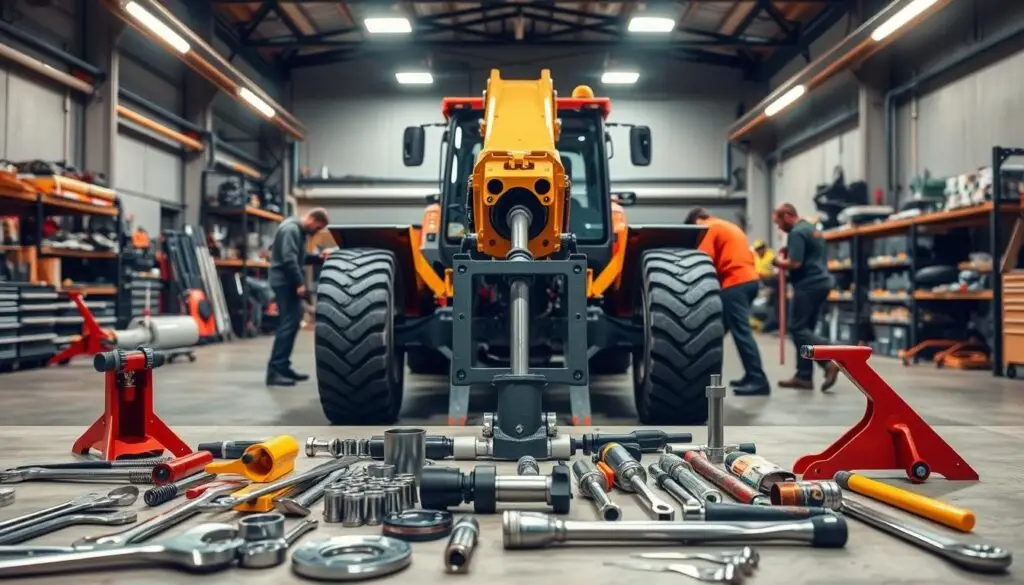
Install mechanical supports independent of hydraulic pressure. Jack stands or substantial blocking must carry the full load weight—never rely on hydraulic pressure alone to support equipment during maintenance. Engage the parking brake and position wheel chocks on both sides of all tires.
Hydraulic Line Disconnection
Clean the exterior of all hydraulic connections, fittings, and surrounding areas using a suitable degreaser before loosening anything. This step prevents dirt from entering the system during disconnection. Position drain pans beneath all connections to catch residual fluid.
Slowly loosen hydraulic line fittings to allow any remaining pressure to escape safely. Immediately install threaded port plugs or protective caps on both cylinder ports and hydraulic line ends after disconnection. Label or photograph hydraulic line positions for correct reconnection during reinstallation.
Stay Current on Hydraulic Maintenance Best Practices
Heavy Duty Journal delivers practical maintenance guidance, diagnostic techniques, and industry updates that help you keep equipment running efficiently.
Complete Cylinder Disassembly Process
Disassembly techniques vary based on cylinder design. The three primary configurations—wire ring cylinders, threaded head cylinders with locking rings, and threaded head cylinders with set screws—each require specific approaches.
Removing the Cylinder Assembly
Use appropriate lifting equipment or additional personnel to handle the cylinder weight safely. Position lifting straps around the cylinder body, avoiding contact with the polished chrome rod surface. Remove all retaining pins, bolts, or clevises from both mounting points.
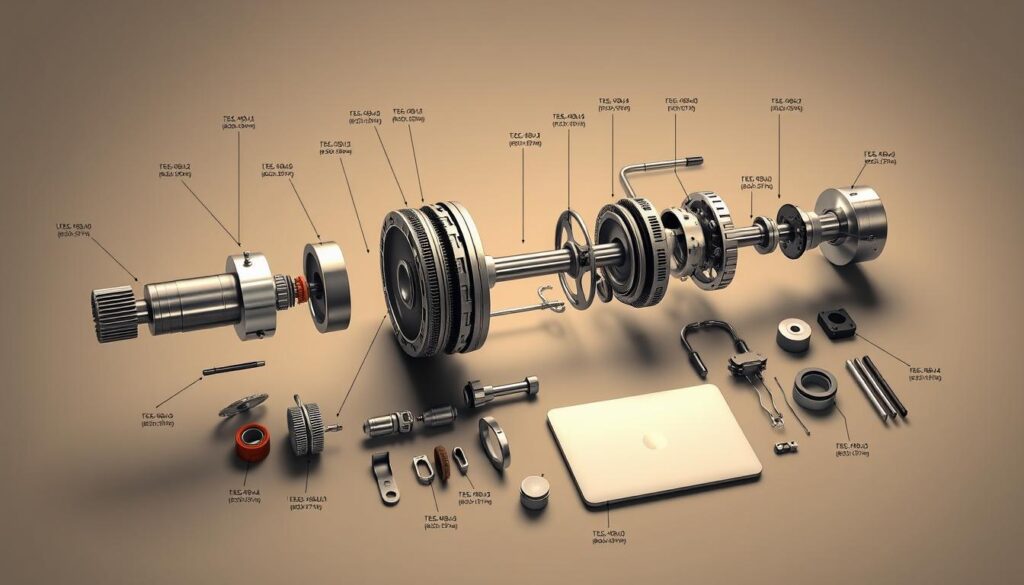
Pay close attention to any shim washers between mounting surfaces—these control alignment and must be reinstalled in their exact positions. Transport the cylinder to a clean, well-lit work area where it can be secured in a padded vise or specialized repair stand.
Gland Removal by Cylinder Type
For wire ring cylinders, retract the rod to expose the external retaining ring groove. Use snap ring pliers to carefully expand and remove the external steel wire ring. Clean accumulated debris from the gland area, then use a rubber mallet and brass punch to drive the gland inward until the internal wire ring groove becomes accessible.
Install the plastic removal ring from your seal kit into the internal groove—this specialized tool provides purchase for extracting the gland assembly without damaging the retention groove. Extend the rod to pull the entire gland assembly out of the barrel.
For threaded head cylinders with locking rings, use a spanner wrench to loosen the locking ring counterclockwise. Once free, unthread the end cap by hand or using strap wrenches on the cylinder body for leverage. For cylinders with set screws, locate and fully loosen the set screw before attempting to rotate the end cap.
Internal Component Extraction
Once the gland is removed, withdraw the complete rod and piston assembly from the cylinder barrel. Support the weight of the assembly as it slides out—never allow the piston to slide rapidly through the barrel or drop onto hard surfaces.
The piston seals, wear rings, and bearing surfaces are precision components easily damaged by impact or abrasion. Pull the assembly straight out while maintaining alignment with the cylinder bore.
Documentation During Disassembly
Photograph each disassembly step, capturing component positions, seal orientations, and the sequence of parts on the rod assembly. Pay particular attention to backup rings, wear rings, and spacers—these components have specific positions affecting seal performance.
Create written notes alongside photographs. Record measurements of component dimensions, thread engagement lengths, and any shim thicknesses. This documentation ensures accurate reassembly and provides reference material for future repairs.
Cleaning and Component Inspection
Contamination causes more seal failures than any other factor. The time invested in thorough cleaning and inspection determines whether your new seals last for years or fail within hours of operation.
Cylinder Barrel Cleaning and Inspection
Wash the bore with clean mineral spirits or approved hydraulic system cleaner, using lint-free cloths to remove all residue. Examine the internal barrel surface under bright lighting—it should reveal a consistent cross-hatch honing pattern at 20-30 degree angles that provides proper seal lubrication during operation.

Smooth, glazed bores or deep scratches indicate excessive wear potentially requiring professional honing or cylinder replacement. For minor imperfections, use fine emery cloth (320-400 grit) wrapped around a mandrel matching the bore diameter, polishing lightly in a cross-hatch pattern—never lengthwise.
Remove all abrasive residue by flushing with clean solvent and drying with filtered compressed air. Check all seal grooves in the gland and piston for nicks or burrs that could cut new seals during installation.
Rod Surface Inspection
Rod condition directly determines seal life. Even minor surface imperfections cut through new seals within hours of operation. Examine the entire length of the chrome-plated rod surface for scoring, pitting, corrosion, flaking chrome, or raised burrs.
Measure the rod diameter at multiple locations using micrometers to detect wear or out-of-roundness. Maximum deviation should not exceed 0.002-0.003 inches per manufacturer specifications. Check rod straightness by supporting it on V-blocks and using a dial indicator—bent rods cause seal side-loading and rapid failure.
Piston and Bearing Evaluation
Examine the piston body for cracks or structural damage. Measure piston diameter to confirm adequate clearance in the barrel, typically 0.003-0.006 inches diametral clearance. Verify that piston seal grooves show no damage or excessive wear that would prevent proper seal seating.
The HDJ Perspective
In our experience working with fleet maintenance operations, the inspection phase separates successful repairs from callbacks. Technicians under time pressure often rush through cleaning and inspection to get equipment back in service faster. The result? Premature seal failure from contamination left in the system or rod damage that cuts through new seals within days. Taking an extra 30 minutes during inspection saves hours of re-work and prevents the frustration of repeat failures. When in doubt about rod surface condition, err on the side of professional refinishing—the cost is minimal compared to doing the job twice.
Step-by-Step Seal Installation
Proper installation technique determines seal longevity. Rushing through this phase or installing seals incorrectly guarantees premature failure regardless of component quality.
Removing Old Seals
Remove the locknut and separate the piston from the rod assembly. Use plastic or brass seal picks to remove old seals—never steel tools that could scratch seal grooves. Work the pick carefully under each seal lip, prying it out gradually around the circumference.
Remove all old seal material, backup rings, and O-rings from both piston and gland assemblies. Document the quantity and arrangement of seals in each location, as some configurations use multi-piece seal assemblies requiring exact replication.
Preparing Grooves and Surfaces
Wipe all grooves thoroughly with lint-free cloths dampened with clean hydraulic fluid. Inspect each groove for burrs or sharp edges that might damage new seals. Dry all surfaces with filtered compressed air before proceeding with installation.
Installing Rod Seals and Wipers
Install the primary rod seal first with the seal lip facing inward toward the pressurized cylinder side. For U-cup seals, the open side of the “U” profile must face the pressure source for proper sealing function. Add backup rings according to seal kit instructions.
Install the wiper seal in the outermost groove with its lip facing outward—this orientation allows the wiper to scrape contaminants off the rod during retraction. Leave the outer O-ring loose on the rod during gland assembly; you’ll install it after the gland is seated in the barrel.
Installing Piston Seals and Wear Rings
Install piston seals with lips facing outward toward their respective pressure chambers. Work each seal into its groove by hand to ensure even seating around the entire circumference. Avoid twisting or folding seals during installation.
Install wear rings in their designated grooves—these center the piston in the bore and prevent metal-to-metal contact. Secure the piston to the rod with the locknut, torquing to manufacturer specifications. The table below provides standard torque values for common piston rod thread sizes.
| Thread Size | Torque (lb-ft) | Thread Type | Application |
|---|---|---|---|
| 3/8-24 | 25-30 | UNF | Small cylinders |
| 1/2-20 | 40-60 | UNF | Compact systems |
| 5/8-18 | 95-105 | UNF | Mid-size cylinders |
| 1-14 | 300-380 | UNF | Standard telehandlers |
| 1-1/2-12 | 700-800 | UNF | Heavy-duty cylinders |
Proper Lubrication During Installation
Coat all seal surfaces liberally with fresh, clean hydraulic fluid matching your system specification—most telehandlers use ISO VG 46 hydraulic oil. This lubrication prevents installation damage and ensures smooth initial operation without dry running that could score seal surfaces.
Cylinder Reassembly and Installation
Reassembly reverses the disassembly process with careful attention to proper torque values and contamination prevention.
Assembling Piston and Rod Components
Thread the piston rod through the gland assembly, ensuring newly installed seals remain properly seated in their grooves. Apply medium-strength thread-locking compound to piston threads before final assembly. Torque the piston locknut to manufacturer specifications using a calibrated torque wrench.
Installing the Gland Assembly
For wire ring cylinders, install the supplied band clamp around the gland’s inner wire ring to compress it below the barrel’s inner diameter. Position the clamp’s cam mechanism away from the ring gap for uniform compression.
Liberally lubricate all seal surfaces and the barrel interior with clean hydraulic fluid. Insert the piston assembly into the barrel using a slight rocking motion to help seals enter without rolling. Tap the gland assembly with a rubber mallet until the band clamp slides over the wire ring groove, then remove the clamp and continue seating the gland flush with the barrel end.
For threaded cylinders, apply anti-seize compound to threads before installing the end cap. Torque per manufacturer specifications—typically 440 lb-ft for large assemblies—then tighten any set screws to prevent rotation.
Mounting the Cylinder
Use appropriate lifting equipment to position the cylinder in its mounting location while protecting the rod surface. Align mounting holes and install pins or bolts with original shim washers in correct positions. Torque all mounting fasteners to manufacturer specifications using a star pattern for even clamping force.
Verify the cylinder rod extends and retracts freely without binding before reconnecting hydraulic lines. This check confirms proper installation and prevents operational issues.
Share Your Hydraulic Repair Experience
Have you developed techniques for challenging cylinder repairs? Heavy Duty Journal welcomes contributions from experienced technicians and fleet maintenance professionals.
System Testing and Bleeding Procedures
Testing and bleeding verify that your repair meets operational standards before returning the equipment to service.
Reconnecting Hydraulic Lines
Clean all hydraulic fitting threads and sealing surfaces with lint-free cloths before making connections. Remove protective port plugs immediately before attaching lines to minimize contamination exposure. Hand-thread each fitting initially to verify proper engagement, then apply manufacturer-specified torque values.
Bleeding Air from the System
Fill the reservoir to proper level with clean hydraulic fluid matching system specifications. Locate the bleeder screw on the cylinder or identify the highest connection point if no dedicated bleeder exists.
Crack open the bleeder screw approximately one-quarter turn while keeping a collection container ready. Start the engine and operate controls to extend the cylinder slowly through partial strokes. Air bubbles will escape through the opened bleeder along with hydraulic fluid.
Continue bleeding until only clear, bubble-free fluid emerges. Tighten the bleeder and cycle the cylinder through its complete stroke range five to ten times to force remaining air pockets toward exit points.
Pressure Testing and Leak Verification
Extend the cylinder to maximum stroke under full system pressure. Inspect the rod seal, gland interface, and all hydraulic connections carefully for any fluid weeping or active leakage. Hold pressure for three to five minutes to allow slow leaks time to develop.
Retract the cylinder fully and repeat inspection at the opposite end of the stroke. Perform a drift test by extending the cylinder under rated load, shutting down hydraulics, and timing any rod retraction. Less than 2% movement over ten minutes confirms proper piston seal function.
Troubleshooting Post-Repair Issues
Even with careful procedures, issues occasionally arise after seal replacement. Systematic troubleshooting identifies root causes without unnecessary repeat disassembly.
Addressing Continued Leaks
Minor seepage immediately after installation may be acceptable as new seals seat during initial operation. Persistent leaking indicates installation problems requiring correction. Common causes include incorrect seal orientation, seals damaged during installation, incorrect seal sizes, or undetected rod damage.
Resolving Binding and Sticking
Binding throughout the entire stroke suggests misalignment, a bent rod, or swollen seals from incompatible lubrication. Binding at specific positions may indicate barrel damage or contamination in the seal area. Measure the force required to move the rod by hand with pressure released—properly assembled cylinders should move with minimal resistance.
Common Installation Errors
Reversed seal orientation, missing backup rings, and seals that rolled or twisted during installation account for most post-repair failures. If problems persist, complete disassembly and careful inspection typically reveal the root cause. Prevention through careful initial installation and thorough documentation proves far more efficient than troubleshooting after reassembly.
Preventive Maintenance for Extended Seal Life
A structured maintenance approach extends seal service life and reduces unplanned downtime significantly.
Inspection Schedules
Daily visual checks during pre-operation inspections identify external leaks and fluid residue around seal areas. Weekly detailed inspections should examine rod surface condition and chrome plating integrity. Monthly operational testing detects cylinder drift and performance degradation indicating seal wear.
Annual comprehensive inspections require documenting rod extension measurements and wear patterns. Baseline measurements from new or rebuilt cylinders enable accurate trend analysis for predicting remaining seal life.
Hydraulic Fluid Quality
Proper fluid maintenance stands as the single most critical factor in seal life extension. According to National Fluid Power Association research, contaminated fluid causes approximately 75% of all hydraulic system failures, including premature seal deterioration. Change hydraulic fluid and filters according to scheduled intervals or more frequently in severe operating conditions.
Use only specified fluid types and viscosity grades—verify compatibility with your seal materials. Implement fluid condition monitoring through regular sampling to detect contamination before damage occurs.
Contamination Prevention
Store telehandlers indoors whenever possible to minimize exposure to moisture, temperature extremes, and UV radiation. Keep cylinder rods fully retracted when parked to protect chrome surfaces. Clean corrosive materials like mud, concrete, and fertilizer off cylinders immediately after exposure.
Inspect and replace damaged rod boots or bellows that shield seals from airborne contaminants. These simple environmental protection measures dramatically extend seal service life.
Frequently Asked Questions
How much does hydraulic cylinder seal replacement cost compared to buying a new cylinder?
Seal kit costs typically range from $60 to $150 depending on cylinder size and manufacturer. Professional cylinder rebuilds including labor run $200 to $500 for most telehandler cylinders. By comparison, new replacement cylinders cost $600 to $2,000+ depending on specifications. DIY seal replacement—requiring only the seal kit and your time—delivers the most significant cost savings, typically 80-90% less than new cylinder purchase. Even professional rebuilds cost 50-75% less than replacement in most cases.
How long should hydraulic cylinder seals last under normal operating conditions?
Properly maintained seals in clean hydraulic systems typically provide 2,000 to 5,000 operating hours before requiring replacement. Several factors influence actual lifespan including hydraulic fluid cleanliness, operating temperature, system pressure, and environmental exposure. Telehandlers operating in dusty conditions with compromised wiper seals may require replacement in as few as 500 hours. Implementing proper filtration, maintaining clean fluid, and protecting rod surfaces from contamination significantly extends seal service intervals.
Can I replace just the leaking seal or should I replace the complete seal kit?
Best practice recommends replacing the complete seal kit whenever you disassemble a cylinder. The labor required to access internal seals represents the majority of repair time and cost—installing a full kit adds minimal expense while addressing wear on all components simultaneously. Seals that appear serviceable often fail within months after reinstallation because the disassembly and handling process accelerates their deterioration. Installing a complete kit ensures all seals have matched service life and eliminates repeat repairs.
What causes hydraulic cylinder seals to fail prematurely?
Contamination in the hydraulic fluid accounts for approximately 75% of premature seal failures. Particles as small as 10 microns cause abrasive wear on seal surfaces, leading to leakage. Other common causes include rod surface damage from impacts or corrosion, incorrect seal installation (wrong orientation or damaged during assembly), incompatible fluid or lubricants causing seal degradation, and operating at temperatures or pressures exceeding seal ratings. Addressing these root causes through proper maintenance prevents recurring failures.
How do I know if my hydraulic cylinder needs seal replacement versus complete rebuild or replacement?
Seal replacement alone addresses most leakage problems when internal components remain in good condition. During disassembly, inspect the cylinder bore for scoring deeper than 0.002 inches, rod surface for chrome damage or pitting, and piston for cracks or excessive wear. If the bore requires honing, the rod needs re-chroming, or the piston shows structural damage, a complete rebuild by a hydraulic shop may be more cost-effective. Cylinders with severe barrel damage or multiple worn components sometimes warrant replacement when rebuild costs approach 60-70% of new cylinder price.
Making Hydraulic Cylinder Seal Replacement Work for Your Operation
Replacing hydraulic cylinder seals represents a fundamental maintenance skill that pays dividends through reduced repair costs and minimized equipment downtime. The systematic approach outlined in this guide—thorough diagnosis, proper safety procedures, meticulous cleanliness, correct installation techniques, and comprehensive testing—produces reliable results regardless of cylinder configuration.
For fleet operations, establishing seal replacement capability in-house eliminates dependence on outside shops and reduces the time equipment sits idle waiting for repairs. Even operations that outsource most maintenance benefit from understanding the process well enough to evaluate repair quality and identify potential problems before they escalate.
The investment in proper tools, quality seal kits, and technician training delivers returns through extended equipment life and reduced operating costs. Combined with preventive maintenance practices that address fluid cleanliness and contamination prevention, this capability helps maintain reliable hydraulic system performance throughout your equipment’s service life.
Found This Guide Helpful?
Share this hydraulic cylinder seal replacement guide with colleagues who maintain telehandlers and other hydraulic equipment.