By Michael Nielsen, Editor & Publisher | 15+ Years in Diesel Repair
Last Updated: December 2025
📖 Estimated reading time: 22 minutes
Final drive problems on tracked equipment can sideline your machine for days or weeks, turning a manageable repair into a catastrophic budget-buster. These precision assemblies combine hydraulic motors with planetary gear systems to convert hydraulic power into the mechanical force that moves dozers, excavators, and compact track loaders across job sites. When they fail—and they often fail without warning—repair costs frequently exceed $15,000 before accounting for the productivity losses that compound with each day of downtime.
The good news is that most final drive failures announce themselves through predictable warning signs long before catastrophic damage occurs. Operators who recognize these symptoms early—unusual noises, sluggish track movement, oil leaks behind the sprocket, or excessive heat at the drive housing—can intervene with targeted repairs rather than complete rebuilds. This guide provides fleet managers, equipment operators, and maintenance professionals with the diagnostic techniques and repair strategies needed to identify dozer final drive problems before they escalate, implement effective fixes, and establish preventive maintenance protocols that protect your undercarriage investment.
Key Takeaways
- Seal failures cause 40-50% of final drive problems: Duo-cone and floating seals are the first line of defense—when they fail, contamination destroys bearings and gears within hours of continued operation.
- Early detection saves thousands: Addressing a $500 seal leak immediately prevents the $6,000+ rebuild that results from running contaminated gear oil through planetary components.
- Oil analysis predicts failures weeks in advance: Trending wear metal concentrations identifies accelerating internal wear before audible symptoms appear.
- Undercarriage maintenance accounts for up to 50% of operating costs: Systematic inspection and proper lubrication dramatically reduce this expense while extending component life.
- Temperature monitoring reveals hidden problems: Final drives running hotter than normal indicate inadequate lubrication, internal friction, or restricted case drain flow requiring immediate attention.
Understanding Final Drive Systems and Their Critical Role
Understanding how your dozer’s final drive operates is essential for diagnosing problems before they lead to costly equipment failures. These complex assemblies work continuously under extreme loads and harsh conditions, and their proper function determines whether your machine delivers reliable performance or experiences unexpected downtime.
The final drive system represents the last mechanical stage in the power transmission chain, bridging the gap between your dozer’s hydraulic system and the physical track movement. Without properly functioning final drives, even the most powerful hydraulic system cannot move your machine effectively.
What is a Final Drive Assembly
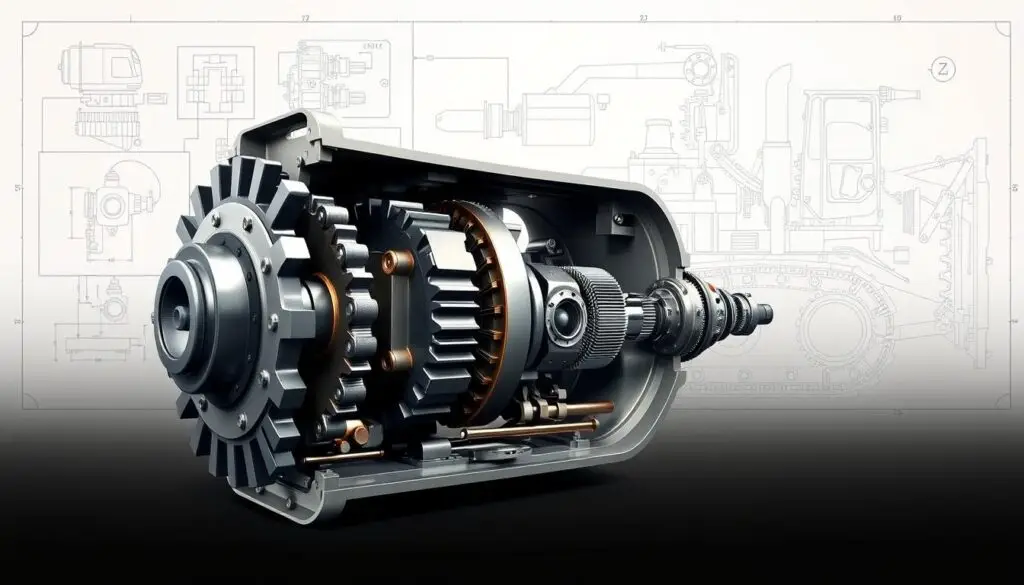
A final drive assembly serves as the critical interface that converts high-speed hydraulic power into the low-speed, high-torque force needed to turn the tracks. This component—sometimes called a drive reducer or travel motor—performs the essential task of multiplying torque while reducing rotational speed through a combination of hydraulic and mechanical systems working together.
By increasing torque only at the drive wheels, the final drive enables your dozer to traverse difficult terrain without straining upstream components. This design protects your entire hydraulic system from excessive wear while delivering the substantial pushing and pulling forces required for construction work.
Key Components of a Final Drive System
Every final drive contains several critical components that work in harmony to deliver reliable performance. Understanding these elements helps you recognize potential failure points and target inspections where problems are most likely to develop.
Hydraulic Motor Integration
The hydraulic motor represents the first stage of power conversion within the final drive, receiving pressurized fluid from your dozer’s main hydraulic system and converting that pressure into rotational mechanical motion. The motor operates at relatively high speeds compared to the final track rotation—this speed differential is intentional and necessary for proper torque multiplication. Quality hydraulic motor integration ensures smooth power delivery without pressure spikes or flow irregularities that stress downstream components.
Planetary Gear Sets
The gear reduction mechanism relies on planetary gear sets to multiply torque while reducing speed. This system typically includes sun gears, planet gears, and ring gears arranged in precise configurations where each gear meshes perfectly with its neighbors to distribute load evenly. Planetary designs achieve significant reduction ratios in a compact space, offering exceptional strength and durability compared to simple gear trains. Multiple reduction stages may be stacked to achieve the final output ratio required for your specific dozer model.
Bearings and Seals
Bearings provide critical support for all rotating components within the final drive, handling both radial and axial loads while allowing smooth rotation. Heavy-duty tapered roller bearings are commonly used due to their load-carrying capacity. Seals prevent lubricating oil from escaping while keeping dirt and moisture out—face seals, O-rings, and gaskets each serve specific protective functions within the assembly.
⚠️ Safety Warning
Final drive components retain hydraulic pressure even after shutdown. Before performing any inspection or repair work, relieve system pressure according to manufacturer procedures, engage parking brakes, lower all attachments to the ground, and allow hot components to cool. Trapped pressure and hot oil can cause serious burns and equipment damage.
How Final Drives Transfer Power to Track Systems
The complete power transmission sequence begins when hydraulic pressure enters the motor section, forcing the motor’s internal components to rotate. That rotational energy transfers directly to the input shaft of the planetary gear reduction system. As power flows through each gear stage, speed decreases while torque increases proportionally.
The final output shaft connects to the track sprocket, which engages with the track links to convert rotational motion into linear track movement. The entire assembly operates within a sealed housing filled with lubricating oil that keeps all moving parts properly lubricated while dissipating heat generated by friction. Understanding this power flow helps you recognize when performance degradation indicates developing problems within the final drive system.
Most Common Dozer Final Drive Problems
Most final drive failures stem from preventable conditions that develop gradually through normal operation and inadequate maintenance practices. Recognizing these common problems early provides operators with critical opportunities to implement corrective measures before minor issues escalate into expensive component replacements. The patterns of deterioration follow predictable paths that maintenance professionals encounter consistently across different equipment brands and operational environments.
Seal Failures and Oil Leaks
Seal deterioration represents the most prevalent issue affecting dozer final drives, accounting for approximately 40-50% of all reported problems. Face seals, duo-cone seals, and O-rings form the critical barrier between lubricated internal components and the harsh external environment. These sealing components endure continuous exposure to extreme temperatures, pressure fluctuations, and abrasive contaminants that gradually degrade their effectiveness.
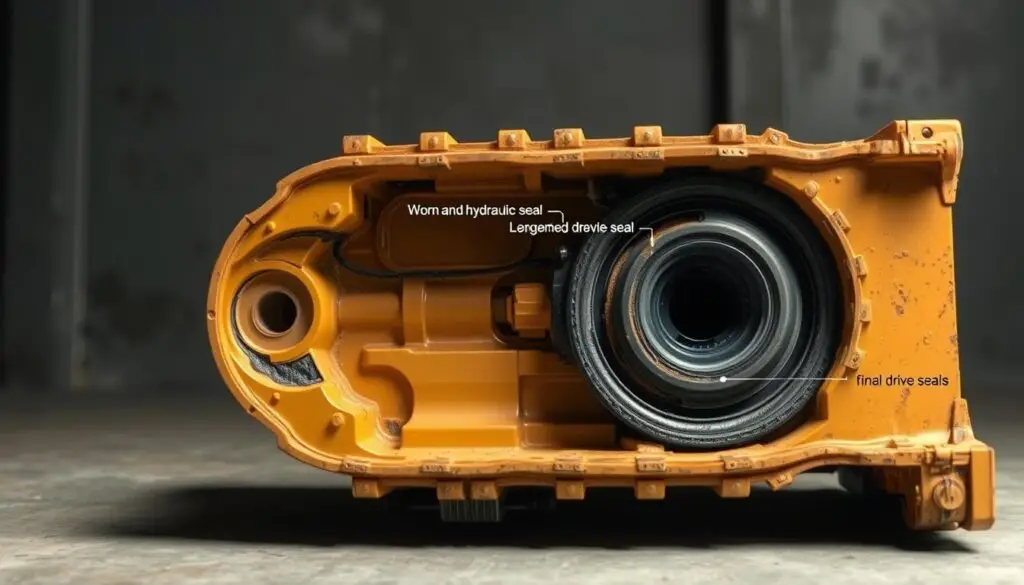
The dual threat posed by seal failures creates compounding damage within the system. Oil leakage depletes the lubrication necessary for proper component operation while simultaneously creating entry points for dirt, water, and debris. This contamination accelerates wear on gears, bearings, and other precision-machined surfaces. According to final drive specialists, a failed main seal can destroy a final drive beyond repair—and that can happen very quickly once contamination enters the planetary side.
Oil leaking from the gearbox cover plate typically indicates either a distorted cover or excessive pressure buildup within the gearbox housing. Hydraulic seal leaks around the ring gear point directly to worn or damaged floating seals that require immediate replacement.
Bearing Wear and Catastrophic Failure
Bearings within final drive assemblies support tremendous radial and thrust loads under punishing conditions. These precision components maintain proper shaft alignment and smooth rotation while absorbing forces generated by track movement and ground resistance. Normal operating stresses combined with environmental factors create inevitable wear patterns that progress over time.
Inadequate lubrication accelerates bearing deterioration more rapidly than any other single factor. Contaminated oil introduces abrasive particles that score bearing surfaces and create microscopic stress points. These weakened areas develop into pitting, spalling, and eventually complete structural failure that sends metal fragments throughout the final drive assembly.
The progression from minor bearing failure symptoms to catastrophic collapse can occur surprisingly quickly. Early-stage wear produces subtle noise changes and slight temperature increases, while advanced deterioration generates obvious grinding sounds, excessive heat, and complete loss of load-bearing capacity.
Gear Damage and Tooth Wear Patterns
Gears transmit rotational force through precisely machined teeth that mesh under tremendous pressure. Various failure modes affect these critical components, with each pattern revealing specific information about operating conditions and maintenance practices. Normal wear appears as gradual surface polishing, while abnormal conditions create distinctive damage signatures.
Pitting manifests as small craters on gear tooth surfaces caused by contact fatigue under repeated loading cycles. Spalling represents more advanced deterioration where material flakes away in larger sections, weakening tooth structure. Complete tooth breakage occurs when overloading, shock loads, or severely weakened teeth finally fracture under operational stress.
Hydraulic Motor Contamination Issues
Hydraulic motors contain precision-machined pistons, cylinders, and valve components manufactured to tolerances measured in thousandths of an inch. These tight clearances ensure efficient power transfer and smooth operation but make hydraulic motors extremely vulnerable to contamination from external sources.
Dirt, water, and metal particles entering the hydraulic system cause accelerated wear on motor components. Contaminated fluid acts as liquid sandpaper, grinding away at cylinder walls, piston surfaces, and valve seats, increasing internal clearances and reducing volumetric efficiency until complete motor failure occurs.
| Problem Type | Primary Causes | Common Symptoms | Failure Severity |
|---|---|---|---|
| Seal Failures | Heat cycling, age, contamination, pressure spikes | Visible oil leaks, low fluid levels, debris entry | Moderate to High |
| Bearing Wear | Inadequate lubrication, contaminated oil, excessive hours | Unusual noises, heat generation, rough rotation | High to Catastrophic |
| Gear Damage | Overloading, misalignment, insufficient lubrication | Grinding sounds, metal debris, power loss | High to Catastrophic |
| Hydraulic Contamination | Dirt ingress, water infiltration, metal particles | Reduced efficiency, erratic operation, motor failure | Moderate to High |
Early Warning Symptoms of Final Drive Failure
Most final drive failures announce themselves through a series of progressive symptoms that, when recognized early, allow for timely intervention before catastrophic damage occurs. Experienced operators develop an intimate familiarity with their machine’s normal behavior patterns, making them uniquely positioned to detect subtle changes that signal developing problems.
The challenge lies not in whether symptoms will appear, but in recognizing them quickly enough to prevent minor issues from escalating into major failures. Each warning sign represents the equipment’s attempt to communicate that operating conditions have moved outside acceptable parameters.
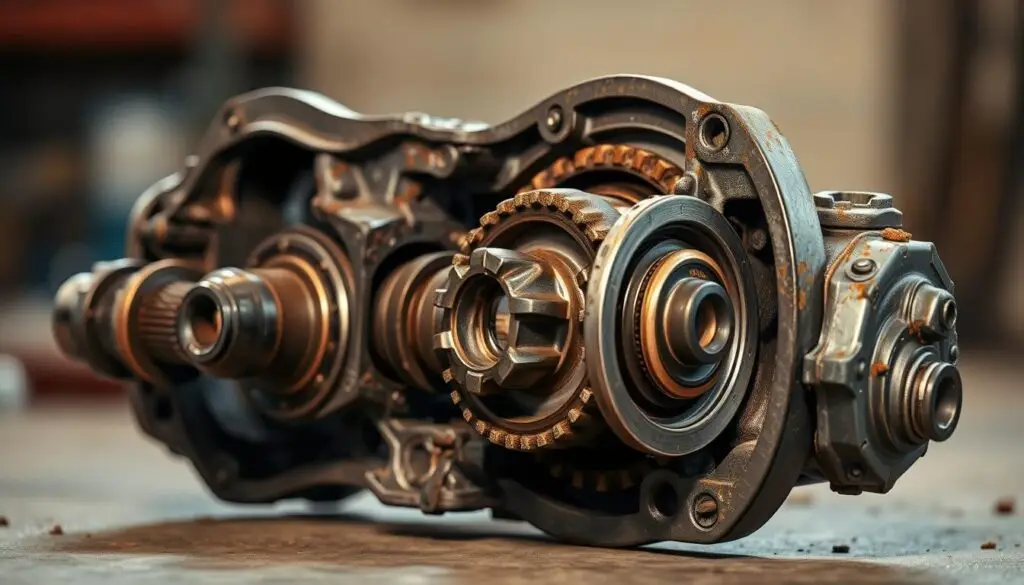
Unusual Noises During Operation
Seasoned equipment operators know their dozer’s characteristic sound signature as intimately as a musician knows their instrument. Any deviation from this familiar acoustic pattern demands immediate attention and investigation. Unusual drive noises serve as the final drive’s primary communication method, conveying information about internal conditions that aren’t yet visible externally.
Grinding and Metal-on-Metal Sounds
Grinding noises represent one of the most serious auditory warnings a final drive can produce. These harsh, abrasive sounds indicate direct metal-to-metal contact between components that should maintain separation through oil films or proper clearances. When bearings wear beyond acceptable limits or gear teeth begin to fail, the protective lubrication barrier breaks down.
The characteristic grinding sound intensifies under load and may temporarily diminish when the machine idles. Continued operation after grinding sounds appear accelerates damage exponentially, often transforming a bearing replacement job into a complete final drive rebuild within hours of operation.
Clicking or Popping Noises
Clicking or popping sounds present a distinctly different acoustic signature than grinding noises. These intermittent sounds often occur rhythmically, synchronized with track rotation or turning movements, and typically indicate bearing cage failure, cracked gear teeth, or loose internal components that make contact only under specific loading conditions.
Loss of Power and Sluggish Track Movement
Performance degradation often manifests so gradually that operators unconsciously compensate without recognizing the underlying problem. Loss of power in final drive systems creates specific operational characteristics that distinguish it from engine or hydraulic system issues: the machine struggles on inclines it previously climbed easily, one track consistently moves slower than the other, or overall travel speed decreases despite normal engine operation.
Internal wear creates inefficient power transfer paths where mechanical energy converts to heat rather than useful work. Worn planetary gears can’t mesh properly, damaged bearings create excessive friction, and increased internal clearances allow components to move without transmitting force effectively.
Excessive Heat Generation in Drive Components
Temperature monitoring provides valuable diagnostic information about final drive health. Normal operation generates predictable heat levels that dissipate through the housing and cooling systems. An overheating final drive indicates that friction has exceeded design parameters, creating thermal conditions that accelerate wear and damage seals.
A final drive housing that feels uncomfortably hot to touch signals serious internal problems. The excessive heat may stem from inadequate lubrication due to low oil levels, contaminated hydraulic fluid that has lost its lubricating properties, or internal wear that creates friction beyond normal operating parameters. Clogged case drain filters can also cause dangerous pressure buildup that generates heat while restricting protective oil flow.
Visible Oil Leakage Around Drive Motors
Any external oil presence around final drive components represents a serious condition requiring immediate attention. Leaking seals create two simultaneous problems: they allow necessary lubrication to escape while providing an entry path for destructive contaminants like water, dirt, and abrasive particles.
The appearance and consistency of leaked fluid provide diagnostic clues about internal conditions. Discolored or milky fluid indicates water contamination, while fluid containing metallic particles signals advanced internal wear. Clean, amber-colored fluid suggests seal failure without significant internal damage, potentially allowing for seal replacement before more extensive repairs become necessary.
| Symptom Category | Observable Signs | Likely Causes | Urgency Level |
|---|---|---|---|
| Acoustic Changes | Grinding, clicking, whining sounds | Bearing wear, gear damage, seal failure | High – Immediate attention required |
| Performance Loss | Reduced speed, uneven tracks, climbing difficulty | Internal wear, contaminated fluid, worn gears | Medium – Schedule inspection within days |
| Heat Generation | Hot housing, burning smell, fluid discoloration | Inadequate lubrication, excessive friction | High – Risk of catastrophic failure |
| Fluid Leakage | Puddles, drips, housing accumulation | Seal compromise, gasket failure, housing cracks | Medium-High – Address before contaminant entry |
Visual Inspection Techniques for Final Drive Assessment
Equipment operators who master visual inspection techniques can detect final drive issues early and prevent expensive breakdowns. A systematic final drive assessment requires no specialized equipment, yet provides valuable diagnostic information about component condition. Regular visual inspections enable you to identify problems during their early stages when repairs remain manageable and affordable.
Conducting External Leak Inspections
Start your leak detection process by thoroughly cleaning the final drive housing and surrounding areas. Use a degreaser and pressure washer to remove accumulated dirt, oil, and debris from all external surfaces, establishing a clean baseline that makes fresh leakage immediately visible during subsequent inspections.
After cleaning, operate the dozer under normal working loads for at least 30 minutes. The heat and pressure generated during operation will force oil through any compromised seals or gaskets. Park the machine on clean, dry ground and allow it to sit for several hours or overnight before returning to inspect all surfaces for fresh oil accumulation.
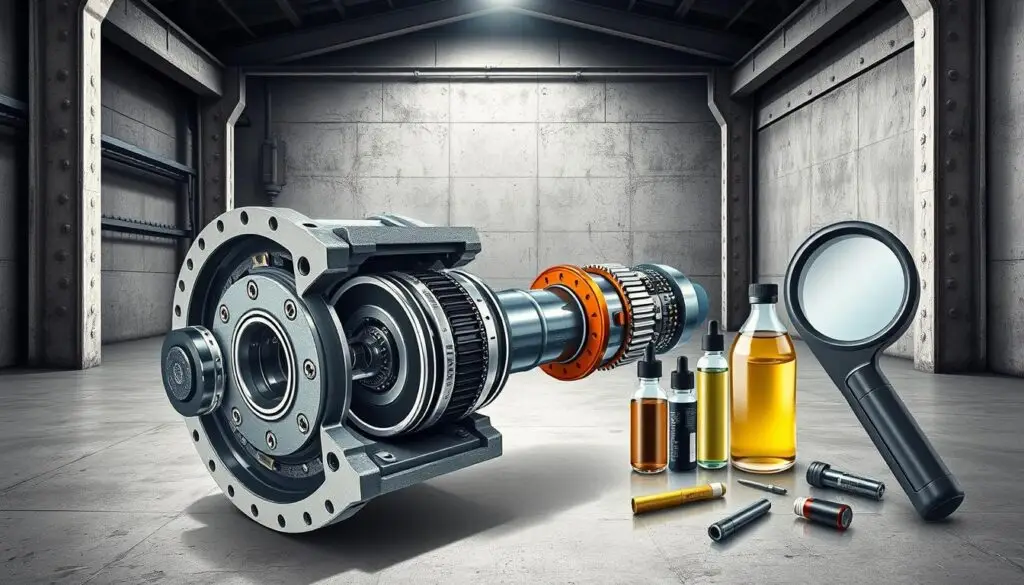
The location and pattern of oil deposits provide critical diagnostic clues about seal failures. Check beneath the dozer for puddles or drips that indicate active leakage—even small amounts of fluid accumulation signal seal degradation that will worsen rapidly under continued operation.
Inspecting Seals, Gaskets, and O-Rings
Seal inspection requires close visual examination of all visible sealing components around the final drive assembly. Look for surface cracking in rubber seals, which indicates age-related deterioration from environmental exposure. These fine cracks eventually propagate through the seal material, creating leak paths.
Check for deformation in seal profiles, which suggests exposure to excessive heat or pressure. Seals that appear flattened or bulged beyond their original shape have lost their sealing capability and cannot maintain proper contact with sealing surfaces.
Test seal hardness by carefully pressing the rubber material with your fingernail. Seals that feel hard or brittle have suffered chemical degradation from incompatible fluids or extreme temperatures. Replace hardened seals immediately, as they will crack under flexing during normal operation.
Examining Mounting Hardware and Bolts
Inspect all mounting bolts that secure the final drive assembly to the machine frame. Loose hardware allows movement that damages sealing surfaces and creates stress concentrations. Use a torque wrench to verify that all bolts meet manufacturer specifications rather than relying on visual assessment alone.
Look for missing bolts or empty threaded holes in mounting flanges—each missing fastener increases stress on remaining hardware and allows misalignment between components. Check bolt heads and exposed threads for visible damage, corrosion, or deformation that may have caused internal component misalignment.
Checking for Metal Debris in Oil
Contamination checking begins with extracting a small oil sample from the final drive during routine service. Use a clean container to collect oil that drains initially, as this sample contains particles that have settled to the bottom. Allow the sample to settle in a clear glass container for several minutes.
Examine the settled sample for metallic particles that indicate internal component wear. Use a magnet to distinguish ferrous particles from steel gears and bearings from non-ferrous particles from bronze bushings or aluminum components. Different particle types point to specific component failures.
Stay Ahead of Equipment Failures
Get preventive maintenance insights, diagnostic tips, and equipment management strategies delivered to your inbox. Join fleet managers and technicians who rely on Heavy Duty Journal for practical guidance.
Professional Diagnostic Tools and Testing Methods
Moving beyond visual inspection, technicians use sophisticated testing methods to pinpoint exact failure causes in dozer final drives. Professional drive motor diagnostics rely on specialized equipment that measures internal conditions without disassembly, providing objective data that removes uncertainty from maintenance decisions.
Oil Analysis and Contamination Testing
Laboratory oil analysis serves as the most revealing diagnostic tool for final drive health assessment. Technicians extract fluid samples from operating drives and send them to specialized labs for comprehensive testing that identifies contamination sources and quantifies internal wear rates with remarkable precision.
According to Caterpillar’s S•O•S Services program, oil sampling at scheduled intervals validates maintenance procedures, tracks what’s happening inside equipment, and forecasts wear-related problems before they result in complete failures. Often an adjustment or replacement of a single part, based on oil analysis findings, prevents catastrophic damage.
Interpreting Wear Metal Concentrations
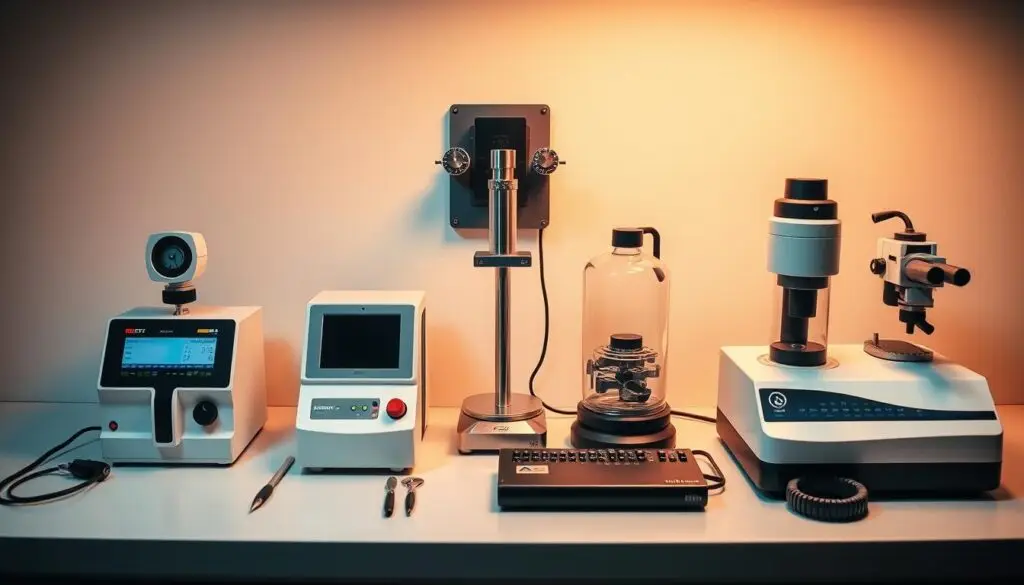
Spectrometric analysis detects specific metallic elements in parts-per-million quantities. Each metal type points to wear from different components within the final drive assembly. Iron particles originate from steel gears and bearing races, while copper indicates bronze bushing or bearing cage wear. Aluminum concentrations suggest housing material erosion or thrust washer degradation.
Sudden concentration spikes signal accelerated wear or impending component failure. Trending analysis compares current results against previous samples to identify abnormal wear rates—a doubling of iron content between samples indicates gear or bearing problems requiring immediate attention.
Identifying Water and Particle Contamination
Karl Fischer testing quantifies water content with exceptional accuracy, measuring down to parts-per-million levels. Even small amounts of water cause rapid bearing failure and hydraulic valve malfunction. Test results exceeding 500 ppm indicate seal failures allowing moisture infiltration.
Particle counting determines contamination levels against ISO cleanliness standards. Final drives typically require ISO 18/16/13 or cleaner fluid for optimal performance. Results exceeding target cleanliness levels indicate inadequate filtration or external contamination entry.
Hydraulic Pressure Testing Procedures
Pressure testing measures hydraulic system performance under actual working conditions. Technicians connect calibrated gauges at strategic test ports throughout the hydraulic circuit to reveal internal leakage, pump problems, and circuit restrictions that visual inspection cannot detect.
Testing begins by checking system pressure at the hydraulic motor inlet—specifications typically range from 3,000 to 5,000 psi depending on machine model and application. Pressures below specification indicate pump wear or excessive internal leakage within the motor. Case drain pressure monitoring detects internal leakage within hydraulic motors, with elevated case drain pressure indicating worn seals or damaged internal components allowing fluid bypass.
Thermal Imaging for Hot Spot Detection
Infrared cameras create thermal maps of operating final drives, revealing temperature variations invisible to touch. Thermal imaging detects overheating components before damage occurs or complete failure happens. Normal final drives display relatively uniform temperature distribution across the housing, while hot spots indicate bearing problems, inadequate lubrication, or excessive internal friction.
Temperature differences exceeding 20°F between similar components warrant immediate investigation. Professional thermographers establish baseline thermal signatures for comparison during future inspections, enabling prediction of developing problems weeks before audible symptoms appear.
Sound Analysis and Vibration Monitoring
Accelerometers and sound meters detect specific vibration frequencies associated with component problems. Every bearing and gear produces characteristic frequencies during operation, and deviations from normal signatures indicate wear, misalignment, or damage requiring attention.
Vibration monitoring captures acceleration patterns at multiple points on the final drive housing, with analysis software comparing these patterns against known fault frequencies for bearings, gear mesh, and shaft imbalances. Ultrasonic detection complements traditional vibration analysis by identifying high-frequency sounds from failing seals and early bearing damage long before audible noise levels concern operators.
Step-by-Step Final Drive Troubleshooting Process
When final drive problems arise, a methodical troubleshooting process saves both time and money. Jumping straight to disassembly without proper diagnosis often leads to unnecessary repairs and extended downtime. A structured diagnostic process identifies the root cause efficiently, ensuring you address the actual problem rather than chasing symptoms.
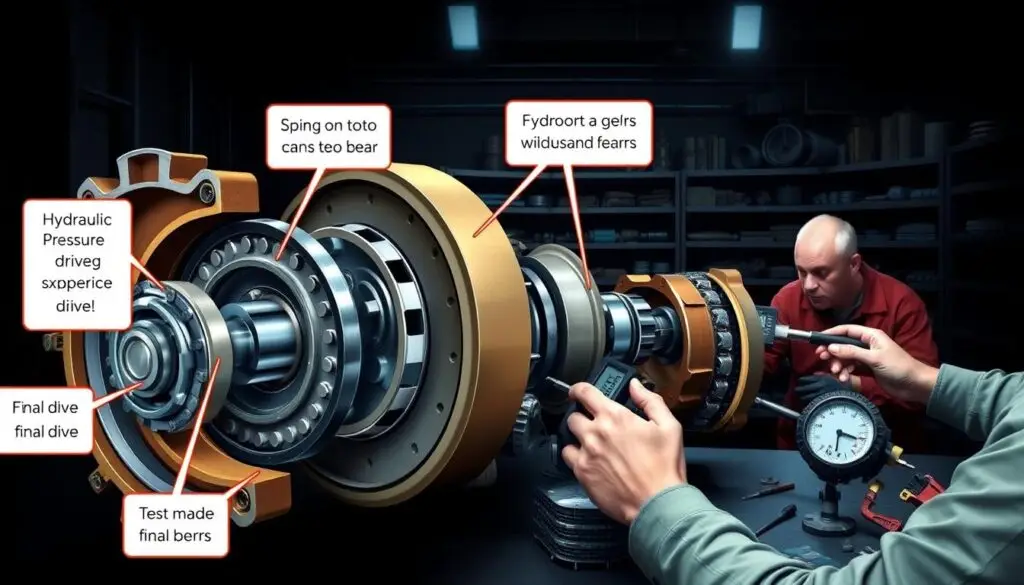
Starting With a Complete System Evaluation
Begin every diagnostic process by gathering information from the equipment operator. Ask detailed questions about when symptoms first appeared, under what conditions they occur, and whether problems are constant or intermittent. Operators often notice subtle changes before they become obvious failures.
Review the machine’s maintenance records next. Look for patterns in previous repairs, oil change history, and any recent work performed near the final drives. Conduct a thorough walk-around inspection before starting the machine—check for obvious signs of damage, fresh oil leaks, or debris accumulation around the final drive housings.
Check the hydraulic fluid level in the main reservoir as your first mechanical test. Low fluid levels affect all hydraulic functions, not just final drives. Examine the fluid condition carefully—milky fluid indicates water contamination, gritty texture suggests bearing failure, and burnt smell points to overheating.
Determining Which Final Drive Has Failed
Problem isolation requires comparing both sides of the machine during operation. Run the dozer in an open area where you can observe track movement on both sides. If one track moves smoothly while the other jerks or hesitates, the problem clearly resides in that side’s final drive.
Listen carefully to identify noise location, positioning yourself safely near each final drive while the machine operates at low speed. Grinding, clicking, or whining sounds coming from only one side strongly indicate final drive problems rather than upstream hydraulic issues.
Use an infrared thermometer or thermal imaging camera to check for temperature differences between the two final drives. Excessive heat on one side indicates increased internal friction from worn bearings or damaged gears—temperature variations of more than 20 degrees Fahrenheit between sides warrant further investigation.
Testing Under Different Load Conditions
Apply progressively higher loads to reproduce symptoms under controlled conditions. Start with light dozing work, then gradually increase to full load operations. Note at what load level problems first appear, as this information helps diagnose the severity of internal damage.
Pay attention to temperature-related behavior changes. Some final drive problems only appear when cold and disappear after warming up, while others show the opposite pattern. Cold-start problems often indicate seal issues or thick contaminated oil, whereas heat-related failures suggest bearing or gear damage.
Test the machine in both forward and reverse directions, as certain gear damage patterns only produce symptoms under specific load directions. A final drive that works acceptably in forward but fails in reverse indicates specific tooth wear patterns.
The HDJ Perspective
Undercarriage components—including final drives—account for up to 50% of total equipment operating costs according to industry estimates. Yet many fleet operations treat final drive maintenance as an afterthought until catastrophic failure forces emergency repairs. The most successful equipment managers we’ve observed flip this approach: they invest in oil analysis programs, train operators to recognize early warning signs, and treat minor seal leaks with the same urgency as engine problems. This proactive mindset consistently delivers lower total cost of ownership and fewer schedule disruptions. The diagnostic techniques in this guide aren’t just troubleshooting steps—they’re the foundation of a preventive maintenance culture that protects your largest equipment investments.
Repairing Oil Leaks and Replacing Damaged Seals
When oil begins seeping from your dozer’s final drive, swift diagnosis and expert seal repair can save thousands in replacement costs. Oil leak repair represents the most frequent maintenance task operators face with final drive systems. Understanding proper seal replacement procedures ensures successful repairs that prevent recurring problems and secondary component damage.
Identifying Exact Leak Sources
Accurate leak diagnosis requires thorough cleaning before any inspection begins. Oil travels along external surfaces and drips at low points that may be far from the actual leak source. This migration pattern frequently misleads technicians into misidentifying the problem area.
Start by pressure-washing all external surfaces around the final drive assembly. Remove accumulated dirt, grease, and old oil residue completely, then operate the machine under normal working conditions for 15-20 minutes. Working pressure and operating temperature cause seals to compress and expand, revealing active leak points.
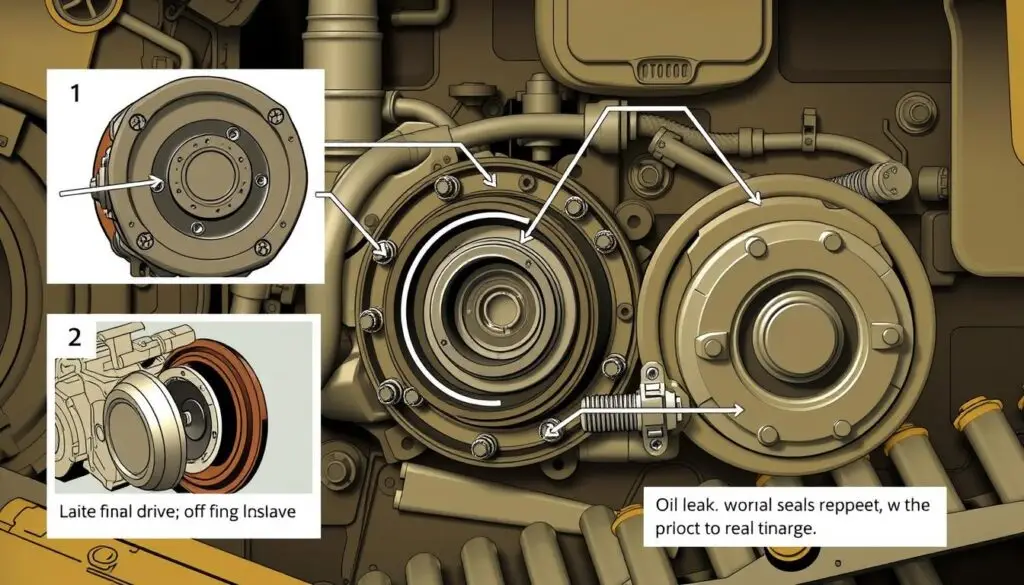
Several common leak patterns indicate specific seal failures: leakage from underneath the gearbox cover plate suggests either a distorted cover or excessive internal pressure buildup, oil seeping from the ring gear area points to worn or damaged floating seals requiring immediate attention, and dripping from mounting bolts reveals gasket failures or improper torque specifications.
Seal Removal and Replacement Procedures
Proper seal replacement demands precision and attention to detail throughout every step. Begin by draining all oil from the final drive system completely, positioning a clean container to capture the lubricant for contamination inspection. Metal particles or discoloration indicate internal damage requiring further investigation.
⚠️ Safety Warning
As required under OSHA 1926.600, heavy machinery or parts suspended by jacks must be substantially blocked or cribbed before personnel work under or between them. Dozer blades and buckets must be fully lowered or blocked during repairs. Always engage parking brakes and use lockout/tagout procedures before beginning any final drive disassembly.
Face Seal Replacement
Face seal installation represents the most demanding seal service due to precision requirements. These seals consist of precisely lapped mating surfaces pressed together by spring force and handle the highest pressures in the final drive system. Complete disassembly of the final drive is typically necessary to access face seals.
Inspect both sealing surfaces under magnification for scoring, corrosion, or embedded contamination. Even microscopic imperfections compromise seal effectiveness—replace any component showing surface damage rather than attempting repairs. The installation process requires meticulous attention to cleanliness, proper lubricant application, and exact torque specifications.
Duo-Cone Seal Installation
Duo-cone seals require precise installation depth and correct orientation for proper function. These metal-face seals protect against contamination in harsh operating environments, and their design makes them less tolerant of shaft surface imperfections than elastomeric alternatives.
Inspect the shaft surface carefully before installing duo-cone seals. Surface roughness, scratches, or corrosion causes premature seal wear. Specialized installation tools prevent cocking during the installation process—never hammer directly on the seal or use makeshift installation methods. Measure installation depth precisely using manufacturer specifications, as seals installed too deep or too shallow fail prematurely regardless of quality.
Proper Lubrication and Break-In Period
Final drive lubrication procedures directly impact seal longevity and system reliability. Fill the final drive slowly through the designated fill port, pausing periodically during filling to allow air to escape naturally. Never fill oil completely to the cap level—excessive oil volume causes thermal expansion that pressurizes the housing and forces oil past new seals.
The break-in period allows seals to seat properly against mating surfaces. Operate the machine under light loads for the first 2-4 hours after seal replacement. Monitor the final drive closely during initial operation, checking for oil leaks after 30 minutes and verifying operating temperature remains within normal ranges.
Share Your Final Drive Expertise
Heavy Duty Journal welcomes contributions from equipment technicians, fleet managers, and industry professionals. If you’ve developed effective diagnostic techniques or maintenance strategies for tracked equipment, share your knowledge with our readership.
Solutions for Bearing and Gear Failures
Major component failures in the final drive system demand comprehensive solutions beyond simple maintenance fixes. When bearings and gears deteriorate inside the drive assembly, operators must choose between targeted repairs and complete overhauls. The right approach depends on the extent of damage, the age of the equipment, and economic considerations that balance repair costs against replacement options.
Bearing Inspection and Replacement Standards
Professional bearing replacement begins with thorough failure analysis to understand what caused the problem. Remove the bearings carefully and examine them for specific wear patterns that reveal the root cause. Spalling appears as flaking metal on the bearing surface, while brinelling shows up as dents in the race from impact loading.
Always replace bearings as complete matched sets rather than individual units. Installing a new bearing alongside a worn one creates uneven load distribution that accelerates failure—the new bearing carries more load than its capacity while the worn bearing continues to deteriorate rapidly.
Proper installation techniques make the difference between long bearing life and premature failure. Use controlled heating for expanding bearing inner rings and cooling for shrinking bearing housings. Temperature control during installation prevents metallurgical damage that weakens the bearing structure.
Assessing Gear Tooth Damage Severity
Determining whether gears can remain in service requires careful evaluation of tooth condition. Normal wear creates a polished appearance across the tooth face with slight rounding at the edges, while abnormal wear shows distinct patterns indicating specific problems with alignment, lubrication, or overloading.
Pitting appearing as small craters on the tooth surface caused by contact fatigue—shallow pitting covering less than 10% of the tooth area usually allows continued service, while deep pitting or extensive coverage means the gear has reached its service limit. Tooth breakage always requires complete gear set replacement regardless of how many teeth are damaged.
Complete Final Drive Rebuild Procedures
A comprehensive final drive rebuild addresses all internal components systematically. This process requires professional capabilities, specialized tools, and detailed knowledge of assembly specifications. While minor repairs caught early don’t involve high costs, serious damage often makes a complete rebuild more economical than attempting partial repairs.
The cost to repair hydraulic motors including labor often approaches the price of a complete new final drive unit, and partial repairs carry no guarantee that other worn components won’t fail shortly after reassembly. When planning a rebuild, follow the manufacturer’s disassembly sequence precisely, organize all removed parts in order with clear labels, and take photographs at each disassembly stage to document the original configuration.
Preventive Maintenance to Avoid Final Drive Failures
The vast majority of final drive problems stem from neglected maintenance, making prevention far more cost-effective than repair. Nearly every serious final drive failure can be avoided if operators pay attention to their equipment and react to early warning signs. With proper use and consistent care, final drives will operate faultlessly for many years without requiring major repairs.
Establishing Regular Oil Change Intervals
Oil change intervals represent the single most important aspect of final drive maintenance. Manufacturer recommendations typically specify changes every 1,000 to 2,000 operating hours under normal conditions, though harsh operating environments require more frequent service. According to Caterpillar’s undercarriage maintenance guidance, operators should regularly check planetary drive oil levels and sample the oil according to the Operation and Maintenance Manual’s recommended intervals.
Proper oil change procedures require complete drainage rather than simple top-offs. If contamination is present, flushing the system becomes necessary before adding fresh oil. Always use the specified oil grades and types rather than generic substitutes that may lack proper additives, and never fill oil all the way to the cap—excessive oil causes seal damage due to increased internal pressure during operation.
Implementing Scheduled Inspection Programs
A comprehensive inspection schedule creates trend data that enables predictive maintenance strategies. Daily operator checks should include external leak inspections, unusual noise monitoring, and performance change detection. Weekly detailed inspections expand the scope to include oil level verification, external condition assessment, and mounting hardware examination.
Monthly intensive inspections should incorporate oil sampling, temperature checks, and detailed operational testing. Annual major inspections may include internal inspection if accessible and complete system evaluation by qualified technicians. Document all findings to create valuable historical data for identifying patterns and predicting future maintenance needs.
Operating Best Practices for Extended Component Life
How operators use equipment directly impacts final drive longevity. Avoiding excessive pressure on mechanisms protects against damage that shortens service life. Operators should understand that final drives have design limitations regarding load and direction—respecting these limitations through proper technique extends component life significantly.
Proper Track Tensioning
Track tensioning directly affects final drive bearing loads and operational efficiency. Excessive tension increases bearing loads substantially while raising power requirements unnecessarily, accelerating bearing wear and shortening drive component life. Insufficient tension creates equally serious problems through track slippage, generating shock loads that hammer drive components during acceleration and deceleration.
Check and maintain proper track tensioning according to manufacturer specifications. Environmental conditions may require more frequent tension checks, particularly in operations with significant temperature variation.
Avoiding Excessive Side Loading
Final drives are engineered specifically for straight-line loads along the track axis. Excessive turning, especially under heavy load or on slopes, creates destructive side loads that accelerate bearing wear and can bend shafts or crack housings. Minimize sharp turns when operating under load whenever possible, and plan work patterns that reduce the frequency of direction changes during heavy pushing or pulling operations.
Repair vs. Replacement: Making an Informed Decision
When your dozer’s final drive fails, the repair versus replacement decision directly impacts both your immediate budget and long-term operational costs. Equipment owners must evaluate multiple factors beyond the basic price comparison—the right choice depends on failure severity, remaining machine life, and your specific operational requirements.
Cost-Benefit Analysis of Repair Options
A thorough cost-benefit analysis examines both visible and hidden expenses associated with final drive repair. Direct costs include replacement parts, labor charges, and shipping fees for components. However, these obvious expenses represent only part of the total financial impact.
Indirect costs often exceed the repair invoice itself. Downtime translates directly to lost productivity and missed project deadlines, and many operations must rent replacement equipment while repairs proceed. Consider the expected service life after repair when evaluating options—minor seal replacements caught early typically restore the final drive to near-original condition, offering excellent return on investment with minimal risk of additional failures.
Up to 50%
Undercarriage components can account for up to half of total equipment operating costs — Association of Equipment Manufacturers
When Complete Replacement is More Economical
Complete replacement becomes the logical choice when multiple major components require simultaneous repair. The cumulative cost of replacing bearings, gears, seals, and hydraulic motors approaches or exceeds new unit pricing, and housing damage represents another clear replacement indicator—cracked or severely worn housings cannot be reliably repaired.
Apply this decision framework when evaluating replacement economics: repair costs exceeding 60-70% of replacement price shift economics toward new units, previous similar failures suggest systemic problems that repairs won’t resolve, and high-utilization machines cannot tolerate extended downtime for complex rebuilds. Replacement provides known costs with no surprises during disassembly, and new final drives include comprehensive warranties protecting your investment.
OEM vs. Aftermarket Final Drive Considerations
OEM parts guarantee perfect compatibility with your dozer’s specifications. Manufacturers design these components specifically for your machine’s power output and duty cycle, eliminating compatibility concerns and installation complications. Aftermarket manufacturers offer substantial cost savings—reputable suppliers produce quality components approaching OEM standards, though significant quality variation exists across different aftermarket brands.
| Comparison Factor | OEM Final Drives | Premium Aftermarket | Economy Aftermarket |
|---|---|---|---|
| Initial Purchase Cost | $8,000–$15,000 | $5,000–$10,000 | $3,000–$6,000 |
| Typical Warranty Period | 12–24 months | 6–12 months | 3–6 months |
| Expected Service Life | 8,000–12,000 hours | 6,000–10,000 hours | 3,000–6,000 hours |
| Parts Availability | Excellent | Good | Variable |
Cost Considerations and Budgeting for Repairs
The true cost of final drive problems extends far beyond the repair invoice, encompassing multiple financial factors. Equipment owners who understand these comprehensive expenses make better decisions about maintenance timing and repair strategies. Every hour your machine sits idle represents lost revenue that compounds the direct repair expenses.
Understanding Repair Expense Variables
Final drive repair costs vary considerably based on failure severity and intervention timing. Early detection with minor component replacement keeps expenses manageable and equipment operational, while waiting until major failure occurs dramatically increases both repair expenses and associated downtime costs.
Seal replacement caught early costs relatively little but prevents catastrophic damage. A simple seal failure ignored for weeks can contaminate bearings and gears, transforming a $500 repair into a $6,000 rebuild. The complexity of disassembly significantly affects labor charges—final drives with difficult access require more mechanic hours, increasing total costs even when replacement parts remain identical.
New Final Drive Investment Analysis
Replacement costs for complete final drive assemblies depend heavily on manufacturer and quality tier. OEM replacement final drives typically range from $6,000 to $15,000 depending on machine class, including full manufacturer backing and perfect fitment assurance. Quality aftermarket replacements cost between $3,500 and $9,000 for equivalent applications, delivering significant cost savings without sacrificing operational performance when sourced from established suppliers.
Calculating Total Failure Impact
Downtime costs often exceed direct repair expenses by substantial margins. Independent contractors lose billable hours every day equipment sits disabled, project delays trigger penalty clauses, and equipment rental during repairs adds $500 to $1,500 daily for comparable machines. A week-long repair requiring rental backup costs $3,500 to $10,500 before considering the actual repair bill.
A complete financial analysis multiplies daily revenue loss by repair duration and adds direct expenses. For contractors generating $2,000 daily revenue per machine, a five-day repair costs $10,000 in lost productivity before repair bills. Understanding true costs enables rational decision-making that minimizes total ownership expenses.
Frequently Asked Questions
How often should I change the gear oil in my dozer’s final drive?
Most manufacturers recommend final drive oil changes every 1,000 to 2,000 operating hours under normal conditions. However, harsh environments—dusty sites, extreme temperatures, or heavy loading conditions—require more frequent service, often at half the standard intervals. Always consult your Operation and Maintenance Manual for specific recommendations. The general rule for gear oil is about once a year, but oil analysis programs can help optimize intervals based on actual oil condition rather than arbitrary schedules.
What causes duo-cone seals to fail prematurely?
There are four main reasons duo-cone seals fail early: the seal housing surface is too smooth for the elastomeric toric rings to properly grip, the seals were not installed correctly, contaminated lubricant is causing premature wear, or the toric rings are suffering from compression set. Keeping the undercarriage clean with regular pressure washing is one of the most effective prevention measures—dirt and debris buildup accelerates seal wear and masks developing problems. Proper installation using manufacturer-specified tools and techniques also significantly extends seal life.
What are the warning signs that my final drive is about to fail?
The most common warning signs include unusual noises (grinding, clicking, or whining), visible oil leakage around the sprocket or drive housing, one track moving slower than the other, excessive heat at the final drive housing, and sluggish response or jerky movement. Oil that needs frequent topping off or appears discolored, milky, or contains metallic particles indicates serious internal problems. Any of these symptoms warrant immediate investigation before continued operation causes catastrophic damage.
Can I rebuild a final drive myself, or do I need professional service?
While experienced equipment technicians can perform final drive rebuilds, this work requires specialized tools, precise measurement capabilities, clean workspace conditions, and detailed knowledge of assembly specifications. Improper seal installation, incorrect torque specifications, or contamination during assembly leads to premature failures that cost more than professional service. For most operations, having a qualified dealer or rebuild specialist perform the work provides better results and often includes warranty coverage on the repair.
How do I know whether to repair or replace my final drive?
The repair-versus-replace decision depends on several factors: when repair costs exceed 60-70% of replacement price, replacement usually makes more economic sense. Consider the machine’s age and remaining service life, the extent of internal damage, whether similar failures have occurred before, and your downtime tolerance. Complete housing damage, multiple failed components, or recurring problems after previous repairs often indicate that replacement delivers better long-term value than continued repairs.
Protecting Your Final Drive Investment
Final drives can deliver reliable performance for many years when operators prioritize proper use and consistent maintenance. The evidence is clear: most catastrophic failures result from maintenance neglect rather than component defects. Equipment owners who address dozer final drive problems early protect both their machinery and their bottom line.
Early detection and prompt action prevent major breakdowns that cause extensive downtime and significantly higher repair costs. The diagnostic techniques and solutions presented in this guide provide the knowledge needed to maintain equipment reliability and maximize operational availability. Precision-engineered final drive components perform dependably when maintained correctly, but ignoring warning signs leads to expensive failures.
Start implementing inspection procedures immediately if none exist. Address current symptoms without delay. Build relationships with qualified service providers who can perform oil analysis and professional diagnostics when needed. The framework for repair versus replacement decisions, combined with understanding true costs including downtime, separates professional equipment management from reactive crisis responses. Commit to preventive maintenance practices that extend component life and protect your investment—the knowledge you’ve gained here empowers you to manage final drive issues effectively and maintain business profitability through reliable equipment performance.
Found This Guide Helpful?
Share this resource with fellow fleet managers, equipment operators, and maintenance professionals who could benefit from these final drive diagnostic and repair strategies.