
By Michael Nielsen, Editor & Publisher | 15+ Years in Diesel Repair
Last Updated: December 2024
📖 Estimated reading time: 22 minutes
When your diesel truck starts guzzling more fuel or burning through diesel exhaust fluid faster than usual, you might be facing SCR system failures. The Selective Catalytic Reduction system serves as the final defense in your truck’s emission control setup, transforming harmful NOx emissions into harmless nitrogen and water vapor through a precise chemical process. Understanding how to diagnose and repair these systems keeps trucks running and fleets profitable.
The SCR catalyst works with DEF injection and heat to clean exhaust gases before they exit your tailpipe. A two-part NOx sensor system monitors this process constantly, with the upstream sensor tracking engine NOx production while the downstream sensor grades the SCR’s cleaning performance. Common problems include catalyst coating damage and contamination from oil, coolant, or fuel, triggering specific fault codes like P20EE, P103C, or P207F that require proper troubleshooting to avoid expensive downtime.
Key Takeaways
- NOx Reduction: SCR systems convert harmful nitrogen oxides into nitrogen and water vapor, meeting EPA 2010 and later emission standards through catalytic reactions.
- Dual Sensor Monitoring: Upstream sensors measure engine-out NOx (100-2000 ppm range), while downstream sensors verify conversion efficiency (target below 100 ppm).
- Critical Fault Codes: P20EE, P103C, and P207F indicate SCR efficiency problems requiring warranty-covered repairs when active.
- DEF Quality Matters: Urea concentration must be 31.8-33.2% per testing standards—contaminated or degraded fluid causes crystallization and injector damage.
- OEM Parts Essential: Third-party NOx sensors fail prematurely due to inferior materials; verify authenticity through visual inspection and PTT diagnostic values.
Understanding SCR System Components and Functions
The Selective Catalytic Reduction system is critical technology in modern diesel engines that reduces harmful nitrogen oxide emissions. This complex system relies on several key components working together to meet strict environmental standards set by EPA emission requirements that have applied to heavy-duty trucks since 2010. Each component plays a specific role in converting toxic NOx gases into harmless nitrogen and water vapor.
Role of the SCR Catalyst in NOx Reduction
The SCR catalyst is the heart of the emission control system. This component contains a specially coated ceramic or metallic substrate that creates the perfect environment for chemical reactions. When exhaust gases pass through the catalyst at temperatures between 400-800°F, the coating facilitates the conversion of NOx into nitrogen and water vapor.
Common SCR catalyst problems include coating degradation, physical damage from contaminants, and efficiency loss over time. These issues lead to increased emissions and engine derating if not addressed promptly. Experienced technicians know that SCR efficiency drops gradually before triggering fault codes, making proactive monitoring essential for fleet operations.
How DEF Injection Systems Work
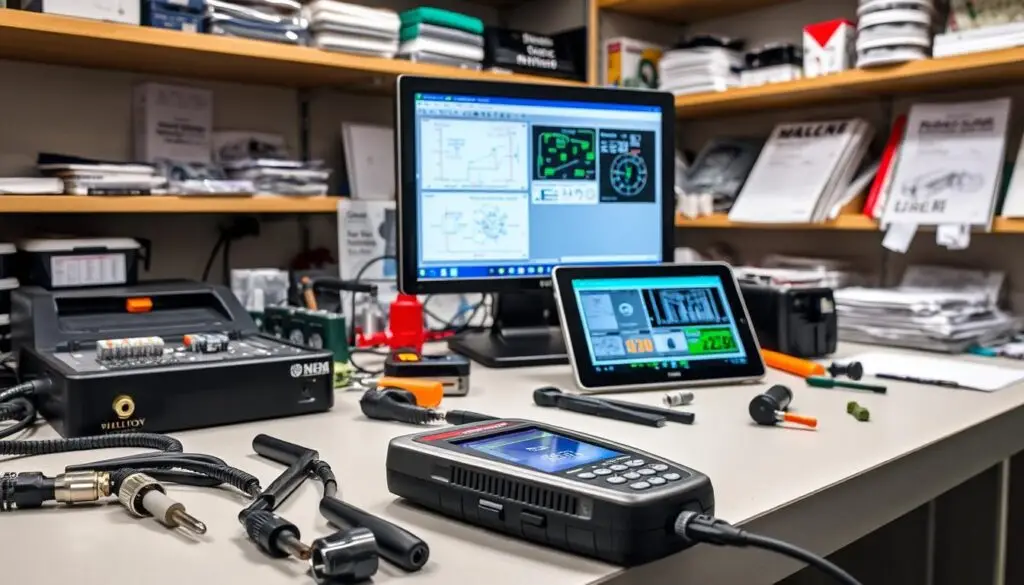
Diesel Exhaust Fluid injection systems precisely spray urea solution into the exhaust stream before it enters the SCR catalyst. The system’s computer calculates the exact amount of DEF needed based on engine load, temperature, and NOx levels. This precise metering ensures optimal conversion efficiency while preventing waste or catalyst damage.
The injection process follows a precise sequence. NOx sensors measure exhaust gas composition continuously. The control module calculates required DEF amount based on sensor data. The injector sprays atomized DEF into the exhaust stream. DEF converts to ammonia in the hot exhaust environment. Finally, ammonia reacts with NOx in the catalyst to produce harmless emissions.
Upstream vs Downstream NOx Sensor Locations
NOx sensors are positioned strategically to monitor system performance. Understanding their locations helps with proper diagnosis when troubleshooting diesel exhaust fluid issues.
| Sensor Location | Primary Function | Typical Reading Range |
|---|---|---|
| Upstream (Pre-SCR) | Measures engine-out NOx levels | 100-2000 ppm |
| Downstream (Post-SCR) | Verifies conversion efficiency | 0-100 ppm |
The upstream sensor, typically located near the turbocharger outlet, measures raw NOx production from the engine. The downstream sensor, positioned after the SCR catalyst, confirms that the system successfully reduced NOx levels. If the downstream sensor detects high NOx concentrations, the system triggers fault codes and initiates engine power reduction to protect the environment.
Common SCR System Failures and Warning Signs
Your diesel vehicle’s SCR system works hard to reduce emissions, but when it starts to fail, specific warning signs appear. Catching these early signs saves money and prevents major damage. Understanding what to look for helps you perform effective troubleshooting before small issues become expensive repairs.
Early Indicators of System Problems
The first signs of SCR catalyst problems often appear gradually. You might notice your vehicle using more DEF fluid than normal. This happens when faulty inlet sensors give incorrect readings, causing the system to inject too much fluid. The extra DEF wastes money and creates crystallization inside exhaust components.
Poor fuel economy signals another early warning. When sensors send bad data to the engine computer, it adjusts fuel delivery incorrectly. Your truck might idle rough or feel unstable during normal driving. These performance changes indicate the need for selective catalytic reduction repair.
Dashboard Warning Lights and Fault Codes
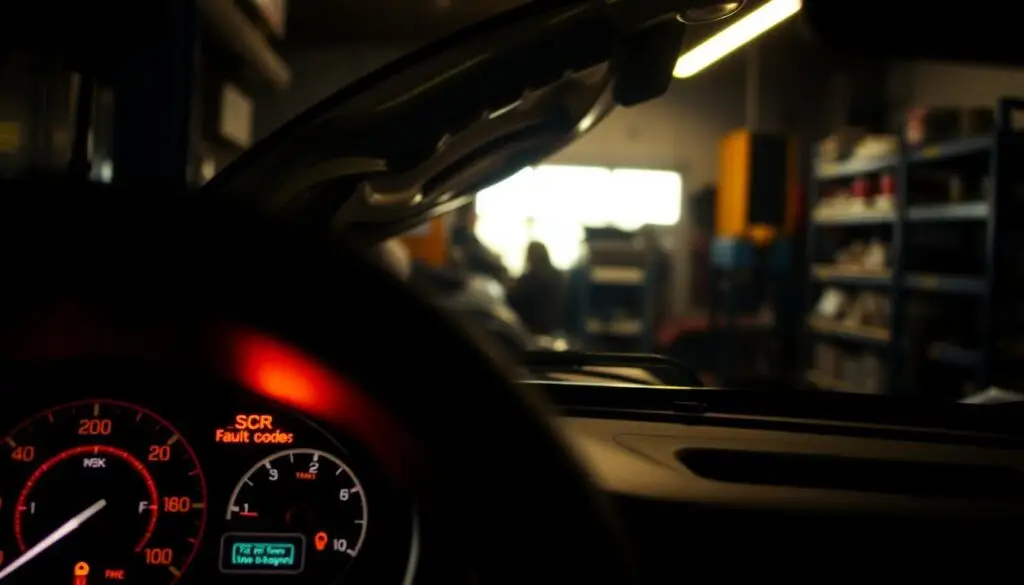
Modern vehicles display specific codes when SCR components fail. Three critical diagnostic trouble codes point directly to system malfunctions requiring immediate attention.
| Fault Code | Description | Urgency Level |
|---|---|---|
| P20EE | SCR NOx Catalyst Efficiency Below Threshold Bank 1 | High |
| P103C | NOx Catalyst Efficiency Inducement SCR Unit | Critical |
| P207F | SCR NOx Catalyst Efficiency Below Threshold Bank 1 | High |
Performance Issues Related to SCR Malfunction
Several factors cause sensor failures and system breakdowns. Soot buildup from incomplete combustion clogs inlet sensors and reduces their accuracy. Oil contamination from worn engine parts coats sensitive components and interferes with readings. Moisture damage occurs during frequent short trips or extended idling periods. Excessive heat from DPF regeneration cycles destroys sensor accuracy over time.
DEF Quality Issues and Testing Procedures
Poor quality diesel exhaust fluid ranks among the top causes of SCR repair needs in modern diesel engines. Regular testing of DEF quality prevents crystallization that blocks injectors and damages critical SCR components. Your DEF must meet concentration specifications to ensure proper NOx reduction and avoid costly system failures.
Using a Refractometer for DEF Testing
A refractometer provides the most accurate method for checking DEF concentration. This optical device measures the urea content by analyzing how light bends through the fluid. Place a few drops of DEF on the daylight plate and look through the eyepiece. The reading should show between 31.8% and 33.2% urea concentration. Readings outside this range indicate diesel exhaust fluid issues requiring immediate attention.
Litmus Test Paper Methods
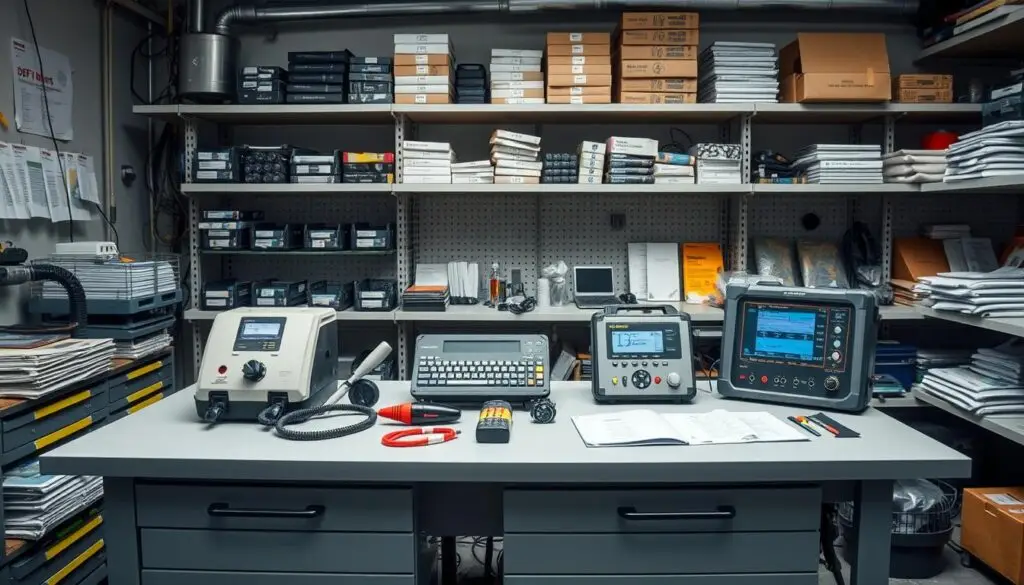
Test strips offer a quick field check for DEF quality. Dip the litmus paper into the fluid and compare the color change to the reference chart. The paper should turn specific shades indicating proper pH levels between 9.0 and 11.0. Any deviation suggests contamination requiring troubleshooting before major damage occurs.
Signs of Contaminated or Poor Quality DEF
Watch for these warning signs of bad DEF. White crystalline deposits around the tank cap or injector indicate quality problems. Cloudy or discolored fluid instead of clear liquid suggests contamination. Strong ammonia smell beyond normal mild odor signals chemical breakdown. Particles or sediment visible in the fluid require immediate replacement. Reduced engine performance with increased NOx emissions points to ineffective DEF.
Stay Ahead of Aftertreatment Issues
Get the latest diagnostic tips, regulatory updates, and maintenance strategies for diesel emission systems delivered to your inbox.
NOx Sensor Diagnostic Codes and Their Meanings
When dealing with NOx sensor diagnosis, understanding fault codes saves time and money. These codes tell mechanics exactly where problems exist in the emission control system. Each code points to specific issues requiring different repair approaches.
Power supply codes like P220A-1C and P220B-1C often mislead technicians. These codes suggest electrical problems rather than sensor failures. During DEF system troubleshooting, check wiring and connections before replacing expensive sensors. Codes P225D-00 and P225F-00 indicate sensors reading fresh air values, which usually means exhaust leaks or damaged pipes.
Communication codes U029D-00 and U029E-00 point to harness damage between the sensor and control module. These rarely indicate sensor problems. The P229F-64 code appears frequently but usually shows as Confirmed=False in diagnostic tools, making it a nuisance code that clears itself.
Inlet sensor codes require immediate attention when they appear. Circuit failures show as P22FB-92 and P220E-93. Signal range issues appear as P2200-13 and P2203-00. Voltage problems manifest as P2205-13 and P2206-00. Each code category requires different diagnostic approaches.
System-wide codes like P225E-00 and P20EE-00 suggest broader emission system failures. These may result from failed sensors causing incorrect readings that affect SCR catalyst problems. The P207F-00 code specifically indicates poor conversion efficiency, requiring complete system testing.
SPN codes provide additional diagnostic information. Codes 3216 and 3226 with FMI 3/4 indicate circuit faults, while FMI 2/13 shows communication failures. Drift issues appear as 3226 FMI 20/21, and conversion efficiency problems show as 4364 FMI 18.
The HDJ Perspective
The aftertreatment landscape has shifted dramatically since EPA’s 2025 DEF guidance changes. Fleet managers now have more time to address SCR faults before severe derates kick in—up to 4,200 miles or two weeks of operation with only a 15% torque reduction. This regulatory flexibility doesn’t change the underlying reality: proactive NOx sensor monitoring and quality DEF practices remain the most cost-effective strategy. The fleets seeing the best uptime numbers are those investing in technician training on emission-specific diagnostics rather than simply waiting for dashboard lights to illuminate.
Identifying Non-OEM and Third-Party NOx Sensors
Third-party NOx sensors cause serious problems in the selective catalytic reduction repair process. These aftermarket parts often fail quickly due to inferior materials that cannot withstand the extreme heat and chemical exposure in diesel exhaust systems. Proper NOx sensor diagnosis starts with identifying whether you have genuine OEM sensors or problematic aftermarket replacements.
Visual Inspection Techniques for Sensor Verification
Checking your NOx sensors visually reveals telltale signs of third-party components. Look for “Warranty void” stickers on the sensor body, which genuine parts never display. Examine the text markings carefully—aftermarket sensors often contain spelling errors like “PreSCR” without proper spacing or “CONTINENT AL” instead of “CONTINENTAL.” The font style on third-party sensors typically differs from authentic parts. Pay attention to the sensor tip design, as aftermarket versions frequently have incorrect shapes that affect performance.
Premium Tech Tool Test Values for OEM Sensors
For 2017 and newer trucks, Premium Tech Tool provides specific test values to verify OEM sensors. Running test 1700-08-03-06 displays parameter values that confirm genuine parts. Authentic sensors show precise readings: NOx1 displays 791293237 while NOx2 shows 541003308. Any other values indicate third-party sensors that need replacement to prevent diesel exhaust fluid issues.
Common Markings and Differences in Third-Party Sensors
Third-party sensors display several distinctive characteristics that separate them from OEM parts. Part numbers often don’t match manufacturer specifications. Physical design details like connector shapes, cable lengths, and mounting brackets differ from genuine sensors. These variations affect sensor performance and lead to false fault codes during selective catalytic reduction repair procedures.
| Sensor Feature | OEM Sensor | Third-Party Sensor |
|---|---|---|
| Text Spacing | Pre SCR | PreSCR |
| Brand Spelling | CONTINENTAL | CONTINENT AL |
| Warranty Stickers | None | Warranty Void |
| Font Style | Consistent OEM Font | Different Font Type |
| PTT Test Values | 791293237 / 541003308 | Other Values |
Share Your SCR Diagnostic Expertise
Have you developed effective troubleshooting methods for aftertreatment systems? Fleet managers and technicians want to learn from your experience.
Step-by-Step NOx Sensor Testing Procedures
Testing NOx sensors requires specific procedures to accurately identify faulty components in the exhaust system. Professional technicians follow established protocols that vary based on emission standards and vehicle configurations. These tests help determine whether sensor replacement or further DEF system troubleshooting is needed.
Dynamic Testing with DEF Injection Disabled
Dynamic testing provides accurate NOx sensor diagnosis by temporarily disabling the DEF injector during a forced DPF regeneration. Without DEF injection, no NOx reduction occurs in the exhaust stream. Both upstream and downstream sensors should display nearly identical readings under these conditions. A difference exceeding 50 parts per million between sensor readings indicates a faulty sensor requiring replacement.
NOx Conversion Test Guidelines
Different emission level vehicles require specific Premium Tech Tool tests for proper diagnosis. Each test evaluates system performance according to EPA standards and manufacturer specifications.
| Vehicle Type | PTT Test Number | Test Description |
|---|---|---|
| US17+ OBD2016-2018 | 2589-08-03-18 | Exhaust Aftertreatment System Test with NOx Sensor Test |
| OBD 13-16 | 2549-08-03-03 | NOx Conversion Test |
| OBD 19+ VGT | 2549-08-03-03 or 2589-08-03-18 | NOx subtest only |
| OBD 19+ TC | 2549-08-03-03 | Standard NOx Conversion Test |
Exhaust Aftertreatment System Analysis
Complete system analysis involves evaluating test results to determine appropriate repairs. For OBD 17-18 turbocharged vehicles, both NOx sensors need replacement if they haven’t been changed within three months. If sensors are recently replaced, SCR catalyst problems may be present, requiring SCR replacement. Variable geometry turbo vehicles follow different protocols, selecting both NOx and SCR subtests during testing.
DEF System Component Inspection and Maintenance
Regular inspection of diesel exhaust fluid components keeps your emission system running smoothly. A complete DEF system troubleshooting check takes about three hours and saves you from costly repairs down the road. Motor carriers must systematically inspect and maintain all commercial motor vehicles under their control per 49 CFR Part 396 requirements.
Start by testing your DEF quality to meet industry standards. Poor quality fluid causes many diesel exhaust fluid issues that damage your SCR system. Use a refractometer or test strips to check the urea concentration. The fluid should contain 32.5% urea and 67.5% deionized water.
Crystal buildup on the dosing nozzle signals quality problems or injection malfunctions. Check the DEF injector for clogs or damage regularly. Inspect the dosing nozzle for white crystal deposits that restrict flow. Examine DEF lines for blockages or leaks that allow air infiltration. Test DEF pump pressure and flow rates against specifications. Monitor tank levels to avoid running empty, which damages components.
Monitor your DEF consumption rates closely. A truck typically uses 2-3% DEF compared to diesel fuel consumption. Higher or lower rates point to sensor problems or injection system faults. An empty DEF tank causes permanent damage to your SCR catalyst.
Check the DEF pump operation by listening for unusual noises or vibrations. The pump should maintain steady pressure without fluctuations. Replace any cracked or damaged DEF lines immediately to prevent air from entering the system.
Troubleshooting Upstream System Components
When diagnosing SCR catalyst problems, mechanics must check upstream components first. The SCR system depends on proper function of all engine and exhaust parts that come before it. Any failures in these components affect SCR performance and make accurate NOx sensor diagnosis impossible.
EGR System Impact on SCR Performance
The Exhaust Gas Recirculation system plays a vital role in reducing nitrogen oxide emissions. It works by sending exhaust gases back into the engine cylinders, which lowers combustion temperatures. When the EGR valve sticks or fails, more NOx reaches the SCR catalyst. This extra load overwhelms the system and triggers fault codes during DEF system troubleshooting.
Turbocharger and Boost System Checks
Turbocharger problems directly impact SCR operation. Low boost pressure reduces exhaust flow and temperatures needed for proper catalyst function. Worn turbo bearings cause oil consumption that contaminates sensors. Damaged turbine wheels reduce boost pressure and affect exhaust characteristics. Leaking intercooler pipes affect air flow and combustion efficiency. Stuck wastegate valves cause overboost conditions that damage components.
DOC and DPF Effects on SCR Function
The Diesel Oxidation Catalyst and Diesel Particulate Filter sit upstream of the SCR system. The DOC converts harmful gases before they reach the SCR catalyst. A failed DOC passes unburned fuel and contaminants downstream. The DPF captures soot particles that need periodic burning off. A clogged DPF restricts exhaust flow, causing poor SCR performance and false sensor readings.
SCR Catalyst Efficiency Testing Methods
Testing SCR catalyst efficiency is essential for identifying whether performance issues stem from catalyst degradation or sensor malfunctions. Different emission levels require specific Premium Tech Tool operations to accurately diagnose SCR catalyst problems. These tests help technicians determine the right course of action for selective catalytic reduction repair.
PTT Operation Tests by Emission Level
Each emission standard requires different testing procedures. The PTT system provides specific test sequences based on your vehicle’s emission level. Before starting any test, ensure the engine is at operating temperature and all diagnostic trouble codes are recorded.
Testing procedures vary between EPA10, EPA13, and newer emission standards. The PTT automatically selects the appropriate test based on your engine’s configuration. During testing, the system monitors real-time data from both upstream and downstream sensors to evaluate catalyst efficiency.
Interpreting Test Results and Actions
Test results provide clear direction for repairs. When NOx1 sensor fails evaluation, replace only the inlet sensor. If NOx2 sensor fails testing, results may be disregarded for certain emission levels. Understanding these distinctions prevents unnecessary part replacements during NOx sensor diagnosis.
A “no fault found” result typically indicates the SCR catalyst needs replacement. This finding suggests the catalyst substrate coating is compromised or foreign objects have damaged internal components.
When to Replace the SCR Catalyst
SCR catalyst replacement becomes necessary under specific conditions. Active fault codes P20EE, P103C, or P207F must be present for warranty coverage. Test results showing efficiency below manufacturer specifications require replacement. Physical damage or contamination visible during inspection demands immediate action. Suspected upstream system contamination requires eService case evaluation before proceeding.
Warranty coverage applies only when specific fault codes are active. Without these codes, additional documentation through eService may be required for warranty approval.
Repair Procedures and Replacement Guidelines
When dealing with selective catalytic reduction repair, proper diagnostic procedures save time and money. Before replacing any components, verify the Diagnostic Trouble Code status. The code must show as Active or display a Confirmed DTC value of True in the detailed status information.
For inlet sensor fault codes that meet replacement criteria, change only the inlet NOx sensor. Similarly, outlet sensor codes require replacing just the outlet NOx sensor. System codes need careful evaluation of test results before proceeding with repairs.
Part selection during DEF system troubleshooting requires precision. NOx sensors vary significantly based on engine model specifications, horsepower ratings, truck configuration details, and year and manufacturer requirements. Two identical-looking trucks might need completely different sensors. Using the wrong part causes immediate fault codes and wastes valuable diagnostic time.
| Repair Component | Standard Time | Key Requirement |
|---|---|---|
| Complete Diagnostic Evaluation | 3 hours | Verify DTC status before replacement |
| NOx Sensor Replacement | 1-2 hours | Match exact OE specifications |
| DEF System Component Check | 1 hour | Clear cross-reference numbers |
All replacement parts must meet or exceed original equipment specifications. Clear cross-reference numbers ensure proper fitment and prevent diesel exhaust fluid issues from recurring. Professional guidance helps avoid costly mistakes in component selection.
Preventing Future SCR System Problems
Regular maintenance keeps your SCR system running smoothly and prevents expensive repairs down the road. Taking care of your aftertreatment components today saves money and avoids frustrating breakdowns tomorrow. Simple preventive steps make a big difference in system reliability.
Regular Maintenance Schedules
Following a strict maintenance schedule helps catch SCR catalyst problems early. Clean EGR valves and coolers every 50,000 miles to prevent soot buildup that affects SCR performance. Check NOx sensors during each oil change for signs of damage or contamination.
Inspect DEF injector nozzles monthly for crystallization that blocks spray patterns. Test DEF quality every 10,000 miles using a refractometer to verify compliance. Perform forced regenerations when automatic cycles fail to complete properly. Drive at highway speeds weekly for natural DPF cleaning through sustained high temperatures.
Proper DEF Handling and Storage
Poor DEF storage causes most diesel exhaust fluid issues. Keep DEF containers sealed and store them between 12°F and 86°F. Direct sunlight breaks down the fluid’s chemical structure through UV exposure. Always check expiration dates before filling your tank to ensure optimal performance.
⚠️ DEF Tank Warning
Never let your DEF tank run completely dry. Running out damages pumps and injectors, leading to costly repairs. The 2025 EPA guidance extends derate timelines, but empty tank damage occurs immediately and is not covered under warranty.
Using OEM-Approved Parts and Fluids
Cheap aftermarket sensors fail quickly during DEF system troubleshooting. OEM parts cost more upfront but last longer and work correctly with your vehicle’s systems. Always use DEF meeting industry standards from reputable suppliers. Quality fluids and genuine parts protect your investment and keep trucks running efficiently between service intervals.
Frequently Asked Questions
How long do NOx sensors typically last in heavy-duty trucks?
NOx sensors in heavy-duty applications typically last 200,000 to 300,000 miles under normal operating conditions. However, factors like DEF quality, exhaust system contamination, and excessive heat exposure from frequent DPF regenerations can significantly reduce lifespan. Fleet managers who maintain quality DEF practices and address upstream issues promptly often see sensors exceed 400,000 miles. Regular monitoring through diagnostic tools helps identify sensor drift before complete failure occurs.
Can I drive with a failed SCR system or NOx sensor?
While the truck remains technically drivable, the engine control module will progressively derate power to encourage repair. Under the 2025 EPA guidance for heavy-duty trucks, you have approximately 650 miles or 10 hours before any performance impact, followed by a 15% torque reduction for up to 4,200 miles. After 8,400 miles or 160 hours without repair, speed limits drop to 25 mph. Continued operation with failed components also risks further damage to the SCR catalyst and potential compliance violations during roadside inspections.
What causes excessive DEF consumption in diesel trucks?
Excessive DEF consumption typically indicates a faulty upstream NOx sensor reading artificially high values, causing the system to overdose DEF. Other causes include degraded SCR catalyst efficiency (requiring more DEF to achieve target NOx reduction), DEF injector leaks or poor atomization, contaminated DEF with incorrect urea concentration, and engine conditions producing higher-than-normal NOx levels such as EGR failures or turbocharger issues. Testing DEF quality and comparing upstream/downstream sensor readings usually identifies the root cause.
How do I know if my SCR catalyst needs replacement versus sensor replacement?
Perform the dynamic NOx sensor test with DEF injection disabled during a forced regeneration. If both sensors read within 50 ppm of each other, the sensors are functioning correctly and the catalyst is likely degraded. If readings differ significantly, replace the sensor showing abnormal values first. Active fault codes P20EE, P103C, or P207F combined with passing sensor tests confirm catalyst replacement is needed. Always verify DTC status shows Active or Confirmed=True before authorizing warranty repairs.
What’s the difference between P20EE and P207F fault codes?
Both codes indicate SCR catalyst efficiency below threshold, but they originate from different OBD monitoring strategies. P20EE typically appears in newer systems using continuous efficiency monitoring and may set more readily. P207F often indicates efficiency has dropped below the threshold during specific test conditions. In practice, both codes point to the same underlying issue—insufficient NOx conversion—and require the same diagnostic approach: verify sensors first through dynamic testing, then evaluate catalyst condition. Warranty coverage requirements are identical for both codes.
Maintaining SCR System Performance for Fleet Success
Managing SCR system failures starts with understanding how each component works together to reduce emissions. Early warning signs like dashboard lights, fault codes, and performance drops help catch problems before they become expensive repairs. Testing DEF quality with refractometers and litmus paper prevents contamination issues that damage the selective catalytic reduction repair process.
Proper NOx sensor diagnosis requires specific testing procedures and equipment. Visual inspection helps identify third-party sensors that may not meet specifications. Premium Tech Tool testing shows OEM sensors display specific values that confirm authenticity. Dynamic testing with DEF injection disabled reveals sensor failures when readings differ by more than 50 parts per million. These diagnostic steps save time and money by pinpointing exact problems.
Preventing SCR system failures involves regular maintenance and using quality parts. Check upstream components like EGR systems, turbochargers, and diesel particulate filters before blaming the SCR catalyst. Store DEF fluid properly and use only OEM-approved products for reliable performance. Train technicians on emission-specific PTT operations for accurate testing. Partner with aftertreatment specialists when selecting replacement parts to avoid costly mistakes. Successful fleet management depends on proper diagnostics and informed decisions that keep trucks running while meeting emissions standards.
Found This SCR Guide Helpful?
Share this diagnostic resource with your maintenance team and help other fleet professionals reduce aftertreatment downtime.