
By Michael Nielsen, Publisher | 15+ Years in Diesel Repair
Last Updated: September 2026
⏱ Estimated reading time: 15+ minutes
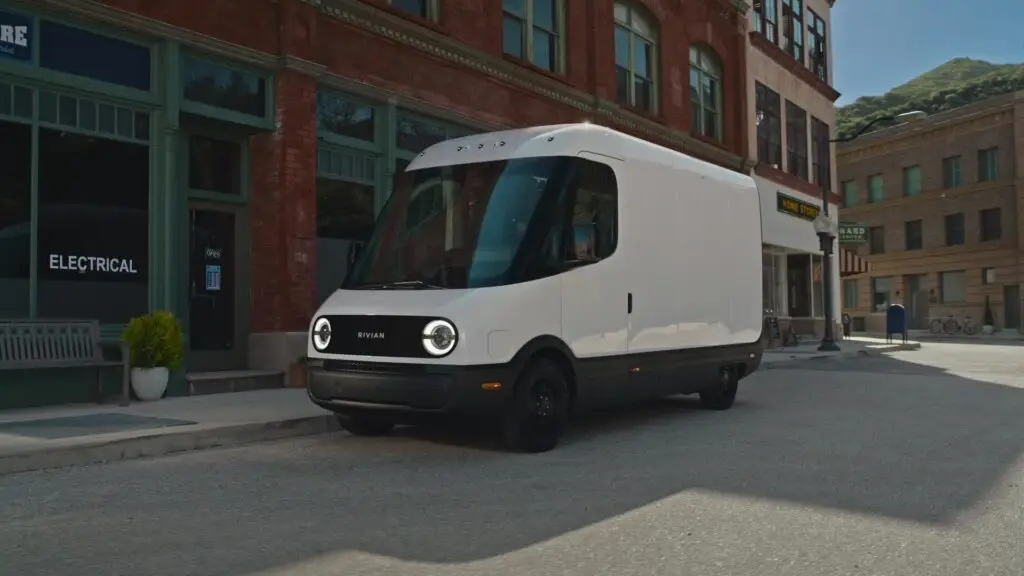
The Rivian Commercial Van has entered the fleet market with credentials few competitors can match: over 20,000 units already operating in Amazon's delivery network, collectively delivering more than one billion packages in 2024 alone.
Now available to fleets of all sizes following the end of Amazon's exclusivity agreement, this purpose-built electric commercial van offers fleet managers a proven platform backed by real-world operational data.
With starting prices at $79,900 for the Delivery 500 and $83,900 for the Delivery 700, the Rivian Commercial Van positions itself as a premium option in the electric commercial vehicle segment.
For fleet managers evaluating electric alternatives to traditional diesel cargo vans, the Rivian Commercial Van presents both opportunities and operational considerations — including a materially different incentive landscape than existed when this vehicle first reached the market.
This guide examines the specifications, pricing, total cost of ownership factors, and practical applications that fleet decision-makers need to assess whether this vehicle fits their operational requirements.
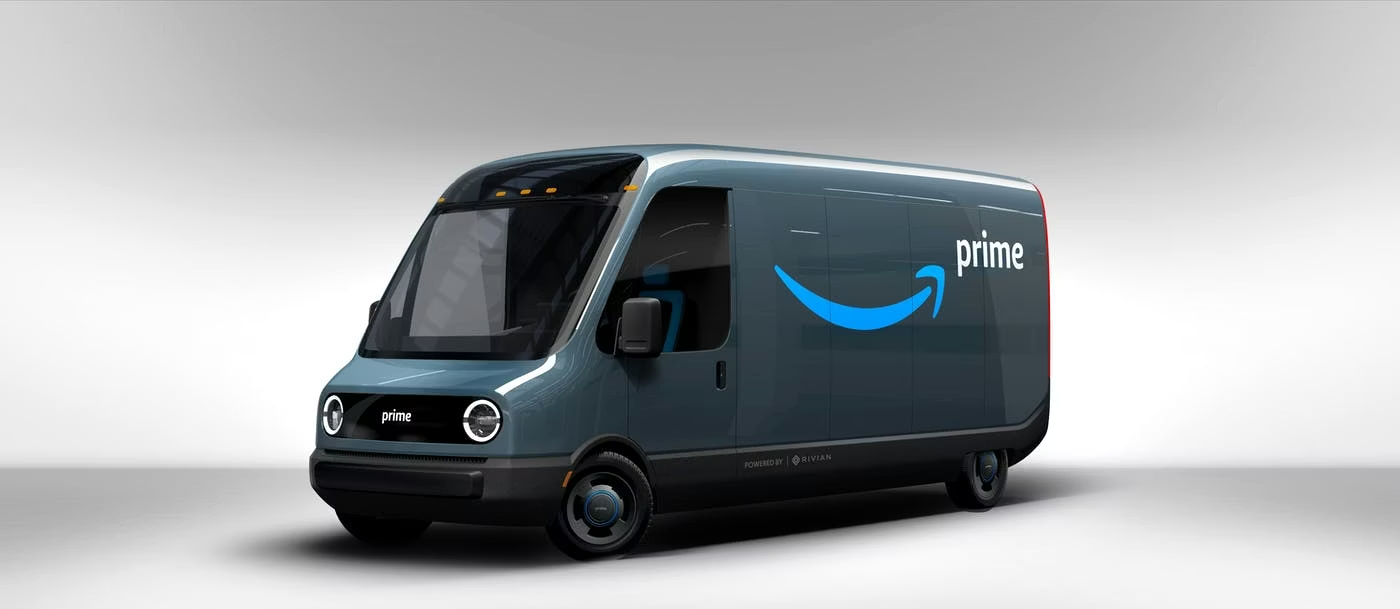
Over 20,000 Rivian Commercial Vans operate in Amazon's delivery fleet, providing real-world durability validation across diverse operating conditions.
Key Takeaways
- ✓Proven platform: Over 20,000 Rivian vans in Amazon's fleet have delivered 1+ billion packages, providing real-world durability validation few competitors can match.
- ✓Two configurations available: Delivery 500 ($79,900, 487 cu ft, 161 mi range) and Delivery 700 ($83,900, 652 cu ft, 160 mi range), both with 9,500 lb GVWR.
- ✓The federal purchase incentive picture changed in 2025 — the Commercial Clean Vehicle Credit ended for vehicles acquired after September 30, 2025, so the TCO case now rests on fuel and maintenance savings rather than a federal tax credit.
- ✓Charging requirements: 100 kWh LFP battery supports 11 kW AC and 100 kW DC fast charging; overnight depot charging handles most operational needs.
- ✓Fleet-only sales: Available exclusively through Rivian's Fleet Sales team; individual consumer sales not currently offered.
In This Guide
- Specifications and Configurations
- Powertrain and Battery Technology
- Charging Infrastructure Requirements
- Total Cost of Ownership Analysis
- Safety Features and Driver Experience
- Fleet Management Integration
- Comparison With Competing Electric Vans
- Service and Support Infrastructure
- Ideal Applications and Use Cases
- Ordering Process and Availability
- Frequently Asked Questions
Rivian Commercial Van Specifications and Configurations
The Rivian Commercial Van is offered in two configurations designed to address different cargo volume and route requirements. Both models share the same RCV (Rivian Commercial Vehicle) platform, powertrain, and battery system, with the primary differences being exterior dimensions and cargo capacity.
Delivery 500 Specifications
The smaller of the two configurations, the Delivery 500 measures 248.5 inches in overall length with a wheelbase of 157.5 inches. Ground clearance sits at 6.7 inches, positioning the van appropriately for urban delivery operations while maintaining adequate clearance for typical commercial environments.
Cargo volume reaches 487 cubic feet with a stand-up interior height that accommodates drivers moving between the cab and cargo area. This capacity matches the Ford E-Transit's high-roof configuration, providing adequate space for parcel delivery, trades applications, and light commercial hauling. The Delivery 500 starts at $79,900.
Delivery 700 Specifications
The Delivery 700 extends the platform to 278 inches overall length, providing 652 cubic feet of cargo volume — a 34% increase over the Delivery 500 — for operations requiring higher capacity. Like the 500, it maintains the same interior height and stand-up capability while offering expanded floor space. This configuration starts at $83,900, a $4,000 premium over the smaller model.

The Delivery 700 provides expanded cargo volume with stand-up interior height, accommodating upfit shelving and equipment for trades and delivery applications.
Both configurations carry a Gross Vehicle Weight Rating of 9,500 pounds with payload capacities ranging from 2,258 to 2,663 pounds depending on specific equipment and configuration options. These specifications position the Rivian Commercial Van in the Class 3 commercial vehicle category.
| Specification | Delivery 500 | Delivery 700 |
|---|---|---|
| Starting Price | $79,900 | $83,900 |
| Overall Length | 248.5 inches | 278 inches |
| Cargo Volume | 487 cu ft | 652 cu ft |
| EPA-Est. Range | 161 miles | 160 miles |
| Battery Capacity | 100 kWh LFP | 100 kWh LFP |
| Payload | Up to 2,663 lbs | Up to 2,258 lbs |
| GVWR | 9,500 lbs | 9,500 lbs |
| Horsepower | 320 hp | 320 hp |
| Torque | 299 lb-ft | 299 lb-ft |
| Drivetrain | Single-motor FWD | Single-motor FWD |
Powertrain and Battery Technology
Both Rivian Commercial Van configurations utilize a single-motor, front-wheel-drive powertrain producing 320 horsepower and 299 lb-ft of torque. This configuration represents a deliberate choice for commercial applications, prioritizing efficiency and cargo capacity over the performance-oriented dual-motor systems found in Rivian's consumer R1T and R1S vehicles.
The 100 kWh lithium iron phosphate (LFP) battery pack represents a significant technology choice. Rivian transitioned to LFP chemistry for commercial vehicles in early 2023, moving away from the nickel-cobalt-aluminum (NCA) cells used in consumer models.
LFP batteries offer several advantages for fleet applications: improved thermal stability, longer cycle life, better tolerance for full charging cycles, and reduced fire risk. The tradeoff is slightly lower energy density, which Rivian has addressed through battery sizing rather than range compromise.
20,000+
Rivian vans operating in Amazon's delivery fleet, having delivered over 1 billion packages in 2024.
Range and Real-World Performance
Rivian rates the Delivery 500 at 161 miles and the Delivery 700 at 160 miles on a full charge. These figures align with EPA testing methodology, though commercial vehicles in this weight class don't receive official EPA range estimates. Real-world range will vary based on payload weight, ambient temperature, climate control usage, and driving patterns.
For fleet managers, the more relevant metric is whether the range supports daily operational requirements. Urban delivery routes averaging 80-120 miles per day with frequent stops align well with the van's capabilities. The stop-and-go nature of delivery operations actually favors electric vehicles due to regenerative braking recovering energy during deceleration.
Routes requiring extended highway driving at sustained speeds will see range reduction. Fleet operations involving significant highway segments should plan routes accounting for a 10-15% range reduction compared to urban driving conditions.
Charging Infrastructure Requirements
Understanding charging requirements is essential for fleet managers evaluating the Rivian Commercial Van. The vehicle supports multiple charging options, each suited to different operational scenarios.
AC Charging (Level 2)
The Rivian Commercial Van accepts AC charging at up to 11 kW through a standard J1772 connector. At this rate, a full charge from near-empty takes approximately 9-10 hours, making overnight depot charging practical for most operations. Level 2 charging equipment typically costs $500-$2,500 per unit before installation, with installation costs varying significantly based on electrical infrastructure requirements.
For fleets with predictable daily routes returning to a central depot, Level 2 charging represents the most cost-effective infrastructure approach. The Department of Energy's Alternative Fuels Data Center provides detailed guidance on fleet charging infrastructure planning, including considerations for electrical service upgrades that many facilities may require.
DC Fast Charging
The Rivian Commercial Van supports DC fast charging at up to 100 kW using the Combined Charging System (CCS) standard. This enables significant range replenishment during operational hours when needed, though DC fast charging is generally more expensive per kWh than depot charging and subjects the battery to somewhat greater stress than slower AC charging.
Fleet operations requiring mid-day charging should evaluate the growing public DC fast charging network. The National Electric Vehicle Infrastructure (NEVI) Formula Program has expanded fast charging availability along major corridors, though coverage in some regions remains limited, and program funding status should be confirmed for the specific corridors a fleet operates along.
Charging Infrastructure Considerations
- Electrical service: Multiple Level 2 chargers may require electrical panel upgrades or new service installation.
- Charger-to-vehicle ratio: Plan for one Level 2 charger per vehicle for overnight operations.
- Utility coordination: Contact your utility early; some offer fleet charging programs with favorable rate structures.
- Installation timeline: Electrical work and permitting can take 2-6 months depending on scope.
Total Cost of Ownership Analysis
The Rivian Commercial Van's $79,900-$83,900 starting price represents a significant premium over conventional diesel cargo vans, which typically range from $35,000-$50,000 for comparable configurations.
Total cost of ownership (TCO) analysis reveals a more nuanced picture when accounting for fuel costs, maintenance, and operational factors — though the incentive side of that picture looks meaningfully different today than it did when this vehicle first reached the fleet market.
HDJ's broader diesel vs. electric truck TCO analysis covers the full framework — fuel, maintenance, depreciation, and payback timelines — across vehicle classes beyond just this one van.
Fuel Cost Comparison
Electric vehicle fuel costs depend heavily on local electricity rates, which vary significantly across the country. At the national average of approximately $0.13-$0.15 per kWh, operating costs for the Rivian Commercial Van work out to roughly $0.04-$0.05 per mile. Diesel cargo vans operating at 12-15 MPG with diesel prices of $3.50-$4.00 per gallon cost approximately $0.23-$0.33 per mile in fuel.
For a vehicle traveling 25,000 miles annually, this difference represents potential savings of $4,500-$7,000 per year in fuel costs alone. Fleets with access to off-peak electricity rates or on-site solar generation can achieve even greater savings.
Maintenance Considerations
Electric vehicle drivetrains contain significantly fewer moving parts than internal combustion engines. Research from the National Laboratory of the Rockies' (formerly NREL) T3CO tool has found electric commercial vehicles can demonstrate 30-50% lower maintenance costs than diesel equivalents over their operational lifetime. The Rivian Commercial Van eliminates oil changes, transmission service, fuel filter replacement, and exhaust system maintenance.
Fleet managers should note that brake system maintenance may differ. While regenerative braking reduces brake wear significantly, the vehicle's weight still requires properly maintained brake components. Tire wear remains comparable to conventional vehicles and represents an ongoing expense regardless of powertrain type.
Federal and State Incentives: What Changed in 2025
The federal incentive picture for commercial EVs looks very different today than it did when the Rivian Commercial Van first opened to fleets outside Amazon.
The Qualified Commercial Clean Vehicle Credit under Internal Revenue Code Section 45W — which had offered up to $7,500 for vehicles under 14,000 lbs GVWR or up to $40,000 for heavier vehicles — is no longer available for vehicles acquired after September 30, 2025, under the One Big Beautiful Bill Act signed into law in July 2025.
A narrow exception applies: a fleet that entered a binding written purchase contract and made a payment on or before September 30, 2025 may still qualify even if the vehicle was placed in service later, since the credit is claimed based on acquisition date rather than delivery date.
HDJ's fleet electrification ROI guide walks through the full post-2025 incentive landscape, including specific state voucher amounts like California's HVIP program, in more depth than this guide covers.
Outside that specific scenario, fleets ordering a Rivian Commercial Van today should not build a purchase decision around this federal credit — it simply isn't part of the math anymore.
State and utility-level incentives are a separate matter and vary considerably by location — programs like California's Hybrid and Zero-Emission Truck and Bus Voucher Incentive Project (HVIP) have operated independently of federal tax law and may still apply depending on current program funding and eligibility rules.
Fleet managers should confirm the current status of any state or utility program directly, since these change on their own timelines separate from federal policy.
Charging Infrastructure Costs
Infrastructure investment represents a significant but often underestimated component of fleet electrification TCO. Level 2 charging stations cost $500-$2,500 per unit, but installation can add $2,000-$10,000 per charger depending on electrical requirements and site conditions. Facilities requiring electrical service upgrades may face additional costs of $10,000-$50,000 or more.
The federal Alternative Fuel Vehicle Refueling Property Credit (Section 30C), which had offset up to 30% of qualifying charging equipment and installation costs, expired for property placed in service after June 30, 2026, under the same 2025 legislation that ended the vehicle purchase credit.
Fleets budgeting for charging infrastructure today should plan on the full installed cost rather than assuming a federal credit will offset part of it, though state and utility rebate programs for charging equipment may still be available depending on location.
Safety Features and Driver Experience
The Rivian Commercial Van incorporates safety technology developed through Rivian's consumer vehicle platform and refined through extensive fleet testing with Amazon. Standard safety features include automatic emergency braking, collision warnings, and 360-degree camera visibility.
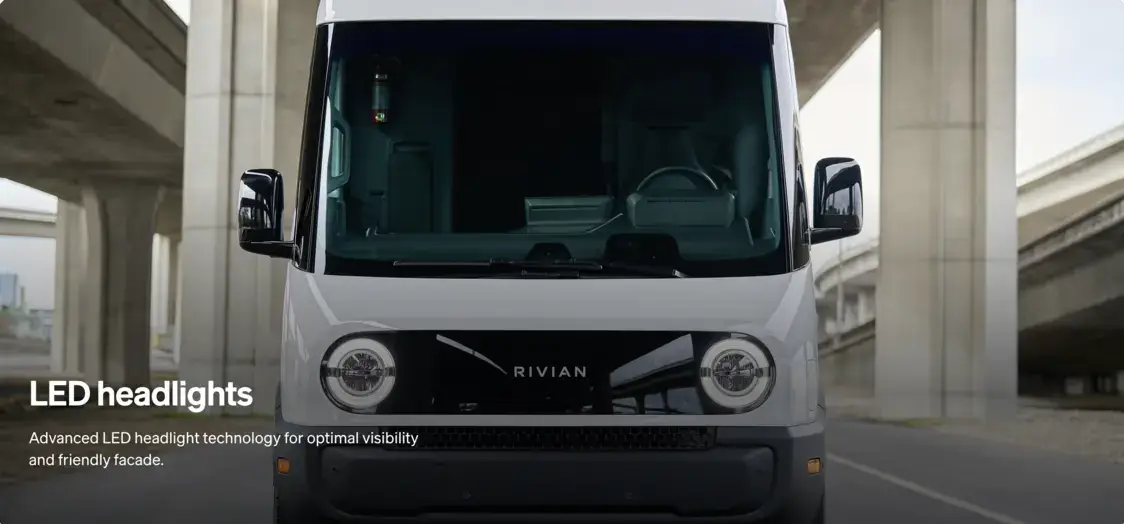
Advanced LED headlight technology and purpose-built aerodynamic design distinguish the Rivian Commercial Van from converted ICE platforms.
Driver comfort received particular attention during development. Rivian worked directly with delivery drivers throughout the design process, incorporating feedback on ingress/egress, visibility, and ergonomics. The vehicle features microclimate seats designed to maintain driver comfort efficiently while minimizing impact on battery range from climate control systems.
The cab design positions two large screens providing vehicle information and navigation, using an interface consistent with Rivian's consumer vehicles. The elevated driver seating position and wraparound windshield design provide good forward visibility, particularly valuable in urban delivery environments with frequent pedestrian and cyclist interaction.
Fleet Management Integration
Rivian's in-house software stack controls vehicle functions from unlocking to charging management. According to Rivian, this integrated approach streamlines the ownership experience while providing fleet managers with comprehensive telematics data.
Fleet management capabilities include real-time vehicle location tracking, state of charge monitoring, charging session management, and route optimization tools. These systems integrate with common fleet management platforms, though fleet managers should verify compatibility with existing systems during the evaluation process.
Comparison With Competing Electric Vans
The electric commercial van segment has expanded rapidly, giving fleet managers several options to evaluate. Understanding how the Rivian Commercial Van compares to alternatives helps inform purchasing decisions.
Ford E-Transit
The Ford E-Transit represents the most direct competitor, starting at approximately $53,000 for the base configuration. Ford's specifications list up to 159 miles of range with the standard battery, cargo volume ranging from 277 to 536 cubic feet depending on configuration, and payload capacity up to 3,997 pounds.
The E-Transit's advantages include lower acquisition cost, broader body style options (multiple roof heights and wheelbases), and Ford's extensive dealer service network. The Rivian's advantages include its purpose-built electric architecture, proven fleet durability, and faster DC charging capability. Fleet managers should weigh service network accessibility against the operational track record each platform provides.
Mercedes-Benz eSprinter
The eSprinter competes at a higher price point with premium positioning. It offers competitive range and cargo specifications but commands a price premium over both the E-Transit and Rivian Commercial Van. Mercedes-Benz's commercial vehicle service infrastructure represents a potential advantage for fleets requiring extensive geographic coverage.
Chevrolet BrightDrop
GM's BrightDrop electric vans, now integrated under the Chevrolet brand, offer another purpose-built electric option. The platform emphasizes integrated fleet management software and targets large enterprise customers with comprehensive service agreements. Availability and pricing vary based on fleet size and commitment levels.
| Feature | Rivian Commercial Van | Ford E-Transit |
|---|---|---|
| Starting Price | $79,900 | ~$53,000 |
| Range (mfr. est.) | 160-161 miles | 143-159 miles |
| Max Cargo Volume | 652 cu ft (Del. 700) | 536 cu ft (ext. high roof) |
| Battery | 100 kWh LFP | 89 kWh Li-ion |
| DC Fast Charge Rate | 100 kW | Up to 180 kW |
| Fleet Proven Units | 20,000+ (Amazon) | Widespread adoption |
Service and Support Infrastructure
Service accessibility represents a critical consideration for commercial fleet operations. Downtime directly impacts revenue and customer service, making reliable maintenance and repair availability essential.
Rivian's service model combines company-operated service centers, mobile service capabilities, and third-party network partnerships. Service can be requested through Rivian's Service Support operations center, with work performed at service center facilities or via mobile service when available. The third-party network covers collision repair, roadside assistance, tire service, and glass replacement.
For fleets performing in-house service, Rivian offers training opportunities — an option that may appeal to larger operations with established maintenance departments seeking to build internal EV service capabilities.
Rivian's 24/7 Roadside Assistance provides towing and roadside support, addressing one of the practical concerns fleet managers raise about electric vehicle adoption. Fleet managers should still evaluate service center proximity and mobile service availability in their specific operating regions before committing to vehicle orders.
Ideal Applications and Use Cases
The Rivian Commercial Van's specifications make it well-suited for specific operational profiles while presenting challenges for others.
Strong Fit Applications
Last-mile delivery operations with predictable urban routes represent the ideal use case. Routes averaging 80-120 miles daily with overnight depot charging align well with the vehicle's range and charging capabilities. Parcel delivery, grocery delivery, and similar high-stop-density operations benefit from the van's regenerative braking efficiency and zero-emission urban operation.
Trade vehicle applications — plumbers, electricians, HVAC technicians — can work well when daily mileage stays within range parameters. The stand-up interior height and available upfit options support job site equipment storage.
Challenging Applications
Operations requiring extended daily range or significant highway driving present more challenging fits. Routes consistently exceeding 140 miles daily leave insufficient margin for range variability from weather, payload, or route changes. Fleet operations in regions with limited charging infrastructure or extreme temperatures may find range constraints more significant.
Heavy payload applications approaching the GVWR limit will see range reduction. Fleets hauling dense cargo should model range impact based on typical payload weights during their evaluation.
Ordering Process and Availability
Rivian manages Commercial Van sales through its dedicated Fleet Sales team rather than through traditional dealer channels. The process begins with an inquiry through Rivian's fleet portal, after which a Fleet Sales Manager contacts the prospective customer to discuss requirements, timing, and configuration options.
Deliveries to customers outside Amazon began in April 2025 following the end of the exclusivity agreement. Rivian has stated it can accommodate fleet orders ranging from single vehicles to large enterprise deployments, though delivery timelines vary based on production capacity and order volume.
Demo drives are available through the Fleet Sales team for qualified fleet prospects, allowing fleet managers to evaluate vehicle handling, driver interface, and cargo area configuration before committing to purchase decisions.
Frequently Asked Questions
How much does the Rivian Commercial Van cost?
The Rivian Commercial Van starts at $79,900 for the Delivery 500 model and $83,900 for the larger Delivery 700. These prices represent base MSRP before any state incentives or fleet volume discounts. The federal Commercial Clean Vehicle Credit that previously applied to vehicles like this one is no longer available for vehicles acquired after September 30, 2025. Contact Rivian's Fleet Sales team for current pricing and to confirm whether any state or utility incentives apply in your region.
What is the range of the Rivian Commercial Van?
Rivian rates the Delivery 500 at 161 miles and the Delivery 700 at 160 miles on a full charge. Real-world range varies based on payload weight, driving conditions, climate control usage, and route characteristics. Urban delivery operations with frequent stops may actually exceed estimated range due to regenerative braking benefits, while highway-heavy routes typically see 10-15% range reduction.
How does the Rivian Commercial Van compare to the Ford E-Transit?
The two vehicles target similar applications but differ in key areas. The E-Transit starts significantly lower at approximately $53,000, offers more body configuration options with up to 536 cubic feet of cargo volume, and provides comparable range around 159 miles. The Rivian's advantages include its purpose-built electric architecture, Amazon-proven durability across 20,000+ units, and LFP battery chemistry with improved thermal stability. Ford offers a broader dealer service network and, on some configurations, faster DC charging.
Is the federal EV tax credit still available for the Rivian Commercial Van?
No, not for new orders — the Section 45W credit ended for vehicles acquired after September 30, 2025, with a narrow exception for a binding contract and payment made on or before that date. See the incentives section above for the full exception rules and what to evaluate instead.
What charging infrastructure does the Rivian Commercial Van require?
The van supports AC charging at 11 kW and DC fast charging at 100 kW. For depot-based operations, Level 2 AC charging overnight can fully replenish the 100 kWh battery in approximately 9-10 hours. Most fleets will need to install dedicated charging infrastructure at their facilities, and costs vary significantly based on electrical service capacity, number of vehicles, and site conditions. The federal charging-equipment tax credit that previously offset some of this cost expired for property placed in service after June 30, 2026.
Is the Rivian Commercial Van available for individual purchase?
Currently, Rivian focuses exclusively on fleet sales, and the Commercial Van is not available for individual consumer purchase. Orders require contacting Rivian's Fleet Sales team, and the company prioritizes business customers of all sizes, from single-vehicle operations to large enterprise fleets.
The Rivian Commercial Van offers fleet managers a proven electric platform backed by extensive real-world operational data from Amazon's massive deployment.
For operations with route profiles matching the vehicle's range capabilities and access to depot charging infrastructure, the TCO analysis can still favor electric over conventional diesel on fuel and maintenance savings alone — though that case now has to stand without the federal purchase and charging credits that were part of the picture a year ago.
Fleet managers considering the Rivian Commercial Van should begin with detailed route analysis to confirm daily mileage stays well within range parameters, followed by an electrical infrastructure assessment at depot facilities to identify upgrade requirements and costs.
Engagement with Rivian's Fleet Sales team provides current pricing and delivery timeline information, and a direct check of current state and utility incentive programs is worth doing before finalizing the budget — those change on their own schedule, independent of the federal credits covered in this guide. Heavy Duty Journal will continue tracking incentive and platform changes as they develop, and HDJ's Michael Nielsen recommends re-checking this guide's TCO section before finalizing any order timeline.
Share This Fleet Resource
Know a fleet manager evaluating electric vans? Share this guide — the 2025 incentive changes alone are worth flagging to anyone still budgeting off older numbers.


