
By Michael Nielsen, Editor & Publisher | 15+ Years in Diesel Repair
Last Updated: December 2025
📖 Estimated reading time: 22 minutes
The Paccar MX-13 engine has earned a solid reputation among fleet operators and owner-operators for its durability in heavy-duty applications. Yet even the most reliable powerplants face recurring challenges that demand attention. Understanding these common MX-13 problems helps you minimize downtime and keep your truck on the road.
Real-world experience shows that fuel injector failures, turbocharger malfunctions, and EGR valve clogging rank among the most frequent concerns. DEF system failures and DPF regeneration issues also create headaches for drivers. Recognizing early warning signs makes the difference between a quick fix and costly downtime that sidelines your equipment for days.
This guide provides comprehensive diesel engine troubleshooting strategies for the most prevalent MX-13 engine issues. You’ll discover proven solutions that reduce repair costs and extend your engine’s lifespan. Whether you manage a fleet or own a single truck, this resource gives you the knowledge to address problems before they escalate.
Key Takeaways
- EGR and turbocharger failures: Carbon buildup is the primary culprit—extended idling and low-temperature operation accelerate deterioration.
- DPF regeneration issues: Short trips and stop-and-go operation prevent proper regeneration cycles, leading to soot accumulation.
- Fuel system vulnerabilities: High-pressure common rail systems operating above 30,000 PSI are sensitive to fuel quality and contamination.
- DEF system malfunctions: Contaminated fluid and crystallization cause progressive engine derating up to 5 mph limits.
- Preventive maintenance: Following manufacturer schedules and using quality fluids prevents 80% of common MX-13 failures.
- Delete programming warning: Over 90% of emissions delete tuning causes severe engine damage and voids all warranty coverage.
Understanding the Paccar MX-13 Engine Architecture
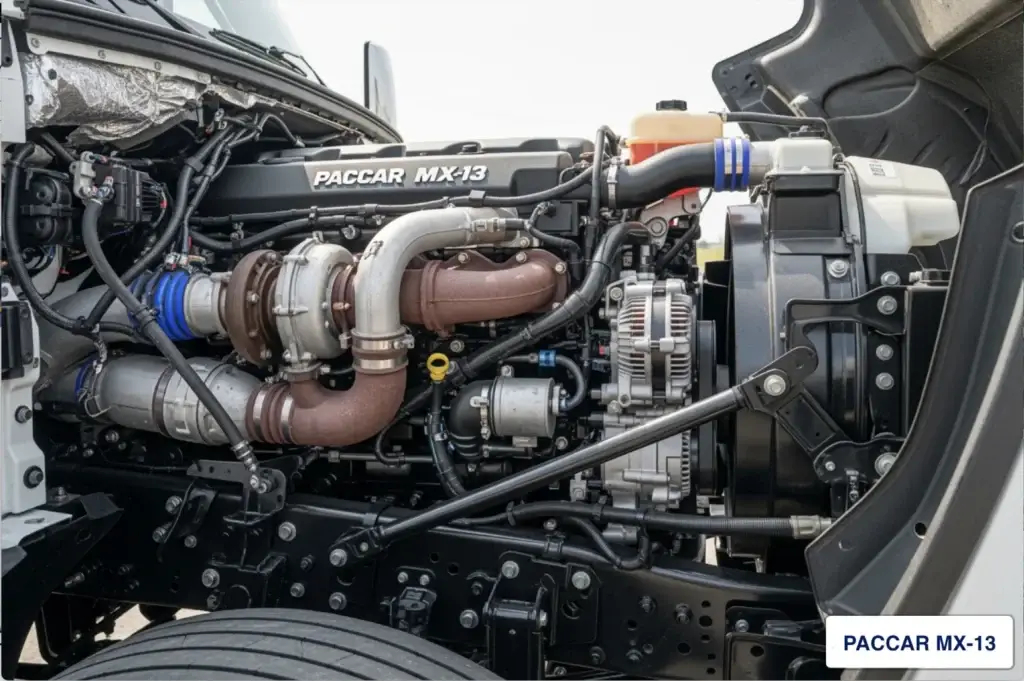
The MX-13 engine from Paccar combines European design heritage with North American performance standards. This heavy-duty diesel engine delivers the power and reliability that commercial operators demand in challenging conditions. Understanding its core architecture helps explain both its strengths and potential vulnerability points.
With a displacement of 12.9 liters, this powerplant generates between 405 and 510 horsepower depending on configuration. Torque output ranges from 1,450 to 1,850 lb-ft, providing the pulling power needed for heavy loads and demanding terrain. Class 8 trucks represent the primary application for this engine platform, with fleet operators choosing the MX-13 for linehaul operations, regional distribution, and vocational applications.

The MX-13 engine design incorporates advanced emissions control systems to meet stringent EPA standards. Three primary technologies work together: Exhaust Gas Recirculation (EGR), Diesel Particulate Filter (DPF), and Selective Catalytic Reduction (SCR). These systems effectively reduce harmful emissions but add complexity to the overall engine architecture.
The fuel delivery system uses high-pressure common rail technology providing precise fuel metering and injection timing. Multiple injections per combustion cycle reduce noise while maximizing power output and fuel economy. Variable geometry turbocharging adjusts boost pressure based on operating conditions, providing strong low-end torque while maintaining high-altitude performance.
Electronic control systems manage every aspect of engine operation. The Engine Control Module (ECM) monitors dozens of sensors and adjusts parameters in real-time. This sophistication delivers impressive performance when properly maintained but means component failures can cascade into larger problems if not addressed promptly.
EGR System Failures and Solutions
Fleet managers and owner-operators consistently report EGR system malfunctions as a primary concern with their Paccar MX-13 engines. The exhaust gas recirculation system plays a critical role in reducing nitrogen oxide emissions by redirecting a portion of exhaust gases back into the combustion chamber. When this system fails, the consequences affect both engine performance and environmental compliance.
Recognizing EGR Problem Symptoms
The check engine light represents the most obvious indicator of EGR trouble, often accompanied by specific diagnostic trouble codes related to EGR flow or performance. Performance degradation manifests as loss of power during acceleration, particularly noticeable when hauling heavy loads or climbing grades.
Additional symptoms include rough or unstable idling that creates noticeable vibrations throughout the vehicle. Excessive black smoke from the exhaust indicates incomplete combustion, often resulting from improper EGR function. Fuel consumption typically increases as the engine management system attempts to compensate for compromised emissions control.

Root Causes of EGR Deterioration
Carbon buildup stands as the primary culprit behind EGR system deterioration. This accumulation results from incomplete combustion that deposits carbon particles throughout the recirculation pathway. The deposits gradually restrict exhaust gas flow, reducing system efficiency and eventually causing complete blockage.
Extended idling periods accelerate EGR system clogging by creating low-temperature operating conditions that prevent proper combustion. Urban delivery vehicles and equipment with frequent stop-and-go operation face heightened risk. EGR cooler fouling represents another critical failure mechanism that compromises heat exchange efficiency.
⚠️ Safety Warning
EGR components can reach temperatures exceeding 1,000°F during operation. Allow the engine to cool completely before attempting any inspection or maintenance. Wear appropriate heat-resistant gloves when handling these components.
Effective EGR Repair Strategies
Addressing EGR valve problems begins with comprehensive diagnostic testing using professional scan tools. Technicians retrieve stored fault codes and analyze live data streams to determine the exact nature of the malfunction. Cleaning the EGR valve and associated components offers a cost-effective solution for early-stage contamination, using specialized carbon cleaning solvents that break down deposits without damaging metal surfaces.
Complete valve replacement becomes necessary when carbon buildup causes permanent damage to internal components. Installing genuine Paccar replacement parts ensures proper fit and optimal performance. Preventive measures including high-quality diesel fuel with low sulfur content and regular oil changes significantly reduce the frequency of EGR failures.
Turbocharger Problems and Performance Issues
Turbocharger failure represents a significant concern for Paccar MX-13 operators, often resulting in costly repairs and extended downtime. The turbocharger serves as the engine’s power multiplier by forcing compressed air into the combustion chamber. When this component malfunctions, the entire engine performance suffers dramatically.

Identifying Turbo Failure Symptoms
The first signs of turbocharger trouble typically appear as unusual noises from the engine compartment. A high-pitched whistling or whining sound indicates bearing wear within the turbo assembly, becoming more pronounced during acceleration or under heavy loads. Loss of power represents another critical symptom—the engine struggles to reach higher RPMs and lacks expected acceleration response.
Increased oil consumption signals internal turbocharger damage requiring immediate attention. The engine may consume a quart or more between service intervals. Turbo oil leaks allow lubricant to enter the exhaust or intake system, creating additional complications. Blue smoke indicates oil burning within the combustion chamber, while black smoke suggests incomplete fuel combustion due to insufficient air supply.
Understanding Turbo Damage Origins
Inadequate lubrication stands as the primary cause of turbocharger damage in MX-13 engines. The turbine shaft bearings require constant oil flow to survive extreme operating temperatures and speeds exceeding 100,000 RPM. Delayed oil changes or low oil pressure starve these bearings, leading to rapid deterioration.
Contaminated oil accelerates wear on precision turbocharger components. Heavy loads, aggressive driving, or improper engine tuning can push exhaust temperatures beyond design limits, warping turbine wheels and damaging seals. Foreign object damage occurs when debris enters either the compressor or turbine side of the turbocharger.
Repair and Replacement Considerations
Cost considerations between rebuilding and replacing the turbocharger depend on damage severity. A rebuild costs between $1,200 and $2,000 but may not address all wear issues. Complete OEM replacement ranges from $2,800 to $4,500 including labor but ensures reliable performance with expected lifespans of 300,000+ miles.
| Repair Option | Cost Range | Expected Life | Best Application |
|---|---|---|---|
| Turbo Rebuild | $1,200–$2,000 | 150,000–200,000 miles | Minor bearing wear, no housing damage |
| OEM Replacement | $2,800–$4,500 | 300,000+ miles | Severe damage, warranty requirements |
| Quality Aftermarket | $2,000–$3,200 | 250,000–300,000 miles | Cost-conscious quality repair |
DPF Complications and Regeneration Failures
DPF complications rank among the most frequent challenges faced by Paccar MX-13 operators across commercial fleets. The diesel particulate filter captures harmful soot and particulate matter before they exit the exhaust system. When this system malfunctions, it creates cascading performance issues that compromise engine efficiency and reliability.

Understanding Filter Blockage
The primary mechanism behind diesel particulate filter clogging involves gradual soot accumulation within the filter substrate. As exhaust gases pass through the honeycomb ceramic structure, particulate matter becomes trapped in microscopic channels. Over time, these deposits restrict exhaust flow and increase backpressure throughout the system.
Short-distance trips prevent the engine from reaching temperatures necessary for natural regeneration. Excessive idling creates similar problems by maintaining low exhaust temperatures that allow soot to accumulate faster than it burns off. City driving and stop-and-go traffic patterns compound these issues for urban fleet operators.
Why Regeneration Cycles Fail
The MX-13 employs three distinct regeneration methods to maintain filter cleanliness. Passive regeneration occurs naturally during highway driving when exhaust temperatures exceed 600°F. Active regeneration involves the ECM injecting extra fuel to raise exhaust temperatures artificially. Forced regeneration requires diagnostic equipment to manually initiate the cleaning cycle.
Regeneration failure develops when these processes cannot complete successfully. Insufficient exhaust temperature represents the most common culprit—when the engine operates primarily at low speeds or idle conditions, temperatures never reach the threshold needed to oxidize accumulated soot. Faulty temperature sensors, fuel delivery problems, and excessive ash accumulation also interrupt successful regeneration cycles.
Stay Informed on Emissions Technology
DPF and aftertreatment technology continues evolving. Get weekly updates on maintenance best practices, regulatory changes, and troubleshooting tips delivered to your inbox.
Professional DPF Service Protocols
Diagnostic procedures provide the foundation for effective DPF maintenance strategies. Qualified technicians use specialized scan tools to measure differential pressure across the filter and assess soot loading percentages. Manual forced regeneration serves as the first intervention for moderately loaded filters, typically requiring 30-45 minutes in a well-ventilated area.
Professional cleaning methods become necessary when forced regeneration cannot restore proper filter function. Thermal cleaning involves heating the DPF in a specialized furnace to temperatures exceeding 1,100°F. Complete replacement becomes necessary when physical damage or ash accumulation exceeds 75% of substrate capacity.
Fuel System Issues and Injector Failures
Fuel delivery problems stand among the most common Paccar MX-13 engine issues, affecting performance, economy, and overall reliability. The high-pressure common rail fuel injection system operates at extreme pressures exceeding 30,000 PSI, creating precise fuel atomization for optimal combustion. However, this advanced technology introduces specific vulnerabilities that can lead to expensive repairs.

Recognizing Fuel Injector Problems
Fuel injector problems represent the most frequent fuel system complaint among MX-13 operators. Symptoms include rough idling and engine vibration at low speeds, engine misfires on specific cylinders, significant increases in fuel consumption, and black or gray smoke from the exhaust stack. Hard starting, especially when cold, and loss of power during acceleration also indicate injector issues.
The root causes vary considerably. Poor fuel quality remains the leading contributor, as contaminated diesel damages internal injector components. Water in fuel systems accelerates corrosion and causes electrical failures. Diagnostic trouble codes P1086 (Fuel Rail Pressure Control Error) and P00BA (Low Fuel Pressure) are frequently associated with injector problems.
High-Pressure Fuel Pump Failures
High-pressure fuel pump failure represents one of the most catastrophic fuel system issues in MX-13 engines. When these pumps fail, they often contaminate the entire fuel delivery system with metal debris. Symptoms include difficulty starting requiring extended cranking, sudden loss of power while driving, engine stalling without warning, and metal shavings in fuel filters.
Fuel quality plays a critical role in pump longevity. Ultra-low sulfur diesel lacks the lubricity of older fuel formulations, accelerating wear on precision pump components. Adding fuel additives that improve lubricity helps protect pump components. Complete fuel system contamination from pump failure can exceed $15,000 in repairs.
The HDJ Perspective
After reviewing hundreds of MX-13 failure cases, one pattern stands out: fuel quality issues cause more cascading damage than any other single factor. The high-pressure common rail system’s tight tolerances mean even small amounts of contamination—water, dirt, or biological growth—can destroy injectors and pumps worth thousands of dollars. Smart operators invest in premium fuel from reputable suppliers and change fuel filters at half the recommended interval in dusty or dirty environments. This simple practice prevents the vast majority of catastrophic fuel system failures we see across commercial fleets.
Cooling System and Overheating Issues
Your Paccar MX-13 engine depends on a properly functioning cooling system to survive the demanding conditions of commercial trucking. When cooling system failure occurs, the consequences can escalate from minor repairs to complete engine replacement within hours. The cooling system maintains optimal operating temperatures between 180°F and 205°F under normal conditions.

Identifying Coolant Leak Sources
Detecting coolant leak problems requires examining both external and internal leak pathways. External leaks leave visible evidence including puddles under the truck, coolant stains on engine components, and a sweet smell from evaporating ethylene glycol. Internal leaks prove more difficult to diagnose because coolant escapes into the combustion chamber or oil system without visible external signs.
Common external leak points include water pump seals, radiator cores and tank seams, and coolant hoses. EGR cooler leaks present unique diagnostic challenges because they often occur internally. Head gasket failures allow coolant to enter combustion chambers or mix with engine oil—signs include milky-colored oil on the dipstick and excessive white smoke from the exhaust.
Responding to Overheating Conditions
Recognizing engine overheating symptoms before catastrophic damage occurs saves thousands in repair costs. The temperature gauge provides the most obvious indicator, with readings climbing into the red zone. Modern MX-13 engines trigger dashboard warning lights and audible alarms when coolant temperatures exceed safe thresholds.
Performance-based symptoms often appear before gauge warnings become critical. The ECM initiates power derate protocols, reducing available horsepower to limit heat generation. Physical signs include steam escaping from under the hood, strong coolant smell in the cab, and unusual knocking sounds as metal components expand.
⚠️ Safety Warning
Never remove the radiator cap on a hot engine. Cooling systems operate under 15-18 PSI pressure, and sudden release can cause severe burns from superheated coolant. Allow the engine to cool completely before opening the cooling system.
Oil Consumption and Pressure Problems
Monitoring oil consumption rates and pressure readings provides essential insight into the internal condition of your MX-13 engine. Normal oil consumption typically ranges from 0.25 to 0.5 gallons per 10,000 miles under standard operating conditions. When consumption exceeds one gallon per 10,000 miles, or when pressure readings fall below manufacturer specifications, immediate investigation becomes necessary.

Causes of Excessive Oil Use
Piston ring wear represents the most common cause of excessive oil consumption in high-mileage MX-13 engines. As rings deteriorate, they fail to seal combustion chambers properly, allowing lubricant to enter cylinders and burn during operation. This produces blue-gray exhaust smoke, particularly during cold starts or under load.
Valve guide and seal deterioration creates another pathway for oil to enter the combustion process. Turbocharger seal failures allow oil to migrate into either the intake or exhaust streams. Crankcase ventilation system malfunctions create excessive blow-by pressure that forces oil past rings and seals.
Understanding Pressure Deficiencies
Low oil pressure in the MX-13 triggers protective measures within the ECM that may derate power or initiate shutdown sequences. Normal operating pressure should maintain 40-65 PSI at highway speeds and 10-20 PSI at idle when the engine reaches operating temperature. Worn main and rod bearings, oil pump wear, clogged passages, and incorrect oil viscosity all contribute to pressure problems.
Used oil analysis programs represent the most sophisticated preventive maintenance tool available. Regular sampling detects elevated wear metals, fuel dilution, coolant contamination, and oxidation long before symptoms appear, enabling planned repairs during convenient downtime rather than emergency roadside breakdowns.
DEF System Malfunctions and Derating
DEF system problems represent some of the most frustrating issues facing MX-13 operators, often resulting in unexpected power limitations and operational delays. The SCR system relies on Diesel Exhaust Fluid to convert harmful nitrogen oxide emissions into harmless nitrogen and water vapor. When this system fails, your engine may experience progressive derating that severely limits performance.
Quality and Contamination Issues
Using high-quality DEF that meets ISO 22241 standards is absolutely critical for maintaining your SCR system’s integrity. Contaminated or expired diesel exhaust fluid can cause catastrophic damage to expensive components like pumps, injectors, and catalytic converters. The fluid is a precisely formulated solution containing 32.5% high-purity urea and 67.5% deionized water.
Contamination occurs through several pathways. Dirt and debris enter through improperly sealed fill caps. Fuel contamination happens when DEF is accidentally mixed with diesel, creating a destructive chemical reaction. Even small amounts of foreign substances can crystallize throughout the entire system, with consequences extending far beyond simple repairs.
Injector and Pump Failures
DEF injector clogging occurs when crystallization builds up around the nozzle, preventing proper spray patterns. Crystallization typically results from improper shutdown procedures that don’t allow the system to purge remaining DEF from the injector. When the engine stops abruptly, fluid remains in the hot injector housing and evaporates, leaving behind solid urea crystals.
Engine derating progressively limits your truck’s capabilities in stages. Initial warnings provide time to address the problem before severe restrictions occur. Ignoring these warnings leads to maximum derating where the engine won’t exceed 5 mph, effectively stranding your vehicle until repairs are completed.
Share Your MX-13 Troubleshooting Experience
Have you developed effective diagnostic procedures or maintenance protocols for MX-13 engines? Heavy Duty Journal welcomes contributions from experienced technicians and fleet managers.
Sensor and Electronic Control Challenges
Electronic control systems form the nervous system of the Paccar MX-13, translating sensor data into precise engine management decisions. When these components fail, the engine struggles to maintain proper fuel delivery, emissions control, and performance parameters. The MX-13 relies on dozens of sensors that constantly communicate with the ECM.
Critical Sensor Failure Patterns
The mass airflow sensor measures incoming air volume and density for precise fuel calculations. When it fails, the engine experiences rough idling, poor acceleration, and black smoke. Temperature sensors throughout intake and exhaust systems monitor conditions for emissions equipment operation. Failed temperature sensors can prevent regeneration cycles or cause unnecessary limp mode activation.
NOx sensors represent one of the most expensive and failure-prone components in the emissions system, costing between $400 and $800 each. Differential pressure sensors monitor the DPF by comparing pressure before and after the filter. Crankshaft and camshaft position sensors provide critical timing information—complete failure prevents engine starting, while intermittent failures cause misfires and stalling.
ECM and Wiring Issues
ECM problems manifest in various ways, from subtle performance issues to complete engine shutdown. Water intrusion, excessive vibration, and electrical surges cause hardware failures inside the ECM. Wiring harness issues cause more diagnostic confusion than actual component failures in many cases. Chafed wires create intermittent short circuits that appear and disappear based on engine vibration or temperature changes.
Software updates address known bugs and improve engine performance, emissions compliance, and reliability. Paccar regularly releases calibration updates that fix issues discovered in the field. Keeping ECM software current prevents many sensor failures that operators attribute to hardware problems when software logic actually causes the symptoms.
Preventive Maintenance for Maximum Engine Life
The key to maximizing Paccar MX-13 engine longevity lies in implementing a disciplined preventive maintenance approach. Engines that receive consistent, scheduled care deliver significantly better performance and require fewer emergency repairs over their operational lifespan. Following 49 CFR Part 396 inspection requirements while exceeding minimum standards protects your investment.
Service Schedule Fundamentals
Engine oil changes represent the most fundamental maintenance task. Standard oil change intervals range from 40,000 to 50,000 miles when using approved CK-4 or FA-4 specification oils. Fuel filter replacement protects the high-pressure fuel system—primary filters require changes every 20,000 miles, while secondary filters service at 40,000-mile intervals.
Coolant maintenance involves both regular changes and ongoing monitoring. Complete coolant system flushes should occur every 300,000 miles or five years using approved extended-life coolant formulations. DEF system maintenance includes filter changes every 200,000 miles and annual tank draining to prevent crystallization.
| Component | Service Interval | Critical Factors |
|---|---|---|
| Engine Oil | 40,000–50,000 miles | Oil analysis, duty cycle, ambient temperature |
| Fuel Filters | 20,000–40,000 miles | Fuel quality, storage conditions, water presence |
| Air Filters | 30,000–60,000 miles | Operating environment, dust exposure |
| Coolant System | 300,000 miles / 5 years | Coolant type, pH testing, additive concentration |
| DEF Filter | 200,000 miles | DEF quality, proper storage, crystallization |
When Professional Service Becomes Essential
Understanding when problems exceed your capabilities determines whether you save or destroy your engine. While routine maintenance falls within operator responsibilities, certain situations demand immediate professional diesel repair intervention. Recognizing these critical moments protects your investment and prevents minor issues from escalating into catastrophic failures.
Emergency Warning Signs
Sudden loss of oil pressure represents one of the most critical situations requiring instant shutdown. Continuing to run without adequate lubrication destroys bearings and internal components within minutes. Rapid overheating with temperature spikes signals catastrophic cooling system failure requiring immediate professional attention.
Unusual knocking or banging noises from the engine indicate bearing failure or severe internal damage—metal-on-metal contact that worsens with every revolution. Complete loss of power or unexpected engine shutdown also requires immediate investigation rather than restart attempts.
90%+ of emissions delete programming severely damages engines
Industry diagnostic data from fleet maintenance records
Choosing Qualified Service Centers
Certification and specialized training on Paccar engines should top your selection criteria. Access to proper diagnostic equipment and current software separates qualified service centers from basic repair shops. Paccar engines require manufacturer-specific scan tools and programming capabilities.
Avoid shops offering emissions delete programming services. These modifications are illegal under federal law and void all warranty coverage. Despite promises of improved performance, delete programming trades DPF problems for engine failure issues. Finding solutions that address root causes rather than masking problems through illegal modifications protects your engine investment.
Frequently Asked Questions
What are the most common problems with Paccar MX-13 engines?
The most frequently reported MX-13 problems include EGR valve clogging from carbon buildup, turbocharger failures due to oil starvation, DPF regeneration issues in stop-and-go operations, fuel injector malfunctions from contaminated diesel, DEF system crystallization causing engine derating, and sensor failures triggering false fault codes. Most of these issues stem from operational patterns that prevent proper system function, particularly extended idling and short-distance trips that don’t allow the engine to reach optimal operating temperatures.
How much does it cost to repair common MX-13 issues?
Repair costs vary significantly by component. EGR valve cleaning runs $300-$600, while replacement costs $800-$1,500. Turbocharger rebuilds range from $1,200-$2,000, with full OEM replacement costing $2,800-$4,500. DPF professional cleaning costs $400-$800, but replacement can reach $3,000-$5,000. Fuel injector replacement typically runs $400-$800 per injector, and complete fuel system contamination from pump failure can exceed $15,000. DEF system components range from $200 for injector cleaning to $1,500+ for pump replacement.
How can I prevent DPF regeneration problems on my MX-13?
Preventing DPF regeneration problems requires ensuring your truck accumulates adequate highway miles weekly to support passive regeneration at temperatures above 600°F. Avoid prolonged idling whenever possible, and allow the engine to reach full operating temperature before shutdown. Use high-quality diesel fuel from reputable suppliers and change fuel filters at recommended intervals. Using low-ash engine oils minimizes ash accumulation within the filter substrate. When the system requests a parked regeneration, complete the cycle rather than postponing it.
Is emissions delete tuning safe for MX-13 engines?
Emissions delete tuning is both illegal under federal law and harmful to your engine. Over 90% of delete programming severely shortens engine lifespan according to industry maintenance data. Delete tuning removes factory safeguards that protect internal components, leading to excessive exhaust temperatures, turbocharger damage, and accelerated wear. It also voids all warranty coverage and can result in significant EPA fines. Instead of delete programming, address the root causes of emissions system problems through proper maintenance and quality repairs.
What oil change interval should I follow for the MX-13?
Standard oil change intervals for the MX-13 range from 40,000 to 50,000 miles when using Paccar-approved CK-4 or FA-4 specification oils. However, your specific duty cycle should guide your maintenance schedule. Heavy loads, frequent stop-and-go operation, dusty environments, and extreme temperatures all warrant shorter intervals. Oil analysis programs provide precise guidance based on your actual operating conditions rather than arbitrary mileage targets, detecting contamination and wear before problems develop.
Protecting Your MX-13 Investment
The Paccar MX-13 stands as a powerful workhorse in commercial transportation, delivering impressive performance and fuel economy when properly maintained. Understanding common issues like EGR failures, turbocharger malfunctions, and fuel system problems puts you ahead of costly breakdowns that sideline equipment and impact your bottom line.
Effective fleet management depends on recognizing that MX-13 engine systems work together—a failing DPF can strain the turbocharger, and a faulty sensor can trigger cascading problems throughout the powertrain. This interconnected reality makes early detection critical for protecting your investment in heavy-duty equipment.
Proper diesel engine maintenance forms the foundation of MX-13 reliability. Following manufacturer schedules, using quality parts and fluids, and choosing qualified service centers make the difference between years of dependable service and expensive repairs. The knowledge you’ve gained about common problems, warning signs, and proven solutions equips you to maintain peak performance and keep your trucks running strong for the long haul.
Share This MX-13 Troubleshooting Guide
Know a fleet manager or owner-operator dealing with MX-13 issues? Share this comprehensive guide to help them avoid costly downtime.