
By Michael Nielsen, Editor & Publisher | 15+ Years in Diesel Repair
Last Updated: December 2025
📖 Estimated reading time: 18 minutes
Mobile service truck insurance protects your business when you’re working at customer locations instead of a fixed shop. Unlike traditional garage operations, mobile mechanics face unique exposures—you’re on unfamiliar properties, test-driving customer vehicles, and hauling thousands of dollars in tools through traffic daily. Standard business policies often miss these risks entirely.
For fleet service technicians, mobile diesel mechanics, and roadside repair operations, the right insurance coverage prevents a single incident from destroying everything you’ve built. A test drive collision, stolen toolbox, or customer injury claim can quickly exceed $50,000—enough to bankrupt an unprepared operation.
This guide breaks down the essential coverage types, actual costs, and provider selection strategies for mobile mechanics in 2025. Whether you’re starting out or reviewing existing coverage, you’ll learn exactly what protection your operation needs.
Key Takeaways
- Commercial auto is mandatory: Personal auto policies exclude business use—claims will be denied if you’re working when an accident occurs.
- Garagekeepers coverage fills critical gaps: Standard liability excludes customer vehicles in your care, custody, and control.
- Inland marine protects mobile tools: Your $10,000-$50,000 in diagnostic equipment needs coverage that travels with you.
- State requirements vary significantly: California mandates BAR registration with $50,000 minimum liability; other states have different thresholds.
- Bundling reduces costs: A Business Owner’s Policy combining liability and property coverage typically saves 10-15% over separate policies.
Understanding Mobile Mechanic Insurance Requirements
Mobile mechanic insurance addresses exposures that stationary shops don’t face. You’re working on driveways, parking lots, and roadsides where environmental variables are unpredictable. Customer property surrounds your work area. Your service vehicle doubles as your shop, parts warehouse, and office.
The fundamental challenge is that you assume responsibility for customer vehicles without the controlled environment of a garage bay. Every job site presents different hazards—uneven surfaces, traffic exposure, weather conditions, and property damage risks that traditional garage operations never encounter.
Care, Custody, and Control: The Critical Concept
The phrase “care, custody, and control” defines when you become responsible for customer property. Standard general liability policies exclude coverage for property in your possession—meaning your liability insurance won’t pay if you damage a customer’s vehicle while working on it.
This gap is why mobile mechanics need specialized coverage. When a customer hands you their keys, you’ve accepted care, custody, and control. From that moment until the vehicle returns to the owner, you’re liable for theft, collision damage, fire, vandalism, or any other loss—whether or not you caused it.
Understanding this concept prevents the most common insurance mistake mobile mechanics make: assuming their general liability policy covers customer vehicles. It doesn’t, and discovering this gap during a claim can be financially devastating.
Who Needs Mobile Mechanic Insurance
Any operation performing repair or maintenance work at customer locations requires specialized coverage. This includes mobile diesel mechanics servicing fleet vehicles, roadside repair services, on-site heavy equipment technicians, mobile fleet maintenance operations, and even part-time mechanics working from home.
The common factor is performing work away from a fixed, insured location. If customers bring vehicles to your shop, traditional garage insurance applies. If you go to them, you need mobile-specific coverage that follows your operation wherever the work happens.
Mandatory Coverage Types for Mobile Mechanics
Several coverage types are either legally required or practically essential for mobile repair operations. Skipping these exposes your business to regulatory penalties, denied claims, and personal liability for incidents that proper coverage would handle.
Commercial Auto Insurance
Commercial auto insurance is the foundation of mobile mechanic coverage. Personal auto policies explicitly exclude business use, meaning any claim occurring during work activities will be denied. This isn’t negotiable—if your vehicle is registered for personal use and you’re working when an accident happens, you have no coverage.
Commercial auto policies cover liability for injuries and property damage you cause while driving, collision damage to your vehicle, comprehensive coverage for theft and vandalism, and medical payments for occupants. Unlike personal policies, commercial coverage recognizes that your vehicle is a business asset exposed to higher-than-average risk.
According to the Federal Motor Carrier Safety Administration, interstate motor carriers must maintain minimum liability coverage of $750,000 to $5,000,000 depending on cargo type. Most mobile mechanics operate intrastate and fall under state requirements, which vary significantly but typically range from $300,000 to $1,000,000 for commercial vehicles.
General Liability Insurance
General liability covers third-party bodily injury and property damage arising from your business operations. If a customer trips over your equipment and breaks their arm, or your service vehicle leaks oil that stains a driveway, general liability responds to these claims.
Coverage typically includes medical expenses for injured parties, legal defense costs, settlements or judgments against your business, and damage to customer property not in your care, custody, and control. The critical exclusion is customer vehicles you’re working on—that’s where garagekeepers coverage becomes essential.
Most commercial customers and fleet contracts require $1,000,000 per occurrence general liability coverage, with $2,000,000 aggregate limits. Solo operators serving residential customers may manage with lower limits, but higher coverage costs relatively little more and provides substantially better protection.
Garage Liability Insurance
Garage liability is a specialized form of general liability designed for automotive operations. It extends standard coverage to include exposures specific to vehicle service work, including test drives, parts installation, and the unique hazards of automotive repair.
The key distinction from general liability is garage liability’s treatment of customer vehicle operations. If you’re test-driving a customer’s vehicle and cause an accident, garage liability covers the third-party damage—the other car you hit, the property you damaged, the people you injured. It does not cover damage to the customer’s vehicle itself.
This distinction matters enormously. Most mobile mechanics need both garage liability and garagekeepers coverage to fully protect against vehicle-related claims. Garage liability handles third-party exposure during customer vehicle operation; garagekeepers handles damage to the customer’s vehicle itself.
$448–$760/day
Average fleet downtime cost per vehicle, according to Element Fleet Management research—illustrating why customers expect comprehensive protection for vehicles in your care.
Specialized Coverage for Mobile Operations
Beyond mandatory policies, several coverage types address risks unique to mobile service work. These aren’t legally required in most jurisdictions but are practically essential for protecting your operation against common loss scenarios.
Garagekeepers Insurance
Garagekeepers insurance covers physical damage to customer vehicles while in your care, custody, and control. This includes collision damage during test drives, theft from your service location, fire or vandalism, and comprehensive losses like hail or flood damage.
Three coverage forms exist. Legal liability coverage pays only when you’re legally responsible for the damage—an employee’s negligence, for example. Direct primary coverage pays regardless of fault, resolving claims faster and improving customer relationships. Direct excess coverage supplements the customer’s own insurance.
Most experienced mobile mechanics choose direct primary coverage despite its higher cost. When a customer’s vehicle is damaged, arguing about fault delays resolution and damages your reputation. Direct primary coverage lets you make the customer whole immediately and handle the details later.
Coverage limits typically range from $50,000 to $250,000 per occurrence, with per-vehicle deductibles of $250 to $1,000. Mobile operations handling high-value vehicles—commercial trucks, specialty equipment, luxury cars—should consider higher limits.
Inland Marine Insurance (Tools and Equipment)
Inland marine insurance protects your tools, diagnostic equipment, and parts inventory while in transit or at job sites. Standard commercial property insurance covers assets at a fixed location; inland marine extends this protection to property that moves.
For mobile mechanics, this coverage is critical. A modern diagnostic scanner costs $3,000-$15,000. A comprehensive tool set runs $10,000-$30,000. Specialty equipment for diesel, hybrid, or heavy-duty work can easily exceed $50,000 total. Theft from a service vehicle or loss during transport can be devastating without inland marine coverage.
Policies typically cover theft (including theft from locked vehicles), damage during transport, fire, flood, and vandalism. Most require a detailed equipment inventory with values and serial numbers. Equipment typically must be under five years old, and high-value items may need individual scheduling.
Equipment Inventory Best Practices
Maintain a current inventory with photographs, serial numbers, and purchase documentation for all tools over $500. Store copies separately from your service vehicle—cloud storage works well. Update the list quarterly and after major purchases. This documentation speeds claims processing and helps establish accurate coverage limits.
Workers’ Compensation Insurance
If you have employees, workers’ compensation insurance is legally required in nearly every state. Coverage pays medical expenses and lost wages when employees are injured on the job, protecting both your workers and your business from potentially catastrophic costs.
Mobile mechanic work carries significant injury risk. Heavy lifting, working under vehicles, exposure to fluids and exhaust, and operating in traffic all create hazards. A single serious injury—back damage, crush injuries, burns—can generate claims exceeding $100,000.
Even sole proprietors should understand workers’ comp requirements in their state. Some states allow owners to exclude themselves from coverage; others require it. If you hire helpers, even occasionally, you likely need coverage. Penalties for operating without required workers’ comp can include fines, personal liability, and criminal charges.
Cyber Liability Insurance
Modern mobile operations rely heavily on digital tools—scheduling apps, payment processing, customer databases, diagnostic software connected to vehicle systems. Each creates exposure to data breaches, payment fraud, and system intrusions.
Cyber liability coverage addresses notification costs when customer data is compromised, legal defense and settlements from data breach claims, business interruption from system attacks, and ransom payments in some policies. As fleet management and payment systems become more integrated, this coverage transitions from optional to essential.
Cost Factors and Premium Ranges
Insurance costs vary significantly based on your operation’s specific characteristics. Understanding what drives premiums helps you budget accurately and identify opportunities to reduce costs without sacrificing necessary coverage.

Primary Cost Drivers
Your claims history has the largest impact on premiums. A clean record demonstrates lower risk; even one significant claim can increase rates 20-40% for several years. Beyond claims, insurers evaluate your business structure and size, geographic location and crime rates, vehicle types and annual mileage, types of services performed, coverage limits and deductibles selected, and employee count and experience.
Heavy-duty and diesel work typically costs more to insure than light-duty automotive service. Higher-value customer vehicles increase garagekeepers premiums. Operations in high-traffic urban areas pay more for commercial auto coverage than rural operators.
Typical Premium Ranges
Understanding realistic cost expectations helps with business planning. These ranges represent typical costs for established mobile mechanics with clean claims histories:
| Coverage Type | Monthly Range | Annual Range | Key Variables |
|---|---|---|---|
| General Liability ($1M/$2M) | $30–$75 | $360–$900 | Revenue, service types, location |
| Commercial Auto (per vehicle) | $200–$400 | $2,400–$4,800 | Vehicle type, driving record, mileage |
| Garage Liability | $75–$150 | $900–$1,800 | Revenue, test drive frequency |
| Garagekeepers ($100K limit) | $50–$150 | $600–$1,800 | Vehicle values, coverage form |
| Inland Marine (tools) | $25–$75 | $300–$900 | Equipment value, security measures |
| Workers’ Comp (per employee) | $100–$250 | $1,200–$3,000 | State rates, job classification, payroll |
A solo mobile mechanic with one service vehicle typically pays $4,000-$8,000 annually for comprehensive coverage. Operations with employees, multiple vehicles, or higher-value equipment should budget $10,000-$20,000 or more.
Strategies to Reduce Premiums
Several legitimate strategies can reduce insurance costs without compromising coverage. Bundling multiple policies with one carrier—often through a Business Owner’s Policy—typically saves 10-15% compared to separate policies from different insurers.
Maintaining a clean driving record is critical. Commercial auto premiums are heavily influenced by driver history; even minor violations can significantly increase costs. If you have employees, screening driving records during hiring protects your rates.
Higher deductibles reduce premiums, but ensure you can afford the out-of-pocket exposure. A $1,000 deductible versus $500 might save $300 annually on commercial auto—worthwhile if you can cover the difference when needed.
Installing GPS tracking, dash cameras, and telematics devices demonstrates proactive risk management. Many insurers offer 5-15% discounts for telematics programs that monitor driving behavior. Beyond premium savings, these tools help defend against fraudulent claims.
Stay Current on Insurance Requirements
Regulations and coverage requirements evolve constantly. HDJ’s newsletter delivers updates on compliance changes, cost trends, and risk management strategies for mobile repair operations.
State-Specific Requirements
Insurance requirements vary significantly by state. What’s adequate in one jurisdiction may leave you underinsured or non-compliant in another. Mobile mechanics serving customers across state lines face additional complexity.
California Requirements
California has among the most stringent requirements for mobile mechanics. The Bureau of Automotive Repair (BAR) requires registration for all automotive repair operations, including mobile services. BAR mandates minimum $50,000 liability coverage, though most insurers recommend significantly higher limits given California’s litigation environment.
Mobile mechanics must register their vehicles for commercial use with the DMV, affecting insurance requirements and premium calculations. Using a personal vehicle for business without proper commercial registration can result in denied claims, policy cancellation, and regulatory penalties.
California’s at-fault insurance system means the responsible party must cover damages. Combined with high vehicle values and aggressive litigation, most California mobile mechanics carry $1,000,000 or higher liability limits despite lower legal minimums.
Texas Requirements
Texas requires commercial vehicles to carry liability coverage based on weight and cargo type. According to the Texas Department of Motor Vehicles, trucks under 26,000 pounds transporting household goods within the state need $300,000 minimum coverage; over 26,000 pounds requires $500,000. Interstate operations fall under federal requirements at $750,000 minimum.
Texas doesn’t specifically require mobile mechanics to register with a state automotive repair board like California. However, the state’s liability requirements combined with its pro-business legal environment make adequate coverage essential. Personal injury and property damage claims can quickly exceed minimum limits.
Multi-State Operations
If your mobile service crosses state lines, you need coverage that meets the highest applicable requirements. A policy adequate for Texas may be insufficient for a customer in New Mexico or Oklahoma with different minimum thresholds.
Work with an agent experienced in multi-state operations. Coverage gaps between state requirements can leave you personally liable during incidents in jurisdictions where your policy doesn’t meet local standards. The National Association of Insurance Commissioners provides contact information for each state’s insurance department, where you can verify specific requirements for your operating areas.
The HDJ Perspective
The insurance landscape for mobile mechanics has grown more complex as technology integration increases and litigation trends escalate. The proposed federal increase in minimum liability coverage from $750,000 to $2,000,000 signals where requirements are heading—even if the rule doesn’t pass immediately, the industry is moving toward higher coverage expectations. Smart operators are building coverage levels now that will meet tomorrow’s requirements, rather than scrambling to catch up after regulations change.
Choosing the Right Insurance Provider
Not all insurance providers understand mobile mechanic operations. Working with the wrong carrier can result in coverage gaps, claim denials, and premiums that don’t reflect your actual risk profile.
Specialist vs. Generalist Providers
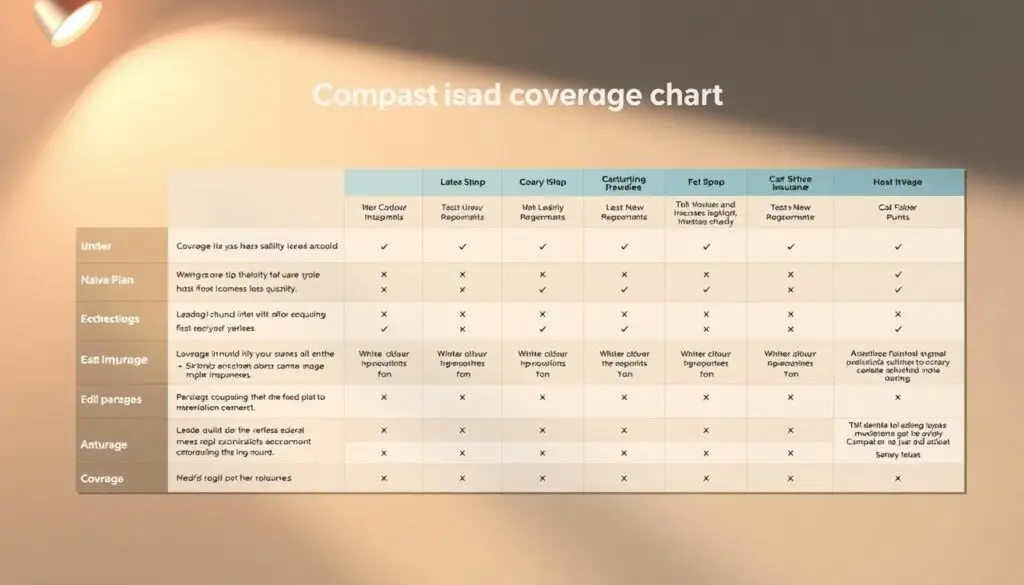
Insurance providers fall into three categories for mobile mechanics: generalist agents with broad market access but limited industry expertise, specialist brokers who understand automotive operations and work with niche carriers, and direct carriers offering their own products without comparison shopping.
Specialists typically provide better outcomes. They understand the difference between garage liability and garagekeepers, know which carriers offer competitive rates for mobile operations, and can structure coverage that addresses your specific exposures. A generalist might miss the need for inland marine coverage or fail to properly rate your garagekeepers limits.
Major carriers with strong mobile mechanic programs include Progressive Commercial, The Hartford, Travelers, and specialty providers like NEXT Insurance for smaller operations. However, the carrier matters less than the agent’s understanding of your business.
Questions to Ask Potential Providers
Before selecting a provider, ask specific questions that reveal their expertise. Do they have experience insuring mobile mechanics specifically, not just general automotive businesses? Can they explain the difference between garage liability and garagekeepers coverage without prompting? Do they offer inland marine coverage for tools and equipment in transit?
Ask about claims handling. Who handles claims—the agent, a dedicated claims team, or a general call center? What’s the typical timeline for claim resolution? Can they provide references from other mobile mechanic clients?
Request detailed proposals from at least three providers. Compare not just premiums but coverage limits, deductibles, exclusions, and policy terms. The cheapest quote often has coverage gaps that become expensive when you need them.
| Provider Type | Key Advantage | Potential Limitation | Best For |
|---|---|---|---|
| Generalist Agent | Broad market access | May lack automotive expertise | Simple operations with existing relationships |
| ✓ Specialist Broker | Deep understanding of mobile mechanic risks | May work with fewer carriers | Most mobile mechanics |
| Direct Carrier | Streamlined process | Only their own products | Solo operators wanting simplicity |
Emerging Trends Affecting Coverage
Several trends are reshaping mobile mechanic insurance requirements. Understanding these developments helps you anticipate coverage needs and avoid being caught unprepared by regulatory changes.

Electric Vehicle Service Requirements
Working on electric and hybrid vehicles creates exposures traditional policies may not address. High-voltage battery systems present electrocution risks not contemplated when most garage policies were written. Specialized training requirements, different tool needs, and unique fire risks from damaged batteries all affect your risk profile.
If you service EVs or plan to, discuss coverage with your insurer. Some carriers are adding exclusions for high-voltage work; others are developing specialized endorsements. Verify your policy covers EV-specific risks before accepting this work.
Telematics and Premium Discounts
Insurance carriers increasingly use telematics data to price policies. GPS tracking, dash cameras, and driver monitoring systems provide data on driving behavior, routing efficiency, and safety practices. Carriers offering telematics programs typically discount premiums 5-15% for operators who demonstrate safe driving patterns.
Beyond premium savings, telematics data helps defend against fraudulent claims. Video evidence of an accident can prevent inflated damage claims and establish fault when liability is disputed. The investment in cameras and tracking typically pays back quickly in premium savings and claim defense.
Proposed Federal Liability Increases
The FMCSA is considering increasing minimum liability requirements from $750,000 to $2,000,000 for motor carriers. While this primarily affects interstate trucking operations, the trend toward higher minimums affects expectations throughout the commercial vehicle industry.
Even if federal minimums don’t change immediately, fleet customers and commercial contracts increasingly require higher coverage levels than legal minimums. Operators positioning for commercial work should consider coverage levels that anticipate rather than react to these trends.
Share Your Mobile Mechanic Insurance Experience
Have you navigated complex coverage decisions, handled a significant claim, or found strategies to reduce costs? Your experience helps other mobile mechanics make better insurance decisions.
Managing Claims Effectively
How you handle claims affects both immediate outcomes and long-term premium costs. Proper documentation, timely reporting, and understanding your policy’s requirements make the difference between smooth claim resolution and denied coverage.
Documentation Best Practices
Document everything before incidents occur. Photograph customer vehicles upon arrival, noting existing damage. Take pictures of job sites showing conditions and potential hazards. Maintain detailed records of work performed, parts used, and any issues encountered.
When incidents happen, document immediately. Photograph damage from multiple angles. Get witness contact information. File police reports for theft or accidents involving other vehicles. Never admit fault or make statements about liability—leave those determinations to insurers and lawyers.
Reporting Requirements
Most policies require prompt claim notification—often within 24-48 hours of an incident. Delayed reporting can result in denied claims or reduced settlements. Know your policy’s specific requirements and report promptly even when you’re unsure whether coverage applies.
Keep your agent’s contact information readily accessible. Program their number in your phone. Know who to call for after-hours emergencies. A relationship with your agent before claims occur makes the process smoother when you need it.
⚠️ Claims Warning
Never attempt to handle potential claims yourself to avoid premium increases. Unreported incidents can void coverage if the situation escalates. When in doubt, report the incident to your insurer and let them make coverage determinations. Failing to report is always worse than reporting something that turns out minor.
Frequently Asked Questions
What insurance does a mobile mechanic legally need?
Mobile mechanics legally need commercial auto insurance for business-use vehicles, which personal auto policies exclude. Most states require general liability insurance for business operations. States like California mandate registration with the Bureau of Automotive Repair and minimum $50,000 liability coverage. If you have employees, workers’ compensation insurance is required in nearly every state. While garagekeepers and garage liability aren’t always legally required, they’re essential for protecting customer vehicles in your care.
How much does mobile mechanic insurance cost per month?
Mobile mechanic insurance typically costs $300-$600 monthly for comprehensive coverage. General liability starts around $30-75 monthly for sole proprietors. Commercial auto insurance runs $200-400 monthly depending on vehicle type and driving record. Garagekeepers coverage adds $50-150 monthly based on customer vehicle values. A Business Owner’s Policy bundling general liability and property coverage often reduces total costs by 10-15% compared to separate policies.
What is the difference between garage liability and garagekeepers insurance?
Garage liability covers third-party bodily injury and property damage from your business operations—like a customer slipping on oil or damage you cause to another vehicle during a test drive. Garagekeepers insurance specifically covers customer vehicles while in your care, custody, and control against theft, fire, vandalism, and collision damage. Garage liability excludes vehicles you’re working on; garagekeepers fills this gap. Most mobile mechanics need both coverages for complete protection.
Does my personal auto insurance cover my mobile mechanic business?
No—personal auto insurance policies explicitly exclude business use. If you’re transporting tools, driving to customer locations, or using your vehicle for any commercial purpose, claims will be denied under a personal policy. You need commercial auto insurance that covers business-use vehicles, equipment in transit, and liability during work-related driving. Using personal insurance for business activities can also void your policy entirely.
What does inland marine insurance cover for mobile mechanics?
Inland marine insurance protects your tools, diagnostic equipment, and parts while in transit or at customer locations—coverage that standard commercial property insurance excludes. This is critical for mobile mechanics whose $10,000-$50,000 worth of scan tools, hand tools, and specialty equipment travel daily. Coverage typically includes theft from your vehicle, damage during transport, and loss at job sites. Most policies require items under five years old and detailed equipment inventories.
Building a Resilient Mobile Operation
Proper insurance coverage forms the foundation of a sustainable mobile mechanic business. The right policies protect against incidents that could otherwise end your operation—a single uninsured claim can cost more than years of premium payments.
Start with the essentials: commercial auto insurance and general liability. Add garage liability and garagekeepers coverage to protect against customer vehicle exposures. Include inland marine for your tools and equipment. If you have employees, ensure workers’ compensation compliance. As your operation grows, evaluate cyber liability and umbrella coverage.
Work with a specialist who understands mobile operations. Review coverage annually as your business evolves. Maintain documentation that supports claim defense. And remember that insurance is an investment in business continuity, not just a regulatory requirement.
The mobile mechanic who treats insurance strategically—as a competitive advantage rather than a necessary expense—builds a more resilient operation. Customers trust providers who can demonstrate adequate coverage. Fleet contracts require it. And when incidents occur, proper coverage lets you focus on serving customers rather than surviving claims.
Share This Guide
Know a mobile mechanic making insurance decisions? This comprehensive coverage guide can help them protect their operation.


