
By Michael Nielsen, Editor & Publisher | 15+ Years in Diesel Repair
Last Updated: January 2026
📖 Estimated reading time: 21 minutes
The transportation industry has shifted dramatically from desktop-centric systems to mobile-first platforms that give owner operators real-time control over their businesses. Today’s fleet management apps deliver enterprise-level capabilities directly to smartphones and tablets—tools that are no longer optional upgrades but essential investments for competitive operations in 2025.
Owner operators face daily challenges including ELD compliance requirements, fuel cost control, vehicle maintenance scheduling, and route optimization. Modern fleet tracking apps address these pain points through integrated solutions that combine driver safety monitoring, equipment tracking, and workforce coordination in single applications. According to ATRI’s 2023 Operational Costs of Trucking report, fuel and maintenance represent over 40% of total operating costs—making technology that optimizes these expenses critical for profitability.
This guide evaluates the top fleet management platforms across features, pricing, integration capabilities, and workflow compatibility to help you select the right technology for your owner operator business.
Key Takeaways
- Enterprise capabilities for single trucks: Modern fleet management apps deliver GPS tracking, ELD compliance, and maintenance scheduling to independent operators through mobile-first platforms.
- ROI exceeds 1,500% annually: Typical owner operators save $1,250-$1,900 monthly through fuel optimization, maintenance cost reduction, and administrative time savings against platform costs of $40-$80 monthly.
- Platform selection matters: Motive excels in AI-powered safety, Samsara leads in video intelligence, GPS Insight offers superior reporting customization—choose based on your operational priorities.
- Five essential features: Prioritize FMCSA-certified ELD compliance, real-time GPS tracking, fuel card integration, automated maintenance scheduling, and mobile-first design.
- Test before committing: Free trials reveal usability issues and workflow fit that specifications and sales demonstrations cannot replicate.
Why Owner Operators Need Dedicated Fleet Management Apps
Owner operators in 2025 face unprecedented financial pressures that make dedicated fleet management apps essential rather than optional. The trucking landscape has fundamentally shifted, creating an environment where technology adoption directly impacts survival and profitability. Independent operators who continue relying on manual recordkeeping and traditional methods find themselves at a severe competitive disadvantage.
The economic realities of modern trucking have intensified dramatically. Fuel prices remain volatile, with diesel costs fluctuating by as much as 30% within single quarters. Insurance premiums have increased by an average of 15-25% annually, with carriers now tying rates directly to safety performance metrics and ELD compliance records. These mounting expenses require precision cost control that manual systems simply cannot deliver.
The Misconception About Fleet Size and Technology Needs
Many owner operators mistakenly believe that fleet technology only benefits large operations with dozens or hundreds of vehicles. This assumption costs independent truckers thousands of dollars annually in preventable expenses. Even single-truck operations experience measurable benefits from strategic technology adoption.
Route optimization through fleet management tools reduces fuel consumption by 15-20% on average. Preventive maintenance scheduling extends vehicle lifespan by identifying issues before they become catastrophic failures. Automated compliance tracking eliminates costly violations and prevents out-of-service orders that can cost thousands in lost revenue. These benefits scale perfectly to operations of any size.
Mobile-First Advantages for Road-Based Operations
Owner operators spend the majority of their working hours behind the wheel, not sitting at office desks. This operational reality makes mobile-first fleet management applications particularly valuable. Traditional desktop-centric platforms create accessibility barriers that modern mobile apps eliminate entirely.
Modern fleet apps provide critical capabilities through smartphone interfaces: instant access to Hours of Service data prevents potential violations before they occur, mobile vehicle inspection reports meet compliance requirements without paper forms, real-time route adjustments respond to traffic conditions instantly, and immediate expense documentation through photo capture eliminates receipt management hassles.
$13,200+ Annual Savings
Typical combined savings from route optimization, maintenance scheduling, compliance automation, and administrative efficiency for owner operators using comprehensive fleet management platforms
The Hidden Costs of Manual Fleet Management
Manual recordkeeping systems create administrative burdens that consume valuable billable hours. The average owner operator spends 8-12 hours monthly on paperwork, compliance documentation, and expense tracking. These hours represent lost revenue opportunities and increased operational overhead.
Error rates in manual compliance reporting range from 12-18% according to FMCSA data. Even minor discrepancies trigger inspections, create audit complications, and potentially result in penalties. Automated compliance systems reduce error rates to less than 2% while eliminating the time investment required for manual processes.
| Manual Challenge | Fleet App Solution | Annual Savings |
|---|---|---|
| Paper logbooks and HOS tracking | Automated ELD compliance with real-time monitoring | $2,400 violation prevention |
| Reactive maintenance scheduling | Predictive maintenance alerts based on actual usage | $3,800 repair cost reduction |
| Manual route planning | Dynamic route optimization with traffic integration | $5,200 fuel savings |
| Spreadsheet expense tracking | Automated expense categorization and reporting | $1,800 tax prep efficiency |
Regulatory Compliance as a Technology Driver
The regulatory environment continues evolving, with enforcement becoming increasingly stringent. ELD mandates established the baseline, but additional requirements around electronic vehicle inspection reports, driver qualification files, and drug and alcohol testing compliance create ongoing documentation demands.
Violations carry severe financial consequences beyond immediate fines. A single out-of-service order can cost $2,000-$5,000 in lost revenue from delayed deliveries and damaged customer relationships. Safety ratings directly impact insurance premiums, with poor scores triggering 30-50% rate increases. Fleet technology transforms compliance from a reactive burden into a proactive advantage through automated alerts that prevent violations before they occur.
Return on Investment Reality
The financial case for fleet management apps becomes compelling when examining total impact rather than just subscription costs. A typical comprehensive platform costs $40-$80 monthly for a single vehicle. This investment generates returns across multiple operational dimensions simultaneously.
Fuel savings through route optimization average $400-$600 monthly for typical operations. Maintenance cost reduction from preventive scheduling saves $300-$400 monthly in avoided emergency repairs. Administrative time savings recover 10-15 billable hours monthly worth $250-$400 in opportunity cost. Compliance penalty avoidance prevents violations averaging $200-$300 monthly in industry-wide costs. Insurance premium reductions from improved safety scores can reach $100-$200 monthly.
These combined benefits create potential returns of $1,250-$1,900 monthly against platform costs of $40-$80. The ROI typically exceeds 1,500% annually, making technology adoption one of the most financially impactful decisions an owner operator can make.
Understanding Modern Fleet Management Technology
Today’s fleet management technology represents a significant departure from legacy systems, providing real-time tracking and telematics that fundamentally change how owner operators run their businesses. These sophisticated platforms combine multiple operational functions into unified solutions that work seamlessly across smartphones, tablets, and computers.
Core Capabilities of Modern Fleet Apps
Contemporary fleet tracking apps deliver a comprehensive suite of integrated features designed specifically for transportation operations. GPS-based vehicle tracking forms the foundation, with modern platforms updating position data every 30 to 60 seconds for near-continuous visibility. Telematics integration captures critical engine diagnostics and performance data directly from vehicle systems, monitoring parameters including engine RPM, coolant temperature, fuel consumption rates, diagnostic trouble codes, and battery voltage.
ELD compliance features automatically track Hours of Service regulations without manual logbook entries, generating required logs, calculating available drive time, and alerting drivers before violations occur. Route planning and optimization tools calculate the most efficient paths by considering traffic patterns, delivery windows, fuel stops, and rest requirements. Maintenance scheduling triggers alerts based on mileage intervals or time periods, tracking oil changes, tire rotations, and DOT inspections.
Mobile-First vs. Desktop-Centric Platforms
The architectural approach vendors take dramatically affects the user experience for owner operators who spend minimal time at desks. Mobile-first platforms design smartphone and tablet interfaces as the primary user experience, offering full functionality through native iOS and Android apps with intuitive touch-based navigation. Critical features remain accessible even when cellular coverage drops, thanks to offline capability that syncs data when connection returns.
Desktop-centric platforms relegate mobile interfaces to secondary status with significantly limited functionality, requiring office computer access for essential tasks like generating reports or configuring system settings. Owner operators find themselves waiting until they reach a desk to complete time-sensitive actions—a significant operational limitation.
Critical Features Every Owner Operator Should Evaluate
Smart owner operators evaluate fleet management apps based on features that solve real-world problems rather than marketing promises. Five essential feature categories separate comprehensive fleet management solutions from basic tracking apps, each addressing specific challenges owner operators face daily.
ELD Compliance and Hours of Service Tracking
Federal regulations require electronic logging devices that meet 49 CFR Part 395 FMCSA technical specifications and registration standards. Your fleet management app must provide ELD compliance features that automatically capture driving time and calculate available hours. Non-compliance results in fines, out-of-service violations, and potential CSA score impacts.
Essential ELD features include automatic driving time capture with precision event recording, available hours calculation across 7-day and 8-day duty cycles, pre-HOS limit alerts, six-month minimum record retention with secure cloud backup, and a driver-accessible mobile interface for duty status changes. Verify that any ELD solution maintains current FMCSA registration status before committing.
GPS Tracking and Geofencing Capabilities
Real-time location visibility forms the foundation of effective fleet management. GPS tracking provides vehicle position updates every 30 to 60 seconds, enabling accurate monitoring and customer communication. Advanced platforms offer historical route playback showing exact paths traveled with timestamps—invaluable for resolving customer disputes and verifying service completion.
Geofencing technology allows you to create virtual boundaries around customer locations, terminals, and authorized routes. Automatic alerts trigger when vehicles enter or exit defined areas, providing arrival notifications and unauthorized use detection. This automation reduces manual communication while improving service reliability.
Route Optimization and Dynamic Planning
Basic navigation apps provide turn-by-turn directions, but true route optimization calculates the most efficient sequences for multi-stop routes. Advanced platforms consider delivery windows, vehicle capacity, traffic patterns, and driver Hours of Service availability. The best systems learn from historical data to improve future recommendations through machine learning algorithms that identify patterns in traffic congestion, delivery times, and route efficiency.
Fuel Management and Expense Tracking
Fuel represents the largest variable cost for most owner operators, making effective fuel management essential for profitability. Leading fleet management apps integrate directly with fuel card programs to capture transaction data automatically, eliminating manual receipt entry while providing detailed consumption analytics. Advanced platforms flag unusual purchases suggesting theft, fraud, or card misuse by comparing transaction locations against vehicle GPS positions.
Comprehensive expense tracking extends beyond fuel to capture all operational costs. Receipt photo capture with automatic categorization digitizes documentation while eliminating paper accumulation. The platform should calculate cost per mile metrics that inform pricing decisions and support confident rate negotiations.
Vehicle Maintenance Scheduling
Preventive maintenance programs reduce breakdowns, extend vehicle lifespan, and preserve resale value. Fleet management apps automate maintenance scheduling based on mileage intervals, engine hours, or calendar dates, with configurable service schedules accommodating different requirements for various vehicle types. Work order management features document repairs and associated costs throughout vehicle ownership, supporting warranty claims and demonstrating proper maintenance during resale.
Top Fleet Management Apps for Owner Operators: Platform Comparison
Six leading platforms stand out in the fleet management software landscape as particularly well-suited for owner operator businesses. These solutions balance comprehensive functionality with accessibility for small operations, offering the tools independent truckers need without overwhelming complexity designed for enterprise fleets.
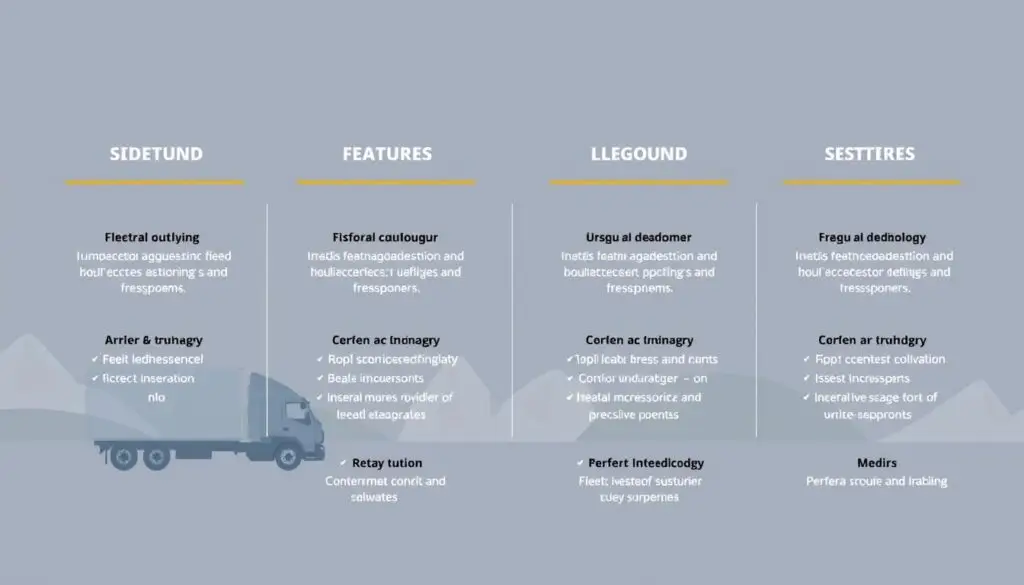
| Platform | Best For | Monthly Cost | Key Strength |
|---|---|---|---|
| ✓ Motive | Safety-focused operations | $35-$85/vehicle | AI-powered dashcam, unified platform |
| Samsara | Video intelligence priority | Custom pricing | Premium video safety, equipment monitoring |
| Verizon Connect | Enterprise reliability | $40-$80/vehicle | Nationwide network, proven stability |
| Fleet Complete | Multi-asset operations | $25-$65/vehicle | Flexible hardware, asset tracking |
| GPS Insight | Reporting customization | $25-$40/vehicle | Fuel management analytics |
| Teletrac Navman | Complex compliance needs | $40-$60/vehicle | Workflow automation, compliance tools |
Motive Fleet Management Platform
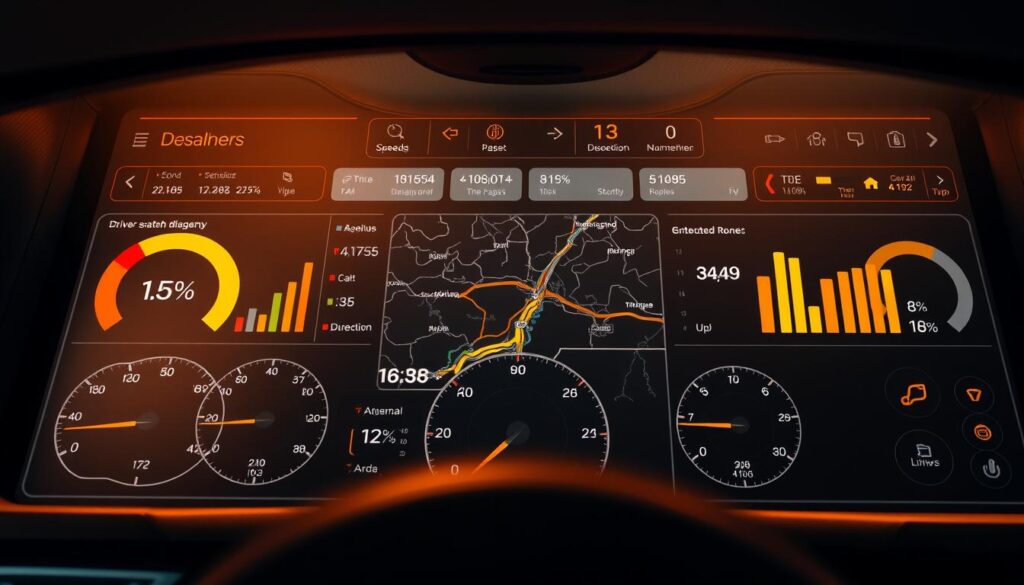
Built on cutting-edge artificial intelligence and comprehensive telematics, Motive offers owner operators a unified platform that consolidates ELD compliance, safety management, and expense control into one powerful mobile solution. Recognized as the #1 Best Supply Chain & Logistics Software Product, Motive serves operations ranging from single-truck owner operators to large fleet enterprises.
Key Features
The Motive AI Dashcam represents a significant advancement in driver safety technology. Unlike basic video recording devices, this intelligent system uses computer vision and machine learning to detect risky behaviors in real-time, identifying distracted driving, cell phone use, following distance violations, and collision risks. According to company data, Motive’s AI alerts drivers to actual safety risks 2-4 times more accurately than competitor systems.
Motive’s ELD solution streamlines Hours of Service tracking with minimal driver intervention, automatically detecting duty status changes based on vehicle movement and engine activity. Real-time alerts notify drivers and managers when approaching HOS limits, helping plan rest breaks and prevent costly violations. The Motive Card transforms fuel purchasing through intelligent spending controls, with real-time transaction alerts enabling quick fraud detection.
Pricing and Value
The Basic ELD package starts at approximately $35-40 per vehicle monthly, including HOS tracking, vehicle diagnostics, and basic GPS tracking. The Standard plan ranges from $50-60 monthly and adds dispatching, IFTA reporting, and advanced compliance tools. The Complete package costs around $70-85 per vehicle monthly with AI dashcam capabilities, comprehensive safety management, and full maintenance tracking. AI dashcam hardware requires a one-time purchase of $500-750 per unit.
Best for: Owner operators prioritizing comprehensive safety features and willing to invest in AI-powered technology for documented insurance savings and liability protection.
Samsara Connected Operations Cloud
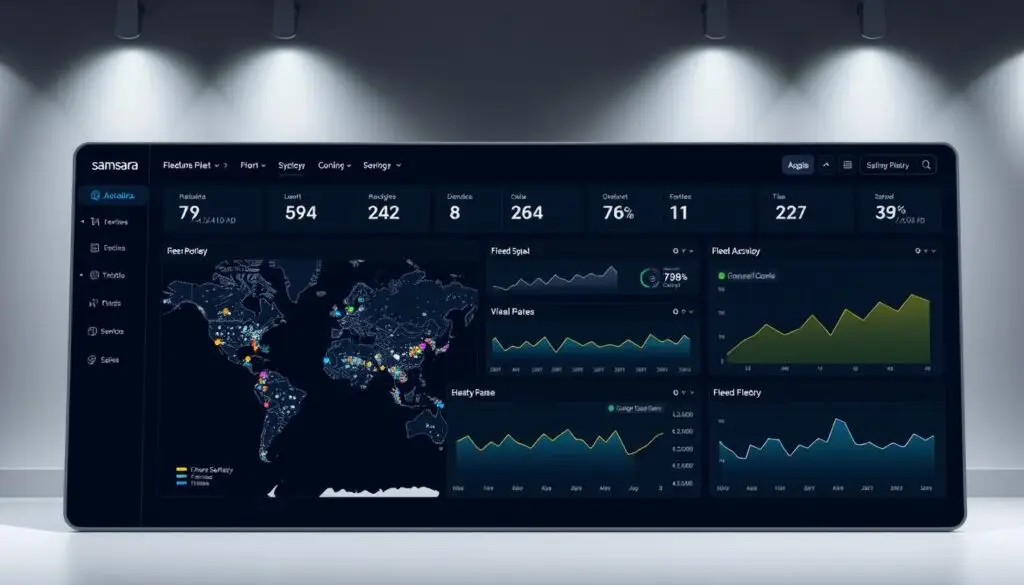
Samsara has emerged as a premium solution combining real-time tracking with sophisticated video safety technology. This publicly-traded company (NYSE: IOT) has rapidly grown into a major fleet management player through substantial investments in computer vision and artificial intelligence. Owner operators managing higher-value specialized equipment or those prioritizing safety performance find particular value in Samsara’s comprehensive approach.
Key Features
Video intelligence forms the cornerstone of Samsara’s approach. AI-powered dashcams detect unsafe driving behaviors in real-time and provide immediate driver alerts for behavior correction, with cameras automatically capturing and uploading video clips of safety events to secure cloud storage. Live video streaming allows remote visibility into vehicle operations from anywhere—invaluable when addressing concerns about specific trips or responding to customer inquiries.
Equipment monitoring capabilities extend beyond vehicle tracking to offer comprehensive asset tracking. Trailer tracking maintains visibility on all fleet assets, while integration with specialized sensors enables temperature monitoring for refrigerated operations. Remote vehicle diagnostics deliver insights into engine health and maintenance needs through diagnostic trouble code monitoring.
Pricing and Value
Samsara employs custom pricing based on fleet size and selected features, requiring direct consultation for quotes. Owner operators should expect per-vehicle monthly costs in the mid-to-upper range, with video safety hardware requiring upfront investment. The value proposition centers on measurable returns through insurance savings, reduced accident costs, and improved operational efficiency. Protection against a single fraudulent claim can justify the entire annual cost.
Best for: Owner operators requiring premium video documentation, temperature-controlled cargo monitoring, or operations where liability protection justifies premium pricing.
Verizon Connect Reveal
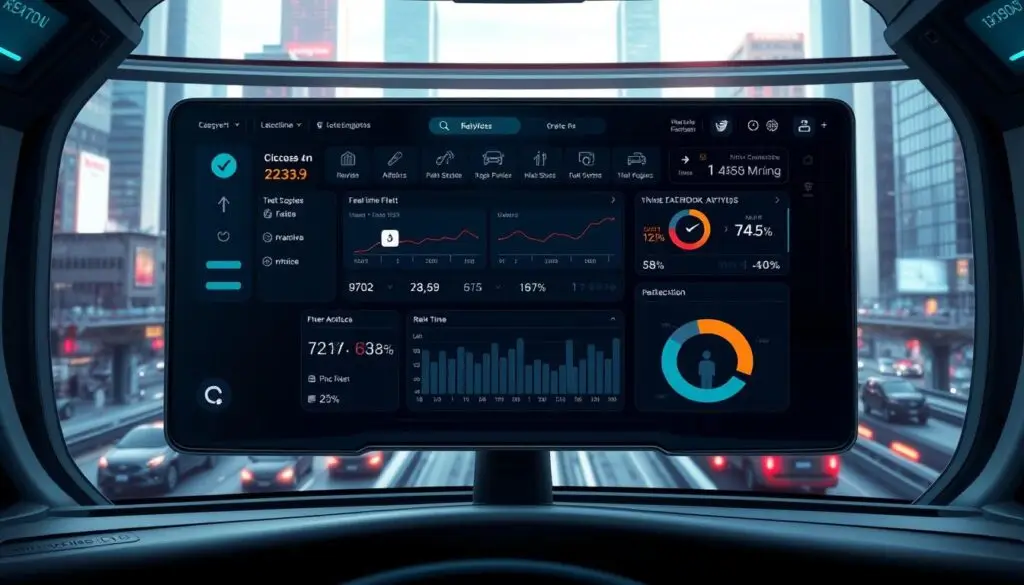
Verizon Connect Reveal combines decades of telematics expertise with the reliability of Verizon’s nationwide network infrastructure. The platform brings proven performance and brand recognition that appeals to owner operators who value stability and comprehensive support networks.
Key Features
GPS tracking functionality provides real-time vehicle location updates with customizable refresh intervals, maintaining detailed breadcrumb trails showing exact routes traveled. Geofencing capabilities trigger automatic alerts when vehicles enter or exit defined zones, supporting compliance automation by documenting arrival and departure times without manual logging. Navigation integration guides drivers to destinations using traffic-aware routing through the mobile app.
Driver behavior monitoring scores performance based on speeding events, harsh acceleration and braking incidents, excessive idling periods, and seat belt compliance. Comparative analytics show performance trends over time, while gamification features encourage positive competition through leaderboards and achievement recognition. Preventive maintenance scheduling operates on configurable service intervals based on mileage, engine hours, or calendar dates.
Pricing and Value
Entry-level packages generally start around $40-50 per vehicle monthly for basic tracking capabilities. Comprehensive packages including driver behavior monitoring, preventive maintenance tools, and compliance automation features typically range from $60-80 per vehicle monthly. The value proposition centers on reliability and brand backing rather than lowest cost—owner operators who experience system downtime or connectivity issues with budget providers often find Verizon Connect’s premium positioning justified.
Best for: Owner operators prioritizing enterprise reliability, proven technology stability, and comprehensive support infrastructure over cutting-edge features.
The HDJ Perspective
After evaluating dozens of fleet management platforms over the years, we’ve observed that owner operators who succeed with these systems share one common approach: they test extensively before committing. The “best” platform isn’t universal—it’s the one that fits your specific workflow, integrates with your existing systems, and solves your particular pain points. The platforms featured here represent the current market leaders, but the rapidly evolving technology landscape means new capabilities emerge constantly. What matters most is selecting a platform you’ll actually use consistently, not one with the longest feature list.
Fleet Complete, GPS Insight, and Teletrac Navman
Fleet Complete Mobile Workforce Solution
For owner operators planning to scale beyond single-truck operations, Fleet Complete offers comprehensive mobile workforce management capabilities serving over 600,000 vehicles worldwide. The platform benefits operations managing mixed fleets including trucks, trailers, and specialized equipment. Flexible hardware options include hardwired GPS devices for powered vehicles and battery-powered asset trackers for unpowered trailers. Monthly costs range from $25-$65 per vehicle depending on features selected.
GPS Insight Fleet Tracking System
For owner operators seeking powerful reporting capabilities and fuel efficiency insights, GPS Insight offers a comprehensive tracking platform backed by Michelin Group resources. The platform’s customizable reporting dashboard enables creation of custom reports from comprehensive operational data, with drag-and-drop report builders empowering users without technical expertise. Fuel management capabilities specifically target cost reduction through detailed idle time tracking and fuel economy analysis. Monthly costs range from $25-$40 per vehicle with transparent pricing.
Teletrac Navman DIRECTOR Platform
The DIRECTOR Platform brings four decades of telematics expertise to owner operator businesses, emphasizing compliance management, operational efficiency, and seamless communication. Sophisticated Hours of Service compliance tools exceed basic regulatory requirements with exception reporting that flags potential violations before they occur. Digital automation capabilities reduce repetitive administrative tasks through electronic driver vehicle inspection reports and automated dispatch workflows. Monthly costs range from $40-$60 per vehicle for comprehensive compliance features.
Free Professional Fleet Tools
Cost calculators, fault code lookup, maintenance planners, and more—built for owner-operators, fleet managers, and diesel techs. No signup required.
Selecting the Best Fleet Management App for Your Business
With dozens of fleet management platforms competing for attention, selecting the optimal solution requires systematic evaluation based on your specific business requirements. The decision you make will directly impact profitability, compliance status, and daily operational efficiency for years to come.
Determining Your Must-Have Features
Start your evaluation by categorizing features into three distinct tiers. Essential requirements represent absolute prerequisites your business cannot function without—typically ELD compliance for regulated operations, GPS tracking for load visibility, and basic maintenance scheduling. High-value capabilities provide significant ROI but aren’t strictly mandatory, including route optimization, fuel management integration, and driver behavior monitoring. Nice-to-have features add convenience without justifying substantial cost increases.
Your specific owner operator profile determines which features matter most. Single-truck owner-drivers prioritize mobile-first interfaces, simple expense tracking, and ELD compliance at minimum cost. Owner operators employing additional drivers need driver behavior monitoring and communication tools for coordination. Specialized operators running reefer, flatbed, or hazmat loads require industry-specific capabilities like temperature monitoring or compliance documentation systems.
Calculating Total Cost of Ownership
The advertised monthly subscription price represents only one component of your true investment. Total cost of ownership includes all fixed and variable expenses over the platform’s expected lifespan, typically calculated across a three-year period. Hardware costs range from $200 to $800 per vehicle depending on device sophistication. Monthly subscription fees typically charge per vehicle between $25 and $150 depending on feature depth. Support and training costs vary significantly—some providers include comprehensive onboarding while others charge $500-2,000 separately.
Offset these expenses against projected operational savings: fuel efficiency improvements of 5-10% save $200-400 monthly, reduced maintenance costs from preventive scheduling prevent $1,000+ emergency repair bills, and administrative time savings free 3-5 hours weekly previously spent on manual logbooks and fuel receipt organization.
Key Recommendation
Request 14-30 day free trials from your top 2-3 platform candidates. Test with realistic operational scenarios—actual loads, typical routes, and your existing fuel cards. Involve drivers in mobile app testing to assess field usability. Document specific pain points and limitations in a written evaluation log before making final decisions.
Evaluating Integration Capabilities
Modern fleet management apps must connect seamlessly with existing business systems. Fuel card integration streamlines expense tracking and provides real-time transaction data within your fleet management dashboard. QuickBooks integration automatically imports fuel purchases and maintenance expenses for simplified bookkeeping. Load board and broker system integration coordinates dispatch information with tracking data for seamless load execution.
Data export capabilities matter for custom reporting, backup purposes, and potential future platform migration. Open platforms supporting standard formats like CSV, Excel, or JSON allow you to maintain ownership of your operational data. Proprietary closed systems trap your information, creating vendor lock-in that complicates switching if needs change.
Considering Scalability for Future Growth
The platform you select today must accommodate your business trajectory over the next 3-5 years. Evaluate pricing structures as vehicle count increases—some platforms offer volume discounts beyond certain fleet sizes while others maintain flat per-vehicle pricing. Determine whether additional features can be activated without platform migration as your needs evolve. Module-based pricing allows starting with core capabilities and adding video safety, advanced analytics, or other features later.
The tension between selecting simple affordable platforms matching current single-truck operations versus investing in enterprise-capable solutions supporting planned growth requires honest assessment. If expansion beyond 2-3 vehicles seems unlikely within five years, premium enterprise platforms provide unnecessary capabilities. However, operators with concrete growth plans benefit from initially selecting scalable systems despite higher entry costs.
Frequently Asked Questions
What is the best fleet management app for single-truck owner operators?
The best fleet management app depends on your operational priorities. For owner operators prioritizing ELD compliance and fuel management at a reasonable cost, GPS Insight offers strong value with excellent reporting customization. Motive excels for operators wanting AI-powered safety features and comprehensive integration. Single-truck operators should evaluate free trials focusing on mobile interface quality, ELD reliability during inspections, and integration with existing fuel cards or accounting software before committing.
How much do fleet management apps cost for owner operators?
Fleet management apps for owner operators typically range from $25 to $85 per vehicle monthly, depending on features included. Basic ELD-only solutions start around $25-35 monthly. Comprehensive platforms with GPS tracking, maintenance scheduling, and fuel management range from $40-60 monthly. Premium solutions with AI dashcams and advanced safety features cost $70-85 monthly. Hardware investments for ELD devices and dashcams add $200-800 in upfront costs. Annual contracts often provide 10-20% discounts compared to month-to-month billing.
Do owner operators really need fleet management software?
Yes, fleet management software has become essential for owner operators in 2025. ELD mandates under 49 CFR Part 395 require electronic logging for most commercial motor vehicle operators, making basic compliance software legally necessary. Beyond compliance, these platforms typically generate 1,500% annual ROI through fuel savings from route optimization (15-20% reduction), maintenance cost reduction from preventive scheduling ($300-400 monthly savings), administrative time savings (10-15 hours monthly), and insurance premium reductions from safety monitoring.
What features should owner operators prioritize in fleet management apps?
Owner operators should prioritize five essential features: First, FMCSA-certified ELD compliance with reliable Hours of Service tracking and inspection-ready logs. Second, real-time GPS tracking with geofencing for customer visibility and load verification. Third, fuel management integration for expense tracking and consumption analysis. Fourth, maintenance scheduling with automated alerts based on mileage or time intervals. Fifth, mobile-first design that provides full functionality from smartphones without requiring desktop access for critical operations.
How do fleet management apps help with insurance costs?
Fleet management apps reduce insurance costs through documented safety improvements and liability protection. Insurance companies increasingly offer premium discounts of 5-15% for operators using telematics and video safety systems. AI-powered dashcams provide video evidence that protects against fraudulent claims and accelerates claims resolution. Driver behavior monitoring identifies and corrects risky habits before accidents occur. Improved CSA scores from compliance automation prevent the 30-50% premium increases triggered by poor safety ratings.
Can fleet management apps integrate with existing business systems?
Most fleet management platforms offer integration capabilities with common business systems. QuickBooks integration automatically imports fuel purchases and maintenance expenses for simplified bookkeeping. Fuel card integration captures transaction data in real-time without manual receipt entry. Load board connections provide real-time location visibility to brokers. API availability enables custom integrations as business needs evolve. When evaluating platforms, verify integration depth—some advertise compatibility but provide only limited data synchronization with significant delays.
Making Your Fleet Technology Investment Count
Fleet management software has become essential infrastructure for owner operators navigating the competitive, regulatory, and economic pressures of 2025. The platforms reviewed—Motive, Samsara, Verizon Connect, Fleet Complete, GPS Insight, and Teletrac Navman—each deliver distinct advantages for different operational profiles and priorities.
No single platform serves every operation perfectly. Your optimal solution depends on operational characteristics, budget constraints, and growth objectives. Use the systematic evaluation framework outlined in this guide to make confident platform selections based on documented testing rather than marketing promises. Begin your evaluation process now with free trials of platforms matching your operational profile—delaying technology adoption creates accumulating opportunity costs through lost efficiency gains.
Help Fellow Owner Operators
Know someone comparing fleet management platforms? Share this guide to help them make an informed technology investment.