
By Michael Nielsen, Editor & Publisher | 15+ Years in Diesel Repair
Last Updated: December 2025
📖 Estimated reading time: 18 minutes
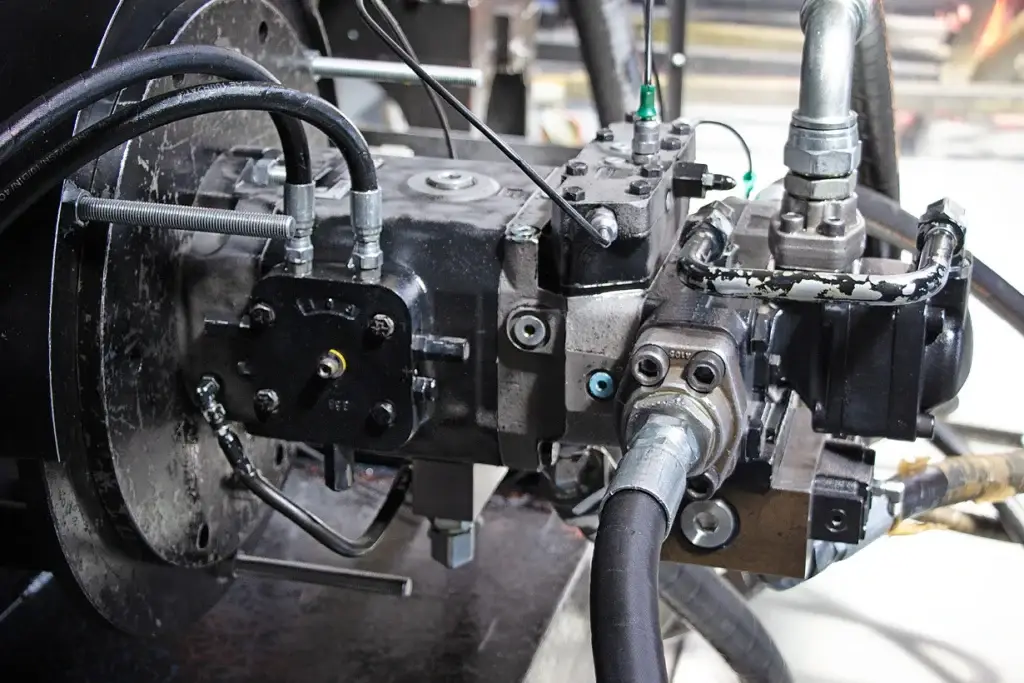
Hydraulic pump failure rarely announces itself with a catastrophic breakdown. In most cases, the warning signs build gradually—a slight whine during cold starts, sluggish cylinder response, or fluid temperatures that creep higher each week. Fleet managers who recognize these symptoms early avoid the emergency repairs and unplanned downtime that devastate operational budgets.
The stakes are substantial. Industry research indicates that unplanned hydraulic system failures cost fleets between $50,000 and $200,000 per hour in lost productivity, depending on the equipment and operation. A single hydraulic pump failure can cascade through connected components, turning a $2,500 pump replacement into a $15,000 system overhaul when contaminated fluid damages valves, cylinders, and actuators.
This guide examines the seven critical warning signs of hydraulic pump failure that every fleet manager and maintenance supervisor should monitor. Each symptom reflects underlying mechanical or fluid-related problems that, when caught early, can be addressed during scheduled maintenance rather than roadside emergencies.
Key Takeaways
- Noise changes signal trouble: Whining indicates cavitation while knocking suggests air contamination or worn bearings—both require immediate investigation before component damage escalates.
- Temperature monitoring prevents catastrophic failure: Hydraulic fluid begins degrading at 180°F, and sustained operation above 200°F causes seal damage and accelerated wear throughout the system.
- Fluid contamination causes 80% of hydraulic failures: Regular fluid analysis using ISO 4406 cleanliness standards identifies contamination before it destroys pumps, valves, and actuators.
- Slow operation isn’t just annoying: Decreased cycle times indicate internal leakage, worn pump components, or pressure problems that worsen progressively without intervention.
- Proactive monitoring pays 5-8x returns: Preventive hydraulic maintenance costs $12,000-$18,000 annually per unit, while emergency repairs average $85,000-$145,000 per incident.
How Hydraulic Pumps Power Commercial Fleet Operations
Hydraulic pumps convert mechanical energy from the engine into pressurized fluid flow that powers critical vehicle functions. In commercial trucks and fleet equipment, these systems operate steering, braking assist, liftgates, dump bodies, refuse compactors, and aerial work platforms. The pump draws fluid from a reservoir, pressurizes it to operating specifications, and delivers it through the hydraulic circuit to cylinders and motors that perform the actual work.
Modern commercial vehicles typically use one of three hydraulic pump types, each with distinct operating characteristics and failure patterns. Gear pumps dominate fleet applications due to their simplicity and tolerance for contaminated fluid, making them ideal for vocational trucks operating in dusty or dirty environments. Piston pumps deliver higher pressures and efficiencies for heavy-duty applications like cranes and concrete pumps but require cleaner fluid and more precise maintenance intervals. Vane pumps fall between these options, offering good efficiency with moderate contamination tolerance.
The pump’s operating conditions directly influence its service life. A hydraulic pump in a refuse truck cycles continuously throughout an eight-hour route, accumulating stress that a line-haul tractor’s steering pump never experiences. Understanding your fleet’s specific duty cycles helps establish appropriate inspection intervals and realistic component life expectations.
The Economic Impact of Hydraulic System Failures on Fleet Budgets
Hydraulic system failures create financial consequences that extend far beyond the repair invoice. When a pump fails, the direct costs include replacement components, labor, and potentially contaminated fluid that must be drained and replaced. These hard costs typically represent only 30-40% of the total financial impact.
$448-$760 per day
Average vehicle downtime cost for commercial fleets, according to Element Fleet Management research
The larger financial impact comes from operational disruption. A delivery vehicle sidelined for hydraulic repairs delays customer shipments, potentially triggering contract penalties or lost accounts. A refuse truck breakdown during collection routes requires dispatching backup equipment and crews, multiplying labor costs while frustrating customers. Construction equipment failures halt job site productivity, affecting multiple workers and potentially triggering project delays with associated penalties.
Emergency repairs carry significant cost premiums compared to planned maintenance. When a hydraulic pump fails unexpectedly, fleets face 150-200% cost increases from emergency service calls, expedited parts shipping, and overtime labor rates. A pump replacement that costs $2,500 during scheduled maintenance can easily exceed $6,000 when performed as an emergency roadside repair.
| Cost Category | Planned Maintenance | Emergency Repair | Cost Multiplier |
|---|---|---|---|
| Hydraulic Pump Replacement | $2,000-$3,500 | $5,000-$8,000 | 2-2.5x |
| System Contamination Repair | $800-$1,500 | $4,000-$8,000 | 4-5x |
| Complete System Overhaul | $8,000-$12,000 | $25,000-$45,000 | 3-4x |
| Vehicle Downtime (per day) | Scheduled—minimal impact | $448-$760 | N/A |
Secondary damage compounds costs when failures go unaddressed. A failing pump generates metal particles that circulate through the hydraulic system, scoring cylinder walls, damaging valve seats, and contaminating the entire fluid volume. What begins as a single component failure becomes a system-wide contamination event requiring comprehensive overhaul.
Warning Sign #1: Unusual Noise and Vibration
Hydraulic pumps produce consistent operational sounds at their designed frequency. Changes in this baseline noise pattern—particularly whining, knocking, or grinding—indicate developing mechanical problems that require immediate investigation.
Understanding Cavitation and Aeration Sounds
Cavitation produces a distinctive high-pitched whining or squealing that intensifies under load. This occurs when the pump cannot draw sufficient fluid to fill its chambers, creating vapor bubbles that collapse violently during compression. The characteristic sound results from these implosions, which simultaneously damage internal pump surfaces through erosion.
Cavitation typically stems from restricted suction lines, clogged inlet filters, low reservoir levels, or fluid that has become too viscous for the operating temperature. Fleet technicians should check suction strainers first—these low-cost components frequently cause expensive pump damage when neglected.
Aeration creates a different sound profile: banging or knocking noises that occur when air enters the hydraulic system. Unlike cavitation, where vapor bubbles form from the fluid itself, aeration introduces external air through loose fittings, failed seals, or low reservoir levels that expose the suction port. The resulting air pockets compress unpredictably, causing erratic system behavior and the characteristic knocking sound.
| Sound Type | Characteristics | Common Causes | Immediate Actions |
|---|---|---|---|
| Whining/Squealing | High-pitched, intensifies under load | Cavitation from restricted suction, low fluid, high viscosity | Check fluid level, inspect suction strainer, verify fluid viscosity |
| Knocking/Banging | Intermittent, irregular rhythm | Air contamination from loose fittings, failed seals, low reservoir | Tighten connections, inspect seals, verify reservoir level |
| Grinding/Growling | Low-pitched, continuous | Worn bearings, internal component damage, contaminated fluid | Sample fluid for analysis, schedule pump inspection |
Implementing Vibration Analysis for Early Detection
Vibration analysis provides quantifiable data for tracking pump health over time. Portable vibration analyzers allow maintenance teams to establish baseline readings for each vehicle’s hydraulic system, then monitor for deviations that indicate developing problems weeks before audible symptoms appear.
Effective vibration monitoring focuses on three measurement points: the pump housing, the mounting bracket, and the drive coupling. Changes in vibration amplitude, frequency, or pattern at any point suggest specific failure modes. Increased amplitude at shaft frequency indicates imbalance or misalignment, while bearing-frequency vibrations point to worn bearings requiring replacement.
For fleets without dedicated vibration analysis equipment, establishing a driver feedback protocol captures valuable diagnostic information. Operators who spend hours daily with their equipment notice subtle changes that periodic inspections miss. Training drivers to report new sounds, vibrations, or operational changes creates an early warning network across the fleet.
Warning Sign #2: Slow or Erratic System Operation
When hydraulic equipment takes longer to complete operations or responds inconsistently to controls, the system is communicating that something has changed. A liftgate that once raised in four seconds but now requires six indicates reduced flow or pressure that will continue degrading without intervention.
Identifying Performance Degradation Patterns
Performance degradation in hydraulic systems follows predictable patterns that help pinpoint the failure source. Gradual slowdown across all functions suggests pump wear reducing overall flow capacity. Slowdown in specific circuits while others operate normally indicates problems with individual valves, cylinders, or circuit restrictions rather than the pump itself.
Erratic operation—where system response varies unpredictably—often indicates air contamination or intermittent electrical issues with solenoid-operated valves. The hydraulic system may work normally during morning startup, then become sluggish or jerky as temperatures rise and air bubbles expand. Tracking when erratic behavior occurs helps technicians isolate thermal, pneumatic, or electrical root causes.
Reduced force output presents differently than slow operation. When cylinders move at normal speed but cannot generate rated loads, the problem typically involves pressure rather than flow. Internal pump leakage, relief valve malfunction, or cylinder seal bypass all reduce maximum pressure while maintaining acceptable flow rates.
Documenting Response Time Changes
Systematic documentation transforms subjective observations into actionable maintenance data. Establishing baseline cycle times for each hydraulic function creates benchmarks for comparison during subsequent inspections. A liftgate raising in 4.2 seconds on new equipment should maintain that performance throughout the pump’s service life with proper maintenance.
Simple timing measurements during pre-trip inspections catch degradation early. Recording the time required to fully extend and retract each hydraulic function provides trend data showing whether performance is stable, gradually declining, or experiencing sudden changes that indicate specific failures.
Response Time Monitoring Protocol
Establish baseline measurements when equipment is new or immediately after pump replacement. Conduct timing measurements monthly during routine PM intervals, or weekly for high-cycle equipment.
- Measure full extension and retraction times for each cylinder
- Test at operating temperature (after 10-15 minutes of operation)
- Note ambient temperature, as cold fluid increases viscosity
- Flag any measurement exceeding baseline by 15% or more
- Schedule diagnostic inspection when degradation reaches 25%
Warning Sign #3: Elevated Operating Temperatures
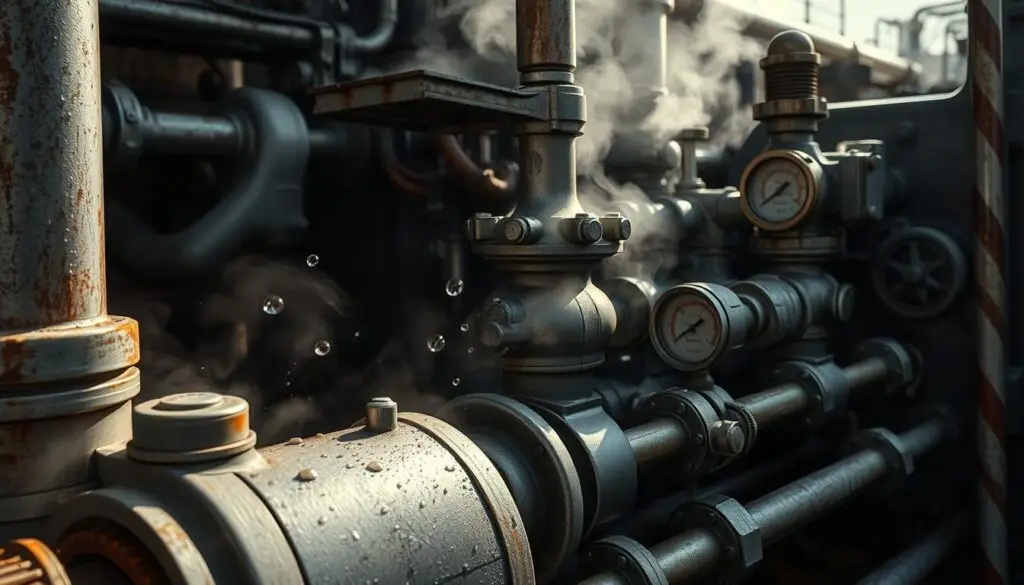
Hydraulic fluid temperature directly affects system performance and component longevity. Most systems operate optimally between 100°F and 140°F, with fluid degradation beginning above 180°F. Sustained operation above 200°F damages seals, accelerates fluid breakdown, and dramatically shortens pump life.
Temperature Monitoring Best Practices
Installing temperature gauges or digital sensors at strategic points provides real-time visibility into system thermal conditions. Key monitoring locations include the reservoir return line, the pump outlet, and high-load cylinders that generate significant heat during operation.
Infrared thermometers enable quick temperature surveys during walk-around inspections. Checking pump housing, reservoir, and line temperatures takes less than two minutes and identifies thermal anomalies before they cause damage. Hot spots on hoses or fittings may indicate restrictions that generate localized heating.
For fleets operating in extreme temperatures, understanding seasonal patterns prevents misdiagnosis. A system that runs at 160°F during summer may indicate marginal cooling capacity that becomes problematic under heavy loads or during heatwaves. Conversely, cold-weather startup temperatures affect fluid viscosity and require adequate warm-up periods before demanding full system performance.
⚠️ Temperature Warning Thresholds
Hydraulic fluid exceeding 180°F begins oxidizing and losing viscosity. At 200°F, seal materials degrade and fluid life decreases exponentially. Shut down equipment immediately if temperatures reach 220°F to prevent catastrophic damage to pumps, valves, and seals.
Thermal Damage Progression
Elevated temperatures trigger a cascade of problems that accelerate system deterioration. As fluid heats beyond optimal range, its viscosity decreases, reducing the lubrication film between moving parts. Metal-to-metal contact increases wear rates exponentially, generating additional heat and metallic contamination that further degrades the fluid.
Seal materials designed for standard operating temperatures become brittle or lose elasticity when continuously exposed to excess heat. Failed seals allow internal leakage that reduces system efficiency while permitting external leaks that compound fluid loss and contamination problems.
The fluid itself degrades through oxidation, forming varnish and sludge deposits that restrict flow passages and accelerate component wear. Oxidized fluid loses its ability to protect against rust and corrosion, allowing moisture contamination to cause additional damage throughout the system.
Stay Ahead of Hydraulic System Failures
Heavy Duty Journal delivers practical maintenance insights for fleet managers and diesel technicians. Get the latest diagnostic techniques, component specifications, and preventive maintenance strategies.
Warning Sign #4: Fluid Contamination and Leakage
Contaminated hydraulic fluid causes approximately 80% of hydraulic system failures, according to industry studies. Particles as small as 4 microns—invisible to the naked eye—can damage precision-machined pump surfaces, valve seats, and cylinder seals. Effective contamination control extends component life while preventing the cascading failures that turn minor problems into major overhauls.

Understanding ISO 4406 Fluid Cleanliness Standards
The ISO 4406 cleanliness code provides an industry-standard method for quantifying particle contamination in hydraulic fluid. The code uses three numbers representing particle counts at 4, 6, and 14 micron sizes per milliliter of fluid. A reading of 18/16/13 indicates moderate contamination suitable for gear pumps and basic systems, while piston pumps and servo valves require cleaner fluid at 16/14/11 or better.
Regular fluid analysis through laboratory sampling identifies contamination trends before they reach damaging levels. Monthly sampling establishes baseline cleanliness for each system, with deviations triggering investigation into contamination sources. A system maintaining 17/15/12 that suddenly tests at 20/18/15 indicates a new contamination ingress point requiring immediate attention.
Visual inspection supplements laboratory analysis for gross contamination. Milky fluid indicates water contamination from condensation or seal failure. Dark or discolored fluid suggests oxidation from overheating. Metallic sheen or visible particles indicate component wear generating internal contamination.
| Contamination Type | Visual Indicators | Common Sources | System Impact |
|---|---|---|---|
| Particulate (dirt, wear metals) | Cloudy fluid, visible particles, metallic sheen | Ingress through breathers/seals, internal wear, new fluid contamination | Abrasive wear on pumps, valves, cylinders; filter plugging |
| Water | Milky or cloudy appearance, droplets on reservoir sight glass | Condensation, cooler leaks, pressure washer intrusion | Corrosion, reduced lubricity, seal deterioration, microbial growth |
| Oxidation products | Darkened fluid, varnish deposits, sludge accumulation | Overheating, aged fluid, air contamination | Restricted flow, stuck valves, increased wear rates |
Implementing Contamination Control Measures
Effective contamination control addresses both ingression prevention and removal of existing contaminants. Desiccant breathers on reservoirs prevent moisture and airborne particles from entering during thermal cycling. High-efficiency return line filters capture wear particles and contaminants before they circulate through the system.
New fluid requires filtering before entering the system. Fluid delivered from suppliers typically arrives at ISO cleanliness levels of 20/18/15 or dirtier—far exceeding acceptable limits for most systems. Dedicated fill filtration ensures new fluid meets system cleanliness requirements.
Cylinder rod maintenance prevents a major contamination pathway. Damaged or pitted rods carry contaminants past wiper seals with each stroke, while worn wipers allow dust accumulation on the rod to enter the cylinder directly. Regular inspection and timely seal replacement protect the entire system from this common ingression source.
The HDJ Perspective
Fluid contamination represents the silent killer of hydraulic systems, yet it remains the most controllable failure mode. Fleets that invest $200-$400 per unit in desiccant breathers, fill filtration, and quarterly fluid analysis routinely achieve 40-50% longer pump life than those relying on reactive maintenance. The economics are straightforward: preventing contamination costs a fraction of repairing the damage it causes.
Warning Sign #5: Increased Energy Consumption
Hydraulic systems operating inefficiently consume more energy to accomplish the same work. This manifests as increased fuel consumption in mobile equipment or higher electrical costs for stationary systems. Tracking energy usage patterns identifies failing pumps before more obvious symptoms appear.
Efficiency Loss Indicators
Volumetric efficiency decreases as internal pump clearances wear, allowing fluid to bypass from high-pressure to low-pressure sides without doing useful work. A pump rated at 95% volumetric efficiency when new may degrade to 80% efficiency, meaning 20% of every engine revolution’s power produces only heat and wear rather than productive flow.
Operators notice efficiency losses as equipment requiring more throttle to maintain previous performance levels. A crane that once lifted loads at 1,400 RPM now requires 1,600 RPM for the same lift. This increased engine speed consumes additional fuel while accelerating wear on both the engine and hydraulic system.
Telematics systems provide data for tracking efficiency trends across fleets. Comparing fuel consumption per operating hour between similar vehicles identifies units requiring maintenance attention. A refuse truck consuming 15% more fuel than its fleet average likely has hydraulic inefficiency contributing to the discrepancy.
Tracking Power Usage Across Your Fleet
Establishing fuel consumption baselines for each vehicle type enables detection of efficiency degradation. New equipment should demonstrate consistent fuel usage patterns during the first year of operation, establishing benchmarks for comparison as components age.
Monthly fuel efficiency reports comparing each vehicle against its baseline and fleet average highlight units experiencing abnormal consumption increases. Investigating these outliers often reveals hydraulic problems before they cause operational failures.
For electrically-powered hydraulic systems, monitoring motor amperage during standard operating cycles provides similar diagnostic data. Increased current draw indicates the motor is working harder to maintain output, suggesting pump inefficiency, circuit restrictions, or increased system friction.
Warning Sign #6: Pressure Irregularities and Gauge Fluctuations
Hydraulic systems depend on stable pressure to operate predictably. Pressure spikes, drops, or fluctuations indicate problems ranging from relief valve malfunction to pump cavitation. Understanding pressure behavior helps technicians diagnose root causes efficiently.
Interpreting Pressure Gauge Readings
Installing pressure gauges at key circuit points transforms troubleshooting from guesswork into systematic diagnosis. Essential gauge locations include the pump outlet, system relief valve, and each major work circuit. Comparing readings at these points isolates problems to specific system sections.
Low system pressure with normal pump outlet pressure indicates problems downstream—possibly a failed relief valve or restricted flow path. Low pressure throughout the system points to pump problems, whether from internal wear, cavitation, or drive coupling failure.
Pressure fluctuations during steady-state operation suggest air contamination, intermittent pump cavitation, or electrical issues with pressure-compensating controls. Rapid fluctuations often correlate with audible knocking, providing confirmation of air in the system.
Common Pressure-Related Problems in Commercial Fleets
Pressure surges occur when rapidly-moving fluid suddenly stops, as when a directional valve shifts or a cylinder reaches its end of travel. While some surge is normal, excessive spikes indicate improperly tuned deceleration circuits or shock valves requiring adjustment.
Pressure creep—where stationary loads slowly drift—results from internal leakage past cylinder seals or check valves. A dump body that slowly settles when parked indicates cylinder bypass requiring seal replacement to restore holding capability.
Low maximum pressure prevents equipment from developing rated force, limiting load capacity and work capability. Causes include worn pump internals, incorrect relief valve settings, or contaminated pilot circuits that prevent proper pressure compensation.
Warning Sign #7: Unusual Wear Patterns on Components
Visual inspection during routine maintenance reveals wear patterns indicating underlying system problems. Scoring, pitting, discoloration, and erosion damage tell stories about operating conditions, contamination levels, and impending failures.
Visual Inspection Techniques
Cylinder rods provide readily-accessible wear indicators. Scoring or scratching parallel to the rod axis indicates contamination passing the wiper seal. Pitting suggests corrosion from moisture contamination. Polished wear areas at specific points indicate misalignment causing concentrated loading.
Filter element inspection during changes reveals contamination sources. Metallic particles suggest internal component wear, with particle size and material helping identify the failing component. Rubber fragments indicate seal deterioration. Silt-like contamination points to environmental ingress.
Pump housing inspection during overhaul identifies operating conditions that contributed to failure. Erosion patterns indicate cavitation damage. Heat discoloration shows thermal stress locations. Wear patterns on gears, vanes, or pistons reveal contamination severity and alignment issues.
Documenting Component Degradation
Photographing components during maintenance creates visual records supporting trend analysis and failure prediction. Comparing images from successive inspections shows degradation progression, helping establish realistic replacement intervals based on actual operating conditions rather than generic manufacturer recommendations.
Maintaining component lifecycle records for each vehicle tracks replacement intervals and identifies units experiencing accelerated wear. If one vehicle consistently requires pump replacement at 4,000 hours while similar units achieve 6,000 hours, the cause lies in that vehicle’s specific operating conditions or maintenance practices rather than inherent component limitations.
Share Your Hydraulic Maintenance Expertise
Heavy Duty Journal welcomes contributions from fleet managers, maintenance supervisors, and diesel technicians with hands-on experience in hydraulic system diagnostics and preventive maintenance programs.
Modern Diagnostic Tools for Hydraulic System Monitoring
Technology has transformed hydraulic maintenance from reactive repairs to predictive management. Digital sensors, fluid analysis programs, and software platforms identify developing problems weeks before they cause failures, enabling planned maintenance that minimizes downtime and costs.
Digital Pressure and Temperature Sensors
Continuous monitoring systems track pressure, temperature, and flow throughout hydraulic circuits, alerting operators and fleet managers when readings deviate from normal ranges. Advanced systems log data for trend analysis, identifying gradual degradation that periodic inspections miss.
Wireless sensor networks eliminate the wiring complexity that previously limited monitoring to stationary equipment. Battery-powered sensors communicate readings to vehicle telematics systems, providing real-time hydraulic health data alongside engine and transmission parameters.
Integration with fleet management software consolidates hydraulic monitoring data with maintenance scheduling, automatically generating work orders when sensor readings indicate service requirements. This closed-loop approach ensures diagnostic data translates into timely maintenance actions.
Fluid Analysis Programs
Laboratory fluid analysis provides detailed contamination, wear metal, and fluid condition data that on-site testing cannot match. Monthly or quarterly sampling establishes baselines and tracks trends, with laboratory reports identifying specific contaminant types and concentrations.
On-site particle counters enable quick cleanliness verification between laboratory tests. Portable units provide immediate ISO code readings, allowing technicians to verify filter effectiveness, check new fluid cleanliness, or investigate suspected contamination events without waiting for laboratory results.
Fluid analysis programs prove most valuable when samples are taken consistently from the same points under similar conditions. Sampling immediately after startup captures settled contamination, while samples taken during operation represent circulating fluid conditions. Standardizing procedures ensures meaningful comparisons between successive samples.
Predictive Maintenance Software
Software platforms aggregating data from multiple sources—telematics, sensors, maintenance records, fluid analysis—identify patterns that predict failures before symptoms appear. Machine learning algorithms analyzing this data achieve prediction accuracies exceeding 90% for common failure modes, according to platform providers.
These systems generate maintenance recommendations based on actual equipment condition rather than fixed time or mileage intervals. A pump operating under light duty may extend service intervals, while one subjected to heavy cycling receives earlier attention. This condition-based approach optimizes maintenance spending while reducing unexpected failures.
Implementation requires commitment to data collection and standardized maintenance documentation. Systems perform best when fed comprehensive historical data establishing normal patterns for each equipment type and application.
Frequently Asked Questions
What is the most common cause of hydraulic pump failure?
Fluid contamination causes approximately 80% of hydraulic pump failures. Particles as small as 4 microns—invisible without magnification—erode precision-machined surfaces, score cylinder walls, and damage valve seats. Water contamination accelerates these problems by promoting corrosion and reducing fluid lubricity. Implementing contamination control measures including desiccant breathers, high-efficiency filtration, and regular fluid analysis prevents most contamination-related failures.
How often should hydraulic fluid be changed in fleet equipment?
Fluid change intervals depend on operating conditions, contamination levels, and fluid type rather than fixed schedules. Systems maintaining ISO 4406 cleanliness codes within specification and showing acceptable acid numbers on fluid analysis may operate 4,000-6,000 hours between changes. Severely contaminated or degraded fluid requires immediate replacement regardless of hours in service. Regular fluid analysis determines optimal change intervals for each application.
What temperature is too hot for hydraulic fluid?
Hydraulic fluid operating continuously above 180°F experiences accelerated oxidation and viscosity loss. At 200°F, seal materials begin deteriorating and fluid degradation increases exponentially. Most systems should operate between 100°F and 140°F for optimal performance and component life. Temperatures approaching 220°F indicate serious cooling system problems requiring immediate shutdown to prevent catastrophic damage.
How can I tell if my hydraulic pump is cavitating?
Cavitation produces a distinctive high-pitched whining or squealing that intensifies under load. You may also notice erratic cylinder movement, increased operating temperatures, and reduced system performance. Common causes include restricted suction lines, clogged inlet strainers, low reservoir levels, or fluid too viscous for the operating temperature. Addressing cavitation promptly prevents the erosion damage that permanently destroys pump internals.
What is the ISO cleanliness code for hydraulic fluid?
The ISO 4406 cleanliness code uses three numbers representing particle counts per milliliter at 4, 6, and 14 micron sizes. For example, 18/16/13 indicates moderate contamination acceptable for gear pumps and basic systems. Piston pumps typically require 16/14/11 or cleaner, while servo valve systems need 15/13/10 or better. Each number increase represents approximately double the particle count, making seemingly small differences significant for component life.
Building a Proactive Hydraulic Maintenance Program
Fleet managers who implement systematic hydraulic monitoring transform maintenance from reactive repairs to planned services. The seven warning signs discussed—unusual noise, slow operation, elevated temperatures, fluid contamination, increased energy consumption, pressure irregularities, and abnormal wear patterns—provide early detection opportunities that prevent expensive failures and unplanned downtime.
Effective programs combine multiple monitoring approaches. Daily operator observations catch sudden changes. Weekly or monthly timing measurements track gradual performance degradation. Quarterly fluid analysis identifies contamination trends. Annual comprehensive inspections evaluate overall system condition. Each layer contributes to early problem detection.
The economic case for proactive monitoring is compelling. Preventive maintenance investments of $12,000-$18,000 annually per unit avoid emergency repair costs averaging $85,000-$145,000 per incident. Beyond direct repair savings, proactive fleets achieve higher equipment availability, more predictable operating costs, and the competitive advantage that comes from reliable service delivery.
Start with the basics: establish fluid analysis programs, train operators to recognize warning signs, and document system performance metrics. As programs mature, consider adding continuous monitoring sensors and predictive maintenance software that further reduce unplanned failures. Every step toward proactive management reduces the risk and cost of hydraulic system failures.
Share This Guide With Your Team
This hydraulic maintenance guide provides actionable insights for fleet managers, maintenance supervisors, and technicians working to reduce unplanned downtime. Help colleagues benefit from these practices.