
By Michael Nielsen, Editor & Publisher | 15+ Years in Diesel Repair
Last Updated: February 2026
📖 Estimated reading time: 21 minutes
The diesel mechanic shortage has reached critical levels across the United States. With only 285,000 diesel mechanics nationwide according to the Bureau of Labor Statistics occupational outlook for diesel technicians, shop owners face unprecedented challenges finding qualified heavy equipment mechanics. This shortage directly impacts your bottom line since diesel technicians generate the bulk of revenue through billable hours—empty service bays mean money walking out the door.
Traditional hiring methods no longer work in today’s competitive market. The old “Help Wanted” sign in your shop window won’t attract the skilled professionals you need. Successful diesel technician recruitment now requires strategic approaches using digital platforms, competitive compensation packages, and streamlined hiring processes that move fast enough to land top candidates before competitors do.
The American Staffing Association reports that demand for skilled trades continues to outpace supply, particularly in transportation and logistics sectors. Without enough qualified technicians, shops struggle to meet customer demands and lose potential revenue daily. This guide provides proven strategies for how to hire diesel mechanics effectively—covering everything from compensation design and job postings to recruitment channels, vocational partnerships, and retention programs that keep your best people on the team.
Key Takeaways
- Critical shortage: Only 285,000 diesel mechanics serve the entire U.S., and each vacant position costs shops roughly $5,000 per month in lost revenue.
- Benefits over wages: Equipped facilities, paid training, tool allowances, and career paths attract quality technicians more reliably than high hourly rates alone.
- Speed wins: Shops that respond to applications within 24–48 hours and streamline their hiring process capture top candidates before competitors.
- Pipeline building: Vocational school partnerships and employee referral programs create consistent talent flow without last-minute scrambles.
- Retention is recruitment: Recognition, quarterly reviews, and growth opportunities reduce turnover—saving $8,000+ per position annually in replacement costs.
Understanding the Diesel Mechanic Shortage
The diesel mechanic shortage affects every shop across America. With trucks moving roughly 70% of the nation’s freight by value according to BTS Freight Facts and Figures, the lack of qualified technicians creates ripple effects throughout the supply chain. Shop owners struggle to meet customer demands while existing staff shoulder overwhelming workloads that lead to burnout and turnover.
This crisis requires immediate attention and strategic solutions. Understanding the scope of the problem helps shop owners appreciate why traditional recruitment approaches fall short and why investing in modern hiring practices pays for itself.
Only 285,000 Diesel Mechanics Serve the Entire Nation
The Bureau of Labor Statistics counts just 285,000 diesel service technicians and mechanics working across the United States. This number falls far short of what the industry needs to maintain, inspect, and repair the commercial vehicle fleet that keeps freight moving. Each technician services an average of 50 commercial vehicles, creating impossible workloads in many regions.
| Region | Active Diesel Mechanics | Vehicles Per Technician |
|---|---|---|
| Northeast | 48,450 | 52 |
| Southeast | 71,250 | 48 |
| Midwest | 85,500 | 45 |
| West | 79,800 | 55 |
Why the Skills Gap Keeps Growing
Several factors drive the widening skills gap in diesel mechanics. The physical demands of the job deter younger workers who gravitate toward less strenuous career paths. Rapid technology changes—from computerized engine management systems to advanced emissions controls—require constant training investments that many shops struggle to fund or prioritize.
Competition from other trades offering cleaner work environments pulls potential candidates away from diesel repair. Limited awareness of career opportunities among high school students means fewer young people consider this profession, despite median annual wages exceeding $58,000 according to BLS data. The American Trucking Associations reports that skilled trade demand in transportation exceeds supply by approximately 40%, leaving shops with job postings that remain unfilled for months while existing staff shoulder unsustainable workloads.
How Vacancies Impact Shop Revenue
Empty service bays translate directly to lost revenue. Diesel technicians generate income through billable hours, and every unfilled position represents capacity your shop cannot utilize. Customers turned away because you lack staffing rarely come back—they find competitors who can serve them immediately.
$5,000/month
Estimated lost revenue per vacant diesel technician position, based on industry operational cost analyses
High turnover compounds these losses by adding recruitment expenses averaging $8,000 per position annually, according to ATRI’s annual critical issues in trucking research. Factor in overtime costs for overworked staff, quality issues from rushed repairs, and the customer dissatisfaction that follows, and the true cost of inadequate staffing becomes staggering. Shops that treat recruitment as an ongoing investment rather than an occasional expense consistently outperform those that scramble to hire only when someone quits.
Essential Benefits That Attract Qualified Heavy Equipment Mechanics
Shop owners face tough competition when trying to attract experienced diesel mechanics in today’s market. A 2025 industry survey of more than 4,700 technicians reveals what truly matters to skilled professionals—and the answers may surprise owners who assume it all comes down to pay. Understanding these priorities helps shops create benefit packages that stand out from competitors vying for the same limited talent pool.
Non-Negotiable Workplace Standards
Modern diesel mechanics expect certain workplace basics before considering any job offer. Properly equipped shops with quality tools, paid vacation time, retirement fund contributions, and paid training opportunities are table stakes—not differentiators. Without these essentials, shops struggle to attract qualified candidates regardless of how competitive their salary offerings appear.
Top-performing shops go beyond basics by providing temperature-controlled work environments, adequate tool allowances, and comfortable break areas. Some successful operations maintain standing orders for break room supplies and provide personal storage space for technicians. These relatively small investments create significant returns through improved employee satisfaction and daily productivity.
Competitive Pay Structures
Research from Frederick Herzberg at the University of Utah demonstrates that competitive pay for diesel mechanics involves more than hourly rates. Once basic financial needs are met, additional monetary incentives show diminishing returns on motivation and loyalty. Harvard Business Review supports this finding, noting that purely financial rewards tend to secure temporary compliance rather than lasting commitment to an employer.
| Pay Structure Component | Impact on Recruitment | Implementation Cost |
|---|---|---|
| Performance bonuses | High | Moderate |
| Tool allowances | Very High | Low |
| Overtime opportunities | Moderate | Variable |
| Profit sharing | High | High |
Career Development and Training Opportunities
Skilled mechanics value shops that invest in their professional growth. Clear career paths with defined advancement opportunities help attract experienced diesel mechanics who seek long-term employment rather than a series of lateral moves. Regular performance reviews combined with skill development programs demonstrate genuine commitment to each technician’s success.
Shops offering ASE certification support, manufacturer-specific training, and specialized diagnostic programs consistently report better recruitment outcomes and higher retention rates. The Technology & Maintenance Council (TMC) recommends structured technician development as a core fleet management practice. When technicians see that earning a new certification leads to a pay increase and expanded responsibilities, they develop loyalty that’s difficult for competitors to break.
How to Hire Diesel Mechanics Through Strategic Compensation
Most shops across America rely on basic hourly wages for their diesel mechanics, but this approach increasingly fails to attract top talent. When learning how to hire diesel mechanics, smart shop owners recognize that strategic compensation packages make the difference between struggling with chronic vacancies and building a skilled, motivated team.
Traditional hourly pay creates a ceiling on earnings and requires constant productivity tracking. Mechanics can only increase their income by working more hours, which leads to burnout and job dissatisfaction. Progressive shops now implement performance-based compensation models that benefit both technicians and owners simultaneously.

Efficiency bonuses reward technicians who complete jobs faster without sacrificing quality. These bonuses kick in when mechanics bill more hours than they actually work—a direct reflection of skill, experience, and diagnostic accuracy. For successful diesel technician recruitment, consider implementing tiered efficiency bonuses that scale with performance:
| Efficiency Level | Bonus Percentage | Example Earnings |
|---|---|---|
| 110% Efficiency | 5% bonus | $31.50/hr base → $33.08/hr |
| 120% Efficiency | 10% bonus | $31.50/hr base → $34.65/hr |
| 130%+ Efficiency | 15% bonus | $31.50/hr base → $36.23/hr |
Flat rate compensation takes this concept further by paying technicians purely on billed hours. A brake job that bills four hours pays four hours regardless of actual completion time. This system motivates quality speed and directly aligns technician earnings with shop revenue—when the technician earns more, the shop bills more.
“You can buy a person’s hand, but you cannot buy their heart where enthusiasm and loyalty are.”
— Stephen R. Covey, Author, The 8th Habit
Strategic compensation shows mechanics their value extends beyond punch-clock hours. When technicians earn more through skill and efficiency, shops bill more revenue—creating a genuine partnership rather than simple employment. This alignment of incentives is one of the most powerful recruitment tools available to shop owners competing for scarce talent.
Creating Job Postings That Attract Diesel Repair Technicians
Writing effective job postings requires a strategic approach that speaks directly to what technicians value most. The best postings grab attention by putting benefits first and presenting information in a way that respects candidates’ time and intelligence. A well-crafted posting does more than fill a position—it signals the kind of shop you run.
Leading with Benefits That Matter
Start your diesel repair technician hiring posts with what mechanics actually care about. Instead of launching into a long list of duties and requirements, lead with concrete benefits that differentiate your shop from the dozens of other openings a qualified mechanic sees every week:
- Paid vacation and sick days
- 401(k) with company matching
- Tool allowances ($1,500–$3,000 annually)
- No weekend or holiday work requirements
- Health insurance covering the entire family
Leading shops demonstrate this approach by presenting all benefits upfront on their career pages, making it easy for technicians to evaluate the opportunity before investing time reading detailed job descriptions. When a mechanic can immediately see what you offer, they’re far more likely to engage.

Using Clear, Honest Language
Skip the corporate buzzwords and write like you talk in the shop. Phrases like “rockstar technician” or “ninja mechanic” turn off experienced professionals who take their trade seriously. Instead, use straightforward language that shows respect for the craft and the people who practice it.
Be transparent about pay ranges, work schedules, and actual job requirements. If the position requires ASE certifications or specific diesel engine experience, state that clearly upfront. This honesty saves time for everyone involved and attracts candidates who are genuinely qualified rather than wasting interview slots on mismatched applicants.
Showcasing Your Shop Environment
Include photos of your actual workspace—not stock images of a generic garage. Show your team working together, your equipment in use, and the condition of your facility. Add brief testimonials from current technicians about what makes your shop worth showing up to every day.
Consider creating a short video tour that highlights shop culture and working conditions. Make the application process simple and mobile-friendly, since most technicians browse job listings on their phones between tasks. Use a clear call-to-action button and explain exactly what happens after someone applies. The easier you make it to connect, the more quality candidates will respond to your truck mechanic job postings.
Where to Find and Recruit Commercial Vehicle Mechanics
Finding qualified heavy equipment mechanics requires a multi-channel approach that reaches technicians where they actually spend their time. Posting a single job ad on a general employment site and waiting for applications is a strategy that consistently underperforms in today’s competitive market.
Your company website serves as the foundation for commercial vehicle mechanic recruitment. Create a dedicated careers page that works perfectly on mobile devices and is easy to locate from your homepage. Include photos of your shop, stories from current team members, and clear job descriptions with benefits listed prominently. Technicians research potential employers online before applying—your website is often their first impression.
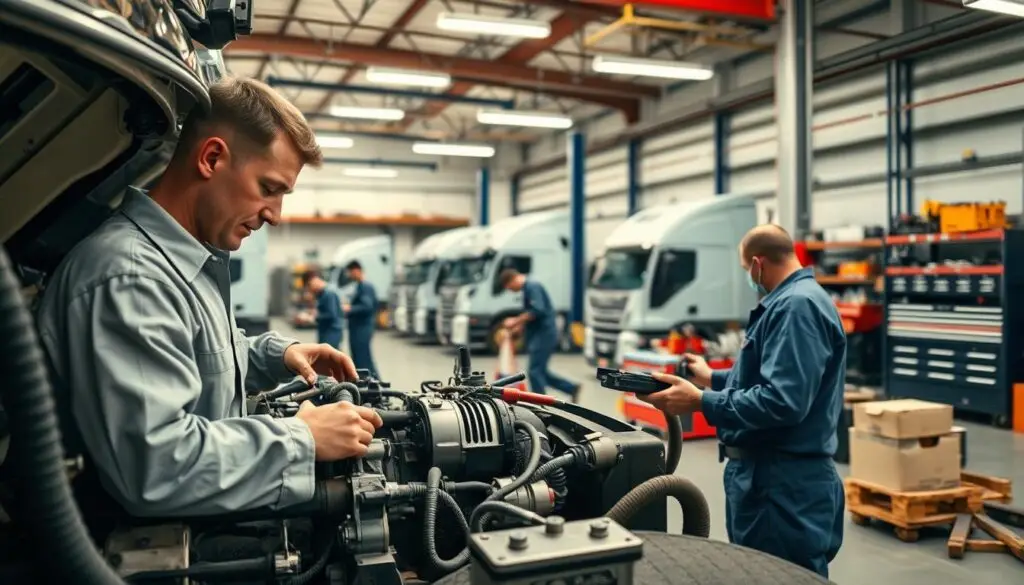
Technician-specific job boards deliver substantially better results than general employment sites. Industry-focused platforms connect you directly with diesel professionals and filter out unqualified candidates, saving hours of time sorting through irrelevant applications. These specialized boards attract mechanics who are actively exploring opportunities in the trade.
Social media opens additional doors for finding qualified heavy equipment mechanics. Post regular content showing your shop culture, team achievements, and work environment. Run targeted advertising on platforms your local technicians use, focusing on geographic and interest-based targeting. Skip the generic “Now Hiring” graphics and instead show what makes working at your shop different from the competition.
Your current employees represent your most valuable recruitment resource. Experienced technicians trust recommendations from other technicians—a personal endorsement carries more weight than any job posting. Set up a referral program with meaningful bonuses paid promptly upon successful hire. When your team actively promotes open positions through their professional networks, quality candidates follow.
Digital recruitment tools streamline the entire process by posting openings across multiple job boards simultaneously, automating interview scheduling, and enabling direct text communication with candidates. These platforms can cut hiring timelines significantly, which matters in a market where the best mechanics rarely stay available for more than a few days.
The HDJ Perspective
The shops winning the recruitment battle aren’t necessarily the ones offering the highest wages—they’re the ones that market themselves to technicians the way they market their services to customers. Recruitment is a sales process, and the product you’re selling is the experience of working at your shop. Every touchpoint, from the job posting to the interview to the first day on the floor, tells a candidate whether you value skilled tradespeople or view them as interchangeable parts. In a market with only 285,000 diesel mechanics serving the entire country, the shops that treat recruitment as a core business function—not an HR afterthought—are the ones filling bays while competitors post the same ad for the sixth consecutive month.
Building Partnerships with Vocational Schools and Training Programs
Creating strong connections with educational institutions can transform your diesel technician recruitment strategy from reactive to proactive. Technical schools and community colleges actively seek reliable employers who will hire their graduates and provide meaningful career starts. By becoming a preferred partner, your shop gains access to motivated students ready to launch careers in diesel repair.
Developing Relationships with Local Tech Schools
Start by reaching out to diesel technology programs at nearby community colleges and vocational schools. Schedule meetings with instructors and career services staff to introduce your shop, share information about the types of equipment students would work on, and explain the growth opportunities you offer.
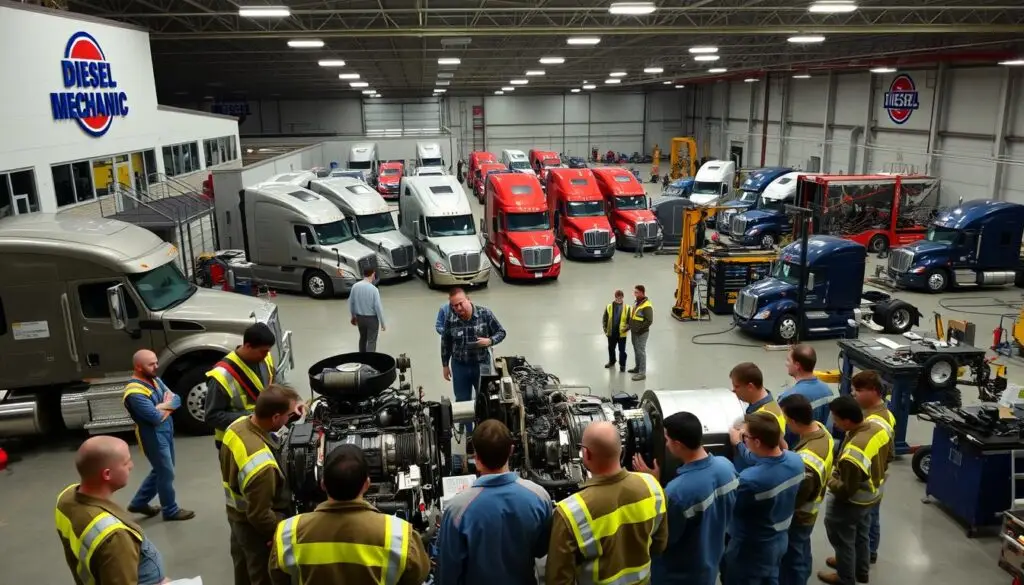
Many schools use industry partnership platforms to connect students with employers. Join these networks to increase your visibility among upcoming graduates. ASE Education Foundation–accredited programs, in particular, produce graduates with standardized competencies that translate directly to shop productivity.
Offering Internships and Job Shadow Programs
Hands-on experience makes all the difference for students choosing their first employer. Create structured internship programs that give students real shop experience while you evaluate their skills and work ethic over several weeks rather than a single interview.
Job shadowing programs let interested students spend a day or week observing your technicians in action. These experiences often lead directly to full-time offers after graduation. Students consistently appreciate employers who invest time in mentorship and practical training before expecting commitment.
Guest Speaking and Career Fair Participation
Get your shop’s name in front of students early by volunteering as a guest speaker in diesel technology classes. Share real-world experiences and answer questions about what a career in the industry actually looks like day to day. Participate in school career fairs to meet students face to face, bringing photos of your shop and examples of interesting repair projects.
Offer facility tours to show students your workplace culture and equipment firsthand. These vocational school partnerships create a steady pipeline of emerging talent, eliminating the desperate last-minute scrambles that force shops to compromise on hiring standards when positions open unexpectedly.
Free Professional Fleet Tools
Cost calculators, fault code lookup, maintenance planners, and more—built for owner-operators, fleet managers, and diesel techs. No signup required.
Leveraging Technology for Diesel Technician Recruitment
Modern technology transforms diesel technician recruitment from a time-consuming administrative burden into an efficient, competitive process. Shop owners who embrace digital tools gain measurable advantages in attracting qualified mechanics—particularly younger technicians who expect workplaces equipped with current systems and who evaluate potential employers partly based on how modern their operations appear.
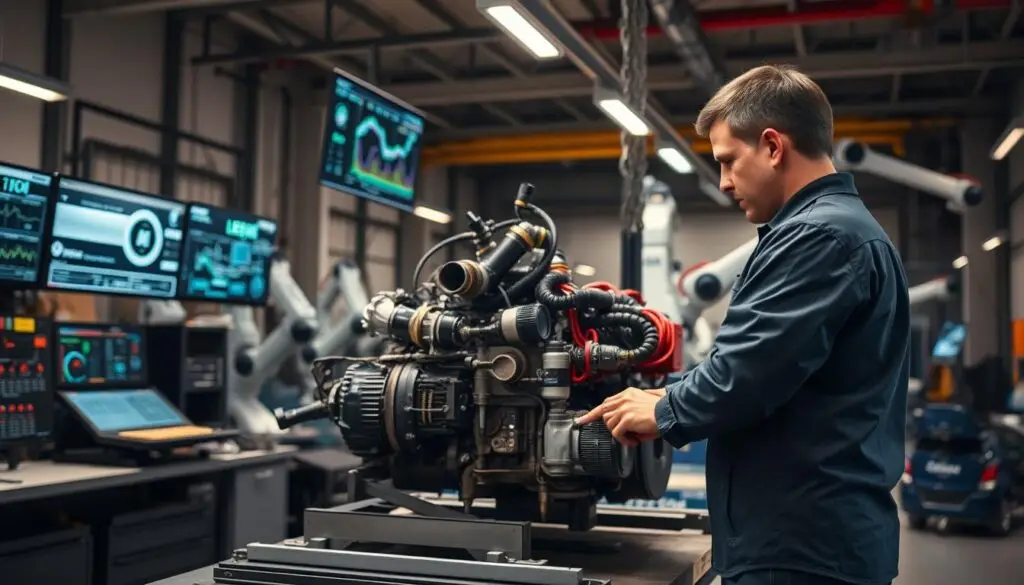
Many repair shops still rely on outdated management software that forces technicians to work with printed service orders and handwritten notes. This frustrates skilled workers who know more efficient systems exist elsewhere. Smart shops recognize that technology investment signals commitment to efficiency and growth—qualities that naturally attract top talent who want to work where they can be most productive.
Digital recruitment platforms revolutionize how to hire diesel mechanics by streamlining every step of the process. Advanced hiring systems post openings across multiple job boards simultaneously, schedule interviews automatically, and enable direct text messaging with candidates. These features can cut average hiring timelines in half and reduce interview no-shows by up to 50% through automated reminders.
Key Recommendation
Audit your shop’s technology stack from a recruitment perspective. If candidates touring your facility see outdated software, paper-based workflows, and manual processes, they’ll draw conclusions about how your shop operates—and many will choose a competitor with modern systems. Technology investment pays double: it improves operations and strengthens recruitment.
Beyond hiring, modern shop technology benefits daily operations in ways that support retention. Digital parts ordering eliminates waiting for authorization signatures. Electronic work orders reduce errors and speed up job completion. Cloud-based systems allow technicians to access repair histories and service information instantly. When your shop runs efficiently, technicians stay productive—and productive technicians are satisfied technicians.
Screening, Interviewing, and Moving Fast
Finding the right diesel mechanic goes beyond checking boxes on a resume. Successful diesel repair technician hiring requires evaluating problem-solving abilities, work ethic, communication skills, and cultural fit—qualities that only emerge through thoughtful screening processes designed to reveal the whole person behind the certifications.
Beyond Traditional Resume Reviews
Work history and ASE certifications tell only part of the story. Phone screenings reveal much more about potential hires than paper credentials ever can. Ask candidates about their favorite repair challenges, career goals, and what their ideal work environment looks like. These conversations uncover personality traits and professional values that determine long-term success in your shop.
Listen for genuine enthusiasm when mechanics discuss complex diagnostics or recent training they’ve pursued. Pay attention to how they describe past workplace conflicts or interactions with difficult customers. Their responses demonstrate communication skills and professional maturity that no resume or certification list can capture.
Essential Interview Questions
Structure interviews using the STAR method (Situation, Task, Action, Result) to evaluate real-world experience and decision-making. The following questions consistently reveal the qualities that matter most for truck mechanic positions:
- Which engine systems do you excel at diagnosing, and what makes you confident in those areas?
- What types of repairs make you uncomfortable, and how do you handle those situations?
- Describe the shop culture and management style where you do your best work.
- Where do you want your career to be in five years, and what training would help you get there?
Always verify certifications independently and contact previous employers with specific questions about attendance patterns, teamwork, and technical abilities. References provide context that self-reported experience cannot.
Speed and Communication Win Candidates
Top diesel mechanics get hired fast. The best candidates rarely stay available for more than a week, which means your hiring process needs to move at the speed of the market. Respond to every application within 24–48 hours—a quick acknowledgment email or phone call demonstrates professionalism and genuine interest that sets you apart from shops that take days to follow up.
Text messaging works particularly well for communicating with technicians, since most check their phones regularly throughout the workday. Tell candidates exactly what happens next and when they’ll hear from you. If interviews get delayed or decisions take longer than expected, send a quick update rather than leaving candidates wondering. Simple commitments like “We’ll call you by Friday with next steps” show respect for their time and demonstrate the kind of organized, professional operation that attracts quality people.
Consider offering paid trial shifts or skills assessments as a final evaluation step. Invite top candidates to tour your facility, meet potential teammates, and experience the work atmosphere firsthand. Watch how candidates organize tools, approach a diagnostic scenario, and interact with staff. These hands-on evaluations prove invaluable for making confident hiring decisions.
Onboarding and Retention Strategies That Keep Teams Intact
First impressions shape employee loyalty from the moment a new mechanic walks through your door. Having their workstation ready, uniforms available, safety equipment organized, and login credentials active shows you value their arrival and planned for their success. This preparation forms the foundation of effective retention—and retention always costs less than replacement.
First-Day Readiness Checklist
- Complete tool setup and system login credentials
- Safety equipment and properly fitted uniforms
- Clear first-week schedule with assigned mentor
- Contact list for questions and support
- Assigned parking space and personal locker
Digital onboarding platforms transform what was traditionally a three-hour paperwork marathon into a streamlined process that new hires complete from home before their start date. This lets them focus on learning your shop’s operations, meeting teammates, and getting productive when they arrive—rather than sitting in an office filling out tax forms. Shops that manage onboarding efficiently attract experienced diesel mechanics who value organized workplaces.
Pair every new technician with a seasoned mentor who enjoys teaching and demonstrates patience. Schedule formal check-ins at 30, 60, and 90 days to gather feedback, address concerns early, and reinforce that the new hire’s experience matters to leadership. A simple team introduction, welcome lunch, or morning meeting shout-out makes new mechanics feel like part of the crew from day one.
Building Long-Term Loyalty
Keeping skilled diesel mechanics on your team requires a comprehensive approach beyond competitive pay. The most successful diesel mechanic retention strategies focus on creating an environment where technicians feel valued, challenged, and supported in their career growth on an ongoing basis.
Recognition drives daily motivation. Post weekly billed hours on a shop board to create friendly competition and celebrate top performers publicly. Assign dedicated technicians to specific fleet accounts, giving them ownership over customer relationships and maintenance quality. Whether it’s completing a complex repair, earning a new certification, or mentoring a junior technician, acknowledge achievements during team meetings and on your shop’s social media channels.
Schedule quarterly performance reviews rather than relying on annual conversations that feel disconnected from daily work. Use these check-ins to discuss goals, identify training opportunities, and map career advancement paths. When technicians see a clear trajectory for professional growth—and management that actively supports it—they’re far less likely to entertain offers from competitors. Cover certification costs and provide paid training time as part of your retention investment.
Trust technicians with real responsibilities and decision-making authority. Let experienced mechanics mentor newer team members or lead special projects. Offer scheduling flexibility that accommodates different life situations. Help technicians work efficiently by keeping the shop organized, tools accessible, and parts readily available. These seemingly small improvements in daily work experience reduce the frustrations that accumulate over time and eventually push skilled people to look elsewhere. Federal regulations under 49 CFR Part 396 require that all commercial vehicle maintenance be performed by qualified personnel—another reason investing in technician development and retention protects both compliance and competitiveness.
Frequently Asked Questions
What is the current state of diesel mechanic recruitment in the United States?
The Bureau of Labor Statistics reports only 285,000 diesel mechanics serve the entire United States, creating a critical shortage for shop owners in every region. The American Staffing Association confirms that demand for skilled trades significantly outpaces supply, especially in transportation and logistics sectors. This shortage directly impacts shop operations since diesel technicians are the primary revenue generators through billable hours. Each vacant position costs shops approximately $5,000 monthly in lost revenue, while turnover adds roughly $8,000 per position in annual recruitment expenses. With trucks handling the majority of the nation’s freight, this workforce gap creates ripple effects across the entire supply chain.
What are effective strategies for finding qualified heavy equipment mechanics?
The most successful recruitment strategies use multiple channels simultaneously. Technician-specific job boards connect shops directly with diesel professionals and filter out unqualified applicants. Employee referral programs with meaningful bonuses leverage trusted peer networks, since experienced technicians value recommendations from colleagues they respect. Active social media presence with targeted advertising reaches mechanics in your geographic area. A well-designed company careers page serves as the foundation, showing shop culture and benefits before candidates ever apply. Building partnerships with vocational schools creates a sustainable pipeline of emerging talent rather than forcing reactive, last-minute hiring when positions open unexpectedly.
What should diesel mechanic job postings include to attract top talent?
Effective job postings lead with the benefits technicians care about most—paid vacation, retirement plans, tool allowances, and scheduling policies—rather than opening with duty lists or qualification requirements. Use clear, honest language about pay ranges and expectations, avoiding buzzwords like “rockstar mechanic” that experienced professionals find off-putting. Include actual photos of your shop and brief testimonials from current team members rather than generic stock images. Be transparent about ASE certification requirements and specific diesel engine experience needed. Keep the application process simple with mobile-friendly formatting and a clear explanation of what happens after someone submits their information.
How can shops attract experienced diesel mechanics in a competitive market?
A 2025 industry survey of more than 4,700 technicians shows that shops must offer non-negotiable basics—properly equipped facilities, paid vacation, retirement contributions, and training opportunities—before any other differentiators matter. Stand out by providing temperature-controlled work environments, generous tool allowances ($1,500–$3,000 annually), comfortable break areas, and favorable scheduling policies like no-weekend shifts. Invest in career development through manufacturer certifications and clearly defined advancement paths. Remember that money alone isn’t enough once basic needs are met. Creating a workplace culture built on respect, recognition, and professional growth attracts and keeps experienced mechanics who have options.
What compensation strategies work best for diesel technician recruitment?
Strategic compensation goes beyond straight hourly wages. Implement efficiency bonuses that reward technicians who bill more hours than they actually work, calculated at tiered levels—typically 5% at 110% efficiency, 10% at 120%, and 15% at 130% or above. Flat rate pay structures take alignment further by paying technicians based on billed hours, motivating faster quality work while directly increasing shop revenue. These performance-based models create genuine partnerships where both technician and shop benefit from improved productivity. Supplement base compensation with tool allowances, performance bonuses, and profit-sharing to build comprehensive packages that compete effectively in tight labor markets.
What are effective diesel mechanic retention strategies beyond pay?
Retention requires ongoing investment in recognition, growth, and respect. Post weekly billed hours figures to build pride and friendly competition among your team. Assign dedicated technicians to fleet accounts to create ownership and accountability. Conduct quarterly performance reviews focused on career goals and advancement opportunities rather than relying on annual meetings. Cover certification costs and provide paid training time for professional development. Trust experienced mechanics with mentoring responsibilities and decision-making authority. Offer scheduling flexibility and invest in shop organization that reduces daily frustrations. These strategies cost significantly less than the estimated $8,000 annual expense of replacing a single technician through new recruitment.
Invest in Your Team Today to Fill Bays Tomorrow
Learning how to hire diesel mechanics effectively means recognizing that skilled technicians drive your shop’s revenue, reputation, and growth potential. Success in this market comes from building a workplace where diesel mechanics feel valued as the professionals they are—through strategic compensation, modern recruitment processes, vocational partnerships, and a retention-first culture. The shops that invest in their people today are building the competitive advantage that fills service bays and satisfies customers tomorrow. Start with one improvement this week, whether that’s rewriting a job posting, reaching out to a local technical school, or asking your current team what would make your shop a better place to work.
Help Other Shop Owners Build Better Teams
Share this guide with your network and help fellow shop owners and fleet managers tackle the diesel technician shortage head-on.


