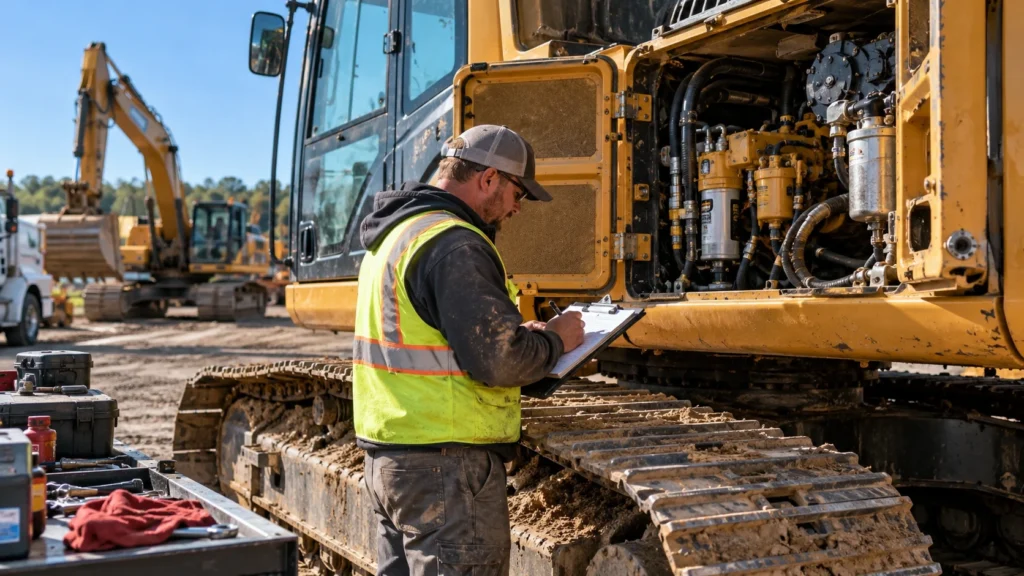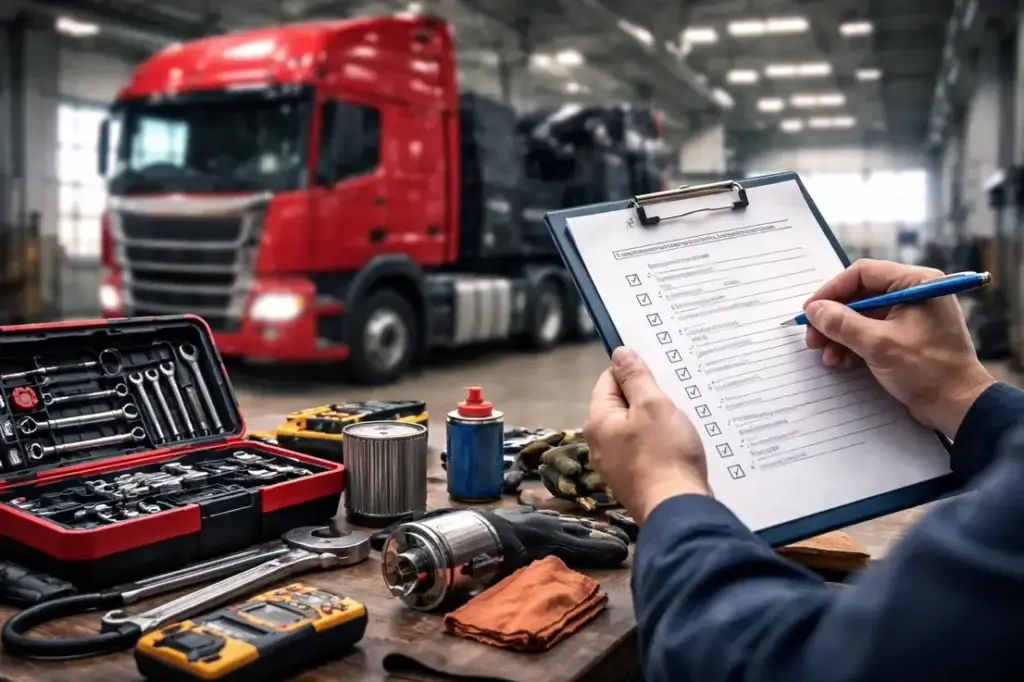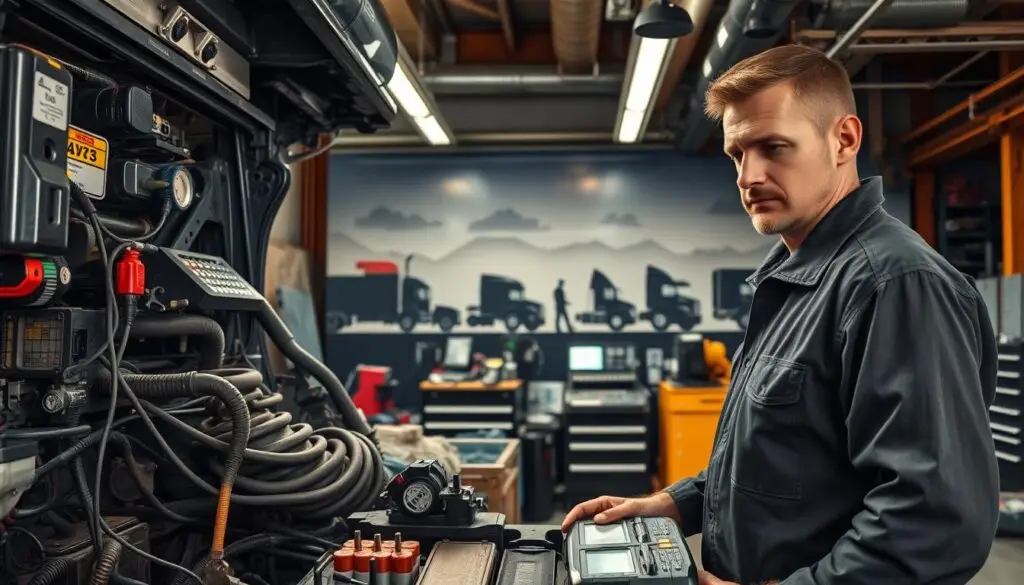
The diesel mechanic career path offers stable employment opportunities across the United States, with skilled technicians earning between $35,000 and $75,000 or more annually. This growing field provides clear advancement routes from entry positions to specialized roles in transportation, construction, and agricultural industries.
Starting salaries typically begin at $35,000 for new technicians. Experienced professionals and master technicians can earn upwards of $75,000 per year. The Bureau of Labor Statistics projects 8% growth for diesel technician positions through 2032, exceeding the average for most occupations.
Success in this field depends on proper training and certification. Technical schools and community colleges offer programs that prepare students for entry positions, while apprenticeships provide valuable hands-on experience. Major employers like Penske, Ryder, and Cummins actively recruit trained technicians for roles in electronic systems, hydraulics, and fleet management.
Key Takeaways
- Earning Potential: Diesel mechanics earn $35,000-$75,000+ annually based on experience and specialization
- Job Growth: Bureau of Labor Statistics projects 8% growth through 2032, creating approximately 23,000 new positions yearly
- Training Pathways: Technical schools offer 45-week programs while community colleges provide 2-year associate degrees
- Industry Demand: Transportation, construction, and agriculture sectors offer the most opportunities nationwide
- Career Advancement: Clear paths from entry-level to master technician, specialization roles, and management positions
Understanding the Diesel Mechanic Career Path
The diesel mechanic career path offers diverse opportunities for skilled technicians who enjoy working with powerful engines and complex machinery. This field combines technical expertise with hands-on problem-solving, making it ideal for individuals who prefer practical work over desk jobs.
Diesel mechanics play a crucial role in keeping America’s transportation and industrial sectors running smoothly. From diagnosing engine failures to performing complete rebuilds, these professionals ensure that commercial fleets, construction equipment, and agricultural machinery operate at peak performance.

What Does a Diesel Mechanic Do?
Diesel mechanics diagnose and repair diesel engines found in trucks, buses, construction equipment, and agricultural machinery. They use computerized diagnostic tools to identify problems and perform repairs on engines manufactured by companies like Cummins, Detroit Diesel, and Caterpillar.
Their expertise extends beyond basic repairs to include complete engine rebuilds and performance optimization. Modern diesel mechanics must understand electronic control systems, emissions technology, and hydraulic systems that power today’s sophisticated equipment.
Key Responsibilities and Daily Tasks
Daily responsibilities vary based on employer and specialization, but typically include performing routine maintenance on diesel engines and transmissions. Technicians diagnose electrical and mechanical issues using specialized software, rebuild engines and replace major components, and test repaired vehicles to ensure proper operation.
Maintaining detailed service records for fleet management represents an increasingly important aspect of the job. These records help track equipment performance, predict maintenance needs, and ensure compliance with environmental regulations.
Work Environment and Industry Sectors
Commercial truck repair careers span multiple industries and settings. Mechanics work at dealerships like Peterbilt and Kenworth, independent repair shops, or directly for transportation companies such as UPS and FedEx.
The construction industry employs diesel technicians to maintain equipment from manufacturers like John Deere and Komatsu. Work environments range from climate-controlled shops to outdoor job sites, depending on the employer and specialization. Agricultural operations require technicians who can service equipment during critical planting and harvest seasons.
Essential Education and Training Programs
Starting a career as a diesel mechanic requires specific educational requirements that prepare you for the technical demands of the job. The path typically begins in high school and extends through specialized vocational programs designed to build expertise in diesel engine systems and repair techniques.
High School Requirements and Preparation
A high school diploma or GED serves as the foundation for entering diesel technician training programs. Students benefit from focusing on mathematics, physics, and automotive technology courses during their high school years.
These subjects provide the analytical and problem-solving skills needed for diagnosing complex diesel engine issues. Many high schools offer vocational programs that introduce students to basic automotive concepts before they pursue advanced training.
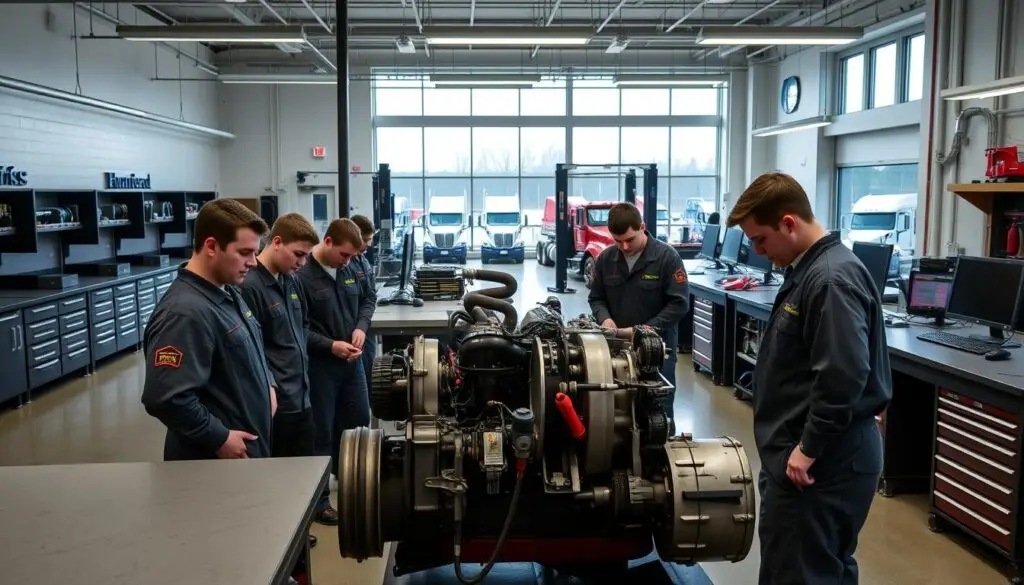
Technical School vs Community College Options
Prospective diesel mechanics can choose between technical schools and community colleges for their education. Technical schools like Universal Technical Institute offer intensive 45-week programs focused entirely on diesel technician training.
Community colleges provide two-year associate degree programs that combine diesel mechanics courses with general education classes. Both paths meet industry educational requirements and prepare students for certification exams.
| Program Type | Duration | Cost Range | Key Features |
|---|---|---|---|
| Technical School | 45 weeks | $20,000-$35,000 | Accelerated learning, hands-on focus |
| Community College | 2 years | $15,000-$25,000 | Associate degree, broader education |
Certification Programs and Duration
ASE (Automotive Service Excellence) certification preparation is integrated into most vocational programs. Students learn to work on various diesel systems while preparing for industry-recognized credentials.
Popular institutions include Lincoln Tech and WyoTech, which offer comprehensive programs combining classroom instruction with practical shop experience. These programs ensure graduates meet the educational requirements employers seek when hiring entry-level diesel technicians.
Professional Certification Requirements
Starting a career as a diesel technician requires completing specific educational and certification requirements. Training programs typically range from 720 to 1,800 hours, combining classroom instruction with hands-on practice.
Students learn diesel engine theory, hydraulics, electrical systems, computerized diagnostics, and emissions control technology. This comprehensive curriculum prepares technicians to handle the complex equipment they’ll encounter in the field.
ASE Certification Standards
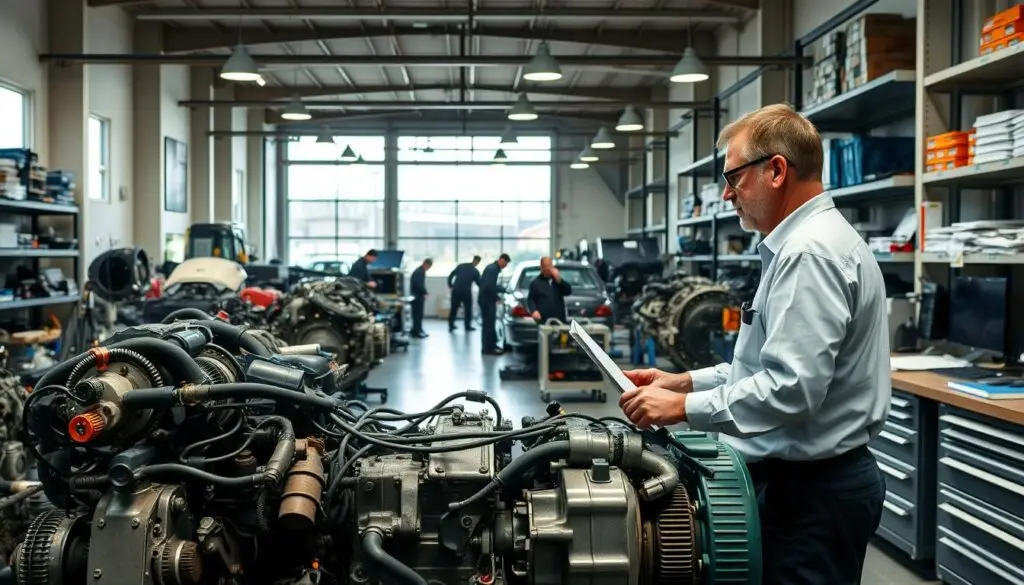
The most recognized credentials for diesel technicians include ASE certifications in diesel engines (A9), brakes (T4), and electrical/electronic systems (T6). These certifications validate your expertise and increase employment opportunities across the industry.
Many employers require or prefer candidates with multiple ASE certifications. Each certification demonstrates mastery of specific systems and repair procedures, making you more valuable to potential employers.
Professional training programs cover essential topics through structured coursework including diesel engine fundamentals and repair procedures, hydraulic system diagnosis and maintenance, advanced electrical troubleshooting techniques, computer-based diagnostic equipment operation, and emissions control systems and regulations.
Manufacturer-Specific Training
Beyond basic certification requirements, technicians often pursue manufacturer-specific training from major engine producers like Cummins, Detroit Diesel, and Caterpillar. These specialized programs provide in-depth knowledge of particular engine models and systems.
Manufacturer certifications typically require renewal every 2-3 years to ensure technicians stay current with the latest technology and repair procedures. This ongoing education maintains your expertise as engine technology evolves.
| Certification Type | Training Hours | Validity Period |
|---|---|---|
| ASE Diesel Engines | 40-60 hours | 5 years |
| EPA Section 609 | 8-16 hours | Lifetime |
| Manufacturer Certification | 80-120 hours | 2-3 years |
Environmental Compliance Certifications
The EPA Section 609 certification is mandatory for technicians who handle refrigerants in air conditioning systems. This credential ensures compliance with environmental regulations and safe handling practices.
According to the Environmental Protection Agency, this certification protects both technicians and the environment from harmful refrigerant exposure. Once earned, Section 609 certification remains valid for life.
Heavy Duty Mechanic Apprenticeship Programs
Starting a heavy duty mechanic apprenticeship opens doors to a rewarding career in diesel technology. These structured programs combine paid work experience with classroom education, giving aspiring mechanics the skills they need to succeed.
Major employers like Penske and Ryder offer comprehensive training paths, while local unions including the International Association of Machinists provide excellent opportunities for newcomers to the field. Apprenticeships allow you to earn while you learn, making them an attractive alternative to traditional education.
Finding Quality Apprenticeship Programs
Quality apprenticeship programs exist through multiple channels. National fleet operators run their own training centers where apprentices learn company-specific procedures alongside industry-standard techniques.
Union halls post openings regularly and help match candidates with employers. State workforce development boards maintain databases of approved programs that meet federal standards for apprenticeship training.
Community colleges partner with local businesses to create pathways that blend academic coursework with hands-on training in real shop environments. This collaboration ensures apprentices receive well-rounded education that prepares them for long-term success.
Benefits of Hands-On Training
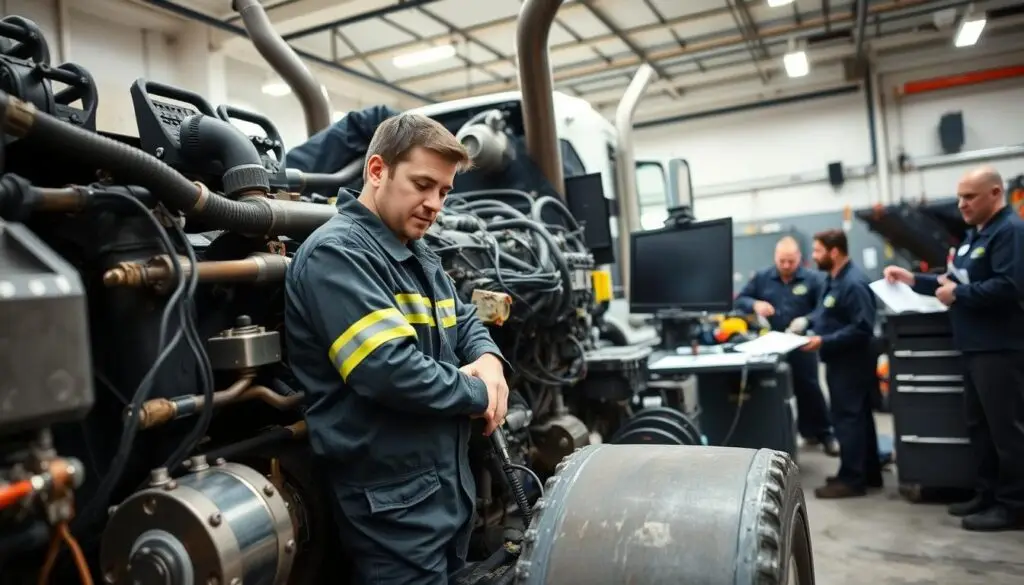
The hands-on training component sets these programs apart from traditional education. Apprentices earn competitive wages starting at $15 to $20 per hour while developing practical skills that textbooks cannot teach.
Working alongside experienced technicians provides mentorship opportunities that accelerate learning. This approach builds confidence through repetition and real-world problem solving, preparing apprentices for independent work faster than classroom-only programs.
Apprenticeship Timeline and Expectations
Most programs follow a structured timeline spanning three to four years. The typical heavy duty mechanic apprenticeship requires 6,000 to 8,000 hours of supervised work experience plus 576 hours of related classroom instruction.
Progress evaluations occur at regular intervals to ensure skill development stays on track. Apprentices advance through stages, taking on increasingly complex repairs as their competence grows.
| Year | Work Hours | Classroom Hours | Skill Focus |
|---|---|---|---|
| 1 | 2,000 | 144 | Basic systems and safety |
| 2 | 2,000 | 144 | Engine diagnostics |
| 3 | 2,000 | 144 | Advanced electrical |
| 4 | 2,000 | 144 | Specialized equipment |
Entry-Level Positions in Commercial Truck Repair
Starting your journey in commercial truck repair careers opens doors to stable employment and growth opportunities. Entry-level positions provide hands-on experience while earning competitive wages in an industry that desperately needs skilled technicians.
Common entry-level positions include lube technician roles performing oil changes and basic fluid services, tire technician positions mounting, balancing, and repairing commercial truck tires, and apprentice mechanic opportunities assisting senior technicians while learning advanced skills.
Major Employers Hiring Entry-Level Technicians
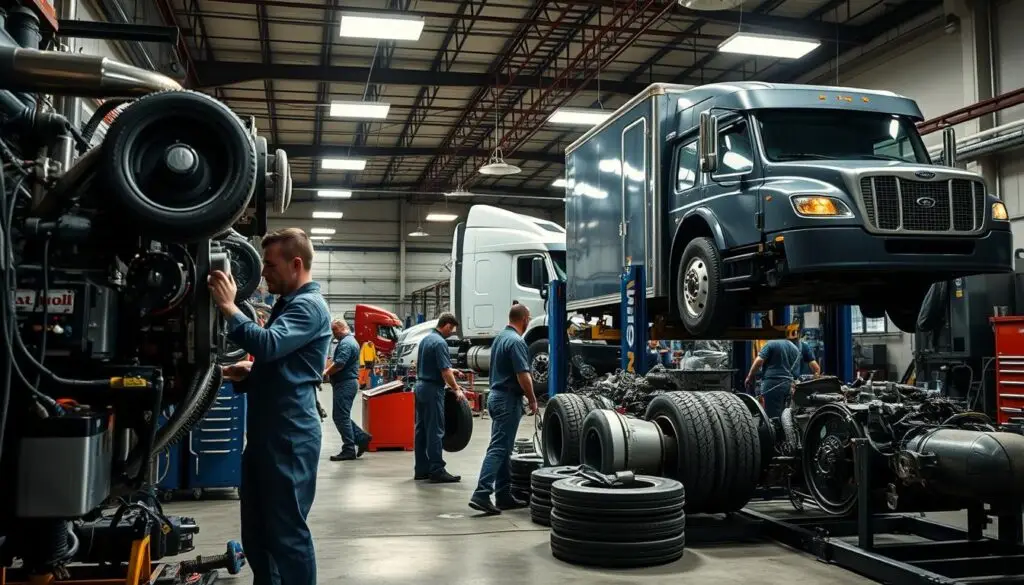
Major employers like Love’s Travel Stops, TravelCenters of America, and Freightliner dealerships actively recruit beginners. These companies understand that investing in new talent builds their future workforce.
Starting salaries typically range from $15 to $18 per hour, with opportunities for raises within the first year. Many employers sweeten the deal with tool purchase programs and uniform allowances that reduce out-of-pocket expenses for new technicians.
Building Foundational Skills
Entry-level positions focus on preventive maintenance tasks that form the foundation for advancing in diesel mechanic jobs. You’ll change oil, replace filters, and conduct basic inspections while learning how different systems interact.
These fundamental skills become invaluable when diagnosing complex problems later in your career. Every oil change teaches you about engine condition, while every tire rotation reveals suspension and alignment issues.
“The best mechanics started at the bottom. Those oil changes and tire rotations teach you the basics that matter when diagnosing complex problems later.”
— Mike Peterson, Fleet Manager at Schneider National
Advancement Timeline from Entry Level
Commercial truck repair careers offer clear advancement paths for dedicated professionals. Within 18-24 months, committed technicians often move into more specialized roles with significant pay increases.
Employers track performance through regular evaluations, looking for technicians who demonstrate reliability, technical aptitude, and willingness to learn. Those who excel in entry-level roles quickly earn opportunities to work on more complex systems.
Salary Expectations for Diesel Engine Specialists
A career as a diesel mechanic offers competitive earning potential that varies across the United States. The national median salary for diesel engine specialists reached $60,640 annually in 2024, with hourly wages averaging $29.15.
Understanding salary expectations helps aspiring technicians plan their career path and negotiate fair compensation. Multiple factors influence earnings, from geographic location to specialization and employer type.
Starting Salaries by Region
Geographic location plays a crucial role in determining starting wages for diesel mechanics. Regional salary differences reflect local demand, cost of living, and industry concentration in each area.
| Region | Starting Salary Range | Top State | Median Annual Salary |
|---|---|---|---|
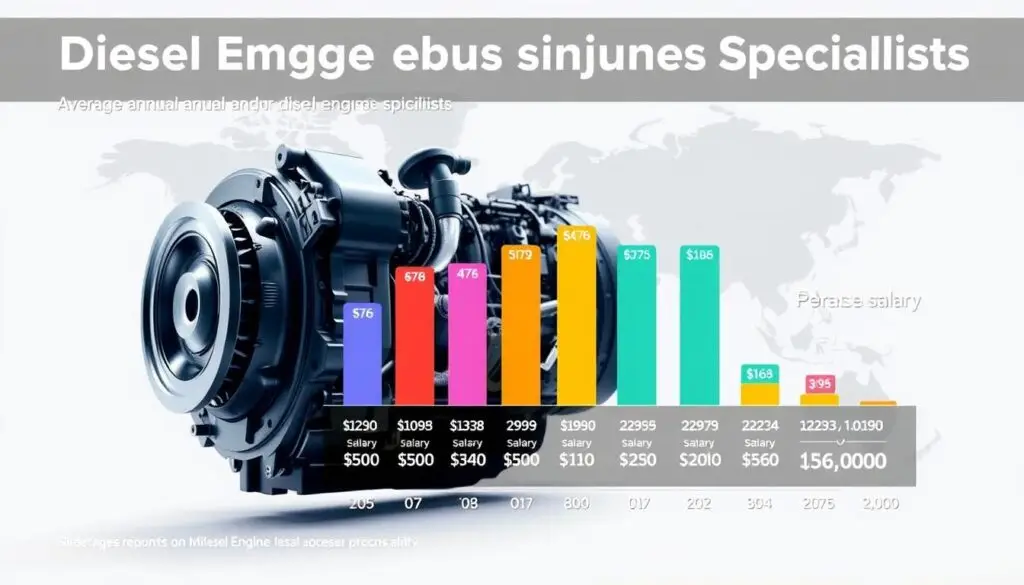
| West Coast | $48,000-$60,000 | Hawaii | $79,010 |
| Northeast | $45,000-$55,000 | Connecticut | $70,160 |
| Midwest | $40,000-$50,000 | Michigan | $58,230 |
| Southeast | $38,000-$48,000 | Maryland | $71,620 |
Factors Affecting Compensation
Several key elements influence a diesel mechanic’s earning potential beyond location. Experience level stands as the primary factor, with senior mechanics commanding significantly higher wages than entry-level technicians.
Professional certifications boost earning power substantially, often adding 10-15% to base salaries. Employer type impacts wages considerably, with fleet operations typically offering salaries 15-20% above independent repair shops.
Specialized skills in areas like electronic diagnostics or specific equipment brands create additional earning opportunities. Technicians who master emerging technologies like hybrid diesel-electric systems position themselves for premium compensation.
Benefits and Additional Compensation
Complete compensation packages extend beyond base salary to include valuable benefits. Most employers provide comprehensive health insurance, retirement plans with 401(k) matching, and paid training opportunities that enhance long-term earning potential.
Tool allowances represent a significant benefit, averaging $2,000-$5,000 annually to help technicians maintain their equipment. This reduces the financial burden of purchasing and maintaining the specialized tools required for diesel repair work.
Additional compensation often includes health and dental insurance coverage, retirement savings plans with employer matching, paid vacation and sick leave, continuing education reimbursement, and performance bonuses and overtime pay opportunities.
Automotive Diesel Service Jobs Market Overview
The diesel mechanic industry presents robust employment opportunities across the United States. With over 300,000 technicians currently working nationwide, the field continues to expand at a steady pace.
Industry data reveals approximately 23,000 new positions open annually, creating a favorable environment for both newcomers and experienced professionals seeking advancement. This sustained demand stems from aging vehicle fleets and increasing regulatory requirements.
Current Job Market Trends
Today’s job market shows increasing demand for skilled diesel technicians across multiple industries. The Bureau of Labor Statistics projects steady growth through 2032, driven by aging vehicle fleets and stricter emissions standards requiring specialized maintenance.
Compensation packages have improved significantly as employers compete for qualified candidates. Many companies offer signing bonuses and comprehensive benefits to attract talented technicians in this competitive market.
High-Demand Sectors and Employers
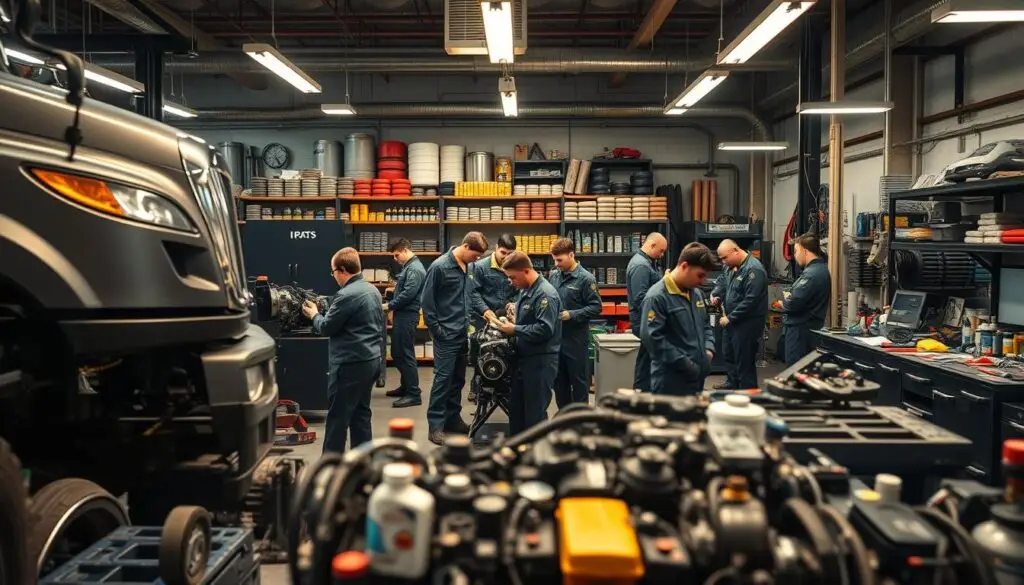
Several sectors lead the demand for automotive diesel service jobs. Freight transportation companies like FedEx and UPS maintain large fleets requiring constant maintenance. Construction equipment service providers support builders who rely on diesel-powered machinery.
Agricultural machinery repair facilities serve farmers who depend on diesel tractors and harvesters during critical seasons. Major dealership networks including Rush Enterprises and Penske Automotive Group employ hundreds of technicians nationwide. Equipment manufacturers with service divisions offer stable careers with advancement opportunities.
Geographic Hotspots for Employment
Certain regions offer exceptional employment opportunities for diesel technicians based on industry concentration. Texas leads with strong demand in Houston and Dallas metropolitan areas, where energy and logistics sectors drive employment.
California’s Los Angeles region and Central Valley agricultural zones provide numerous positions serving diverse industries. Major transportation hubs like Chicago and Atlanta consistently rank among top markets for diesel mechanic careers, offering competitive salaries and diverse work environments.
Fleet Maintenance Technician Advancement Opportunities
Working as a fleet maintenance technician opens doors to numerous career progression paths within the transportation industry. Major companies like Waste Management, PepsiCo, and Sysco actively invest in their technicians’ professional development, creating structured pathways for ambitious mechanics.
The typical advancement timeline follows a predictable pattern that rewards skill development and dedication. Entry-level technicians can expect to reach lead technician status within 2-3 years of dedicated service, assuming they demonstrate technical competence and reliability.
Career Progression Timeline
Those who demonstrate leadership skills and technical expertise often move into supervisory roles after 5-7 years. Fleet management positions typically become available to technicians with 8-10 years of experience, though exceptional performers may advance faster.
Promotional opportunities extend beyond traditional management roles into specialized positions. Mobile service technicians earn premium wages while providing on-site repairs to stranded vehicles. Specialized equipment maintenance positions focus on complex systems like hydraulics or refrigeration units.
Alternative Career Paths
Corporate trainer roles allow experienced technicians to shape the next generation while earning competitive salaries. These positions combine technical knowledge with teaching skills, offering variety and professional satisfaction beyond wrench work.
Career progression accelerates for technicians who pursue additional certifications beyond basic requirements. ASE credentials in specific diesel systems demonstrate expertise to employers and unlock higher-paying positions.
Commercial Driver’s Licenses (CDL) expand job opportunities significantly, allowing technicians to test-drive repaired vehicles and understand vehicle performance from an operator’s perspective. EPA certifications for refrigerant handling open doors to HVAC-equipped fleet maintenance roles.
Compensation Growth Potential
Large fleet operators reward loyalty and skill development through structured compensation increases. Annual performance reviews often include salary increases ranging from 3-8%, with top performers earning the highest raises.
Lead technicians typically earn 15-25% more than entry-level mechanics, reflecting their additional responsibilities and expertise. Fleet managers can see total compensation packages exceeding $80,000 annually in metropolitan areas, combining base salary with performance bonuses.
Specializations and Advanced Career Growth Paths
The diesel mechanic career path offers numerous ways to advance your skills and increase your earning potential. From earning advanced certifications to moving into leadership positions, experienced technicians can shape their careers in exciting directions.
Master Technician Certifications
Earning master technician certification represents a significant milestone in any diesel mechanic’s career. Major manufacturers like Volvo, Mack, and International offer these prestigious programs that validate expertise across multiple systems.
Technicians who achieve these certifications often see their salaries increase by 20 to 30 percent. These programs require extensive training and testing on specific engine systems and diagnostic procedures, demonstrating mastery of complex repair challenges.
Most certifications involve completing manufacturer-sponsored courses and passing rigorous exams. The investment pays off through higher wages, greater job security, and recognition as an industry expert.
Management and Supervisory Roles
Moving into management opens new doors for career growth beyond technical work. Service managers typically earn between $65,000 and $85,000 annually, overseeing daily operations and managing technician teams.
Parts managers and service directors command similar salaries while overseeing larger operations and maintaining inventory systems. These positions require strong communication skills and business knowledge beyond technical expertise.
Many shops promote their best technicians into these roles, recognizing their deep understanding of repair operations and customer needs. This internal promotion path creates opportunities for ambitious technicians to advance without changing employers.
Specialized Equipment and Systems
Today’s specialization opportunities include cutting-edge technology areas that command premium compensation. Diesel mechanics can focus on emissions control systems that help fleets meet environmental regulations, telematics and GPS tracking systems that monitor vehicle performance, hybrid diesel-electric powertrains representing the future of heavy equipment, and autonomous vehicle technology emerging in commercial transportation.
Equipment specialists gain expertise in specific machinery brands, creating niche expertise. Mining equipment from Komatsu, marine engines from Caterpillar Marine, and power generation systems all require specialized knowledge that commands premium wages in their respective industries.
Building Long-Term Success in Diesel Mechanics
Creating a sustainable career in diesel mechanics requires strategic planning and continuous growth. The path to long-term success extends beyond technical skills to include ongoing education, strategic networking, and exploring entrepreneurial opportunities.
Continuing Education Requirements
Technology in diesel engines evolves rapidly, making ongoing training essential for career longevity. Staying competitive demands regular training through manufacturer certification programs like those offered by Cummins, Caterpillar, and Detroit Diesel.
These programs typically cost between $500-$2,000 per course but pay dividends through increased earning potential. Online platforms such as Penn Foster and UTI provide flexible learning options for working technicians who cannot attend in-person classes.
Professional development through ASE recertification every five years keeps your credentials current and marketable. This requirement ensures technicians maintain proficiency as technology advances and new systems emerge.
Professional Networking Strategies
Building connections within the industry opens doors to advancement opportunities. The Technology & Maintenance Council hosts quarterly meetings where technicians share expertise and learn about job opportunities nationwide.
Local chapters of the Automotive Service Association provide mentorship programs and business resources for aspiring shop owners. LinkedIn groups focused on diesel technology connect professionals nationwide, facilitating knowledge exchange and career moves.
Industry conferences and trade shows offer networking opportunities with equipment manufacturers, potential employers, and fellow technicians. These events provide visibility and access to job opportunities before they’re publicly advertised.
Entrepreneurship and Business Ownership
Starting an independent diesel repair shop represents the ultimate opportunity for experienced technicians. Initial investment ranges from $50,000 to $150,000, covering equipment, facility lease or purchase, and licensing requirements.
Mobile repair services require lower startup costs, typically $20,000-$40,000 for a service vehicle and diagnostic equipment. This model offers flexibility and lower overhead while building a customer base.
Successful shop owners like Tom Stickler of Stickler Diesel in Ohio transformed single-location operations into multi-bay facilities generating over $1.2 million annually within seven years. Their success demonstrates the potential for skilled technicians who understand both repair work and business operations.
| Business Model | Startup Cost | Average Annual Revenue | Break-Even Timeline |
|---|---|---|---|
| Fixed Shop | $50,000-$150,000 | $400,000-$1,200,000 | 18-24 months |
| Mobile Service | $20,000-$40,000 | $150,000-$350,000 | 8-12 months |
| Specialized Consulting | $5,000-$15,000 | $80,000-$250,000 | 3-6 months |
Conclusion
The diesel mechanic career path offers strong earning potential and job stability for those willing to invest in their professional growth. Starting positions typically pay between $35,000 and $45,000 annually, while experienced diesel technicians regularly earn over $75,000 per year.
Specialized skills in areas like Caterpillar equipment or Cummins engines can push salaries even higher in major markets like Houston, Denver, and Chicago. Success depends on continuous learning through professional certifications and staying current with evolving technology.
ASE certifications remain the industry standard, while newer credentials in electric and hybrid diesel systems are becoming increasingly valuable. Companies like Penske, Ryder, and major trucking fleets actively seek technicians who adapt their skills to meet changing industry needs.
The transition to cleaner diesel systems and alternative fuels creates future opportunities for mechanics who embrace new technologies. Job security in this field remains excellent because diesel engines power essential equipment across multiple industries.
Construction companies, agricultural operations, and transportation fleets all depend on skilled technicians to keep their machinery running. Starting your journey through a technical school program or apprenticeship with companies like Peterbilt or Freightliner provides the foundation for long-term success in this rewarding career.
Share Your Expertise
Join Heavy Duty Journal as a guest author and reach thousands of industry decision-makers.
Frequently Asked Questions
What is the typical diesel mechanic career path from entry-level to advanced positions?
The career path typically begins with entry-level positions such as lube technician or apprentice mechanic earning $15-$18 per hour. After completing training programs or apprenticeships, technicians advance to journeyman status earning $40,000-$55,000 annually.
With 5-7 years of experience and specialized certifications, mechanics can become diesel engine specialists earning $60,000-$70,000. The path culminates in master technician roles, shop foreman positions, or fleet management, with salaries exceeding $80,000 annually.
How long does diesel technician training take and what does it cost?
Training duration varies by program type. Technical schools like Universal Technical Institute offer intensive 45-week programs, while community colleges provide 2-year associate degrees. Training includes 720-1,800 hours of combined classroom and hands-on instruction.
Program costs range from $15,000-$35,000, with many employers offering tuition reimbursement. Heavy duty mechanic apprenticeship programs last 3-4 years but allow you to earn $15-$20 per hour while learning.
What are the best automotive diesel service jobs for beginners?
The best entry-level positions include roles at major truck stops like Love’s Travel Stops and TravelCenters of America, dealership service departments for Freightliner or Peterbilt, and fleet maintenance facilities for companies like Penske or Ryder.
These positions offer structured training programs, tool purchase assistance, and clear advancement opportunities. Starting roles focus on preventive maintenance, oil changes, and basic inspections while learning from experienced technicians.
Which regions offer the highest diesel engine specialist salary?
The West Coast offers the highest salaries, ranging from $48,000-$60,000 for entry-level positions. The Northeast follows closely at $45,000-$55,000, while the Midwest averages $40,000-$50,000 and the Southeast typically pays $38,000-$48,000.
Major metropolitan areas like Houston, Los Angeles, Chicago, and Atlanta offer premium wages due to high demand. Fleet operations generally pay 15-20% more than independent shops regardless of location.
What certifications are required for commercial truck repair careers?
Essential certifications include ASE certifications in diesel engines, brakes, and electrical systems. EPA Section 609 certification for refrigerant handling is mandatory for technicians working on air conditioning systems.
Manufacturer-specific certifications from Cummins, Detroit Diesel, and Caterpillar significantly enhance employability. Master technician certifications from manufacturers like Volvo, Mack, and International can increase earning potential by 20-30%.
How do I advance from fleet maintenance technician to management roles?
Advancement typically follows a structured timeline: 2-3 years to become lead technician, 5-7 years to supervisor, and 8-10 years to management positions. Major fleet operators like Waste Management, PepsiCo, and Sysco offer career development programs including leadership training and business management courses.
Advancement requires strong technical skills, ASE certifications, and demonstrated leadership abilities. Management roles such as service manager earn $65,000-$85,000 annually.
Are heavy duty mechanic apprenticeships paid positions?
Yes, apprenticeships are paid positions offering $15-$20 per hour starting wages. Programs through employers like Penske, Ryder, and International Association of Machinists unions combine 6,000-8,000 hours of paid on-the-job training with 576 hours of classroom instruction over 3-4 years.
Apprentices receive regular wage increases as skills develop, plus benefits including health insurance, retirement contributions, and tool allowances.
What vocational diesel programs offer the best job placement rates?
Leading programs with high job placement rates include Universal Technical Institute with 90%+ placement, Lincoln Tech with 85%+ placement, and WyoTech. These schools maintain partnerships with major employers like Rush Enterprises, Freightliner dealerships, and national fleet operators.
Community college automotive technology departments also offer excellent placement through local employer connections. Programs featuring manufacturer-specific training from Cummins or Caterpillar typically guarantee interviews with authorized service centers.
Share This Article
Share this post with your network and help other industry professionals stay informed.