By Michael Nielsen, Editor & Publisher | 15+ Years in Diesel Repair
Last Updated: January 2026
📖 Estimated reading time: 18 minutes
Strategic supplier selection determines whether your equipment fleet achieves optimal uptime or suffers costly breakdowns that drain profits and damage customer relationships. With unplanned downtime costing fleets $448 to $760 per vehicle per day, the vendors you choose directly impact your bottom line. Heavy duty parts vendor management extends far beyond simple transactions—it creates partnerships that drive operational excellence and competitive positioning in today’s demanding transportation marketplace.
Organizations that treat suppliers as strategic partners gain access to technical innovation and cost optimization opportunities that competitors miss. These relationships require rigorous accountability through data-driven systems. Quality assurance protocols, delivery standards, and technology-enabled tracking create the foundation for measurable success.
The heavy-duty sector faces unique challenges including safety-critical components and complex quality requirements. Effective vendor selection criteria must address extended lead times, product complexity, and demanding specifications that general procurement guidance often overlooks. Systematic performance evaluation separates industry leaders from competitors through disciplined approaches that leverage supplier expertise while maintaining accountability.
Key Takeaways
- Downtime Impact: Poor vendor performance costs fleets $448-$760 per vehicle daily in lost productivity, making supplier reliability a direct profit driver.
- Weighted Scorecards: Quality metrics should receive 35-40% weighting in vendor evaluations, followed by delivery at 25-30% and cost at 20-25%.
- Industry Standards: TMC Recommended Practice 806A provides a proven framework for service vendor performance evaluation in commercial trucking.
- Total Cost Focus: The lowest-price vendor often becomes the most expensive when hidden costs from quality failures and delivery delays are included.
- Technology Integration: Real-time dashboards and CMMS integration enable proactive vendor management rather than reactive problem-solving.
- Strategic Partnerships: Top-tier vendors should contribute 2-5% annual cost reduction through process improvements and supply chain optimization.
1. The Strategic Importance of Vendor Management in Heavy Duty Operations
Heavy duty operations face a critical reality: vendor performance creates ripple effects that extend far beyond the parts warehouse into every aspect of business success. Organizations operating construction equipment, mining machinery, agricultural implements, or transportation fleets depend on a complex network of parts suppliers to maintain operational efficiency. When these vendor relationships function effectively, equipment stays productive and customers remain satisfied. When they falter, the consequences cascade through the entire operation.
Supplier selection decisions directly affect equipment reliability, customer satisfaction, and business reputation while influencing long-term competitive positioning. Product variant complexity in heavy equipment manufacturing creates challenges for supplier management including diverse technical requirements, varying production volumes, and complex configuration management that general procurement approaches fail to address.

Maintaining Equipment Availability Through Reliable Partnerships
The connection between vendor reliability and fleet uptime optimization represents one of the most direct cause-and-effect relationships in heavy duty operations. Even minor parts delays can cascade into significant operational disruptions costing thousands of dollars per hour in lost productivity. A construction company waiting for hydraulic components cannot complete contracted work. A mining operation without replacement wear parts must idle expensive equipment and workforce.
Extended lead times for complex manufacturing processes create supply chain vulnerabilities that can disrupt production schedules while affecting customer delivery commitments. According to ATRI’s 2024 Operational Costs of Trucking report, trucks now travel an average of 37,700 miles between breakdowns—with truckload carriers averaging only 32,000 miles. Organizations that prioritize fleet uptime optimization recognize that vendor performance directly determines equipment availability.
$448–$760
Average daily downtime cost per vehicle (Fleet Management Weekly/Limble research)
Hidden Expenses of Poor Vendor Performance
The financial impact of vendor management extends far beyond purchase price comparisons. Poor vendor performance creates hidden costs through emergency procurement, expedited shipping, overtime labor, and lost productivity. These indirect expenses frequently exceed the direct cost of parts by factors of five to ten times.
A $500 component that arrives late might trigger $5,000 in expedited freight, overtime mechanic wages, and lost revenue from idle equipment. Total cost of ownership considerations reveal that the lowest-price vendor often becomes the most expensive when performance failures are factored into the equation. Warranty claims add another layer of financial exposure when defective parts create equipment damage or repeated failures.
Safety-Critical Components and Liability Exposure
Heavy duty equipment operates in demanding environments where component failures carry serious consequences. Safety-critical component failures can result in catastrophic equipment failures, serious safety incidents, and substantial liability exposure. A defective brake component or structural element doesn’t just create downtime—it creates potential for injuries, fatalities, and environmental incidents.
Vendor quality control becomes a safety imperative rather than a quality assurance checkbox. Organizations face significant warranty costs and customer relationship damage that far exceed the direct cost of component replacement. Rigorous supplier management and accountability protect workers, equipment, and company reputation while ensuring compliance with 49 CFR Part 396 inspection and maintenance requirements.
2. Core Performance Metrics for Heavy Duty Parts Vendor Evaluation
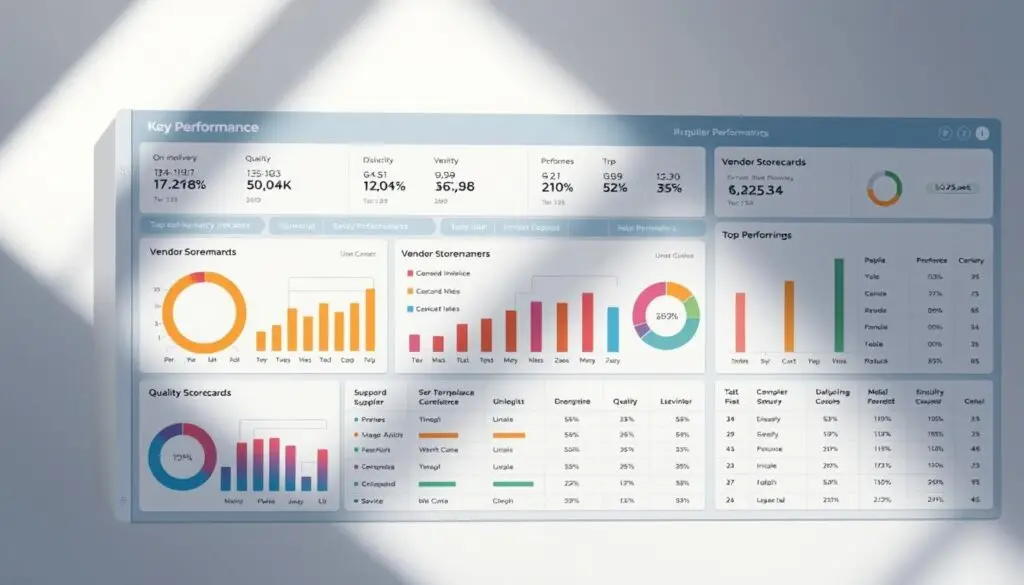
Effective vendor evaluation relies on comprehensive performance metrics that capture quality, delivery, and cost dimensions. These vendor performance metrics provide the quantitative foundation for making objective decisions rather than relying on subjective assessments. Organizations that implement systematic measurement frameworks gain visibility into supplier capabilities while creating accountability for continuous improvement.
Balanced scorecards incorporating multiple performance dimensions enable systematic evaluation across all critical supplier functions. The Technology & Maintenance Council’s RP 806A provides a proven framework for service vendor performance evaluation that fleet managers can adapt for parts suppliers.
Quality Metrics and Defect Rates
Quality measurement forms the cornerstone of supplier evaluation in heavy duty parts management. Organizations must establish rigorous standards that protect fleet operations from component failures and safety risks.
Parts Per Million Defect Tracking
The Parts Per Million (PPM) methodology provides statistically valid performance measurement even for high-volume suppliers. This defect rate tracking system enables organizations to identify quality trends before they escalate into systemic problems.
Industry benchmarks typically range from 100-500 PPM for standard components. Safety-critical parts require more stringent standards, with world-class suppliers achieving under 50 PPM. This granular tracking creates accountability while supporting objective vendor comparisons.
First-Time Fit Rate Measurement
First-time fit rate tracks the percentage of parts that install correctly without modification, rework, or returns. This metric captures hidden costs that impact operational efficiency and technician productivity.
Organizations should target first-time fit rates exceeding 98% for established parts and 95% for new introductions. Parts requiring field modifications create substantial delays and additional labor expenses that undermine total cost performance.
Delivery Performance Standards
Supplier reliability directly impacts fleet uptime and maintenance scheduling effectiveness. Establishing clear delivery performance standards creates expectations while enabling consistent measurement across all vendors.
On-Time Delivery Percentage
On-time delivery represents the fundamental reliability metric for supplier evaluation. World-class vendors consistently achieve 95-98% on-time performance measured against committed delivery dates rather than requested dates.
This distinction matters because measuring against committed dates holds suppliers accountable for realistic promise-making. Organizations gain predictability that supports production planning and customer delivery management.
Complete Order Fulfillment Rate
Complete order fulfillment tracks whether vendors deliver entire orders or create disruptions through partial shipments. Backorders and split shipments generate additional handling costs while complicating inventory management.
Performance targets typically require 90% or higher complete fulfillment rates. This metric reveals supplier inventory management capabilities and capacity planning effectiveness.
Pricing and Cost Metrics
Effective cost evaluation extends beyond unit price to encompass total landed cost. Cost analysis metrics must capture freight, handling, inventory carrying costs, quality-related expenses, and administrative overhead.
Organizations should implement year-over-year cost tracking to monitor price trends and inflation impacts. Benchmarking against market indices provides external validation while identifying cost competitiveness gaps. Measuring cost reduction initiatives ensures vendors contribute to continuous optimization efforts rather than simply maintaining existing pricing levels.
3. Building Effective Vendor Scorecards and Evaluation Systems
Effective evaluation systems translate raw performance data into clear, actionable insights that drive vendor accountability and continuous improvement. Organizations must develop comprehensive vendor scorecards that incorporate multiple performance dimensions while providing objective comparison capabilities. A balanced scorecard approach ensures that suppliers meet expectations across all critical areas rather than compensating for weaknesses in one category with strengths in another.
Balanced scorecard implementation combines delivery performance, parts per million quality metrics, responsiveness measurements, cost competitiveness, and risk assessment. This comprehensive framework enables systematic performance evaluation while facilitating objective comparison across all critical supplier performance dimensions.

Weighted Scoring Methodology
Organizations should assign relative importance to different performance dimensions based on strategic business priorities. Quality metrics typically receive the highest weighting at 35-40% because defective parts directly impact fleet uptime and safety. Delivery performance accounts for 25-30% of the total score, reflecting the critical importance of parts availability.
Cost competitiveness receives 20-25% weighting, while service and responsiveness merit 10-15% allocation. This weighted approach prevents vendors from masking serious deficiencies in essential areas with exceptional performance in less critical dimensions.
| Performance Category | Weight | Key Metrics | Minimum Threshold |
|---|---|---|---|
| Quality Performance | 35-40% | PPM defects, warranty claims, failure rates | Less than 500 PPM |
| Delivery Performance | 25-30% | On-time delivery, fill rates, lead time consistency | Above 92% on-time |
| Cost Competitiveness | 20-25% | Price comparison, total cost, payment terms | Within 5% of market |
| Service & Responsiveness | 10-15% | Response time, technical support, communication | 24-hour response |
Establishing Performance Thresholds and Benchmarks
Organizations must establish three distinct performance zones for effective benchmarking. Acceptable performance represents the minimum standards that vendors must meet to maintain business relationships. This baseline typically includes quality performance below 500 PPM defects, delivery performance above 92%, and cost competitiveness within 5% of market benchmarks.
Preferred performance exceeds established standards and qualifies vendors for increased business allocation and strategic collaboration opportunities. Unacceptable performance triggers corrective action requirements or potential disqualification from the approved supplier list. Clear thresholds eliminate ambiguity and provide vendors with concrete targets for improvement.
Tiered Vendor Classification Systems
Supplier classification enables differentiated management approaches and strategic resource allocation. Strategic partners represent the top 10-15% of vendors receiving preferential treatment, early involvement in new projects, and collaborative improvement initiatives. These suppliers demonstrate exceptional performance across all metrics and align closely with organizational goals.
Preferred suppliers meet all performance standards and receive standard business volumes. Conditional suppliers satisfy minimum requirements but require focused improvement in specific areas. Development suppliers represent new vendors under evaluation who show promise but lack sufficient performance history. This tiered structure drives appropriate management attention and investment based on vendor capability and strategic importance.
Evaluation Frequency and Review Cycles
Formal vendor scorecards should be calculated monthly to maintain current performance visibility. Comprehensive quarterly reviews with detailed data analysis provide regular communication opportunities and strengthen supplier relationships through collaborative improvement planning. Annual strategic assessments evaluate long-term trends and determine vendor classification changes.
Real-time performance dashboards provide continuous visibility between formal review cycles. This systematic approach ensures vendor performance receives appropriate management attention while giving suppliers clear expectations and regular feedback.
4. Quality Assurance and Parts Reliability Assessment
Parts reliability assessment goes beyond initial inspection to encompass systematic tracking throughout the entire product lifecycle. Organizations must implement comprehensive quality assurance protocols that validate vendor performance at every stage, from initial production validation through field performance monitoring. These frameworks ensure that heavy duty components consistently meet the demanding operational requirements where failures can result in costly downtime and safety risks.

Warranty Claim Analysis and Tracking
Systematic warranty claim tracking provides critical insights into vendor quality performance and parts reliability. Organizations should calculate warranty rates as claims per thousand parts sold, establishing baseline metrics that identify problematic vendors or component categories requiring immediate attention.
Effective tracking systems distinguish between genuine parts defects, application errors, and maintenance-related failures. This differentiation ensures vendors are held accountable only for legitimate quality issues while protecting supplier relationships from unfair warranty charges. Advanced systems incorporate root cause analysis methodologies that determine whether failures stem from manufacturing defects, design flaws, or improper installation procedures.
Parts Failure Rate Documentation
Field performance monitoring extends beyond warranty periods to capture the complete reliability picture. Tracking in-service failures identifies chronic issues that may not surface during warranty coverage but significantly impact operational costs and fleet availability over the component lifecycle.
Mean Time Between Failures Analysis
Calculating Mean Time Between Failures (MTBF) for critical components establishes objective benchmarks for parts reliability evaluation. Organizations compare actual field performance against vendor specifications and industry standards, identifying underperforming parts that require vendor intervention or engineering redesign before continued procurement authorization.
Root Cause Investigation Protocols
Structured investigation methodologies become mandatory when failure rates exceed established thresholds. Vendors must conduct formal failure analysis using recognized frameworks such as 8D problem solving or Kepner-Tregoe analysis, providing documented corrective actions and effectiveness verification before supply continuation.
OEM Certification and Compliance Verification
Maintaining appropriate certifications demonstrates vendor commitment to quality standards. OEM certification requirements vary by application but typically include ISO 9001 quality management systems, ISO/TS 16949 for automotive components, or AS9100 for aviation-related equipment.
Organizations must verify vendor certifications annually and conduct periodic audits ensuring continued compliance. This verification process is particularly critical for safety-sensitive components where certification lapses create significant liability exposure and operational risks.
| Quality Metric | Measurement Method | Performance Target | Review Frequency |
|---|---|---|---|
| Warranty Claim Rate | Claims per 1,000 parts sold | Less than 5 per 1,000 | Monthly |
| Parts Defect Rate | Defective units per total shipments | Below 0.5% defect rate | Weekly |
| MTBF Performance | Operating hours between failures | Meets or exceeds OEM specifications | Quarterly |
| Certification Status | Current certification verification | 100% compliance maintained | Annually |
5. Delivery Performance and Logistics Evaluation
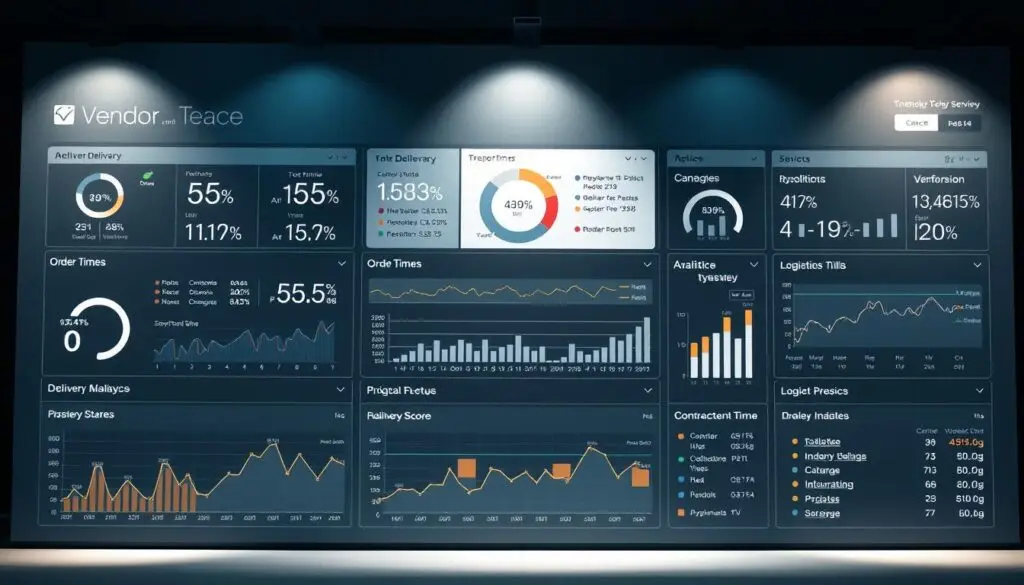
The logistics capabilities of your parts vendors determine whether your heavy duty operations run smoothly or face costly disruptions. Delivery performance evaluation encompasses multiple dimensions that directly impact fleet uptime and production schedules. Organizations must track consistency, responsiveness, and availability metrics to gain complete visibility into vendor reliability.
Effective logistics evaluation goes beyond simple averages. It requires analyzing performance variability and establishing clear expectations for different product categories and order types.
Lead Time Consistency Measurement
While average lead time provides useful baseline information, lead time variability often matters more for planning purposes. A vendor delivering consistently in 12 weeks enables better production planning than one averaging 10 weeks but ranging from 6 to 16 weeks.
Organizations should measure lead time standard deviation and establish maximum acceptable variability. Best practice requires lead times to fall within +/- 10% of committed dates for 90% of orders. Lead time management should track performance separately across product categories including standard stock items targeting 1-3 day delivery, stocking distributor items targeting 3-7 days, and special order items per vendor-specific commitments.
Emergency Order Response Capabilities
Heavy duty operations occasionally require expedited parts delivery to address unexpected equipment failures. Vendor responsiveness during emergencies represents a critical capability that separates exceptional suppliers from adequate ones.
Organizations should evaluate emergency order response performance separately from standard orders. Key metrics include whether vendors can consistently deliver critical parts within 24-48 hours when needed and what premium charges apply for expedited service. This capability directly impacts downtime costs during equipment failures—vendors with strong emergency response systems provide significant operational value beyond their standard service levels.
Inventory Availability and Fill Rates
The percentage of order lines available when ordered—known as the fill rate—directly impacts operational efficiency. World-class distributors maintain inventory availability above 95% for fast-moving items. Organizations should track fill rates across different product categories and velocity levels.
Stock-Out Frequency Tracking
Stock-out frequency measures how often requested parts are unavailable at the time of order. This metric provides visibility into vendor inventory management effectiveness and planning capabilities. High stock-out rates indicate potential issues with vendor forecasting, procurement practices, or inventory investment levels.
Backorder Management Performance
When items are unavailable, backorder management effectiveness becomes crucial. Best practices include proactive notification within 24 hours of order placement and weekly status updates until shipment. Track how effectively vendors communicate delays, provide realistic revised delivery dates, and prioritize backorder fulfillment.
Organizations may consider implementing Vendor Managed Inventory arrangements for high-volume, critical parts. As industry experts note, VMI can work well when there’s a trusted, deep-rooted relationship between the fleet and distributor—but success requires true commitment from both organizations.
The HDJ Perspective
After years of observing fleet operations across the industry, one pattern stands out: the most successful organizations treat vendor management as a strategic function rather than an administrative task. They invest in dedicated parts managers who understand that the right vendor relationship can eliminate the need for excessive inventory while ensuring parts arrive exactly when needed. The fleets struggling with parts availability and quality issues almost always trace those problems back to reactive, price-focused purchasing decisions rather than systematic performance evaluation. Building true partnerships with your top vendors pays dividends that compound over time.
6. Financial Performance and Total Cost Analysis
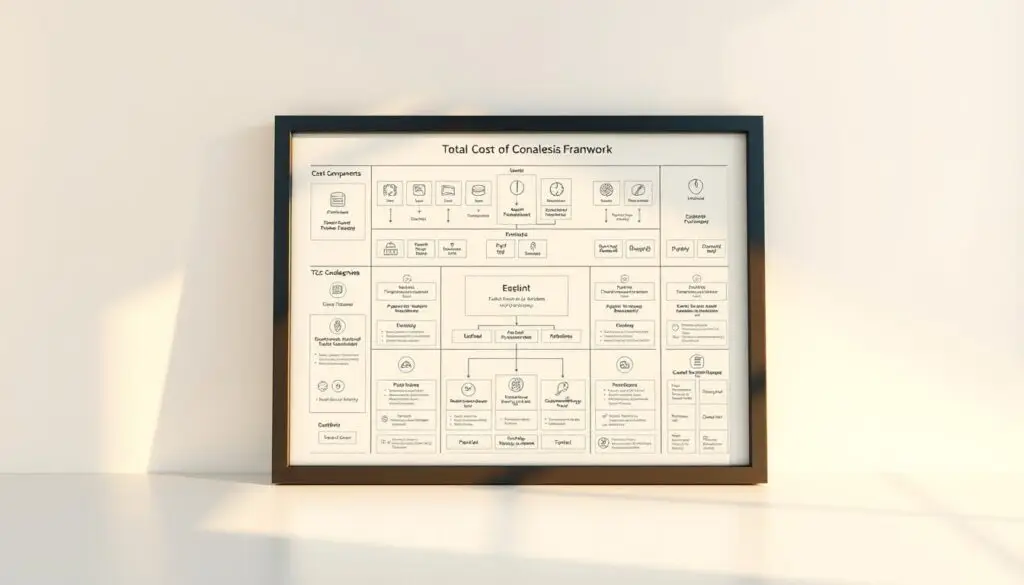
When evaluating heavy duty parts vendors, the lowest purchase price rarely delivers the best financial outcome. Effective financial performance analysis requires organizations to look beyond simple piece-price comparisons and examine the complete economic impact of vendor relationships. Modern vendor evaluation must incorporate total cost of ownership models that capture every expense associated with supplier partnerships.
Total Cost of Ownership Evaluation
Comprehensive total cost models provide the foundation for accurate vendor comparison by considering all relevant expense categories. A complete total cost of ownership framework includes material costs (base purchase price and volume pricing structures), logistics expenses (inbound freight, handling, and receiving inspection costs), inventory carrying costs (typically 20-30% annually for parts storage and management), quality management expenses (returns processing, rework, and warranty claim handling), administrative overhead (purchase order processing, invoice reconciliation, and vendor communication), and stockout costs (expedited shipping, productivity losses, and customer penalties).
Many vendor relationships generate substantial hidden expenses that erode apparent price advantages. Partial shipment fees, restocking charges, and minimum order requirements can force organizations to carry excess inventory that ties up working capital. Non-standard packaging often requires additional handling labor while poor invoice accuracy creates reconciliation workload consuming administrative resources.
Payment Terms and Invoice Accuracy
Financial performance analysis must evaluate vendor flexibility on payment terms and billing accuracy. Industry-standard payment windows range from 30 to 60 days, with some vendors offering early payment discounts of 1-2% for settlement within 10 days.
Organizations should target 98% or higher error-free invoice rates to minimize reconciliation workload. Electronic invoicing capabilities reduce administrative costs while accelerating payment processing and improving cash flow visibility.
Price Competitiveness and Market Analysis
Annual market benchmarking ensures ongoing price competitiveness by comparing vendor pricing against industry indices, competitive quotes, and published price lists. The ATRI 2024 report shows repair and maintenance costs rose 3.1% to $0.202 per mile—making cost control through effective vendor management increasingly critical.
Risk cost modeling including quality failure expenses, supply disruption costs, and warranty implications enables comprehensive financial assessment. This methodology considers potential cost exposures that simple price comparison overlooks.
Cost Reduction Initiatives and Collaboration
Strategic vendors should contribute measurable year-over-year cost reductions through process improvements, design optimization, and supply chain efficiency gains. Organizations typically establish formal targets of 2-5% annual cost reduction for established product lines.
Collaborative cost optimization initiatives leverage vendor expertise in manufacturing processes, material substitution opportunities, and volume consolidation strategies. These partnerships create sustainable competitive advantages while strengthening supplier relationships through shared value creation.
Free Professional Fleet Tools
Cost calculators, fault code lookup, maintenance planners, and more—built for owner-operators, fleet managers, and diesel techs. No signup required.
7. Service Level and Communication Performance Metrics
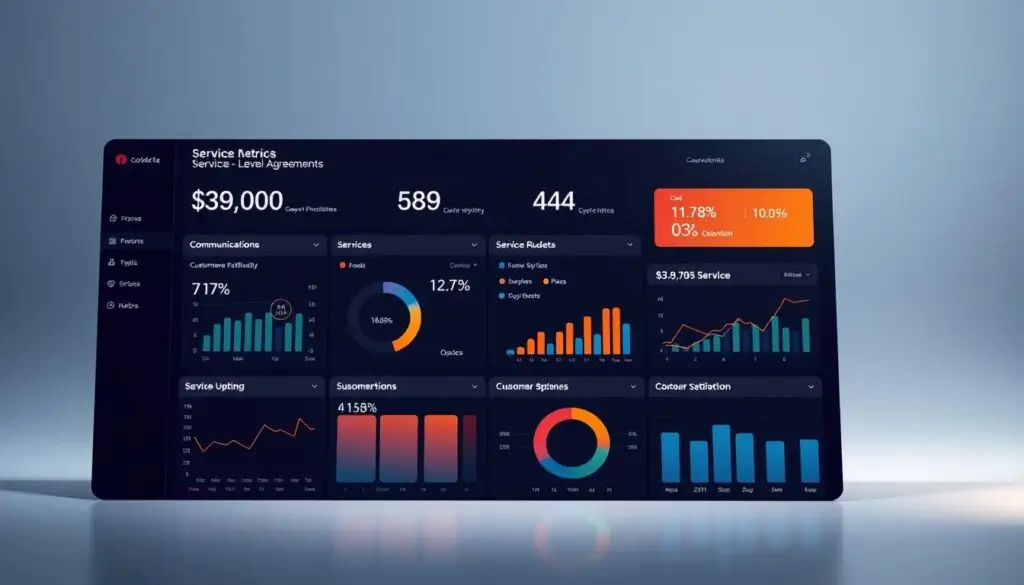
Beyond pricing and quality, how vendors communicate and respond to challenges defines partnership success. Service level agreements establish clear expectations for vendor responsiveness and support capabilities. Organizations that systematically measure communication performance gain valuable insights into vendor commitment and relationship health.
These service dimensions directly impact operational efficiency and problem resolution speed. Strong vendor communication reduces downtime, minimizes follow-up efforts, and builds trust between partners.
Response Time to Inquiries and Issues
Vendors must acknowledge and address customer communications within established timeframes. Organizations should track response times across different inquiry types and communication channels. Routine inquiries typically require acknowledgment within four business hours, while technical questions demand responses within 24 hours.
Urgent issues need immediate escalation protocols. Best practice vendors acknowledge critical problems within two hours and develop resolution plans within eight hours. Slow response times create operational delays and force redundant follow-up efforts that waste internal resources.
Technical Support Quality and Expertise
Heavy duty parts require specialized knowledge for proper application and troubleshooting. Vendors providing knowledgeable technical support staff deliver significant value beyond product supply. Technical support quality depends on staff expertise, comprehensive documentation, and application engineering assistance.
Organizations should evaluate whether vendors offer installation guidance and troubleshooting support that reduces internal engineering workload. Quality technical assistance prevents incorrect parts application and speeds problem diagnosis.
Proactive Communication Standards
Top-performing vendors notify customers of potential issues before they escalate. Proactive communication includes automated order acknowledgments, shipment notifications with tracking information, and advance notice of delays—ideally 48 hours minimum. Vendors should also alert customers to product changes, price adjustments, and quality concerns without waiting for inquiries.
Regular business reviews discussing performance trends and improvement opportunities strengthen collaborative relationships. This forward-looking communication builds partnership depth beyond transactional exchanges.
Problem Resolution Effectiveness
Organizations must track how vendors handle returns processing, replacement parts expediting, and billing disputes. Target timeframes for problem resolution include five to seven days for credit processing and expedited shipping for replacement parts. Effective vendors investigate quality issues systematically, implement corrective actions, and verify solution effectiveness.
Problem resolution requires vendor accountability and root cause analysis—not just immediate fixes that allow recurring issues. Document resolution timelines, corrective action plans, and follow-up verification to ensure vendors address underlying problems rather than symptoms.
8. Technology Integration and Performance Tracking Tools
Advanced technology platforms enable organizations to move beyond manual tracking methods and embrace comprehensive, real-time vendor performance management. Digital integration transforms fragmented data into centralized intelligence that supports informed decision-making. Electronic Data Interchange (EDI) and portal integration provide automated supply chain management while enabling rapid response to changing operational requirements.
Modern systems leverage IoT sensors, AI-driven forecasting, and cloud-based platforms to optimize inventory management and reduce errors. These technologies create seamless connections between vendors and fleet operators, enhancing collaboration and visibility across the entire supply chain.
Specialized Software Platforms for Comprehensive Management
Purpose-built vendor management software replaces spreadsheets with integrated systems that track vendor information, performance metrics, certifications, audits, and contracts. Leading platforms include SAP Ariba, Oracle Supplier Management, Coupa, MetricStream, and Intelex. These solutions offer automated scorecard generation, risk assessment capabilities, and compliance management tools accessible to all stakeholders.
Real-Time Visibility Through Interactive Dashboards
Executive performance dashboards display key performance indicators across the entire vendor base at a glance. Color-coded status indicators (green, yellow, red) enable quick identification of vendors requiring immediate attention. Trend indicators reveal improvement patterns or performance deterioration over time.
Effective KPI monitoring systems include comparative vendor rankings and drill-down capabilities to detailed performance data. Dashboard functionality enables managers to assess overall vendor health, identify underperforming suppliers, and track improvement initiatives without manual report compilation.
Streamlined Reporting and Advanced Data Analysis
Automated reporting eliminates manual preparation of performance summaries. Technology platforms generate scheduled reports including monthly vendor scorecards, quarterly executive summaries, and exception alerts for vendors falling below performance thresholds.
Predictive Analytics for Vendor Performance
Artificial intelligence and machine learning algorithms analyze historical performance data to identify patterns that predict future issues before they occur. Advanced predictive analytics detect quality trend degradation, delivery performance deterioration, or emerging capacity constraints. This proactive approach enables preventive interventions rather than reactive problem-solving.
Integration with Fleet Management Systems
Organizations operating equipment fleets benefit substantially from integration between vendor management platforms and CMMS systems. This connection enables direct correlation between parts quality, delivery performance, and equipment uptime metrics. Integrated systems provide comprehensive visibility into how vendor performance impacts maintenance costs, operational efficiency, and fleet availability.
| Technology Solution | Primary Capabilities | Key Benefits | Complexity |
|---|---|---|---|
| Vendor Management Platforms | Centralized tracking, scorecard automation | Reduced administrative burden | Moderate-High |
| Performance Dashboards | Real-time KPI visualization, trend analysis | Rapid issue identification | Low-Moderate |
| Predictive Analytics | AI-driven forecasting, early warning alerts | Proactive problem prevention | High |
| Fleet Integration Solutions | CMMS connectivity, uptime correlation | Comprehensive operational visibility | Moderate-High |
Frequently Asked Questions
What metrics should fleet managers track when evaluating parts vendors?
Fleet managers should track quality metrics including parts per million (PPM) defect rates targeting under 500 PPM for standard components and under 50 PPM for safety-critical parts. Delivery performance metrics should include on-time delivery percentage targeting 95% or higher, complete order fulfillment rates above 90%, and lead time consistency within 10% of committed dates. Cost metrics should encompass total cost of ownership including freight, inventory carrying costs, and quality-related expenses rather than focusing solely on unit pricing.
How often should vendor scorecards be reviewed and updated?
Formal vendor scorecards should be calculated monthly to maintain current performance visibility. Quarterly reviews with detailed data analysis provide regular communication opportunities and strengthen supplier relationships through collaborative improvement planning. Annual strategic assessments evaluate long-term trends and determine vendor classification changes. Real-time performance dashboards provide continuous visibility between formal review cycles, enabling proactive identification of emerging issues.
What is vendor managed inventory and does it work for fleet operations?
Vendor Managed Inventory (VMI) is a collaborative arrangement where suppliers monitor fleet usage patterns and automatically replenish stock levels. While VMI has proven successful between manufacturers and distributors, results at the fleet level are mixed. Success requires a trusted, deep-rooted relationship between the fleet and distributor with clear commitment from both parties. When properly implemented, VMI can reduce stockouts while lowering inventory carrying costs, but fleets should maintain oversight rather than fully abdicating parts management responsibility.
How do poor vendor relationships affect fleet maintenance costs?
Poor vendor performance creates significant hidden costs beyond the purchase price of parts. Fleet downtime costs between $448 and $760 per vehicle per day according to industry research, with late parts delivery potentially triggering expedited freight, overtime mechanic wages, and lost revenue from idle equipment. A $500 component that arrives late might generate $5,000 or more in total costs. Additionally, defective parts create warranty exposure, repeated failures, and potential safety incidents that can result in substantial liability.
What technology tools help manage vendor performance effectively?
Purpose-built vendor management software platforms replace manual spreadsheet tracking with integrated systems that monitor performance metrics, certifications, and contracts. Leading solutions include SAP Ariba, Oracle Supplier Management, and Coupa. Real-time dashboards with color-coded status indicators enable quick identification of vendors requiring attention. Integration with fleet management systems and CMMS platforms provides direct correlation between parts quality, delivery performance, and equipment uptime metrics for comprehensive operational visibility.
What weighting should different performance categories receive in vendor scorecards?
Quality metrics should receive the highest weighting at 35-40% because defective parts directly impact fleet uptime and safety. Delivery performance accounts for 25-30% of the total score, reflecting the critical importance of parts availability. Cost competitiveness receives 20-25% weighting, while service and responsiveness merit 10-15% allocation. This weighted approach prevents vendors from masking serious deficiencies in essential areas with exceptional performance in less critical dimensions.
Transforming Vendor Management Into Strategic Advantage
Successful heavy duty parts vendor management represents a strategic capability that extends beyond simple administrative oversight. Organizations must shift focus from price optimization alone to comprehensive evaluation of supplier capabilities and resilience. Implementing vendor management best practices requires balanced attention to all performance dimensions—quality, delivery, cost, service, and risk management each contribute to operational success.
Strategic vendor partnerships emerge when companies invest in collaborative development approaches. These relationships generate value creation opportunities that benefit both parties. Technology platforms eliminate barriers to sophisticated vendor management, making real-time dashboards, automated reporting, and data analytics practical for organizations of all sizes.
Begin your transformation by selecting 2-3 critical vendors for pilot implementation. Develop formal scorecards tracking key performance indicators based on the weighted methodology outlined above. Schedule quarterly performance reviews to measure progress and identify improvement opportunities. Document results and lessons learned before expanding the systematic approach across your entire vendor base. This focused implementation strategy creates measurable improvements in equipment uptime, total cost performance, and supply chain effectiveness.
Found This Guide Helpful?
Share it with fleet managers and maintenance directors who could benefit from implementing systematic vendor evaluation processes.