
By Michael Nielsen, Editor & Publisher | 15+ Years in Diesel Repair
Last Updated: December 2025
📖 Estimated reading time: 14 minutes
Diesel fuel return system problems can escalate from minor annoyances to catastrophic failures within hours on modern high-pressure common-rail engines. Unlike older mechanical systems, today’s CP3 and CP4 pumps generate pressures exceeding 30,000 PSI—and they depend entirely on unrestricted return flow to survive. When that return path becomes blocked or restricted, the pump builds enough internal pressure to blow seals right out of the housing.
This guide covers essential troubleshooting procedures for diagnosing and repairing return line issues on popular American diesel trucks, including Dodge Cummins, GM Duramax, and Ford Powerstroke models. Understanding how these systems work—and recognizing early warning signs—can save fleet managers and owner-operators thousands in unnecessary repairs.
Key Takeaways
- Return flow is critical: HPCR engines require unrestricted return lines—blocking return flow destroys modern pumps within minutes, not hours.
- Water contamination is the #1 killer: Diesel fuel naturally absorbs moisture, leading to bacterial growth, corrosion particles, and accelerated component wear.
- Symptoms mimic other failures: Return line problems cause hard starting, power loss, and rough running easily confused with injector or lift pump issues.
- Systematic diagnosis saves money: Proper testing before parts replacement prevents expensive misdiagnosis on $6,000-$10,000 fuel system repairs.
- Prevention beats repair: Regular filter changes and fuel quality management extend system life significantly more than reactive maintenance.
Understanding the Diesel Fuel Return System
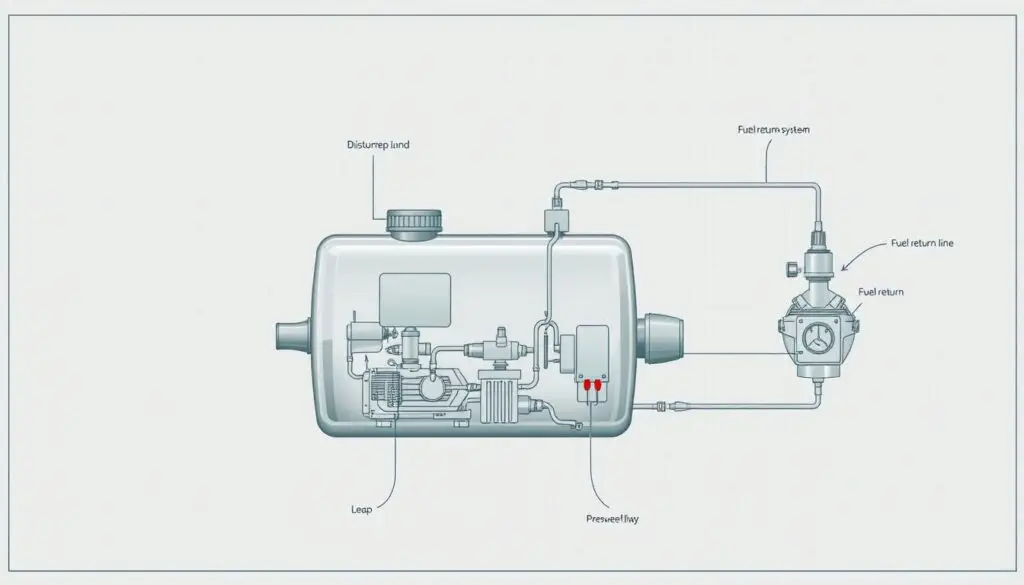
The fuel return line creates a critical pathway that carries excess fuel back to the tank after it passes through the injectors. This recycling process maintains proper pressure balance throughout the entire high-pressure common-rail (HPCR) system. Without this vital component, dangerous pressure buildup leads to pump failure and potential engine damage.
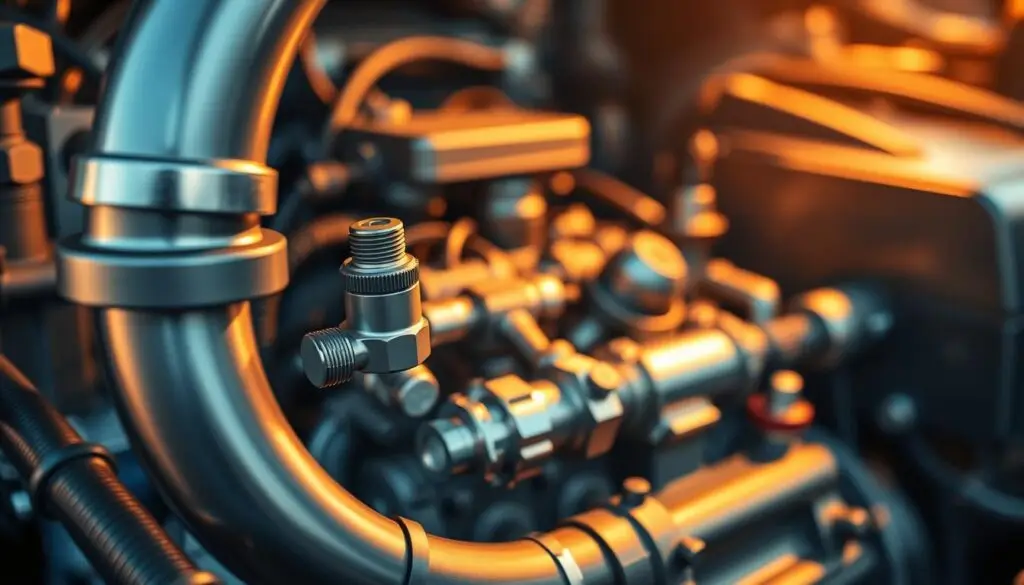
Modern diesel injectors receive more fuel than they actually inject into the combustion chamber. The surplus fuel travels through dedicated return passages to prevent waste and maintain system efficiency. This continuous circulation keeps fuel fresh, prevents vapor lock, and helps cool injectors during operation.
Components of the Return System
The complete return system includes several integrated parts working together. Return lines consist of both flexible hoses and rigid metal tubing connecting each injector back to the fuel tank. These lines must withstand high temperatures and resist fuel degradation over time.
The fuel pressure regulator controls how much fuel stays in the rail versus returning to the tank. Whether mechanical or electronically controlled, this valve adjusts continuously based on engine demands. Each injector features specialized return connections with seals and O-rings—worn seals at these points commonly cause external fuel leaks.
Why HPCR Systems Are Different
High-pressure diesel systems supply more fuel than needed to maintain pressure stability. This oversupply keeps injectors cool during rapid firing cycles while purging trapped air that could disrupt precise fuel metering. CP3 and CP4 pumps require continuous fuel flow for lubrication—the return pathway provides this essential cooling and lubricating function while preventing cavitation damage.
⚠️ Critical Warning
Never restrict or block return lines on modern common-rail diesel engines. This “tuning trick” from mechanical pump days destroys today’s precision injection systems within minutes. The pump generates enough internal pressure to explosively blow out driveshaft seals and inspection plugs.
Common Diesel Fuel Return System Problems
Understanding the most common return system failures helps diesel owners identify issues before they cause catastrophic damage. Water and fuel contamination remains the overwhelming number one cause of diesel fuel system failures, according to industry research, leading to multiple secondary problems throughout the return circuit.
Blocked or Restricted Return Lines
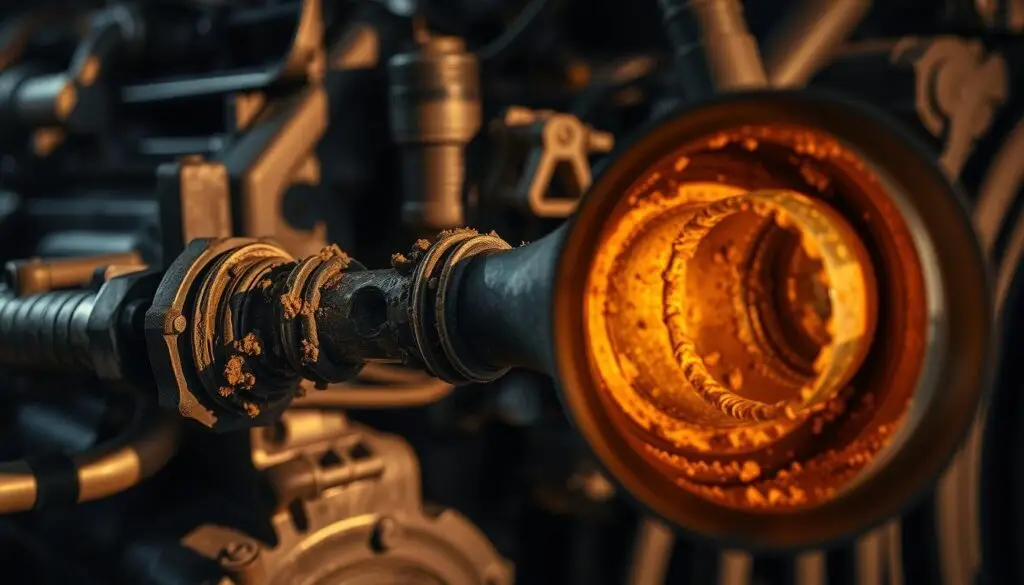
A blocked return line creates dangerous pressure buildup inside the fuel system. This restriction prevents excess fuel from safely returning to the tank, forcing pressure to climb rapidly within the pump housing. Common causes include kinked or crushed rubber hoses, collapsed internal hose linings, accumulated debris and sediment, and frozen fuel in extreme cold weather.
Leaking Return Line Connections
External fuel seepage from connection points indicates a return line leak developing in the system. These leaks allow fuel to escape while permitting air to infiltrate the return circuit. O-ring seals deteriorate from constant heat cycling and exposure to aggressive fuel formulations. Modern biodiesel blends and ultra-low sulfur diesel (ULSD) accelerate rubber compound degradation compared to older fuel formulations.
Metal and plastic fittings crack from constant vibration stress and age-related brittleness. Over-tightening during installation creates stress fractures that expand over time. These cracks start small but progressively worsen under pressure cycling.
Failed Fuel Pressure Regulator
The pressure regulator controls fuel pressure by directing excess volume back to the tank. When this component fails, it either sticks closed or open. A stuck-closed regulator allows excessive rail pressure that can damage injectors and seals. A stuck-open regulator creates insufficient pressure, causing hard starting and power loss.
Symptoms of Fuel Return System Failure
A malfunctioning fuel return system produces distinct symptoms every diesel owner should recognize before minor issues escalate. These warning signs range from startup difficulties to noticeable performance degradation that can mimic other mechanical problems.
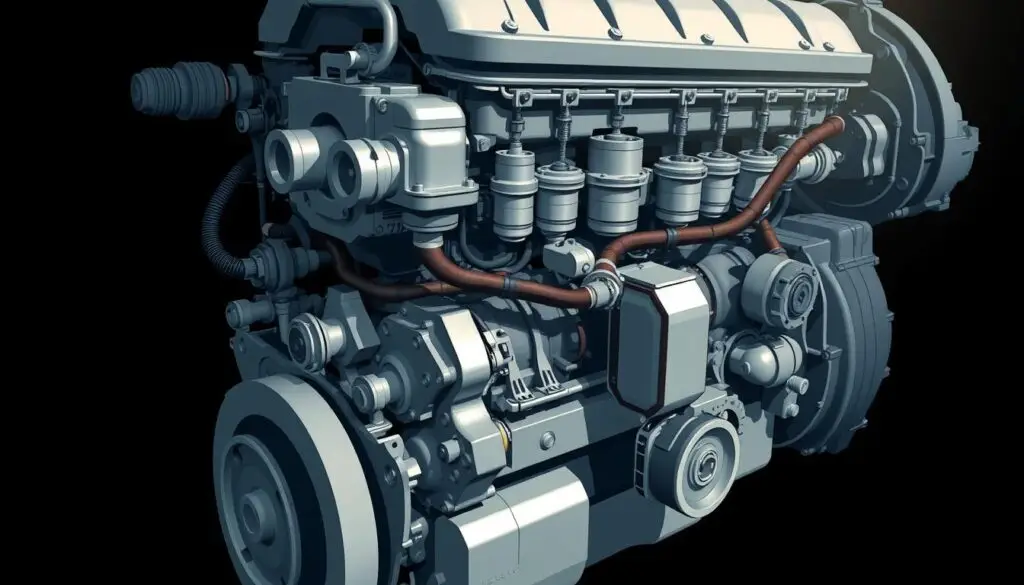
Hard Starting and Extended Cranking
Diesel engines often struggle to start due to air infiltration through leaking return connections. The engine cranks repeatedly but fails to fire because air bubbles prevent fuel from reaching the injectors at sufficient pressure. This problem becomes especially noticeable during cold starts when fuel viscosity increases. Blocked return lines create excessive back-pressure that prevents the high-pressure pump from building adequate rail pressure.
Loss of Power and Black Smoke
Reduced power output manifests as sluggish acceleration and inability to maintain highway speeds. Your vehicle may struggle on inclines or fail to reach higher RPMs under load. Towing capacity diminishes noticeably when return system restrictions prevent proper fuel delivery.
Black smoke from the exhaust signals incomplete combustion caused by low injection pressure. When the return system malfunctions, fuel doesn’t atomize properly in the combustion chamber. Large fuel droplets burn inefficiently, producing visible black smoke especially during acceleration.
Rough Idling and Poor Fuel Economy
Rough idling and misfires result from fluctuating fuel pressure caused by intermittent return system failures. Some cylinders receive inadequate fuel while others receive excess, creating an unbalanced combustion process. Excessive fuel consumption occurs when a stuck-open pressure regulator returns too much fuel to the tank, forcing the pump to run constantly at maximum output.
| Symptom | Primary Cause | Severity |
|---|---|---|
| Hard Starting | Air entry through leaks or blocked returns | High |
| Power Loss | Insufficient pressure from restrictions | Medium-High |
| Black Smoke | Poor fuel atomization from low pressure | Medium |
| Rough Idle | Fluctuating pressure from intermittent faults | Medium-High |
Root Causes of Return System Failures
Fuel return system failures develop from specific underlying conditions over time. Understanding these root causes helps prevent problems before they leave you stranded.
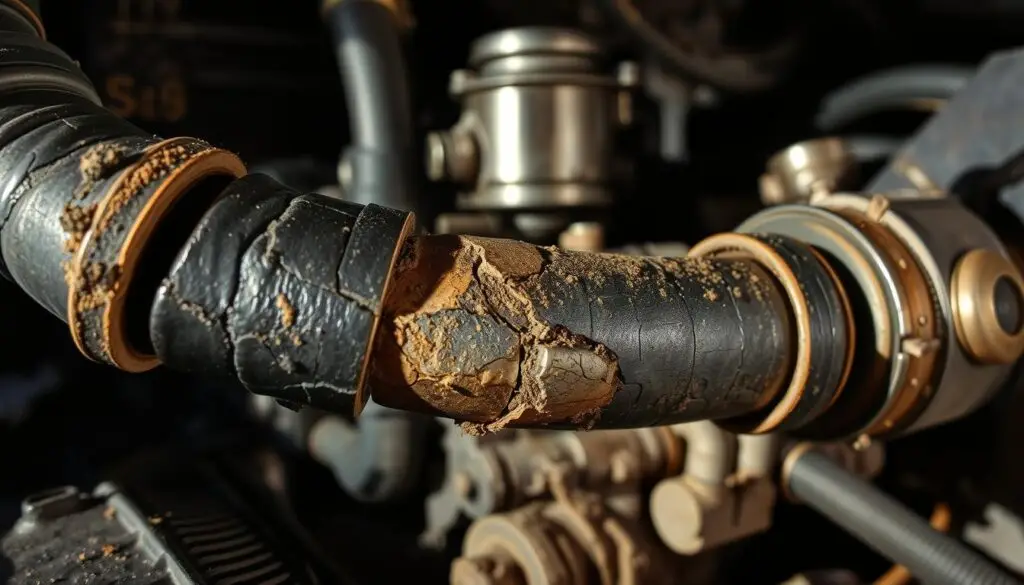
Age and Material Degradation
Time takes a toll on every component in your fuel system. Modern diesel fuels—especially ULSD and biodiesel blends—accelerate material degradation compared to older fuel formulations. Per ASTM D975 diesel fuel specifications, ULSD has reduced lubricity properties that increase wear on rubber components and metal surfaces.
Rubber hoses face constant exposure to diesel fuel, causing the material to break down gradually. The inner lining can separate, swell, or become brittle over time. Steel return lines rust from both internal moisture and external environmental exposure. Road salt, humidity, and temperature changes attack the metal surfaces.
Water Contamination: The Primary Killer
Water contamination destroys diesel fuel systems more than any other factor. Diesel fuel is hygroscopic, meaning it naturally absorbs moisture from the air. Daily heating and cooling cycles cause condensation to form inside fuel tanks—significant moisture typically accumulates in tanks that sit unused for 28 to 30 days.
The presence of water triggers multiple destructive processes. Bacterial growth (commonly called diesel algae) thrives in water-diesel interfaces. Rust particles form and circulate through the entire system. Acidic compounds develop that attack both metal and rubber components. These contaminants damage precision injector parts and create sludge that clogs return lines.
Improper Installation and Temperature Damage
Installation errors create immediate or premature failures. Incorrect torque specifications leave connections either too loose or over-tightened. Using incompatible replacement materials causes rapid degradation when exposed to diesel fuel.
Extreme heat accelerates return line degradation significantly. Return lines running near exhaust components or turbochargers experience temperatures well above normal operating ranges. Thermal cycling—constant expansion and contraction from temperature changes—creates stress on fittings and connections that eventually cause failure.
Stay Ahead of Fuel System Issues
Get fleet maintenance insights, diagnostic tips, and industry updates delivered to your inbox. Join thousands of diesel professionals who trust Heavy Duty Journal.
Step-by-Step Diagnostic Procedures
A systematic diagnostic approach helps pinpoint fuel return system failures quickly and prevents unnecessary parts replacement. Professional fuel system diagnosis follows a structured sequence: visual inspection, leak testing, pressure measurement, and flow verification.
Visual Inspection
Begin by examining all visible return line components from the injectors back to the fuel tank. Look for obvious signs of damage, corrosion, or fuel staining. Pay special attention to areas where return lines pass near exhaust components or contact metal brackets.
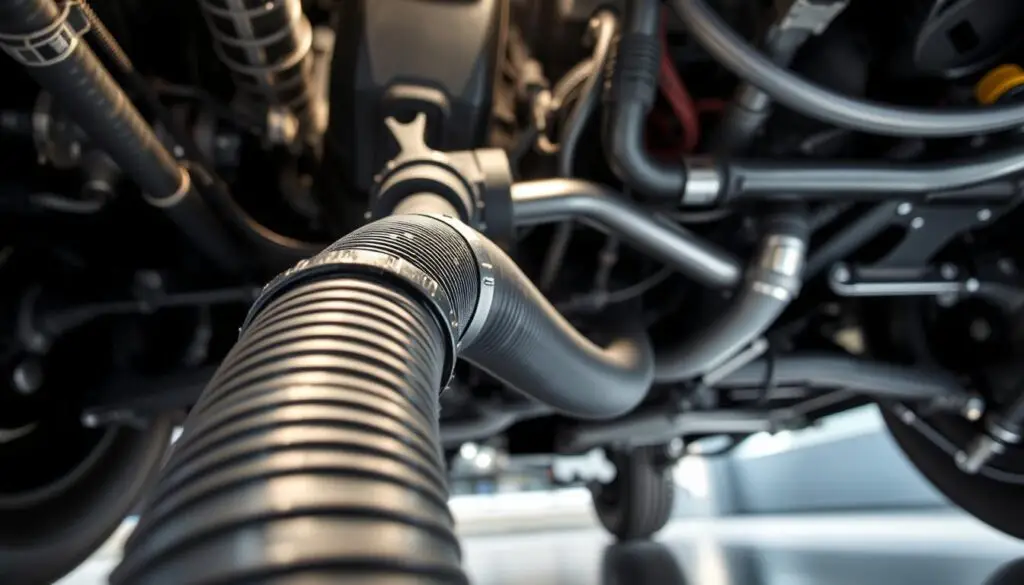
Examine each section of return hose for surface cracks, swelling, or soft spots that signal material degradation. Run your fingers along the hoses to detect hardened sections or unusual texture changes. Fuel staining on hose surfaces indicates seepage even when active dripping isn’t visible. Verify that each injector return fitting is properly tightened and O-rings aren’t visibly damaged.
Leak Testing: Static and Dynamic
For static testing, turn the ignition to the ON position without starting the engine to pressurize the fuel system. Use clean white rags or paper towels to check all connections, hoses, and the pressure regulator for fuel seepage. Even minor weeping indicates a seal failure that will worsen over time.
For dynamic testing, start the engine and observe the entire system at idle and under controlled throttle application. Watch for spray patterns, dripping, or fuel misting that indicates pressure leaks. Dynamic testing reveals problems that only occur when fuel is actively circulating through the system.
Measuring Return Pressure and Flow
Connect a low-pressure gauge to the return line to verify pressure stays within specifications. Most diesel systems should maintain 0-5 PSI in the return line during normal operation. Excessive return pressure above this range indicates a blocked return line somewhere in the system.
A healthy fuel system should flow a minimum of one pint in 15 seconds when the supply line is disconnected and tested into a container. Test individual sections by disconnecting lines at various points working back toward the tank. A blocked return line will restrict flow or prevent fuel from exiting completely.
Pressure Regulator Function Test
Monitor rail pressure response to load changes using a scan tool to compare actual versus commanded pressure. The regulator should maintain consistent pressure across varying engine demands. For hold pressure testing, warm the engine to operating temperature, then switch it off. System pressure should maintain at least 20 PSI after 20 minutes—rapid pressure loss points to internal regulator leakage.
| Test | Normal Reading | Problem Indicator |
|---|---|---|
| Return Line Pressure | 0-5 PSI | Above 5 PSI = blockage |
| Hold Pressure (20 min) | 20+ PSI maintained | Below 20 PSI = seal leak |
| Flow Rate | 1 pint in 15 seconds | Less = restriction |
The HDJ Perspective
The shift to ULSD and increased biodiesel blending has fundamentally changed how fuel systems age and fail. Technicians trained on older mechanical systems often underestimate how quickly modern HPCR components can be destroyed by conditions their predecessors would have tolerated. The CP4 pump failures plaguing 2011+ Ford Powerstrokes and GM Duramax LML engines—often costing $8,000-$10,000 to repair—frequently trace back to inadequate fuel lubricity and water contamination. Smart fleet managers now treat fuel quality management as essential preventive maintenance rather than an afterthought.
Repair Solutions and Best Practices
Effective return system repair starts with matching the correct fix to the specific problem diagnosed. Simply replacing failed components without eliminating contamination sources guarantees repeat failure.
Fixing Leaks and Replacing Components
Start by carefully removing old O-rings without scratching sealing surfaces. Use brake cleaner to clean all connection threads and surfaces completely. Select fuel-resistant replacement O-rings made from Viton or similar materials compatible with diesel fuel per TMC recommended practices for fuel system maintenance.
Use a torque wrench rather than relying on feel for critical connections. Over-tightening damages threads and crushes seals, while under-tightening allows leaks. Different fitting materials and sizes require specific torque values—plastic fittings need especially careful attention to prevent cracking.
Clearing Blockages
Disconnect return lines at multiple points to allow thorough flushing. Flush backward from the tank toward the injectors using clean diesel fuel under low pressure. This reverse flow effectively dislodges accumulated debris, varnish, and algae buildup. Continue flushing until the fuel runs clear without particles.
If using compressed air, apply carefully at maximum 30 PSI to avoid damaging system components. Always direct air flow toward the fuel tank, never toward injectors or the high-pressure pump.
⚠️ Safety Warning
High-pressure fuel injection systems can penetrate skin and cause serious injury. Always relieve system pressure before disconnecting any lines. Wear fuel-resistant gloves and safety glasses. Keep a Class B fire extinguisher within immediate reach when working with fuel systems.
Addressing Fuel Contamination
Clean the fuel tank completely, removing all sediment and debris. This sediment contains corrosion particles from metal components that react with moisture. Replace all fuel filters as part of contamination cleanup. Flush the entire fuel system with clean diesel to remove residual contaminants.
The number one reason replacement fuel systems fail is inadequate fuel tank cleaning. Sediment stirred up during installation damages new components within weeks or months. Address water entry sources before refilling with fresh diesel fuel meeting Department of Energy diesel fuel specifications.
Preventive Maintenance for Return System Longevity
Preventing fuel return system problems requires establishing a structured maintenance routine. The small time commitment for regular checks pays dividends by avoiding expensive repairs and unexpected breakdowns.
Inspection Schedule
Perform quick monthly inspections looking for fuel staining or wetness around injector return connections, return line cracking or deterioration, fuel odor in the engine bay, and any fuel accumulation underneath the vehicle. Annually, remove engine covers to access all return line routing, check every connection point, and examine fuel tank areas for corrosion.
Fuel Quality Management
Purchase diesel from high-volume, reputable stations where fuel turns over quickly. Busy stations typically have fresher fuel with less water accumulation in underground tanks. According to TMC RP 312B guidelines for fuel filtration, your fuel filter represents the primary defense against contamination reaching sensitive components.
Replace filters every 15,000 to 20,000 miles or annually, whichever comes first. Severe service conditions—frequent idling, dusty environments, or questionable fuel quality—require more frequent changes. A clogged filter forces the pump to work harder, significantly shortening its service life.
Protecting Against Contamination
Keep fuel tanks as full as practical, especially for stored vehicles. Full tanks minimize air space where condensation can form. For extended storage beyond 30 days, use fuel additives containing stabilizers and mild biocides. Drain water separator bowls regularly and consider installing supplementary filtration for enhanced protection.
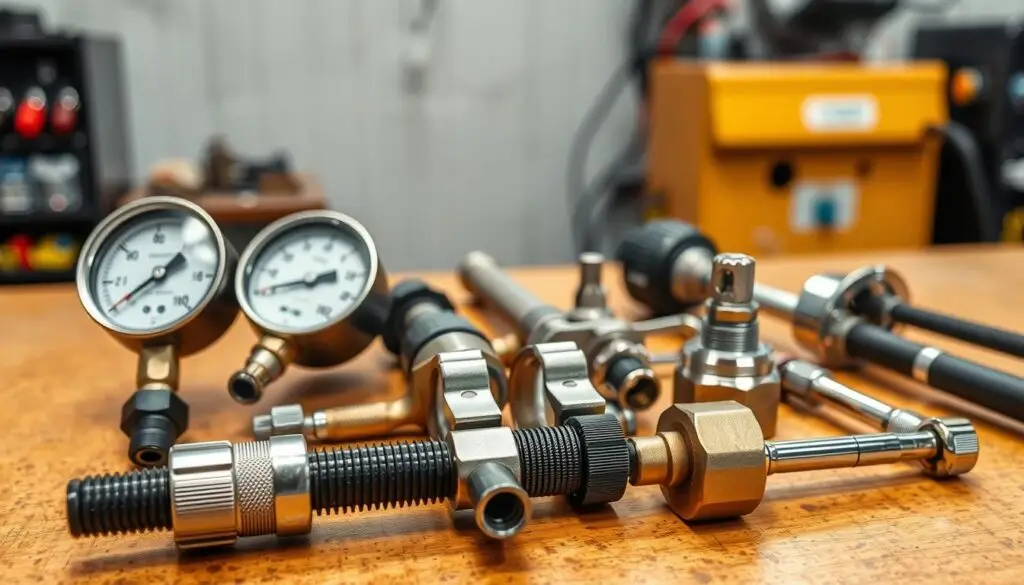
Proactive Component Replacement
Return lines showing surface cracking or hardening should be replaced at the next service interval. Replace all O-rings and seals during injector service, even if they’re not currently leaking. Consider return line replacement on high-mileage vehicles exceeding 200,000 miles. Proactive replacement during scheduled downtime prevents failure at inconvenient times—the cost of scheduled replacement is always less than emergency roadside repairs.
Share Your Fuel System Expertise
Have you developed effective diagnostic procedures or preventive maintenance programs for fuel return systems? Heavy Duty Journal welcomes contributions from experienced technicians and fleet maintenance professionals.
Testing After Repairs
Testing after repairs separates successful work from incomplete fixes that lead to recurring problems. Begin by priming the fuel system before starting the engine—cycle the ignition switch to the ON position three to five times without cranking. Listen for the fuel pump to change pitch as it builds pressure.
Initial Pressure and Leak Verification
Connect a fuel rail pressure gauge to the test port. Turn the ignition key to ON without starting and observe pressure buildup—most common-rail systems should reach 250 to 500 PSI during the priming cycle. Watch the gauge for five minutes to verify pressure holds steady. Dropping pressure indicates external leaks or faulty check valve function.
Start the engine and let it reach normal operating temperature before checking running pressure. Monitor fuel line pressure at idle, which typically ranges from 5,000 to 8,000 PSI for common-rail systems. Use a scan tool to compare commanded pressure versus actual readings—the difference should stay within 500 PSI for most applications.
Visual and Road Testing
Examine every connection point with the engine running at idle. Use clean white paper towels to wipe connections and reveal any seepage. Look carefully for misting or spraying under pressure. Even small leaks allow air infiltration that affects pressure regulation.
Plan a comprehensive road test including gradual acceleration from idle to highway speeds, sustained highway operation for at least 10 minutes, and moderate to heavy acceleration under load. Monitor for any roughness, misfires, or black smoke. A successful road test confirms your repair work restored full functionality.
Frequently Asked Questions
What causes diesel fuel return line problems most often?
Water contamination causes more diesel fuel return system failures than any other factor. Diesel fuel naturally absorbs moisture from the air, and tanks that sit unused accumulate significant condensation within 28-30 days. This water promotes bacterial growth, creates corrosion particles, and accelerates rubber degradation throughout the return circuit. Modern ULSD fuel compounds the problem by having reduced lubricity compared to older diesel formulations, which increases wear on system components.
How do I know if my fuel return line is blocked?
Blocked return lines cause distinct symptoms including hard starting with extended cranking, loss of power under load, and in severe cases, pump seal failures. The most reliable diagnostic method involves connecting a low-pressure gauge to the return line—pressure should read 0-5 PSI during normal operation. Readings above 5 PSI indicate a restriction somewhere in the return path. You can also isolate sections by disconnecting lines at various points and checking whether fuel flows freely.
Can I drive with a leaking fuel return line?
Driving with a leaking fuel return line creates both safety and mechanical risks that worsen over time. External leaks near hot exhaust components present fire hazards, while the same leak points allow air to enter the system. Air infiltration causes hard starting, rough running, and in HPCR systems, can lead to accelerated pump wear. Any visible fuel leakage warrants immediate attention—what starts as minor seepage often progresses to significant problems within days or weeks of continued operation.
How often should fuel return lines be replaced?
Return line replacement intervals depend heavily on operating conditions and fuel quality. Most manufacturers don’t specify fixed replacement intervals for return lines. However, experienced fleet managers typically inspect lines annually and proactively replace any showing surface cracking, hardening, or swelling. For high-mileage vehicles exceeding 200,000 miles, preventive return line replacement during major service reduces the risk of unexpected failures. All O-rings and seals should be replaced during injector service regardless of apparent condition.
What’s the difference between CP3 and CP4 pump return requirements?
Both CP3 and CP4 pumps require unrestricted return flow, but the CP4’s tighter tolerances make it significantly more vulnerable to damage from fuel quality issues and air ingestion. The CP4’s roller-follower design depends heavily on fuel lubricity for survival—when lubrication drops below safe levels, internal wear accelerates rapidly and metal particles contaminate the entire high-pressure system. CP3 pumps, while still requiring proper return flow, demonstrate greater tolerance for marginal fuel conditions. This difference explains why CP4 failures often destroy the entire fuel system, costing $8,000-$10,000 to repair.
Maintaining Return System Reliability
Accurately troubleshooting diesel fuel return system problems requires methodical testing rather than guesswork. Performing proper diagnostic checks before replacing components saves significant time and money on repairs that can easily reach five figures on modern common-rail systems.
Modern HPCR engines demand different thinking than older mechanical designs—return lines must never be restricted, and fuel quality matters more than ever. The most common causes of return system failure are water contamination, age-related material degradation, and improper repairs. All three are preventable through proper fuel system maintenance practices including regular inspections, quality fuel sourcing, and timely filter replacement.
Armed with the diagnostic procedures, repair techniques, and preventive maintenance strategies outlined in this guide, diesel technicians and fleet managers can confidently address fuel delivery concerns. Whether working on daily-driver pickup trucks, commercial vehicles, or heavy equipment, systematic diagnosis and attention to fuel quality deliver the best long-term results.
Help Others Avoid Costly Fuel System Failures
Know a fleet manager or owner-operator who could benefit from this diagnostic guide? Share it with your professional network.


