
By Michael Nielsen, Editor & Publisher | 15+ Years in Diesel Repair
Last Updated: January 2026
📖 Estimated reading time: 19 minutes
Diesel fuel cooler leaks rank among the most expensive preventable failures in commercial trucking operations. When this critical heat exchanger component fails, the contamination between fuel and coolant systems can destroy injectors, cause hydrolock damage, and leave fleet managers facing repair bills exceeding $15,000. Popular trucks like Ford Power Stroke, Chevrolet Duramax, and Ram Cummins models are particularly vulnerable to these failures.
Modern diesel engines generate tremendous thermal energy through high-pressure fuel injection systems operating at 23,000 to 36,000 psi. The fuel cooler prevents overheating and vapor lock by lowering fuel temperature before injection occurs. Without proper operation, combustion efficiency drops, fuel system components wear prematurely, and the risk of catastrophic failure increases dramatically.
Early detection saves money and prevents major repairs. This comprehensive guide equips fleet managers and diesel technicians with knowledge about recognizing warning signs, performing accurate diagnosis, understanding replacement costs, and implementing fuel system maintenance strategies that extend component life to 150,000-200,000 miles.
Key Takeaways
- Critical protection component: Fuel coolers prevent vapor lock and ensure efficient combustion by managing extreme heat from high-pressure injection systems operating at 23,000-36,000 psi.
- Early warning signs: Fuel smell in coolant, milky coolant appearance, hard starting, rough idling, and visible leaks around the cooler housing indicate developing problems.
- Contamination catastrophe: Internal leaks allow fuel and coolant to mix, potentially causing hydrolock damage ($8,000-$15,000), injector failure ($2,400-$4,800), and complete cooling system contamination.
- Model-specific vulnerabilities: Ford 6.0L Power Stroke (2003-2007) has notorious fuel cooler failures; GM LLY Duramax and certain Cummins applications also show elevated failure rates.
- Replacement investment: Total costs range from $500-$900 for straightforward repairs to $1,000-$2,000 for difficult access applications, with extensive contamination potentially reaching $3,000-$5,000.
- Preventive maintenance: Regular coolant system maintenance, using proper coolant specifications, and scheduled visual inspections extend fuel cooler lifespan to 150,000-200,000 miles.
Understanding the Diesel Fuel Cooler System
Understanding how diesel fuel coolers function begins with recognizing the unique thermal challenges diesel engines face. Modern diesel powertrains generate tremendous heat through high-pressure fuel injection systems that can exceed 30,000 psi in common-rail applications. This extreme pressure creates substantial thermal energy that must be managed to protect engine components and maintain optimal performance.
The fuel cooling process plays a vital role in preventing overheating that would otherwise compromise injection timing and reduce engine efficiency. Without proper temperature control, diesel fuel loses density and lubricating properties essential for protecting sensitive injector components.
What Is a Diesel Fuel Cooler?
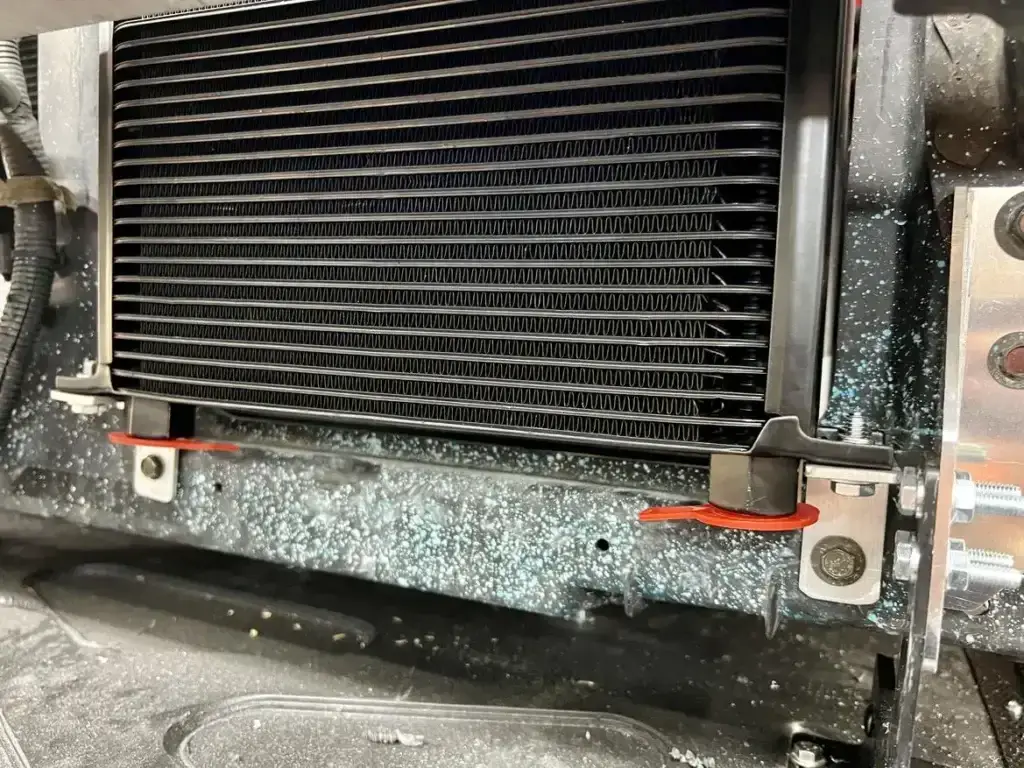
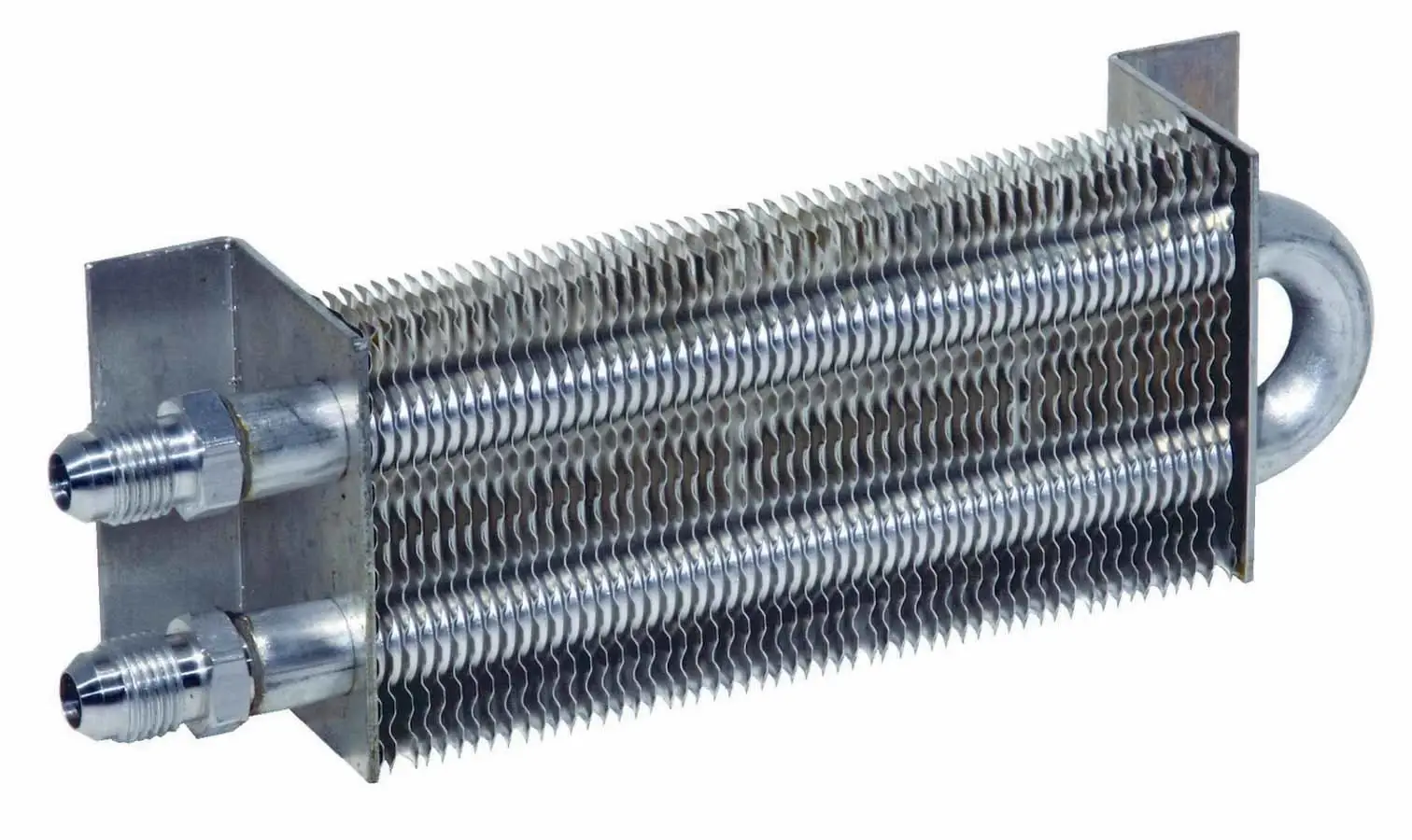
A diesel fuel cooler is a specialized heat exchanger designed to reduce fuel temperature before it reaches the injection system. This component serves as a thermal management device that protects the entire fuel system from heat-related damage. The cooler maintains fuel within the optimal temperature range that ensures proper combustion and engine protection.
Think of it as a radiator dedicated exclusively to cooling diesel fuel rather than engine coolant. The device uses metal plates and internal channels to facilitate heat transfer away from the fuel.
The primary purpose of a fuel cooler is preventing excessive fuel temperature that occurs during operation under demanding conditions. High-pressure fuel pumps generate significant heat as they pressurize diesel fuel for modern direct injection systems. When fuel temperatures rise beyond acceptable limits, several critical problems emerge.
Overheated fuel experiences reduced density, which directly affects injection timing and fuel delivery calculations. The engine control module relies on specific fuel density parameters to determine precise injection quantities. Temperature deviations cause the actual fuel delivered to differ from calculated amounts. Additionally, excessive heat degrades the natural lubricating properties of diesel fuel that protect fuel injectors and pump components, leading to premature wear and costly repairs.
“Maintaining proper fuel temperature is not optional in modern diesel engines—it’s absolutely essential for protecting expensive high-pressure injection components and ensuring reliable performance.”
— HDJ Technical Editor
Component Design and Construction
Diesel fuel coolers feature robust construction designed to withstand harsh operating environments. The typical design incorporates several key heat exchanger components that work together to facilitate thermal transfer. Most fuel coolers consist of aluminum or stainless steel plates that form the outer housing and provide structural integrity. Internal passages with separate channels allow fuel flow and coolant flow that never mix under normal conditions.
Inlet and outlet ports with threaded or quick-connect fittings accommodate fuel and coolant lines, while mounting brackets provide secure attachment points designed for specific vehicle applications. Sealing gaskets prevent external leaks at connection points and between internal chambers. The metal plates typically measure between 0.020 and 0.040 inches thick—construction that maximizes heat transfer efficiency but also creates vulnerability to corrosion and pressure stress over time.
How the Fuel Cooling System Works
The fuel cooling process relies on continuous thermal exchange between two separate fluid systems. Hot diesel fuel and cooler engine coolant flow through the unit simultaneously without ever mixing. This separation is critical—any breach in the internal barriers causes contamination that requires immediate attention. The cooling cycle operates whenever the engine runs and fuel circulates through the high-pressure pump.
The heat exchange process begins when hot diesel fuel exits the high-pressure fuel pump and enters the cooler through dedicated inlet ports. Simultaneously, engine coolant flows through separate passages within the same housing. These coolant channels run parallel to or around the fuel passages, separated only by thin metal walls. Heat energy moves from the hotter fuel through the metal barriers into the cooler coolant through conduction. The cooled fuel then exits through outlet ports and returns to the fuel tank or continues to the injection system.
Diesel fuel coolers connect directly to the existing engine cooling system rather than requiring separate cooling infrastructure. Most systems position the fuel cooler in series with other cooling components. This integration means that any problems with the broader cooling system can impact fuel cooling effectiveness. Low coolant levels, a failing water pump, or a clogged radiator all reduce the fuel cooler’s ability to manage fuel temperature properly.
Location and Mounting Variations
Fuel cooler location varies significantly among different diesel engine designs and vehicle manufacturers. The Ford 6.0L Power Stroke diesel uses an integrated design where the fuel cooler mounts directly on top of the oil cooler assembly on the driver’s side of the engine block beneath the turbocharger. Access requires removing the turbocharger and associated components, making replacement labor-intensive.
GM Duramax engines typically feature frame-mounted fuel coolers positioned along the driver’s side frame rail near the fuel tank. This external mounting provides easier access for service but exposes the component to road debris and corrosive elements. Cummins diesel engines found in Ram trucks use various mounting locations depending on the model year and displacement.
Common Causes of Diesel Fuel Cooler Leaks
Fuel cooler failure results from specific conditions that gradually compromise the unit’s ability to function. Multiple factors work together to weaken the cooler’s structure, creating pathways for fuel and coolant to mix. The failure mechanisms range from chemical reactions inside the cooling passages to physical damage from external sources.
| Failure Cause | Primary Contributing Factors | Typical Onset Period | Severity Level |
|---|---|---|---|
| Internal Corrosion | Acidic coolant, electrolysis, contaminated fluid | 5-8 years | High |
| External Corrosion | Road salt, moisture, chemical exposure | 7-10 years | Medium to High |
| Pressure Stress | Thermal cycling, extreme fuel pressures, heat fatigue | 150,000-200,000 miles | Medium |
| Manufacturing Defects | Design flaws, inadequate materials, poor brazing | 50,000-100,000 miles | Very High |
Corrosion and Material Degradation
Corrosion damage represents the most common pathway to fuel cooler failure in diesel vehicles. The cooler sits at the intersection of two fluid systems, each carrying chemicals that can attack metal surfaces. When protective barriers break down, the thin walls separating fuel and coolant passages become vulnerable to rapid deterioration.
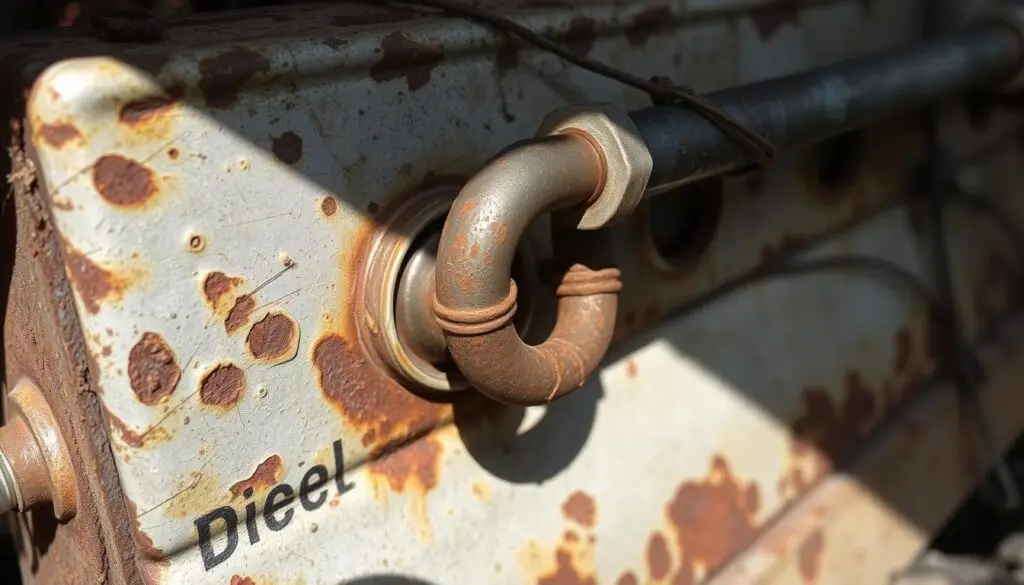
Coolant contamination and improper maintenance create acidic conditions inside the fuel cooler that eat through metal barriers. Fresh coolant contains additives that protect against corrosion, but these additives deplete over time. When coolant goes unchanged for extended periods, it becomes increasingly acidic with pH levels dropping below safe thresholds. This acidic environment attacks the aluminum, brass, or copper alloys commonly used in fuel cooler construction.
Electrolysis presents another internal threat. When dissimilar metals contact each other in the presence of coolant (an electrolyte), electrical current flows between them. This galvanic corrosion preferentially attacks one metal while the other remains protected. Many fuel coolers combine different metals in their construction—aluminum housings with copper cores, for example. Without proper grounding and corrosion inhibitors, electrolysis can perforate cooler walls in just a few years.
Road salt exposure in northern climates creates harsh conditions for external surfaces. States that use salt and chemical de-icing agents during winter months see dramatically higher failure rates. The fuel cooler’s mounting location makes it particularly vulnerable to these elements, receiving direct exposure to road spray containing salt, chemicals, and abrasive particles.
High Pressure and Temperature Stress
Modern diesel fuel systems generate extreme pressure stress that constantly tests fuel cooler structural limits. Common-rail direct injection systems operate at pressures ranging from 23,000 to 36,000 psi in recent designs. While most of this pressure exists in the high-pressure lines and injectors, fuel returning to the tank passes through the cooler at elevated pressures and temperatures.
Temperature swings create thermal cycling that expands and contracts metal components repeatedly. Over hundreds of thousands of cycles, this constant expansion and contraction fatigues metal, particularly at brazed joints where different materials meet. Stress cracks typically initiate at the weakest points—corners, joints, and transition areas where thin walls connect to thicker mounting flanges.
Vehicles used for heavy towing or operating in extreme temperature environments experience accelerated pressure stress damage. The combination of maximum engine loads and high ambient temperatures pushes fuel and coolant temperatures beyond normal ranges, reducing cooler service life by 30-50% compared to light-duty applications.
Manufacturing Defects and Recalls
Design flaws and manufacturing defects have plagued certain diesel fuel cooler applications, leading to widespread failures. The most notorious example involves Ford 6.0L Power Stroke engines produced from 2003-2007. These coolers suffered from inadequate design that positioned thin metal walls in high-stress areas prone to failure. Original equipment coolers commonly failed between 80,000 and 150,000 miles, causing complete oil contamination with fuel and coolant.
General Motors Duramax LLY engines (2004.5-2005) experienced similar patterns traced to manufacturing quality issues at brazed joints where production processes failed to create adequate bonds. Certain Cummins diesel applications also suffered from premature problems related to material selection and design compromises.
Recognizing the Warning Signs of a Diesel Fuel Cooler Leak
A failing diesel fuel cooler creates distinctive signs that alert drivers to potential system contamination. Early detection prevents expensive repairs and protects your engine from permanent damage. Most fuel cooler symptoms appear gradually, giving you time to address the problem before complete failure occurs.
Fuel Contamination in the Coolant System
The most common sign of a fuel cooler leak involves contamination between the fuel and cooling systems. When the internal seals or passages fail, diesel fuel mixes with coolant, creating several noticeable changes you can detect through simple inspection.
A strong petroleum odor from your coolant reservoir signals fuel contamination. Remove the radiator cap when the engine is completely cool and take a careful sniff. Normal coolant has a sweet, slightly chemical smell. Diesel fuel creates a distinctly different odor that’s immediately recognizable—even small amounts of contamination produce this characteristic smell that overpowers the normal coolant odor.
Fuel-contaminated coolant undergoes dramatic visual changes. Normal coolant appears bright and clear in colors like green, orange, or pink depending on the type. When diesel fuel enters the system, look for milky or cloudy appearance, oily sheen or rainbow film floating on the surface, visible separation with fuel layer on top of coolant, loss of original color intensity, and brown or gray discoloration mixed throughout.
Engine Performance Issues
When coolant enters the fuel system through a leaking cooler, engine performance issues become noticeable quickly. The contamination affects combustion efficiency and fuel delivery. Severe fuel cooler leaks allow coolant to flood the fuel system, creating immediate starting problems ranging from difficult cranking to complete failure.
Common starting symptoms include extended cranking time before the engine catches, complete no-start with normal battery and glow plug function, white smoke during cranking attempts from coolant burning, rough running immediately after finally starting, and engine dying shortly after startup. These issues typically worsen after the vehicle sits overnight as coolant settles into the fuel system during downtime.
Fuel contaminated with coolant burns inefficiently in the combustion chamber, creating multiple performance problems. The idle becomes unstable with noticeable vibration and fluctuating RPM. Acceleration reveals additional problems—the engine hesitates when you press the throttle, responding slowly to pedal input. Power delivery feels weak, especially when towing or climbing hills. Fuel economy drops noticeably as contaminated fuel fails to combust completely.
Visible Leak Indicators and Dashboard Warnings
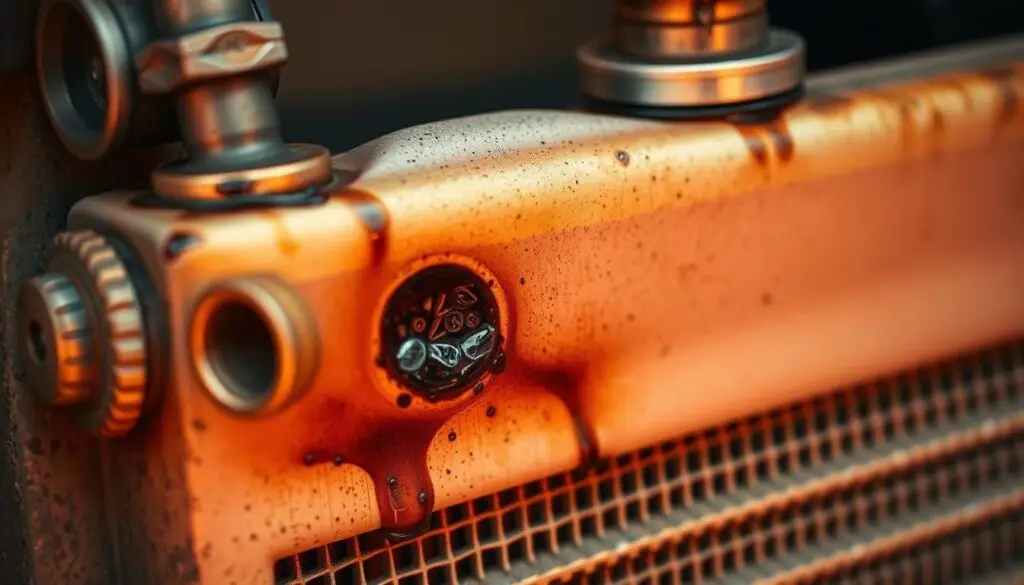
Physical leaks around the fuel cooler housing provide clear evidence of failure. Check for fuel stains or residue on the cooler housing and surrounding components, fresh drips or seeping fluids below the mounting location, concentrated diesel fuel odor in one area of the engine bay, coolant level dropping without visible external radiator leaks, and wet spots that reappear shortly after cleaning.
Modern diesel vehicles use sophisticated sensors that detect abnormal operating conditions. The check engine light represents the most common indicator. Watch for check engine light with fuel system or coolant temperature codes, low coolant warning, glow plug indicator staying illuminated longer than normal, reduced engine power warning, and temperature warning if coolant loss becomes severe. Connect an OBD-II scanner to read specific trouble codes—many codes related to fuel pressure, fuel temperature, or coolant temperature point toward fuel cooler problems when they appear together.
How to Diagnose a Diesel Fuel Cooler Leak
When symptoms point to a fuel cooler problem, following structured diagnostic methods helps pinpoint the issue before costly repairs begin. Most diesel owners can perform basic diagnostic checks at home, while more advanced testing requires specialized equipment but delivers definitive results.
Visual Inspection Methods
The coolant overflow tank provides valuable clues about internal contamination. Remove the reservoir cap slowly when the engine is cold, then look carefully at the coolant surface. A rainbow-colored oil sheen floating on top indicates fuel or oil contamination. Check the coolant’s color and clarity against fresh coolant—healthy coolant appears bright and translucent, while contaminated fluid looks murky or discolored. Smell the coolant carefully—a distinct diesel fuel odor confirms fuel has entered the cooling system.
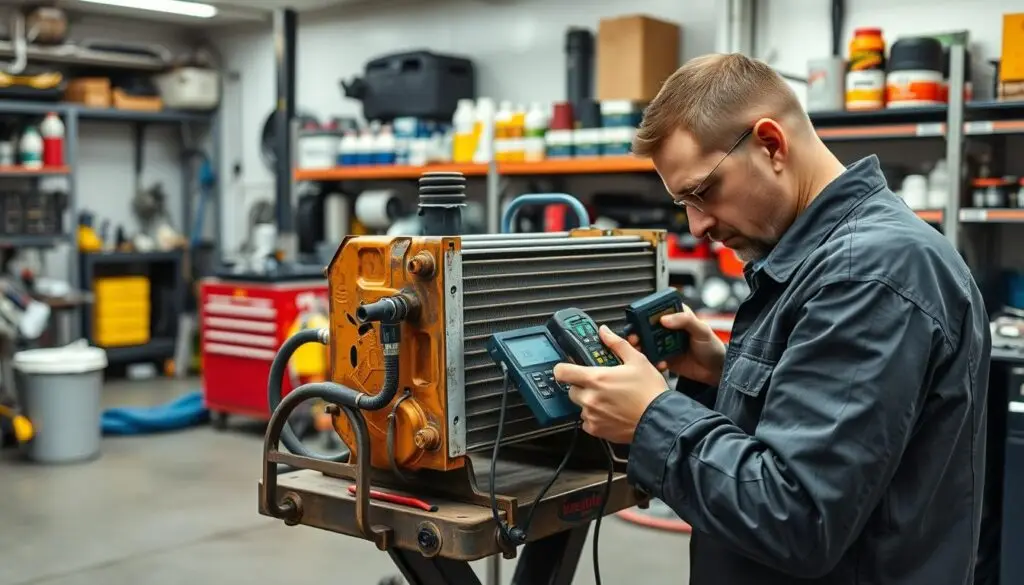
Locate the fuel cooler unit in your specific vehicle model. Clean the cooler housing and surrounding areas with degreaser to remove old grime, then examine all cooler surfaces for fresh wetness. Fuel staining appears as dark streaks, while coolant residue leaves white or colored deposits. Active seepage from seams or joints indicates current leakage requiring immediate attention.
Coolant and Fuel Testing Procedures
Chemical testing provides concrete evidence when visual inspection proves inconclusive. Commercially available test strips offer affordable at-home contamination detection—these strips contain reactive chemicals that change color when exposed to diesel fuel in coolant. Purchase test strips designed specifically for diesel fuel detection rather than general-purpose pH strips. Most test strips detect fuel concentrations as low as 0.5%.
Sending coolant samples to testing laboratories delivers the most accurate contamination data. Labs quantify exact fuel percentages, identify specific contaminants, and provide detailed analysis reports. This professional testing proves especially valuable for warranty claims. Lab reports typically arrive within 3-5 business days and show precise contamination levels, helping determine repair urgency.
Pressure Testing the Cooling System
Pressure testing remains the gold standard for confirming cooling system leaks. Begin with the engine completely cold, then install the appropriate tester adapter to the radiator neck or overflow reservoir opening. Pump the tester to apply 30 psi of air pressure to the system—most cooling systems operate between 13-16 psi, so 30 psi provides adequate testing pressure without risking component damage.
Monitor the pressure gauge for 15 minutes after reaching test pressure. Normal systems lose no more than 2 psi during this interval. Rapid pressure drops indicate active leaks requiring immediate repair. Note that internal fuel cooler leaks may not show pressure loss if fuel system pressure exceeds cooling system pressure—in these cases, fuel pushes into coolant rather than coolant escaping. Combine pressure testing with other diagnostic methods for complete assessment.
⚠️ Safety Warning
Never attempt diagnostics on a hot engine. Pressurized coolant can cause severe burns. Allow the engine to cool completely for at least two hours before removing any caps or performing pressure testing.
The Dangers of Ignoring a Fuel Cooler Leak
Many diesel owners underestimate the severe dangers that develop when fuel cooler leaks go unaddressed. What starts as a small leak can quickly transform into catastrophic damage that destroys your entire engine. Understanding these risks helps you recognize why immediate action is essential.
Hydrolock and Bent Connecting Rods
One of the most devastating consequences occurs when coolant enters the combustion chambers in sufficient volume. Your engine attempts to compress liquid coolant during the compression stroke. Since liquids cannot be compressed like air, this creates a condition called hydrolock. The tremendous force generated during compression has nowhere to go—connecting rods bend or break under this extreme pressure, pistons crack from the impact, and cylinder heads often sustain damage.
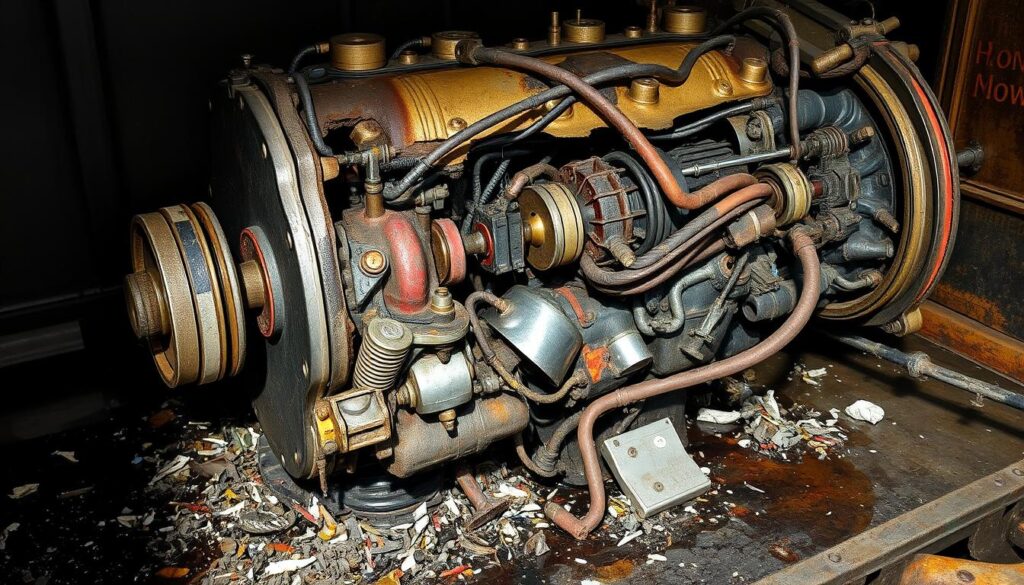
Real-world examples from Ford 6.0L Power Stroke owners demonstrate this problem clearly. The repair costs for hydrolock damage typically range from $8,000 to $15,000 or more for total engine replacement. In severe cases, the engine becomes completely locked and refuses to turn over, with most hydrolock situations resulting in unrepairable engine blocks.
Fuel Injector Failure and System Contamination
Coolant contamination in diesel fuel creates specific problems for precision fuel injectors operating at extremely high pressures. Internal components corrode rapidly when exposed to coolant—glycol-based coolants are particularly damaging to machined surfaces inside injectors. Deposits form on injector nozzles as coolant residue burns during combustion, blocking the tiny spray holes that create fine fuel mist. Replacement costs run $400 to $600 per injector, making total injector replacement a $2,400 to $4,800 expense.
When diesel fuel leaks into your coolant, it creates persistent contamination throughout the entire cooling system. Fuel and coolant form an emulsion that coats every surface the coolant touches, severely compromising cooling system performance. The contamination requires complete system flushing—simply draining and refilling proves insufficient. In severe cases, the radiator and heater core may require replacement because fuel deposits clog narrow cooling passages. Comprehensive cooling system cleanup costs typically range from $1,500 to $3,000.
Beyond mechanical damage, fuel cooler leaks create genuine safety threats. The mixture of fuel and coolant produces flammable vapors that accumulate in the engine compartment. Hot engine surfaces can ignite fuel vapors under the right conditions, with risk increasing significantly during hard acceleration or extended idling.
The HDJ Perspective
After covering diesel maintenance for over 15 years, we’ve seen fuel cooler failures devastate fleets that skipped preventive maintenance. The most successful operations treat fuel coolers as wear items requiring scheduled replacement at 150,000-mile intervals rather than waiting for failure. This proactive approach costs less than half of reactive repairs that include contamination cleanup, and it eliminates the downtime costs that ATRI research shows cripple small owner-operators. The Ford 6.0L debacle taught the industry an expensive lesson about integrated cooler designs—one that aftermarket manufacturers learned well by developing superior replacement units with thicker walls and better materials.
Step-by-Step Diesel Fuel Cooler Replacement Process
Understanding the complete procedure from preparation through final testing ensures a smooth installation. The fuel cooler replacement process involves multiple stages that must be completed in proper sequence, with specific attention to safety protocols and installation procedures.
Preparation and Safety Measures
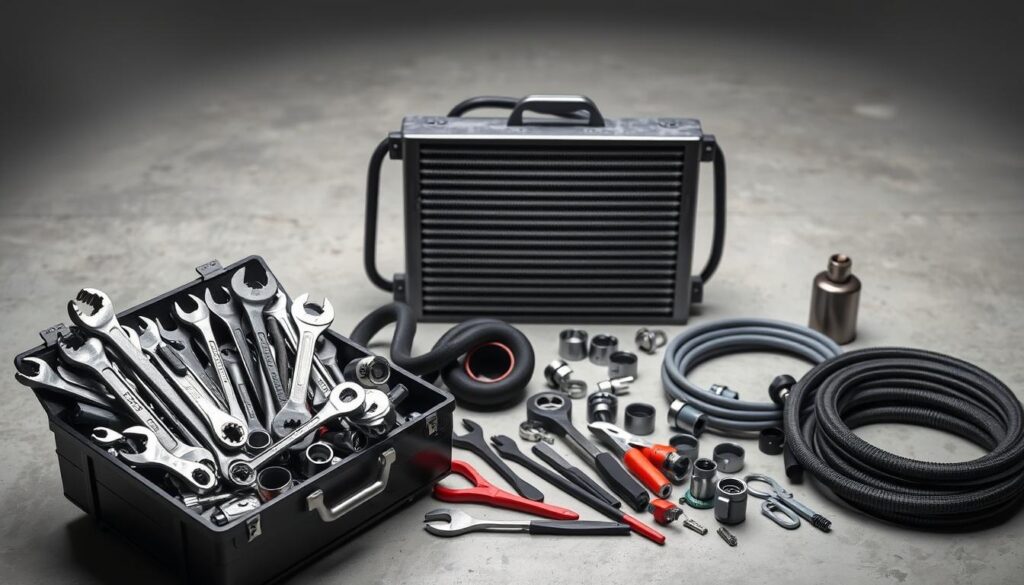
Proper preparation sets the foundation for successful fuel cooler replacement. You’ll need a comprehensive tool selection including a complete socket set in both metric and standard sizes, a calibrated torque wrench for achieving proper specifications, fuel line disconnect tools, and a coolant system pressure tester. Don’t forget fluid handling supplies—drain pans with at least two-gallon capacity, fresh coolant matching your vehicle’s specifications, and replacement gaskets and O-rings.
Personal protective equipment is non-negotiable. Safety glasses protect your eyes from fuel spray that can occur when disconnecting pressurized lines. Nitrile gloves resistant to both fuel and coolant prevent skin exposure. Work in a well-ventilated area to prevent diesel fume accumulation, and keep a fire extinguisher within easy reach.
Draining, Removal, and Installation
Start coolant drainage by locating the radiator drain petcock at the bottom corner of the radiator. Allow coolant to drain completely—this process takes several minutes. For fuel system depressurization, locate and remove the fuel pump fuse, then crank the engine until it stalls. This consumes remaining fuel in the lines and drops system pressure.
Proper fuel line disconnect tools are essential for removal. Quick-connect fittings damage easily if forced apart without correct tools. Label each connection as you disconnect it—coolant inlet and outlet hoses, along with fuel supply and return lines, must reconnect to their original positions. Immediately plug open lines after disconnection to prevent contamination.
Installation requires meticulous attention to surface preparation. Thoroughly clean all mounting surfaces—old gasket material must be completely removed using a plastic scraper to avoid gouging aluminum surfaces. Never reuse old gaskets or O-rings. Apply a light coating of fresh coolant to O-rings before installation to help them slide into position without rolling or tearing.
Consult your vehicle-specific service manual for exact torque specifications per TMC recommended practices. Follow the proper tightening sequence—most fuel cooler installations use a crisscross or star pattern. Tighten fasteners in stages, typically to 50% of final torque in the first pass, then to full specification in the second pass.
System Flushing and Verification
Fuel contamination in your coolant system necessitates complete flushing before refilling. Commercial coolant system flush solutions dissolve fuel residue that water alone cannot eliminate. Connect a garden hose to your radiator inlet after removing the thermostat temporarily, running water through the system until it flows clear.
Air trapped in the cooling system after refilling creates hot spots that damage engines. Most diesel engines have specific bleeding procedures—locate bleeder valves typically positioned at high points in the cooling system. Open bleeder valves before beginning coolant refilling, closing each once a steady stream of bubble-free coolant appears.
Perform a final pressure test to verify repair integrity. Use your coolant system pressure tester to pressurize the system to specification, monitoring for 15 minutes while visually inspecting all connections around the new fuel cooler for signs of seepage.
DIY vs. Professional Replacement Decision
When your diesel fuel cooler fails, you face an important decision balancing cost savings against technical complexity and potential risks. This decision impacts not only your wallet but also the long-term health of your diesel engine.
Skill Level and Time Requirements
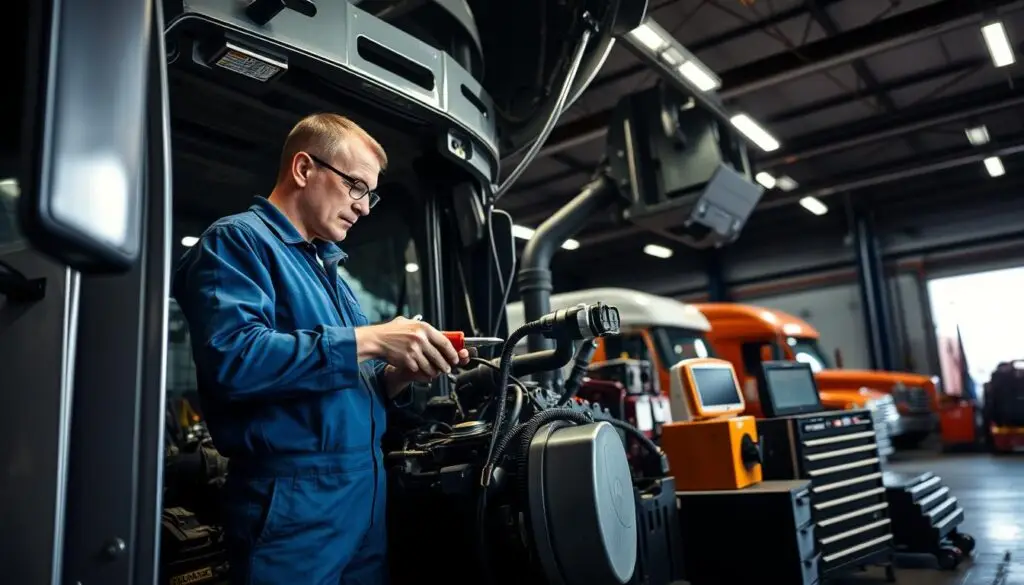
Diesel fuel cooler replacement demands intermediate to advanced mechanical skills—this isn’t a beginner-friendly project. You need precise ability to follow torque specifications, experience with fuel system components, comfort working with diesel fuel and coolant simultaneously, and understanding of system bleeding techniques.
For straightforward installations with easy cooler access, expect to invest 3 to 6 hours. Applications requiring removal of other components extend the timeline to 6 to 10 hours. Professional shops complete the same job in roughly half the time due to experience, proper equipment, and established procedures.
When Professional Service Is Necessary
Warranty coverage significantly impacts your replacement decision. Vehicles under manufacturer or extended warranty typically require authorized dealer service to maintain protection. Some replacement parts carry warranties only when installed by certified technicians.
Professional service is advisable when fuel coolers integrate into cylinder heads or oil coolers requiring major engine disassembly, when applications require special programming or calibration, when extensive contamination damage necessitates additional component replacement, or when access requires removing the cab or other major body components.
Diesel Fuel Cooler Replacement Costs
Understanding the complete cost breakdown helps you budget appropriately and avoid unexpected expenses during the repair process.
Parts Pricing Range
Original Equipment Manufacturer parts represent the premium option. An OEM fuel cooler for Ford Power Stroke engines typically ranges from $300 to $600. GM Duramax fuel coolers generally cost between $250 and $500, while Ram Cummins applications run from $200 to $450.
Quality aftermarket manufacturers offer compelling alternatives. Reputable brands like Dorman produce fuel coolers that often match or exceed original specifications at 30 to 50 percent less than OEM equivalents. Most diesel truck applications find quality aftermarket options ranging from $150 to $400. Avoid extremely cheap alternatives under $100—these often fail prematurely, creating repeat repair expenses that eliminate initial savings.
Labor Costs and Total Investment
Geographic location dramatically influences labor rates. Independent diesel shops in rural areas typically charge $80 to $100 per hour, suburban independents command $100 to $130, while dealership service departments price labor between $140 and $180 per hour. Fuel cooler replacement requires 2 to 4 hours for straightforward installations, but difficult access applications may need 4 to 8 hours.
| Vehicle Type | DIY Cost | Professional Cost |
|---|---|---|
| Light-duty (basic access) | $200-$400 | $500-$900 |
| Mid-duty (moderate difficulty) | $300-$600 | $700-$1,400 |
| Heavy-duty/difficult access | $400-$800 | $1,000-$2,000 |
| Extensive contamination | N/A | $3,000-$5,000 |
Additional expenses include fresh coolant ($20-$40 for 2-3 gallons), diesel fuel system cleaner ($15-$30), replacement gasket kits ($15-$50), and cooling system flush chemicals ($15-$30).
Selecting the Right Replacement Fuel Cooler
Selecting a quality replacement part becomes one of the most important decisions for maintaining engine reliability. The market offers various options ranging from original equipment to high-performance aftermarket alternatives.
OEM vs. Aftermarket Comparison
OEM fuel coolers guarantee exact original specifications and provide peace of mind for warranty concerns. However, quality aftermarket options from reputable manufacturers often incorporate design improvements addressing known weaknesses in original equipment—particularly valuable for problematic applications like Ford 6.0L Power Stroke engines.
Proper fitment represents the most critical factor. Verify exact vehicle fitment using your VIN number or detailed year, make, model, and engine specifications. Check that inlet and outlet configurations match your original cooler exactly, and confirm mounting hole alignment and bracket compatibility before purchasing.
Material Quality and Warranty Considerations
Premium units feature thicker plates and optimized internal passage designs. Pay attention to the quality of brazed or welded joints where leaks typically develop. Seal materials should be Viton or other fuel-resistant compounds that maintain integrity over time. External finish and coating quality protect against environmental corrosion.
Typical OEM warranties range from one to three years. Aftermarket warranties vary considerably—budget options might offer only one year, while premium brands provide lifetime warranties. Extended coverage on critical components delivers valuable peace of mind.
Free Professional Fleet Tools
Cost calculators, fault code lookup, maintenance planners, and more—built for owner-operators, fleet managers, and diesel techs. No signup required.
Preventive Maintenance for Fuel Cooler Longevity
Implementing strategic preventive maintenance saves thousands of dollars over your vehicle’s lifetime. A comprehensive fuel cooler maintenance program protects your investment and prevents catastrophic failures.
Coolant System Maintenance Schedule
Modern extended-life coolants offer longer service intervals than traditional formulations. Manufacturers typically recommend coolant changes every 50,000 to 100,000 miles for standard operating conditions. Vehicles operating under severe duty cycles—regular heavy towing, extreme climates, or commercial use—need more frequent service every 30,000 to 50,000 miles.
Always use manufacturer-specified formulations designed for diesel applications. Most modern diesel engines require extended-life OAT or HOAT coolants meeting ASTM D6210 specifications. Never mix different coolant types—chemical reactions between incompatible coolants reduce protection and accelerate degradation. Maintain proper coolant concentration at a 50/50 mix with distilled water for optimal freeze protection, boiling point elevation, and corrosion inhibition.
Monitoring and Inspection Protocols
Check coolant level weekly for vehicles in regular use. Inspect coolant appearance monthly for contamination indicators—watch for brown or rusty discoloration indicating corrosion, oily film suggesting fuel contamination, cloudy appearance from suspended particles, and unusual odors particularly fuel smell.
Test coolant pH annually to verify chemical protection remains effective. Coolant should maintain an alkaline pH between 8 and 11—acidic coolant (below pH 7) attacks metal components and accelerates fuel cooler deterioration. Monitor for unexplained coolant loss between service intervals, as gradual level drops indicate leaks requiring investigation.
Incorporate fuel cooler inspections into your regular service routine. Following CVSA inspection standards, your maintenance schedule should include cooler inspection every 15,000 to 20,000 miles. Look for external corrosion on the cooler housing and connections, check mounting brackets for looseness, and examine connected coolant hoses for cracks, soft spots, or swelling.
Vehicles Most Affected by Fuel Cooler Issues
Certain diesel truck models have developed well-documented histories of premature failures. Understanding which vehicles face higher risks helps potential buyers make informed decisions and current owners take preventive action.
Ford Power Stroke Diesel Engines
The 6.0L Power Stroke represents perhaps the most infamous fuel cooler failure scenario in diesel history. This engine used an integrated oil cooler and fuel cooler assembly that proved fundamentally flawed. These failures affected F-250, F-350, F-450, and F-550 Super Duty trucks as well as E-Series vans from 2003-2007. The problem became so widespread it resulted in class-action lawsuits.
Current 6.0L Power Stroke owners should consider proactive replacement as preventive maintenance. Upgraded aftermarket units address original design flaws and offer significantly improved durability. The 6.4L Power Stroke also experienced difficulties, though less severe—high-mileage trucks exceeding 150,000 miles show increased failure rates.
GM Duramax and Ram Cummins
The LLY engine code Duramax (2004.5-2005 Silverado and Sierra 2500HD/3500HD) experienced problems primarily from external corrosion due to frame-mounted location exposing coolers to road salt. Later LBZ (2006-2007) and LMM (2007.5-2010) generations used updated designs with better corrosion resistance, substantially improving reliability.
Cummins-powered Ram trucks generally demonstrate superior fuel cooler longevity. The common-rail 5.9L Cummins engines (2003-2007) show excellent overall reliability, with failures occurring far less frequently than equivalent-year Ford or GM models. The 6.7L Cummins continues this tradition, with problems remaining uncommon—typically appearing only in extreme-use scenarios or after exceeding 300,000 miles.
| Vehicle Make/Model | Most Affected Years | Failure Rate | Typical Mileage at Failure |
|---|---|---|---|
| Ford 6.0L Power Stroke | 2003-2007 | Very High | 80,000-150,000 miles |
| Ford 6.4L Power Stroke | 2008-2010 | Moderate | 150,000-200,000 miles |
| GM LLY Duramax | 2004.5-2005 | Moderate | 120,000-180,000 miles |
| GM LBZ/LMM Duramax | 2006-2010 | Low to Moderate | 200,000+ miles |
| Ram 5.9L Cummins | 2003-2007 | Low | 200,000+ miles |
Frequently Asked Questions
How do I know if my diesel fuel cooler is failing?
The most reliable indicators include fuel smell in your coolant reservoir, milky or cloudy coolant appearance with oil sheen, hard starting or no-start conditions especially after the vehicle sits overnight, rough idling with noticeable vibration and fluctuating RPM, visible fuel stains around the cooler housing, and dashboard warning lights including check engine and low coolant alerts. If you notice any combination of these symptoms, perform a visual coolant inspection and consider pressure testing your cooling system to confirm the diagnosis before contamination causes expensive engine damage.
Can I drive my truck with a leaking fuel cooler?
No, driving with a known fuel cooler leak is extremely dangerous and should be avoided. Even minor contamination between fuel and coolant systems can rapidly escalate to catastrophic engine failure. Coolant entering the combustion chambers causes hydrolock damage requiring $8,000-$15,000 in repairs, while fuel contamination destroys injectors ($2,400-$4,800 for replacement) and contaminates the entire cooling system ($1,500-$3,000 cleanup). The mixture also creates flammable vapors that pose fire hazards. If you suspect a fuel cooler leak, stop driving immediately and arrange for towing to a repair facility.
How much does diesel fuel cooler replacement cost?
Total replacement costs vary significantly based on vehicle design and repair approach. Light-duty diesel trucks with straightforward access see DIY repairs costing $200-$400 for parts and fluids, while professional installation totals $500-$900. Heavy-duty or difficult access applications require professional service ranging $1,000-$2,000. Luxury diesel vehicles often need $1,200-$2,500 due to complex systems. If extensive contamination occurred before replacement, costs can reach $3,000-$5,000 when additional components like injectors, water pumps, or radiators require replacement. Always request detailed written estimates before authorizing work.
Should I replace my fuel cooler with OEM or aftermarket parts?
Quality aftermarket fuel coolers from reputable manufacturers like Dorman often provide better value than OEM parts, typically costing 40-60% less while delivering comparable or superior performance. Many aftermarket options incorporate design improvements addressing original equipment weaknesses, particularly for problematic applications like Ford 6.0L Power Stroke engines. However, vehicles under manufacturer warranty may require OEM parts to maintain coverage. For most out-of-warranty applications, select premium aftermarket parts from established manufacturers with solid warranty coverage. Avoid bargain coolers under $100 that fail prematurely.
How often should I replace coolant to prevent fuel cooler problems?
For standard operating conditions, change extended-life coolant every 50,000-100,000 miles following manufacturer specifications. However, severe duty applications including regular heavy towing, extreme climate operation, or commercial use require more frequent service every 30,000-50,000 miles. Always use the correct coolant specification for your engine—OAT or HOAT formulations designed specifically for diesel applications. Monitor coolant pH annually to ensure it maintains proper alkalinity (pH 8-11). Never mix coolant types, as chemical reactions reduce protection and accelerate component degradation. Immediate service becomes necessary if you detect fuel odor or unusual discoloration.
What’s the best way to diagnose a fuel cooler leak at home?
Start with visual coolant inspection when the engine is completely cold. Remove the overflow reservoir cap and check for fuel smell, milky or cloudy appearance, oil sheen on the surface, or visible fuel layer separation. Next, inspect the fuel cooler housing after cleaning with degreaser—look for fresh wetness, fuel staining, or coolant residue around seams and connections. For definitive confirmation, perform cooling system pressure testing using a tester from auto parts stores. Apply 30 psi pressure and monitor for 15 minutes—pressure drops indicate leaks. Test strips designed for diesel fuel detection in coolant provide affordable chemical confirmation of contamination levels. If any test indicates problems, stop driving and arrange for professional diagnosis or replacement.
Take Action on Fuel Cooler Health Today
Diesel fuel cooler leak repair demands immediate attention to prevent expensive engine damage. The information in this guide equips you to recognize warning signs early and take decisive action before minor leaks escalate into major failures costing $10,000 or more.
Understanding your vehicle’s cooling system helps you spot contamination issues quickly. Fuel-tainted coolant or unexplained performance drops signal potential fuel cooler problems that require professional diagnosis or thorough DIY inspection. The replacement costs between $500 and $2,000 remain reasonable compared to the catastrophic expenses from hydrolock damage or contaminated fuel systems.
Ford Power Stroke, GM Duramax, and Ram Cummins owners face varying fuel cooler failure risks—with Ford 6.0L engines requiring particular vigilance. Proactive replacement before failure occurs makes sense for high-risk applications. Regular diesel maintenance including manufacturer-recommended coolant service, scheduled visual inspections, and proper fluid specifications extends fuel cooler life to 150,000-200,000 miles.
Armed with this knowledge, you can make informed decisions protecting both your diesel engine and your operation’s bottom line from fuel cooler-related problems.
Help Your Network Stay Informed
Share this comprehensive guide with fellow fleet managers, owner-operators, and diesel technicians who could benefit from this critical maintenance information. Early detection of fuel cooler problems saves entire fleets from expensive downtime and catastrophic engine failures.