By Michael Nielsen, Editor & Publisher | 15+ Years in Diesel Repair
Last Updated: January 2025
📖 Estimated reading time: 28 minutes
Managing commercial vehicles in 2025 demands smart technology decisions that directly impact your bottom line. Fleet telematics software has evolved far beyond basic GPS tracking, with platforms now offering AI-powered analytics, predictive maintenance, and comprehensive compliance tools that can transform how you run your operation.
Rising fuel costs and vehicle replacement expenses continue straining budgets across commercial fleets in the United States. Modern telematics platforms have become essential for controlling these expenses while improving driver safety and operational efficiency. The challenge lies in identifying which platform delivers the best value for your specific needs—and avoiding costly long-term contracts with providers that don’t fit your operation.
This comprehensive guide examines the leading fleet tracking solutions for 2025, including Verizon Connect, Samsara, Geotab, Fleet Complete, GPS Insight, and Teletrac Navman. We analyzed systems across 51 evaluation criteria, focusing on real-time tracking capabilities, AI integration, maintenance scheduling, and regulatory compliance. Whether you manage five vehicles or five hundred, you’ll find actionable insights on pricing structures, implementation strategies, and realistic ROI expectations.
Key Takeaways
- Verizon Connect leads enterprise operations with 30-second refresh rates and 24/7 phone support, starting at $20/vehicle monthly with three-year contracts.
- Samsara excels in AI-powered route optimization and cloud-based analytics, with monthly costs of $27-$33 per vehicle plus hardware.
- GPS Insight delivers the best value for small to mid-size fleets (5-100 vehicles) with month-to-month flexibility and self-installation options.
- Geotab’s open platform provides maximum integration flexibility through 500+ marketplace applications for complex technical environments.
- Most fleets achieve positive ROI within 6-18 months through fuel savings (10-15%), maintenance cost reductions (15-20%), and insurance premium decreases (5-10%).
- Contract terms range from month-to-month (NexTraq, GPS Insight) to mandatory three-year commitments (Verizon Connect, Samsara)—evaluate flexibility before signing.
Understanding Fleet Telematics Technology in 2025
Fleet telematics functions as a centralized command center delivering real-time insights into every aspect of your operation. These systems enable businesses to monitor vehicles, assets, equipment, and drivers from a single platform. The technology has transformed from simple location tracking into sophisticated systems that drive strategic decision-making across maintenance, safety, and compliance functions.
Modern fleet tracking solutions incorporate multiple data streams to create comprehensive operational visibility. GPS tracking forms the foundation, but current platforms extend far beyond basic positioning. They capture vehicle diagnostics, driver behavior patterns, fuel consumption metrics, and maintenance indicators simultaneously—processing this data through cloud-based software that fleet managers access through web dashboards and mobile applications.

The hardware component consists of devices that either plug into OBD-II ports or integrate directly into vehicle systems through hardwired installations. These units contain GPS receivers, accelerometers, and cellular modems for continuous data transmission. Real-time GPS tracking provides location updates as frequently as every 30 seconds on premium platforms, while driver behavior monitoring identifies speeding, harsh braking, and rapid acceleration instantly.
Preventive maintenance scheduling has become increasingly sophisticated through predictive algorithms. Instead of relying on arbitrary calendar intervals, modern systems analyze actual vehicle usage, engine hours, and diagnostic codes. According to ATRI’s Operational Costs of Trucking research, repair and maintenance expenses averaged $0.201 per mile for motor carriers—making predictive maintenance capabilities a significant cost control opportunity for fleets of any size.
Core Platform Capabilities
Every telematics platform delivers baseline functionality covering vehicle location, driver identification, and basic diagnostics. The differentiation occurs in refresh rates, analytical depth, and integration capabilities. Entry-level systems may update positions every 15-60 minutes, while premium platforms like Verizon Connect and Samsara refresh every 30-60 seconds—a critical distinction for time-sensitive dispatch operations.
| Core Capability | Traditional Approach | Telematics Solution | Operational Impact |
|---|---|---|---|
| Vehicle Location | Phone calls to drivers | Real-time GPS with 30-second refresh | Instant visibility and improved routing |
| Maintenance Scheduling | Fixed calendar intervals | Usage-based predictive alerts | 25-30% reduction in breakdown costs |
| Driver Safety | Post-incident review | Real-time behavior monitoring | 40-60% decrease in safety incidents |
| Fuel Management | Manual fuel card reconciliation | Automated tracking with idle analysis | 15-20% fuel cost savings |
| Compliance Reporting | Paper logs and manual audits | Automated ELD and DVIR | Elimination of HOS violations |
Electronic Logging Device (ELD) functionality has become standard for commercial motor vehicles subject to FMCSA regulations. Under 49 CFR Part 395, most commercial drivers must use ELDs to record their Hours of Service automatically. Modern telematics platforms integrate ELD compliance with broader fleet management tools, creating unified systems that handle both regulatory requirements and operational optimization.
Digital Vehicle Inspection Reports (DVIR) streamline pre-trip and post-trip documentation requirements mandated under 49 CFR Part 396. Drivers complete inspections using mobile applications with customizable checklists, capturing photos of identified defects and immediately notifying maintenance teams when repairs are needed.
Verizon Connect: Enterprise-Grade Fleet Management
Verizon Connect has earned recognition as the top-rated fleet telematics platform for enterprise operations, delivering comprehensive functionality with exceptional depth. The system serves fleets ranging from regional operations to multinational corporations across the United States, Canada, United Kingdom, and Australia. Its industry-leading 30-second data refresh rate provides near real-time positioning accuracy critical for time-sensitive dispatch operations.

Platform Capabilities
Verizon Connect operates as a fully integrated enterprise solution designed for complex operational demands. The platform supports operations from small local fleets to multinational corporations with thousands of vehicles. Around-the-clock phone support ensures fleet managers receive assistance whenever issues arise, regardless of time zone or business hours.
The tracking system employs sophisticated GPS technology combined with cellular connectivity for continuous vehicle monitoring. The intuitive drag-and-drop interface mirrors Google Maps functionality while adding powerful fleet-specific overlays. Live driver locations appear alongside vehicle status indicators, geofence boundaries, and custom location markers. Street view functionality integrates with live dash cam feeds, enabling managers to see both environmental conditions and actual road situations.
Vehicle health monitoring provides comprehensive diagnostics beyond basic tracking. The system reads and interprets fault codes from vehicle onboard computers while engine temperature tracking prevents overheating damage by alerting managers before critical thresholds are reached. Automated maintenance scheduling triggers work orders based on mileage intervals or engine hours, while detailed fuel consumption analysis identifies inefficient driving behaviors and potential fuel theft through sudden tank level drops.
30-Second Refresh Rate
Industry-leading GPS update frequency for dispatch-critical operations
AI-powered dash cameras detect distracted driving behaviors automatically, flagging harsh braking events, following too closely, and potential collision scenarios without manual review. The crash reporting feature automatically detects incidents and sends immediate notifications with vehicle speed, location, and dash cam footage from moments before and after impact—invaluable documentation for insurance claims and liability disputes.
Advantages and Limitations
Verizon Connect excels in providing full operational visibility for both long-haul transportation and last-mile delivery operations. The platform handles complex routing scenarios with automatic optimization considering traffic patterns, delivery windows, and vehicle capacity constraints. The extensive integration ecosystem connects with numerous business products and third-party applications, eliminating data silos and reducing manual data entry errors.
The three-year minimum contract requirement represents the most significant barrier for smaller operations. This commitment locks businesses into extended agreements that may not align with rapidly changing operational needs. Pricing positions Verizon Connect at the premium end of the market—higher monthly costs reflect the extensive feature set but may exceed budget constraints for cost-conscious fleet managers. The steep learning curve requires dedicated training time, with new users typically needing several weeks to become proficient with all available tools.
Investment Structure
Verizon Connect typically starts at approximately $20 per vehicle per month when committing to a three-year contract term. The company does not publish standardized pricing due to the highly customizable nature of deployments. Actual costs vary based on fleet size, selected features, vehicle types, and required integrations. Installation costs are not included in subscription pricing, requiring separate budgeting for hardware deployment across vehicle populations.
Samsara: Cloud-Based AI Integration
Samsara distinguishes itself through seamless AI integration and intelligent automation that drives measurable business results. The platform operates exclusively in the cloud, eliminating on-premise server requirements while delivering advanced fleet management capabilities across the United States, United Kingdom, and Canada. Feature ratings between 4.6 and 4.7 place it among the highest-performing solutions available.

Advanced AI Features
The intelligent routing engine represents one of Samsara’s most sophisticated capabilities. The system analyzes up to 20 stops using artificial intelligence and extends to 100+ stops overall, incorporating real-time traffic patterns, historical travel time data, estimated service duration, and driver availability. Fleet managers configure route parameters based on delivery time windows, vehicle capacity constraints, driver skill levels, and customer priority ratings.
Safety management tools include dual-lens dash cameras that simultaneously capture forward road view and driver behavior. AI algorithms automatically identify and flag safety events including harsh acceleration, hard braking, sharp cornering, cell phone use, smoking while driving, seat belt violations, and signs of driver fatigue like yawning and eye closure. The platform allows granular customization of harsh event thresholds, enabling fleet managers to calibrate sensitivity levels appropriate to their specific operational environment.
The Samsara Assistant chatbot leverages natural language processing to answer fleet performance questions instantly. Fleet managers ask questions in plain English and receive immediate data-driven responses. The assistant generates custom reports, delivers proactive recommendations based on detected patterns, and provides historical trend analysis without requiring manual report configuration.
Fall 2025 Feature Releases
New capabilities expand the platform’s functionality significantly. Automated Coaching analyzes driver performance data and generates personalized coaching recommendations delivered directly through mobile applications. AI Multicam expands camera coverage to multiple angles around vehicles, providing comprehensive incident documentation. Worker Safety Wearables extends monitoring beyond vehicles to field workers through connected devices detecting falls and environmental hazards. Weather Intelligence provides live weather overlays on route maps with automatic alerts for severe conditions.
Strengths and Limitations
Route optimization capabilities produce fuel cost reductions between 15-25% after implementation. Vehicle tracking accuracy exceeds industry standards with GPS coordinates updating every 30-60 seconds under normal conditions. Integration capabilities span accounting platforms, payroll systems, maintenance management software, and transportation management systems.
The three-year minimum contract requirement may concern organizations preferring shorter evaluation periods. Driver identification tokens cost $9.99 each as additional expenses beyond base subscription fees. The platform does not include free installation services, and geographic availability excludes Australia and other markets outside North America and the UK.
Pricing Structure
Software subscriptions range from $27-$33 per vehicle monthly, with hardware equipment costing $99-$148 per device as a one-time purchase. Installation services run $75-$125 per vehicle when using professional installers. Volume discounts apply for fleets exceeding 100 vehicles, with enterprise agreements for 500+ vehicles including dedicated account managers and customized training programs.
Geotab: Open Platform and Marketplace Leader
With hundreds of third-party integrations available through its extensive marketplace, Geotab has established itself as the flexibility leader in fleet telematics. The platform’s open architecture fundamentally changes how businesses approach fleet management technology. Rather than forcing companies into rigid solutions, this approach allows organizations to select precisely the tools they need without vendor lock-in.

Marketplace Ecosystem
The foundation of Geotab’s approach rests on its open platform design. This architecture enables fleet managers to access a marketplace featuring over 500 specialized applications and add-ons. Independent software vendors and Geotab’s development teams continuously expand this ecosystem with industry-specific solutions.
A waste management company might add route optimization tools, while a refrigerated transport business could implement cold chain monitoring modules. The marketplace includes solutions for IFTA fuel tax reporting, environmental impact analysis, and enterprise resource planning integration. This modular approach means companies pay only for functionality they actually use.
Data Collection and Analytics
Geotab’s data collection engine captures granular vehicle telemetry at second-by-second intervals, monitoring hundreds of diagnostic parameters directly from vehicle onboard computers. Advanced driver safety monitoring evaluates speeding, harsh braking, rapid acceleration, excessive idling, and seat belt compliance with configurable weighting systems. Predictive maintenance analytics track RPM, coolant temperature, battery voltage, and component wear patterns to identify maintenance needs before failures occur.
The platform delivers comprehensive total cost of ownership calculations for each vehicle including maintenance, fuel, and operational expenses. Environmental sustainability reporting provides carbon emissions calculations and reduction documentation supporting corporate sustainability initiatives.
Advantages and Considerations
Hardware durability stands out—devices withstand extreme temperatures, high vibration, and harsh environmental conditions common in commercial trucking operations. The system’s reliability has earned a strong reputation among enterprises requiring mission-critical uptime. Scalability allows growth without forcing system replacements, and the open platform philosophy preserves long-term technology flexibility.
The extensive customization options require more initial setup time and technical knowledge than plug-and-play alternatives. Selecting optimal add-ons from hundreds of marketplace options can overwhelm new users. Variable costs from marketplace integrations and specialized hardware can increase total expenses beyond base pricing.
Investment Requirements
Geotab pricing starts at $30 per vehicle per month, positioning it at a moderate price point. Actual costs vary based on selected marketplace add-ons, hardware options, contract duration, and volume discounts. Professional services for implementation and training represent additional investment. Enterprise contracts include volume discounts that can reduce per-vehicle costs substantially for larger operations.
Fleet Complete: Compliance-First Platform
Fleet Complete stands out as a compliance-first telematics platform addressing complex regulatory challenges facing modern fleet operations. This system targets organizations operating in heavily regulated sectors where safety protocols and documentation requirements demand continuous attention. The platform integrates compliance management with driver safety tools for unified risk mitigation.

Regulatory Management Features
Fleet Complete delivers comprehensive tools designed for companies prioritizing regulatory compliance alongside operational efficiency. The system provides electronic logging capabilities automatically tracking driver hours and vehicle movements, reducing manual paperwork and maintaining accurate records for audits.
The ELD compliance software meets all FMCSA requirements, automatically recording driving time and creating compliant logs without driver intervention. The system alerts managers when drivers approach hours-of-service limits, preventing violations before they occur. Digital DVIR functionality enables systematic pre-trip and post-trip inspections through mobile applications with customizable checklists capturing photos of identified defects.
Safety telematics capabilities monitor driver behavior in real-time, tracking speeding events, harsh braking, rapid acceleration, and cornering patterns. Fleet Complete generates detailed driver scorecards quantifying performance metrics and identifying coaching opportunities. Crash detection technology identifies collision events automatically, sending immediate notifications with precise location information for rapid emergency response.
| Compliance Feature | Functionality | Business Impact |
|---|---|---|
| Electronic Logging Device | Automatic HOS tracking and FMCSA reporting | Eliminates manual logs and violation risk |
| Digital DVIR | Mobile inspection forms with photo documentation | Ensures thorough checks and maintenance accountability |
| Driver Behavior Monitoring | Real-time alerts for unsafe driving events | Reduces accidents and insurance premiums |
| Credential Management | Tracking for licenses, registrations, permits | Prevents expired credentials and OOS orders |
Strengths and Limitations
The integrated approach eliminates the need for multiple systems to manage different compliance requirements, reducing software costs and simplifying training. Dash camera integration provides video evidence protecting fleets against fraudulent insurance claims. Maintenance management capabilities prevent compliance issues related to vehicle condition through scheduled preventive maintenance.
Some users report the interface requires significant training time, with new fleet managers needing several weeks for full proficiency. The extensive feature set may overwhelm smaller fleets with basic needs. Customer support response times receive mixed reviews depending on service tier and account size.
Pricing and Contracts
Fleet Complete employs customized pricing based on fleet size, selected features, and contract length. Monthly subscription fees typically range from $30 to $50 per vehicle depending on feature bundles. Compliance-focused packages including ELD, DVIR, and safety monitoring fall toward the higher end. Hardware costs for GPS devices and optional dash cameras add to initial investment, with contract terms generally spanning 24 to 36 months.
The HDJ Perspective
The fleet telematics market has matured significantly, but we’re seeing a clear split between platforms designed for enterprise complexity and those built for practical small-fleet implementation. The three-year contracts common among premium providers like Verizon Connect and Samsara make sense for large operations with dedicated fleet management staff—but they represent real risk for smaller fleets where operational needs shift rapidly. GPS Insight’s month-to-month flexibility and Geotab’s open marketplace approach signal that vendors are responding to this market reality. For owner-operators and small fleet managers, the ability to test a platform for 90 days before committing to a multi-year agreement is worth paying a modest premium for. The technology differences between platforms matter less than finding a provider whose contract terms and support model match your operation’s actual needs.
GPS Insight: Best for Small to Mid-Size Fleets
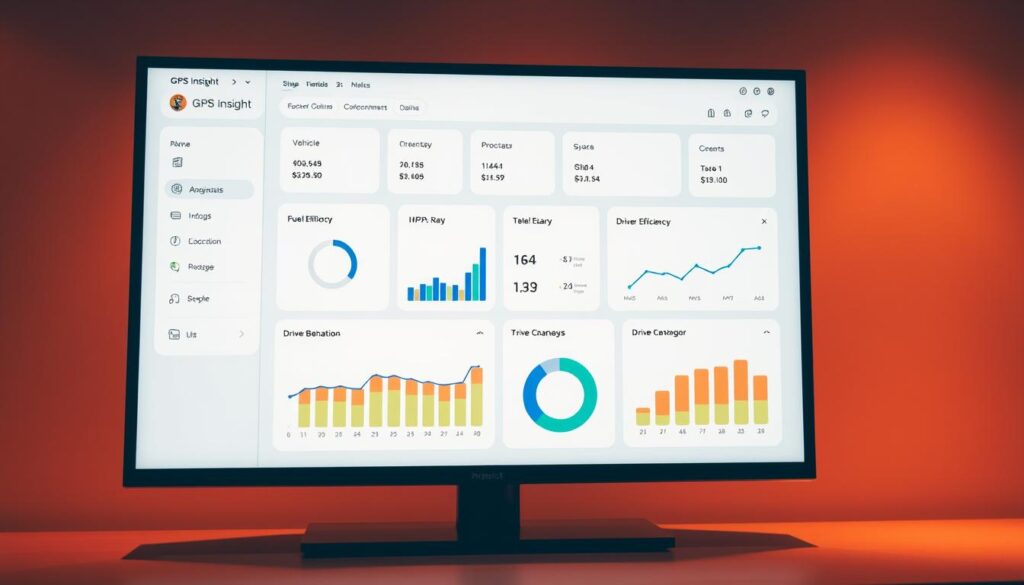
For fleet managers operating 5 to 100 vehicles, GPS Insight provides a focused telematics platform balancing essential features with budget-friendly pricing. The solution targets growing businesses needing practical fleet management capabilities without the complexity of enterprise-grade systems, making it ideal for companies transitioning from manual tracking methods to digital fleet management.
Platform Design Philosophy
GPS Insight has built its reputation by serving the specific needs of small to mid-size fleet operations. The company understands that businesses with limited IT resources require solutions that work immediately without extensive configuration. Their customer base includes construction companies, service contractors, delivery operations, and local government agencies.
The platform design reflects years of feedback from fleet managers who struggled with overly complex systems. GPS Insight emphasizes ease of use and quick implementation, with plug-and-play hardware installation eliminating the need for professional installation services. Most fleet managers complete installations themselves in minutes per vehicle using included instructions.
Core Functionality
Real-time GPS tracking displays vehicle locations on intuitive map interfaces requiring minimal training. Geofencing capabilities establish virtual boundaries around job sites, customer locations, or restricted areas with automatic notifications when vehicles enter or exit zones. This feature proves particularly valuable for service businesses billing customers based on arrival and departure times.
Historical route playback resolves disputes and verifies completed work by showing exactly where vehicles traveled on any given day. Automated mileage reporting simplifies tax documentation and customer billing. Driver behavior monitoring tracks speed threshold violations, harsh braking, rapid acceleration, excessive idling, after-hours usage, and seat belt compliance.
The maintenance tracking module provides preventive maintenance scheduling based on mileage or time intervals with automatic reminders. Reporting capabilities include templates for common business needs—daily activity summaries, monthly mileage reports, driver performance scorecards, and exception reports flagging policy violations.
Value Proposition
The intuitive software interface minimizes training requirements, with pre-configured dashboards displaying relevant information immediately upon login. Customer support responsiveness stands out as a major advantage, with smaller fleets receiving the same attention as larger accounts—crucial for businesses without dedicated IT personnel.
The platform’s simplified approach creates limitations compared to enterprise systems. Advanced analytics and predictive modeling features aren’t included. Integration capabilities with third-party business systems remain more limited than open-platform competitors. Maintenance management covers basic preventive maintenance but lacks the depth of dedicated fleet maintenance systems.
Pricing and Flexibility
Subscription pricing ranges from $25 to $35 per vehicle monthly depending on features and fleet size, with volume discounts for larger mid-size fleets. Basic GPS tracking devices cost $100-$150 per unit, with advanced hardware reaching $200-$250. GPS Insight offers month-to-month agreements rather than requiring multi-year commitments—allowing cancellation or adjustment without penalty fees.
Key Recommendation
For fleets under 25 vehicles without dedicated fleet management staff, GPS Insight’s month-to-month flexibility and self-installation option provide the lowest-risk entry point into telematics technology. Start with a 90-day pilot program on 3-5 vehicles before full deployment.
Teletrac Navman: Industry-Specific Solutions
The TN360 platform delivers industry-focused telematics addressing unique operational challenges across different fleet sectors. Teletrac Navman has built its reputation developing solutions tailored to construction, utilities, government, waste management, and field service operations. This vertical market approach goes beyond generic tracking to solve real-world problems facing specialized fleets.

Vertical Market Specialization
Construction fleets benefit from equipment hour tracking monitoring both engine runtime and productive working time, helping contractors allocate costs accurately to individual projects. Waste management operations gain specialized routing features designed for collection schedules. Government fleets access public sector reporting tools meeting regulatory requirements. Field service companies integrate work orders directly with vehicle tracking data.
Smart Reporting Capabilities
The platform’s signature feature is its guided approach to creating data-driven reports. Smart analysis tools walk users through defining metrics, selecting data sources, and choosing visualization formats—eliminating complexity typically associated with business intelligence software. Autogenerated reports provide immediate value covering total miles driven, fuel consumption patterns, speeding violations, preventive maintenance schedules, and hours-of-service compliance.
Driver behavior monitoring includes comprehensive safety features with driver fatigue insights analyzing continuous driving time to identify when operators approach hours-of-service limits. The platform detects driving patterns associated with fatigue like inconsistent speed or delayed reactions. Driver ID functionality ensures accurate attribution of behavior to individual operators for personalized coaching.
Advantages and Limitations
The extensive feature catalog covers tracking, safety, compliance, and analytics with built-in safety tools not requiring additional modules. One-year contract terms provide greater flexibility than three-year requirements common among premium providers. 24/7 phone support ensures technical assistance availability.
Entry-level plans include limited functionality compared to premium tiers. Contract autorenewal requires 30-day notice to prevent automatic annual renewal. The platform lacks temperature monitoring capabilities for engine or cargo temperature sensors. Advanced reporting features require time to master fully.
Investment Structure
Pricing starts at approximately $25 per vehicle per month, positioning competitively within the mid-market segment. Tiered pricing means basic plans provide essential tracking and reporting while premium tiers unlock advanced analytics and enhanced support. Hardware and installation costs vary based on vehicle types and selected features.
Free Professional Fleet Tools
Cost calculators, fault code lookup, maintenance planners, and more—built for owner-operators, fleet managers, and diesel techs. No signup required.
Critical Feature Comparison
Feature comparison forms the foundation of successful fleet telematics selection, separating basic tracking from comprehensive management solutions. Understanding which capabilities provide genuine business value helps fleet managers avoid paying for unnecessary features while ensuring critical functionality remains accessible.
GPS Tracking and Refresh Rates
Data refresh rates reveal substantial differences between platforms. Standard solutions update vehicle positions every 30 to 60 seconds, while premium platforms like Motive provide updates every 1 to 3 seconds. Budget options may refresh as slowly as 15 to 60 minutes, creating blind spots in fleet visibility. Faster refresh rates enable more accurate arrival time estimates and responsive dispatch adjustments—critical for time-sensitive deliveries and customer service commitments.
Driver Safety Monitoring
Modern driver safety systems extend beyond basic speed threshold alerts. Comprehensive platforms analyze multiple risk factors including harsh acceleration, hard braking, aggressive cornering, excessive idling, seat belt usage, and distracted driving. AI-powered dash cameras now detect cell phone use and signs of driver fatigue, providing objective evidence for coaching conversations. Leading platforms generate driver scorecards creating accountability and enabling performance-based incentive programs.
Maintenance Management
Standard systems generate reminders based on arbitrary mileage intervals, while sophisticated solutions analyze actual vehicle diagnostic data to predict maintenance needs. Predictive capabilities examine oil life, battery health, tire pressure, brake wear, and engine performance indicators. According to TMC’s Recommended Practices, data-driven maintenance scheduling significantly outperforms calendar-based approaches for extending vehicle lifespan and preventing roadside failures.
Fuel Management
Fuel tracking addresses one of the largest controllable fleet expenses. Effective features provide detailed consumption tracking by vehicle, driver, route, or time period. Integration with fuel card systems varies dramatically—basic platforms support single provider connections, while comprehensive solutions integrate with 25+ fuel card brands. Advanced fuel tracking includes theft detection algorithms identifying suspicious fuel level drops when vehicles aren’t operating.
| Feature Category | Basic Platform | Standard Platform | Advanced Platform |
|---|---|---|---|
| GPS Refresh Rate | 15-60 minutes | 30-60 seconds | 1-3 seconds |
| Fuel Card Integrations | 1-2 providers | 5-10 providers | 15-25 providers |
| Maintenance Approach | Mileage-based reminders | Scheduled alerts | Predictive diagnostics |
| Driver Monitoring | Speed alerts only | Multiple behavior metrics | AI-powered cameras |
| Compliance Support | Basic ELD logging | ELD plus DVIR | Complete DOT compliance suite |
Pricing Comparison and Total Cost Analysis
Comparing telematics pricing across providers demands comprehensive analysis of subscription fees, hardware expenses, and contract obligations. The advertised monthly rate represents just one component of total investment. Entry-level solutions start around $15.99 per vehicle monthly, while premium platforms can exceed $35 per vehicle monthly.
Subscription Model Breakdown
Budget-tier options like Quartix and RAM start at $15.99 per vehicle monthly, delivering fundamental location monitoring without advanced analytics. Mid-range providers offer balanced feature sets—Verizon Connect begins around $20, Linxup and Teletrac Navman at approximately $25, and Azuga ranges from $25-$35 depending on features. Premium platforms command higher fees with Samsara at $27-$33 and Geotab starting at $30 per vehicle monthly.
Hardware and Installation Costs
Hardware represents significant upfront investment often underestimated during evaluation. Samsara requires hardware purchases of $99-$148 per device with driver ID tokens at $9.99 each. Installation methods impact both cost and performance—plug-and-play OBD-II devices enable self-installation, while hardwired installations typically cost $50-$150 per vehicle but deliver superior reliability and tamper resistance.
Contract Terms and Hidden Fees
Contract terms significantly influence true ownership costs. Verizon Connect and Samsara require 36-month commitments. Teletrac Navman, Omnitracs, and Linxup provide annual contracts. NexTraq stands out with month-to-month agreements allowing service adjustments without penalties. Hidden costs include early termination fees, annual price escalation clauses of 3-5%, premium support charges, and data overage fees.
| Provider | Monthly Cost/Vehicle | Hardware Investment | Contract Minimum |
|---|---|---|---|
| Quartix | $15.99 | Bundled in monthly fee | 1-2 years |
| Verizon Connect | $20+ | Custom quote | 3 years |
| GPS Insight | $25-$35 | $100-$250 | Month-to-month |
| ✓ Best Flexibility | $25-$35 | $100-$250 | No commitment |
| Samsara | $27-$33 | $99-$148 | 3 years |
| Geotab | $30 | Varies by reseller | 1-3 years |
ROI Timeline Expectations
Most fleet operations achieve positive ROI within 6-18 months through combined savings. Fuel efficiency gains of 10-15% come from idle time reduction and route optimization. Productivity improvements of 5-10% result from better dispatching. Maintenance savings of 15-20% come from preventive scheduling. Insurance discounts of 5-10% reward documented safety improvements. Fleets averaging 50 vehicles report annual savings between $75,000 and $125,000 after accounting for all platform costs.
Selection Criteria for Your Operation
Choosing fleet telematics software requires matching platform capabilities with your specific operational requirements rather than simply selecting the highest-rated solution. Fleet size, industry regulations, vehicle types, and growth projections all influence optimal platform selection.
Fleet Size Considerations
Enterprise platforms like Verizon Connect and Samsara are designed for fleets of 20 or more vehicles where comprehensive functionality justifies higher per-vehicle costs. Mid-size fleets operating 5-100 vehicles find optimal value with GPS Insight, balancing essential functionality with manageable complexity. Small operations and owner-operators with 1-5 vehicles benefit most from streamlined solutions like Linxup or Quartix focusing on essential tracking without enterprise complexity.
Industry-Specific Requirements
Teletrac Navman specializes in construction fleet management with equipment utilization tracking and waste management route optimization. Azuga focuses on retail fleet applications optimized for delivery routes. Fleet Complete excels for fleets requiring comprehensive regulatory compliance management. Regulatory compliance requirements under CVSA inspection standards vary by operating authority—fleets subject to DOT oversight need full ELD compliance, while local operations may not require these capabilities.
Integration Requirements
Telematics data becomes exponentially more valuable when connected to existing business systems. Geotab’s open platform provides maximum integration flexibility supporting connections to hundreds of third-party applications. Evaluate current technology infrastructure including specific fuel card brands, accounting software, and transportation management systems to ensure compatibility before committing.
Scalability Planning
Your selected platform must accommodate anticipated fleet expansion without requiring disruptive migrations. Verizon Connect operates across the US, UK, Canada, and Australia for multinational growth. Regional limitations can force platform changes as operations expand. Contract flexibility supports business evolution—NexTraq and GPS Insight offer monthly contracts, while Verizon and Samsara require three-year commitments.
Implementation Best Practices
Successful telematics adoption extends beyond hardware installation to encompass comprehensive planning across technology infrastructure, workforce training, and operational processes. Fleet managers who invest adequate time in strategic planning typically achieve full ROI within 12-18 months, while rushed implementations frequently result in low adoption rates and underutilized capabilities.
Deployment Planning Timeline
Effective deployment should begin 60-90 days before target go-live to allow sufficient time for vendor contract finalization, hardware procurement, and technical integration planning. Breaking rollout into manageable phases prevents operational disruption. Consider conducting a pilot program with 5-10% of your fleet before full-scale deployment to reveal configuration issues and validate integrations.
Driver Training and Change Management
Driver acceptance represents one of the most critical success factors. Initial resistance often stems from concerns about surveillance or workflow changes. Frame telematics benefits from the driver perspective—protection from false accident claims through video evidence, streamlined paperwork through automated ELD compliance, and fairer performance evaluation based on objective data. Implement gradual feature rollout rather than activating all alerts simultaneously.
⚠️ Implementation Warning
Rushed telematics deployments commonly fail due to inadequate driver buy-in. Allocate at least 30 days for driver training and change management before expecting full adoption. Organizations that skip this step report 40-60% lower utilization rates in the first year.
Data Migration Considerations
Fleets switching from existing providers face unique challenges. Historical maintenance records, vehicle service histories, and accumulated performance data represent valuable assets that shouldn’t be lost during transition. Many organizations implement a dual-running period of 30-60 days where old and new systems operate simultaneously, ensuring data continuity and providing a safety net.
Performance Monitoring
Performance optimization should begin immediately after deployment with clearly defined KPIs aligned to business objectives. Common metrics include percentage reduction in speeding violations, decrease in fuel consumption per mile, improvement in on-time delivery rates, and reduction in accident frequency. Establish baseline measurements before implementation to accurately quantify improvements and calculate ROI.
Frequently Asked Questions
What is fleet telematics software and what does it do?
Fleet telematics software combines GPS tracking hardware with cloud-based software to monitor vehicles in real time. Modern systems capture location data every 30-60 seconds along with vehicle diagnostics, driver behavior, fuel consumption, and maintenance indicators. The technology enables fleet managers to optimize routes, reduce fuel costs, improve driver safety, and maintain regulatory compliance from a single dashboard. Most platforms also include ELD compliance features, preventive maintenance scheduling, and driver coaching tools that generate measurable operational improvements.
How much does fleet telematics software cost per vehicle?
Monthly subscription costs range from $15.99 to $35 per vehicle depending on the provider and feature tier. Budget options like Quartix and RAM start at $15.99 per vehicle monthly. Mid-range platforms including Verizon Connect ($20+), Teletrac Navman ($25), and GPS Insight ($25-35) offer balanced functionality. Premium solutions like Samsara ($27-$33) and Geotab ($30) include advanced AI features and analytics. Hardware costs add $99-$150 per device upfront, with professional installation running $50-$150 per vehicle if not self-installed.
Which fleet telematics platform is best for small fleets?
GPS Insight is the top choice for small to mid-size fleets operating 5-100 vehicles. The platform offers plug-and-play installation, intuitive interfaces requiring minimal training, and month-to-month contracts without long-term commitments. Pricing starts at $25-$35 per vehicle monthly. For operations with fewer than 5 vehicles, simpler solutions like Linxup or Quartix provide essential tracking at lower price points without overwhelming smaller operations with enterprise-grade complexity they don’t need.
What ROI can fleets expect from telematics implementation?
Most fleet operations achieve positive ROI within 6-18 months through combined savings across multiple categories. Typical results include 10-15% fuel consumption reduction through idle time elimination and route optimization, 15-20% lower maintenance costs via predictive scheduling, 5-10% productivity improvements from better dispatching, and 5-10% insurance premium reductions for documented safety improvements. A 50-vehicle fleet typically reports annual savings between $75,000 and $125,000 after accounting for all platform costs.
What are the contract requirements for fleet telematics providers?
Contract terms vary significantly between providers. Premium platforms like Verizon Connect and Samsara typically require three-year commitments, locking fleets into extended agreements with limited flexibility. Teletrac Navman and Linxup offer one-year contracts providing moderate flexibility. NexTraq and GPS Insight stand out by offering month-to-month agreements, allowing fleet managers to adjust or cancel service without penalties. Always review early termination fees, annual price escalation clauses, and auto-renewal policies before signing.
Do fleet telematics platforms include ELD compliance features?
Yes, most commercial telematics platforms include ELD compliance features meeting FMCSA requirements for electronic logging of driver hours. These systems automatically record driving time, rest periods, and duty status changes in the standardized format required for roadside inspections. Leading platforms also include digital Vehicle Inspection Reports (DVIR) for pre-trip and post-trip documentation, IFTA fuel tax reporting automation, and Hours of Service violation alerts. Fleet Complete specializes in compliance-first functionality for heavily regulated operations.
Making Your Fleet Telematics Decision
Your fleet telematics software decision will shape your operations for years to come. The right investment depends on matching platform capabilities with your specific business needs rather than selecting the highest-rated or most feature-rich option available.
Enterprise fleets benefit from Verizon Connect’s comprehensive features and 30-second refresh rates. Operations focused on AI and route optimization should evaluate Samsara’s cloud-based capabilities. Organizations needing contract flexibility will appreciate GPS Insight’s month-to-month terms or Teletrac Navman’s one-year agreements. Geotab offers unmatched integration options through its open marketplace platform for complex technical environments.
Small fleets and budget-conscious operators find better value in streamlined solutions like GPS Insight or Linxup that deliver essential tracking without premium pricing. The most expensive platform rarely delivers the best value—focus on capabilities that address your specific operational challenges and support measurable improvement in the metrics that matter most to your operation.
Request live demonstrations from your top three candidates. Test the interface with actual drivers. Calculate total ownership costs including hardware, installation, and subscription fees across realistic contract periods. Verify integration capabilities with your current systems. Making the right telematics investment now positions your fleet for improved safety, reduced costs, and enhanced efficiency throughout 2025 and beyond.
Share This Guide With Your Team
If this comparison helped you evaluate fleet telematics options, share it with other fleet managers and technicians facing the same decisions. Informed technology choices benefit the entire industry.