By Michael Nielsen, Editor & Publisher | 15+ Years in Diesel Repair
Last Updated: January 2026
📖 Estimated reading time: 31 minutes
Fleet fuel management software has become essential for controlling operating costs in 2025. With fuel expenses consuming 30-40% of total operational budgets, this technology represents the most effective way to address your single largest controllable expense. Smart fleet operations no longer treat fuel as an unmanageable cost—they leverage integrated platforms that combine real-time monitoring, automated fraud detection, and data-driven optimization to achieve documented savings of 15-30% annually.
The gap between fleets using advanced fuel management technology and those relying on manual tracking continues widening. Organizations implementing telematics-integrated fuel platforms reduce expenses by up to 14%, according to industry research. This comprehensive guide examines exactly how these systems deliver measurable results and provides actionable strategies for transforming your largest expense into a competitive advantage.
Key Takeaways
- Fuel represents 30-40% of fleet operating costs—making it your most significant controllable expense category requiring strategic management technology.
- Telematics-integrated platforms deliver 14-30% savings through automated monitoring, theft prevention, route optimization, and driver behavior analytics.
- ROI typically occurs within 3-12 months, with immediate returns from fraud prevention and fuel card discounts appearing in the first weeks.
- Multi-layer fraud detection including tank monitoring, transaction verification, and driver authentication prevents the 1-3% losses common in unmanaged fleets.
- Integration capabilities with existing telematics, GPS, and accounting systems determine whether software becomes essential infrastructure or an underutilized expense.
Understanding Fleet Fuel Management Technology
Fleet fuel management technology encompasses integrated systems that capture, analyze, and optimize every gallon consumed across your operation. These solutions have evolved from simple tracking tools into comprehensive platforms combining hardware, software, and connectivity for complete operational visibility. The technology stack creates a connected ecosystem where every fuel transaction becomes a data point for strategic decision-making.
Modern platforms process information alongside telematics data to create comprehensive consumption profiles. GPS coordinates verify transaction locations while vehicle diagnostic data confirms fuel levels before and after each fill-up. This cross-verification eliminates discrepancies and flags suspicious activities automatically—a capability that FMCSA regulatory frameworks increasingly expect from professional fleet operations.
Core Fuel Monitoring Capabilities
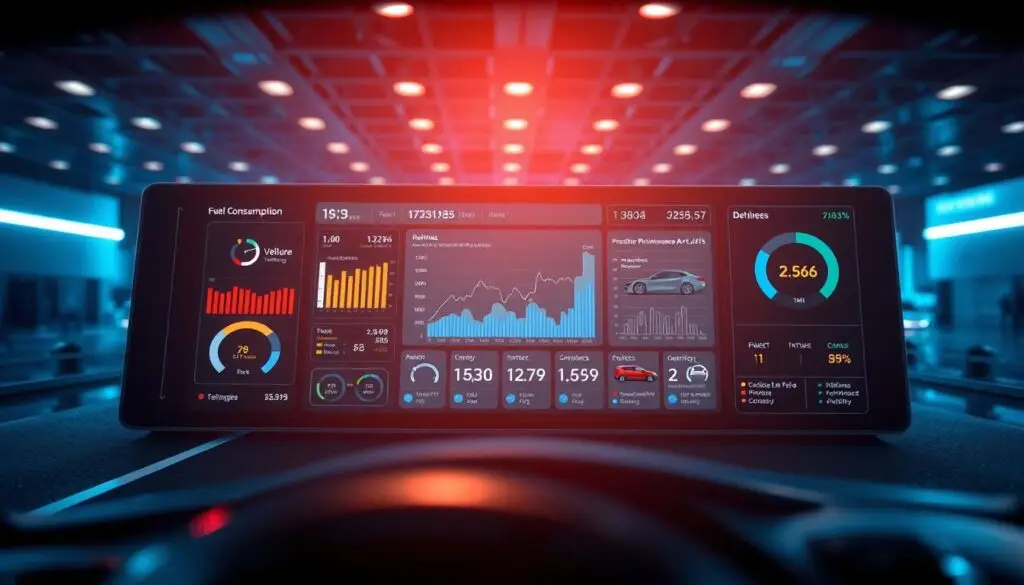
A fuel monitoring system operates as the central nervous system for fleet fuel operations. It captures detailed information from every refueling event: driver identification, vehicle odometer readings, fuel quantity, price per unit, grade selection, and precise transaction timestamps. This granular data collection happens automatically through fuel cards and on-site dispensing systems without requiring manual driver input.
Real-time fuel data flows into analytics engines identifying consumption anomalies and performance trends. Fleet managers receive immediate alerts when transactions fall outside established parameters. The system generates custom reports revealing which vehicles, routes, or drivers consume excessive fuel—intelligence that transforms reactive cost management into proactive optimization.
Integration with telematics adds behavioral context to consumption patterns. The platform correlates fuel usage with driving habits like harsh acceleration, excessive idling, and speeding. This connection between behavior and consumption empowers targeted coaching interventions that deliver sustained efficiency improvements.
The Shift from Manual Tracking to Intelligent Automation
The transition from paper receipts to automated fuel tracking represents a fundamental capability shift in fleet management. Manual systems required drivers to collect receipts, submit expense reports, and wait weeks for reimbursement. Fleet managers spent countless hours reconciling paper trails, entering data into spreadsheets, and hunting down missing documentation.
This antiquated approach created multiple vulnerability points. Lost receipts meant untracked expenses. Delayed reporting prevented timely fraud detection. Manual data entry introduced errors corrupting analysis. Human oversight simply cannot match the speed and accuracy of automated systems capable of processing thousands of transactions simultaneously.
Modern platforms eliminate the lag between transaction and visibility. Fuel card integration transmits purchase data directly to management dashboards within minutes. On-site fuel management systems capture dispensing information at the pump, removing human intervention entirely. Automation extends beyond data collection into intelligent analysis where machine learning algorithms establish baseline consumption patterns for each vehicle and route, detecting deviations automatically without manual review.
Up to 40%
Portion of total fleet operating expenses represented by fuel costs—making strategic fuel management essential for profitability.
Economic Imperatives Driving Technology Adoption
Market volatility adds complexity to fuel cost management, with prices fluctuating based on crude oil markets, refinery capacity, seasonal demand, and geopolitical events. According to the American Transportation Research Institute’s operational cost analysis, fuel consistently ranks as the second-highest expense category for motor carriers, trailing only driver compensation. This combination of high cost and unpredictability demands strategic management rather than passive acceptance.
Unmanaged fuel expenses compound through multiple loss channels. Theft and fraud siphon resources directly from the bottom line. Inefficient routing wastes fuel on unnecessary mileage. Excessive idling burns fuel without productive work. Poor maintenance reduces fuel efficiency across entire operations. Each loss channel operates simultaneously, creating cumulative waste that erodes profit margins faster than many fleet managers realize.
The competitive landscape of 2025 operates on razor-thin margins where efficiency determines survival. Transportation companies treating fuel as an uncontrollable expense surrender competitive advantage to rivals leveraging real-time data for continuous optimization. Technology adoption in this domain is no longer optional for fleets seeking sustainable operations.
The Financial Impact of Inadequate Fuel Control
Without proper fuel control mechanisms, fleets hemorrhage money through channels extending far beyond pump prices. The visible cost of fuel purchases represents only a fraction of total financial drain caused by inadequate oversight. These losses accumulate gradually through dozens of small inefficiencies and vulnerabilities, reducing profit margins by 15-25% compared to fleets with comprehensive management systems.
Hidden Expenses Draining Your Budget
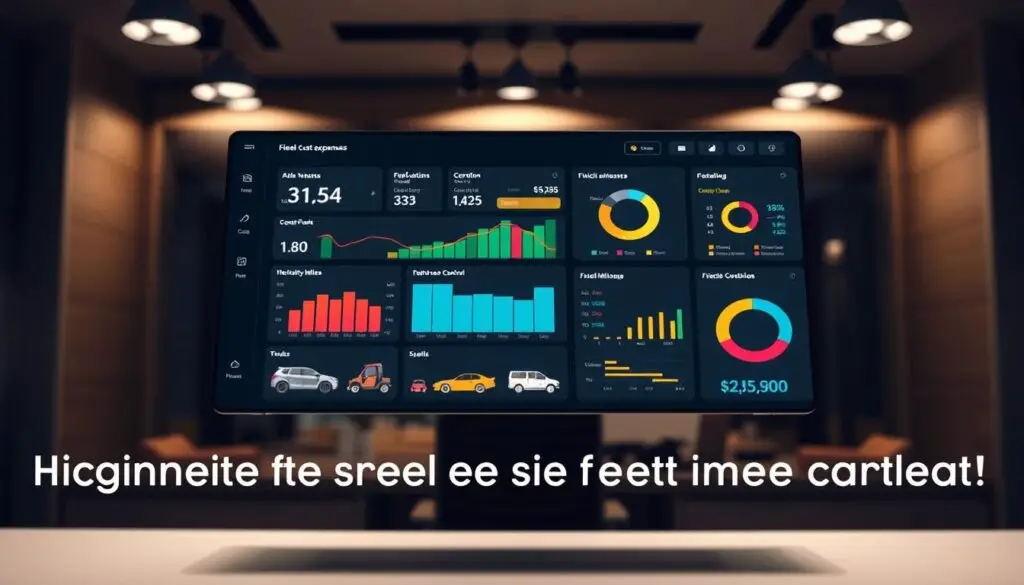
Hidden fleet expenses extend into virtually every operational aspect, creating financial pressure many managers attribute to market conditions rather than controllable factors. Vehicle depreciation accelerates significantly when drivers engage in aggressive acceleration, harsh braking, and excessive speeding. These behaviors don’t just burn extra fuel—they reduce resale values by thousands of dollars per vehicle.
Maintenance costs spiral upward when fuel inefficiency goes unmonitored. Engines subjected to prolonged idling and poor driving habits require more frequent oil changes, brake replacements, and transmission repairs. A fleet of 50 vehicles can easily face an additional $25,000-$40,000 in annual maintenance expenses compared to well-managed counterparts operating with monitored driver behavior.
Insurance premiums reflect risk factors tying directly to fuel management practices. Drivers racing to compensate for inefficient routes cause more accidents. Fatigued operators struggling with poorly planned schedules create liability exposures translating into higher premiums persisting for years after each claim.
Administrative overhead represents another substantial drain. Staff spend countless hours reconciling fuel receipts, investigating discrepancies, and managing reimbursement processes. This time carries opportunity costs—management handles paperwork instead of strategic initiatives driving growth.
Fuel Theft and Fraud: The Uncomfortable Reality
Fuel theft prevention remains one of the most challenging aspects of fleet management because losses often go completely undetected. Industry research indicates fleets without proper detection systems lose between 1-3% of total fuel costs to various theft forms. For a fleet spending $500,000 annually on fuel, this translates to $5,000-$15,000 in pure waste that could otherwise contribute to bottom-line profitability.
Siphoning represents the most direct fuel theft form, with drivers or outsiders physically removing fuel from vehicle tanks. This method flourishes in fleets lacking secure parking facilities and fuel level monitoring technology. A skilled thief can extract 20-30 gallons in minutes, costing $60-$90 per incident at current prices.
Unauthorized personal use creates substantial losses while remaining virtually invisible without tracking systems. Drivers detour for personal errands, family transportation, or side businesses using company fuel. Across a year, each vehicle might consume an extra 200-400 gallons for non-business purposes that never appear in route documentation.
Fraudulent receipt submission exploits manual reconciliation processes. Drivers inflate fuel quantities, submit duplicate receipts, or claim reimbursement for fuel never purchased. Collusion between drivers and fuel station attendants enables even more sophisticated schemes where receipts reflect higher amounts than actually dispensed.
⚠️ Security Warning
Fuel card misuse by terminated employees costs fleets thousands monthly. Without immediate deactivation protocols, former drivers continue purchasing fuel on company accounts—sometimes for weeks before detection.
Quantifying Waste from Operational Inefficiencies
According to the U.S. Department of Energy, an idling vehicle consumes approximately 0.5-1 gallon of fuel per hour while producing zero productive work. The TMC Recommended Practice RP 1108 on idle reduction documents how one hour of idling per week costs approximately $65-130 per truck annually, assuming average diesel prices. Scaling this across a 50-vehicle fleet with each truck idling just one hour weekly wastes 2,600 gallons annually—representing $6,500-$9,750 in completely preventable losses.
Excessive idling increases engine hours unnecessarily, accelerating wear on critical components. This impacts maintenance schedules, forcing earlier service intervals and shortening overall vehicle lifespan. The mechanical stress compounds direct fuel waste with additional repair expenses.
Poor route planning leads to unnecessary mileage and fuel consumption multiplying across daily operations. Inefficient routes potentially add 10-20% extra miles to each trip. For a vehicle averaging 100 miles daily, inefficient routing wastes 10-20 miles—translating to 1-2.5 gallons when fuel economy averages 6-8 MPG for Class 8 commercial vehicles.
| Inefficiency Type | Single Vehicle Annual Cost | 50-Vehicle Fleet Cost | Primary Cause |
|---|---|---|---|
| Excessive Idling (1 hr/week) | $65-$130 | $3,250-$6,500 | No idle monitoring |
| Fuel Theft/Fraud (2% loss) | $200-$400 | $10,000-$20,000 | Inadequate verification |
| Poor Route Planning (15% excess) | $1,825-$3,650 | $91,250-$182,500 | Manual routing |
| Aggressive Driving Habits | $500-$1,000 | $25,000-$50,000 | No behavior monitoring |
| Administrative Overhead | $100-$200 | $5,000-$10,000 | Manual reconciliation |
How Fuel Management Software Delivers Cost Savings
Understanding how fleet fuel management software delivers cost savings requires examining specific technological mechanisms transforming raw data into actionable insights and measurable financial returns. These systems function as integrated platforms addressing fuel waste from multiple angles simultaneously. The compounding effect of interconnected capabilities creates savings far exceeding what any single feature could achieve independently.
Fleet optimization software generates detailed, customizable reports covering metrics including fuel economy per vehicle, cost-per-mile comparisons, and overall consumption trends. This comprehensive data processing eliminates guesswork from fleet management decisions, providing visibility into patterns that would remain invisible through manual tracking methods.
Real-Time Consumption Tracking Technology
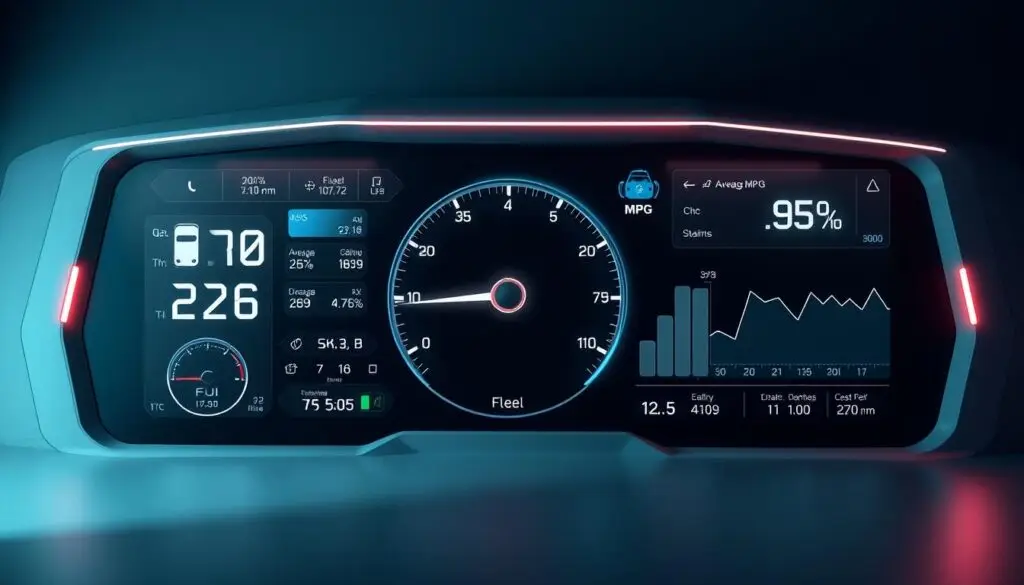
Modern fuel consumption monitoring captures data from multiple sources including fuel cards, telematics devices, and tank sensors to provide complete visibility at every operational level. This multi-source approach creates a comprehensive picture of consumption patterns across individual vehicles, specific drivers, designated routes, and the entire fleet. The system establishes baseline consumption patterns for each vehicle under normal operating conditions.
These baselines make abnormal consumption immediately apparent. When a vehicle begins consuming fuel at rates outside its historical pattern, the system flags it for investigation. This deviation might indicate mechanical problems developing, unauthorized vehicle use, or potential fuel theft occurring. Granular data enables managers to benchmark vehicle performance against fleet averages and identify outliers requiring attention.
Intelligent Transaction Validation
Automated transaction verification cross-references every fuel purchase against vehicle location data, fuel tank capacity, and expected consumption patterns. This verification happens in real-time—not during monthly reconciliation when fraudulent transactions have already drained budgets. The system applies multiple validation rules simultaneously to catch inconsistencies that manual review would miss.
When transactions don’t align with operational reality, the system generates immediate alerts. A purchase of 40 gallons for a vehicle with a 30-gallon tank triggers instant notification. Fueling at locations far from assigned routes raises red flags. Refueling during off-hours when vehicles should be parked gets flagged for investigation. This automation eliminates the need for managers to manually review hundreds or thousands of fuel receipts, allowing focus only on exceptions that matter.
Transforming Driver Performance Through Analytics
Driver behavior analytics reveal the fuel-wasting habits separating efficient operators from those consuming excessive fuel. Telematics data captures every aspect of vehicle operation: acceleration patterns, speeding incidents, braking intensity, and idling duration. This objective measurement replaces subjective assessments with concrete performance metrics that drive accountability.
The data consistently shows a 30% fuel consumption difference between the most efficient and least efficient drivers operating identical vehicles on similar routes. Avoiding harsh acceleration alone can cut fuel usage by up to 30%. These aren’t minor variations—they represent substantial cost differences multiplied across every vehicle and every shift throughout the year.
Coaching programs based on this data create sustained behavioral improvements. Drivers receive specific feedback about their performance compared to fleet averages: excessive idling time and its fuel cost impact, speeding incidents above optimal efficiency speeds, harsh acceleration and braking events, and route adherence including unauthorized detours. When drivers understand how their actions directly affect fuel costs, most modify behavior voluntarily.
Predictive Maintenance Through Consumption Analysis
Predictive maintenance capabilities detect degrading fuel efficiency signaling developing mechanical problems before they cause breakdowns. Declining miles per gallon serves as an early warning system for various maintenance needs. A vehicle historically achieving 7 MPG but now delivering only 5.5 MPG requires investigation regardless of whether obvious symptoms have appeared.
This efficiency decline may indicate multiple underlying issues. Tire pressure problems, dirty air filters, engine wear, aerodynamic damage from minor collisions, or transmission issues all manifest as decreased fuel economy. Catching these conditions early prevents both catastrophic failures and the ongoing efficiency loss draining budgets silently.
| Savings Mechanism | Primary Function | Typical Reduction | Detection Speed |
|---|---|---|---|
| Consumption Monitoring | Baseline tracking, anomaly detection | 8-12% | Real-time |
| Transaction Verification | Fraud prevention, unauthorized blocking | 5-8% | Immediate |
| Driver Behavior Analytics | Identifying inefficient driving habits | 15-30% | Weekly reporting |
| Predictive Maintenance | Early mechanical issue detection | 10-15% | Trend-based |
Essential Features for Maximum Fuel Savings
Modern fleet fuel management software offers dozens of capabilities, but only specific features drive measurable fuel cost reduction. The gap between basic tracking systems and advanced platforms lies in features transforming raw data into actionable savings. Fleet managers need to prioritize capabilities directly addressing their most expensive operational challenges.
GPS-Based Route Optimization Technology
Advanced GPS route optimization goes far beyond calculating the shortest distance between two points. Modern systems employ artificial intelligence algorithms considering multiple variables simultaneously: traffic patterns, road types, elevation changes, delivery time windows, and specific vehicle characteristics. This multi-factor analysis creates routes minimizing fuel consumption rather than simply reducing mileage.
Static routing based solely on distance frequently wastes fuel compared to intelligent routing accounting for real-world conditions. A route appearing shorter on a map may include steep grades, frequent stops, or congested areas significantly increasing consumption. Smart routing technology evaluates these factors to identify truly efficient paths.
Dynamic re-routing capabilities represent the next evolution in route optimization. These systems continuously monitor conditions and automatically adjust routes when traffic incidents, weather changes, or last-minute delivery modifications occur. Drivers receive updated directions in real-time, ensuring they always follow the most fuel-efficient path available.
Fuel Card and Payment Integration
Seamless fuel card integration creates an automated data pipeline between fuel purchases and your management platform. This connection eliminates manual data entry while providing instant visibility into every transaction. The system automatically captures purchase date, location, amount, price per gallon, and vehicle identification without driver intervention.
Integrated fuel cards transform purchasing from an uncontrolled expense into a managed process with enforceable policies. Administrators can restrict purchases to authorized station networks, limit transaction amounts, specify approved fuel types, and set daily purchase caps. These controls prevent unauthorized spending and ensure compliance with company policies while providing access to negotiated discount programs at partner stations.
Idle Time Monitoring and Reduction
Idle time tracking technology identifies when vehicles remain stationary with engines running, then categorizes and quantifies associated costs. The system distinguishes between unavoidable idling in traffic and unnecessary engine operation during stops, breaks, or waiting periods. This categorization helps managers address controllable waste without penalizing drivers for circumstances beyond their control.
Advanced platforms calculate the precise fuel cost of idling by considering vehicle type, engine size, and current fuel prices. This quantification transforms an abstract problem into a concrete dollar amount justifying corrective action. Real-time alert systems notify drivers immediately when excessive idling occurs, encouraging behavioral change without requiring management intervention for every incident.
Real-Time Analytics and Reporting
Data becomes valuable only when it transforms into accessible, understandable, and actionable intelligence. Effective fuel management platforms provide customizable fleet analytics dashboards displaying critical metrics at a glance. Managers can configure their views to prioritize information most relevant to their specific operational goals.
Drill-down capabilities enable detailed analysis when dashboard indicators reveal potential problems. Users can click through summary data to examine individual transactions, vehicle performance, or driver behavior. Scheduled automated reports ensure consistent monitoring without requiring daily manual effort, maintaining focus on continuous improvement without creating additional administrative burden.
Eliminating Fuel Theft and Unauthorized Transactions
Fleet managers face a silent threat draining thousands of dollars monthly: fuel theft and fraudulent transactions. These losses extend beyond immediate financial impact—unauthorized fuel purchases erode employee trust, demoralize honest drivers, and signal operational vulnerabilities often extending to other business areas.
Modern fuel security systems provide comprehensive protection against theft schemes ranging from opportunistic siphoning to organized fraud networks. The technology combines multiple detection layers identifying suspicious activity before minor incidents become major financial drains. Fleets implementing robust fuel theft detection measures typically recover 5-15% of their fuel budget within the first year.
Advanced Siphoning Detection Methods
Fuel siphoning represents one of the oldest forms of fleet theft, but modern detection technology has made this crime increasingly difficult to execute undetected. Continuous fuel level monitoring tracks tank inventory in real-time, creating a detailed record of every addition and reduction throughout each operating day.
The system employs sophisticated algorithms comparing fuel purchased with fuel actually added to vehicle tanks. When a driver buys 20 gallons but the tank level increases by only 12 gallons, the discrepancy triggers an immediate alert. This reconciliation process detects situations where purchased fuel never reaches the intended vehicle.
Advanced fuel theft detection monitors consumption rates against expected performance baselines. A sudden fuel level drop while the vehicle sits stationary overnight indicates potential siphoning activity. The system analyzes whether fuel is being burned through normal operation or removed through unauthorized means, distinguishing between legitimate consumption and theft.
Multi-Factor Driver Authentication
Prevention starts at the fuel pump with robust driver authentication protocols verifying identity before authorizing transactions. These systems require multiple verification steps creating accountability while remaining practical for daily operations.
Modern driver authentication typically combines three elements: something the driver knows (PIN), something they have (fuel card or fob), and sometimes biometric verification. This layered approach prevents unauthorized individuals from fueling vehicles even if they possess a physical card. The authentication process requires drivers to enter vehicle-specific information such as odometer readings and vehicle identification numbers, creating detailed records linking fuel consumption to mileage for efficiency analysis.
Every transaction generates an audit trail connecting fuel purchases to specific individuals at specific times and locations. This documentation eliminates the anonymity enabling theft. Drivers understand their fuel activity is tracked and attributable, dramatically reducing unauthorized purchases because accountability creates natural deterrence.
Exception-Based Transaction Monitoring
Automated transaction monitoring operates continuously, analyzing every fuel purchase against established rules and typical patterns. The system flags anomalies impossible to detect through manual receipt review, catching problems in real-time rather than discovering them weeks later during reconciliation.
Rule engines automatically identify specific types of suspicious activity. Purchases exceeding tank capacity represent a clear red flag—if a vehicle has a 25-gallon tank and someone attempts to pump 40 gallons, the system immediately alerts management. Geographic and temporal analysis catches logistically impossible scenarios. When the same fuel card shows transactions 500 miles apart within an hour, or when a daytime delivery vehicle refuels at 2 AM, exception-based monitoring recognizes these inconsistencies.
| Detection Method | Primary Function | Key Advantage | Detection Time |
|---|---|---|---|
| Fuel Level Sensors | Continuous tank inventory tracking | Immediate siphoning detection | Instant to 15 min |
| Purchase-to-Tank Reconciliation | Compare gallons purchased vs. added | Identifies fuel diversion | Transaction completion |
| Multi-Factor Authentication | Verify driver identity at pump | Prevents unauthorized purchases | Pre-transaction |
| Exception-Based Rules | Automated pattern analysis | Catches impossible transactions | Real-time to 1 hour |
Route Optimization Strategies for Fuel Reduction
Route optimization technology has evolved into one of the most powerful tools for cutting fuel expenses. Every mile eliminated from daily routes translates directly into reduced fuel consumption, lower vehicle wear, and improved driver productivity. Poor route planning creates unnecessary mileage draining profits without delivering additional value to customers.
Modern route optimization software uses sophisticated algorithms analyzing countless variables simultaneously. These systems consider traffic patterns, delivery windows, vehicle capacities, and road restrictions to create the most efficient paths possible. Companies implementing comprehensive routing strategies typically reduce fuel consumption by 15-25% within the first year of deployment.
AI-Powered Dynamic Route Planning
AI route planning represents a fundamental shift from traditional dispatching methods. These advanced systems analyze dozens of variables that human planners simply cannot process simultaneously. The technology evaluates customer time windows, driver hours of service regulations, vehicle capacity constraints, special handling requirements, and historical traffic patterns to generate optimal routes.
The learning capability of AI systems sets them apart from static routing tools. As the software processes more data over time, it identifies patterns and inefficiencies remaining invisible to human observers. An AI system might discover that a route appearing longer in total miles actually consumes less fuel because it uses highways with steady speeds instead of congested city streets with frequent stops.
Real-Time Traffic and Weather Adaptation
Static routes planned at shift start quickly become inefficient when real-world conditions change. Accidents, construction zones, weather events, and unexpected traffic congestion can transform an optimal morning route into a fuel-wasting afternoon disaster. Dynamic routing addresses this challenge by continuously monitoring conditions and adjusting driver paths in real time.
Advanced systems integrate multiple data sources to maintain current awareness of road conditions. Traffic monitoring services, weather forecasts, construction schedules, and special event calendars feed into the routing engine. When conditions change, the system automatically recalculates routes and sends updated directions to drivers through integrated mobile devices or in-cab displays. The fuel savings from real-time adaptation typically range from 10-15% compared to static routing approaches.
Multi-Stop Delivery Optimization
The sequence of delivery stops matters enormously for fuel efficiency. Even with identical pickup and delivery locations, poor sequencing creates unnecessary backtracking, exposure to traffic congestion, and inefficient left turns wasting fuel while idling. Delivery optimization solves this complex mathematical challenge to determine the most efficient stop sequence.
Geographic clustering represents another critical element of multi-stop efficiency. Grouping deliveries by location reduces total miles traveled and allows drivers to complete more stops per trip. This strategy proves especially effective when combined with load optimization ensuring vehicles operate at or near capacity to maximize efficiency per mile driven.
The HDJ Perspective
After 15 years working with diesel fleets, the most striking change we’ve witnessed is how fuel management has evolved from a cost-tracking exercise to a strategic competitive advantage. The fleets succeeding today aren’t just monitoring fuel—they’re using consumption data to predict maintenance needs, optimize driver performance, and make route decisions that compound savings over time. The technology gap between leaders and laggards grows wider each year, and fleets still relying on manual processes are increasingly finding themselves unable to compete on pricing while maintaining profitability.
Seamless Integration with Fleet Operations
The integration capabilities of fuel management platforms determine whether they become essential operational tools or isolated data repositories. Without proper connections to existing systems, even the most sophisticated fuel tracking software creates information silos limiting visibility and complicating decision-making. Fleet software integration transforms raw fuel data into actionable intelligence by connecting it with telematics, financial systems, and business analytics platforms.
Connecting with Telematics and GPS Systems
Telematics integration creates the foundation for comprehensive fleet visibility. Most fleets have already invested in GPS tracking systems from providers like Geotab, Samsara, or Verizon Connect. Effective fuel management software should connect directly with these existing systems rather than requiring redundant hardware installations.
This connection enables powerful cross-dimensional analysis. Fuel consumption data becomes meaningful when correlated with GPS location, route information, and vehicle speed patterns. Fuel purchases can be automatically verified against vehicle location data to detect anomalies. The data flows from telematics integration include engine idle time captured from vehicle diagnostics, real-time fuel consumption rates linked to driving conditions, and diagnostic trouble codes alerting managers to potential fuel system problems before they escalate.
ERP and Financial Software Synchronization
Fuel costs represent a significant line item in fleet budgets, and they must flow accurately into broader financial systems. ERP synchronization connects fuel management platforms with accounting software like QuickBooks, SAP, Oracle, and Microsoft Dynamics to automate expense tracking and financial reporting.
This integration delivers multiple operational benefits. Automated expense allocation assigns fuel costs to specific cost centers, projects, or customer accounts without manual intervention. Accurate job costing calculations include actual fuel expenses rather than estimates. Tax reporting becomes simpler when fuel purchases are automatically categorized and documented. Consider the workflow efficiency gains: fuel card transactions captured at the pump flow automatically into your accounting system with proper GL codes, cost center assignments, and project allocations.
Data Export and Third-Party API Access
Every fleet operation has unique analytical requirements that standard reports cannot fully address. API connectivity provides flexibility to extract fuel data and incorporate it into custom applications, business intelligence platforms, and specialized analytics tools.
Robust APIs enable several critical capabilities. Data can flow to visualization tools like Tableau or Power BI for custom dashboard creation. Information feeds into predictive analytics platforms forecasting future fuel costs based on historical patterns. Integration with route planning software optimizes future trips based on actual fuel consumption data. The principle of data ownership becomes paramount—your fleet generates valuable information every day, and you should control how that data is used and analyzed.
Free Professional Fleet Tools
Cost calculators, fault code lookup, maintenance planners, and more—built for owner-operators, fleet managers, and diesel techs. No signup required.
Measuring Return on Investment
The true value of fuel management software extends beyond immediate fuel savings to measurable improvements across multiple operational dimensions. Fleet managers need concrete data to justify technology investments and demonstrate ongoing value to financial stakeholders. A systematic approach to tracking returns transforms fuel management from a cost center into a documented profit generator.
Industry leaders have proven the financial impact is both significant and rapid. Return on telematics investment happens quickly—often within just one month according to major telematics providers. Fleet managers typically observe 15 to 20 percent savings on overall costs, documented results from thousands of operating fleets.
Critical Metrics for Tracking Savings
Establishing the right fuel cost savings metrics creates accountability and reveals improvement opportunities. Fleet performance KPIs should span multiple categories to capture the complete financial picture.
Direct fuel savings represent the most visible return category. Track gallons consumed per mile, cost per mile, and total fuel expenditure compared to baseline. Theft and fraud prevention metrics quantify security improvements by monitoring unauthorized transactions detected, fuel discrepancies resolved, and the percentage of transactions requiring investigation. Operational efficiency indicators including miles driven per delivery, route compliance rates, and on-time delivery performance show how optimization translates to better service.
Maintenance impact measurements connect fuel economy to vehicle health. Track fuel economy degradation rate, maintenance cost per mile, and unplanned maintenance events. Driver performance data identifies coaching opportunities through idle time per vehicle, harsh driving events, and fuel efficiency scores by driver. The Commercial Vehicle Safety Alliance’s out-of-service criteria reinforces how maintenance-related issues affect both safety compliance and operational efficiency.
Realistic Timeline for Cost Recovery
Understanding the investment recovery timeline helps set appropriate expectations with financial decision-makers. Industry data shows typical ROI occurring within 3 to 12 months, though some benefits appear faster than others. The velocity of return depends on your baseline efficiency and how quickly you implement best practices.
Immediate savings emerge in the first two months from theft prevention and fuel card discounts. Unauthorized transactions stop when authentication controls activate. Fuel card programs often provide instant per-gallon discounts reducing costs from day one. Increasing returns appear during months three through six as driver behavior improves and routes optimize. Coaching programs begin changing habits, while route optimization algorithms learn your operation’s patterns.
Maintenance benefits become visible in months seven through twelve as vehicle health improves. Better driving reduces wear on brakes, tires, and engines. Preventive maintenance alerts catch small issues before they become costly breakdowns. These longer-term savings often exceed the initial fuel reduction benefits.
Building a Comprehensive ROI Analysis
A thorough cost-benefit analysis accounts for every investment dollar and every benefit category. Investment costs include multiple components beyond the software subscription: hardware expenses if your system requires vehicle-installed devices, implementation costs for setup and configuration, and training expenses for administrative users and drivers.
Benefit categories extend well beyond direct fuel savings. Calculate theft prevention value by multiplying detected unauthorized transactions by average loss per incident. Estimate administrative time savings from automated reporting and exception-based monitoring. Track decreased repair expenses from better driving and early problem detection. Document extended vehicle lifespan from optimized operations. Insurance premium reductions often follow telematics adoption, with many carriers offering discounts for fleets with driver monitoring systems.
Implementation Roadmap for Immediate Results
Smart deployment strategy turns technology investment into measurable savings faster than traditional rollout methods. The difference between successful software implementation and failed projects comes down to planning and execution. Fleet managers following a structured roadmap see results within the first month, while those rushing deployment often struggle for six months or more.
Three-Phase System Rollout
A staged deployment strategy reduces risk and accelerates time-to-value. Breaking implementation into manageable phases allows your team to master each component before adding complexity.
Phase One focuses on infrastructure setup, typically taking one to two weeks. Your team installs necessary hardware like fuel card readers or telematics devices. IT staff configure system connections with existing GPS platforms and accounting software. Administrators create user accounts and establish security protocols. The goal is getting systems talking to each other correctly.
Phase Two activates monitoring and reporting capabilities over two to three weeks, transforming raw data into actionable insights. Configure dashboard views for different user roles. Set up automated alerts for suspicious transactions or inefficient driving patterns. Establish reporting schedules matching your management cadence. Train key personnel during this phase—fleet managers need to understand report interpretation, dispatchers should know how to use route optimization tools, and maintenance supervisors must learn how the system flags service needs.
Phase Three implements advanced optimization features. After monitoring establishes baseline performance, activate driver scorecards and coaching tools. Roll out route optimization for dispatchers. Integrate maintenance scheduling with vehicle diagnostics. Enable predictive analytics forecasting fuel costs and identifying efficiency opportunities.
Building Driver Partnership Through Training
Technology alone doesn’t change behavior—engaged drivers do. Your driver training program determines whether fuel management software delivers modest improvements or transformative results. Successful implementations treat drivers as partners in efficiency rather than surveillance subjects.
Launch with comprehensive initial training sessions explaining what metrics the system monitors and why each matters. Training drivers in smooth acceleration, steady speeds, and gentle braking improves efficiency immediately. Telematics monitoring helps reduce fuel waste by 10-15% within the first month when combined with effective coaching programs.
Implement gamification elements making efficiency competitive and fun. Create leaderboards showing top performers. Award monthly prizes for drivers with the best fuel economy improvements. Establish team challenges between different routes or regions. Recognition programs reinforce positive behaviors—when drivers see their peers getting recognition, they’re motivated to improve their own performance.
Establishing Performance Benchmarks
You can’t measure improvement without knowing your starting point. Performance benchmarking establishes baseline metrics proving your fuel management investment delivers results. This data collection phase runs two to four weeks before full system activation.
Operate the system in monitoring mode during the baseline period. Collect data without implementing changes or alerting drivers to specific metrics. This approach captures authentic current performance without the Hawthorne effect where people change behavior simply because they know they’re being watched.
Track critical baseline metrics across your fleet: average fuel economy by vehicle type, route, and driver; idle time percentages during shifts and between deliveries; fuel cost per mile accounting for all transaction types; maintenance expenses related to poor driving habits; and driver behavior scores for acceleration, braking, and speed. Baseline data becomes your measuring stick for all future improvements.
Proven Practices for Sustained Fuel Savings
Fleets maintaining 25% fuel savings year after year share a common trait: they treat fuel management as a continuous improvement discipline rather than a one-time project. The difference between modest results and exceptional performance lies in establishing operational routines transforming raw data into consistent action.
Weekly and Monthly Data Analysis Routines
Establishing a structured data analysis routine transforms information into actionable intelligence. Weekly reviews should focus on immediate concerns requiring quick intervention: drivers showing sudden increases in harsh braking events, vehicles displaying unexpected fuel efficiency declines, and routes consistently exceeding time or mileage estimates.
Analyzing fuel consumption patterns helps identify problem areas before they become expensive habits. Weekly sessions should also flag suspicious transactions requiring investigation, such as purchases outside normal operating hours or unusual fuel quantities. These reviews take 30-45 minutes but prevent thousands in losses.
Monthly reviews provide broader perspective necessary for strategic decision-making. These sessions examine trends across the entire fleet, comparing actual savings against established targets. The fleet optimization process benefits from identifying systemic issues affecting multiple vehicles or drivers, rather than treating each incident as isolated.
Ongoing Driver Performance Coaching
Driver behavior represents the most dynamic variable in fuel efficiency, requiring sustained attention rather than one-time training. Drivers naturally develop new habits, face unfamiliar situations, and occasionally regress to less efficient practices. Effective performance coaching programs address this reality through structured monthly one-on-one sessions.
Each coaching conversation should review the driver’s personal performance data with specific examples from their actual driving. This approach creates accountability while demonstrating that feedback stems from objective information rather than subjective impressions. Successful sessions balance recognizing improvements with addressing areas needing attention.
Software Optimization and Updates
Fleet fuel management systems continuously evolve with new features, improved algorithms, and expanded integration capabilities. Organizations treating their software as a static tool miss opportunities for enhanced performance and deeper insights. Establishing strong relationships with software vendors ensures fleet managers stay informed about updates and new capabilities.
Regular system audits should verify data accuracy by cross-checking fuel transaction records against vehicle odometer readings and GPS data. Adjust alert threshold sensitivity levels based on false positive rates and missed genuine issues. Test connections with telematics, GPS, and financial systems to prevent data gaps. Review user permissions to ensure appropriate data visibility while maintaining security.
Future Innovations in Fleet Fuel Management
As the transportation industry enters a new era, fleet fuel management technology is evolving to address both economic efficiency and environmental responsibility. Staying informed about emerging fleet technology trends positions your business to adopt innovations delivering competitive advantages.
Artificial Intelligence Transforms Fuel Forecasting
Machine learning algorithms are elevating fuel management from reactive monitoring to proactive strategic planning. Predictive analytics systems analyze historical consumption patterns, weather forecasts, traffic trends, and driver behavior to forecast fuel needs with remarkable accuracy. These intelligent systems predict fuel consumption for upcoming routes before vehicles leave the depot and identify subtle efficiency degradation patterns signaling maintenance needs weeks before traditional diagnostics would catch them.
Navigating the Transition to Electrification
Electric fleet management presents unique challenges that traditional fuel tracking systems weren’t designed to handle. Modern fleets increasingly combine internal combustion vehicles, hybrids, plug-in hybrids, and fully electric vehicles in their operations. Managing this diversity requires systems tracking both liquid fuel and electricity consumption within unified platforms.
Software must optimize charging schedules based on electricity rates, vehicle availability, and operational demands. Route planning algorithms need to account for electric vehicle range limitations and charging infrastructure locations. The Alternative Fuels Data Center provides comprehensive resources for fleets evaluating electrification strategies. Electric and hybrid vehicles significantly lower fuel costs compared to conventional alternatives, positioning transitioning businesses for long-term savings while reducing environmental impact.
Environmental Accountability Through Advanced Tracking
Fuel efficiency and environmental responsibility align perfectly in modern fleet operations. Carbon footprint reporting capabilities are becoming standard features in advanced fuel management systems as environmental, social, and governance initiatives gain prominence. These systems automatically calculate carbon emissions based on fuel consumption, vehicle types, and operational patterns, tracking emissions reduction progress over time and demonstrating tangible environmental improvements to stakeholders.
Frequently Asked Questions
How much can fleet fuel management software save on fuel costs?
Fleet fuel management software typically delivers 15-30% savings on total fuel expenses. Organizations using telematics-integrated platforms achieve fuel cost reductions of up to 14% through improved consumption monitoring, theft prevention, and driver behavior optimization. The exact savings depend on current operational efficiency, fleet size, and how comprehensively the software features are implemented. Most fleets see positive ROI within 3-12 months of deployment, with some organizations reporting returns within the first month from theft prevention and fuel card discounts alone.
What features should fleet managers prioritize in fuel management software?
Priority features include real-time consumption tracking with fuel card integration, automated transaction verification for fraud detection, GPS route optimization, idle time monitoring, and driver behavior analytics. Integration capabilities with existing telematics systems and accounting software are equally important for maximizing value. Look for platforms offering customizable dashboards and exception-based reporting rather than requiring manual review of every transaction. Mobile access for managers and real-time alerts for anomalies ensure time-sensitive issues receive immediate attention.
How does fuel management software detect and prevent fuel theft?
Modern fuel management platforms use multi-layer detection including continuous tank level monitoring, purchase-to-tank reconciliation comparing gallons purchased versus gallons added, driver authentication requirements at the pump, and exception-based transaction monitoring. These systems flag anomalies like purchases exceeding tank capacity, transactions at locations far from assigned routes, and refueling during off-hours when vehicles should be parked. Fleets without detection systems typically lose 1-3% of total fuel costs to various theft forms.
What ROI timeline can fleets expect from fuel management technology?
Most fleets achieve positive ROI within 3-12 months, with some organizations seeing returns within the first month. Immediate savings come from theft prevention and fuel card discounts. Months 3-6 show increasing returns as driver behavior improves and routes optimize. Maintenance cost reductions typically become visible in months 7-12 as better driving habits reduce vehicle wear. Industry data shows 15-20% overall cost savings for fleets fully utilizing telematics capabilities.
Can fuel management software integrate with existing fleet telematics systems?
Yes, modern fuel management platforms are designed to integrate with major telematics providers including Geotab, Samsara, and Verizon Connect. This integration enables cross-dimensional analysis where fuel consumption data is correlated with GPS location, route information, and driving behavior. Most platforms also offer ERP synchronization with accounting software like QuickBooks and SAP, plus API access for custom analytics and business intelligence tools. Integration determines whether fuel management software becomes central to operations or remains an underutilized system.
Taking Control of Your Fleet’s Fuel Costs
Fleet fuel management software addresses the 30-40% of operating expenses that fuel represents—your single largest controllable cost category. The documented savings of 15-30% aren’t theoretical projections. Thousands of fleet managers across the industry have achieved these results through strategic implementation of fuel management technology combining automated monitoring, intelligent analytics, and continuous optimization.
The path to meaningful cost reduction combines multiple approaches working together. Automated monitoring eliminates theft and fraud. Smart route planning reduces unnecessary miles. Data-driven coaching improves driver performance. Proactive maintenance preserves fuel efficiency. These capabilities compound to create savings far exceeding what any single feature achieves independently.
Every day without comprehensive fuel management means continued losses. Start by auditing current fuel costs to establish baseline spending. Evaluate software options based on the essential features outlined throughout this guide. Develop your deployment plan using staged strategies minimizing disruption while accelerating time-to-value. The question isn’t whether to implement these systems—it’s how quickly you can capture the savings currently being lost each day.
Found This Guide Useful?
Share it with fleet managers, owner-operators, and diesel professionals who could benefit from these fuel cost control strategies.