The transportation industry faces a critical workforce challenge that threatens operational stability across North America. Turnover among commercial drivers and diesel technicians continues to drain resources from trucking companies and service departments nationwide. Organizations that prioritize employee well-being through comprehensive retention strategies experience remarkable benefits—from stronger fleet driver retention to elevated morale and workplaces where talent chooses to stay.
The financial impact extends far beyond recruitment costs. Organizations lose productivity, compromise safety performance, and watch service quality decline when experienced professionals leave. Dealership fixed operations struggle when relying solely on poaching experienced technicians from competitors—a strategy that creates revolving doors instead of sustainable teams.
Retention represents a strategic business imperative, not an HR checkbox. The eight proven methods in this article provide a comprehensive framework for building workforce stability. These approaches help operations directors and business owners reduce costly turnover while creating competitive advantages through effective fleet workforce management.
Key Takeaways
- Financial Impact: Replacing a single driver costs $8,000-$12,000, while technician replacement exceeds $15,000 per position
- Retention Crisis: Large carriers experience 90%+ annual turnover, creating operational instability and safety risks
- Comprehensive Solutions: Eight proven strategies address compensation, benefits, development, equipment, scheduling, safety, recognition, and communication
- Culture Foundation: Strong safety cultures and employee-focused environments outperform quick-fix tactics like sign-on bonuses alone
- Measurable Results: Proper implementation of retention strategies reduces turnover 25-40% within 12-18 months
Understanding the Fleet Driver Retention Crisis
Driver seats remain empty and technician bays understaffed as fleet employee turnover reaches unprecedented levels. This workforce crisis affects operations from small regional fleets to major national carriers, with consequences rippling through every aspect of transportation and logistics.
Fleet managers face mounting pressure to fill positions while keeping experienced personnel. Competition for qualified talent has intensified dramatically. Understanding the scope and causes of this retention crisis provides the foundation for implementing effective solutions.

Alarming Turnover Statistics Across the Industry
The trucking industry reports some of the highest turnover rates across all employment sectors. Large truckload carriers frequently experience annual commercial driver retention rates exceeding 90% turnover, meaning nearly the entire driver workforce changes within a single year.
Diesel technician recruitment faces equally challenging conditions. The Bureau of Labor Statistics reports that qualified technicians remain in critically short supply nationwide. Many shops report vacancy rates of 20-30% in service departments, creating operational bottlenecks and revenue losses.
Several factors drive these staggering numbers:
- Aging workforce with average driver age climbing as younger workers pursue other careers
- Demanding lifestyle challenges including extended time away from home
- Competitive job market where other industries recruit individuals with CDL licenses and mechanical skills
- Skills gap requiring advanced training many technicians lack
- Limited career advancement creating perceived dead-end positions
Regional variations exist, but no geographic area remains immune. The shortage creates a vicious cycle where experienced personnel departures increase workloads for remaining staff, accelerating additional departures.
The True Cost of Constant Turnover
High fleet employee turnover delivers devastating financial impacts extending beyond obvious replacement costs. Industry research indicates replacing a single commercial driver costs between $8,000 and $12,000. For diesel technicians, replacement expenses frequently exceed $15,000 per position.
These direct recruitment expenses represent only the beginning:
| Cost Category | Impact on Operations | Estimated Financial Loss |
|---|---|---|
| Recruitment and Hiring | Advertising, screening, background checks, drug testing | $2,500 – $4,000 per hire |
| Training and Onboarding | Orientation, safety training, mentorship, reduced productivity | $5,000 – $8,000 per employee |
| Productivity Loss | Learning curve, mistakes, inefficiency during adjustment | 20-30% revenue reduction for 3-6 months |
| Safety and Accidents | Higher incident rates with inexperienced personnel | $10,000 – $100,000+ per incident |
Hidden costs prove even more substantial. Customer satisfaction suffers when service becomes inconsistent. Contract fulfillment becomes unreliable when driver shortages create delivery delays. Equipment sits idle when technician positions remain vacant.
Lost institutional knowledge represents another critical expense. Experienced employees understand customer preferences, route nuances, and equipment quirks. When they depart, this operational wisdom disappears.
Fatal Flaws in Quick-Fix Retention Tactics
Many fleet managers attempt retention through traditional approaches that fail to produce lasting results. Sign-on bonuses alone rarely create long-term commercial driver retention. New hires collect bonuses and frequently depart within 12-18 months for the next opportunity.
Reactive wage increases present another common but ineffective strategy. Companies wait until employees threaten to leave, then offer emergency raises. This approach breeds resentment among loyal staff who receive no recognition.
“The biggest mistake in retention is chasing numbers rather than focusing on customer and employee experience, with tactics like superficial perks failing to drive long-term loyalty.”
— Industry Retention Expert
Surface-level perks fail because they don’t address root causes of dissatisfaction. Free coffee and company t-shirts generate initial enthusiasm but provide no meaningful improvement to daily work experience or career prospects.
Traditional retention methods overlook critical employee needs including career development opportunities, work-life balance, recognition and respect, company culture, and quality equipment. Successful fleet employee turnover reduction requires comprehensive strategies addressing these fundamental issues.
Competitive Compensation Packages That Match Market Demands
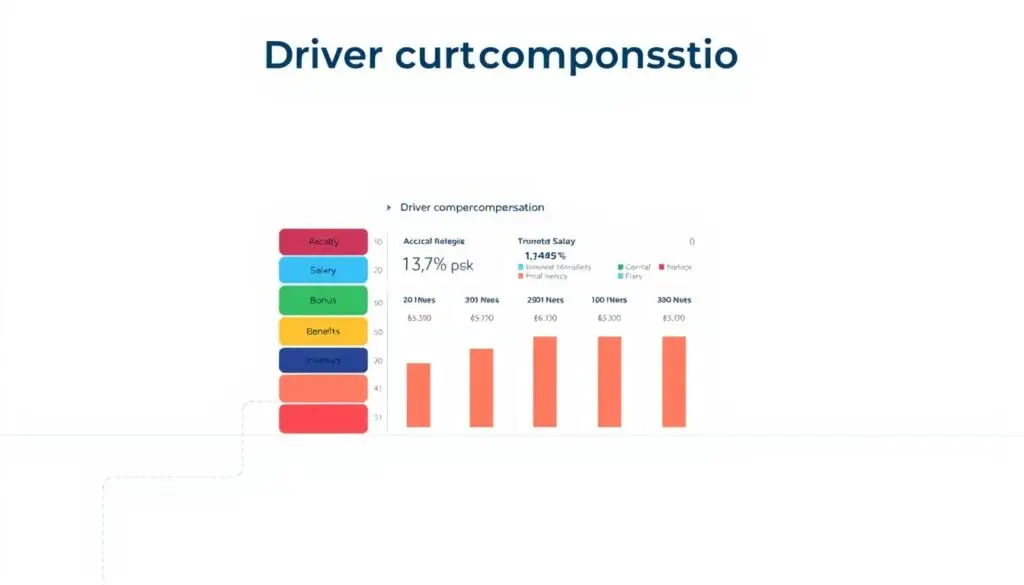
Retaining skilled drivers and technicians hinges directly on offering driver compensation packages that acknowledge expertise and commitment. Fleet managers who treat compensation as merely an operational expense rather than strategic investment consistently struggle with turnover rates exceeding industry averages.
The most effective technician retention programs recognize that competitive pay extends beyond base salary to include performance incentives, certification bonuses, and structured advancement opportunities. When employees understand how their efforts translate into increased earnings, they become invested partners rather than transactional workers seeking the next highest bidder.
Benchmarking Salaries Against Regional Standards
Effective salary benchmarking begins with comprehensive research into actual competitor pay, not advertised rates. Fleet managers should examine multiple data sources including Bureau of Labor Statistics reports, industry salary surveys, and regional job postings to establish accurate baseline figures.
Position pay scales within the top 25% of regional markets to consistently attract quality candidates. This approach costs more upfront but delivers substantial savings by reducing turnover expenses and maintaining experienced workforce stability. Cost-of-living variations significantly impact compensation competitiveness, making a $65,000 salary highly competitive in rural areas but inadequate in metropolitan regions.
Consider these critical factors when establishing benchmark targets: geographic location and local market conditions, fleet specialization requirements such as hazmat endorsements, company size compared to regional competitors, and benefits package value supplementing base salary.
Performance-Based Pay Structures for Drivers
Performance-based pay transforms drivers from hourly workers into motivated professionals with direct control over earning potential. The most effective systems reward specific behaviors aligning with business objectives while providing transparent calculation methods drivers can easily understand and track.
Structure performance pay around measurable metrics drivers can directly influence. Mileage bonuses reward productivity, safety performance bonuses reinforce risk management, fuel efficiency incentives encourage cost-conscious driving, and on-time delivery premiums emphasize customer service.
| Performance Metric | Calculation Method | Average Monthly Impact |
|---|---|---|
| Safety Performance | $0.02-$0.04 per mile accident-free | $350-$700 |
| Fuel Efficiency | $50-$150 per 0.1 MPG above fleet average | $200-$600 |
| On-Time Delivery | $25-$50 per perfect delivery week | $100-$200 |
| Mileage Productivity | $0.01-$0.03 per mile over 2,000 weekly | $200-$500 |
Technician Pay Scales Based on Certifications
Creating tiered compensation structures for diesel technicians establishes clear financial incentives for professional development and skill acquisition. Technician retention programs that reward ASE certifications, manufacturer-specific training, and specialized competencies demonstrate organizational commitment to employee growth.
Base technician pay scales on verifiable credentials rather than subjective assessments. Entry-level technicians without certifications should earn competitive starting wages, while each ASE certification achieved adds $1.50-$3.00 per hour to base pay. Specialized skills like electrical diagnostics, emissions systems, or hybrid technology command additional premiums of $2.00-$4.00 per hour.
Master technicians holding eight or more ASE certifications plus manufacturer credentials should earn 40-60% more than entry-level positions. This significant differential creates powerful motivation for continuous learning while ensuring skilled technicians see clear financial recognition.
Sign-On and Retention Bonus Programs
Strategic bonus programs serve dual purposes by attracting new talent while rewarding existing employees for continued service. Sign-on bonuses ranging from $2,000-$10,000 for drivers and $1,500-$7,500 for technicians have become standard, but structure matters more than amount.
Implement staggered payout schedules distributing bonus amounts over 12-24 months to protect investments. A typical structure pays 25% after 90 days, another 25% at six months, and the remaining 50% at the one-year anniversary. Include clear clawback provisions requiring bonus repayment if employees voluntarily separate before completing the vesting period.
Retention bonuses for existing employees demonstrate that loyalty receives recognition. Annual retention bonuses of $1,000-$5,000 based on tenure milestones provide tangible appreciation while creating financial incentives to remain with your organization.
Comprehensive Benefits That Support Quality of Life
Quality of life matters as much as paycheck size when drivers and technicians decide where to build careers. Comprehensive benefits packages demonstrate that fleet companies value employees as complete human beings with families, health concerns, and future aspirations.
Transportation professionals face unique challenges making robust benefits essential. Long hours on the road, physical demands of maintenance work, and time away from loved ones require benefits genuinely supporting work-life balance trucking employees need.

Health Insurance and Family Coverage Options
Medical coverage stands as the single most important benefit factor for drivers and technicians with families. Robust health insurance plans including comprehensive medical, dental, and vision coverage eliminate financial anxiety causing talented professionals to seek employment elsewhere.
The quality of health insurance matters as much as its existence. High-deductible plans with minimal coverage force employees to choose between medical care and financial stability. Premium plans with reasonable deductibles, low copays, and extensive provider networks demonstrate genuine investment in employee wellbeing.
Promoting healthy lifestyles among trucking personnel remains essential, as trucking often involves exercise-deprived conditions. Companies implementing wellness programs, offering fitness center access, and sponsoring wellness challenges see improved health outcomes. Regular exercise improves mental health, increases energy levels, and reduces stress.
Retirement Plans with Employer Matching
Financial security for the future becomes increasingly critical as employees progress through careers. 401(k) retirement plans with generous employer matching contributions signal long-term commitment to employee financial wellbeing, particularly resonating with mid-career and senior professionals evaluating where to invest remaining working years.
The matching formula directly impacts retention decisions. Companies offering 6% matching contributions retain employees substantially longer than those providing 3% or no matching. Each percentage point represents tangible value employees calculate when comparing employment opportunities.
Immediate vesting schedules further strengthen retention by eliminating “golden handcuffs” approaches breeding resentment. Employees who own their employer contributions from day one feel valued rather than trapped.
Paid Time Off and Sick Leave Policies
Adequate vacation time, sick leave, and personal days allow transportation professionals to maintain family relationships and personal health without financial penalty. Generous PTO policies acknowledge that humans need rest, recovery, and time with loved ones to perform their best work.
The irregular nature of transportation work requires innovative approaches to time off scheduling. Predictable scheduling systems allowing drivers to plan vacations months in advance reduce family stress and improve job satisfaction. Technicians benefit from flexible shift options accommodating personal appointments and family obligations.
Separate sick leave policies prevent the impossible choice between working while ill and losing income. Drivers operating commercial vehicles while sick create safety hazards for themselves and other road users.
Stay Ahead of Industry Trends
Get expert insights, equipment reviews, and operational strategies delivered to your inbox weekly.
Subscribe to Our NewsletterCareer Development and Professional Training Opportunities
When employees see a clear path forward, they’re far more likely to stay for years to come. Fleet career development programs create loyalty by showing teams that companies invest in their future, not just current productivity.
The transportation industry faces a critical challenge: too many companies treat drivers and technicians as interchangeable parts rather than valuable assets worth developing. Driver retention strategies that prioritize professional growth consistently outperform those relying solely on compensation.
ASE Certification Programs for Diesel Technicians
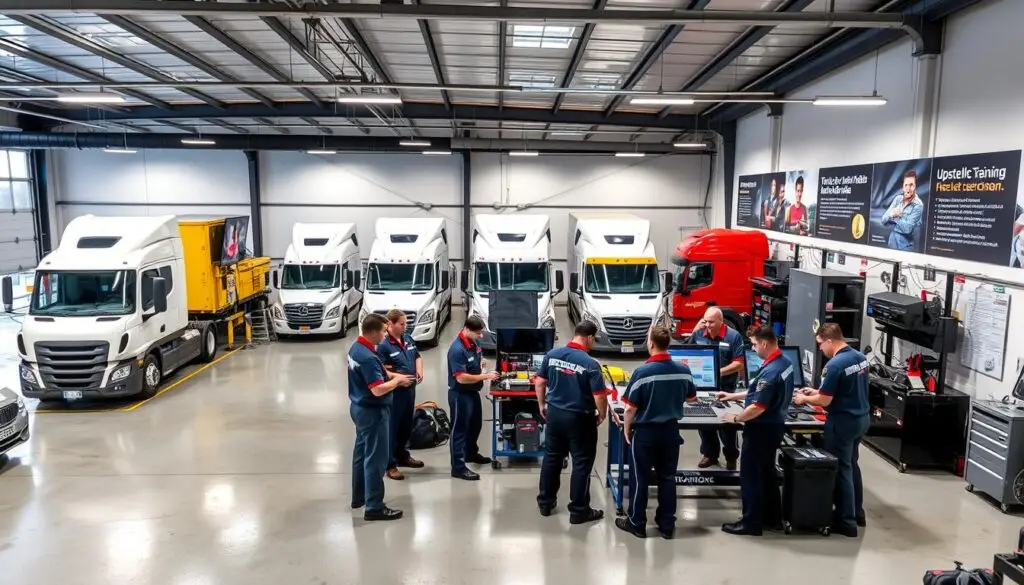
Automotive Service Excellence certifications represent the gold standard for diesel technician competency. When fleet operators sponsor their technicians through these certification programs, they create win-win situations benefiting everyone involved.
Effective ASE sponsorship programs include full coverage of exam fees and testing costs, paid study time during work hours, access to preparation materials and practice tests, financial bonuses upon successful certification completion, and pay increases tied to certification achievement.
These certifications validate technical expertise while giving technicians tangible proof of professional advancement. Preventive maintenance training becomes more effective when delivered by certified professionals understanding industry best practices.
CDL Endorsement Training for Drivers
Commercial Driver’s License endorsements expand what drivers can haul and increase their earning potential simultaneously. Supporting drivers in obtaining additional endorsements like tanker, hazmat, and doubles/triples creates more versatile team members while improving driver retention.
Companies investing in endorsement training benefit from operational flexibility. Drivers with multiple endorsements can handle diverse loads, making them more valuable to operations. For drivers, each endorsement represents increased job security and higher pay.
Management and Leadership Development Tracks
Many skilled drivers and technicians leave fleet companies because they see no path beyond their current role. Creating formal management and leadership development tracks addresses this retention challenge directly by showing ambitious employees they can advance without leaving the organization.
“A documented career development plan created with input from shop foremen, service advisors, and factory representatives identifying required skills and mentorship for advancement proves critical for attracting and retaining talent.”
— Dealership Operations Manager
Effective leadership development programs identify high-potential employees early and prepare them for roles such as shop foremen, dispatch coordinators, safety directors, and fleet managers. These programs should include formal training in communication, conflict resolution, budgeting, and scheduling.
Modern Equipment and Technology Investments
Fleet technology investment has evolved from competitive advantage to retention necessity. Drivers and technicians notice immediately when companies cut corners on equipment and tools. Outdated trucks, insufficient diagnostic systems, and aging technology send clear messages that leadership doesn’t prioritize employee success or safety.
Smart fleet managers understand that modern equipment directly correlates with workforce satisfaction. When companies provide teams with the best tools available, they demonstrate respect for their profession and commitment to wellbeing.
Upgrading to Newer Truck Models and Maintenance Tools
Nothing frustrates professional drivers more than operating aging, uncomfortable equipment daily. Newer truck models offer significantly improved cab designs with better ergonomics, climate control systems, and suspension technology directly impacting driver comfort during long hauls.
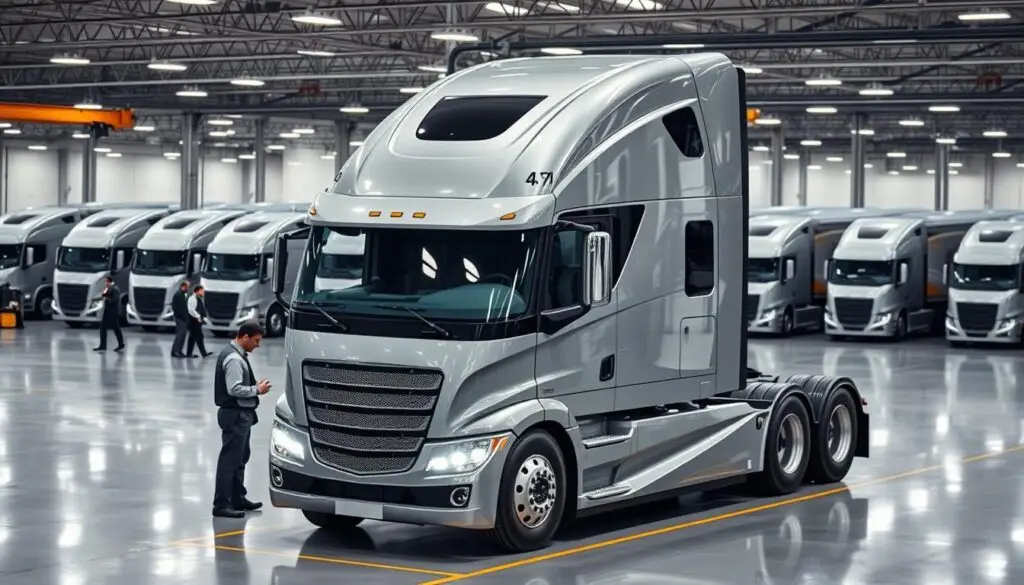
Modern trucks deliver better fuel efficiency and reliability, meaning fewer breakdowns and less roadside time. When fleets consist primarily of trucks less than five years old, they signal to drivers that comfort and success matter.
For diesel technicians, quality maintenance tools make the difference between frustration and job satisfaction. Essential investments include comprehensive socket and wrench sets, pneumatic and electric power tools reducing physical strain, proper lifting equipment rated for heavy-duty vehicles, specialized diesel tools, and clean organized storage systems.
ELD Systems and Driver-Assist Technologies
Electronic Logging Devices transform compliance from paperwork burden into automated process. Modern ELD systems integrate seamlessly with driver scheduling solutions, allowing dispatchers to optimize routes while respecting hours-of-service regulations.
Advanced Driver Assistance Systems represent valuable safety investments. ADAS technology acts like an extra set of eyes, especially during challenging conditions or long nighttime routes. These systems include lane departure warnings, forward collision alerts, blind spot detection, automatic emergency braking, and adaptive cruise control.
Vehicle telematics provides real-time visibility into fleet operations and driver behavior patterns. When used appropriately, telematics supports rather than surveils drivers, providing coaching opportunities based on objective data.
Diagnostic Equipment for Technician Efficiency
Modern diesel engines contain sophisticated electronic systems requiring advanced diagnostic equipment to service properly. Technicians equipped with outdated scan tools face constant frustration trying to diagnose increasingly complex vehicle systems.
Investing in current diagnostic technology enables technicians to work efficiently and take pride in their capabilities. Quality diagnostic equipment includes advanced scan tools communicating with all vehicle control modules, manufacturer-specific diagnostic software, oscilloscopes and multimeters for electrical diagnosis, brake testers and alignment equipment, and emissions testing equipment.
Predictable Scheduling and Home Time Guarantees
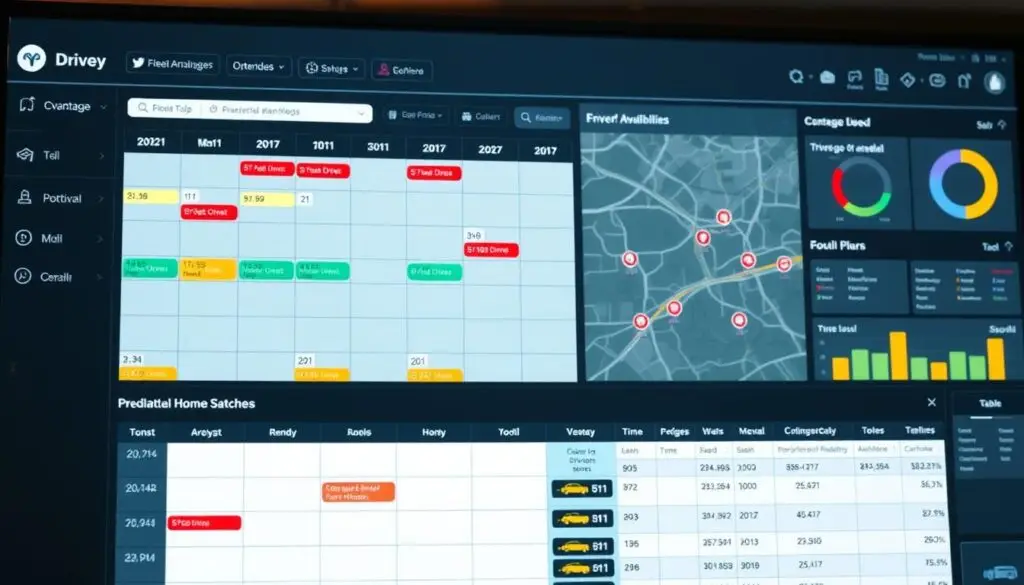
When employees know when they’ll be home and can plan personal lives accordingly, retention rates improve dramatically. Predictable scheduling represents one of the most valuable yet underutilized retention strategies in fleet workforce management today.
Transportation and maintenance operations run around the clock, but that doesn’t mean companies can’t implement thoughtful scheduling practices respecting personal boundaries and family commitments. Data tells a compelling story: drivers and technicians enjoying schedule predictability and adequate home time demonstrate significantly lower turnover rates.
Regional Route Options for Better Work-Life Balance
Regional routes offer drivers opportunity to return home daily or on predictable weekly schedules, addressing one of the industry’s most pressing retention challenges. These routes typically keep drivers within a 250-mile radius of home terminals, enabling them to sleep in their own beds most nights.
Many drivers willingly accept slightly lower pay for regional positions compared to long-haul routes because work-life balance trucking benefits far outweigh marginal income differences. Fleet managers should structure operations to maximize regional opportunities whenever freight patterns allow.
Dedicated and Consistent Schedule Assignments
Assigning drivers to consistent routes, customers, or lanes creates predictability enabling personal planning and reducing stress associated with constant uncertainty. Dedicated assignments allow drivers to establish routines, anticipate home time, and manage personal responsibilities effectively.
Dispatcher practices play crucial roles in honoring schedule commitments and avoiding last-minute changes disrupting personal plans. Fleet operations should establish clear policies protecting scheduled home time except in genuine emergencies.
Companies implementing dedicated assignment programs report reduced driver turnover by 25-40% compared to random assignment models, higher customer satisfaction scores due to familiar driver-customer relationships, improved on-time delivery rates, lower accident rates, and better fuel efficiency through route familiarity.
Flexible Shift Options for Technicians
Maintenance facilities can significantly improve technician retention by offering varied shift options accommodating different lifestyle preferences and family situations. Day shifts, evening shifts, and night shifts each appeal to different demographics within workforces.
Implementing rotating schedules fairly ensures no single employee constantly gets stuck with undesirable time slots. Advanced schedule visibility—posting schedules at least two weeks in advance—allows technicians to plan personal activities without constant uncertainty.
Safety-First Culture and Comprehensive Training
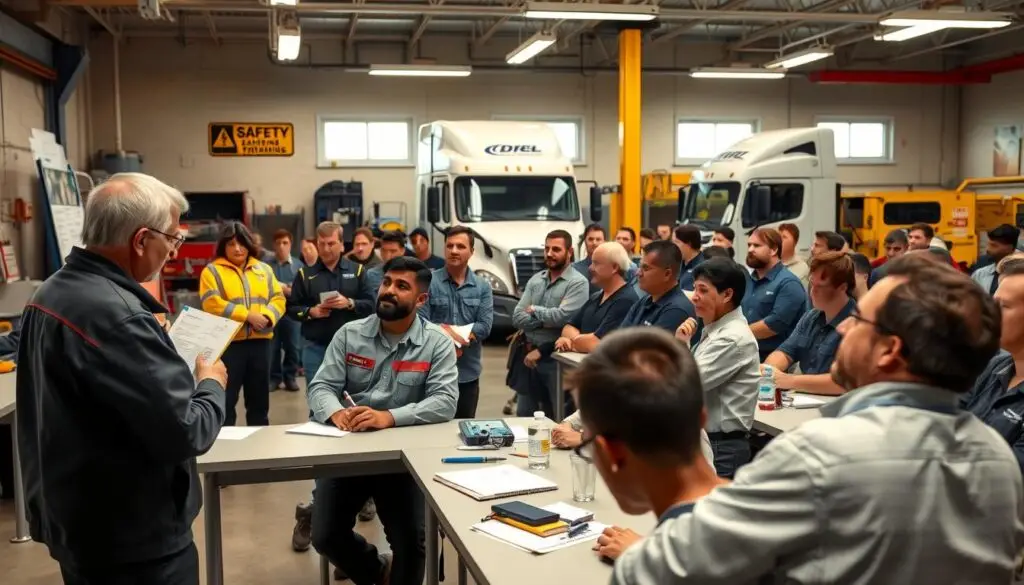
When fleet operators prioritize safety through consistent training and meaningful recognition, they create environments where drivers and technicians choose to stay for the long haul. A genuine fleet safety culture goes beyond posting compliance posters in break rooms—it requires daily commitment from leadership.
Safety represents a critical concern throughout the trucking sector given heavy machinery, long hours, and complex work environments. The most successful companies understand everyone shares responsibility for safety, from dispatchers and mechanics to drivers and warehouse personnel.
Ongoing Safety Training and Certifications
Regular safety training keeps skills sharp and demonstrates ongoing company investment in employee protection. Leading fleet operators implement multiple training touchpoints throughout the year rather than treating safety as an annual checkbox exercise.
Weekly safety meetings provide opportunities to discuss recent incidents, review best practices, and address emerging hazards. Defensive driving courses represent one of the most valuable training investments for commercial driver retention, teaching drivers to anticipate potentially hazardous situations.
Specialized certifications strengthen both safety performance and employee value. Consider offering training in hazmat handling procedures, winter driving techniques, mountain and steep-grade operations, emergency response protocols, and preventive maintenance training bridging gaps between drivers and technicians.
Safety Bonus and Incentive Programs
Financial rewards for safety performance reinforce that safe operations represent core company values rather than empty rhetoric. Well-designed incentive programs recognize both individual achievement and team success.
Quarterly safety bonuses based on accident-free performance provide tangible recognition for safe driving. These bonuses should reward outcomes employees can control—such as following proper procedures, conducting thorough pre-trip inspections, and maintaining safe following distances.
Telematics-based safety scoring creates objective performance metrics. Modern systems track harsh braking, rapid acceleration, speeding, and other risk indicators. Companies using this data constructively—coaching drivers to improve rather than immediately punishing mistakes—see better results and stronger retention.
Incident-Free Recognition Initiatives
Non-financial recognition programs create peer acknowledgment and professional pride complementing monetary incentives. Public recognition satisfies the human need for appreciation and builds positive workplace culture.
Safety milestone celebrations honor extended periods of safe operations. Recognize drivers achieving one year, three years, five years, and ten years without preventable accidents. Present awards at company meetings where peers can celebrate achievements together.
Monthly safety awards spotlight exceptional performance. Feature top safety performers in company newsletters, on bulletin boards, and through email communications. Physical awards carry surprising emotional weight—quality plaques, trophies, or custom awards become meaningful symbols employees display proudly.
Recognition and Employee Appreciation Programs
Acknowledging achievements and celebrating contributions represents one of the most cost-effective yet impactful driver retention strategies available to fleet managers. Recognition creates emotional connections between employees and employers that transcend purely financial relationships.
Fleet companies often overlook the power of appreciation in retention efforts. They focus exclusively on compensation packages while ignoring the fundamental human need for acknowledgment. Employee recognition programs fill this critical gap by establishing formal systems that celebrate excellence.
Monthly and Annual Performance Awards
Formal award programs create structured opportunities to celebrate top performers across multiple categories. These programs recognize excellence in safety, customer service, productivity, mentorship, and innovation. Monthly recognition maintains consistent visibility for outstanding contributions throughout the year.
Award structures should include clear selection criteria employees understand and trust. Transparent metrics prevent perceptions of favoritism while encouraging healthy competition. Categories might include safest driver, highest fuel efficiency, best customer feedback scores, or most improved technician.
Annual awards carry greater prestige and typically involve more substantial recognition. These milestone celebrations often include formal ceremonies where management presents awards in front of peers.
Service Milestone Celebrations
Tenure recognition demonstrates that companies value loyalty and long-term commitment. Celebrating one-year, five-year, ten-year, and longer anniversaries creates emotional connections transcending transactional employment relationships.
Personalized recognition makes milestone celebrations more meaningful. Generic certificates feel hollow compared to customized gifts reflecting individual interests or contributions. Taking time to select thoughtful recognition items communicates genuine appreciation rather than checking procedural boxes.
| Service Milestone | Recognition Type | Typical Benefits |
|---|---|---|
| 1 Year | Certificate and company gift | Small bonus or gift card |
| 5 Years | Personalized plaque and celebration | Additional week of PTO |
| 10 Years | Premium gift and public ceremony | Substantial bonus and benefits upgrade |
| 20+ Years | Legacy recognition and special privileges | Retirement planning assistance |
Peer Recognition Systems
Employee-nominated recognition programs often carry greater emotional weight than management-driven awards. Peer acknowledgment represents genuine respect from colleagues understanding work challenges firsthand. Fleet workforce management improves dramatically when employees feel appreciated by teammates.
Implementing peer recognition systems requires establishing simple nomination processes. Digital platforms, suggestion boxes, or monthly nomination forms make participation easy. Categories might include Team Player Award, Problem Solver Recognition, Safety Champion, Customer Service Excellence, and Mentorship Recognition.
Open Communication and Employee Feedback Systems
Establishing feedback mechanisms gives employees voice while providing management with actionable insights. Open communication remains vital to every healthy relationship, including relationships between employers and employees. When drivers and technicians feel heard and valued, fleet employee turnover decreases significantly.
Effective driver feedback systems create pathways for information to flow both directions—from leadership to employees and from employees back to leadership. This two-way exchange transforms workplace dynamics from top-down directives into collaborative partnerships.
Individual Conversations That Build Trust
Regular one-on-one check-ins between supervisors and team members create opportunities for meaningful dialogue. Drivers meeting with dispatchers or fleet managers can discuss route challenges, equipment concerns, and personal circumstances affecting work.
These individual meetings should occur on consistent schedules—weekly, biweekly, or monthly depending on operational demands. Sessions provide dedicated time for discussing performance, addressing concerns, identifying obstacles, and planning professional development.
Safe Channels for Honest Input
Anonymous feedback channels and surveys allow employees to raise concerns without fear of retaliation. Suggestion boxes, anonymous online surveys, third-party feedback platforms, and confidential hotlines give voice to those who might hesitate to speak openly.
Companies can implement quarterly employee satisfaction surveys measuring sentiment across multiple dimensions. Questions should address compensation fairness, equipment quality, schedule satisfaction, management effectiveness, and overall workplace environment.
The key to effective anonymous feedback is demonstrating responsiveness. When employees see their suggestions implemented or concerns addressed, they gain confidence that their input matters.
Organizational Transparency Through Group Forums
Town hall meetings and transparency initiatives create opportunities for leadership to communicate with entire workforces simultaneously. Regular all-hands meetings where executives share company performance, discuss challenges, explain strategic decisions, and answer questions build organizational transparency.
Quarterly town halls provide natural checkpoints for reviewing business performance. Leaders can discuss revenue trends, new contract wins, operational challenges, and strategic priorities. This context helps employees understand how their daily work contributes to larger organizational objectives.
Building Strong Company Culture for Long-Term Retention
Every retention strategy works better when supported by strong company culture prioritizing people. Competitive compensation packages and modern equipment matter tremendously, but they cannot sustain long-term commitment without workplace environments where employees genuinely want to come to work each day.
Industry experts consistently emphasize that culture is paramount. Getting fixed operations departments to be cohesive, have common goals, and simply take care of people forms the essential foundation for retention success. Once companies build cultures where people enjoy each other’s company and find success in their roles, word gets out naturally.
Creating Team Identity and Camaraderie
Team identity transforms individual jobs into shared missions. When drivers and technicians feel connected to something larger than daily tasks, they develop emotional investment in organizational success.
Building camaraderie starts with establishing shared goals everyone understands and supports. When dispatch, maintenance, and driving teams all work toward common objectives—like safety records, on-time delivery rates, or vehicle uptime percentages—they develop mutual accountability.
Collaborative problem-solving strengthens team bonds more effectively than individual work. When recurring mechanical issues affect multiple routes, bringing drivers and technicians together to discuss problems creates understanding on both sides.
Company Events and Family Inclusion
Fleet workforce management extends beyond employees to encompass entire family systems. Transportation careers demand significant sacrifices from families—missed dinners, weekend routes, and holiday absences create strain on personal relationships.
Company picnics and family days demonstrate that organizations value employees as whole people with lives outside work. When spouses and children meet the team their driver or technician talks about at home, they gain appreciation for work environments.
Fostering Respect Between Drivers and Technicians
One of the most overlooked aspects of company culture retention involves building mutual respect between operational groups that sometimes develop adversarial relationships. Drivers occasionally blame technicians for inadequate repairs resulting in road breakdowns. Technicians sometimes blame drivers for poor vehicle care creating preventable maintenance issues.
Cross-functional meetings that bring drivers and technicians together create understanding through direct communication. When technicians explain diagnostic challenges of intermittent electrical problems, drivers gain appreciation for repair complexity.
Measuring Retention Success and Key Performance Indicators
Tracking the right fleet retention metrics transforms retention efforts from guesswork into strategic advantage delivering measurable business results. Without proper measurement systems, fleet managers cannot identify which initiatives produce results and which drain resources without impact.
Fleet management KPIs should do more than fill spreadsheets—they should guide human interactions and operational decisions. Successful fleet managers track performance alongside operational and procedural changes to reveal patterns affecting loyalty.
Tracking Turnover Rates and Tenure Statistics
Understanding fleet employee turnover begins with calculating accurate turnover metrics across multiple dimensions. The basic annualized turnover rate divides the number of separations by the average number of employees, then multiplies by 100 to get a percentage.
Voluntary versus involuntary turnover reveals whether employees choose to leave or whether terminations drive numbers. Voluntary departures signal dissatisfaction with compensation, culture, or working conditions. Involuntary separations may indicate hiring problems or inadequate training.
The 90-day turnover rate identifies onboarding and orientation weaknesses. When new drivers or technicians leave within their first three months, problems typically stem from mismatched expectations, inadequate training, or poor cultural fit.
Employee Satisfaction Scores
Regular employee satisfaction surveys provide leading indicators predicting turnover before resignations occur. Unlike turnover rates measuring past failures, satisfaction scores identify current problems while time remains to address them.
Engagement levels measure emotional commitment beyond mere job satisfaction. Engaged employees advocate for their employer, contribute discretionary effort, and resist recruitment offers from competitors.
Tracking satisfaction across multiple dimensions reveals specific improvement opportunities including compensation satisfaction, management satisfaction, work-life balance satisfaction, career development satisfaction, and equipment and tools satisfaction.
Exit Interview Insights and Trends
Structured exit interviews with departing employees provide intelligence that satisfaction surveys and turnover metrics cannot capture. Employees leaving organizations often share honest feedback they withheld while employed.
Standardized exit interview questions ensure consistent data collection enabling trend analysis. While conversational flow matters, covering specific topics systematically allows aggregation across multiple interviews. Essential topics include reasons for leaving, satisfaction with different job aspects, suggestions for improvement, and likelihood of recommending the company to others.
Implementing Your Retention Strategy: Action Steps
Building an effective retention program starts with translating the eight proven methods into an actionable implementation plan. Fleet managers must move beyond theoretical understanding to create concrete steps addressing their specific challenges.
The difference between companies that successfully retain talent and those that struggle often comes down to execution quality. Many fleet operations understand what needs to change but fail to develop clear roadmaps for how to implement those changes.
Prioritizing Methods Based on Fleet Size
Not all retention methods deliver equal impact for every operation. Fleet size, current turnover challenges, and organizational maturity determine which of the eight methods deserve immediate attention.
Operations with fewer than 25 drivers should start with recognition programs, open communication channels, and predictable scheduling. These initiatives require minimal capital investment but create immediate improvements in employee satisfaction.
Mid-sized fleets between 25 and 100 drivers face different priorities. These operations benefit from standardizing processes while maintaining personal touches. Focus should shift toward comprehensive benefits packages, career development tracks, and safety culture initiatives.
Budget Allocation for Retention Initiatives
Building a business case for retention spending requires quantifying turnover costs. Calculate the full expense of replacing one driver or technician, including recruiting fees, training time, productivity losses, and equipment damage from inexperienced operators.
Compare annual turnover costs against proposed retention initiative budgets. If fleets experience 40% annual driver turnover across 50 positions, they’re losing approximately $160,000 to $300,000 yearly. Investing even $50,000 in driver retention strategies reducing turnover to 20% generates substantial net savings.
Timeline for Rolling Out New Programs
Realistic implementation schedules prevent the common failure pattern of rushed rollouts. Programs launched without adequate preparation typically fail due to insufficient training, unclear communication, or inadequate system testing.
Quick-win initiatives should launch within the first 30-60 days. These include recognition programs, one-on-one check-in schedules, and anonymous feedback channels. Early successes build momentum and demonstrate leadership commitment to workforce improvement.
Medium-term programs require 3-6 month implementation timelines. This category includes safety culture enhancements, scheduling improvements, and initial career development frameworks. Long-term strategic investments span 6-18 months from planning to full implementation.
Conclusion
Fleet driver retention represents far more than a workforce management challenge—it defines competitive position in an industry where talent scarcity continues to intensify. Companies that master retention through comprehensive strategies gain measurable advantages in safety, customer service, and profitability.
The eight proven methods outlined throughout this article work best when implemented as an integrated system. Competitive compensation attracts talent. Comprehensive benefits demonstrate commitment. Career development builds loyalty. Modern equipment shows respect. Predictable scheduling supports quality of life. Safety culture protects people. Recognition programs validate contributions. Open communication builds trust.
Long-term driver employment and successful diesel technician recruitment stem from a fundamental shift in perspective. Treating drivers and technicians as valued professionals rather than replaceable resources transforms transactional jobs into meaningful careers.
Start implementing retention improvements today. Even small steps compound into significant competitive advantages. Fleet managers who invest in their people create workforces that choose to stay, reducing turnover costs while building operational excellence.
Share Your Expertise
Join Heavy Duty Journal as a guest author and reach thousands of industry decision-makers.
Become a Guest AuthorFrequently Asked Questions
What is the average annual turnover rate for commercial truck drivers in America?
The commercial truck driver turnover rate varies significantly by fleet size and operation type, with large truckload carriers experiencing annual turnover rates exceeding 90% in recent years, while smaller regional and dedicated fleets typically see rates between 40-60%. These elevated turnover rates create substantial operational disruptions, increased costs, safety concerns with inexperienced personnel, and competitive disadvantages for companies unable to maintain workforce stability.
How much does it actually cost a fleet to replace one experienced driver or diesel technician?
The true cost of driver turnover extends far beyond recruitment expenses to include advertising and recruiter fees ($3,000-$8,000), background checks and drug screening ($200-$500), training time and materials ($5,000-$10,000), reduced productivity during the learning curve (estimated at 6-12 months to reach full efficiency), increased accident risk with inexperienced personnel, and administrative processing time. When comprehensively calculated, replacing a single commercial driver typically costs $8,000-$15,000, while replacing a certified diesel technician often exceeds $10,000-$20,000 depending on skill level and specialization.
What compensation level is considered competitive for retaining Class A CDL drivers?
Competitive driver compensation varies significantly by region, route type, and market conditions, but fleets aiming for top-quartile retention should target total annual compensation (base pay plus performance incentives) of $60,000-$85,000 for experienced over-the-road drivers, $55,000-$75,000 for regional drivers with consistent home time, and $50,000-$70,000 for local delivery drivers. The most effective retention compensation structures combine competitive base rates with meaningful performance incentives for safety, fuel efficiency, on-time delivery, and customer service excellence.
Which employee benefits have the greatest impact on fleet driver retention?
Research and exit interview data consistently identify comprehensive health insurance with family coverage as the single most valued benefit affecting retention decisions, particularly for drivers with spouses and children who depend on consistent medical coverage. Following healthcare, retirement plans with generous employer matching (4-6% or higher) significantly impact retention of mid-career and senior employees planning for long-term security. Adequate paid time off that allows drivers to maintain family relationships and personal health without financial penalty ranks third.
How do career development opportunities improve retention of diesel technicians?
Professional development investments dramatically improve technician retention by creating clear advancement pathways and continuous skill enhancement that make long-term careers attractive. Fleets that sponsor ASE certification programs (covering exam fees, providing study resources, offering financial incentives for certification achievement) retain technicians at significantly higher rates because certifications provide portable credentials, professional pride, and increased earning potential. Organizations that identify high-potential technicians for management and leadership development retain ambitious employees who might otherwise leave for supervisory positions elsewhere.
Does investing in newer trucks and modern equipment actually reduce driver turnover?
Yes, equipment quality significantly impacts retention decisions for both drivers and technicians. Drivers operating newer trucks with modern amenities (comfortable cabs, improved suspension, better climate control, advanced safety systems) experience reduced physical fatigue, greater safety confidence, and professional pride in representing companies that provide quality equipment rather than poorly maintained aging trucks. Exit interviews consistently reveal that equipment quality ranks among the top factors influencing whether drivers and technicians stay with a fleet or seek employment elsewhere.
What scheduling practices have the greatest positive impact on driver retention?
Predictable home time and consistent scheduling represent one of the most powerful retention tools available to fleet managers, often outweighing moderate pay differences. Offering regional or dedicated routes that enable drivers to return home daily or on predictable weekly schedules dramatically improves retention, as quality family time and consistent home presence hold tremendous value for drivers with families. Dispatcher practices that honor schedule commitments and avoid last-minute changes disrupting personal plans build trust and loyalty.
How effective are safety bonus programs in improving both safety performance and retention?
Safety incentive programs that provide meaningful financial rewards for accident-free performance, safe driving scores, proper vehicle inspections, and proactive hazard reporting prove highly effective when structured properly. Quarterly safety bonuses of $250-$500 or annual safe performance bonuses of $1,000-$2,000 create tangible financial incentives aligned with company safety objectives. The most effective programs combine financial incentives with authentic safety culture where leadership consistently demonstrates commitment through actions, resources, and investments.
What retention metrics should fleet managers track to measure program effectiveness?
Comprehensive retention measurement requires tracking multiple key performance indicators across different timeframes and segments. Turnover rate calculations should distinguish voluntary versus involuntary separations, measure annualized rates, track 90-day new hire turnover separately, and segment data by position, location, or supervisor to identify specific problem areas. Average employee tenure trending over time indicates whether retention initiatives are producing measurable improvements. Employee satisfaction surveys should be conducted regularly to identify trends and early warning indicators.
How long does it typically take to see measurable retention improvement after implementing new strategies?
Retention improvement timelines vary by initiative type and implementation quality, but fleet managers should expect 3-6 months before seeing initial indicators of improvement and 12-18 months before achieving sustained measurable results. Some initiatives produce relatively quick impacts—improved communication, recognition programs, and schedule predictability often generate positive sentiment shifts within weeks, though actual turnover reduction takes longer to manifest. The critical success factor is sustained commitment and consistent execution rather than expecting immediate results.
Share This Article
Share this post with your network and help other industry professionals stay informed.