
Faulty brakes contribute to thousands of commercial vehicle accidents annually, making proper diagnostic skills essential for fleet safety and regulatory compliance. Federal research shows brake problems were found in approximately 33% of commercial trucks inspected following crashes, underscoring why systematic troubleshooting saves lives and prevents costly breakdowns.
Heavy-duty truck brakes rely on compressed air rather than hydraulic fluid for critical reasons. Pneumatic systems deliver consistent braking force even under extreme conditions, resist fade during prolonged use, and require less frequent maintenance than fluid-based alternatives.
This guide provides systematic air brake troubleshooting techniques that professional technicians can apply immediately. You’ll master component-specific inspection methods, repair solutions, and preventive strategies that keep commercial fleets operating safely and efficiently.
Federal CDL requirements mandate routine inspections for system malfunctions. Whether you’re a certified mechanic or fleet manager, understanding how to diagnose pneumatic brake failures prevents violations, reduces downtime, and protects your operation from liability.
Key Takeaways
- Brake failures are preventable: Systematic diagnostics identify problems before they cause accidents or roadside violations
- Pneumatic systems require specialized knowledge: Air brake troubleshooting differs fundamentally from hydraulic brake diagnosis
- Federal regulations demand compliance: CDL standards require routine inspections and immediate correction of identified defects
- Component interaction matters: Understanding how parts work together prevents misdiagnosis and unnecessary replacements
- Moisture causes cascading failures: Water contamination destroys valves, corrodes fittings, and freezes lines in cold weather
- Preventive maintenance reduces costs: Regular inspections and proper adjustment extend component life and prevent emergency repairs
Understanding Heavy-Duty Truck Air Brake System Fundamentals
Mastering air brake troubleshooting begins with comprehensive understanding of how pneumatic systems operate under pressure. Heavy-duty trucks depend on multiple integrated components working in coordination to deliver reliable stopping power under extreme conditions.
The air brake system transforms compressed air into mechanical force capable of stopping vehicles weighing up to 80,000 pounds. This conversion process involves precise pressure levels and timing across multiple circuits. Each element plays a specific role in ensuring driver safety and regulatory compliance.
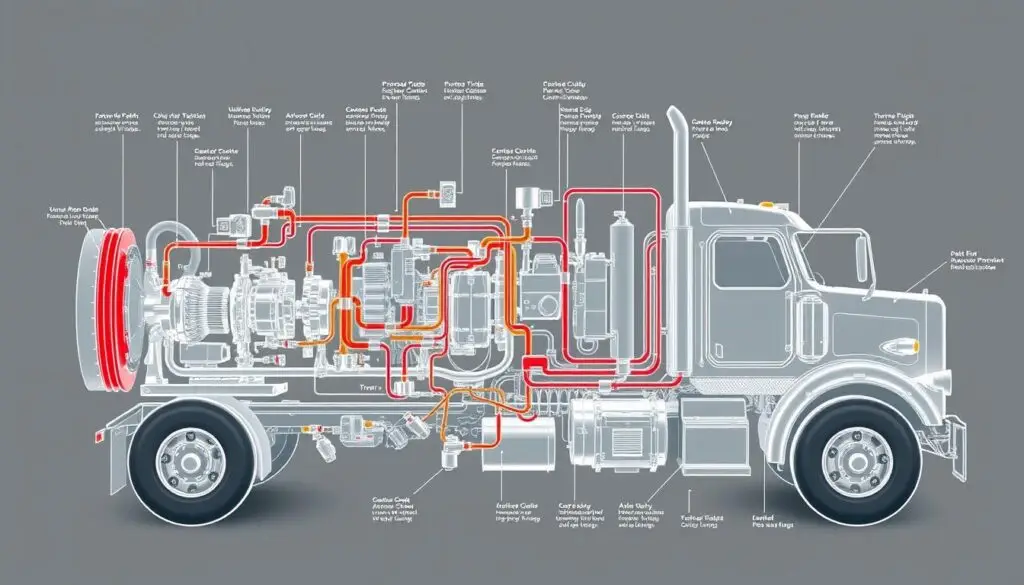
Primary Air Brake System Components
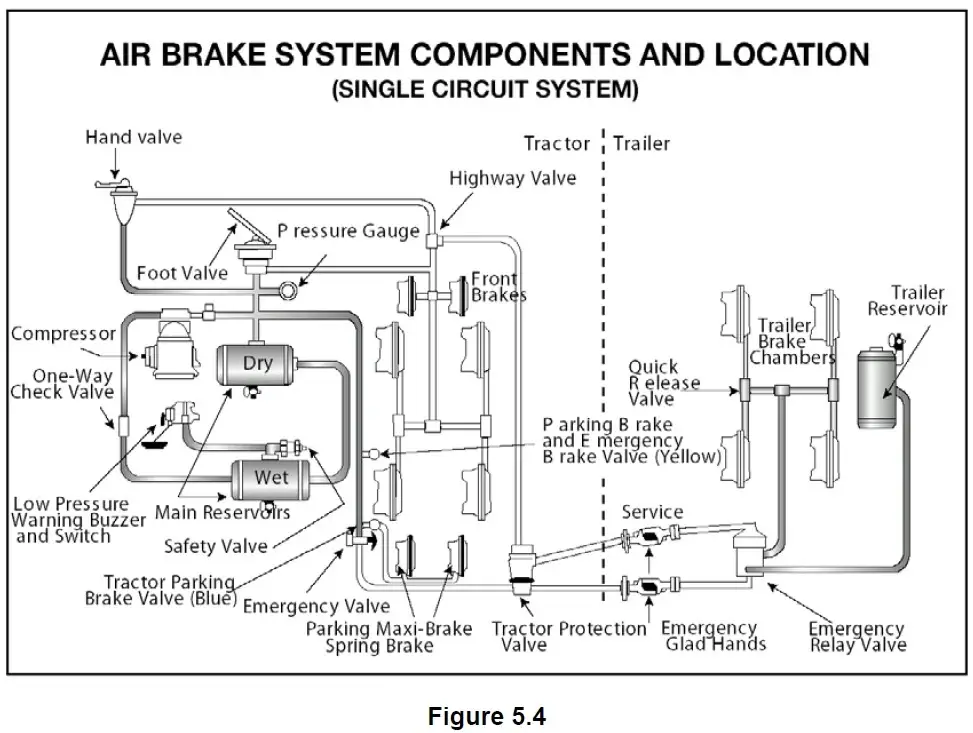
The air compressor serves as the heart of the pneumatic system. This engine-driven unit draws atmospheric air and compresses it to operational pressures necessary for brake actuation. Most heavy-duty applications use reciprocating piston compressors that deliver between 12 and 14 cubic feet per minute at rated engine speed.
Air tanks store compressed air until the brake system demands it for operation. The wet tank receives air directly from the compressor and contains moisture separators that remove water vapor. Secondary tanks supply air to service brakes and auxiliary systems after moisture removal.
Brake chambers convert air pressure into mechanical force through a flexible diaphragm and pushrod assembly. When pressurized air enters the chamber, it pushes the diaphragm outward, extending the pushrod. This linear motion activates the slack adjuster and rotates the brake camshaft.
Slack adjusters maintain correct clearance between brake shoes and drums as friction materials wear. These automatic or manual devices function as lever arms that convert pushrod movement into camshaft rotation. Proper adjustment ensures consistent brake application and prevents premature component failure.
The S-cam mechanism provides final force multiplication needed for effective braking. As the camshaft rotates, the S-shaped cam pushes brake shoes outward against the drum surface. This design delivers powerful braking force while allowing shoes to retract fully when air pressure releases.
Foundation brakes at each wheel assembly include brake shoes, drums or rotors, and friction linings that create actual stopping force. These components endure extreme temperatures and mechanical stress during normal operation. Regular inspection prevents catastrophic failures that compromise vehicle safety.
The governor valve regulates compressor operation by controlling cut-in and cut-out pressure points. When system pressure drops to the cut-in setting, the governor signals the compressor to begin loading. At cut-out pressure, it unloads the compressor to prevent excessive pressure buildup.
Spring brake chambers combine service and emergency brake functions in a single housing. The spring brake section uses powerful mechanical springs held in compression by air pressure. When air pressure drops below 60 PSI, these springs automatically apply parking brakes.
Quick release valves and relay valves accelerate brake application and release timing across long air line distances. These components ensure simultaneous brake actuation at all wheel positions, preventing dangerous brake timing variations that cause vehicle instability.
| Component | Primary Function | Operational Pressure Range | Failure Impact |
|---|---|---|---|
| Air Compressor | Generates compressed air for system operation | Builds from 85 to 125 PSI | Complete system failure, inability to build pressure |
| Governor Valve | Regulates compressor cut-in and cut-out cycles | Cut-in 100-105 PSI, Cut-out 120-125 PSI | Overcharged or undercharged system pressure |
| Brake Chambers | Converts air pressure to mechanical force | Operates between 60-90 PSI | Reduced braking force, brake drag, or no application |
| Air Reservoirs | Stores compressed air for brake applications | Maintains 100-125 PSI reserve capacity | Insufficient air volume for multiple brake applications |
| Spring Brake | Provides parking and emergency brake function | Releases at 60+ PSI, applies below 60 PSI | Loss of parking brake capability, vehicle rollaway risk |
How Air Brake Systems Generate and Maintain Pressure
The compressor begins operation when the engine drives it through gear or belt mechanisms. As pistons move within compressor cylinders, they draw atmospheric air through intake valves during the downstroke. The compression stroke forces this air into a discharge line at pressures ranging from 120 to 125 PSI.
Compressed air travels from the compressor to the supply reservoir. This initial storage point allows moisture and oil vapors to condense and separate from compressed air. An automatic drain valve or manual petcock removes accumulated contaminants that could damage downstream components.
The governor monitors brake system pressure through a dedicated sensing line connected to the primary reservoir. When pressure drops to approximately 100 to 105 PSI, the governor sends an air signal that loads the compressor. The compressor then resumes active compression cycles, rebuilding system pressure.
As pressure climbs to the cut-out point of 120 to 125 PSI, the governor signals the compressor to unload. The unloader mechanism vents the compressor head to atmosphere, allowing pistons to move freely without compressing air. This cycle repeats continuously during vehicle operation.
The time required to build pressure from 85 to 100 PSI represents a critical performance indicator. Federal Motor Vehicle Safety Standards require this build-up time to occur within specific limits, typically under two minutes at engine idle. Excessive build time indicates compressor wear, air leaks, or governor malfunctions.
Check valves installed between reservoirs prevent backflow of compressed air. These one-way valves ensure that if one circuit loses pressure due to a leak or failure, other circuits maintain their air supply. This redundancy provides critical safety protection for multi-circuit brake systems.
Safety valves mounted on air reservoirs protect against dangerous overpressure conditions. These spring-loaded relief valves automatically open if pressure exceeds 150 PSI, venting excess air to atmosphere. A properly functioning governor should prevent safety valve activation during normal operation.
The Role of Air Reservoirs and Distribution Networks
The primary reservoir serves as the first storage point for compressed air leaving the compressor. This tank includes baffles and moisture collection sumps that promote water vapor condensation. Daily draining of wet tanks prevents moisture accumulation that could freeze in cold weather or corrode system components.
Secondary reservoirs receive filtered air from the wet tank through check valves and distribution lines. Most heavy-duty trucks utilize separate secondary tanks for front and rear brake circuits. This dual-circuit design ensures partial braking capability if one circuit fails, meeting federal safety requirements.
The air distribution network consists of reinforced rubber and nylon tubing connecting reservoirs to control valves and brake chambers. These lines must withstand constant pressure cycling and extreme temperature variations without developing leaks. Color-coded lines help technicians identify service brake, spring brake, and auxiliary circuits during diagnostics.
Distribution networks route brake system pressure through multiple control valves that govern brake application timing and force. The foot valve meters air pressure proportionally to pedal depression. This graduated control allows drivers to modulate braking force from light applications to maximum emergency stops.
Relay valves positioned near brake chambers reduce brake lag time on vehicles with long wheelbases. These devices use a small pilot signal from the foot valve to control local air reservoir pressure. The relay valve delivers high-volume air flow directly to brake chambers without routing through extended lines from the cab.
Modern air brake systems include dedicated supply lines for parking brake control valves and auxiliary equipment. These circuits maintain air pressure for accessories like suspension systems, tire inflation systems, and fifth-wheel slides. Proper circuit isolation prevents auxiliary equipment failures from compromising service brake operation.
Pressure protection valves safeguard critical brake circuits by preventing air flow to auxiliary systems until adequate brake pressure builds. These valves typically close auxiliary supply lines until system pressure reaches 70 to 80 PSI. This design ensures brake system priority during engine start-up and pressure recovery after heavy brake use.
Air Brake Troubleshooting Tools and Safety Procedures
Accurate brake system diagnostics demand essential equipment and rigorous safety measures. Professional technicians understand that successful troubleshooting depends equally on technical expertise and proper preparation. Without appropriate brake diagnostic tools and adherence to safety protocols, even experienced mechanics risk misdiagnosis, equipment damage, or serious injury.
Modern air brake systems require a comprehensive approach balancing traditional diagnostic methods with emerging technologies. The complexity of heavy-duty brake systems demands technicians invest time in both equipment selection and safety planning before beginning any diagnostic work.
Essential Diagnostic Tools and Equipment
Every brake technician needs a complete toolkit to diagnose air system failures accurately. The right equipment transforms guesswork into precise diagnostics, reducing repair time and improving safety outcomes.
Core diagnostic equipment forms the backbone of any brake troubleshooting operation:
- Pressure gauges measure system pressure and application pressure at various points throughout the air brake system
- Timing devices track build-up times and brake application response using stopwatches or digital timers
- Pushrod stroke measurement tools include specialized rulers or gauges that verify proper brake adjustment and chamber function
- Breakout T-fittings allow inline pressure testing without system disassembly
- Digital multimeters diagnose electrical components including air dryer heaters and pressure switches

Leak detection technology has evolved significantly in recent years. Traditional soap-based solutions remain effective for visual leak identification, creating bubbles at leak points during pressurized testing. However, advanced brake diagnostic tools now include ultrasonic leak detectors that pinpoint small leaks acoustically, even in noisy shop environments.
High-precision leak detectors represent cutting-edge diagnostic technology. These devices detect microscopic air losses that traditional methods miss, making the process of finding even the smallest leaks efficient and accurate.
Model-based and data-driven diagnostic methods are transforming air brake troubleshooting. Model-based approaches use the vehicle’s expected system behavior as a baseline, comparing actual performance against standard parameters. Data-driven diagnosis employs multiple sensors to gather real-time information on valve positions, inline air pressure, chamber pressure, airflow direction, and rotational speed.
Machine learning models now identify connections and discover patterns beyond human analytical capacity. These systems provide real-time air brake management insights that help technicians identify developing problems before complete failure occurs.
Additional tools enhance diagnostic capabilities including inspection mirrors for visual assessment of components in tight spaces, high-intensity flashlights for illuminating dark areas beneath vehicles during DOT brake inspection procedures, and service manuals providing manufacturer-specific troubleshooting guidance.
Safety Protocols Before Beginning Brake Diagnostics
Safety protocols protect technicians from substantial risks inherent in air brake system work. Compressed air systems operate at pressures exceeding 120 PSI, creating serious injury potential if proper precautions are ignored.
Before beginning any diagnostic work, technicians must complete these mandatory safety steps:
- Review vehicle service history to identify previous brake repairs, recurring issues, and manufacturer service bulletins
- Verify adequate workspace ventilation to prevent carbon monoxide accumulation if engine operation is required
- Wear appropriate personal protective equipment including safety glasses, gloves, and steel-toed boots
- Confirm parking brake engagement and verify spring brakes are fully applied before beginning work
- Understand emergency procedures for responding to unexpected system pressurization during diagnostics
Never assume a brake system is depressurized without verification. Residual pressure can remain in reservoirs even after extended parking periods, creating unexpected hazards during component removal.
DOT brake inspection standards require technicians to follow systematic evaluation procedures. These guidelines ensure comprehensive assessment while maintaining consistent safety protocols across the industry.
Technicians should also establish clear communication with other shop personnel. Post visible warning signs when working on brake systems, and ensure nobody operates vehicle controls during diagnostic procedures.
Proper Vehicle Preparation and Chocking Procedures
Correct vehicle preparation prevents accidents and ensures diagnostic accuracy. A vehicle that moves unexpectedly during brake work creates life-threatening situations for technicians underneath or nearby.
Follow this systematic preparation sequence:
- Position on level ground to prevent rolling and ensure accurate pressure readings
- Place substantial wheel chocks with minimum two chocks per wheel on the side opposite the work area, positioning them firmly against tire treads
- Release all air pressure by following manufacturer procedures to completely drain system pressure from all reservoirs
- Establish lockout/tagout procedures by disabling ignition systems and posting warnings to prevent accidental vehicle movement or system pressurization
Wheel chocking requires special attention during brake system work. Standard chocks must be substantial enough to prevent vehicle movement even if residual brake pressure releases unexpectedly. Many shops use commercially-rated chocks specifically designed for heavy-duty vehicles.
Air pressure release must be thorough and verified. Open drain valves on all air reservoirs and operate the brake pedal repeatedly to exhaust remaining pressure. Use a pressure gauge to confirm zero PSI before beginning component disassembly.
Lockout/tagout procedures prevent colleagues from accidentally starting the vehicle or pressurizing the system during repairs. Attach physical locks to ignition switches and steering wheels, and place warning tags identifying who is performing the work. Remove these safety devices only after completing all brake system work and verifying proper reassembly.
Professional shops maintain detailed safety checklists for brake diagnostic procedures. These documents ensure technicians complete every preparation step consistently, regardless of experience level or work complexity.
Stay Ahead of Industry Trends
Get expert insights, equipment reviews, and operational strategies delivered to your inbox weekly.
Subscribe to Our NewsletterDiagnosing Low Air Pressure and Compressor Failures
Low air pressure problems represent critical failures that compromise entire braking function. When the air system cannot generate or maintain adequate pressure, dangerous operating conditions demand immediate attention and systematic diagnosis.
Effective air compressor troubleshooting requires understanding the relationship between the compressor, governor, and unloader valve. These components work together to build and regulate air pressure throughout the system. A failure in any one component can cascade into multiple symptoms that appear unrelated.
Identifying Air Compressor Failure Symptoms
The first step in low air pressure diagnosis involves recognizing warning signs of compressor malfunction. Unusually long pressure build-up times indicate the compressor cannot deliver adequate air volume. Most manufacturers specify that pressure should rise from 85 PSI to 100 PSI within two to three minutes at governed engine RPM.
When build-up time exceeds specifications, several factors may be responsible. A slipping compressor drive belt fails to maintain proper rotation speed. Excessive valve or fitting leakage throughout the system creates demand that outpaces production capacity.
Audible symptoms provide valuable diagnostic clues during inspection. Continuous or intermittent knocking from the compressor unit signals mechanical problems inside the pump assembly. This knocking often results from loose drive pulleys, backlash in drive gears, or worn bearings that allow excessive movement.
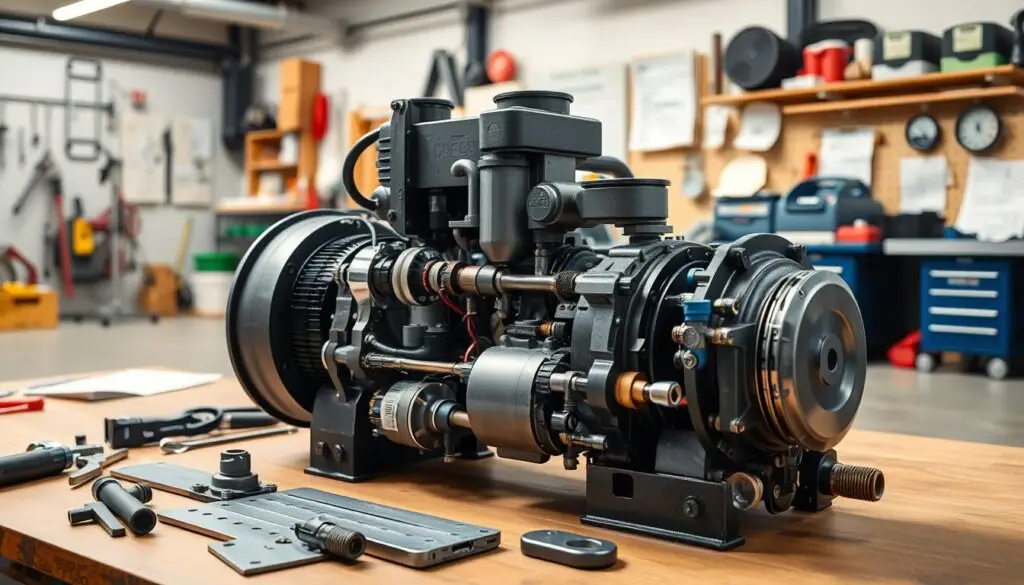
Visual indicators also reveal compressor health status. Oil accumulation in air lines suggests internal seal failure or excessive wear. An abnormally hot compressor housing indicates friction from damaged components or inadequate lubrication.
The low-pressure warning light activating during normal operation confirms inadequate pressure generation. This warning typically illuminates when system pressure drops below 60 PSI. If the light remains on or cycles frequently during driving, the compressor likely cannot meet system demands.
Excessive carbon deposits in the compressor cylinder head or discharge line restrict airflow and reduce efficiency. These deposits accumulate over time and eventually prevent proper compression cycles. When pressure rises above normal operating ranges, the issue shifts from production capacity to regulation problems.
Testing Compressor Output and Build-Up Time
Performing standardized pressure build-up tests provides objective measurements of compressor performance. This diagnostic procedure eliminates guesswork and establishes baseline data for comparison. Start the test with system pressure depleted to 85 PSI by applying and releasing service brakes repeatedly.
Run the engine at governed RPM, typically between 1,200 and 1,400 RPM depending on vehicle manufacturer. Time how long the compressor requires to raise pressure from 85 PSI to 100 PSI. Single compressor systems should complete this pressure rise within two minutes under normal conditions.
Dual compressor configurations demonstrate faster build-up rates. These systems should achieve the same 15 PSI pressure increase within 45 seconds. Any test results exceeding these timeframes indicate reduced compressor output requiring further investigation.
| Pressure Build-Up Problem | Primary Causes | Secondary Causes | Diagnostic Method |
|---|---|---|---|
| Pressure will not rise to normal | Faulty compressor, slipping drive belt, governor out of adjustment | Broken supply line, excessive leakage, faulty air gauge | Visual belt inspection, pressure build-up test, leak detection |
| Pressure rises too slowly | Worn compressor, clogged air strainer, engine speed too slow | Excessive reservoir volume, leaking discharge valves, slipping belt | Timed build-up test, strainer inspection, belt tension check |
| Pressure rises above normal | Governor out of adjustment, faulty governor and safety valve | Restricted unloader valve, stuck unloading mechanism | Pressure monitoring, governor adjustment verification, line inspection |
| Compressor knocks continuously | Worn or burnt bearings, loose drive pulley | Backlash in drive coupling, excessive carbon deposits | Audible inspection, bearing play test, pulley torque verification |
Visual inspection complements numerical testing during compressor evaluation. Check drive belt condition for glazing, cracking, or fraying that reduces grip. Measure belt tension using a tension gauge or the manufacturer’s deflection specifications.
Inspect the compressor air intake strainer for debris accumulation. A clogged strainer restricts incoming airflow and forces the compressor to work harder. Remove and clean or replace the strainer element if excessive dirt is present.
Testing compressor discharge volume requires monitoring airflow from the discharge port. Disconnect the discharge line and observe air output while the compressor loads. Strong, consistent airflow indicates good internal condition, while weak or intermittent flow suggests worn rings or valve problems.
Governor and Unloader Valve Diagnostics
The governor controls when the compressor loads and unloads based on system pressure. This critical component maintains pressure within specified operating range. When governor adjustment drifts out of specification, the entire air system operates inefficiently.
Governor diagnostic procedures start with pressure monitoring during normal operation. Observe the cut-in pressure when the compressor begins loading. This typically occurs between 100 and 105 PSI in most heavy-duty applications.
Monitor the cut-out pressure when the compressor stops loading and enters idle mode. Standard cut-out pressure ranges from 120 to 125 PSI for conventional air brake systems. Pressures significantly above or below these ranges indicate governor calibration problems requiring correction.
The unloader valve works in conjunction with the governor to relieve compressor head pressure during unloaded operation. When the governor signals cut-out, the unloader valve opens to release trapped air from the compressor cylinder head. This reduces mechanical stress and power consumption during idle cycles.
Adjusting Governor Cut-In and Cut-Out Pressure Settings
Governor adjustment procedures vary by manufacturer but follow similar principles across different models. Locate the governor unit, typically mounted on or near the compressor assembly. Most governors feature two adjustment mechanisms: one for cut-in pressure and another for cut-out pressure.
The cut-in adjustment screw controls when the compressor resumes loading. Turning this screw clockwise increases cut-in pressure, while counterclockwise rotation decreases it. Make adjustments in small increments, typically one-quarter turn at a time.
After each adjustment, cycle the system by depleting pressure below cut-in and allowing it to rebuild. Verify the new cut-in point with an accurate pressure gauge. Continue fine-tuning until the compressor loads at the specified pressure.
Cut-out pressure adjustment follows the same principle using its dedicated adjustment screw. Set cut-out pressure approximately 20 to 25 PSI above cut-in pressure. This differential ensures adequate pressure swing for efficient system operation without excessive cycling.
Some governor models use shims or spacers instead of adjustment screws. These designs require adding or removing shims to change pressure settings. Consult the manufacturer’s service manual for specific adjustment procedures and specifications for your governor model.
Unloader Valve Inspection and Replacement
Unloader valve problems manifest as continuous compressor loading or inability to build pressure. The “chuff” test provides quick verification of unloader valve operation. Start the engine and allow pressure to build to cut-out.
Listen carefully near the compressor when pressure reaches cut-out and the governor signals unload. A properly functioning unloader valve produces an audible air discharge sound, often described as a “chuff” or brief exhaust burst. This indicates the valve opened to release head pressure.
Absence of this sound suggests the unloader valve remains stuck closed. This condition forces the compressor to work against trapped pressure even during unload cycles. The compressor may overheat and suffer premature wear under these conditions.
An unloader valve stuck open creates the opposite problem. The compressor cannot build or maintain head pressure because air continuously escapes. This condition prevents adequate air compression and results in extremely slow or nonexistent pressure build-up.
Unloader valve replacement requires complete compressor depressurization before beginning work. Remove the old valve assembly and inspect the mounting surface for damage or debris. Clean the mounting area thoroughly before installing the new valve.
Apply thread sealant appropriate for air system use to the valve threads. Install the new unloader valve and torque to manufacturer specifications, typically between 20 and 30 foot-pounds. Over-tightening can damage the valve body or mounting boss, while under-tightening creates air leaks.
After replacement, perform a complete system test including build-up time verification and cut-in/cut-out pressure monitoring. The chuff test confirms proper unloader valve operation in the new installation. Document all pressure readings and test results for maintenance records.
Locating and Repairing Air Leaks in Brake Systems
Brake system air leaks compromise vehicle safety while forcing compressors to cycle excessively, burning fuel and shortening component life. A leak as small as one PSI per minute can trigger compressor duty cycles that reduce efficiency by 25 percent. Professional technicians recognize that air leak detection separates reliable brake systems from those that fail inspections and create road hazards.
The difference between quick repairs and costly downtime lies in systematic troubleshooting rather than random parts replacement. Air pressure drops with the engine stopped indicate specific failure points depending on whether brakes are released or applied. Understanding these patterns guides technicians directly to problem areas without wasting diagnostic time.
Systematic Air Leak Detection Methods
Effective pressure loss troubleshooting requires working through the entire air system in logical sequence. Begin with air reservoirs and work downstream through distribution lines, valves, and brake chambers. This methodical approach ensures no leak goes unnoticed while building a complete picture of system integrity.
Document baseline air pressure readings with the engine running and compressor loading. Then shut down the engine and monitor pressure drop rates over five-minute intervals. Leaks exceeding three PSI loss per minute with brakes released indicate supply system problems, while losses with brakes applied point to application circuit failures.
Temperature affects leak severity, so conduct testing with systems at normal operating temperature. Cold weather can mask marginal leaks that worsen during summer operations. Record ambient conditions alongside pressure readings to establish seasonal baseline data for your fleet.
Soap Solution Testing Procedure
Commercial leak detection solutions or diluted dish soap mixed at 10:1 water-to-soap ratio create visible bubbles when applied to leak points. Load the solution into a spray bottle for easy application across large surface areas. Professional-grade products include corrosion inhibitors that protect metal surfaces during testing.
Apply solution liberally to suspected leak locations including valve bodies, line connections, fitting threads, and tank welds. Brake system leaks manifest as continuous bubble formation ranging from fine foam for small leaks to vigorous bubbling for major breaches. Work systematically from reservoir tanks through distribution networks to brake chambers.
Pay special attention to fitting transitions where different materials meet. Brass fittings threaded into aluminum valve bodies create galvanic corrosion that generates microscopic leak paths. These connections often require both soap testing and secondary verification methods.
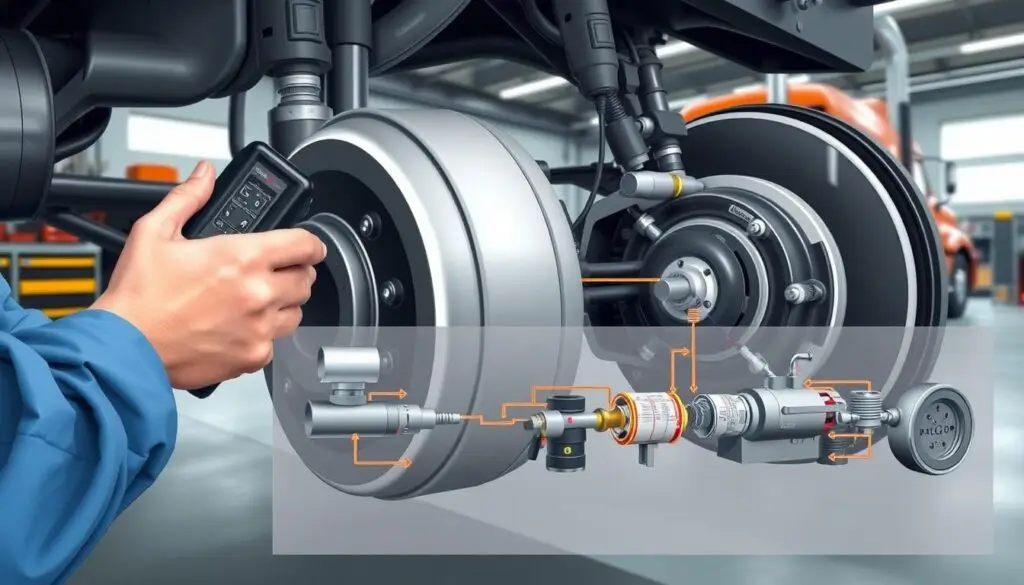
Remove hearing protection in controlled environments to detect hissing sounds that indicate escaping compressed air. Major leaks produce obvious rushing sounds, while smaller breaches create high-pitched whistles. Position your ear near suspected components, moving systematically through the system to isolate sound sources.
Listening tubes or automotive stethoscopes amplify leak sounds in noisy shop environments. Place the probe tip against valve bodies, along air lines, and around chamber mounting points. Metal components transmit leak vibrations that become audible through diagnostic tools even when ambient noise masks direct sound.
Some leaks only manifest under specific pressure conditions or brake positions. Test with brakes fully released, partially applied, and fully applied to capture leaks that seal under certain loading conditions. This comprehensive air leak detection approach identifies intermittent failures that standard static tests miss.
Common Air Leak Locations and Repairs
Certain components develop leaks more frequently than others due to wear patterns, environmental exposure, and operational stresses. Focusing diagnostic efforts on these high-probability locations accelerates repairs while reducing vehicle downtime. Understanding typical failure modes helps technicians anticipate problems before they create safety issues.
Reservoir Tank and Drain Valve Leaks
Tank body failures occur at welded seams where vibration stress and corrosion combine to create cracks. Road salt accelerates corrosion on exposed tank surfaces, particularly along mounting bracket contact points. Visual inspection reveals rust staining or moisture accumulation around compromised welds that indicate active leakage.
Drain valve seats accumulate moisture, contaminants, and corrosion that prevent proper sealing. These valves should release water during manual draining but must seal completely afterward. Failed drain valve seats create continuous air loss that mimics supply system leaks, making proper diagnosis critical.
Loose drain valve installation allows threads to vibrate and create leak paths past the valve body. Tighten drain valves to manufacturer torque specifications using appropriate thread sealant rated for compressed air service. Replace corroded valves rather than attempting repairs, as internal seat damage typically extends beyond visible external corrosion.
Air Line Fittings and Push-to-Connect Failures
Push-to-connect fittings dominate modern air brake installations due to assembly speed, but they develop leaks from improper installation and component degradation. These DOT-approved instant-connect fittings rely on internal O-rings and collet mechanisms that must engage properly to maintain pressure integrity.
Common failure modes include inadequate line insertion depth that leaves tubes partially engaged in the collet. Lines must bottom out inside the fitting body with a minimum insertion depth of one inch for most applications. Measure exposed tubing against manufacturer specifications to verify proper engagement depth.
Degraded O-rings allow air to bypass the tube seal even when collets hold lines securely. Replace entire fitting assemblies rather than attempting O-ring service on push-to-connect components. The labor cost of disassembly typically exceeds new fitting prices while risking incomplete repairs.
Damaged collet releases prevent proper tube retention, allowing vibration to work lines loose over time. Inspect collet fingers for cracks, deformation, or missing segments that compromise gripping force. Any visible collet damage requires complete fitting replacement to ensure reliable long-term performance.
Brake Chamber Diaphragm and Seal Failures
Brake chamber diaphragms separate compressed air from mechanical pushrod linkages through flexible rubber barriers clamped between chamber halves. These critical components endure millions of pressure cycles while flexing through full stroke ranges. Age-related rubber deterioration eventually creates cracks that allow pressure loss.
Physical damage from road debris accelerates diaphragm failures when rocks or tire debris impact chamber bodies. Examine chambers for external damage including dents, cracks, or deformed clamp rings that indicate impact events. Internal diaphragm damage often accompanies external body damage even when chambers appear serviceable.
Leaking diaphragms manifest as air escaping from chamber clamp areas or through actuator rod boots. Apply soap solution around clamp bands and pushrod seals while maintaining system pressure. Continuous bubble formation indicates diaphragm replacement requirements rather than simple boot repairs.
Service brake chambers require complete disassembly for diaphragm replacement, while spring brake combinations demand additional safety procedures. Always cage spring brakes before disassembly to prevent violent release of stored mechanical energy. Follow manufacturer torque specifications when reassembling clamp rings to ensure proper diaphragm seating without material damage.
Troubleshooting Brake Valve Malfunctions and Failures
Valve-related brake problems demand systematic testing procedures to accurately identify the failing component and avoid unnecessary replacements. Modern air brake systems incorporate multiple valve types that work together to control brake application and release. Understanding how each valve functions and interacts with other components is essential for effective brake valve troubleshooting.
Valve malfunctions can produce symptoms ranging from complete brake failure to erratic braking performance. The challenge lies in distinguishing actual valve failures from problems caused by downstream components that create misleading symptoms. A methodical diagnostic approach prevents replacing valves that are functioning correctly.
Foot Valve Problems and Testing Procedures
The foot valve serves as the primary control for service brake application. When drivers press the brake pedal, the foot valve meters air pressure proportionally to the amount of pedal travel. Foot valve diagnosis begins with understanding common failure modes and their symptoms.
Brakes that fail to apply often indicate complete foot valve failure, though restricted air lines or depleted system pressure can produce identical symptoms. Check system pressure first before condemning the valve. If pressure is adequate but brakes won’t apply, inspect the foot valve delivery ports for airflow during pedal application.
Testing graduated application reveals internal valve problems. Press the pedal gradually while monitoring delivery pressure with a gauge. The pressure should increase smoothly and proportionally to pedal travel. Erratic pressure changes or pressure that doesn’t match pedal position indicates worn valve components or contamination inside the valve body.
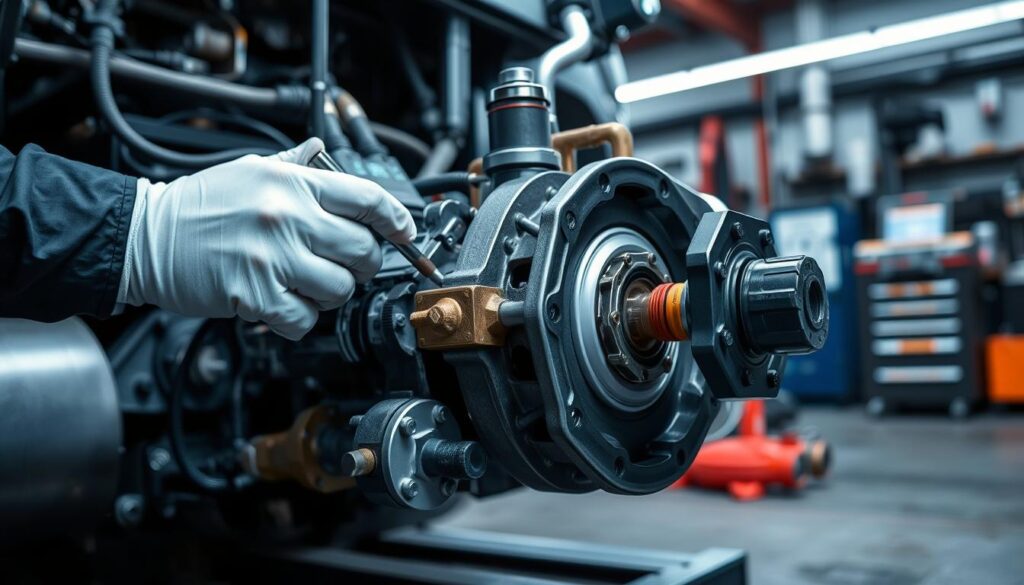
Mechanical binding in the pedal linkage prevents proper valve return to the released position. Check that the pedal returns fully without resistance when released. The valve should exhaust air promptly through its exhaust port when the pedal is released. Slow or incomplete exhausting causes brakes to drag.
Common internal failures include damaged diaphragms, worn valve seats, and spring failures. Dirt contamination is the leading cause of premature air valve failure. Particles entering the valve can damage seals and prevent proper seating. Always inspect air system filters and ensure the air dryer is functioning correctly when diagnosing foot valve problems.
Spring Brake Control Valve Issues
Spring brake control valves allow drivers to manually apply and release parking brakes. These push-pull or twist-style controls are located on the dashboard and directly control air supply to spring brake chambers. Control valve failures create parking brake problems that can strand vehicles or compromise parking safety.
Valves that fail to hold in the applied or released positions indicate internal detent mechanism failures or worn valve bodies. The control knob should remain firmly in position without creeping or popping out during vehicle operation. If the knob won’t stay pushed in, the parking brakes won’t release properly.
Air leakage around control knobs signals seal failures inside the valve body. Small leaks waste air and can prevent proper spring brake modulation. Larger leaks may prevent sufficient air pressure from reaching the spring brake chambers, causing the brakes to remain partially applied.
Many modern control valves incorporate electrical switches that activate brake lights when the parking brake is applied. Switch failures can prevent brake lights from illuminating, creating safety hazards. Test the electrical circuit separately from pneumatic valve function when diagnosing these integrated designs.
Internal valve seal failures prevent proper spring brake control. The valve must completely block air flow in one position and allow unrestricted flow in the other position. Partial seal failures create intermediate conditions where brakes neither fully apply nor fully release.
Quick Release and Relay Valve Diagnostics
Quick release and relay valves accelerate brake response by positioning air sources closer to brake actuators. These valves reduce the distance air must travel, decreasing application and release times. Relay valve testing requires understanding the differences between these valve types and their diagnostic procedures.
Quick release valves speed up brake release by exhausting air locally rather than routing it back through the foot valve. They install near brake chambers and exhaust air when supply pressure decreases. Failed quick release valves cause slow brake release on specific axles while other axles release normally.
Relay valves combine application and release functions. They use a small signal line from the foot valve to control a larger air supply located near the brakes. This design reduces application time significantly. Malfunctioning relay valves affect both application and release speeds.
| Valve Type | Primary Function | Common Failure Symptoms | Diagnostic Priority |
|---|---|---|---|
| Foot Valve (Treadle) | Controls service brake application based on pedal input | No brake application, erratic pressure, brakes won’t release | Check system pressure first, test graduated application |
| Spring Brake Control | Manually applies and releases parking brakes | Won’t hold position, air leaks around knob, partial application | Test mechanical detent, check seal integrity |
| Quick Release Valve | Exhausts air locally to speed brake release | Slow release on specific axle, air leaking from exhaust | Compare release times between axles |
| Relay Valve | Amplifies signal and speeds application/release using local air supply | Delayed application or release, grabbing brakes, uneven braking | Test signal line pressure, measure response times |
Testing Valve Response Time and Flow
Measuring valve response time identifies performance degradation before complete failure occurs. Response time testing requires precise measurement of the interval between command and action. Install pressure gauges at the valve inlet, signal port, and delivery port for comprehensive testing.
Application time measures the delay from foot valve actuation to full brake chamber pressure. Make a firm brake application while timing how long delivery pressure takes to reach maximum. Compare measured times against manufacturer specifications. Delays exceeding specifications indicate valve restrictions or supply line problems.
Release time is equally critical for safe vehicle operation. Time how long chamber pressure takes to drop to zero after releasing the brake pedal. Slow release times cause brake drag, overheating, and premature lining wear. Release time problems often stem from exhaust port restrictions rather than internal valve failures.
Relay valve crack pressure determines the minimum supply pressure required for valve operation. This specification ensures the valve responds properly at low system pressures. Test crack pressure by gradually increasing signal line pressure while monitoring delivery port output. The valve should begin delivering air at the specified crack pressure.
Identifying Stuck or Frozen Valve Conditions
Frozen valves present unique diagnostic challenges, particularly in cold climates. Moisture accumulation inside valve bodies can freeze overnight, preventing valve movement. Symptoms vary depending on which position the valve froze in and which valve type is affected.
Brakes that won’t release after cold-weather parking typically indicate frozen relay or quick release valves stuck in the applied position. Ice prevents the valve from exhausting air when the brake pedal releases. Applying heat to the valve body often restores function temporarily, confirming the diagnosis.
Brakes that won’t apply in cold weather may result from foot valves frozen in the released position. The valve diaphragm cannot move to open delivery ports. This condition is less common than frozen release valves but equally serious for vehicle safety.
A critical diagnostic principle: air leaking from a valve exhaust doesn’t always indicate that specific valve has failed. In modern systems with spring brakes and anti-compounding features, air can feed back from downstream component leaks. This backfed air travels up service lines and exhausts through upstream valve ports.
Before replacing a valve with air leaking from its exhaust port, disconnect the delivery lines from that valve. If the leak stops, the actual problem exists downstream. If air continues leaking, the valve itself has failed. This simple test prevents unnecessary valve replacements and identifies the true leak source.
Understanding how interconnected brake components can create misleading symptoms is essential for accurate brake valve troubleshooting. Always verify the actual failure point before ordering replacement parts, especially when dealing with exhaust port leaks in complex brake system configurations.
Resolving Brake Application and Release Problems
Brake application problems represent frustrating diagnostic challenges, especially when air pressure readings appear normal. The mechanical interface between the pneumatic system and foundation brake components creates a critical failure point demanding systematic investigation. When brakes respond slowly, refuse to release, or apply unevenly across axles, the root cause typically involves adjustment issues, binding components, or worn mechanical parts rather than air system defects.
Understanding the complete action sequence from pedal depression to wheel braking helps identify where failures occur. Air flows from reservoirs through valves to brake chambers, where diaphragms convert pneumatic pressure into mechanical pushrod movement. This linear motion transfers through slack adjusters to S-cam shafts, rotating the cams that force brake shoes against drums.
Any disruption in this mechanical chain produces brake application problems that compromise vehicle safety and operational efficiency.
Diagnosing Slow or Delayed Brake Application
Slow brake response creates dangerous stopping distance increases that drivers may not initially recognize. The most common cause involves excessive clearance between brake shoes and drums due to improper adjustment. When this clearance exceeds specifications, brake chambers must stroke significantly farther before shoes contact drums, consuming additional time during emergency stops.
Measuring actual application time provides objective diagnostic data. Apply the foot valve fully while an assistant monitors when brakes engage at each wheel position. Applications requiring more than 1-2 seconds to reach full braking force indicate underlying problems requiring immediate attention.
Low system pressure below 60 PSI for trucks and tractors or below 80 PSI for trailers reduces available application force dramatically. Insufficient pressure means brake chambers cannot generate adequate pushrod force even when mechanical components function properly. Always verify reservoir pressure exceeds minimum thresholds before investigating mechanical causes.
Brake valve delivery pressure below normal specifications creates similar symptoms. Test delivery pressure at brake chamber supply ports during full pedal application. If delivery pressure measures significantly below reservoir pressure, internal valve wear or damaged components prevent proper air distribution to the foundation brakes.
Excessive system leakage during brake application causes pressure drops as braking force is applied. The additional demand from chambers exhausting air through leaks faster than the compressor can replenish creates progressively weaker brake response. Conduct leak detection tests with brakes applied to identify this condition.
Restricted air lines or hoses reduce flow rates and slow pressure build-up at chambers. Kinked rubber hoses, internally collapsed tubing, or debris accumulation within air passages all restrict flow. Compare application speed between axles—significantly slower response on one side suggests restricted supply lines to that position.
Dry or seized mechanical components including S-cams, cam bushings, and slack adjusters create friction resistance that opposes brake application. These components require proper lubrication to function smoothly. During brake application, listen for squeaking or grinding sounds that indicate inadequate lubrication or binding components.
Troubleshooting Brakes That Won’t Fully Release
Brakes failing to release completely create continuous drag that generates excessive heat, accelerates lining wear, and dramatically reduces fuel economy. This dangerous condition can progress to thermal brake fade or even brake fires in extreme cases. Drivers may report pulling to one side, reduced fuel economy, or smoking wheels after extended highway operation.
Binding brake rigging represents the most frequent mechanical release failure. Seized cam bushings prevent S-cam rotation back to the released position after pedal release. Corroded or damaged cam tubes bind within their supports, maintaining partial brake application. Misaligned brake components create mechanical interference that prevents complete release.
Test for binding by manually rotating S-cams with brakes released. Cams should rotate smoothly with moderate hand force. Excessive resistance, rough rotation, or inability to achieve full return position indicates bushing replacement or component realignment is necessary.
Foot valve linkage problems prevent the valve from returning to its fully released position. Mechanical binding in pedal linkage, corroded pivot points, or failed internal valve springs maintain partial air pressure to brake chambers. Inspect pedal return travel and verify it reaches the mechanical stop position consistently.
Restricted exhaust passages prevent proper air exhaustion from the system. Plugged quick release valve exhaust ports trap air in brake chambers after pedal release. Collapsed or kinked exhaust hoses create back-pressure that maintains partial brake application. Remove exhaust port covers and verify strong air discharge during brake release.
Faulty relay valves or quick release valves that don’t fully exhaust applied pressure require replacement. Internal contamination, damaged seals, or corroded valve bodies prevent complete air discharge. Testing involves disconnecting chamber supply lines and observing whether trapped pressure exhausts when the line is removed—if significant pressure releases, the valve is defective.
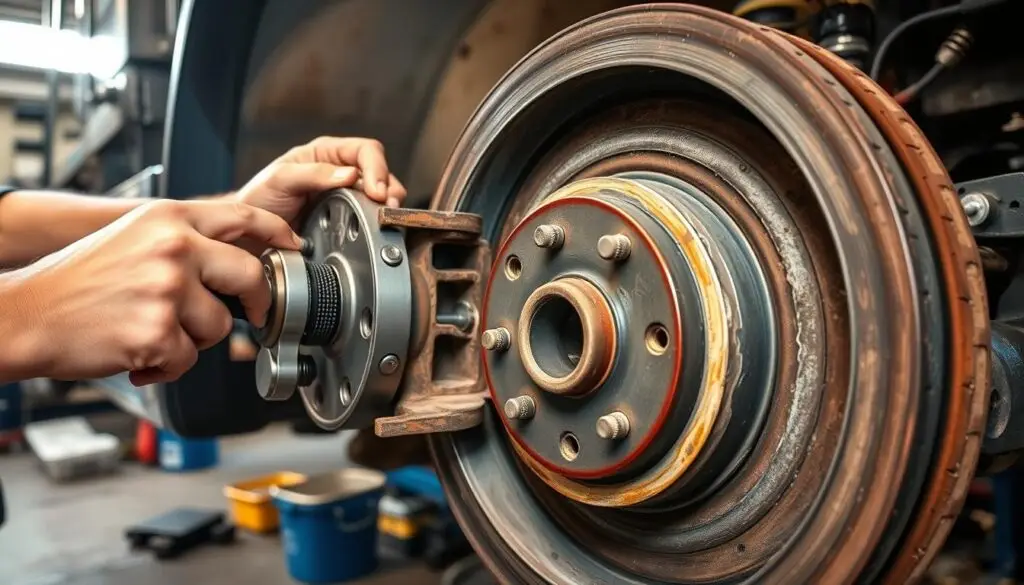
Uneven Braking and Vehicle Pull Conditions
Uneven braking diagnosis requires systematic comparison of brake force between wheel positions. When brakes apply with different force side-to-side or axle-to-axle, vehicles pull toward the side with stronger braking action. This condition creates dangerous handling characteristics during emergency stops and indicates serious adjustment or component problems.
Side-to-side brake imbalance on a single axle produces the most noticeable pull. Test by applying brakes moderately at 20-30 mph on level pavement while maintaining straight-ahead steering. Any tendency to pull left or right indicates uneven brake application requiring investigation.
Common causes include improper brake adjustment, inadequate lubrication, or worn linings with varying friction coefficients. Grease contamination on brake linings eliminates friction on affected wheels. Broken brake shoe return springs prevent proper shoe retraction. Out-of-round brake drums create inconsistent shoe contact areas.
Brake chamber diaphragm failures reduce application force on affected wheel positions. Compare pushrod stroke measurements side-to-side to identify chambers producing inadequate stroke. Wrong brake lining materials installed during previous service create friction imbalances. Broken slack adjusters or foundation brake parts prevent force transmission to shoes.
Brake Chamber Pushrod Stroke Adjustment
Proper pushrod stroke represents the most critical adjustment specification in air brake systems. Excessive stroke indicates out-of-adjustment brakes requiring immediate correction. Insufficient stroke suggests over-tightened adjustment that prevents full brake application force.
Measure stroke using the chalk mark method for accurate results. Mark the pushrod at the chamber face with brakes released. Apply brakes fully and measure distance the rod extends beyond the original mark. This measurement must fall within specification ranges based on chamber type and size.
Type 30 brake chambers commonly used on heavy-duty trucks have maximum stroke specifications ranging from 1.75 to 2.0 inches depending on chamber size. Type 24 long-stroke chambers specify 1.375 inches maximum. Type 20 chambers allow 1.75 inches maximum stroke. Exceeding these specifications indicates slack adjuster adjustment is required immediately.
Compare measured stroke against manufacturer specification charts that list maximum allowable stroke for each chamber type. Measurements approaching or exceeding maximum indicate the brake requires adjustment. Consistent over-stroke across multiple wheel positions suggests a systematic adjustment problem or excessive lining wear.
Stroke indicators permanently installed on some chambers provide quick visual verification. The indicator piston extends beyond the chamber body when stroke exceeds specifications. Check indicators during pre-trip inspections to identify adjustment needs before they create safety hazards.
Automatic Slack Adjuster Inspection and Correction
Automatic slack adjusters self-adjust brake shoe clearance during normal brake applications, theoretically eliminating manual adjustment requirements. Visual inspection should verify no physical damage including cracks, bent components, or missing hardware. Check mounting security and verify proper installation angle relative to the pushrod and S-cam.
Test adjuster function by measuring stroke, then making 10-12 full brake applications from 20 mph. Remeasure stroke after these applications. A properly functioning automatic slack adjuster will reduce excessive stroke to within specifications through this process. Failure to self-adjust indicates internal mechanism problems.
Common failure modes include seized adjusting mechanisms where corrosion prevents internal worm gear rotation. Worn internal gears lose their adjusting capability and slip during operation. Improper installation with incorrect mounting angle relative to the chamber pushrod prevents the sensing mechanism from detecting excessive stroke.
Never manually adjust automatic slack adjusters except during initial installation. Manual adjustment masks underlying problems and creates false confidence in brake condition. If an automatic slack adjuster requires frequent manual adjustment, replace it rather than continuing to manually compensate for its failure.
Manual Slack Adjuster Problems
Manual slack adjusters remain common on older equipment and require periodic adjustment as brake linings wear. Improper adjustment procedures cause most manual slack adjuster problems, with many technicians incorrectly adjusting brakes while applied. This technique creates over-tightened conditions that cause brake drag and accelerated wear.
Correct slack adjuster adjustment methodology requires working with brakes fully released. Remove the adjustment lock and rotate the adjusting bolt to increase pushrod stroke. Measure actual stroke during brake application using the chalk mark method. Back off the adjustment incrementally until measured stroke falls within proper specifications.
The adjustment process requires patience and precision. Tighten adjustment slightly, measure stroke, evaluate results, and repeat until specifications are achieved. Rushing this process or estimating adjustment position produces unreliable results that compromise brake performance and safety.
Frequent adjustment needs on manual slack adjusters indicate underlying foundation brake problems requiring investigation rather than repeated adjustment. Excessive lining wear, damaged brake components, or improper installation geometry all increase adjustment frequency. Address root causes rather than accepting frequent adjustment as normal maintenance.
Spring Brake and Parking Brake System Diagnostics
The spring brake chamber serves as both parking brake and emergency backup, making it one of the most critical safety components in heavy-duty truck brake systems. When air pressure fails, these systems automatically apply mechanical stopping force through powerful compressed springs. Proper spring brake troubleshooting ensures drivers have reliable parking and emergency protection in all operating conditions.
Unlike service brakes that use air pressure to apply braking force, spring brakes work in reverse. Air pressure holds back the spring, and when that pressure exhausts, the spring applies the brakes mechanically. This fail-safe design makes parking brake diagnosis essential for vehicle safety and regulatory compliance.
Spring Brake Chamber Failure Diagnosis
Spring brake chambers contain two separate air chambers: the service chamber and the spring chamber. Understanding this dual-chamber design is critical for accurate spring brake troubleshooting. The large spring chamber houses a powerful coil spring held compressed by air pressure, while the service chamber operates like a standard brake chamber.
The most misleading failure occurs when internal seals fail between chambers. If a spring brake develops an internal leak from the spring side to the service side, air will travel backward through the service line. This air escapes from the exhaust port of the next valve upstream, creating confusing symptoms that appear unrelated to the actual failure point.
Common spring brake chamber failures include:
- Internal air leaks between chambers allowing service brake air to cross into spring chamber and vice versa, causing air to feed back through the system
- Spring chamber diaphragm failures permitting spring brake air to leak externally, preventing proper brake application or release
- Caging bolt issues where missing or improperly installed bolts cause unexpected spring application during vehicle operation
- Deteriorated return springs with broken or weakened mechanical linkage springs preventing complete brake release
- Pushrod seal damage allowing contaminants to enter chamber and compromise internal components
To diagnose internal chamber leaks, apply shop air to the service port while monitoring the spring chamber supply line. Any air escaping indicates diaphragm failure requiring chamber replacement. Never attempt to disassemble spring brake chambers without proper caging tools, as the spring contains tremendous mechanical energy that can cause serious injury.
Parking Brake Won’t Hold or Release Issues
Parking brake diagnosis divides into two categories: brakes that won’t hold and brakes that won’t release. Each condition has distinct causes requiring different troubleshooting approaches. Systematic testing identifies whether problems originate in air supply, mechanical components, or contamination issues.
When parking brakes fail to hold the vehicle stationary, several mechanical and contamination factors may be responsible:
| Problem Condition | Primary Causes | Diagnostic Method |
|---|---|---|
| Insufficient Holding Force | Improper chamber installation, inadequate spring size for vehicle weight | Verify chamber specifications match vehicle requirements |
| Lost Mechanical Advantage | Broken or maladjusted slack adjusters, damaged brake camshaft | Inspect brake stroke and adjustment, check for mechanical damage |
| Contaminated Brake Linings | Grease or oil from wheel seals coating friction surfaces | Visual inspection of drums and linings for contamination |
| Air Leaking Into Spring Chamber | Internal seal failure preventing full mechanical application | Test for air crossover between service and spring chambers |
Parking brake release problems present different challenges. When brakes won’t release, air pressure cannot reach the spring chamber to compress the mechanical spring. Check the spring brake control valve first, as this component controls air supply to all spring brake chambers.
Trailer parking brake diagnosis requires additional considerations. Common trailer-specific problems include:
- Crossed gladhand connections with emergency and service lines connected incorrectly between tractor and trailer
- Tractor protection valve malfunction preventing air supply to trailer spring brakes when connected
- Relay emergency valve stuck in emergency position, preventing air from reaching spring chambers
- Restricted supply lines with kinked or damaged hoses blocking air flow to spring brake chambers
- Brake rigging binding with mechanical components seized or corroded, preventing release movement
Always verify correct air line connections on trailers before performing extensive parking brake diagnosis. Crossed gladhands account for a significant percentage of trailer brake problems and represent the quickest diagnostic check.
Emergency Brake System Testing and Validation
Emergency brake testing verifies that spring brakes apply automatically when air pressure fails. Federal regulations require these systems to activate before air pressure drops to dangerous levels. Systematic testing confirms compliance and identifies potential safety hazards before roadside failures occur.
The controlled air pressure depletion test provides the most accurate emergency brake testing method. Build system pressure to normal operating levels (typically 120-125 PSI). With the engine off, apply and release the service brake repeatedly while monitoring air pressure gauges.
Spring brakes should begin applying when pressure drops to approximately 60 PSI on trucks and 40 PSI on trailers. Listen and feel for brake application at each axle as pressure decreases. Any delay or failure to apply indicates problems requiring immediate attention.
Spring brake release pressure testing measures the minimum pressure required for complete brake release. This emergency brake testing procedure identifies weak springs or binding mechanical components through systematic pressure monitoring and vehicle movement testing.
Maxi-Brake Chamber Inspection
The Maxi-Brake chamber represents the most common combination spring brake design on heavy-duty trucks. This integrated unit combines service and spring chambers in a single housing, requiring specific inspection procedures during parking brake diagnosis.
Visual inspection begins with the chamber housing itself. Look for cracks, dents, or corrosion that compromise structural integrity. Pay special attention to the clamp band securing the two chamber halves together. A loose or damaged clamp can allow the chambers to separate under pressure, causing immediate brake failure.
The pushrod boot protects internal components from contaminants. Torn or missing boots allow water, dirt, and road salt to enter the chamber, accelerating corrosion and seal damage. Replace damaged boots immediately during routine inspections.
Proper mounting orientation ensures correct chamber operation. Maxi-Brake chambers must mount with the spring chamber positioned according to manufacturer specifications. Incorrect orientation can interfere with mechanical linkage and prevent full brake application or release.
Port identification verification represents a critical but often overlooked inspection point. The service port and spring chamber supply port must connect to the correct air lines. Reversed connections prevent proper brake operation and create dangerous conditions. Most chambers have embossed markings identifying each port function.
Air Dryer and Moisture-Related Brake Failures
Water and oil contamination destroy air brake systems faster than any other failure mode, making air dryer troubleshooting skills essential for every heavy-duty technician. Moisture causes corrosion in valves and fittings, freezes lines in cold weather, and reduces the service life of brake components throughout the system. The air dryer serves as your first line of defense against these moisture-related failures.
Understanding how air dryers function and recognizing early failure symptoms prevents expensive repairs and dangerous brake malfunctions. This section covers systematic diagnostic approaches for identifying moisture problems before they cause system-wide failures.
Air Dryer Function and Failure Symptoms
Air dryers remove moisture from compressed air using desiccant material before water vapor enters the supply system. Most heavy-duty trucks use silica gel or molecular sieve desiccant housed in replaceable cartridges. The desiccant absorbs moisture as compressed air passes through the dryer during normal operation.
The automatic purging cycle regenerates the desiccant by expelling collected moisture. When the compressor unloads at cut-out pressure, the governor signals the purge valve to open. A burst of dry air flows backward through the desiccant, carrying moisture out through the discharge line.
Recognizing air dryer failure symptoms starts with monitoring downstream reservoirs. Water or sludge accumulation in the wet tank indicates the dryer is not removing moisture effectively. Check reservoir drains daily during pre-trip inspection to identify developing problems early.
Excessive or constant purging signals serious system problems. Common causes include system air leaks forcing continuous compressor cycling, defective governor failing to properly control compressor operation, failed one-way check valve allowing air to backflow through the dryer, or kinked or plugged discharge lines preventing proper purge function.
The air dryer safety valve opening during operation indicates severe restriction. This happens when saturated desiccant or plugged filters block normal airflow through the dryer assembly. The safety valve protects the dryer housing from excessive pressure buildup.
Oil contamination appears as a milky or emulsified mixture in reservoir drains. This condition means the compressor is passing excessive oil into the air system. The problem requires immediate compressor service to prevent further system damage.
Diagnosing Moisture Contamination in Air Systems
Daily reservoir drain procedures provide your best early warning system for moisture contamination. Open each reservoir drain valve and observe what comes out. Trace amounts of water are normal, but significant water volume indicates air dryer problems requiring immediate attention.
The appearance of drained fluid tells you exactly what’s happening inside your air system. Clear water means moisture contamination without oil problems. Milky or cloudy discharge indicates oil mixing with water, pointing to compressor issues. Sludge or thick contamination means long-term moisture problems have caused corrosion and debris accumulation.
Testing for freeze-related problems requires attention to weather patterns. System malfunctions that appear in cold weather but resolve when temperatures rise indicate moisture contamination. The water freezes in valves and lines during cold operation, blocking normal air flow and brake function.
Understanding the progression of moisture damage helps prioritize repairs. Initial stages show minor water in reservoirs with no operational problems. Intermediate stages include valve sticking and inconsistent brake response. Advanced stages involve frequent freeze-ups, valve failures, and foundation brake component contamination.
Document moisture levels over several days to identify trends. Increasing water volume despite daily draining confirms the air dryer cannot keep up with system moisture generation. This diagnostic approach separates temporary condensation from genuine dryer failure.
Purge Valve and Desiccant Cartridge Problems
The purge valve controls moisture expulsion from the desiccant cartridge. When this valve fails, the entire air dryer maintenance system breaks down. Common purge valve problems include constant air leaks, failure to purge, and improper cycling that prevents desiccant regeneration.
Verify the purge control line connects to the governor unloader port. Incorrect connection to the reservoir or exhaust port causes constant leaking that wastes air and prevents proper dryer function. This simple installation error creates symptoms that mimic expensive component failures.
Check for reversed inlet and outlet air connections during air dryer troubleshooting procedures. Reversed connections prevent proper airflow through the desiccant and cause rapid system contamination. The purge valve may also freeze open in severely contaminated systems, creating continuous air loss.
| Problem Symptom | Primary Causes | Diagnostic Test | Typical Solution |
|---|---|---|---|
| Constant purge valve leak | Wrong control line connection, reversed fittings, frozen valve, faulty governor | Trace control line to governor, verify unloader port connection | Reconnect control line properly, replace governor if defective |
| No purge cycle | Kinked control line, frozen line, plugged line, bad purge valve | Check line for damage, test purge valve operation | Replace damaged line, install new purge valve assembly |
| Water in wet tank | Saturated desiccant, plugged cartridge, wrong discharge line length | Inspect desiccant color, measure discharge line length | Replace desiccant cartridge, install correct discharge line |
| Safety valve opens | Plugged desiccant, restricted discharge line, failed check valve | Remove and inspect cartridge, check discharge line routing | Install new cartridge and filter, clear discharge line restrictions |
The discharge line installation affects purge efficiency significantly. Use minimum six-foot metal tubing for two-cylinder compressors or ten-foot tubing for single-cylinder units. Flex hose can substitute at a ratio of 1.5 feet of flex for each foot of metal tubing specified.
Air Dryer Maintenance Intervals and Cartridge Replacement
Desiccant cartridge replacement intervals depend on operating conditions and service severity. Severe service applications require annual replacement or cartridge changes every 25,000 miles. Normal service extends intervals to 50,000-75,000 miles between replacements.
Replace the cartridge immediately when system shows moisture contamination despite proper daily draining. Don’t wait for scheduled intervals if water appears consistently in your reservoirs. The desiccant has reached saturation and can no longer protect your brake system.
Proper cartridge installation prevents premature failure and maintains air dryer maintenance effectiveness. Inspect O-rings carefully before installation and replace any that show damage or wear. Position O-rings correctly in their grooves to prevent air bypass around the desiccant material.
Torque the dryer housing to manufacturer specifications using a calibrated torque wrench. Over-tightening crushes O-rings and creates leak paths. Under-tightening allows pressurized air to escape without passing through the desiccant. Both conditions cause rapid moisture contamination.
Verify discharge line installation meets specifications during every cartridge replacement. Measure the line length from dryer outlet to the point where it terminates in open air. The line must be long enough to prevent purged moisture from being drawn back into the air intake system.
Troubleshooting Freeze-Up Conditions
Freeze-up symptoms appear suddenly when temperatures drop below freezing. Brakes refuse to apply or won’t release after application. Valves freeze in position, preventing normal operation. Air lines may block completely with ice, cutting off air supply to brake chambers.
Identifying freeze-up causes requires systematic evaluation of moisture contamination sources. Excessive moisture in the system indicates failed air dryer function as the primary cause. The dryer allowed water vapor to pass through to downstream components where it condensed and froze.
Test air dryer heater operation when freeze-up conditions occur repeatedly. Most modern air dryers include electric heaters that prevent internal ice formation. Check for power supply at the heater connection using a multimeter. Voltage should be present whenever the ignition is on.
Thermostat function controls heater activation based on temperature. A defective thermostat may prevent the heater from energizing even with power available. Test thermostat operation by monitoring heater current draw as temperatures change. Replace the thermostat if it fails to activate the heater below 40°F.
Inspect wiring and connections for damage that prevents heater operation. Road debris, corrosion, and vibration damage wiring harnesses over time. Look for broken wires, loose connections, and blown fuses in the heater circuit. A single damaged wire can disable the entire heating system.
Preventive measures reduce freeze-up incidents significantly. Ensure the air dryer functions properly before cold weather arrives. Use antifreeze additives in extreme climates where temperatures regularly drop below zero. Maintain adequate air dryer heater operation through regular electrical system testing.
Alcohol injection systems provide additional freeze protection in severe cold weather regions. These systems inject methanol or approved antifreeze compounds into the air supply. The alcohol prevents ice formation in valves and lines even when trace moisture remains in the system after air dryer processing.
Remember that treating freeze-up symptoms without addressing moisture contamination only provides temporary relief. The root cause lies in air dryer maintenance problems or system moisture generation exceeding dryer capacity. Fix the moisture source to eliminate recurring freeze-up conditions permanently.
Conclusion
Effective air brake maintenance begins with systematic diagnostic procedures rather than random component replacement. This approach saves time and money by identifying root causes instead of treating symptoms. Many brake problems connect to each other—a leaking air dryer creates moisture contamination that leads to valve freeze-up.
Federal CDL laws require routine checks for signs of system malfunction. Catching problems early makes repairs less expensive. Before replacing any valve, blow air lines out using the vehicle’s own air supply or shop air. Dirt causes the majority of premature air valve failures.
When installing fittings into remanufactured valves, avoid over-tightening that cracks castings. If pipe dope is used on fittings, apply it sparingly. Excess sealant gets into units and causes failure.
Preventive brake maintenance represents the most effective troubleshooting strategy. Regular lubrication ensures moving parts operate with reduced friction and wear. Proper slack adjuster adjustment maintains correct brake shoe clearance. Daily air tank draining removes moisture that damages system components.
Brake system safety extends beyond personal protection. Professional technicians and operators bear responsibility for every vehicle sharing the road. The systematic diagnostic approaches detailed in this guide provide the technical knowledge needed for safe, reliable vehicle operation. Mastering these troubleshooting skills ensures compliance with safety regulations while preventing costly breakdowns and accidents.
Share Your Expertise
Join Heavy Duty Journal as a guest author and reach thousands of industry decision-makers.
Become a Guest AuthorFrequently Asked Questions
How long should it take for an air brake system to build pressure from 85 to 100 PSI?
For single compressor systems, pressure build-up from 85 to 100 PSI should typically occur within 2 minutes with the engine at governed RPM. Dual compressor systems should achieve this pressure increase in approximately 45 seconds. If your system exceeds these timeframes, it indicates compressor failure, excessive system leakage, or governor malfunction requiring immediate diagnostic attention.
What causes brake failures in commercial vehicle accidents?
Brake problems were found in approximately 33% of commercial trucks inspected following crashes, often resulting from inadequate maintenance, improper troubleshooting, delayed repairs, and failure to follow systematic diagnostic procedures. These preventable incidents underscore the critical importance of proper air brake system troubleshooting, regular inspections according to federal CDL requirements, and timely component replacement when failures are identified.
Why does air leak from my valve exhaust even though the valve appears functional?
Air leaking from valve exhausts doesn’t always indicate valve failure. In modern air brake systems with spring brakes and anti-compounding features, air can feed back from downstream component leaks (such as brake chamber diaphragm failures or leaking spring brake chambers) and exhaust through upstream valves. To accurately diagnose the problem, disconnect delivery lines from the suspected valve to isolate whether the leak originates from the valve itself or from downstream components.
What are the correct cut-in and cut-out pressure settings for air brake governors?
Standard governor settings specify cut-in pressure (when the compressor begins loading) at approximately 100-105 PSI and cut-out pressure (when the compressor unloads) at 120-125 PSI. These settings ensure adequate system pressure for safe brake operation while preventing over-pressurization. Governors outside these parameters require adjustment or replacement to maintain proper system function and prevent low-pressure warnings or safety valve activation.
How do I properly measure brake chamber pushrod stroke?
To measure pushrod stroke accurately, mark the pushrod with chalk at the brake chamber face with brakes released, apply full brake pressure (90-100 PSI), then measure the distance the chalk mark moved from the chamber. Compare this measurement to specifications for your chamber type: Type 30 chambers have maximum strokes of 1.75-2.0 inches (depending on size), Type 24 chambers have 1.375-inch maximums, and other types have specific limits. Strokes exceeding specifications indicate required brake adjustment.
Should I manually adjust automatic slack adjusters when brakes are out of adjustment?
No—manual adjustment of automatic slack adjusters is prohibited except during initial installation. If automatic slack adjusters require frequent adjustment, this indicates underlying mechanical problems such as seized adjusting mechanisms, worn internal gears, improper mounting angles, or foundation brake issues. The correct approach is diagnosing and repairing the root cause rather than repeatedly adjusting, which masks the actual problem and compromises safety.
What is the greatest cause of premature air valve failure in brake systems?
Dirt is the greatest cause of premature air valve failure in air brake systems. Contaminants entering valve bodies damage seals, score valve surfaces, prevent proper seating, and cause internal component wear. Before replacing any valve, thoroughly clean air lines, blow out connections with compressed air, and ensure the air dryer is functioning properly to prevent introducing contaminants into the new valve.
How often should I replace air dryer desiccant cartridges?
Desiccant cartridge replacement intervals depend on service conditions. In severe service (high humidity, extreme temperatures, heavy use), replace cartridges annually or every 25,000 miles. Normal service conditions allow replacement every 50,000-75,000 miles. However, if daily reservoir draining reveals water accumulation despite proper draining procedures, replace the cartridge immediately regardless of mileage, as this indicates the desiccant has become saturated and ineffective.
At what air pressure should spring brakes automatically apply in emergency situations?
Spring brakes are designed to automatically apply when air pressure drops to unsafe levels: below 60 PSI for truck tractors and below 40 PSI for trailers. This emergency application provides mechanical braking force when pneumatic pressure fails, serving as a critical safety backup. Testing should verify that spring brakes begin applying at these pressure thresholds and achieve full mechanical application before pressure reaches dangerously low levels.
What tools are essential for professional air brake system diagnostics?
Essential diagnostic equipment includes: pressure gauges for measuring system and application pressure, leak detection solutions (soap-based) for visual leak identification, ultrasonic leak detectors for pinpointing small leaks acoustically, timing devices (stopwatches) for measuring build-up and application times, pushrod stroke measurement tools (rulers or specialized gauges), breakout T-fittings for inline pressure testing, digital multimeters for electrical diagnostics on components like air dryers, and inspection mirrors and flashlights for visual assessment of hard-to-reach components.
Share This Article
Share this post with your network and help other industry professionals stay informed.