By Michael Nielsen, Editor & Publisher | 15+ Years in Diesel Repair
Last Updated: December 2025
📖 Estimated reading time: 22 minutes
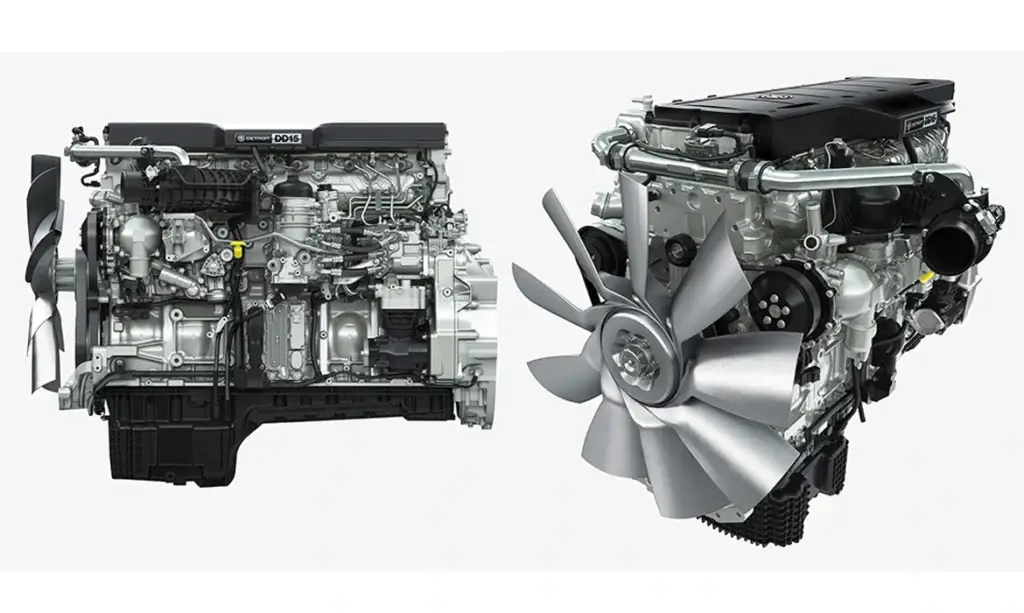
The Detroit DD15 engine powers thousands of Class 8 trucks across North America, delivering up to 505 horsepower from its 14.8-liter displacement. Fleet managers and owner-operators choose this engine for its fuel efficiency and robust performance on long-haul routes, construction sites, and demanding vocational applications. However, understanding common DD15 engine problems—and how to address them before they escalate—separates profitable operations from those plagued by unexpected downtime.
This guide covers the most frequent issues affecting DD15 engines: EGR valve failures, DPF regeneration problems, turbocharger malfunctions, fuel injector deterioration, DEF system complications, oil leaks, sensor failures, and cooling system issues. For each problem, you’ll find symptoms to watch for, root causes, and practical repair strategies based on field experience with these engines.
Key Takeaways
- EGR and DPF systems account for the majority of emissions-related failures in DD15 engines—preventive cleaning every 250,000-300,000 kilometers significantly reduces unplanned repairs.
- Turbocharger problems often stem from oil-related issues or carbon buildup on variable geometry components—strict oil change intervals and proper cooldown procedures extend turbo life.
- Fuel injector failures cause rough idle, power loss, and increased fuel consumption—consider preventive replacement every 300,000-400,000 kilometers before spray pattern degradation causes downstream damage.
- DEF quality matters—only API-certified fluid meeting ISO 22241 specifications protects expensive SCR components from contamination damage.
- Early diagnosis using OEM-level scan tools prevents minor issues from cascading into major repairs—address fault codes immediately rather than hoping they resolve themselves.
DD15 Engine Specifications and Design Overview
The Detroit DD15 delivers power ratings from 350 to 505 horsepower with torque reaching 1,850 lb-ft—specifications that handle heavy loads and steep grades while maintaining fuel efficiency. The engine’s high-pressure common rail fuel system operates at pressures up to 2,200 bar, enabling precise fuel metering for optimal combustion. Detroit’s asymmetric turbocharging technology provides improved throttle response across the entire RPM range.
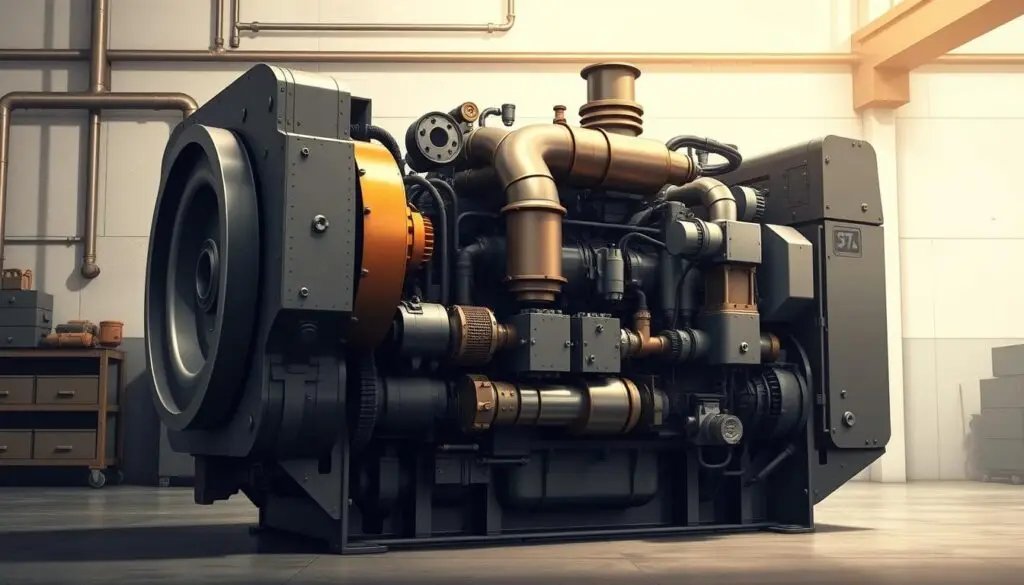
To meet EPA 2010 emissions standards, the DD15 incorporates a sophisticated aftertreatment system: diesel particulate filter (DPF), diesel oxidation catalyst (DOC), diesel exhaust fluid (DEF) dosing system, and selective catalytic reduction (SCR) catalyst. These components enable compliance with stringent NOx and particulate matter limits but introduce additional maintenance requirements and potential failure points that operators must understand.
The engine’s integrated electronics include the Engine Control Module (ECM), Motor Control Module (MCM), and Aftertreatment Control Module (ACM). These systems communicate through the J1939 CAN bus network, providing comprehensive monitoring and diagnostic capabilities. When problems occur, the electronics generate specific fault codes that guide troubleshooting—making proper diagnostic tools essential for efficient repairs.
Diagnostic Tools and Techniques for DD15 Engines
Accurate diagnosis forms the foundation of effective DD15 maintenance. Without proper diagnostic procedures, technicians risk replacing parts unnecessarily or missing root causes of persistent problems. Modern Detroit Diesel diagnostics rely on sophisticated equipment that communicates directly with engine computer systems to identify issues before they cause catastrophic failures.
Essential Equipment
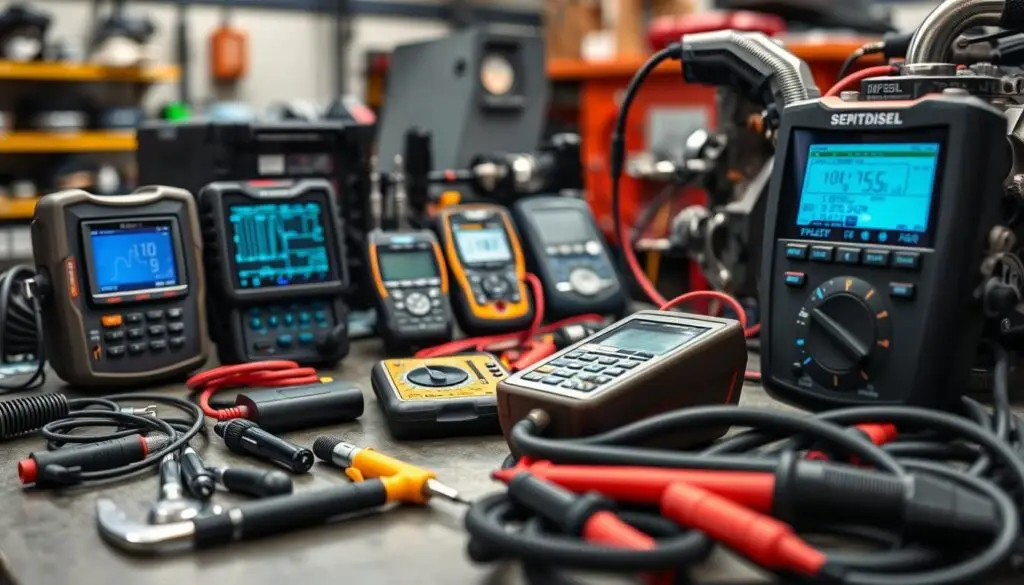
The Detroit Diesel Diagnostic Link (DDDL) represents the gold standard for professional DD15 diagnostics. This OEM-level software connects to the ECM, MCM, and ACM to provide complete system visibility—including live data streams, fault code history, and parameter adjustment capabilities. Quality aftermarket scan tools can read and clear codes and monitor basic data, but certain functions like ECM reprogramming require OEM equipment.
Beyond electronic tools, comprehensive testing requires a digital multimeter for circuit verification, pressure gauges for turbocharger boost and exhaust backpressure measurement, and temperature measurement tools for verifying regeneration cycles. A DPF pressure differential gauge measures restriction across the particulate filter, indicating when cleaning or replacement becomes necessary.
Understanding DD15 Fault Codes
DD15 engines generate diagnostic trouble codes (DTCs) when sensors detect operating conditions outside programmed parameters. The system distinguishes between active codes (current problems requiring immediate attention) and inactive codes (historical issues providing diagnostic context for intermittent problems).
Common DD15 fault code families include emissions system codes (SPN 3226, 3719 for DPF issues), fuel system codes (SPN 157 for injector problems), and sensor-related codes (SPN 3216 for NOx sensor faults). Multiple related codes often point toward shared causes—a corroded wiring harness might trigger several seemingly unrelated faults.
| Diagnostic Parameter | Normal Range | Warning Level | Critical Threshold |
|---|---|---|---|
| DPF Pressure Differential | 0-2.5 psi | 2.5-4.0 psi | Above 4.0 psi |
| Soot Load Percentage | 0-85% | 85-120% | Above 120% |
| Turbo Boost Pressure | 25-35 psi at load | Below 20 psi | Below 15 psi |
| Fuel Rail Pressure | 23,000-28,000 psi | Below 20,000 psi | Below 18,000 psi |
| DEF Concentration | 32.5% | 30-32% or 33-35% | Below 30% or above 35% |
EGR Valve Failures: Symptoms, Causes, and Solutions
The exhaust gas recirculation valve experiences some of the highest failure rates among DD15 components due to its demanding operating environment. This critical emission control component recirculates exhaust gases into the combustion chamber to reduce nitrogen oxide emissions—exposing it to extreme temperatures, corrosive gases, and carbon buildup that accelerates wear.
Warning Signs
EGR problems typically develop gradually, giving attentive operators time to address issues before complete failure. Watch for reduced engine performance and power output during acceleration—the truck feels sluggish or lacks responsiveness. Increased fuel consumption indicates the engine is working harder to maintain normal performance. Excessive black smoke during acceleration signals incomplete combustion from improper exhaust gas recirculation.
The engine control module triggers check engine lights with specific fault codes (SPN 411, 412, or 1127) when EGR problems are detected. Severe failures can cause derate mode, limiting power output to prevent engine damage. Rough idling and hesitation during acceleration are common symptoms of advanced valve deterioration.
Root Causes
Carbon buildup from incomplete combustion is the primary culprit. Microscopic soot particles accumulate on internal surfaces, hardening into thick deposits that restrict valve movement. Frequent short trips, excessive idling, and interrupted DPF regeneration cycles accelerate this buildup. Poor fuel quality introduces additional contaminants, while incorrect oil specifications leave more residue that clogs EGR components.
The EGR cooler can become fouled with carbon deposits, reducing its ability to cool recirculated gases effectively. This thermal stress accelerates degradation of valve components and seals. Mechanical actuator failures occur less frequently but create immediate problems when the valve sticks open, closed, or in an intermediate position.
Repair and Prevention
Preventive chemical cleaning treatments every 250,000-300,000 kilometers dissolve carbon deposits without requiring component removal. For severe buildup, manual cleaning involves removing the valve assembly, disassembling components, and physically scraping away hardened deposits. The EGR cooler often requires simultaneous attention to prevent rapid re-contamination.
When actuator failure occurs, replacing this component typically costs less than complete valve assembly replacement. Modern diagnostic tools can isolate actuator problems from valve problems, preventing unnecessary parts replacement. Complete assembly replacement becomes necessary when internal components show excessive wear, cracks, or warping from thermal stress.
30%
Approximate percentage of emission-related problems in heavy-duty diesel engines attributed to EGR system issues
DPF Regeneration Problems and Clogging Issues
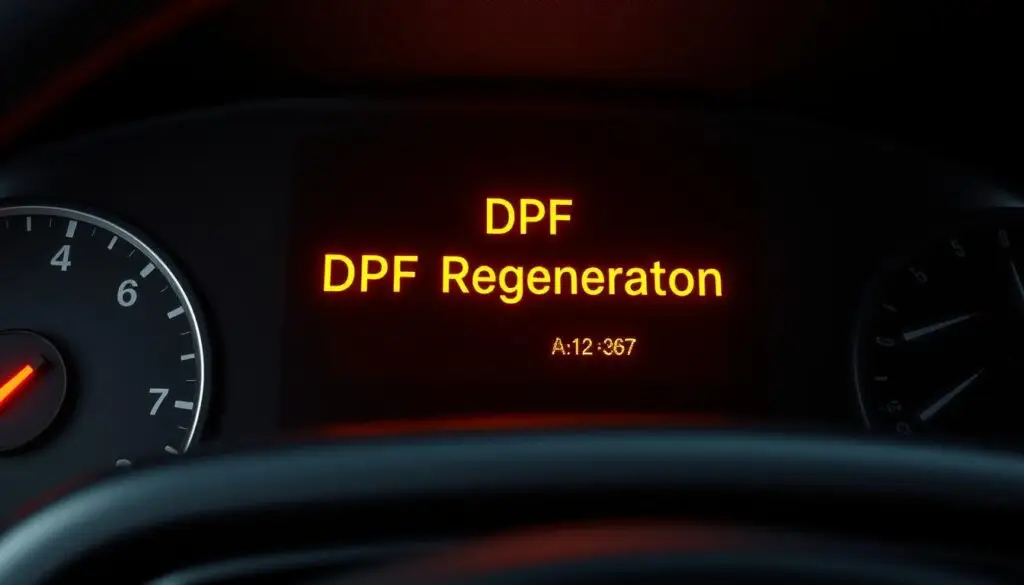
DPF regeneration and clogging issues represent some of the costliest DD15 problems. The diesel particulate filter captures and eliminates particulate matter from exhaust gases—when this system fails or becomes compromised, operators face reduced fuel economy, unexpected downtime, and potentially expensive engine damage. A clogged filter creates increased exhaust backpressure that directly impacts performance, and severe cases trigger limp mode limiting speed to 5 mph.
Early Warning Indicators
The DPF warning light illuminating on the instrument cluster signals critical soot accumulation requiring immediate attention. Frequent regeneration requests—more than once daily during normal operation—indicate the filter struggles to maintain proper function. Extended regeneration cycles that never complete successfully point to serious underlying complications.
Performance symptoms include noticeable loss of engine power, high exhaust backpressure readings exceeding specifications, and increased fuel consumption (sometimes 10-20% higher than baseline). Unusual exhaust smoke or odors during operation suggest incomplete regeneration or other filter problems.
Understanding Root Causes
Incomplete regeneration cycles are the primary culprit. The regeneration process requires sustained high exhaust temperatures to burn off accumulated soot—short trips, excessive idling, and city driving prevent the engine from reaching optimal temperatures. Duty cycle significantly impacts how quickly filters load with particulate matter; local delivery trucks experience faster clogging than long-haul trucks maintaining highway speeds.
Soot versus ash accumulation requires different approaches: soot burns off during regeneration at approximately 1,100°F, while ash (non-combustible residue from engine oil additives) accumulates permanently until physical cleaning removes it. Failed regeneration system components—malfunctioning diesel dosing valves, faulty temperature sensors, defective pressure sensors—disrupt the cleaning process.
Cleaning and Replacement Options
Parked regeneration represents the first defense against moderate soot accumulation. This procedure requires parking safely, engaging regeneration through the instrument cluster, and allowing 30-45 minutes for completion without interruption. When active regeneration no longer effectively cleans the filter, professional DPF cleaning becomes necessary.
Thermal cleaning provides the most thorough removal, using controlled high-temperature cycles in specialized ovens to oxidize all combustible materials—typically 24+ hours but removes 98-99% of soot and ash. Aqueous cleaning using water and surfactants completes in approximately 2 hours with 95-97% effectiveness. DPF replacement becomes necessary when cleaning no longer restores acceptable performance, typically between 400,000-500,000 miles depending on operating conditions.
Stay Ahead of Emissions System Issues
Get technical updates on DD15 maintenance, diagnostic tips, and fleet management strategies delivered to your inbox. Join fleet managers and diesel technicians who rely on Heavy Duty Journal for actionable insights.
Turbocharger Malfunctions and Failures
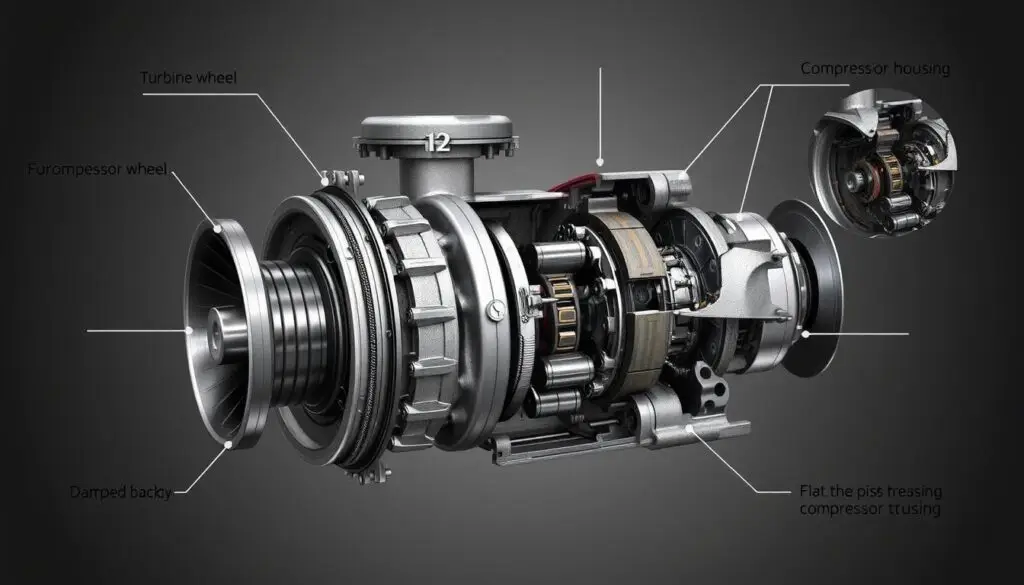
Variable geometry turbochargers in DD15 engines deliver exceptional performance but are prone to specific failure modes demanding immediate attention. These turbo systems provide optimal boost across all RPM ranges, yet operate under extreme conditions—turbine speeds exceeding 100,000 RPM and temperatures reaching over 1,800°F. When failures occur, they can cascade into other engine problems if not addressed quickly.
Warning Signs
Noticeable power loss during acceleration or climbing grades often signals developing turbo problems. Unusual noises from the turbo area provide critical warnings: high-pitched whistling indicates air leaks or failing seals, while grinding or rattling suggests bearing wear or shaft play. Excessive exhaust smoke—black under acceleration (insufficient boost) or blue (oil leaking through worn seals)—requires immediate inspection.
Watch for check engine lights with boost-related codes (P0299 or P0234), visible oil leaks around the turbo housing, audible wastegate chatter, reduced fuel economy, and progressively worsening turbo lag.
Understanding Failure Causes
Oil-related issues lead turbocharger failure causes. The turbo bearings require clean, high-pressure oil for lubrication and cooling—delayed oil changes, wrong oil grades, or contamination damages these precision components. Oil starvation from clogged lines or low levels causes bearings to seize almost instantly.
Carbon buildup on the variable geometry mechanism creates serious problems. The electronically controlled vanes that adjust boost levels become stuck when carbon deposits accumulate. This buildup accelerates with excessive idling, short trips preventing full operating temperature, or EGR system problems increasing soot production. The VGT actuator—controlling vane position inside the turbine housing—is particularly vulnerable to heat exposure and carbon contamination, especially in engines exceeding 300,000 miles.
Repair and Replacement Strategies
The extent of damage determines whether rebuilding or complete replacement makes financial sense. Minor issues like actuator failure or carbon buildup may be repairable without removing the entire assembly—preventive VGT actuator replacement at 400,000-mile intervals prevents unexpected failures at significantly lower cost than complete turbo work. Carbon cleaning procedures can restore function to sticky VGT mechanisms, though once vanes are completely seized, cleaning rarely provides lasting results.
⚠️ Critical Installation Requirement
Always pre-oil new turbochargers by pouring clean engine oil into the oil inlet before installation. Inspect and replace all oil feed and return lines, install new gaskets, and perform actuator calibration using diagnostic software. Failure to properly prime the turbo can result in immediate bearing damage.
Quality matters immensely with replacement parts. OEM Detroit Diesel turbochargers or premium remanufactured units from reputable suppliers provide reliability and proper fit—cheap aftermarket alternatives often fail prematurely due to inferior materials and loose manufacturing tolerances.
Fuel Injector Problems and Performance Issues
The high-pressure fuel injection system delivers exceptional efficiency but creates conditions where injector failures significantly compromise power output and fuel economy. These precision components operate under extreme pressures exceeding 2,200 bar, making them susceptible to various failure modes. Fuel injector problems account for a substantial percentage of DD15 performance complaints from fleet operators.
Identifying Symptoms
Rough idle—particularly at normal operating temperature—indicates one or more cylinders aren’t receiving proper fuel delivery. Significant power loss during acceleration or under load suggests failing injectors cannot deliver precise fuel quantities for optimal combustion. Increased fuel consumption by 15-25% compared to baseline occurs when injectors stick open or deliver inconsistent fuel quantities.
Additional symptoms include hard starting or extended cranking (especially in cold conditions), excessive smoke emission (white indicates stuck-open injectors, black suggests restricted flow), fuel odor in engine oil during checks (signaling seal failure), and misfires detected through diagnostic cylinder contribution tests.
Root Causes
Carbon buildup on injector tips and internal components is the primary failure mechanism. Extreme combustion chamber temperatures and pressures cause fuel residue to form hard carbon deposits that interfere with precise spray patterns. Internal wear accelerates under high-pressure fuel delivery demands, with components experiencing millions of actuation cycles throughout their service life.
Fuel quality issues contribute significantly—poor-quality diesel lacking adequate lubricity increases friction and wear on internal components. Water, debris, or microbial growth in fuel tanks introduces abrasive particles damaging precision surfaces. Extended service intervals without fuel filter replacement allow contamination to reach injectors.
Testing and Repair
Cylinder contribution tests measure power output from each cylinder, revealing which injectors underperform. Injector flow testing evaluates whether each unit delivers correct fuel quantities at specified pressures. Leak-back testing detects failed internal seals by measuring fuel returning through injector return lines—excessive leak-back indicates worn components allowing fuel to bypass the injector tip.
Repair options range from professional cleaning and flow testing (viable for minor carbon buildup without internal wear) to complete injector replacement (required when internal wear or seal failure is present). Copper crush washers must be replaced during any injector service, and new injectors require programming to the ECM with specific calibration codes.
Consider preventive injector replacement every 300,000-400,000 kilometers before failures occur. While this represents significant investment, planned replacement during scheduled maintenance proves far less expensive than emergency roadside repairs with associated downtime, towing, and cargo delay costs.
The HDJ Perspective
The DD15’s complexity reflects broader industry trends: sophisticated emissions systems delivering environmental compliance come with maintenance demands previous engine generations didn’t require. Fleet operators achieving the best results treat these systems as ongoing investments rather than set-and-forget components. Those who build predictive maintenance programs around known DD15 failure patterns—EGR cleaning schedules, DPF monitoring, injector replacement intervals—consistently report lower total cost of ownership than operators practicing reactive maintenance. The investment in proper diagnostics, quality parts, and preventive service pays dividends through maximized uptime and extended engine longevity.
DEF System Complications
Diesel exhaust fluid system complications add another layer of maintenance requirements for DD15 operators. The DEF system works alongside selective catalytic reduction technology to reduce harmful emissions—when problems occur, they can trigger warning lights, limit engine power, and eventually cause complete engine derate. Issues typically stem from fluid quality problems, component failures, or contamination.
Fluid Quality and Contamination
DEF must meet EPA emissions requirements and ISO 22241 standards—a precise mixture of 32.5% high-purity urea and 67.5% deionized water. Using substandard or contaminated fluid causes immediate and long-term damage to sensitive components. Common contamination sources include non-certified fluids, accidental cross-filling (DEF in fuel tanks or diesel in DEF tanks), and degraded fluid from improper storage or sunlight exposure.
The consequences extend beyond simple component failures: crystallization forms in lines and injectors, SCR catalysts suffer permanent damage from impurities, and the entire system can fail—triggering engine derate. While DEF itself costs relatively little, using contaminated or low-quality fluid can result in thousands of dollars in repairs, with SCR catalyst replacement alone exceeding $3,000.
Component Failures
DEF pump failure ranks among the most common issues, typically caused by crystallization from inadequate purging when the engine shuts down. This crystallized urea blocks internal passages and damages seals. Injector clogging from crystallized urea deposits around the nozzle restricts or completely blocks DEF spray into the exhaust stream. Dosing valve failures prevent accurate injection timing and quantity.
Cold weather introduces additional failure modes—heater failures prevent DEF from thawing (the fluid freezes at 12°F). Level sensors and quality sensors also fail, providing incorrect readings. Component failures announce themselves with dashboard warning lights and specific fault codes (SPN 1761, 3031, 3364, 4334). Ignoring these warnings leads to engine derate, potentially limiting power to 5 mph in severe cases.
| Component | Common Failure Cause | Typical Cost Range |
|---|---|---|
| DEF Pump | Crystallization from inadequate purging | $800 – $1,500 |
| DEF Injector | Crystallized deposits blocking nozzle | $600 – $1,200 |
| Dosing Valve | Internal seal degradation or clogging | $500 – $900 |
| SCR Catalyst | Contaminated DEF damaging substrate | $2,500 – $4,000 |
Prevention Strategies
Purchase only API-certified DEF displaying the certification mark on containers. Store in sealed containers away from direct sunlight, preferably in temperature-controlled environments between 12°F and 86°F. Never allow DEF to freeze and thaw repeatedly—this degrades chemical composition. Keep tanks filled above one-quarter capacity to prevent pump damage. Regular inspections should check for leaks around connections and crystal buildup around the injector mounting location.
Oil Leaks, Sensor Failures, and Cooling System Issues
Beyond the emissions-related systems, DD15 engines experience common problems with oil management, electronic sensors, and cooling components that require attention to prevent costly repairs.
Oil Leaks and Consumption
Oil leaks develop at several common locations: front gear housing and timing cover (often hidden behind other components), high-pressure fuel pump mounting area, valve cover gaskets, rear main seal, oil cooler connections, and turbocharger oil lines. Some minor seepage is normal in higher-mileage engines, but accumulating oil, active dripping, or pooling demands prompt attention.
Excessive oil consumption without visible external leaks indicates internal problems—worn piston rings allowing oil into combustion chambers, deteriorated valve guides and seals, or turbocharger seal failure. Normal consumption remains under 1 gallon per 10,000 miles; consumption exceeding 2 gallons per 10,000 miles requires immediate diagnosis.
Sensor and Electronic Issues
DD15 engines depend on numerous sensors providing real-time data to the engine control systems. NOx sensors (upstream and downstream) monitor nitrogen oxide levels and fail from heat exposure, contamination, or age—replacement costs $500-$800 each. Oxygen sensors affect air-fuel calculations. Temperature sensors throughout the exhaust system are vulnerable to excessive heat. Fuel pressure and temperature sensors track critical delivery parameters.
When diagnosing sensor problems, distinguish between actual sensor failures and circuit problems. A fault code indicating sensor malfunction might stem from corroded wiring, damaged connectors, or poor ground connections rather than the sensor itself. Live data stream monitoring reveals problems that may not trigger codes immediately, helping identify sensors operating outside specifications.
Cooling System Problems
Unlike many issues that develop gradually, cooling system failures can cause catastrophic damage within minutes. The DD15’s advanced emissions systems and high-performance design generate significant heat demanding a perfectly functioning cooling system. Insufficient coolant levels, radiator restrictions (external debris or internal scaling), thermostat failures, water pump problems, and cooling fan issues all contribute to overheating.
EGR cooler failure presents unique challenges—when this component fails internally, coolant enters the intake manifold and combustion chambers. Signs include thick white exhaust smoke, strong coolant smell in exhaust, unexplained coolant loss without visible leaks, and excessive cooling system pressure. Large quantities of coolant entering cylinders can cause hydro-lock, where incompressible liquid prevents piston movement and bends connecting rods.
Share Your DD15 Maintenance Experience
Are you a fleet manager, diesel technician, or owner-operator with insights on DD15 troubleshooting? Heavy Duty Journal welcomes contributions from industry professionals with hands-on experience.
Preventive Maintenance Guide for DD15 Engines
Investing in regular maintenance delivers far greater value than waiting for problems to require expensive repairs. A structured preventive approach protects your engine investment while dramatically reducing breakdown likelihood. The practices outlined here directly address the common DD15 problems discussed throughout this guide—creating a defense system against EGR failures, DPF clogging, turbocharger malfunctions, and other issues plaguing neglected engines.
Maintenance Schedule
Daily checks take only minutes but catch problems early: verify engine oil level before starting, inspect coolant level in the overflow reservoir, confirm DEF tank shows at least one-quarter full, and walk around looking for fluid leaks or visible damage. Weekly inspections should monitor air filter restriction indicators and drain fuel water separators.
Oil changes using Detroit-approved specifications (DDC93K222 or equivalent) typically fall between 40,000-50,000 miles. Fuel filter changes every 20,000-30,000 miles (or sooner if restriction indicators signal high pressure drop), air filter service based on restriction gauges rather than arbitrary mileage, and crankcase breather filter replacement every 100,000-120,000 kilometers prevent many common problems.
Major interval services include DPF cleaning every 250,000-300,000 kilometers, EGR system inspection and cleaning at similar intervals, and valve adjustment at 300,000-mile services. The Technology & Maintenance Council publishes comprehensive recommended practices covering heavy-duty diesel maintenance procedures.
Best Practices
Operating habits significantly impact maintenance costs beyond scheduled service. Allow oil pressure to build for 30 seconds after starting before driving—avoid high loads or sustained high RPM until coolant reaches 160-180°F. Limit idling to five minutes when possible, as excessive idling contributes to incomplete combustion, carbon accumulation, and inadequate exhaust temperatures for passive DPF regeneration.
Complete DPF regeneration cycles when requested rather than postponing or interrupting the process. Find safe locations for parked regeneration when dashboard signals this need—incomplete cycles compound over time. Highway operation at sustained speeds periodically helps maintain DPF health through passive regeneration.
Use high-quality diesel fuel from reputable truck stops—fuel quality directly affects injector life, combustion efficiency, and emissions system performance. Monitor fluid levels regularly and investigate any consumption or leakage promptly. Respond to warning lights and fault codes immediately rather than hoping they resolve themselves.
Repair Cost Considerations
Understanding typical repair costs helps with budgeting and recognizing when preventive maintenance saves money. Single fuel injector replacement runs $500-$800, while complete sets cost $3,000-$5,000. Turbocharger replacement requires $2,500-$4,500 for quality units with installation. EGR valve replacement costs $1,500-$3,000, DPF replacement $2,500-$4,500. Major engine overhauls range from $15,000-$30,000 depending on work extent.
The financial lesson: addressing problems early prevents escalation. A small oil leak repair costing $500 becomes a $25,000 rebuild when ignored until oil starvation damages bearings. Cleaning a moderately clogged DPF for $800 prevents a $4,000 replacement if the filter cracks from excessive regeneration attempts.
Frequently Asked Questions
What are the most common DD15 engine problems?
The most frequent DD15 issues involve emissions system components: EGR valve failures from carbon buildup, DPF regeneration problems and clogging, turbocharger malfunctions (particularly VGT actuator failures), and DEF system complications. Fuel injector deterioration, oil leaks, sensor failures, and cooling system problems also occur regularly. Most of these issues stem from the sophisticated emissions control systems required to meet EPA 2010 standards—systems that demand specific maintenance attention beyond traditional diesel engine care.
How often should DD15 engines have their DPF cleaned?
Professional DPF cleaning is typically recommended every 250,000-300,000 kilometers (approximately 155,000-186,000 miles), though actual intervals depend on duty cycle and operating conditions. Trucks operating primarily in stop-and-go city delivery may require more frequent cleaning than long-haul trucks maintaining highway speeds. Monitor DPF backpressure readings and soot load percentages through diagnostic equipment—when backpressure exceeds 4.0 psi or soot load consistently runs above 85%, schedule cleaning regardless of mileage.
What causes DD15 turbocharger failures?
Oil-related issues lead turbocharger failure causes—delayed oil changes, incorrect oil specifications, contamination, or oil starvation from clogged lines cause bearing damage. Carbon buildup on variable geometry turbo mechanisms from excessive idling or short trips causes vanes to stick. VGT actuator wear from heat exposure and carbon contamination is particularly common in engines exceeding 300,000 miles. Proper oil maintenance, allowing engines to reach operating temperature, and following cooldown procedures (idling 2-3 minutes after hard operation) extend turbo life significantly.
How do I know if my DD15 fuel injectors need replacement?
Watch for rough idle at operating temperature, significant power loss during acceleration, fuel consumption increases of 15-25%, hard starting, excessive smoke, fuel odor in engine oil, and related diagnostic fault codes. Cylinder contribution tests using diagnostic equipment identify which specific injectors underperform. Consider preventive replacement every 300,000-400,000 kilometers—planned replacement during scheduled maintenance costs far less than emergency repairs with associated downtime.
What DEF should I use in my DD15 engine?
Use only API-certified DEF meeting ISO 22241 specifications—a precise mixture of 32.5% high-purity urea and 67.5% deionized water. Look for the API certification mark on containers. Never use generic or uncertified fluids, as contamination damages expensive SCR components. Store properly (sealed, away from sunlight, 12-86°F), and don’t allow repeated freeze-thaw cycles. The modest cost difference between certified and questionable DEF provides cheap insurance against repairs costing thousands of dollars.
Keeping Your DD15 Running Strong
The Detroit DD15 stands as a powerful workhorse when operators understand its specific needs. DD15 engine reliability depends directly on how owners approach maintenance and respond to early warning signs. EGR valves require attention. DPF filters need proper regeneration cycles. DEF systems demand quality fluids. Fuel injectors wear over time. These realities affect all contemporary diesel engines meeting modern emissions standards.
The difference between costly failures and maximum DD15 longevity comes down to consistent care: following recommended service intervals, using quality parts and fluids, addressing fault codes promptly, and building predictive maintenance programs around known failure patterns. Professional diagnostic tools and qualified technicians bring specialized expertise that general repair shops cannot match. DD15 engines regularly achieve hundreds of thousands of miles when maintained according to manufacturer guidelines.
Operators implementing the preventive strategies outlined in this guide will experience fewer breakdowns, reduced downtime, and lower total ownership costs. The investment in proper diagnostics, quality parts, and preventive service pays dividends through maximized uptime and extended engine life.
Found This DD15 Guide Helpful?
Share this resource with fellow fleet managers, diesel technicians, and owner-operators who maintain DD15-powered trucks. Practical knowledge shared across the industry benefits everyone.