
By Michael Nielsen, Editor & Publisher | 15+ Years in Diesel Repair
Last Updated: December 2025
📖 Estimated reading time: 22 minutes
Fleet managers across the United States face mounting challenges with diesel particulate filter issues that threaten operational efficiency and profitability. When DPF regeneration fails, the consequences extend far beyond a single vehicle—entire fleets can experience cascading downtime that impacts delivery schedules and customer satisfaction.
The financial impact of regeneration problems demands immediate attention. Repair costs can quickly escalate into thousands of dollars per vehicle, while downtime drains revenue at $1,000 to $2,000 per truck daily. Early detection through systematic troubleshooting prevents minor issues from becoming catastrophic failures.
This comprehensive guide provides fleet management solutions designed for real-world operations. You’ll discover proven diagnostic protocols that identify warning signs before they sideline your vehicles, along with strategies for commercial diesel maintenance that reduce repair expenses while maintaining emissions compliance.
Key Takeaways
- Early detection saves money: Proactive DPF monitoring reduces repair costs by preventing minor issues from escalating into complete system failures requiring $1,000-$3,000 filter replacements.
- Four-phase troubleshooting protocol: Systematic diagnosis through data collection, sensor verification, operating condition evaluation, and forced regeneration improves first-time fix rates.
- Driver behavior matters: Excessive idling increases regeneration frequency by 40-60%, while regeneration interruptions create hardened deposits that resist removal.
- Route optimization enables passive regeneration: Urban duty cycles prevent the sustained 350°C exhaust temperatures required for natural soot burning—incorporate highway segments between stops.
- Professional cleaning extends filter life: Scheduled DPF cleaning every 150,000-200,000 miles removes ash that regeneration cannot address, potentially extending filter life to 500,000 miles.
- Low-ash oils protect the system: API CK-4 and FA-4 oils minimize ash accumulation that permanently reduces filter capacity over time.
Understanding DPF Regeneration Fundamentals
Fleet managers face mounting pressure to maintain DPF systems that balance emissions compliance with operational efficiency. The diesel particulate filter captures harmful soot particles before they enter the atmosphere, making these systems essential for meeting Environmental Protection Agency standards. Understanding how regeneration works directly impacts your ability to schedule maintenance, reduce downtime, and prevent costly repairs across your fleet.
Modern commercial vehicles depend on these filtration systems to meet federal environmental regulations. According to the EPA’s technical guidance on DPF operation, these filters achieve greater than 85 percent reductions in particulate matter emissions. Without proper regeneration, filters become clogged and performance suffers dramatically.
How DPF Systems Capture and Burn Soot
The soot capture process begins when exhaust gases flow through a honeycomb ceramic structure inside the filter. These walls contain thousands of tiny channels that trap particulate matter while allowing clean gases to pass through. The accumulated soot remains stored within the filter until temperatures reach levels sufficient for oxidation.
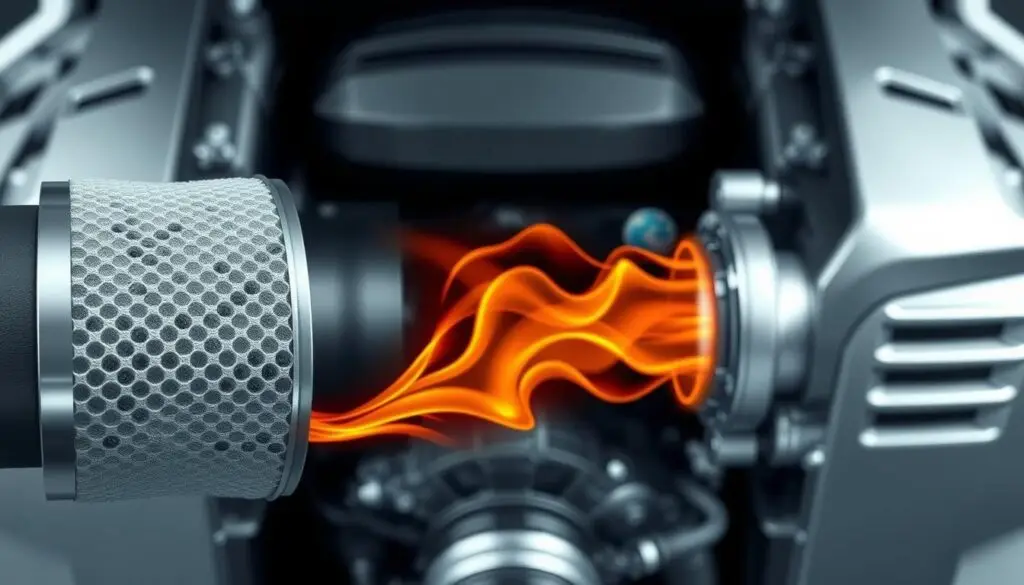
During regeneration, the trapped soot undergoes a chemical transformation. High temperatures convert the carbon particles into carbon dioxide gas, which safely exits the exhaust system. This burning process reduces the solid mass inside the filter, restoring its capacity to capture additional particles.
Passive, Active, and Forced Regeneration Explained
Three distinct regeneration types address different operational scenarios in commercial fleets. Each method serves specific purposes and requires different conditions to function effectively.
Passive regeneration happens naturally during highway driving when exhaust temperatures exceed 350°C (662°F). The heat generated during sustained high-speed operation burns off accumulated soot without any intervention. Long-haul routes provide ideal conditions for this automatic cleaning process—fleet managers should prioritize highway assignments for vehicles experiencing frequent DPF issues.
Active regeneration initiates when the engine control unit detects elevated soot levels combined with insufficient exhaust temperatures. The system injects additional fuel into the exhaust stream, raising temperatures to 550-650°C. This process typically occurs every 300-500 miles depending on driving conditions and duty cycle, requiring 20-30 minutes to complete.
Forced regeneration requires manual intervention using diagnostic equipment. Technicians initiate this procedure when passive and active methods fail to adequately clean the filter. This approach addresses severe blockages that prevent normal regeneration from completing successfully.
| Regeneration Type | Temperature Range | Trigger Mechanism | Duration |
|---|---|---|---|
| Passive | 350-450°C | Natural exhaust heat during highway driving | Continuous |
| Active | 550-650°C | ECU-initiated based on soot load sensors | 20-30 minutes |
| Forced | 600-650°C | Manual initiation via diagnostic tools | 30-60 minutes |
Urban delivery vehicles face significant challenges with regeneration due to frequent stops and low-speed operation. These duty cycles rarely generate sufficient heat for passive regeneration, making active regeneration the primary cleaning method—but constant stopping can prevent completion.
Critical Temperature and Pressure Thresholds
Exhaust temperature requirements determine whether regeneration proceeds effectively. Soot oxidation begins around 550°C, with optimal burning occurring between 600-650°C. Temperatures below these thresholds result in incomplete regeneration and progressive filter clogging.
Differential pressure sensors measure the resistance to exhaust flow across the filter. Clean filters typically show readings between 1-3 psi at idle. As soot accumulates, pressure differential increases, reaching 6-8 psi before triggering regeneration cycles. Excessive pressure readings above 10 psi indicate severe blockage requiring immediate attention—continuing operation at these levels risks engine damage from excessive backpressure.
Identifying Common DPF Regeneration Problems
Commercial diesel fleets encounter four primary categories of DPF regeneration problems, each with unique causes and consequences. Accurate identification of the specific problem type enables fleet managers to deploy targeted solutions rather than wasting resources on ineffective repairs.
Incomplete Regeneration Cycles
Incomplete regeneration occurs when the cleaning process starts but fails to finish completely. This happens most frequently when drivers shut down their vehicles before the cycle completes its burn sequence. The partially burned soot remains in the filter and compounds with each subsequent interrupted cycle.
Fleet vehicles operating on short delivery routes face this challenge regularly. A typical regeneration cycle requires 20-40 minutes of sustained highway speeds. Drivers who park their trucks before this process finishes unknowingly create cumulative damage that worsens over time, leading to progressive filter restriction and more frequent regeneration attempts.
Active Regeneration Systems That Won’t Start
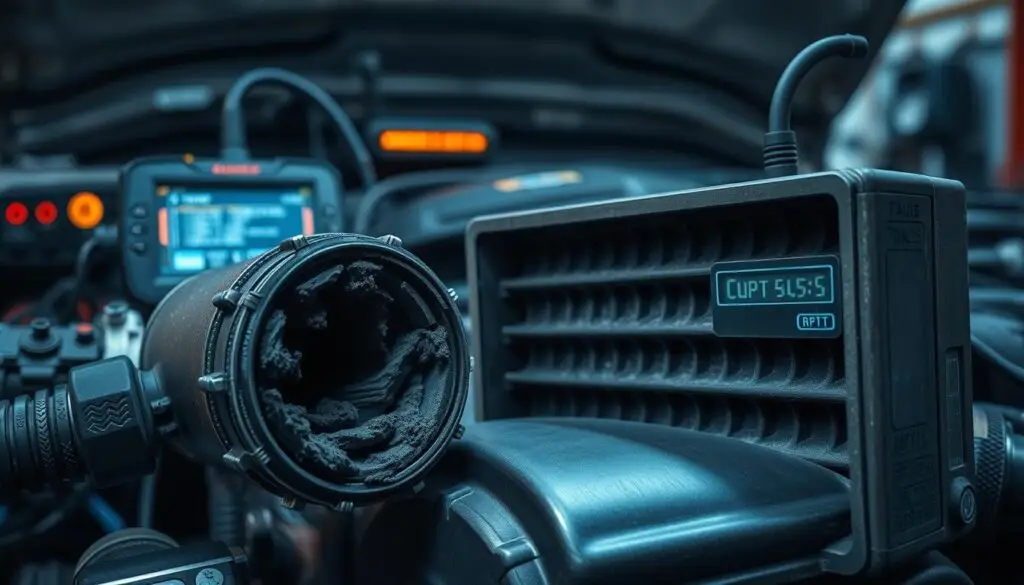
Failed active regeneration initiation prevents the system from cleaning itself. The engine control module triggers active regeneration when soot levels reach predetermined thresholds—when this process fails to start, soot continues accumulating without any cleaning mechanism.
Several component failures can prevent regeneration initiation. Faulty differential pressure sensors provide incorrect readings that prevent the ECM from recognizing the need for cleaning. Malfunctioning fuel dosing injectors cannot deliver the extra diesel required to raise exhaust temperatures. Temperature sensors that report inaccurate data cause the system to abort regeneration attempts.
Excessive Soot Loading
Excessive soot loading occurs when accumulation outpaces the system’s ability to burn it away. This condition develops when vehicles operate continuously in conditions that prevent both passive and active regeneration. Urban delivery trucks running at low speeds throughout their shifts face the highest risk.
The filter has a maximum capacity measured in grams of soot per liter of filter volume. Once this threshold is exceeded, even forced regeneration cannot restore normal operation. The densely packed soot restricts exhaust flow so severely that the engine cannot generate sufficient temperatures for effective burning. Warning signs include multiple failed regeneration attempts, dramatic power loss, engine derating, and illuminated check engine lights.
Ash Accumulation: The Permanent Restriction
Ash accumulation differs fundamentally from soot buildup because it cannot be burned away during regeneration. This incombustible residue comes primarily from engine oil additives that pass through the combustion process. Metallic compounds in the oil create ash deposits that gradually fill the filter’s channels over thousands of operating hours.
Every diesel engine produces ash as a normal byproduct of operation. The rate of accumulation depends on oil consumption rates, oil quality, and maintenance intervals. Engines that burn excessive oil accelerate ash accumulation significantly. Professional cleaning services can remove accumulated ash through specialized processes, but ash buildup eventually reaches a point where filter replacement becomes more economical than repeated cleaning.
Recognizing Early Warning Signs
Catching DPF problems in their earliest stages transforms fleet management from reactive crisis control to proactive cost savings. Every diesel particulate filter system communicates its health status through multiple channels—dashboard alerts provide the most visible warnings, while diagnostic data reveals underlying issues.
Dashboard Warning Lights and Fault Codes
The vehicle’s dashboard serves as your first line of defense against DPF failures. Modern commercial vehicles display several distinct DPF warning lights when regeneration issues arise. The amber DPF lamp indicates the system needs attention, while a red warning demands immediate action to prevent damage.
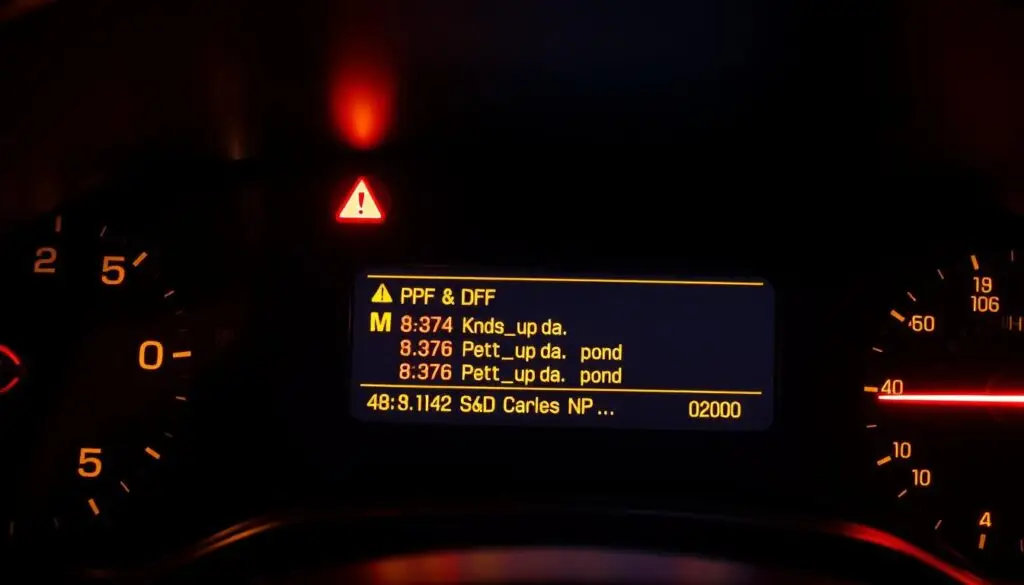
A persistent check engine light frequently accompanies DPF malfunctions. This warning should never be dismissed or postponed, as it indicates the engine control module has detected parameters outside normal operating ranges. Ignoring these alerts compounds the problem and increases repair costs exponentially.
The P2002 fault code signals that particulate filter efficiency has dropped below manufacturer specifications. This code indicates excessive soot loading, physical filter damage, or ash accumulation that prevents proper filtration. The P2463 diagnostic code specifically identifies soot accumulation exceeding normal parameters, indicating the regeneration system cannot keep pace with soot production.
Performance Degradation and Fuel Consumption
Performance loss indicators often emerge before dashboard warnings become persistent. Drivers report subtle changes in vehicle behavior that signal developing DPF restrictions—reduced acceleration, power loss under load, and difficulty maintaining speed on moderate grades.
Fuel efficiency monitoring provides one of the most valuable early warning systems. Vehicles experiencing regeneration issues typically show 10-25% increases in fuel consumption as the engine compensates for exhaust restriction. Modern telematics systems track fuel consumption across entire fleets, enabling managers to identify problem vehicles by comparing current fuel economy against historical baselines.
$0.202 per mile
Average repair and maintenance cost for Class 8 trucks in 2023—ATRI Operational Costs of Trucking
Essential Diagnostic Tools for Fleet Managers
The foundation of successful DPF troubleshooting begins with equipping your maintenance facility with professional-grade diagnostic tools. Without proper equipment, technicians resort to guesswork that leads to misdiagnosis, unnecessary part replacements, and extended vehicle downtime.
Professional OBD-II Scanners and Manufacturer Software
Basic code readers fall short when diagnosing complex DPF issues. Professional OBD-II scanners designed for commercial diesel applications provide access to manufacturer-specific parameters that generic tools cannot reach. These units retrieve detailed fault codes, monitor live data streams from multiple sensors simultaneously, and display real-time regeneration status.
Advanced scanners offer bi-directional control capabilities that allow technicians to command system tests—initiating forced regeneration cycles, activating individual components for testing, and resetting adaptation values after repairs. Manufacturer-specific diagnostic software provides even deeper system access than aftermarket scan tools.
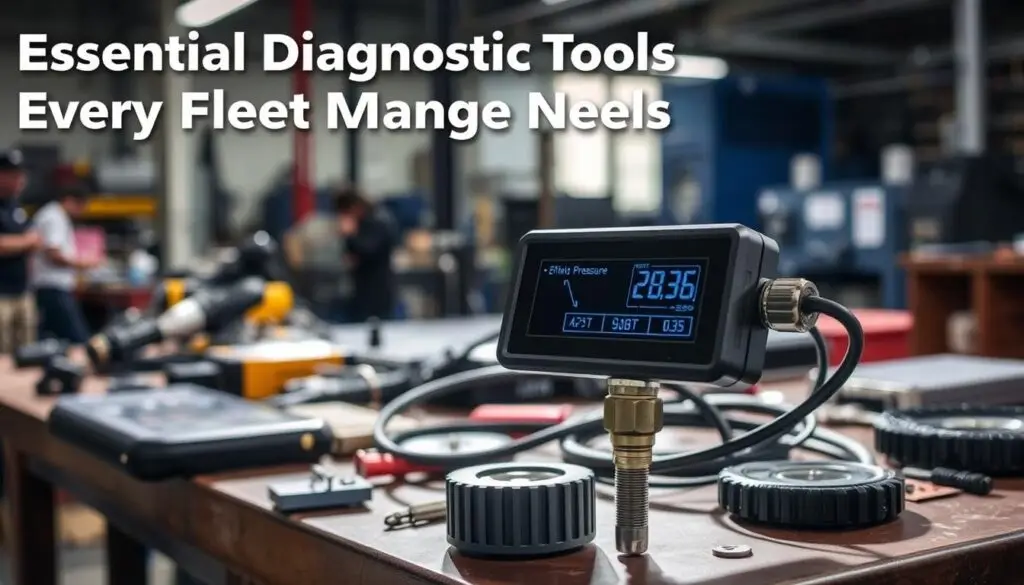
Understanding Differential Pressure Readings
Differential pressure sensors serve as the primary indicator of filter restriction, measuring the pressure difference between exhaust entering the filter and cleaned exhaust exiting the system. Technicians must access live pressure data through their scan tools while observing vehicle operation under various conditions.
Clean DPF systems typically show pressure differentials between 1 and 3 psi at idle conditions. As engine speed increases to highway cruising levels, normal pressure readings range from 5 to 15 psi. Problem indicators emerge when sensors consistently report readings above 20 psi during normal operation. Sustained high pressure suggests significant soot accumulation that exceeds the system’s ability to regenerate effectively.
Monitoring how pressure changes during regeneration reveals whether the cleaning process works effectively. Successful regeneration causes pressure readings to decrease steadily as soot burns away—a properly functioning system shows pressure drops of 30-50% by the end of an active regeneration cycle.
Four-Phase Troubleshooting Protocol
A structured troubleshooting protocol transforms DPF diagnostics from reactive guesswork into a predictable, time-saving process. Fleet managers who implement systematic diagnosis procedures reduce unnecessary repairs, minimize vehicle downtime, and improve first-time fix rates across their operations.
Phase One: System Assessment and Data Collection
Every effective diagnostic process begins with thorough information gathering. Professional-grade OBD-II scanners retrieve stored fault codes, pending codes, and freeze frame data that captures operating conditions when problems occurred. This electronic snapshot shows engine temperature, vehicle speed, load percentage, and other parameters at the moment the system detected an issue.
Understanding how the vehicle operates daily provides essential context for diagnosis. Document typical route lengths, stop frequency, idling duration, and load characteristics. Driver interviews complement electronic data by revealing behaviors that affect DPF health—questions should cover regeneration interruptions, dashboard warning responses, and idling habits.
Phase Two: Sensor and Component Verification
Many regeneration failures stem from faulty sensors providing incorrect data to the ECM rather than actual filter problems. Systematic testing of each sensor and component follows manufacturer specifications, comparing actual readings against expected values for current operating conditions.
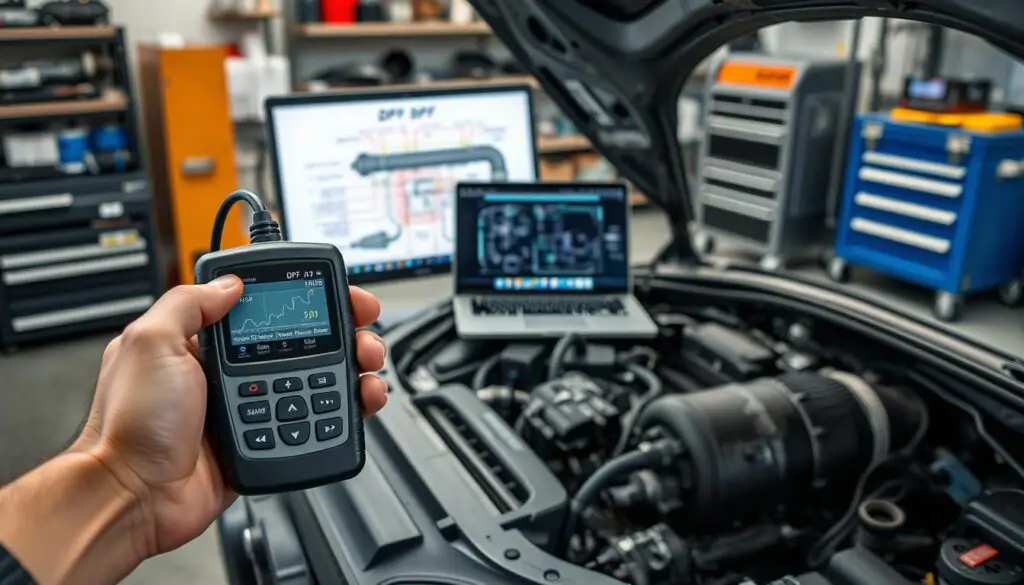
Exhaust temperature sensors provide critical data that the ECM uses to control regeneration. Most DPF systems employ multiple temperature sensors positioned before and after the filter. Technicians use diagnostic tools to monitor live sensor data while varying engine load and speed—temperature readings should respond quickly and consistently to changes in operating conditions.
The hydrocarbon dosing injector injects fuel into the exhaust stream to raise temperatures during active regeneration. Visual inspection checks for carbon buildup around the injector tip that restricts spray pattern. Flow testing measures actual fuel delivery against specifications—clogged injectors deliver insufficient fuel, preventing exhaust temperatures from reaching regeneration thresholds.
Phase Three: Operating Condition Evaluation
Even with functioning sensors and components, regeneration requires specific engine operating conditions. This phase confirms the engine creates an environment suitable for successful soot oxidation.
Regeneration requires the engine to reach and maintain normal operating temperature. Cold engines cannot generate sufficient exhaust heat for soot oxidation—coolant temperature should stabilize within manufacturer specifications before attempting any regeneration procedure. Thermostat problems prevent proper temperature regulation, and an engine that runs too cool will never support successful passive regeneration.
Exhaust flow characteristics directly impact regeneration effectiveness. Restrictions anywhere in the exhaust system create excessive backpressure that reduces efficiency and prevents proper soot oxidation. Backpressure testing uses specialized gauges to measure restriction at various engine speeds, with readings exceeding manufacturer specifications indicating blockages requiring investigation.
Master DPF Diagnostics with Expert Guidance
Stay ahead of costly aftertreatment failures with technical insights from industry professionals. Our weekly newsletter delivers practical troubleshooting strategies directly to fleet managers and diesel technicians.
Phase Four: Forced Regeneration Execution
Forced regeneration should only occur after confirming all components function correctly and operating conditions support success. This procedure requires proper preparation, safety measures, and monitoring to ensure effectiveness while protecting equipment and personnel.
⚠️ Safety Warning
Stationary regeneration generates extreme exhaust temperatures exceeding 1,000°F. Ensure adequate ventilation, remove flammable materials from the vicinity, and never leave running vehicles unattended during forced regeneration procedures.
Successful regeneration requires continuous monitoring to verify proper progression through each phase. Diagnostic tools display real-time data including exhaust temperatures, differential pressure changes, and estimated completion percentage. Temperature progression follows predictable patterns—initial heating raises temperatures gradually, followed by sustained high temperatures during active soot oxidation, then controlled cooldown.
Solving Passive and Active Regeneration Failures
Solving regeneration failures begins with recognizing how urban driving conditions fundamentally conflict with DPF system needs. The mismatch between vehicle duty cycles and regeneration requirements represents one of the most significant challenges facing commercial fleet operations.
The Stop-and-Go Traffic Challenge
Passive regeneration failure occurs most frequently in vehicles operating urban delivery routes or municipal service schedules. DPF systems need sustained exhaust temperatures above 350°C (662°F) to burn off accumulated soot naturally—city driving involves constant acceleration and deceleration, idling at traffic lights, and low-speed operation that never generates this heat.
Consider the operational profile of a typical delivery truck—it might make 30-50 stops per shift, spending 60-70% of its time at speeds below 35 mph. Highway driving constitutes less than 15% of daily operation. This profile makes passive regeneration virtually impossible, creating vehicles increasingly dependent on active regeneration cycles.
Strategic Route Planning Solutions
Route optimization offers practical solutions that address regeneration opportunities from an operational perspective. By restructuring delivery schedules and vehicle assignments, fleet managers can create conditions conducive to successful regeneration without expensive technical interventions.
The most effective strategy involves incorporating highway segments between urban stops. Even 15-20 minutes of sustained highway operation at moderate speeds can provide sufficient regeneration opportunities for passive soot burning. Consider scheduling longer routes for vehicles showing chronic regeneration issues, assigning them to routes with greater highway mileage.
Shift duration plays a crucial role in regeneration success. Active regeneration cycles require 20-40 minutes to complete—vehicles on short shifts may not operate long enough for the system to initiate and complete regeneration. Extending shift duration or combining partial routes can resolve this issue.
The HDJ Perspective
After speaking with fleet maintenance managers across the country, one pattern emerges consistently: fleets that succeed with DPF management treat it as an operational challenge, not just a maintenance problem. The most effective approach combines driver education, route optimization, and telematics monitoring into an integrated strategy. Technology alone won’t solve regeneration issues if vehicles never operate in conditions that allow regeneration to complete. Forward-thinking fleet managers are building regeneration considerations into their dispatch software and driver training programs—making DPF health a shared responsibility rather than a shop-floor surprise.
Driver Behavior and DPF Health
The connection between driver actions and DPF health represents an often-overlooked opportunity for cost reduction. Fleet managers who implement effective driver behavior management programs experience fewer DPF failures and lower maintenance expenses. Your drivers control variables that directly affect regeneration cycles, soot accumulation rates, and overall filter longevity.
The Hidden Cost of Excessive Idling
Excessive idling creates a perfect storm of conditions that damage DPF systems. The engine generates soot while producing insufficient exhaust temperature to burn it off. When active regeneration attempts occur during extended idle periods, the cooling effect of prolonged low-speed operation can actually cause the regeneration cycle to fail.
According to Cummins aftertreatment guidance, a good idle time target is 20% of total engine operation time or lower. Fleet data consistently shows that vehicles with excessive idle time require regeneration 40-60% more frequently than properly operated units. Establishing clear fleet policies that limit idling to 3-5 minutes except when operationally necessary protects DPF health while reducing fuel costs.
Regeneration Interruption Consequences
Regeneration interruption creates some of the most preventable yet costly DPF problems. When drivers shut down the engine during active regeneration, the process leaves partially burned soot deposits inside the filter. These deposits become harder and more difficult to remove than the original soot particles, compounding with each interrupted cycle.
Many drivers remain unaware that regeneration is occurring. The signs include slightly elevated engine RPM at idle, cooling fan operation when the vehicle is stationary, and sometimes a distinctive exhaust smell. Without proper education, operators interpret these conditions as normal operation and shut down the vehicle when their shift ends.
Building Effective Training Programs
Comprehensive driver training programs represent your most effective tool for preventing DPF problems. These programs educate operators about emissions systems while establishing clear protocols for various operating scenarios. Progressive fleets that implement structured driver training report 30-50% fewer DPF-related maintenance events.
Training should cover recognition of regeneration indicators and appropriate responses, understanding warning light priorities, pre-trip and post-trip inspection procedures for DPF status, and documentation requirements for DPF-related events. Creating a tiered response protocol that matches warning severity ensures drivers know when issues require immediate action versus prompt maintenance scheduling.
Share Your DPF Troubleshooting Expertise
Fleet managers and diesel technicians with hands-on experience managing DPF challenges can help others in the industry. Share your proven strategies, lessons learned, and diagnostic insights with the Heavy Duty Journal community.
Preventive Maintenance Programs for DPF Systems
A well-designed preventive maintenance program transforms DPF management from reactive crisis to predictable routine. Fleet managers who establish structured protocols reduce unexpected failures and extend component life significantly.
Engine Oil Selection and Change Intervals
Engine oil selection represents one of the most critical decisions affecting DPF health. Metallic additives in conventional oils create ash that permanently accumulates inside the filter—this ash cannot be removed through regeneration and gradually reduces filter capacity over time.
Low-ash oil formulations specifically designed for diesel particulate filters minimize this accumulation. API CK-4 oils provide the best general-purpose solution for mixed-duty fleets, delivering excellent protection across varied operating conditions. API FA-4 formulations work best for highway tractors where fuel economy improvements justify their specialized application.
Most commercial fleets achieve optimal results with oil change intervals between 25,000 and 40,000 miles. Severe-duty applications may require more frequent changes, while highway operations often support longer intervals without compromising DPF health.
Professional DPF Cleaning Schedules
Professional cleaning removes accumulated ash that regeneration cannot address. The Technology & Maintenance Council’s RP 355 provides guidelines for DPF maintenance and inspection, while RP 374 establishes standards for proper cleaning methods and testing.
Highway vehicles typically require cleaning every 150,000 to 200,000 miles. Urban delivery trucks operating in severe-duty cycles need more frequent service—some applications benefit from cleaning intervals as short as 100,000 miles. Fleet managers should track differential pressure readings to determine optimal cleaning frequency for their specific operations.
Two primary cleaning methods dominate professional DPF service. Thermal cleaning uses controlled high-temperature oxidation in specialized ovens to remove soot and some ash deposits. Pneumatic cleaning uses compressed air to dislodge particles through reverse flow and vibration. Many professional services combine both methods for optimal results—thermal cleaning burns away carbon deposits first, then pneumatic cleaning removes the loosened ash particles.
Fuel Quality and DEF Standards
Fuel quality directly impacts soot production and DPF loading rates. Premium diesel meeting ASTM D975 specifications produces less particulate matter during combustion. Low-sulfur content is essential for modern aftertreatment systems—ultra-low sulfur diesel with less than 15 ppm sulfur protects catalysts and reduces ash formation.
Diesel Exhaust Fluid quality deserves equal attention. Contaminated DEF damages selective catalytic reduction systems and affects overall aftertreatment performance. DEF meeting ISO 22241 specifications ensures proper system function. Temperature control matters for DEF storage—extreme heat accelerates decomposition, particularly above 86°F for extended periods.
Calculating the True Cost of DPF Failures
Every DPF failure carries a price tag that extends far beyond the repair invoice. Fleet managers who understand the complete financial picture can make smarter decisions about maintenance investments and resource allocation.
Direct Repair Expenses
Professional DPF cleaning services typically range from $400 to $800 per unit depending on filter size and contamination level. Complete filter replacement escalates costs significantly, with new DPF units priced between $1,000 and $3,000 based on engine application and manufacturer specifications.
Labor charges add substantial amounts to each service event. Diagnostic work to identify regeneration problems consumes technician time even before repairs begin. Forced regeneration procedures require 30 to 60 minutes of active technician involvement, plus additional cooldown time before other diagnostic work can proceed.
Hidden Costs Exceeding Service Bills
Indirect costs associated with DPF problems typically dwarf direct repair expenses. Vehicle downtime represents the single largest hidden cost component—a commercial truck generating $1,000 to $2,000 in daily revenue sitting idle for DPF repairs directly reduces fleet income.
Service bay occupation creates opportunity costs that compound the problem. Every bay occupied by a truck undergoing forced regeneration prevents technicians from addressing other maintenance needs. Missed deliveries and service commitments damage customer relationships in ways that extend beyond immediate financial penalties.
The cumulative effect of these indirect expenses often reaches two to three times the direct repair costs. Fleet managers who track only repair invoices miss the majority of the financial impact from DPF system failures.
Fleet Management Technology for DPF Monitoring
Advanced telematics monitoring systems now provide real-time insights that help fleet managers prevent DPF failures before they happen. Technology platforms equipped with connected diagnostics capabilities give you complete visibility into DPF health across every truck in your operation.
Fleet managers who implement these technologies report 25-40% reductions in DPF-related failures and significant decreases in costly roadside breakdowns. The initial investment in monitoring technology delivers measurable returns through extended component life and optimized maintenance scheduling.
Real-Time Monitoring Systems
Telematics monitoring systems continuously collect critical DPF parameters from every vehicle in your fleet, transmitting data wirelessly to centralized management platforms. These systems track soot load percentage, differential pressure readings, regeneration frequency data, and fault codes—transmitting immediately when sensors detect system malfunctions.
Predictive maintenance platforms use machine learning algorithms to analyze historical patterns and forecast when individual vehicles will require DPF service. These systems consider each vehicle’s specific duty cycle, operating conditions, and maintenance history to generate accurate predictions, enabling proactive maintenance scheduling before dashboard warnings appear.
Data Analytics for Systematic Problem Identification
Fleet data analytics capabilities enable identification of patterns that reveal systemic issues affecting DPF performance. Which routes consistently cause regeneration problems? Which drivers experience higher failure rates? Which vehicle makes show reliability issues? Data analysis answers these questions definitively.
Advanced platforms compare performance across your entire fleet to identify outliers that require investigation. Correlating DPF problems with fuel consumption patterns, driver assignments, and route characteristics helps understand root causes rather than just treating symptoms.
Frequently Asked Questions
How often should DPF regeneration occur in normal fleet operations?
Regeneration frequency varies based on duty cycle and engine technology. Modern systems may go 100+ hours between regenerations during highway operation, while urban delivery trucks may require active regeneration every 300-500 miles. Vehicles requiring forced regeneration more than once per week typically indicate underlying problems requiring diagnosis—either operational patterns preventing normal regeneration or component failures needing repair.
Can I drive my truck when the DPF warning light comes on?
Response depends on warning severity. An amber DPF light typically indicates the system needs attention but allows trip completion with maintenance scheduled within 24 hours. A flashing amber light means regeneration should complete before parking. A red DPF warning or engine derate message requires proceeding to a safe location and stopping immediately—continuing operation risks permanent filter damage and potential engine harm from excessive backpressure.
What causes DPF filters to fail prematurely?
Premature DPF failure stems from several preventable causes: excessive idling that generates soot without sufficient heat for regeneration, repeated regeneration interruptions that create hardened deposits, use of incorrect engine oil that accelerates ash accumulation, poor fuel quality introducing additional particulates, and ignored warning lights allowing minor issues to escalate. Most premature failures trace back to operational patterns or maintenance gaps rather than manufacturing defects.
How much does professional DPF cleaning cost compared to replacement?
Professional DPF cleaning typically costs $400-$800 per service, while complete filter replacement ranges from $1,000-$3,000 depending on engine application. When properly maintained with scheduled cleaning every 150,000-200,000 miles, a DPF can potentially last 400,000-500,000 miles before replacement becomes necessary. The cleaning investment pays for itself multiple times over compared to premature replacement costs.
Will using biodiesel affect my DPF regeneration?
Biodiesel blends up to B20 (20% biodiesel) are generally compatible with modern DPF systems and may actually reduce soot production due to more complete combustion. The oxygen content in biodiesel promotes cleaner burning that can result in fewer regeneration cycles. However, always verify that your engine manufacturer approves the specific biodiesel blend for your application, as some older systems may have compatibility limitations.
Taking Control of DPF Performance
Effective diesel particulate filter management separates successful fleet operations from those plagued by constant breakdowns and excessive costs. The strategies outlined in this guide provide fleet managers with a comprehensive framework for addressing DPF regeneration challenges before they escalate into major problems.
Implementing these best practices starts with understanding your specific operating conditions—urban delivery routes require different approaches than long-haul operations. Proactive troubleshooting transforms maintenance from crisis response to strategic management. Regular monitoring of differential pressure sensors, soot load percentages, and regeneration frequency patterns identifies issues in their earliest stages.
Driver training programs represent one of the most cost-effective interventions available. Modern telematics systems provide the visibility needed for data-driven decision making, enabling maintenance teams to schedule interventions during planned downtime rather than responding to emergency breakdowns. Fleet managers who commit to systematic implementation of these principles will see measurable improvements in uptime, fuel efficiency, and overall operational performance.
Help Your Network Avoid Costly DPF Failures
Know a fleet manager or diesel technician who could benefit from this troubleshooting guide? Share this article to help them get ahead of regeneration problems before they impact operations.


