
By Michael Nielsen, Editor & Publisher | 15+ Years in Diesel Repair
Last Updated: January 2026
📖 Estimated reading time: 22 minutes
Your trailer’s tires are more vulnerable than you might think. According to Bendix Commercial Vehicle Systems, ninety percent of all tire failures stem from under-inflation. Even more concerning, nearly half of all emergency roadside calls involve tire-related problems. These statistics reveal a critical safety gap that affects thousands of fleet operators and owner-operators every year.
Proper tire pressure directly impacts fuel economy, vehicle handling, and operating costs. Without real-time monitoring, you risk dangerous blowouts that can lead to accidents and costly repairs. A tire pressure monitoring system transforms reactive maintenance into proactive prevention—turning unseen hazards into manageable alerts before they escalate.
This comprehensive trailer TPMS installation guide walks you through sensor installation procedures and troubleshooting techniques that work in the real world. You’ll learn how monitoring technology provides instant alerts about pressure changes, helping you avoid emergency situations. Whether you’re installing pressure sensors for the first time or diagnosing system issues on an existing setup, these step-by-step instructions will help you maintain optimal trailer tire safety and extend tire service life.
Key Takeaways
- Ninety percent of tire failures result from inadequate inflation, making TPMS monitoring essential for safe towing operations and roadside emergency prevention.
- Flow-through sensors offer superior theft resistance and longer battery life (3-5 years), while cap-based sensors provide easier installation for seasonal trailers.
- Proper installation requires correct torque application (4-7 inch-pounds for most sensors) and systematic sensor-to-monitor pairing procedures.
- Temperature monitoring capability helps identify developing problems like dragging brakes or failing bearings that pressure readings alone may miss.
- Signal range specifications matter—extended trailers require systems rated for 150+ feet to maintain reliable communication during travel.
- Regular calibration verification against manual gauge readings ensures continued accuracy throughout the system’s service life.
Understanding Trailer TPMS Technology
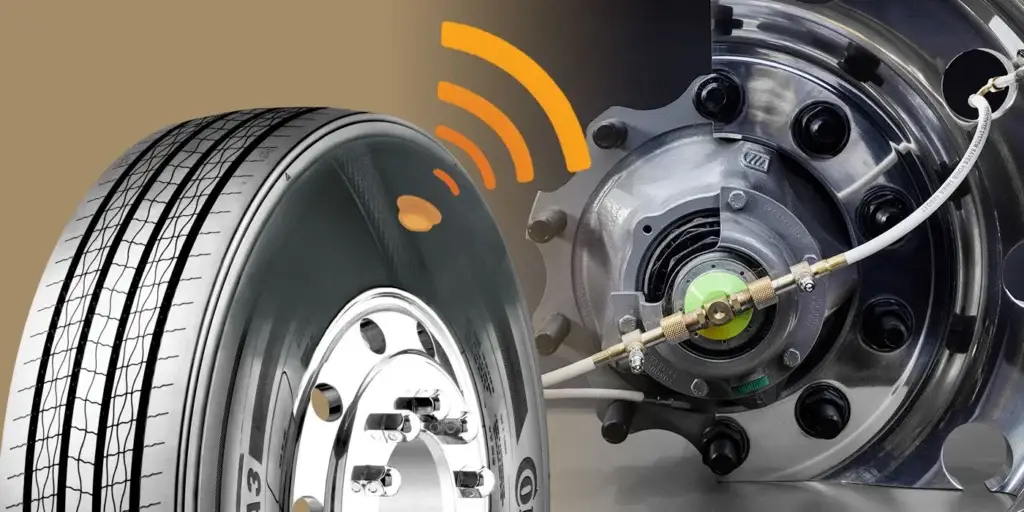
Wireless sensor networks inside your trailer wheels provide continuous data streams that transform tire maintenance from reactive guesswork to proactive management. These sophisticated systems eliminate the need for manual pressure checks while delivering real-time alerts about potentially dangerous conditions. Modern tire pressure monitoring represents a significant advancement in trailer safety technology that addresses one of the most common causes of roadside emergencies.
The technology behind these systems combines precision measurement capabilities with robust wireless communication protocols. Each component works together to create a comprehensive monitoring solution that operates seamlessly during travel. Understanding how these systems function helps trailer owners appreciate their value and use them more effectively.
Core Components and Operational Principles
A trailer tire pressure monitoring system consists of individual TPMS sensors mounted on each wheel, a wireless receiver, and a display unit installed in the tow vehicle. The sensors continuously measure internal tire conditions and transmit this information every 30 to 60 seconds depending on the system specifications. This constant communication ensures that operators receive immediate notifications when tire conditions change unexpectedly.
The sensors measure both pressure readings and internal tire temperature using integrated electronic components. When a sensor detects measurements outside preset parameters, it increases transmission frequency to alert the driver more rapidly. Most systems operate on radio frequencies between 315 MHz and 433 MHz, which provides reliable signal transmission even through metal trailer frames and across distances up to 200 feet.
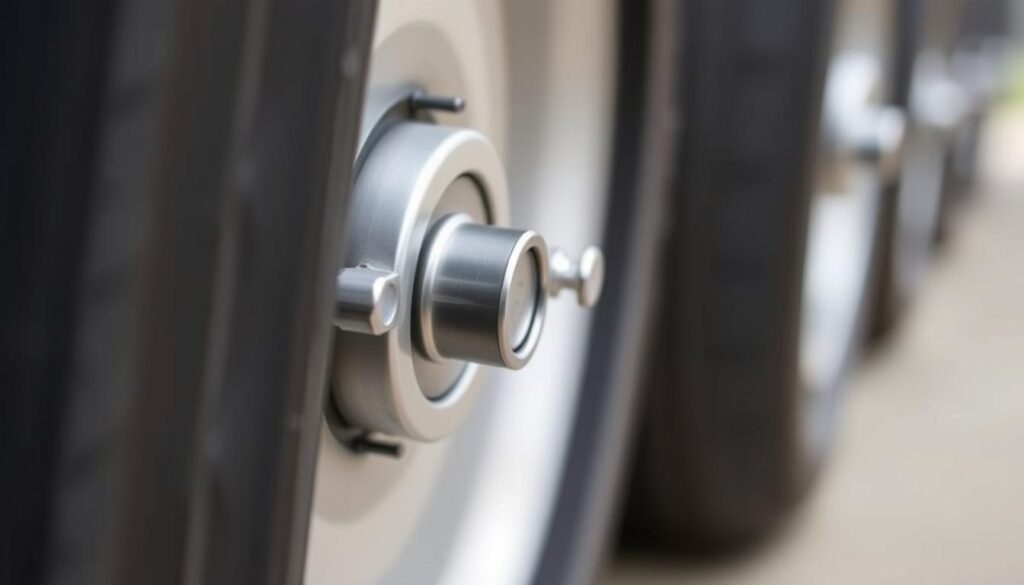
The display monitor receives transmitted data and processes it into user-friendly information that drivers can understand at a glance. Advanced units show individual tire pressure readings for each wheel position along with temperature monitoring data. Color-coded visual alerts and audible warnings ensure that critical issues receive immediate attention even when drivers are focused on road conditions.
Quantifiable Advantages for Trailer Operators
Installing a tire pressure monitoring system delivers measurable improvements across multiple operational areas. The financial benefits alone justify the investment for most trailer owners who travel regularly. These systems prevent expensive problems while enhancing overall towing safety and confidence.
90% of Tire Failures
Result from under-inflation conditions — Bendix Commercial Vehicle Systems
The primary advantages of trailer TPMS include extended tire lifespan through consistent optimal pressure that prevents irregular wear patterns—under-inflation can reduce tire life by 25% or more, costing hundreds of dollars in premature replacements. Properly inflated tires also reduce rolling resistance, delivering fuel savings of 3-5% on long trips compared to under-inflated conditions.
Enhanced safety margins represent perhaps the most critical benefit. Early detection of rapid pressure loss provides critical time to safely exit highways before catastrophic tire failure occurs. This transforms potentially dangerous blowouts into manageable maintenance stops. Beyond safety, predictive monitoring allows scheduled tire service rather than emergency roadside repairs that cost significantly more and create dangerous exposure to highway traffic.
Research from the Commercial Vehicle Safety Alliance confirms that tire-related violations remain among the most common out-of-service conditions identified during roadside inspections. Under-inflation by just 10 PSI increases tire operating temperatures enough to accelerate rubber degradation substantially. The temperature monitoring capability helps identify overheating conditions before they cause structural damage, transforming tire maintenance from periodic manual checks into continuous automated oversight.
System Categories and Selection Considerations
The market offers several distinct types of tire pressure monitoring systems, each with specific advantages for different trailer applications. Understanding these categories helps buyers match system capabilities to their particular needs. The two primary sensor mounting methods create fundamental differences in installation complexity and long-term maintenance requirements.
External valve-stem sensors attach directly to existing tire valve stems without requiring tire dismounting. These cap-based units provide the simplest installation process but remain exposed to road debris, weather conditions, and potential theft. They work well for recreational trailers with seasonal use patterns where quick installation takes priority.
Internal flow-through sensors replace the valve stem core and sit protected inside the valve stem body. This design offers superior durability and security while maintaining easy access for tire inflation. Commercial operators and frequent travelers typically prefer this configuration despite the slightly more complex installation process because of the longer service life and reduced maintenance.
Display monitor options range from dedicated dashboard-mounted units to smartphone applications that connect via Bluetooth. Dedicated displays provide at-a-glance information without requiring phone interaction or data plans, while app-based systems offer expanded data logging and historical tracking capabilities. Some advanced systems support both display types simultaneously for maximum flexibility.
| System Type | Installation | Battery Life | Best Application |
|---|---|---|---|
| Cap-Based External | Very Easy (5 min) | 12-18 months | Seasonal recreational trailers |
| Flow-Through Internal | Moderate (15-20 min) | 3-5 years | Commercial and frequent use |
| Dedicated Monitor | Easy (dash mount) | Rechargeable/powered | All trailer types |
| Smartphone App | Very Easy (wireless) | Uses phone battery | Tech-savvy operators |
Basic systems monitor only tire pressure and provide simple alerts when readings fall below preset thresholds. Mid-range systems add temperature monitoring capabilities that help identify developing problems through abnormal heat patterns. Premium systems incorporate programmable alert thresholds, position-specific sensor identification, and data logging features that track tire performance over extended periods.
Signal range represents another critical specification that varies significantly between manufacturers. Entry-level systems may only reliably communicate across 50-75 feet, which proves inadequate for longer trailer configurations. Professional-grade systems maintain consistent communication at distances exceeding 150 feet, ensuring reliable monitoring even with extended trailers or fifth-wheel configurations. Evaluating these factors against your specific towing requirements ensures optimal system selection before proceeding to installation.
Choosing the Right TPMS for Your Trailer
Evaluating TPMS options involves comparing critical factors like sensor mounting styles, wireless range, and thermal detection features. The system you select will directly impact installation complexity, monitoring accuracy, and long-term maintenance requirements. Understanding these technical differences ensures you invest in equipment that matches your trailer configuration and towing habits.
Your decision should balance performance capabilities with practical considerations such as budget, technical skill level, and specific trailer demands. Different hauling scenarios require different monitoring features, from basic pressure tracking to advanced diagnostics.
Sensor Design: Flow-Through and Cap-Based Options
Flow-through sensors replace the standard valve stem core and allow air inflation directly through the sensor body. This design creates a permanent installation that becomes an integral part of your tire’s valve assembly. The sensor threads into the valve stem after removing the original core, maintaining full inflation functionality while continuously monitoring pressure.
These sensors offer superior theft resistance because they cannot be removed without specialized tools and deflating the tire completely. Installation requires a valve core removal tool and basic mechanical aptitude. The permanent nature means less risk of accidental loss during routine tire maintenance or at truck stops.

Cap-based sensors thread onto existing valve stems like traditional valve caps, making installation remarkably simple. These units require no tire deflation or valve modification—simply remove the old cap and thread on the sensor. This approach appeals to users who prefer tool-free installation and maximum flexibility for sensor transfers between trailers.
The trade-off involves increased vulnerability to theft or accidental removal during tire service. Always communicate with tire technicians about TPMS sensor presence before any service work. Cap-based designs work with any standard valve stem without compatibility concerns and allow quick sensor transfers between different trailers.
| Feature | Flow-Through Sensors | Cap-Based Sensors |
|---|---|---|
| Installation | Requires core removal tool, deflation | Hand-tighten onto existing stems |
| Theft Resistance | Excellent—requires deflation and tools | Moderate—can be unscrewed by hand |
| Valve Compatibility | Requires removable core valve stems | Works with all standard valve stems |
| Maintenance Access | Sensor removal needed for valve service | Quick removal for tire work |
| Price Range | $40-$80 per sensor | $30-$60 per sensor |
Wireless Communication and Display Technologies
The TPMS signal range determines reliable communication distance between trailer-mounted sensors and your tow vehicle’s monitoring display. Most systems specify ranges between 40 and 100 feet, though actual performance varies based on environmental conditions. Longer transmission distances provide better reliability for extended trailers or fifth-wheel configurations where sensor-to-monitor distance increases significantly.
Metal trailer construction, electronic interference from other devices, and physical obstructions all affect signal propagation. Aluminum-sided enclosed trailers may reduce effective range compared to open utility trailers. Testing signal strength before final installation prevents disappointing performance on the road when reliable monitoring matters most.
TPMS display options range from dedicated cab-mounted monitors to smartphone applications. Dedicated displays offer at-a-glance monitoring without requiring phone connectivity or data plans, featuring large digits, color-coded alerts, and audible warnings that don’t depend on phone notifications. Wireless receivers that integrate with existing vehicle infotainment systems provide seamless dashboard integration for modern tow vehicles.
Thermal Detection and Alert Thresholds
Temperature monitoring capabilities separate basic TPMS from advanced diagnostic systems. Sensors equipped with thermal detection identify developing problems that pressure measurements alone might miss. Excessive heat buildup indicates issues like dragging brakes, failing wheel bearings, or severe under-inflation conditions that require immediate attention.
Quality systems typically trigger high-temperature alerts at 185 degrees Fahrenheit, a threshold that signals genuine problems requiring immediate attention. This temperature specification represents industry-standard practice based on tire safety research and component failure patterns established through decades of commercial vehicle operation.
Combined pressure and temperature data provides comprehensive tire health monitoring. A tire showing normal pressure but elevated temperature may indicate brake drag or bearing friction. Conversely, sudden temperature drops can reveal rapid air loss from punctures or valve failures. Advanced systems display individual tire temperatures continuously, allowing you to establish baseline readings for your specific trailer and load conditions.
Pre-Installation Requirements and Tools
Having the proper tools and completing essential pre-installation checks ensures your trailer TPMS functions correctly from day one. Many installation problems stem from missing equipment or skipping compatibility verification steps. Taking time to prepare your workspace and gather necessary items makes pressure sensor installation smoother and more reliable.
Understanding what you need before starting prevents frustrating trips to the hardware store mid-project. TPMS configuration requires specific tools that protect delicate sensor components while ensuring secure connections. The right preparation also identifies potential compatibility issues before they become installation roadblocks.
Essential Tools and Equipment Needed
A complete tool kit contains both universal items and specialized equipment designed for tire pressure sensors. Your primary tool is a torque wrench with a range between 35 and 89 inch-pounds, which prevents over-tightening that damages sensors or under-tightening that causes air leaks. This precision tool ensures manufacturers’ specifications are met exactly.

The valve stem tool ranks as equally important for removing and installing valve cores without causing damage. Standard tire pressure sensors require careful handling during installation to protect the electronic components from impact or moisture. You’ll also need both flathead and Phillips screwdrivers for securing mounting brackets and display components inside your tow vehicle.
Quick Reference: Installation Tool Checklist
- Torque wrench: 35-89 inch-pound range for sensor components
- Valve stem tool: For safe core removal and installation
- Wire strippers/connectors: For monitor power connections
- Calibrated pressure gauge: For baseline verification
- Wheel chocks and jack stands: For safe trailer stabilization
Checking Valve Stem Compatibility
Valve stem compatibility determines whether your existing hardware works with chosen sensors or requires replacement. Two main valve stem types exist on trailers: rubber snap-in stems and metal bolt-in stems. Each type has different compatibility requirements for pressure sensor installation that affect your installation approach.
Rubber snap-in stems work well with most cap-based sensors but may need replacement for flow-through designs that require secure threaded connections. Metal bolt-in stems offer superior durability and typically accommodate both sensor types. Inspect your current stems for signs of cracking, weathering, or corrosion that indicate replacement needs regardless of sensor type—deteriorated stems create ongoing leak risks.
Thread pitch verification prevents installation frustration. Cap-based sensors require matching threads to secure properly without cross-threading. Measure thread diameter and count threads per inch using a thread gauge or compare against manufacturer specifications. Most trailer valve stems use standard automotive threading, but confirmation eliminates guesswork. Replace questionable valve stems before installing sensors—new stems cost far less than discovering compatibility problems after sensor installation.
Safety Precautions Before Starting
⚠️ Safety Warning
Trailer tires contain significant air pressure that can cause injury if released suddenly. Always wear safety glasses when working with valve stems, point valve stems away from your face when removing cores, and ensure the trailer is properly stabilized with wheel chocks and jack stands before beginning work.
Safety protocols protect both you and your equipment during installation work. Proper trailer stabilization ranks as the most critical safety step. Position wheel chocks on both sides of tires you’re not working on to prevent rolling. Never rely solely on the trailer jack for stability during valve stem manipulation.
Jack stands provide essential support when lifting trailers for access to valve stems. Place stands on solid, level ground under the trailer frame, never under axles or suspension components. Your personal safety depends on secure trailer positioning that prevents unexpected movement.
Allow tires to cool completely before beginning pressure sensor installation. Hot tires from recent driving show inflated pressure readings that don’t reflect actual cold tire pressure. Wait at least three hours after driving before starting installation work. This cooling period ensures accurate baseline pressure readings for TPMS configuration and prevents handling burns from heated rubber and metal components.
Step-by-Step Trailer TPMS Installation
The installation process for trailer tire pressure sensors requires systematic steps that ensure reliable performance for years to come. Following the correct sequence prevents common errors that lead to TPMS troubleshooting issues down the road. This comprehensive guide walks you through each stage, from initial preparation to final system testing.
Before you begin sensor installation, gather all necessary components and verify that your trailer is parked on level ground. Position the trailer where you can comfortably access all tires without obstruction. This preparation phase sets the foundation for successful installation.
Preparing Your Trailer Tires
Proper tire preparation ensures accurate baseline readings from your new monitoring system. Start by inflating all tires to the manufacturer’s recommended pressure specifications found on the tire sidewall or trailer compliance placard. The Federal Motor Carrier Safety Regulations (49 CFR 393.75) establish tire inflation requirements that apply to commercial trailers and provide guidance for all trailer operations.
Allow tires to cool to ambient temperature before proceeding with sensor installation. Hot tires from recent travel create artificially elevated pressure readings that will confuse your initial calibration. Wait at least three hours after your last trip to ensure accurate measurements that reflect true cold pressure.
Inspect each valve stem carefully for signs of damage, corrosion, or wear. Cracked rubber or corroded metal compromises sensor attachment and can cause air leaks that trigger false alerts. Clean valve stem threads thoroughly using a small wire brush or cloth, removing dirt, debris, and old sealant that could prevent proper sensor seating.
Installing Flow-Through Sensors
Flow-through sensors replace your existing valve cores, providing direct pressure measurement from inside the tire. These sensors offer superior accuracy compared to external options because they measure conditions within the actual air chamber. The installation process requires careful attention to valve core removal and proper torque application.
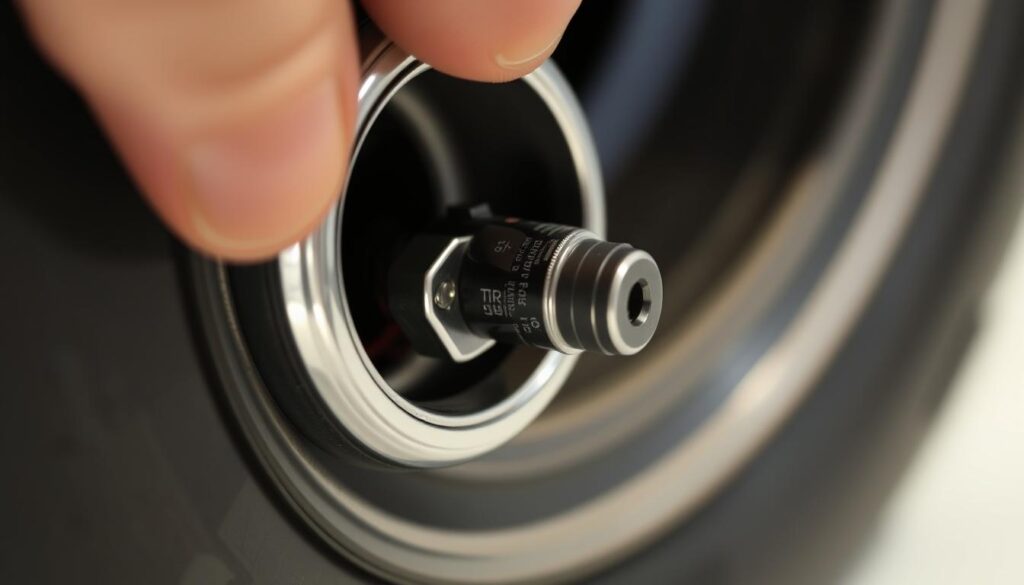
Begin by unscrewing the valve cap from each tire counterclockwise. Place all caps in a secure container to prevent loss during the installation process. Inspect the exposed valve stem for debris or damage, then wipe the stem clean with a lint-free cloth before proceeding.
Attaching Flow-Through Sensors to Valve Stems
Use a valve stem tool to carefully remove the existing valve core by turning counterclockwise. You’ll hear air escaping as the core loosens—control this release by removing the core slowly to manage tire deflation. Thread the flow-through sensor onto the valve stem by hand, turning clockwise until you feel initial resistance. This hand-tightening phase ensures proper alignment and prevents cross-threading that damages both sensor and stem.
Position sensors at or near the valve stem location for easy identification after mounting. On dual wheels, install valve stems offset by 180 degrees from each other to prevent interference and facilitate easier access during future maintenance or tire rotations.
Torque Specifications and Proper Tightening
Apply the correct torque to flow-through sensors using a calibrated torque wrench. Most manufacturers specify 4 to 7 inch-pounds for sensor components—this precise tightening prevents air leaks without damaging delicate sensor electronics. Under-tightening causes slow air leaks that trigger false tire pressure alerts over time, while over-tightening strips threads or cracks sensor housings.
Test for leaks by applying soapy water solution around the sensor connection point. Bubbles indicate escaping air that requires additional tightening or thread inspection. If leaks persist after proper torque application, inspect threads for damage or debris that prevents proper sealing. Reinflate tires to proper pressure after completing sensor installation on all wheels.
Installing Cap-Based Sensors
Cap-based sensors offer simpler installation than flow-through models, making them ideal for users seeking quick setup without tire deflation. These external sensors screw directly onto existing valve stems without removing valve cores. The straightforward process still requires attention to thread condition and proper securing techniques.
Checking Valve Stem Threads
Examine valve stem threads closely for damage, corrosion, or wear patterns that could prevent secure sensor attachment. Run your finger along the threads to feel for irregularities. Test thread condition by screwing on the original valve cap—if the cap threads smoothly and tightens securely, the valve stem will accommodate cap-based sensors properly. Rough threading or loose caps indicate valve stem replacement is needed before sensor installation.
Securing Cap Sensors Correctly
Thread cap-based sensors onto valve stems by hand in a clockwise direction. Apply firm but gentle pressure until the sensor seats completely against the valve stem base. Most cap sensors require only hand-tightening without tools—avoid using pliers or wrenches unless manufacturer instructions specifically require them. Excessive force damages sensor housings or strips valve stem threads.
Orient sensors with directional antennas according to manufacturer guidelines and verify each sensor sits flush against the valve stem without gaps. Proper seating ensures accurate pressure readings and prevents sensors from loosening during travel.
Mounting the Monitor Display in Your Tow Vehicle
The monitor display serves as your command center for tire pressure alerts and real-time monitoring. Strategic placement ensures you can view tire data without driver distraction. Choose a position within your direct line of sight that doesn’t obstruct critical driving views—dashboard tops, windshield mounts, and center console areas work well for most vehicles.
Position the monitor for strong signal reception from trailer-mounted sensors. Rear-facing locations on the dashboard typically provide better connectivity than forward positions. Test signal strength at your chosen location before permanent mounting to avoid repositioning later.
Hardwired displays require proximity to power sources like cigarette lighter outlets or USB ports. Route power cables neatly along existing trim channels to maintain a professional appearance and secure loose cables with clips to prevent interference with vehicle controls. Battery-powered monitors offer flexible placement but require accessible mounting for battery changes.
The HDJ Perspective
After years of observing trailer tire failures in fleet operations, one pattern stands out: the failures that cause the most damage are almost always preventable with real-time monitoring. TPMS technology has matured significantly—today’s systems are reliable, affordable, and genuinely effective. For fleet managers running multiple trailers, the ROI calculation is straightforward: one prevented roadside blowout typically pays for an entire fleet’s worth of monitoring systems. For owner-operators, the peace of mind alone justifies the investment. The technology works. The question is no longer whether to install TPMS, but which system best fits your operation.
Configuring and Calibrating Your TPMS
The configuration process bridges the gap between hardware installation and functional tire monitoring, ensuring each sensor communicates accurately with your display. Proper sensor calibration transforms your newly installed components into a reliable early warning system that protects against tire failures. This critical setup phase requires attention to detail and systematic procedures to guarantee optimal TPMS maintenance over the long term.
Establishing Wireless Communication Between Components
Sensor pairing initiates the wireless communication link that allows your monitor to receive data from each individual tire sensor. Most TPMS systems use radio frequency signals in the 315MHz or 433MHz range to transmit pressure and temperature information continuously.
Position your monitor within three feet of the sensor during initial pairing to ensure strong signal reception. Some sensors remain dormant until they detect wheel rotation or pressure changes, requiring you to deflate the tire slightly or roll the vehicle forward to activate transmission. The monitor will typically emit an audible beep or display a flashing indicator when it successfully detects each sensor signal.

Customizing Alert Parameters for Your Tires
Sensor calibration involves programming the specific pressure and temperature thresholds that trigger visual and audible warnings. Accurate alert settings prevent both false alarms and delayed warnings that could compromise safety during travel.
Begin by identifying your trailer’s recommended cold tire pressure from the tire sidewall or compliance placard. Enter this value as your target pressure in the monitor settings. The deviation percentage determines when preliminary warnings activate—setting a 10-15% deviation threshold provides early notification before tire pressure reaches critical levels.
| Alert Condition | Threshold | Required Action |
|---|---|---|
| Low Pressure Warning | 10-15% below target | Check tire at next safe stop |
| Critical Low Pressure | 20% below target | Stop immediately when safe |
| High Pressure Warning | 10% above target | Allow cooling, recheck pressure |
| Temperature Alert | 185°F (85°C) | Stop immediately, investigate |
Assigning Sensor Locations for Accurate Identification
Programming sensor position identification ensures the monitor displays which specific tire experiences a pressure or temperature issue. This systematic assignment process prevents dangerous confusion during actual alert situations when quick tire identification is critical for safety.
Most systems use a standardized display layout where the bottom row represents driver’s side tires and the top row represents passenger side tires. Multi-axle trailers display positions from front to rear, with dual-wheel configurations showing inner and outer positions separately.
Complete the programming sequence according to your manufacturer’s instructions, then verify correct assignment by conducting a controlled deflation test on one tire and confirming the monitor identifies the correct position. Document your alert settings and sensor positions for future reference during troubleshooting or sensor replacement procedures.
Testing Your TPMS After Installation
Testing your TPMS installation systematically confirms all components communicate properly and alerts activate when needed. Before you depend on the system during actual towing operations, comprehensive verification procedures establish whether your installation meets performance standards. These testing protocols protect your investment and enhance towing safety by identifying potential issues in a controlled environment.
Verifying Signal Reception and Range
Wireless communication between sensors and the display monitor forms the foundation of reliable TPMS operation. Start by positioning your trailer at the typical towing distance behind your vehicle with the hitch connected. This static range test simulates actual operating conditions without the complications of movement.
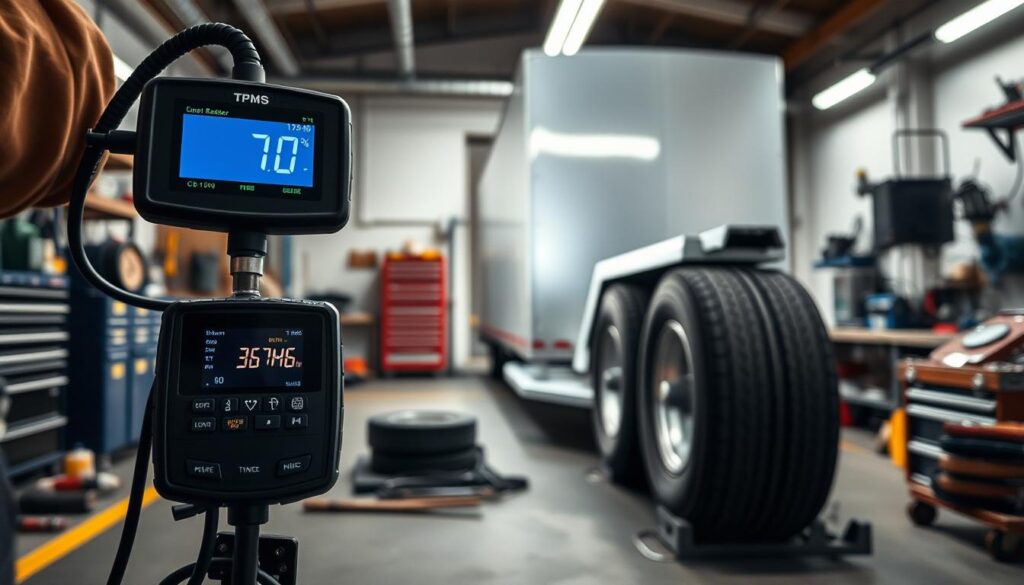
Check signal strength indicators on your monitor display if your system provides this feature. Walk around both vehicles to identify potential interference sources—metal cargo, propane tanks, or trailer construction materials can create signal dead zones. If you notice weak or intermittent signals, try repositioning the monitor display.
Checking Alert Functionality
Deliberate alert triggering confirms your TPMS will warn you when genuine problems occur. Carefully deflate one tire by approximately 5-10 PSI using a tire pressure gauge for precision. Monitor your display to verify the low-pressure warning activates at your configured threshold with both visual and audible indications.
Observe whether the alert message clearly identifies which specific tire triggered the warning. Position identification prevents confusion during real emergencies when quick response becomes critical. Reinflate the test tire to proper pressure and confirm the alert clears automatically.
Conducting a Road Test
A structured evaluation drive assesses TPMS performance under actual operating conditions. Plan a test route that includes highway speeds, turns, and backing maneuvers. During the initial miles, watch for sensor reading stability—pressure readings should remain consistent without erratic fluctuations.
As tires heat up from normal driving, expect pressure readings to increase by 2-6 PSI. This temperature-induced change represents normal operation. Monitor the system continuously for 30-45 minutes of driving to reveal any intermittent communication problems. After completing your road test, perform final manual tire pressure checks using your reference gauge and compare these measurements to displayed values.
Free Professional Fleet Tools
Cost calculators, fault code lookup, maintenance planners, and more—built for owner-operators, fleet managers, and diesel techs. No signup required.
Common TPMS Problems and Solutions
When your trailer tire pressure monitoring system acts up, knowing the right diagnostic steps can save time and prevent costly roadside emergencies. TPMS troubleshooting becomes significantly easier when you understand the relationship between symptoms and their root causes. Most operational issues fall into four main categories that respond well to systematic diagnostic approaches.
Sensor Not Communicating with Monitor
Communication failures between sensors and display monitors represent the most common TPMS complaint. Standard wireless sensor ranges extend 40-60 feet, but physical barriers can significantly reduce this distance. Metal trailer frames, cargo loads, and aluminum body panels create signal interference that disrupts communication.
If sensors worked initially but stopped communicating, try repositioning your display monitor closer to the front of your tow vehicle. Extended trailers or fifth-wheels may require signal boosters or repeaters to maintain reliable communication. Low sensor battery alerts indicate batteries approaching end of life and should be replaced immediately—typical sensor battery life ranges from three to seven years depending on usage patterns.

Inaccurate Pressure Readings
Measurement discrepancies don’t always indicate system failure. Sensors may require recalibration after installation or battery replacement—calibration drift typically shows as consistent offset errors across one or more sensors rather than random fluctuations. If readings differ by more than 3-4 PSI from manual gauge measurements, recalibration is necessary.
Tire pressure naturally fluctuates with temperature changes according to basic physics. Pressure typically increases 1-2 PSI for every 10°F temperature rise, meaning readings vary between cold morning starts and highway operating conditions. Your system should account for gradual changes while alerting you to rapid drops that indicate genuine tire problems.
False Alerts and Warning Messages
Nuisance tire pressure alerts without actual tire problems frustrate many TPMS users. Cold tire warnings at startup are normal when morning temperatures drop significantly overnight—pressure readings stabilize after several miles of driving. Alert threshold settings that are too sensitive create false alarms during normal pressure fluctuations. Adjust your warning thresholds to trigger only when pressure drops 15-20% below recommended levels.
Battery and Power Issues
Display monitors require reliable power to maintain sensor communication and generate timely alerts. Portable monitors with internal batteries need regular recharging—displays that shut down unexpectedly or show dim screens indicate low battery conditions. Hardwired displays may experience power interruptions from loose connections or blown fuses. Sensor battery life directly affects system reliability, so plan to replace or upgrade sensors every five years as preventive maintenance.
Advanced Troubleshooting Techniques
Persistent communication failures and unusual system behavior demand deeper technical investigation to restore proper TPMS functionality. When standard diagnostic procedures fail to resolve issues, advanced troubleshooting methods provide the systematic approach needed to identify and correct complex malfunctions.
Signal Interference Problems
Radio frequency interference represents one of the most frustrating TPMS challenges because symptoms appear intermittent and unpredictable. Most TPMS systems operate on 315 MHz or 433 MHz frequencies, and interference from other electronic devices can block or corrupt communication. Common interference sources include CB radios, LED lighting systems, radar detectors, and cellular signal boosters.
Systematic elimination testing provides the most effective method for pinpointing interference sources. Temporarily disable suspected electronic devices one at a time while monitoring TPMS performance. Strategic monitor placement overcomes reception challenges caused by signal path obstruction—dashboard placement typically provides superior reception compared to locations behind the steering wheel or near metal surfaces.
Sensor Replacement Procedures
Failed sensors require complete replacement when battery depletion, physical damage, or electronic malfunction prevents proper operation. The Technology & Maintenance Council (TMC) publishes recommended practices for tire pressure monitoring that include guidance on sensor replacement intervals and procedures.
Begin sensor replacement by completely depressurizing the affected tire. Apply penetrating lubricant to seized or corroded sensors and allow 10-15 minutes for penetration. Never force a stuck sensor—excessive torque can damage the valve stem and require complete valve stem replacement. Clean valve stem threads thoroughly before installing the new sensor, then re-pair and recalibrate with your monitor.
Monitor Reset and Reprogramming
Complete system resets clear all programming and return monitors to factory default states. This becomes necessary when changing trailers, reconfiguring wheel positions, or resolving persistent software glitches. The reset process erases all sensor pairings, position assignments, and custom alert thresholds—you must reconstruct the complete TPMS configuration from scratch after performing a factory reset.
Document your TPMS configuration settings, including sensor ID numbers and position assignments. This reference information simplifies future troubleshooting and accelerates reprogramming if another reset becomes necessary.
Maintaining Your Trailer TPMS
Proactive maintenance of your TPMS prevents most operational problems before they affect your towing safety. A systematic care approach maximizes system longevity and ensures accurate monitoring throughout years of service. Regular attention to your tire pressure monitoring equipment protects your investment and maintains the reliability you depend on during every trip.
Scheduled System Inspections
Creating a structured inspection schedule ensures no maintenance activities get overlooked. Pre-trip inspections should occur before every towing journey—verify that all sensors display current readings, confirm no warning indicators appear, and conduct a visual examination of sensors for obvious physical damage.
Monthly maintenance provides deeper system evaluation including physical condition checks for corrosion or deterioration, display unit functionality testing, and accuracy comparison against manual pressure measurements. Annual comprehensive service includes battery condition testing, complete system recalibration, and software updates on compatible systems.
Battery Performance and Replacement
Sensor battery life directly impacts system reliability and performance. Several warning signs indicate declining battery performance: intermittent communication, reduced signal range compared to initial installation, or explicit low-battery alerts on modern systems. Document sensor installation dates to track expected battery lifespan.
Individual sensor replacement addresses immediate failures cost-effectively, but replacing all sensors simultaneously prevents staggered future failures. Non-replaceable battery sensors require complete unit replacement when power depletes—budget for eventual sensor replacement as part of long-term TPMS maintenance planning.
Cleaning and Protection Procedures
Proper cleaning extends sensor lifespan and maintains accurate operation. Use mild soap and water for routine sensor cleaning, avoiding harsh chemical cleaners that degrade rubber seals. Apply anti-seize compound to threaded connections during maintenance to prevent corrosion from bonding threads together over time.
Communicate with tire technicians about TPMS sensor presence before service begins. Request careful handling during mounting and dismounting operations, and inspect sensors immediately after tire work to identify any service-related damage.
TPMS Safety Best Practices
Safe towing with TPMS technology extends beyond installation to include systematic pre-trip inspections and informed responses to monitoring alerts. Your tire pressure monitoring system serves as an early warning mechanism, but maximizing trailer tire safety requires understanding proper verification procedures and developing appropriate response protocols.
Essential Verification Procedures Before Every Trip
Conducting thorough tire pressure checks before each towing trip establishes a baseline of system functionality and tire condition. Start by confirming that your TPMS display activates properly and shows current readings from all sensors. Manual verification using a calibrated pressure gauge remains critical for confirming TPMS accuracy—compare gauge readings against your monitor display for each tire.
Your pre-trip inspection should verify monitor functionality, manually measure and compare pressures, visually inspect for damage, confirm alert thresholds match load conditions, and test sensor battery indicators. The Federal Motor Carrier Safety Administration provides tire inspection guidance that supports comprehensive pre-trip verification protocols.
Appropriate Actions When Receiving Monitoring Alerts
Understanding how to respond to different TPMS warnings significantly impacts towing safety outcomes. Alert severity determines the urgency of your response. Pressure deviation alerts indicate gradual pressure loss—continue monitoring while proceeding carefully to the nearest safe stopping area. Critical low-pressure alerts require immediate safe stopping and tire inspection before continued operation.
High-temperature alerts signal the most dangerous conditions and require immediate action. These warnings indicate under-inflation, dragging brakes, or wheel bearing failure that demands investigation before proceeding. Never ignore or dismiss TPMS alerts during towing operations—each warning indicates a genuine developing problem that will worsen without intervention.
Temperature-Related Adjustments Throughout the Year
Changing ambient temperatures significantly affect tire pressures and TPMS operation. Tire pressure drops approximately one PSI for every 10°F temperature decrease, meaning winter operation demands careful attention to both inflation levels and alert thresholds. Adjust tire pressure checks to compensate for temperature drops, adding air as needed to maintain proper inflation.
Summer operation presents opposite challenges, with rising temperatures increasing tire pressures above cold inflation values. Anticipate pressure gains of 2-4 PSI during highway operation in hot weather without adjusting baseline settings. Seasonal recalibration procedures include checking cold tire pressures when temperatures shift significantly, typically during spring and fall transitions.
Frequently Asked Questions
How long do TPMS sensor batteries last on a trailer?
Most trailer TPMS sensor batteries last between 3 to 7 years depending on transmission frequency and environmental conditions. Flow-through sensors typically achieve longer battery life (3-5 years) compared to cap-based sensors (12-18 months) because they transmit less frequently and are better protected from the elements. Extreme temperature exposure, frequent monitoring intervals, and heavy vibration can reduce battery longevity. Many modern systems display low-battery alerts before complete failure, providing time for replacement before losing monitoring capability. Plan for sensor replacement as part of your regular maintenance schedule to avoid unexpected monitoring gaps.
Can I install TPMS sensors on my trailer myself?
Yes, trailer TPMS installation is a manageable DIY project for most trailer owners with basic mechanical skills. Cap-based sensors require only hand-tightening onto existing valve stems and take about 5 minutes per tire with no special tools. Flow-through sensors require a valve core removal tool and torque wrench, taking 15-20 minutes per tire. The key requirements are proper tools, correct torque application (typically 4-7 inch-pounds for sensor components), and systematic pairing with the monitor display. Always allow tires to cool completely before installation and follow manufacturer instructions for your specific system.
What is the best TPMS for trailer towing?
The best trailer TPMS depends on your usage patterns and trailer configuration. For frequent travelers and commercial operators, flow-through sensors with dedicated dashboard monitors offer superior durability, theft resistance, and reliability over the long term. For seasonal recreational trailers, cap-based sensors provide easier installation and lower initial cost while still delivering effective monitoring. Key features to prioritize include temperature monitoring capability, adequate signal range for your trailer length (150+ feet for extended trailers), programmable alert thresholds, and multi-tire position identification that clearly shows which tire has an issue.
Why does my trailer TPMS keep giving false alerts?
False TPMS alerts typically result from overly sensitive threshold settings, temperature-related pressure variations, or signal interference. Tire pressure naturally fluctuates 1-2 PSI for every 10°F temperature change, so cold morning startups commonly trigger warnings that resolve after driving. Adjust alert thresholds to trigger at 15-20% below target pressure rather than minor variations. Radio frequency interference from CB radios, LED lighting, or radar detectors can also cause intermittent communication failures that trigger false alerts. Repositioning the monitor display or identifying and eliminating interference sources usually resolves these issues.
Do I need TPMS on my trailer if my tow vehicle already has it?
Yes, a separate trailer TPMS is essential because your tow vehicle’s factory system only monitors the tow vehicle’s tires—it has no capability to monitor trailer tires. Trailer tires face unique stress factors including uneven weight distribution, extended highway speeds, and complete lack of driver visibility or feel for developing problems. Since 90% of tire failures stem from under-inflation and nearly half of roadside emergencies involve tire problems, dedicated trailer monitoring provides critical early warning for conditions you cannot see or feel from the driver’s seat.
How accurate are trailer TPMS sensors?
Quality trailer TPMS sensors typically maintain accuracy within 1-3 PSI of actual tire pressure when properly installed and calibrated. Accuracy depends on sensor quality, correct installation torque, and proper calibration procedures during initial setup. Compare sensor readings against a known-accurate dial gauge periodically to verify continued accuracy. Calibration drift usually shows as consistent offset errors across sensors rather than random fluctuations. If readings differ by more than 3-4 PSI from manual measurements, recalibration or sensor replacement may be necessary to restore reliable monitoring.
Protecting Your Investment with Proactive Monitoring
Proper trailer TPMS installation transforms your towing experience from reactive to proactive, addressing the reality that the vast majority of tire failures stem from under-inflation conditions that develop gradually without driver awareness. A tire pressure monitoring system catches these problems before they escalate into dangerous blowouts on the highway.
Success with your TPMS requires attention to three critical phases. First, careful installation following the procedures outlined in this guide ensures sensors communicate reliably with your monitor. Second, systematic configuration and testing verifies that alerts activate at appropriate thresholds. Third, regular maintenance preserves accuracy throughout years of service.
Your TPMS functions best as part of complete tire care that includes visual inspections before each trip, periodic manual pressure checks to verify sensor accuracy, and attention to tread wear patterns that identify alignment issues early. The investment in trailer tire safety through proper TPMS installation delivers substantial returns: real-time awareness, fewer roadside emergencies, extended tire life, and the confidence that continuous monitoring brings to every towing trip.
Found This Guide Useful?
Share it with fellow fleet managers and owner-operators who could benefit from improved trailer tire safety. Practical knowledge shared across the industry makes the roads safer for everyone.


