
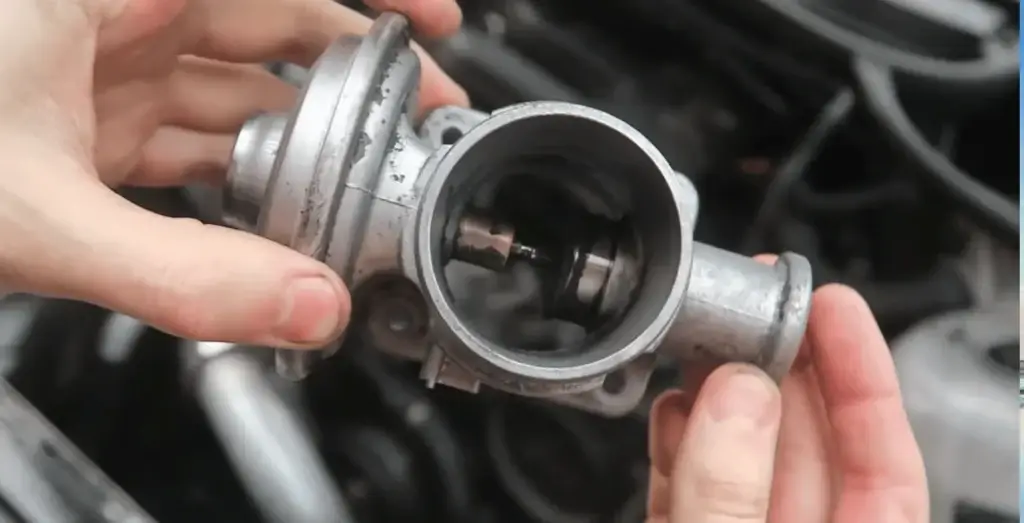
Modern commercial vehicles and heavy-duty diesel trucks rely on sophisticated emissions control technology to meet regulatory standards while maintaining optimal engine performance. At the center of this system sits the EGR valve—a component that directly impacts your fleet’s operational efficiency, compliance status, and long-term maintenance costs. Proper EGR valve maintenance prevents carbon buildup, reduces unexpected downtime, and protects expensive engine components from premature failure.
The exhaust gas recirculation system works by redirecting a portion of exhaust gases back into the combustion chamber, lowering combustion temperatures and significantly reducing nitrogen oxide emissions. When this system fails, commercial vehicle operators face failed emissions inspections, decreased fuel economy, and potential engine damage that can cost thousands in repairs.
This comprehensive guide covers diagnostic procedures, step-by-step cleaning instructions, replacement timing, and cost considerations for fleet managers and diesel technicians. Whether you maintain a single truck or manage an entire commercial fleet, understanding when to clean versus replace your EGR components saves money and keeps vehicles compliant with EPA and state emissions requirements.
Last Updated: December 2025
Key Takeaways
- EGR systems reduce NOx emissions by 40-60% through exhaust gas recirculation that lowers combustion temperatures, helping commercial vehicles meet EPA standards.
- Diesel engines require EGR service every 30,000-50,000 miles depending on duty cycle, with Powerstroke, Cummins, and Duramax applications each having specific interval requirements.
- Proper diagnosis prevents misdiagnosis by combining visual inspection, OBD-II scanner data, and valve flow testing before determining cleaning versus replacement needs.
- Preventive maintenance saves $3,000-$8,000 over vehicle lifetime by avoiding catalytic converter damage, turbocharger contamination, and intake system carbon buildup.
- Quality fuel and proper driving habits extend EGR system life by 40-60% compared to vehicles operated primarily in urban stop-and-go conditions.
Understanding the EGR System and Its Critical Function in Commercial Vehicles
Understanding how your commercial vehicle’s EGR system operates is essential for maintaining both compliance with emission standards and optimal engine health. This component represents a critical balance between reducing harmful pollutants and maintaining the power fleet operators expect from their equipment. For diesel technicians and fleet maintenance managers, thorough knowledge of EGR system function directly translates to more efficient diagnostic procedures and reduced repair costs.
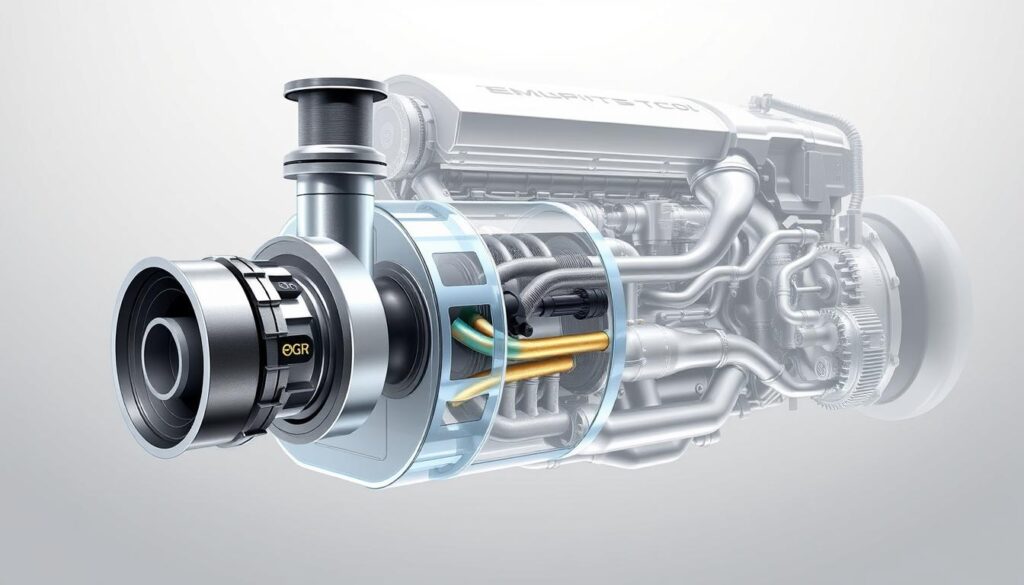
What Is an EGR Valve and How It Works
The EGR valve is a mechanical component typically located near the intake or exhaust manifold of diesel and gasoline engines. This valve controls the flow of exhaust gases back into the combustion chamber through precise opening and closing mechanisms. Modern EGR valve operation in commercial trucks relies primarily on electronic actuators controlled by the engine control module, though some older fleet vehicles may still use vacuum-operated systems.
The valve assembly consists of a housing, pintle, and seat that work together to regulate exhaust flow rates. When the engine reaches specific operating conditions based on load, speed, and temperature, the valve opens to allow controlled amounts of exhaust gas to enter the intake system. In heavy-duty diesel applications, the EGR valve must handle significantly higher exhaust volumes and temperatures than passenger vehicle components.
The Exhaust Gas Recirculation Process
The exhaust gas recirculation process follows a precise pathway through your engine’s systems. Exhaust gases travel from the exhaust manifold through dedicated passages—and often through an EGR cooler in diesel applications—before reaching the EGR valve. From there, the gases flow into the intake manifold where they mix with incoming fresh air before entering the combustion chambers.
This mixture dilutes the oxygen concentration entering the cylinders, which directly affects combustion characteristics. The recirculated exhaust acts as an inert gas that absorbs heat during combustion, effectively lowering peak combustion temperatures from approximately 2,500°F to below 2,000°F in diesel engines. This temperature reduction is the primary mechanism for controlling nitrogen oxide formation.
Role in Emissions Control and Engine Performance
The primary purpose of the EGR system is NOx reduction. Nitrogen oxides form when combustion temperatures exceed approximately 2,500°F, combining atmospheric nitrogen with oxygen under extreme heat. By implementing combustion temperature control, the EGR valve dramatically decreases NOx formation, allowing commercial vehicles to meet EPA heavy-duty engine emission standards.
Beyond emissions compliance, the EGR system also prevents engine knock and can improve fuel economy under certain operating conditions. The system protects engine components from excessive thermal stress while maintaining the performance that commercial operators require. However, excessive EGR flow can negatively impact power output, which is why precise electronic control is essential in modern heavy-duty applications.
Integration with Modern Engine Management Systems
Today’s commercial vehicles feature sophisticated engine management systems that continuously monitor and adjust EGR valve position. The engine control unit receives data from multiple sensors including oxygen sensors, intake manifold pressure sensors, exhaust gas temperature sensors, and mass airflow sensors. This information allows the ECU to calculate optimal EGR flow rates based on engine load, speed, and operating temperature.
Modern electronic control provides significantly more precise regulation than older vacuum-operated designs. The ECU adapts EGR operation in real-time, ensuring maximum efficiency across all driving conditions while protecting the engine from harmful emissions spikes. Many fleet management systems can also monitor EGR-related fault codes remotely, enabling proactive maintenance scheduling.
Recognizing the Warning Signs of EGR Valve Failure
Early detection of EGR valve problems prevents expensive engine damage and keeps your emissions system functioning properly. Most malfunctioning valves produce multiple indicators that become progressively worse when ignored. For fleet maintenance personnel, understanding these warning signs enables faster diagnosis and reduces vehicle downtime.
The key to effective diagnosis lies in recognizing patterns rather than isolated incidents. When you observe two or more symptoms occurring simultaneously, your EGR system likely requires immediate attention.
Check Engine Light and Diagnostic Trouble Codes
The check engine light serves as your vehicle’s primary warning system for EGR malfunctions. Your engine control unit continuously monitors EGR performance through position sensors, mass airflow readings, and exhaust gas temperature data. When abnormalities are detected, specific diagnostic trouble codes illuminate the dashboard warning light.
The most common EGR-related codes include P0401, which indicates insufficient EGR flow typically caused by carbon blockage in passages. P0404 signals an EGR valve circuit malfunction, often related to electrical connector problems or sensor failure. P0400 points to general EGR flow issues, while P0403 identifies electrical circuit problems. Using an OBD-II scanner provides immediate access to these codes along with freeze frame data that shows exactly when and under what conditions the failure occurred.
Rough Idling and Stalling Issues
A stuck-open EGR valve creates distinctive performance problems at idle. Excessive exhaust gases enter the intake manifold when the engine runs at low speed, diluting the air-fuel mixture beyond optimal combustion levels. This condition produces a noticeably rough idle with uneven engine vibrations that experienced technicians recognize immediately.
Engine stalling frequently occurs when the mixture becomes too lean for stable combustion. Commercial vehicles may struggle to maintain idle speed at traffic lights or experience complete shutdown during deceleration. These symptoms worsen in cold weather when precise fuel mixture control becomes even more critical for stable engine operation.
Decreased Fuel Economy and Power Loss
Malfunctioning EGR valves directly impact your vehicle’s efficiency and performance. A fuel consumption increase between 5-15% commonly results as the engine management system compensates for improper mixture ratios. For commercial fleets operating on tight margins, this efficiency loss translates directly to increased operating costs.
Acceleration becomes noticeably sluggish, particularly during highway merging or hill climbing with heavy loads. The engine struggles to generate adequate power when exhaust gases displace fresh air in the combustion chamber. This performance degradation gradually worsens as carbon deposits accumulate, making regular monitoring essential for fleet operations.
Failed Emissions Testing Results
A non-functional EGR system produces measurable consequences during state-mandated inspections. Emissions test failure occurs when nitrogen oxide levels exceed acceptable regulatory limits established by the EPA regulations for vehicle emissions. States with strict inspection requirements immediately flag elevated NOx readings, preventing vehicle registration renewal until proper repairs restore emission levels to legal standards.
For commercial vehicle operators, failed emissions inspections mean immediate removal from service until repairs are completed. This downtime represents lost revenue and potential contract penalties that far exceed the cost of preventive EGR maintenance.
Diagnosing EGR Valve Problems Accurately
Pinpointing EGR valve failures accurately saves time and money while preventing unnecessary part replacements. Proper troubleshooting requires combining several diagnostic tools and techniques in a systematic approach. Effective diagnosis starts with understanding what each testing method reveals and how multiple inspection strategies work together to confirm the root cause.
Visual Inspection Techniques
Begin your visual inspection by locating the EGR valve on your engine—most valves mount between the exhaust manifold and intake manifold. Check all electrical connections for corrosion, loose pins, or damaged wiring that could trigger false error codes. In commercial diesel applications, also inspect the EGR cooler connections and associated piping for signs of coolant leaks or exhaust bypass.
Examine vacuum lines on older systems for cracks or disconnections. Look carefully at the valve mounting surface for carbon buildup seeping from the edges, as this external buildup indicates severe internal blockage requiring immediate attention. A healthy EGR valve should have clean electrical contacts and intact gasket surfaces without oil residue or heavy carbon deposits.
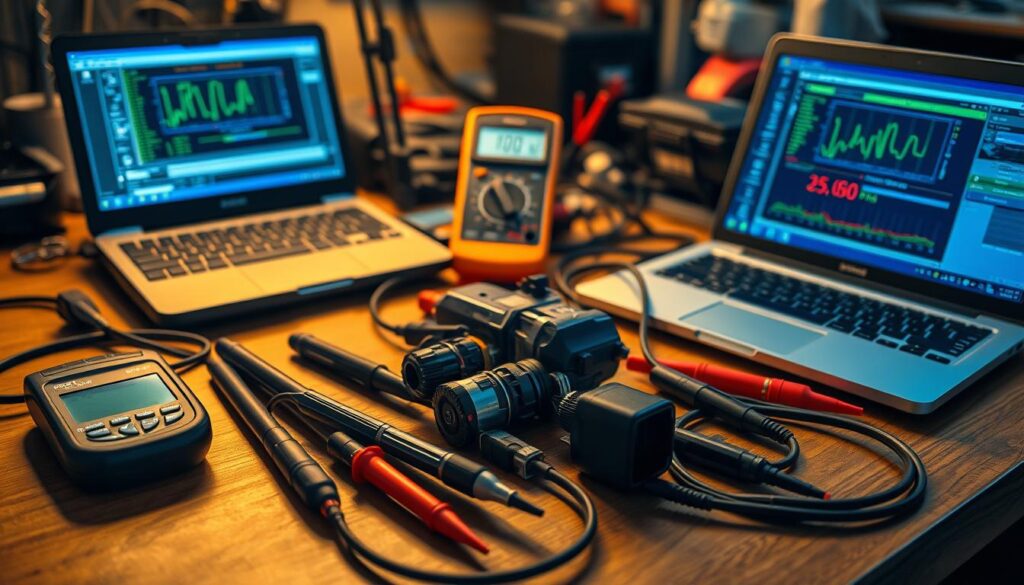
Using OBD-II Scanners and Diagnostic Tools
Connect your OBD-II scanner to the vehicle’s diagnostic port located under the dashboard. Navigate to the diagnostic trouble code section to read both stored and pending codes. Common EGR-related codes include P0400 through P0409, with each code pointing to specific system components or conditions.
The most valuable diagnostic feature is live data monitoring. Watch the EGR valve commanded position versus actual position during engine operation—significant discrepancies reveal mechanical failures even without stored codes. Professional-grade diagnostic tools can command EGR valve actuation, allowing real-time verification of valve response and movement. Delayed or incomplete response indicates valve sticking or electrical problems that require further investigation.
Testing Valve Operation and Flow
Perform engine-off tests by manually checking valve movement where accessible. Remove the valve and gently push the valve plate—you should feel smooth, consistent resistance without binding or complete seizure. Any grinding sensation or uneven movement indicates internal damage or severe carbon buildup.
During engine-running tests, monitor intake manifold vacuum changes. When the EGR valve opens, vacuum readings should drop as exhaust gases enter the intake system. No vacuum change means the valve isn’t opening properly and requires service. For vacuum-operated valves on older equipment, apply 15-20 inches of vacuum with a hand pump and verify the valve moves and holds vacuum without leaking.
Identifying Carbon Buildup and Blockages
Carbon deposits represent the primary cause of EGR valve failure in diesel engines. Light surface deposits appear as dark, powdery residue that wipes away easily—these typically respond well to cleaning procedures. Heavy crystallized buildup forms hard, rock-like masses throughout valve passages that often require valve replacement rather than cleaning attempts.
Assess buildup severity by examining passage restriction. If less than 50% of the opening remains clear, replacement becomes more cost-effective than cleaning. The following table summarizes diagnostic methods and their applications:
| Diagnostic Method | What It Reveals | Skill Level |
|---|---|---|
| Visual Inspection | External damage, connection issues, surface carbon | Beginner |
| OBD-II Scanner | Error codes, valve position data, system performance | Intermediate |
| Valve Flow Testing | Mechanical operation, vacuum response, movement quality | Intermediate |
| Carbon Assessment | Buildup severity, passage restriction, cleaning viability | Beginner |
Complete EGR Valve Cleaning Guide
Successfully cleaning an EGR valve combines proper preparation, effective methods, and thorough testing to ensure optimal results. Whether you’re a seasoned diesel technician or a capable fleet maintenance professional, following these procedures will help you achieve professional-quality results.
Essential Tools and Cleaning Materials
Gathering the right equipment before starting ensures a smooth, efficient process. Having proper cleaning solutions and tools prevents damage to sensitive components while maximizing carbon removal effectiveness. Your essential toolkit should include:
- Metric socket set with 10mm, 12mm, and 13mm sizes (most common for EGR mounting bolts)
- 6-12 inch extension rod for reaching valves in tight engine compartments
- Torque wrench calibrated to 15-25 ft-lbs for proper reinstallation
- Gasket scraper or plastic pick to remove old gasket material without scratching surfaces
- Throttle body cleaner or carburetor cleaner formulated specifically for carbon deposits
- Wire brush with brass or nylon bristles to avoid damaging valve surfaces
- New EGR gasket (never reuse old gaskets as they lose sealing capability)
- Nitrile gloves and safety goggles for chemical and debris protection
- Clean lint-free rags for wiping surfaces and applying cleaners
Avoid harsh solvents that can damage oxygen sensors and other electronic components. Specialized throttle body cleaner dissolves carbon buildup without harming delicate engine management sensors.
Safe Removal of the EGR Valve
Safety must be your first priority during EGR valve removal. Wait at least two hours after engine operation to ensure all components have cooled completely, preventing serious burns from hot metal surfaces. This cooling period is especially important on diesel engines, which run at higher exhaust temperatures than gasoline applications.
Begin by disconnecting the negative battery terminal to prevent electrical shorts. Use masking tape and a permanent marker to label all electrical connectors and vacuum lines before disconnection—this simple step prevents confusion during reassembly and saves significant troubleshooting time. Take smartphone photographs of all connections from multiple angles for reference.
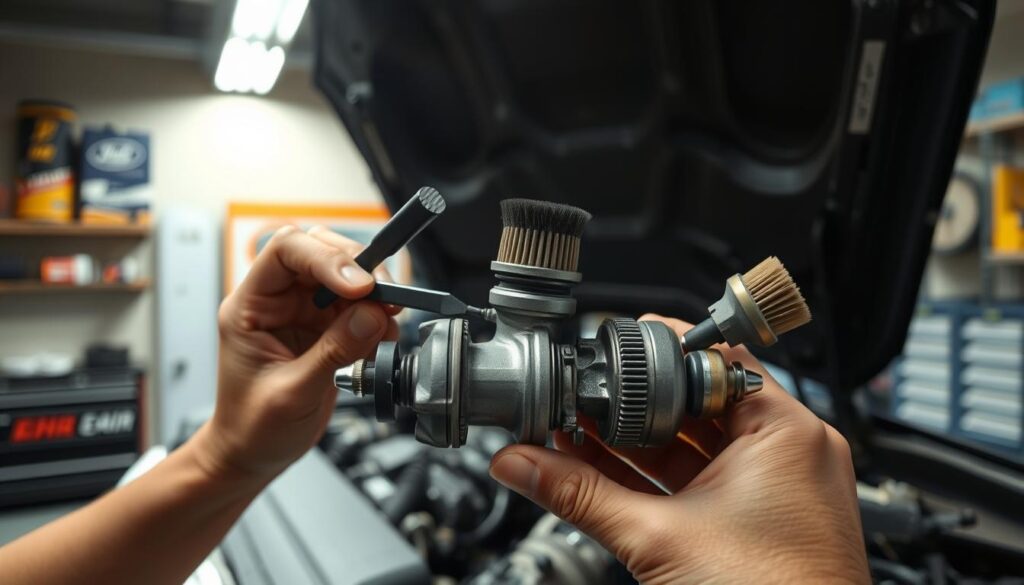
Carefully support the valve with one hand while removing mounting bolts to prevent dropping and damaging threads in the manifold. Thread damage can lead to expensive repairs that far exceed the cost of careful handling.
Effective Cleaning Methods and Techniques
Three primary cleaning methods offer different advantages depending on carbon buildup severity and available resources. Understanding each approach helps you select the most appropriate technique for your situation.
Manual cleaning represents the most accessible method for fleet maintenance operations. Spray throttle body cleaner liberally on all valve surfaces and allow 15-20 minutes soak time. Scrub thoroughly with a wire brush, focusing on passages and pintle areas where carbon accumulates. This labor-intensive approach requires proper ventilation but delivers excellent results for moderate buildup.
Dry ice cleaning has emerged as a revolutionary carbon removal technique used by many commercial diesel shops. High-speed dry ice particles blast carbon deposits, then sublimate instantly without leaving residue. This method avoids chemical exposure and reaches areas manual cleaning cannot access. However, specialized equipment typically limits this option to professional service facilities.
Ultrasonic cleaning uses high-frequency sound waves in specialized cleaning solutions to penetrate all passages. Professional shops often employ this method for thorough valve restoration without extensive manual scrubbing, making it efficient for high-volume fleet maintenance operations.
Cleaning EGR Passages and Related Components
Cleaning the valve alone provides incomplete results because carbon accumulates throughout the entire EGR system. EGR passage cleaning in the intake manifold is equally critical for restoring proper exhaust gas recirculation flow and preventing rapid re-contamination of your freshly cleaned valve.
Spray cleaner directly into the manifold opening where the valve mounts. Use flexible brushes or pipe cleaners to scrub accessible passage areas, working the tool back and forth to dislodge carbon deposits. Wrap clean rags around long screwdrivers to reach deeper passages and wipe away dissolved carbon. Many technicians report that neglecting passage cleaning results in valve failure recurring within 5,000-10,000 miles instead of lasting 50,000 miles or more.
Proper Reinstallation and System Testing
Correct reinstallation determines whether your cleaning effort delivers lasting results or leads to vacuum leaks and continued problems. Position the new gasket with correct orientation, as some designs have specific up and down sides marked by notches or printing.
Apply anti-seize compound to bolt threads before installation to prevent future seizure in aluminum manifolds. Torque mounting bolts in a cross-pattern sequence to manufacturer specifications, typically 15-22 ft-lbs depending on your vehicle model. Following FMCSA Part 396 inspection and maintenance requirements, document all EGR service in your vehicle maintenance records.
Reconnect all electrical connectors and vacuum lines according to your labels and photographs. Start the engine and listen carefully for hissing sounds that indicate vacuum leaks requiring immediate attention. Use an OBD-II scanner to clear diagnostic trouble codes, then perform a 15-20 minute test drive under varying conditions. Monitor for check engine light reappearance and verify smooth idle quality.
Stay Current on Diesel Maintenance Best Practices
Get expert guidance on EGR system service, emissions compliance, and fleet maintenance strategies delivered directly to your inbox. Join thousands of diesel professionals who rely on Heavy Duty Journal for actionable technical insights.
When to Replace Rather Than Clean Your EGR Valve
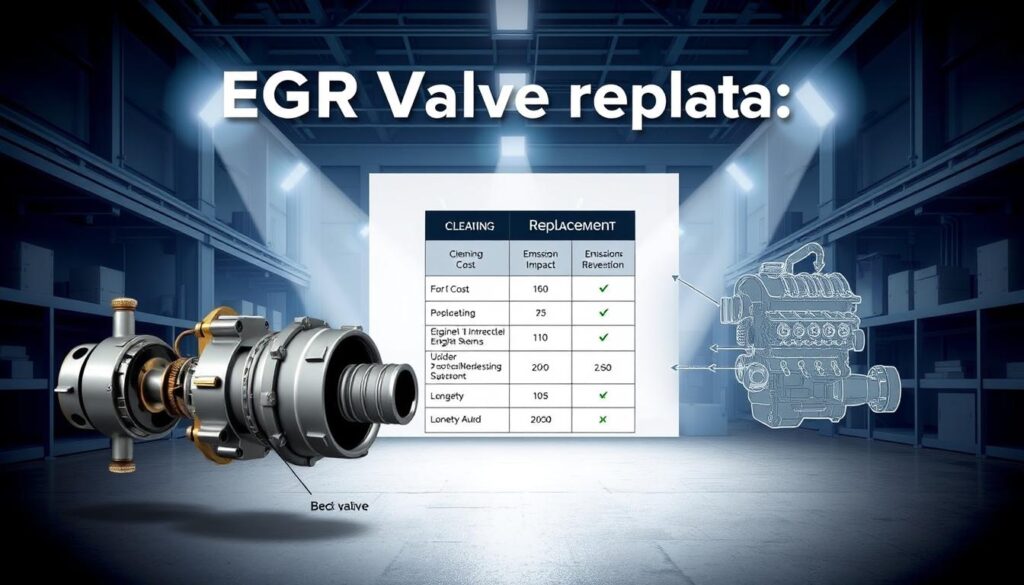
The decision between cleaning and replacing an EGR valve hinges on specific damage indicators that signal when restoration is no longer feasible. Recognizing these conditions early prevents wasted time and resources on components that cannot be salvaged through cleaning alone.
Identifying Irreparable Damage
Certain conditions indicate irreparable damage that cleaning cannot resolve. Carbon deposits crystallized into rock-hard formations resist even aggressive chemical cleaners, signaling prolonged neglect that has permanently compromised valve function. Passages completely blocked with carbon that cannot be mechanically removed without damaging the valve body require replacement.
Electronic components showing electrical resistance outside manufacturer specifications when tested with a multimeter indicate internal failures beyond cleaning. A valve pintle that remains seized after cleaning attempts demonstrates internal mechanism damage that prevents proper valve movement regardless of surface cleanliness.
Valve Warping and Structural Failures
Repeated heat cycling causes metal fatigue, particularly in diesel engines operating at higher exhaust temperatures. Valve warping becomes apparent when placing a straightedge across the mounting surface reveals gaps exceeding 0.003 inches. Cracks in the valve body commonly appear around bolt bosses and indicate structural failure that compromises sealing capability.
Valve seat erosion or pitting prevents proper sealing even when carbon deposits are removed completely. For fleet operations, warped or cracked valves should be replaced immediately to prevent exhaust leaks and potential engine damage.
Mileage and Age Thresholds
Diesel engines typically require EGR valve replacement every 80,000 to 120,000 miles depending on the specific model and operating conditions. Powerstroke, Cummins, and Duramax applications follow these mileage thresholds for optimal performance, with severe-service applications often requiring earlier replacement.
Gasoline engines in commercial applications may function with periodic cleaning until reaching 100,000 to 150,000 miles. Beyond these ranges, internal wear necessitates replacement to maintain proper EGR function and emissions compliance. Fleet maintenance managers should track individual vehicle EGR service history to identify patterns and optimize replacement intervals.
Cost-Benefit Analysis of Replacement
A valve requiring cleaning multiple times within 30,000 miles indicates underlying failure that makes replacement more economical. Original equipment valves exceeding 100,000 miles provide better long-term value through replacement rather than continued maintenance attempts.
The cost-benefit analysis often favors replacement when labor costs are already incurred. The price difference between cleaning supplies and a new valve typically ranges from $50 to $150, minimal compared to repeating the service if cleaning proves inadequate.
EGR Valve Replacement: Step-by-Step Process
Replacing a failed EGR valve requires careful planning, proper parts selection, and methodical execution to ensure lasting results. The replacement process typically takes 1-2 hours for most gasoline engines, though diesel applications with coolers and associated lines may require 3-5 hours.
Choosing Between OEM and Aftermarket Valves
The OEM versus aftermarket decision significantly impacts replacement longevity and performance. Original Equipment Manufacturer parts guarantee exact fitment and calibration matching your ECU programming, typically including warranties covering 3 years or 36,000 miles—though they cost 30-50% more than alternatives.
Quality aftermarket brands like Dorman, Standard Motor Products, and ACDelco offer substantial savings while maintaining reliability. These parts meet or exceed original specifications for most applications. Budget aftermarket options should be avoided, as they frequently fail within 12-24 months, ultimately costing more through repeated replacement. For commercial fleets, diesel engines and vehicles under warranty benefit most from OEM parts.
Required Tools and Preparation
Proper preparation prevents delays and complications during the installation process. Gather all necessary equipment before beginning work to maintain efficient workflow. Your toolkit should include a metric socket set with various extensions, torque wrench calibrated for accurate fastener tightening, new EGR valve and complete gasket set, penetrating oil for rusty bolts, wire brush and gasket scraper, throttle body cleaner, and an OBD-II scanner for code clearing after installation.
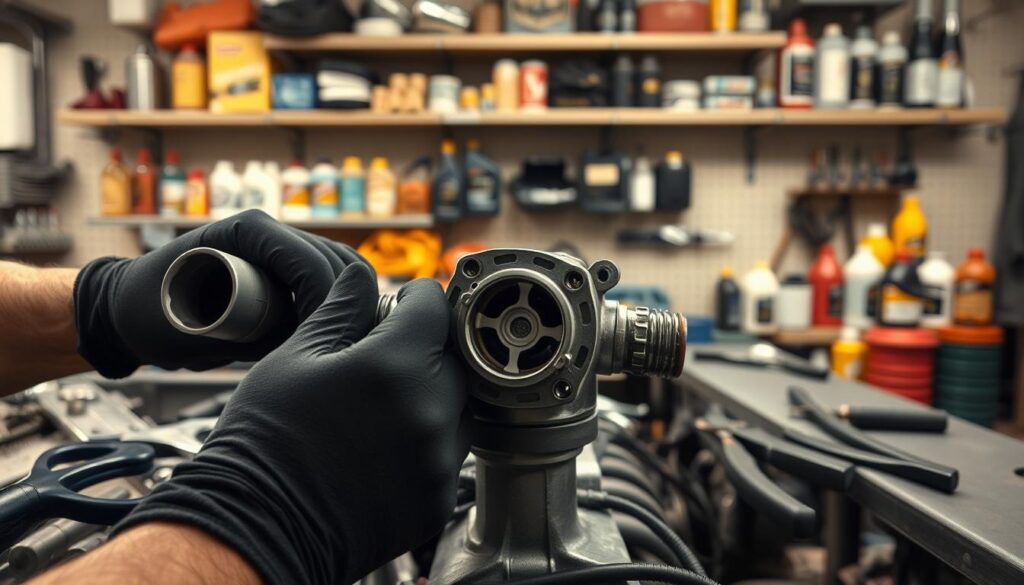
Park on a level surface and allow complete engine cooling before starting. Disconnect the battery negative terminal to prevent electrical shorts. Review your vehicle-specific service manual for torque specifications and special procedures that may apply to your application.
Removal of the Old Valve
The valve removal procedure begins with applying penetrating oil to all fasteners. Allow 15-30 minutes for the oil to penetrate—this critical step prevents broken bolts that can turn a simple job into an expensive repair. Broken exhaust bolts are especially common on high-mileage diesel trucks due to repeated heat cycling.
Carefully disconnect electrical connectors by depressing locking tabs rather than pulling wires. Remove any components blocking access, such as air intake tubes, engine covers, or heat shields. Support the valve while removing final bolts to prevent it from falling into the engine bay. Extract the old valve carefully, noting its orientation for proper new valve installation.
Installing the New EGR Valve
Thoroughly clean all mating surfaces with a gasket scraper and solvent. Any remaining gasket material or carbon deposits will compromise the seal and cause vacuum leaks that trigger diagnostic codes. Inspect passages for carbon buildup and clean if necessary before proceeding with installation.
Position the new gasket correctly—some have alignment pins or specific orientation markings that must match properly. Place the new valve and hand-thread all bolts before tightening any to prevent cross-threading. Torque bolts in a cross-pattern sequence to exact specifications, typically 13-22 ft-lbs depending on your vehicle. Always verify manufacturer specifications rather than guessing torque values.
System Calibration and Error Code Clearing
Some vehicles require ECU relearning procedures after EGR valve replacement. These typically involve specific drive cycles—idling for 5 minutes, then driving at steady 55 mph for 10 minutes—that allow the ECU to reestablish baseline parameters for the new component.
Use an OBD-II scanner for error code clearing to reset stored diagnostic codes. Perform a verification test drive of at least 20-30 minutes with varied speeds and loads. Re-scan after the test drive to confirm no codes have returned. If diagnostic codes reappear, this indicates installation problems or additional system issues requiring immediate attention.
Long-Term Benefits of Proper EGR Maintenance
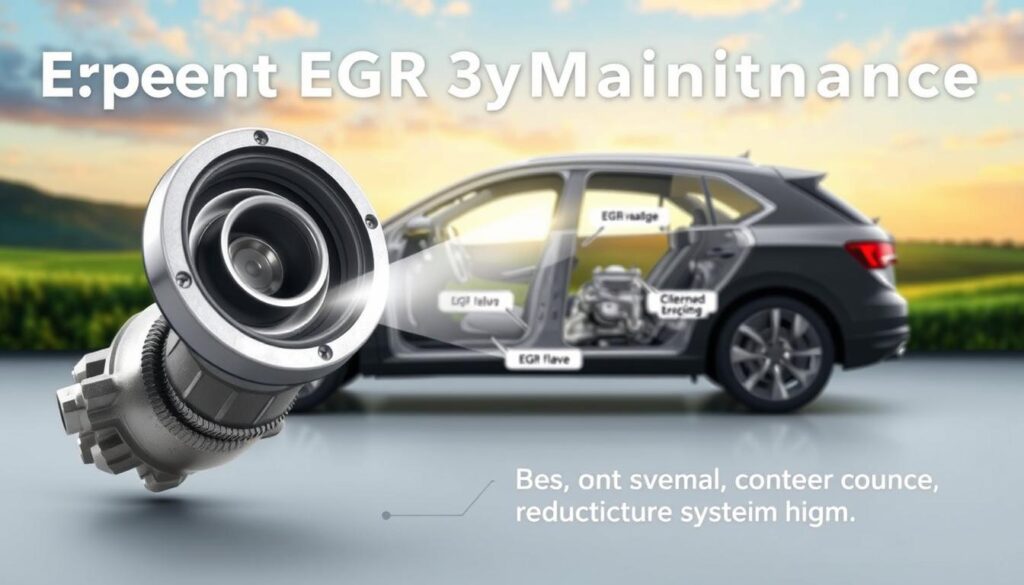
Proper EGR valve maintenance represents one of the most cost-effective strategies for protecting both engine health and environmental quality. The benefits extend across multiple vehicle systems, creating measurable improvements that accumulate over years of commercial vehicle ownership.
Extended Emissions System Lifespan
Your emissions system operates as an interconnected network where each component depends on others functioning correctly. A failing EGR valve creates cascade effects throughout related systems, subjecting oxygen sensors to incorrect exhaust composition and contaminating mass airflow sensors with excessive carbon.
The catalytic converter and diesel particulate filter face higher pollutant loads when EGR performance degrades. Proper EGR maintenance extends overall emissions system longevity by 40-60%, which translates to delaying replacement of components that collectively cost between $2,000 and $4,000 on commercial diesel applications.
Enhanced Engine Performance and Efficiency
Regular EGR service delivers quantifiable engine performance improvement across multiple operating conditions. Maintained throttle response eliminates the hesitation characteristic of carbon-clogged valves, providing immediate feedback when the driver presses the accelerator under load.
Smooth idle returns through proper exhaust gas metering—rough idle often improves immediately after EGR service. Turbocharged diesel engines experience reduced turbo lag as exhaust backpressure normalizes. Fuel efficiency improvements of 5-12% commonly occur when returning a malfunctioning EGR system to proper operation, directly reducing fleet fuel costs month after month.
Lower Emissions and Environmental Impact
A properly functioning EGR system achieves NOx reduction of 40-60% compared to non-EGR operation. This substantial decrease directly improves air quality and reduces smog formation in urban environments where commercial vehicles operate most frequently.
The environmental benefits extend beyond nitrogen oxide control. Improved combustion efficiency slightly reduces CO2 emissions as well, contributing to lower overall greenhouse gas output. A single commercial vehicle with maintained EGR produces approximately 0.5-1.0 fewer tons of NOx annually compared to one with failed EGR—a quantifiable environmental impact that demonstrates the broader value of individual maintenance decisions.
Prevention of Catalytic Converter and DPF Damage
Catalytic converter and diesel particulate filter protection represents one of the most financially significant EGR maintenance benefits. Excessive NOx from EGR failure forces the catalytic converter to work beyond design capacity, generating extreme temperatures that damage the substrate.
Normal catalytic converter operating temperature ranges from 1,200-1,400°F. Failed EGR systems push these temperatures to 1,700-2,000°F, potentially melting the ceramic substrate inside the converter. This thermal damage results in $800-2,500 catalytic converter replacement costs on commercial vehicles. Proper $200-400 EGR maintenance prevents this expensive failure, delivering clear cost-benefit advantages for fleet operations.
Cost Considerations for Cleaning and Replacement
The cost of maintaining your EGR system varies significantly based on several key factors and service choices. Understanding these expenses helps fleet managers budget effectively and select the most appropriate maintenance approach for their operations.
Professional Cleaning Service Costs
Professional EGR cleaning typically ranges from $300 to $600 depending on vehicle accessibility and contamination severity. This comprehensive service includes complete valve removal, professional-grade chemical or ultrasonic cleaning, passage cleaning in the intake manifold, new gasket installation, and post-service verification testing.
While this seems expensive compared to DIY cleaning at approximately $30-50 in materials, professional service provides valuable warranty coverage of 12 months or 12,000 miles and ensures the work meets quality standards that many fleet operations require for compliance documentation.
Replacement Parts and Labor Expenses
The replacement cost breakdown reveals significant variation across vehicle types. Gasoline engine EGR valves in commercial applications range from $70 to $350, with economy fleet vehicles at the lower end and specialty applications at the upper range. Diesel engine EGR valves command higher pricing from $250 to $600 or more due to complexity and often-integrated coolers.
Professional labor costs run $80 to $150 per hour for 1 to 5 hours depending on accessibility. This produces total professional replacement expenses of $250 to $1,100, with diesel trucks consistently falling at the upper end due to 3 to 5 hour labor requirements. Technicians certified through ASE medium-heavy truck programs typically command higher rates but deliver more efficient, warranty-backed service.
DIY vs Professional Service Comparison
The cost comparison between DIY and professional approaches reveals substantial savings potential for fleets with in-house maintenance capabilities. DIY cleaning costs $30-50 in materials plus 2-3 hours technician time, saving $250 to $550 versus professional cleaning. DIY replacement requires $85-400 in parts plus materials and saves $165 to $700 in external labor costs.
However, this approach requires proper tools (potentially $200-300 investment if not already owned), intermediate mechanical skill, and appropriate workspace. For commercial fleets, the decision often comes down to technician availability and whether in-house work can be properly documented for compliance purposes.
Long-Term Savings Through Preventive Maintenance
Regular EGR cleaning every 30,000 to 50,000 miles at $300-400 per service prevents catastrophic component failures. This preventive approach avoids $2,500-4,000 in catalytic converter replacement, $1,200-2,000 in intake system carbon cleaning, and for diesel engines, $1,500-3,500 in turbocharger replacement.
The total investment of $900-1,600 in preventive maintenance produces net savings of $3,000 to $8,000 over vehicle lifetime. This represents a 3 to 6 times return on investment, not including maintained performance, reliability, and the resale value benefits that come with properly documented maintenance history.
HDJ Perspective
As emission regulations tighten under EPA’s 2027 heavy-duty engine standards, proper EGR system maintenance becomes even more critical for fleet compliance. The upcoming NOx limits of 0.035 g/bhp-hr represent an 82.5% reduction from current standards, meaning even minor EGR malfunctions will trigger failures and operational disruptions. Fleet operations that establish rigorous EGR maintenance protocols now will be better positioned to meet these stricter requirements while controlling costs through preventive rather than reactive service strategies.
Preventive Strategies to Extend EGR System Life
The difference between premature EGR failure and extended system life lies in consistent preventive maintenance practices. Implementing strategic preventive care delivers remarkable EGR system longevity while reducing repair costs by 60-75% over the vehicle’s lifespan.
Recommended Maintenance Intervals
Following a structured maintenance schedule ensures optimal EGR performance throughout your vehicle’s operational life. The table below provides authoritative diesel-specific guidance for EGR service intervals:
| Engine Model | Standard Interval | Severe Service |
|---|---|---|
| Ford Powerstroke 6.7L | 30,000-40,000 miles | 22,500-30,000 miles |
| Ford Powerstroke 6.0L/6.4L | 30,000-40,000 miles | 25,000-30,000 miles |
| Dodge Cummins 5.9L/6.7L | 35,000-45,000 miles | 26,000-33,000 miles |
| Chevrolet Duramax LBZ/LML/L5P | 40,000-50,000 miles | 30,000-37,500 miles |
Vehicles used in severe service conditions—including towing, commercial use, extreme temperatures, and dusty environments—require shortened intervals by 25-30% from standard recommendations.
Using Quality Fuels and Engine Oils
Fuel and engine oil selection directly impacts carbon formation rates in your EGR system. Top Tier gasoline brands like Chevron, Shell, Mobil, and Costco contain enhanced detergent packages that reduce deposits by up to 45% compared to minimum-standard fuels. Premium diesel from major brands contains better lubricity additives and cetane boosters that produce cleaner combustion.
Engine oil selection proves equally critical for EGR health. Using manufacturer-specified grades ensures proper volatility and additive packages. Modern diesel engines typically require 5W-40 or 15W-40 specifications that meet current API CK-4 or FA-4 certifications. Cheap or incorrect oil increases oil consumption and introduces contaminants into combustion that accelerate EGR carbon formation.
Driving Habits That Reduce Carbon Buildup
Driving habits dramatically affect EGR carbon accumulation rates. Short trips under 10 minutes prevent engines from reaching full operating temperature of 195-220°F. Cold engines run fuel-rich, causing incomplete combustion and moisture accumulation that combines with carbon to form sludge in EGR passages.
Regular highway driving at steady speeds between 55-70 mph for 15-20 minutes elevates exhaust temperatures sufficiently to naturally burn off light carbon deposits. Avoiding excessive idling also reduces carbon formation significantly, since engines produce maximum carbon at idle due to low combustion efficiency. These strategic driving habits extend EGR life by 40-60% compared to typical urban delivery patterns.
Regular Engine Tune-Ups and Their Impact
Comprehensive engine tune-ups directly influence EGR system health and longevity. Dirty air filters allow particulates into the intake system that score EGR components and accelerate wear. Failing oxygen sensors cause the ECU to miscalculate fuel delivery, producing rich conditions that generate excessive carbon deposits throughout the emissions system.
Fuel injector cleaning at 30,000-mile intervals maintains proper fuel atomization. Poor atomization increases particulate emissions that directly contaminate the EGR system. Vehicles receiving comprehensive tune-ups at manufacturer-recommended intervals experience 50-70% longer EGR system life compared to those receiving only oil changes.
Critical Mistakes to Avoid During EGR Service
Many EGR service failures result not from component defects but from preventable installation mistakes and improper cleaning procedures. Understanding these common errors helps technicians complete maintenance correctly the first time and avoid costly comebacks.
Choosing the Wrong Cleaning Products
Using harsh or incompatible cleaning solutions ranks among the most damaging EGR service mistakes. Aggressive solvents like brake cleaner, acetone, or carburetor cleaners containing methylene chloride destroy rubber seals and plastic connectors. These chemicals also damage electronic position sensors integrated into modern EGR valves.
Acid-based cleaners etch aluminum valve bodies and manifolds, creating rough surfaces that accelerate future carbon buildup. Never soak complete electronic EGR valves in any liquid cleaner, as moisture infiltrates and destroys position sensors and solenoid coils. Always use cleaners specifically labeled safe for oxygen sensors and electronics.
Getting Gasket Installation Wrong
Improper gasket installation and incorrect torque specifications cause immediate exhaust leaks. Reusing old EGR gaskets is the single most common mistake, inevitably resulting in new diagnostic codes. Many technicians mistakenly assume these codes indicate valve failure when poor sealing is the actual cause.
Installing gaskets backwards or misaligned creates problems, as many have specific orientation with directional flow requirements. Aftermarket gaskets of incorrect thickness create improper spacing that affects valve operation. Applying gasket sealant when not specified causes blockage as excess material squeezes into passages. Under-torquing bolts allows leaks, while over-torquing cracks aluminum manifolds or warps mounting surfaces.
Ignoring Related System Components
Neglecting associated components during EGR valve service creates recurring problems. EGR passages in the intake manifold accumulate identical carbon deposits and require cleaning whenever you service the valve. Vacuum lines on older systems often crack but get overlooked during repairs.
Corroded electrical connectors need cleaning with contact cleaner, and technicians should inspect for damaged pins. EGR temperature sensors and differential pressure sensors can malfunction, causing similar symptoms to valve failure but requiring separate replacement. Comprehensive EGR system inspection during any service prevents these oversights that lead to repeat failures.
Skipping Final Verification Steps
Post-service testing catches problems before vehicles leave the shop. Starting the engine immediately reveals vacuum leaks through hissing sounds or rough idle. Using OBD-II scanner live data verifies the EGR valve responds to commanded position, proving electrical connections work properly.
Test driving with a scanner connected allows real-time monitoring during varied conditions. Some manufacturers require relearning procedures so the ECU establishes new baseline parameters. Re-scanning for codes after 50-100 miles of driving catches intermittent errors before considering the job complete.
Share Your EGR Maintenance Expertise
Do you have field-tested EGR service techniques or fleet maintenance insights that could help other diesel professionals? Heavy Duty Journal welcomes technical contributions from working technicians and fleet managers.
Frequently Asked Questions
How often should EGR valves be cleaned on commercial diesel trucks?
Diesel EGR valves in commercial applications typically require inspection at 30,000-mile intervals and cleaning at 30,000-50,000 miles depending on the engine manufacturer and operating conditions. Powerstroke engines often need service at the lower end of this range, while Duramax applications may extend toward the upper limit. Severe service conditions including heavy towing, frequent idling, dusty environments, and extreme temperatures reduce these intervals by 25-30%. Fleet managers should track individual vehicle performance and adjust intervals based on actual carbon accumulation patterns observed during inspections.
What are the most common symptoms of a failing EGR valve on heavy-duty trucks?
The most reliable indicators of EGR valve problems in heavy-duty applications include rough idle at operating temperature, decreased power under load, increased fuel consumption of 5-15%, and illuminated check engine lights with P0400-series diagnostic codes. Many fleet technicians also report noticeable black smoke during acceleration when the EGR valve sticks open, and hesitation or stumbling when it sticks closed. Multiple symptoms occurring together provide stronger diagnostic evidence than any single indicator, as some symptoms overlap with other engine issues like fuel injector problems or turbocharger faults.
Can I clean an EGR valve without removing it from the engine?
While some aerosol EGR cleaners claim to work without valve removal, professional technicians rarely recommend this approach for commercial diesel applications. Without removal, you cannot inspect passage restrictions, check for valve warping, clean intake manifold ports, or replace the gasket that often fails during cleaning attempts. For passenger vehicles with light carbon buildup, in-situ cleaning may provide temporary improvement, but fleet operations should budget for complete removal and inspection to ensure thorough service that prevents repeat failures within 5,000-10,000 miles.
What is the typical cost to replace an EGR valve on a diesel truck?
EGR valve replacement costs for commercial diesel trucks range from $400 to $1,100 total, depending on engine configuration and labor rates. Parts alone run $250 to $600 for OEM components, with quality aftermarket options available at 30-50% savings. Labor typically requires 2-5 hours depending on vehicle accessibility—Powerstroke applications often take longer due to turbo and intake component positioning. Fleet operations with in-house technicians can reduce total costs significantly, though proper documentation and quality parts remain essential for warranty and resale value considerations.
Does EGR delete improve diesel engine performance and reliability?
While EGR delete modifications eliminate maintenance requirements for the EGR system, they also make vehicles non-compliant with federal emissions regulations under the Clean Air Act. The EPA has increased enforcement against tampering, with fines reaching $5,000 or more per violation for commercial vehicles. Additionally, many states with emissions testing programs will fail deleted vehicles, preventing registration renewal. From a technical standpoint, properly maintained EGR systems have minimal performance impact, and the reliability concerns often stem from neglected maintenance rather than inherent system problems. Fleet operations should weigh legal risks carefully before considering any emissions-related modifications.
How do I know if my EGR cooler is failing along with the valve?
EGR cooler failures in diesel trucks typically present alongside valve problems but produce distinct symptoms. Coolant loss without visible external leaks often indicates internal cooler rupture allowing coolant to enter exhaust passages. White smoke at startup that clears after warming suggests coolant burning in the combustion chamber. Many technicians also check for coolant contamination in the EGR system by inspecting valve passages for white or pink residue. On Powerstroke and some Cummins applications, pressure testing the cooling system while monitoring for exhaust gases can confirm cooler integrity before beginning EGR valve service.
Conclusion
A faulty EGR valve puts both your engine health and fleet finances at serious risk. The emissions system care you provide today determines whether you spend $300 on preventive maintenance or face $3,000 in unexpected repairs down the road. For commercial fleets operating on tight margins, this difference directly impacts profitability and vehicle availability.
Regular EGR valve maintenance every 30,000-50,000 miles protects vehicle longevity while maintaining optimal performance. Quality replacement parts and proper cleaning techniques extend system life dramatically compared to neglected components. The return on investment from preventive EGR service—3 to 6 times the maintenance cost in avoided repairs—makes this one of the most valuable items on any fleet maintenance checklist.
Take action now if your vehicles show any symptoms discussed in this guide. Schedule inspections if you’ve exceeded manufacturer intervals, and document all EGR service in your maintenance records. This documentation protects resale value and provides proof of proper care for fleet compliance requirements.
Whether you choose DIY service or professional help, view EGR maintenance as essential investment rather than optional expense. Your vehicle’s emissions system life—and your bottom line—depends on the maintenance decisions you make today. Implementing these strategies maximizes performance, minimizes costs, and keeps your commercial vehicles compliant with EPA emissions standards while extending operational years.
Help Fellow Fleet Professionals Master EGR Maintenance
This guide covers the diagnostic, cleaning, and replacement procedures that save commercial fleets thousands in repair costs. Share it with your maintenance team and fellow fleet managers.


