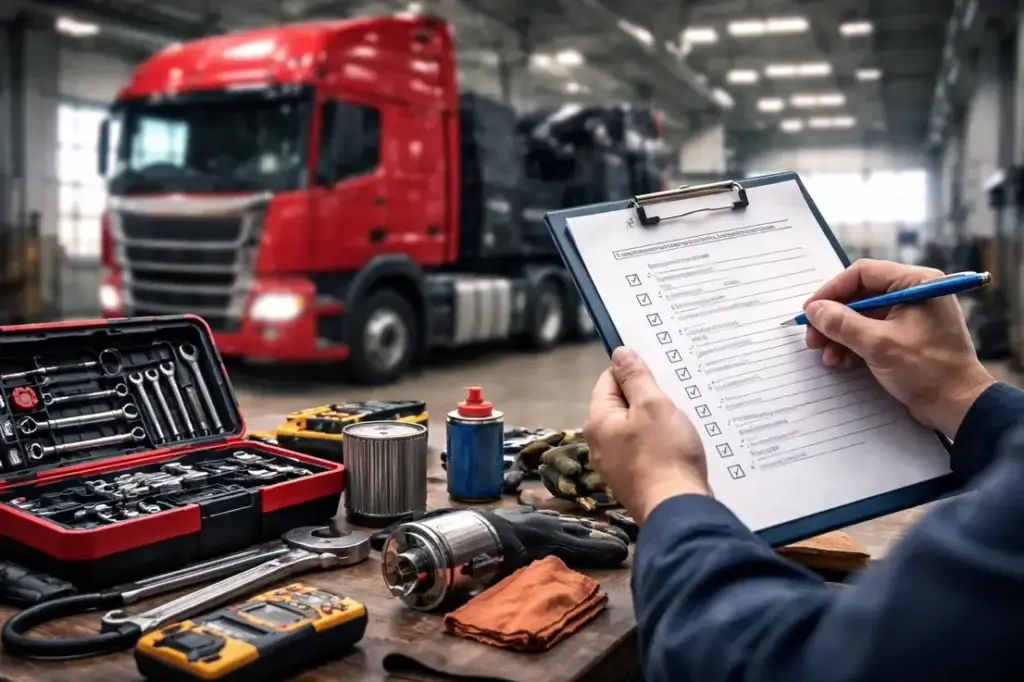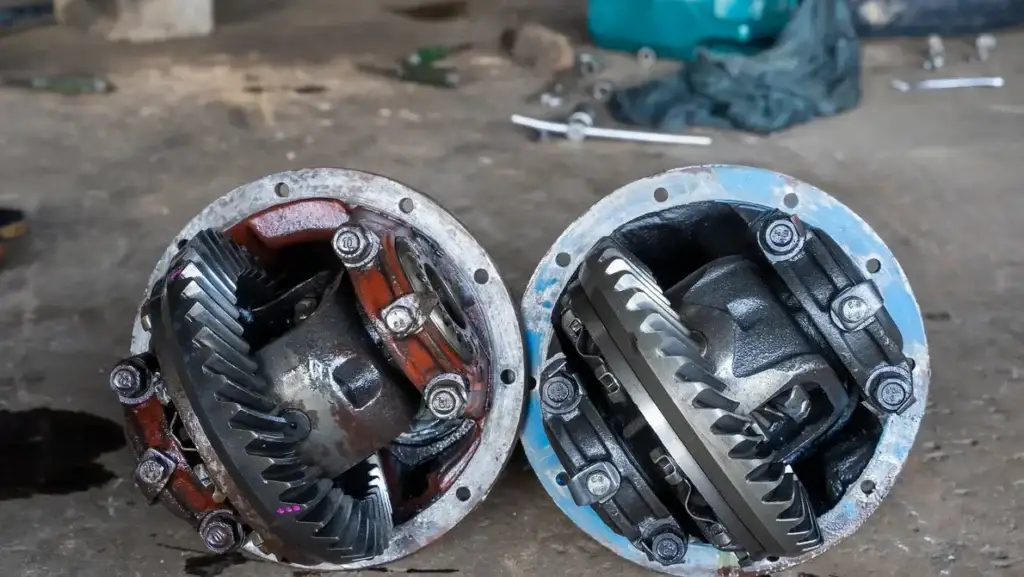
Making the right differential repair decision can save fleet managers and owner-operators thousands of dollars while ensuring vehicle safety remains uncompromised. Your differential distributes power to the wheels and allows them to rotate at different speeds during turns—when this component fails, you risk losing vehicle control entirely. Understanding whether to rebuild or replace a failing differential depends on damage severity, vehicle mileage, and budget constraints, with most units lasting around 200,000 miles under proper maintenance conditions.
This comprehensive guide walks through identifying warning signs, evaluating when rebuilding makes sense versus full replacement, and understanding the cost factors that influence each option. Whether you manage a commercial fleet, operate heavy-duty trucks, or maintain performance vehicles, the information ahead equips you with the knowledge to assess your specific situation and choose the most practical, cost-effective solution.
Last Updated: June 2025
Key Takeaways
- Safety-critical component: Differentials enable proper wheel rotation during turns—failure can cause loss of vehicle control, making timely intervention essential.
- Typical lifespan: Most differentials last 150,000-200,000 miles with regular maintenance, including fluid changes every 30,000-50,000 miles.
- Rebuild vs replace decision: Choice depends on damage extent, vehicle mileage, and budget—rebuilds typically cost $800-$1,500 while replacements range from $1,500-$4,000.
- Mileage thresholds: Vehicles under 100,000 miles generally justify rebuilding; those over 150,000 miles often benefit more from complete replacement.
- Professional assessment matters: Seek ASE-certified technicians with drivetrain specialization to ensure accurate diagnosis and appropriate repair recommendations.
Understanding Your Vehicle’s Differential and Its Function
The differential is a precision-engineered assembly that solves a fundamental problem in vehicle dynamics. This component enables smooth cornering by allowing wheels on the same axle to rotate at different speeds. Without understanding how this system works, making informed repair decisions becomes nearly impossible for fleet managers and technicians alike.
Core Purpose and Critical Importance
In mechanical terms, a differential is a gear assembly that divides engine torque between two wheels while permitting speed variation. When your vehicle turns, the outer wheel travels a longer distance than the inner wheel—the differential accommodates this difference automatically.
The differential prevents tire scrubbing and drivetrain binding during turns. This protection extends tire life and prevents expensive transmission damage. The differential location varies by vehicle configuration: front axle for front-wheel drive, rear axle for rear-wheel drive, and both axles for all-wheel drive systems.
Power Distribution Through Gears
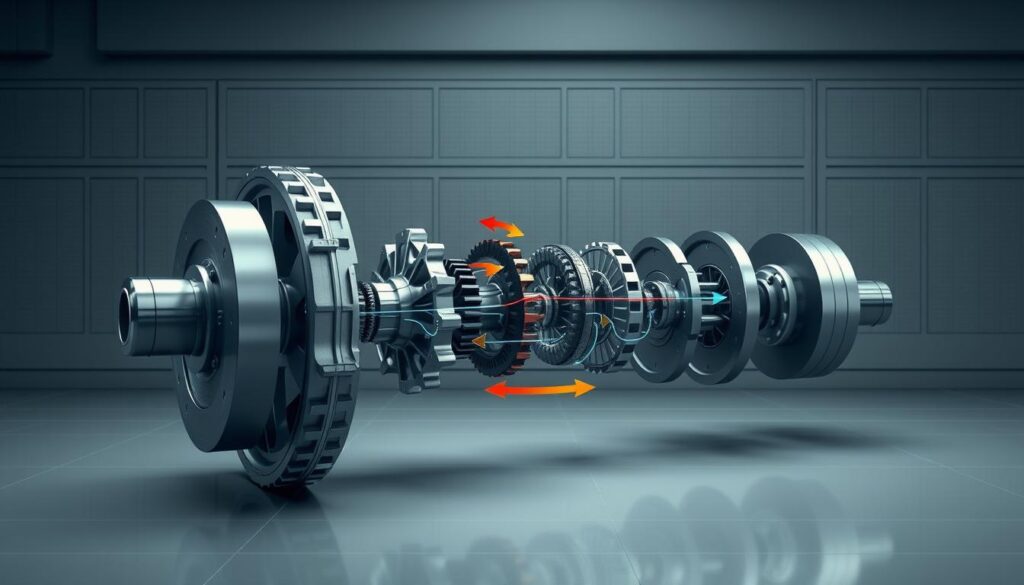
Differential operation depends on a system of interconnected gears. The driveshaft connects to the pinion gear, which meshes with the larger ring gear attached to the carrier assembly. Inside this carrier, spider gears create the differential action that allows speed variation between wheels.
These spider gears connect to side gears attached to each axle shaft. When driving straight, all gears rotate together as one unit. During turns, the spider gears rotate on their shafts, allowing one wheel to spin faster than the other while maintaining power delivery.
The final drive ratio represents the relationship between pinion and ring gear teeth. A 3.73:1 ratio means the pinion rotates 3.73 times for each ring gear revolution. This ratio affects both acceleration capability and fuel economy—information critical when specifying replacement units for fleet applications.
Comparing Three Essential Differential Types
Understanding differential types helps determine repair complexity and cost. Each design offers distinct advantages for specific driving conditions and vehicle applications commonly encountered in commercial trucking operations.
| Differential Type | Traction Capability | Common Applications | Repair Complexity |
|---|---|---|---|
| Open Differential | Basic—sends power to wheel with least resistance | Passenger cars, commuter vehicles | Low—fewer components |
| Limited-Slip Differential | Enhanced—redistributes torque using clutches or gears | Light trucks, performance vehicles | Moderate—additional clutch packs |
| Locking Differential | Maximum—forces both wheels to rotate together | Off-road trucks, heavy-duty 4x4s, commercial vehicles | High—sophisticated mechanisms |
The open differential remains the most affordable and lightweight option. However, it delivers most power to the wheel with least traction, making it problematic in snow, mud, or loose gravel conditions frequently encountered by commercial vehicles.
A limited-slip differential balances performance and cost effectively. It uses friction plates or gear arrangements to transfer torque when wheel slip occurs. This design provides better acceleration and handling without full axle lockup—making it popular for light-duty fleet applications.
The locking differential offers ultimate traction control by mechanically or electronically locking both axles together. This configuration ensures both wheels receive equal power regardless of surface conditions, which is why heavy-duty commercial applications frequently specify this type.
Warning Signs That Indicate Differential Problems
Your differential sends important signals when something goes wrong, and recognizing these warning signs early can save thousands in repair costs. Most symptoms manifest as unusual sounds, physical sensations, or visible fluid problems. Learning to identify these indicators helps address issues before minor wear becomes catastrophic failure.
Ignoring warning signs allows damage to compound rapidly. What starts as worn bearings can destroy gears, contaminate lubricant, and damage housing components. Catching problems early often means the difference between a cost-effective rebuild and complete replacement.
Whining, Grinding, and Clunking Noises
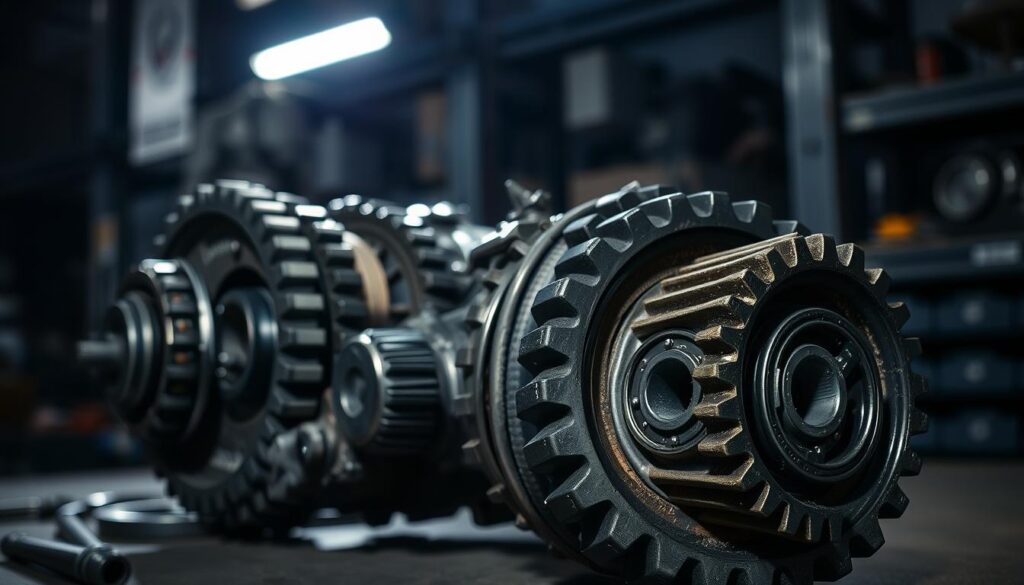
Differential noise provides the most obvious indication of internal problems. A whining noise during acceleration typically signals ring and pinion gear issues or incorrect gear mesh patterns. When whining occurs during deceleration instead, the problem usually involves pinion bearing position or wear.
Grinding noise indicates more severe damage. This sound represents metal-on-metal contact from failed lubrication or extensively worn gears. The grinding becomes progressively louder as component damage worsens, requiring increasingly expensive repairs.
A rhythmic clunking sound every few feet of travel signals broken gear teeth or catastrophic component failure. Banging or clattering noises demand immediate attention, as continued driving risks complete differential destruction and potential safety hazards that violate 49 CFR Part 396 requirements for safe vehicle operation.
Vibrations During Acceleration or Turning
Vibration during acceleration suggests imbalanced or misaligned internal components. These vibrations intensify under load and may feel like shuddering through the floorboard or steering wheel. Such symptoms indicate bearings or gears operating outside normal tolerances.
Vibrations specifically during turning reveal differential strain under cornering loads. Limited-slip differentials may produce shuddering sensations when navigating corners, pointing to clutch pack deterioration or uneven power distribution between wheels.
Severe vibrations can progress to steering control problems and erratic vehicle behavior. These sensations represent early warnings before complete component failure occurs—addressing them promptly prevents roadside breakdowns that disrupt fleet operations.
Fluid Leaks and Burning Smells
Visible puddles or spots underneath your vehicle indicate a differential leak from failed seals or damaged gaskets. Fresh gear oil appears amber or brown, while contaminated fluid looks dark or contains metallic particles. Metal shavings in differential oil confirm internal component wear generating debris.
Burning smells suggest overheating from inadequate lubrication or excessive friction between moving parts. This odor may accompany rapid oil consumption as fluid breaks down under extreme temperatures. Overheating accelerates wear and can warp housing components beyond repair.
Addressing fluid leaks immediately prevents further damage. Low fluid levels cause remaining oil to overheat, losing its protective properties and allowing metal-to-metal contact that destroys gears and bearings within miles rather than months.
| Warning Sign Category | Specific Symptom | Likely Cause | Urgency Level |
|---|---|---|---|
| Auditory | Whining during acceleration | Ring and pinion gear wear | Moderate |
| Auditory | Grinding or clunking sounds | Broken gears or bearing failure | Critical |
| Physical | Vibrations when accelerating or turning | Misaligned components or clutch pack issues | High |
| Visual/Olfactory | Fluid leaks or burning odors | Failed seals or overheating from low lubrication | High |
What Happens During a Differential Rebuild
Rebuilding your vehicle’s differential transforms a failing component into a reliable power transfer system through precise mechanical restoration. The differential rebuild process requires skilled technicians to systematically disassemble, inspect, replace worn parts, and reassemble the unit to factory specifications. This comprehensive procedure typically takes certified mechanics three to five hours to complete properly.
Disassembly and Component Inspection
The disassembly begins with removing the entire unit from your vehicle and draining the fluid. Technicians carefully examine the drained fluid for metal shavings, unusual discoloration, or contamination that reveals internal damage. These visual clues help identify the severity of wear before opening the housing.
Once the housing opens, mechanics document original configurations and measurements for accurate reassembly. They photograph gear positions and record shim sizes to maintain proper alignment. Each component receives thorough scrutiny for wear patterns, surface damage, and structural integrity.
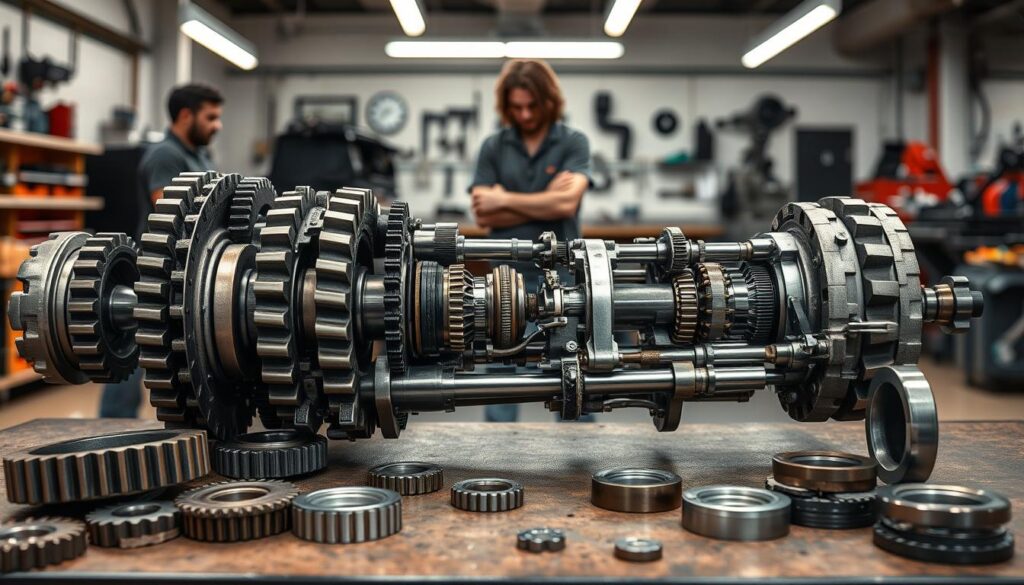
Bearings, Seals, and Gears That Get Replaced
A differential rebuild kit typically includes essential replacement components that wear from constant use. Differential bearings endure tremendous rotational forces and heat, developing play and rough spots over time. Technicians replace these bearings during every rebuild to ensure smooth operation.
Seal replacement addresses leaks that allow fluid to escape and contaminants to enter. Gaskets and seals degrade from heat cycles and age, losing their ability to maintain proper fluid levels. Most rebuild kits bundle these critical sealing components together for comprehensive restoration.
Gears require careful evaluation to determine refurbishment versus replacement. Minor surface wear may allow honing and polishing to restore acceptable tolerances. Pitting or chipped teeth necessitate complete gear replacement. Worn splines require new components to prevent future engagement problems, and damaged ring gears need matched gear sets to ensure proper mesh patterns.
Reassembly and Testing Procedures
Precision defines successful rebuild procedures during reassembly. Technicians install shims to achieve optimal gear mesh patterns, which distribute load evenly across tooth surfaces. Incorrect shimming causes premature wear and noise problems that defeat the rebuild purpose entirely.
Every fastener receives proper torque specifications using calibrated tools. Over-tightening causes component stress, while under-tightening allows movement and misalignment. Mechanics apply recommended differential fluid in specified quantities to ensure adequate lubrication from the first rotation.
Quality verification includes multiple testing stages. Spin tests assess smooth rotation without binding or unusual resistance. Marking compound applied to gear teeth reveals contact patterns that confirm proper mesh. Final road testing under acceleration, deceleration, and turning conditions validates the rebuild success before returning your vehicle to service.
Complete Differential Replacement Explained
Differential replacement involves removing the entire assembly and installing a new or remanufactured unit, offering a fresh start for your vehicle’s drivetrain. This approach becomes necessary when the housing suffers cracks or when multiple internal components show severe damage. Unlike rebuilding individual parts, replacement addresses all potential problems simultaneously with a complete unit.
The process typically takes less time than a comprehensive rebuild since technicians work with a complete assembly. However, it still requires skilled professionals to ensure proper installation and alignment. The investment is generally higher upfront, but it eliminates concerns about additional hidden damage within the existing unit.
Removing and Installing a New Differential Unit
The installation process begins with disconnecting the driveshaft from the differential pinion flange. Technicians then detach the axle shafts and remove any brake line brackets or sensors mounted to the housing. This careful disassembly ensures no damage occurs to surrounding components during removal.
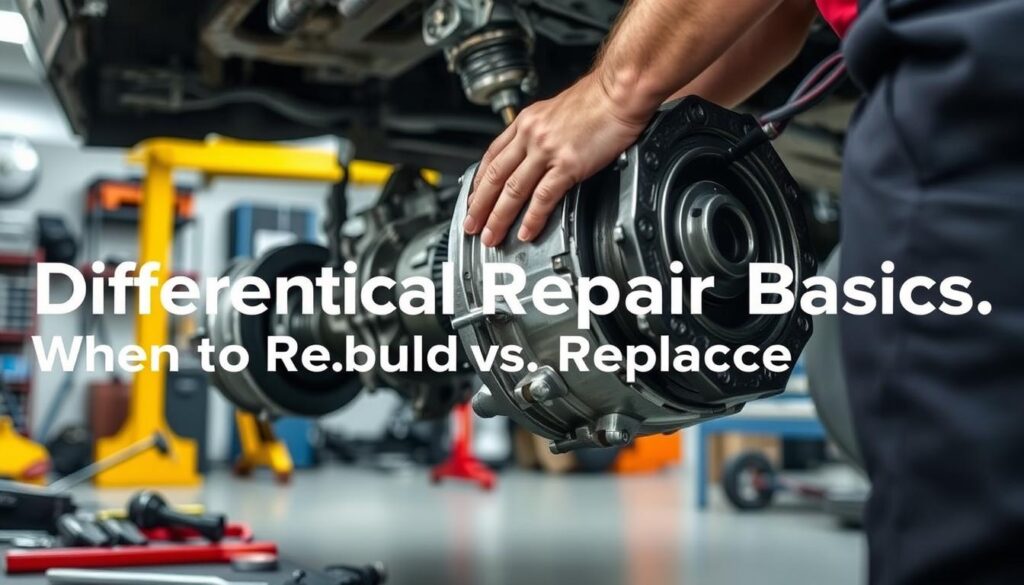
Once the old unit is removed, mechanics clean the mounting surfaces and inspect them for damage. The new differential is then positioned, bolted securely to the vehicle’s frame or axle mounts, and reconnected to all drivetrain components. Proper torque specifications and alignment are critical to prevent premature wear or vibration issues.
After installation, the unit receives fresh differential fluid at the manufacturer’s specified capacity. Technicians perform test drives to verify smooth operation and check for any leaks or unusual noises. This thorough process ensures the replacement delivers reliable performance immediately.
Benefits of Factory-Remanufactured Units
A remanufactured differential offers significant advantages over both used parts and full rebuilds performed at local shops. These units undergo complete disassembly, inspection, and rebuilding at specialized facilities with strict quality control standards. Worn components are replaced with new parts, and the entire assembly is tested to meet original specifications.
Factory remanufactured units typically include warranties ranging from 12 months to three years, providing peace of mind comparable to new OEM parts. The cost savings can reach 30-50% compared to brand-new differentials while delivering similar reliability. This makes them an excellent middle-ground option for most fleet applications.
These units solve multiple problems simultaneously since every critical component has been refreshed or replaced. You avoid the risk of secondary failures that sometimes occur after rebuilding only damaged parts. The professional remanufacturing process ensures consistent quality across all internal components.
Aftermarket vs. OEM Replacement Options
An OEM differential guarantees exact specifications matching your vehicle’s original design and engineering standards. These parts come directly from the vehicle manufacturer or their authorized suppliers, ensuring perfect compatibility. OEM options eliminate fitment concerns and maintain your vehicle’s original performance characteristics.
Aftermarket differential options from reputable manufacturers can provide cost savings of 15-40% compared to OEM units. Some aftermarket brands offer enhanced capabilities designed for specific applications like heavy towing or off-road use. These upgraded differentials may include stronger gears, improved bearing designs, or limited-slip mechanisms not available in the standard configuration.
| Factor | OEM Differential | Aftermarket Differential | Remanufactured Unit |
|---|---|---|---|
| Cost Range | $1,200-$3,500 | $800-$2,400 | $600-$1,800 |
| Warranty Coverage | 12-36 months | 12-24 months | 12-36 months |
| Fitment Guarantee | Exact match | Varies by brand | OEM specifications |
| Performance Options | Stock configuration | Upgraded available | Stock configuration |
When selecting an aftermarket differential, research the manufacturer’s reputation and verify compatibility with your specific vehicle year, make, and model. Quality aftermarket brands invest in engineering and testing to ensure their products meet or exceed OEM standards. Poor-quality aftermarket parts can lead to premature failure, making brand selection crucial for long-term reliability in demanding fleet applications.
Stay Current on Drivetrain Maintenance Best Practices
Get expert insights on differential maintenance, fleet management strategies, and heavy-duty repair techniques delivered directly to your inbox. Join thousands of fleet managers and technicians who rely on Heavy Duty Journal for actionable industry knowledge.
Differential Repair Costs: Rebuilding vs. Replacing
Knowing what to expect financially when facing differential problems empowers you to choose the most cost-effective repair solution. The differential repair cost varies widely based on your vehicle type, the extent of damage, and whether you opt for rebuilding or replacement. Making an informed decision requires understanding the full financial picture before authorizing any work.
Simple repairs like gasket or seal replacements typically fall between $200 and $400. These minor fixes address fluid leaks without requiring extensive disassembly. More significant problems demand either a complete rebuild or full replacement, with costs escalating accordingly.
Typical Rebuild Cost Ranges by Vehicle Type
Standard passenger vehicles generally require $800 to $1,200 for a complete differential rebuild. The rear differential repair cost for compact cars sits at the lower end of this spectrum. Light trucks and SUVs typically cost between $1,000 and $1,500 due to their larger, more robust components.
Heavy-duty trucks and performance vehicles often exceed these ranges significantly. Specialized parts and complex systems drive rebuild costs higher for these applications. The final price depends heavily on the technician’s experience level and geographic location affecting hourly labor rates.
Labor represents a substantial portion of total expenses. Skilled technicians typically need three to five hours to complete a rebuild. Labor costs vary considerably based on regional wage differences and shop expertise levels, with specialized drivetrain shops often charging premium rates for their expertise.
Complete Replacement Price Expectations
Complete differential replacement typically starts around $1,500 for compact vehicles. Trucks and SUVs can easily exceed $3,500 to $4,000 for full replacement. The differential replacement cost includes the new unit plus installation labor, making it the more expensive option upfront.
Remanufactured units offer substantial savings compared to brand-new OEM differentials. These factory-rebuilt options typically fall in the middle of the cost range while providing comparable reliability. While replacement costs more initially, it may prove more economical than extensive rebuilds when multiple internal components have failed.
Hidden Costs and Additional Repairs
Diagnostic fees ranging from $100 to $200 represent the first expense many vehicle owners encounter. Comprehensive testing identifies the exact problem before repair work begins. These fees sometimes apply toward final repair costs at shops that offer this consideration.
Additional components frequently need attention during differential service. Common add-ons include axle seals and CV joints requiring replacement, wheel bearings showing wear or damage, differential fluid and specialty additives, alignment services after installation, and brake components disturbed during disassembly.
Request comprehensive estimates that detail all anticipated work. The total service cost should include parts, labor, fluids, and any foreseeable additional repairs. Transparent shops provide itemized quotes that prevent surprise charges when you pick up your vehicle.
| Repair Type | Cost Range | Labor Time | Best For |
|---|---|---|---|
| Simple Seal Repair | $200-$400 | 1-2 hours | Minor leaks only |
| Differential Rebuild | $800-$1,500 | 3-5 hours | Moderate damage, salvageable housing |
| Complete Replacement | $1,500-$4,000 | 4-6 hours | Severe damage, multiple failed components |
| Heavy-Duty/Performance | $2,000-$5,000+ | 5-8 hours | Commercial vehicles with upgraded systems |
Evaluating the Severity of Differential Damage
Determining how badly your differential is damaged separates a cost-effective rebuild from a necessary replacement. A thorough damage assessment examines specific components, contamination levels, and structural integrity. Technicians drain the fluid first to check for warning signs like metal shavings or discoloration that reveal internal problems.
The inspection process involves removing the differential cover and examining each component systematically. This detailed evaluation determines whether minor repairs can restore proper function or if extensive damage requires a complete replacement unit. Fleet managers should request this assessment before authorizing any repair work.
Minor Surface Wear Versus Serious Gear Problems
Normal gear wear shows slight polishing on gear surfaces from regular contact during operation. This surface-level wear is acceptable and can be addressed during a standard rebuild. Technicians use marking compound to evaluate gear mesh patterns and identify improper contact areas that accelerate deterioration.
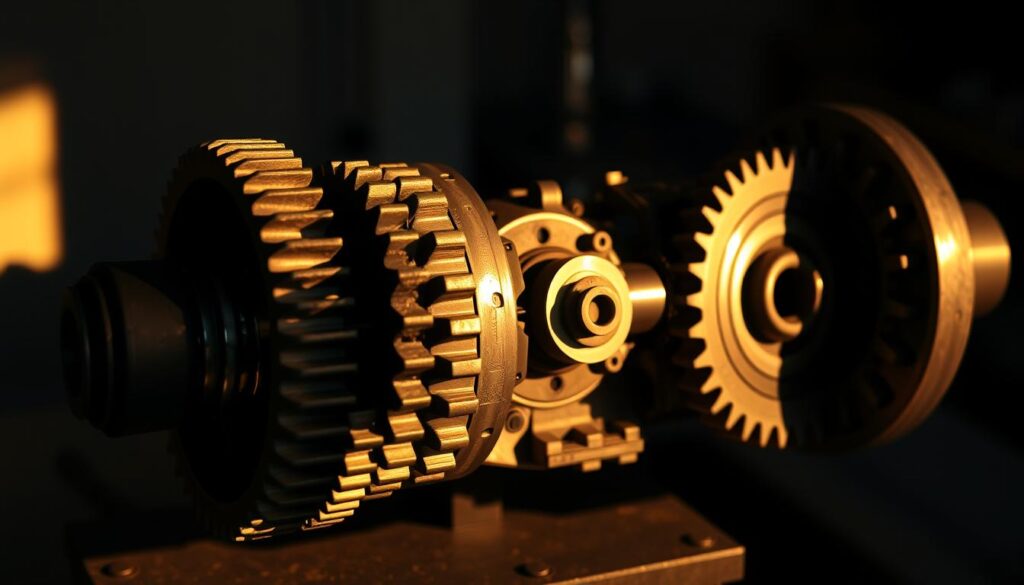
Gear tooth damage presents a completely different scenario. Chipped, cracked, or broken teeth indicate severe stress or lubrication failure. Gears showing pitting, spalling, or heat discoloration have experienced overload conditions that compromise their structural integrity permanently.
While replacing individual gears during a rebuild works for minor damage, extensive problems affecting multiple gears make replacement more economical. The cost of machining and installing new gears often approaches the price of a remanufactured unit, eliminating the cost advantage of rebuilding.
Critical Bearing and Housing Issues
Bearing failure creates roughness, excessive play, or grinding noises during rotation. Replacing bearings is routine during rebuilds, but damage to the bearing races machined into the housing changes the calculation entirely. These precision surfaces cannot be easily repaired without specialized equipment most shops lack.
Differential housing damage like cracks or warping compromises structural integrity completely. The housing must maintain precise alignment and withstand tremendous torque loads throughout its service life. Attempting repairs through welding or reshaping rarely provides reliable long-term solutions, making replacement the only safe option when housing damage exists.
Fluid Contamination Warning Signs
Differential fluid contamination reveals internal condition before disassembly. Water intrusion creates a milky appearance and causes rust on metal components. This type of contamination requires immediate attention to prevent further corrosion damage that spreads rapidly once initiated.
Metal particles in drained fluid indicate ongoing component wear. Small amounts of fine debris are normal, but excessive chunks or shavings suggest serious failure requiring immediate intervention. Significant contamination requires complete disassembly to identify the source and assess whether damaged components can be replaced individually or if the entire unit needs replacement.
HDJ Perspective
The rebuild versus replace decision increasingly favors replacement for fleet applications where downtime costs often exceed the differential price difference. Modern remanufacturing processes have narrowed the quality gap substantially, and the comprehensive warranty coverage on factory-rebuilt units provides risk mitigation that independent rebuilds cannot match. Fleet managers should calculate their true cost-per-mile impact when evaluating options rather than focusing solely on upfront repair prices.
How Vehicle Age and Mileage Affect Your Decision
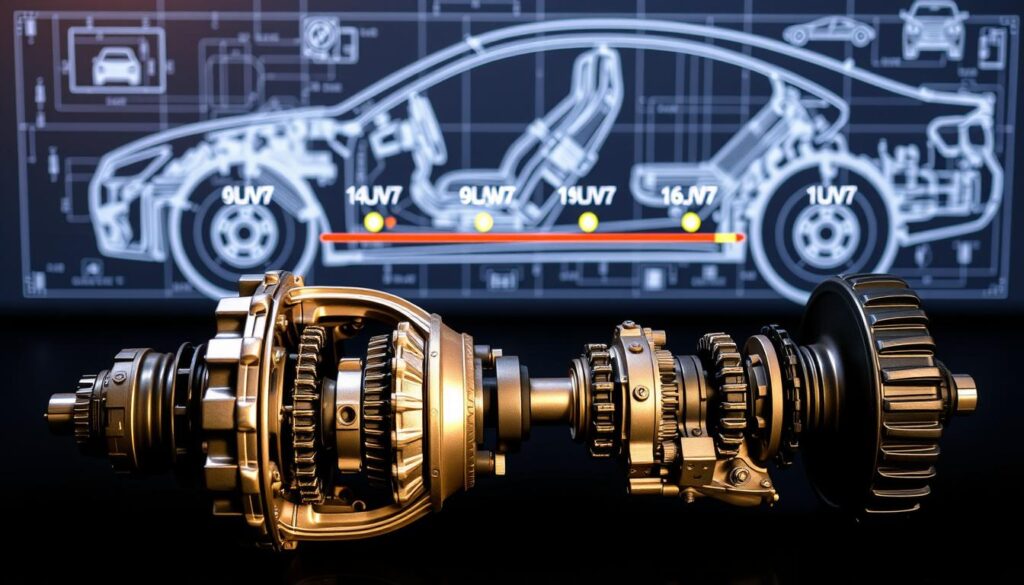
The odometer reading on your vehicle serves as one of the most important factors in choosing the right repair strategy. Vehicle mileage directly impacts whether rebuilding or replacement delivers better long-term value for your specific situation.
Differentials typically last around 200,000 miles with proper maintenance. Understanding where your vehicle falls within this lifespan helps you make a financially sound repair decision. Vehicle age works alongside accumulated miles to determine the most practical path forward for fleet applications.
Newer Vehicles With Lower Odometer Readings
Vehicles under 100,000 miles typically justify differential rebuilds even when facing moderate damage. These low-mileage vehicles have substantial remaining service life ahead, making the rebuild investment worthwhile from a total cost of ownership perspective.
Investing in a quality rebuild for a relatively young vehicle protects your overall investment. The repair cost becomes reasonable when compared to the vehicle’s total value and expected future use. Most other drivetrain components remain in excellent condition at this mileage range, supporting the rebuild decision.
Rebuilding maintains the integrity of your vehicle’s original systems. Factory warranty coverage may still apply to some newer vehicles, potentially reducing or eliminating your out-of-pocket replacement costs. The rebuild approach preserves the vehicle’s reliability for many years ahead while minimizing capital expenditure.
High-Mileage Vehicles Beyond 150,000 Miles
Complete replacement often offers better long-term value for high-mileage vehicles exceeding 150,000 miles. Other differential components may be approaching end-of-life status even if they’re not currently showing problems, making comprehensive replacement more sensible.
The decision becomes more complex when balancing repair costs against remaining vehicle value. A high-mileage vehicle may not justify expensive rebuild work if other major repairs loom on the horizon. Consider your total cost of ownership before committing to major differential work on aging fleet assets.
Well-maintained high-mileage vehicles used for light duty may still benefit from rebuilds under the right circumstances. If the rest of your vehicle remains in excellent condition, rebuilding can extend service life cost-effectively. Evaluate based on your vehicle’s overall health and your planned ownership duration.
Special Considerations for Vintage and Collector Automobiles
Classic and collector vehicles warrant rebuilding regardless of accumulated mileage. Maintaining originality and preserving matching numbers significantly impacts these vehicles’ value and authenticity in ways that matter beyond pure economics.
Sourcing replacement differentials for older vehicles presents substantial challenges. Original equipment becomes increasingly rare and expensive as vehicles age. Professional rebuilding with proper documentation often represents the preferred approach for valuable collector vehicles where authenticity commands premium prices.
Differential longevity matters less than maintaining historical accuracy for these special vehicles. The rebuild preserves the vehicle’s provenance and protects its investment value for future sales. Experienced rebuilders understand the unique requirements of vintage differential restoration and document their work accordingly.
| Mileage Range | Recommended Action | Primary Reasoning | Cost Consideration |
|---|---|---|---|
| Under 100,000 miles | Rebuild preferred | Substantial remaining vehicle life justifies investment | Rebuild typically 40-60% less than replacement |
| 100,000-150,000 miles | Evaluate case-by-case | Balance repair costs against vehicle condition and value | Consider total ownership costs and future plans |
| Over 150,000 miles | Replacement often better | Other components nearing end-of-life may fail soon | Replacement provides comprehensive solution |
| Classic/Collector vehicles | Rebuild strongly recommended | Maintains originality and preserves vehicle value | Investment protects overall vehicle worth |
Matching Repair Choice to Your Driving Needs
Matching your differential repair decision to actual driving conditions ensures optimal performance and value. The way you use your vehicle determines which components need attention and whether upgrading makes sense. Understanding how different applications stress the differential helps you choose the most practical repair approach for your specific operational requirements.
Everyday Transportation and Occasional Errands
Commuter vehicles used primarily for city driving and highway travel place moderate demands on differentials. Standard daily driver repair typically involves replacing worn bearings and seals without expensive upgrades. Open differentials work perfectly well for these applications since both wheels usually maintain traction on paved roads.
Cost-effectiveness matters most for light-duty vehicles. A basic rebuild using quality OEM-equivalent parts provides reliable service for years without over-investing in unnecessary upgrades. Regular fluid changes every 30,000 miles extend differential life significantly in passenger car applications.
Work Trucks and Heavy Loads
Trucks regularly used for towing and hauling place substantially higher stress on differential components. A towing differential must handle increased torque loads without failure under sustained demand. Vehicles operating near maximum capacity benefit from a limited-slip upgrade that improves traction under load.
The differential for hauling requires robust construction and proper gear ratios matched to the application. Heavy-duty differentials feature stronger gears and upgraded bearings designed for continuous stress encountered in commercial operations. Never exceed your vehicle’s weight ratings, as overloading damages even premium components beyond repair.
Trail and Track Performance
Enthusiasts often convert to specialized units during repairs when budgets allow. An off-road differential with locking capability provides maximum traction on challenging terrain. A performance differential optimized for track use features improved heat dissipation and strengthened components to handle repeated high-load cycles.
These applications justify aftermarket upgrades that standard vehicles don’t require. Converting from open to limited-slip configurations enhances capability dramatically for the applications that demand it. Performance builds benefit from selecting gear ratios that optimize acceleration or top speed for specific purposes.
Warranty Coverage and Long-Term Reliability
The warranty terms accompanying your differential repair can mean the difference between peace of mind and unexpected expenses down the road. Warranty coverage protects your investment and provides recourse if problems develop after service. Understanding the different types of warranties helps you make an informed decision about repair versus replacement options.
Some repair shops offer warranty coverage on their services and replacement parts. While warranty protection may increase upfront costs slightly, it safeguards you against unforeseen issues shortly after repair. Differentials still under manufacturer warranty may cost little to nothing to replace, as the coverage handles most expenses automatically.
Coverage for Rebuilt Differential Work
Quality repair facilities typically provide warranty protection ranging from 12 months/12,000 miles to 24 months/24,000 miles on rebuild work. These guaranteed repair programs cover parts replacement and labor for warranty-related failures. However, most warranty terms exclude damage from abuse, improper maintenance, or unauthorized modifications that void coverage.
Comprehensive written warranties indicate confidence in work quality. Review all warranty terms carefully before authorizing repairs. Pay particular attention to coverage duration, mileage limits, and circumstances that void protection to avoid unpleasant surprises.
Factory-Remanufactured Unit Protection
Factory-remanufactured differentials typically include manufacturer warranties ranging from 12 months to 36 months or longer. These warranty programs provide superior coverage compared to most rebuild warranties from independent shops. The robust protection reflects rigorous quality control and testing these components undergo before leaving the remanufacturing facility.
Many remanufactured warranties offer nationwide coverage through authorized service networks. You can obtain warranty service at authorized facilities anywhere rather than returning to the original installer. This flexibility adds significant value for fleet operators whose vehicles travel extensively.
Understanding Parts and Labor Protection
The parts warranty and labor warranty often come from different sources with varying coverage periods. Parts manufacturers warrant their components while the installing shop guarantees labor. These coverage terms may differ significantly, requiring careful review.
Some shops offer lifetime warranties on specific components while others provide limited-term coverage only. Understanding these distinctions helps set appropriate expectations for repair longevity. Always request written documentation detailing what each warranty covers and for how long before authorizing work.
Getting an Accurate Professional Assessment
Getting a professional assessment from the right mechanic protects you from unnecessary repairs and inflated costs. When your differential shows signs of trouble, choosing a mechanic with specialized expertise ensures you receive accurate information about the problem’s severity. The difference between a general mechanic and a differential specialist can significantly impact both the quality of diagnosis and the appropriateness of repair recommendations.
Before repairs begin, expect diagnostic fees that help identify the root cause of your differential problem. These fees typically range from $100 to $200 and contribute to the overall repair cost. Reputable shops provide clarity on specific costs tailored to your vehicle’s needs, allowing you to make well-informed and budget-conscious decisions.
Finding Qualified Drivetrain Experts
Look for an ASE-certified technician when selecting a differential specialist for your vehicle. ASE (Automotive Service Excellence) certification indicates technical competency and ongoing education in automotive repair. While many general mechanics handle basic differential service, complex rebuilds benefit from specialists who focus specifically on drivetrain systems and hold the A3 Manual Drive Train and Axles certification.
Research shop reputations through online reviews and seek recommendations from other truck or fleet owners in your area. Established businesses with long operating histories indicate sustained customer satisfaction. Shops specializing in differentials typically maintain extensive parts inventories and have specialized tools that streamline repairs while reducing labor time.
Consider shops with decades of experience diagnosing and addressing differential issues. Established and reputable shops may charge higher rates, but these prices reflect the quality of work and customer satisfaction levels that justify the premium.
Important Questions to Ask Your Technician
Quality mechanics welcome detailed questions and provide clear answers that demonstrate expertise. When seeking diagnosis and repair recommendations, ask what specific components are damaged in your differential, what caused the failure to occur, whether they can show you the damaged parts physically, what options exist for repair versus replacement, what’s included in their written estimate, what warranty they provide on parts and labor, how long the repairs will take to complete, and what maintenance will prevent future problems.
These questions help you understand the problem fully and evaluate whether the mechanic communicates clearly. A technician who provides detailed, understandable answers demonstrates both knowledge and transparency that builds confidence in their recommendations.
Interpreting Quotes and Repair Recommendations
Comprehensive repair estimate documents should itemize parts, labor hours, shop supplies, and any additional work required. Understanding these line items helps you compare quotes accurately and identify any unnecessary charges. A detailed breakdown also shows the shop’s transparency and professionalism.
Obtain multiple estimates for major differential repairs, comparing not just prices but also warranty terms, parts quality, and shop reputation. The lowest-priced estimate doesn’t always represent the best value when you factor in comprehensive protection. Consider the complete package including warranty coverage, parts brands, and the shop’s track record with similar repairs.
Evaluate recommendations based on the severity of damage relative to your vehicle’s age and value. A professional assessment should include honest advice about whether investing in repairs makes financial sense for your situation rather than simply pushing the most expensive option.
Decision Framework: When to Rebuild vs. Replace
Understanding when to rebuild versus replace your differential protects both your wallet and your vehicle’s longevity. The rebuild or replace decision depends on damage severity, vehicle mileage, and your budget constraints. A clear decision framework helps you choose the repair path that delivers the best long-term value for your specific situation.
Several critical factors influence this decision. These include the extent of component damage, whether the differential housing remains intact, and how you typically use your vehicle. Your truck’s current mileage and overall condition also play significant roles in determining the most sensible approach.
Optimal Conditions for Differential Rebuilding
Knowing when to rebuild your differential saves money while restoring full functionality. Rebuilding works best when damage remains limited to specific components rather than affecting the entire assembly. This approach delivers excellent results under the right circumstances.
Rebuilding is typically the better choice when your vehicle has under 100,000 miles and overall good condition, damage affects only bearings and seals while gears show acceptable wear, the differential housing remains crack-free and structurally sound, you own a collector vehicle where maintaining original components matters, budget limitations make replacement costs prohibitive, or early detection caught problems before catastrophic failure occurred.
Rebuilds typically cost between $800 and $1,500, making them the more economical choice when conditions favor this approach. This option has a lower environmental impact since it reuses the existing housing and undamaged components. Quality rebuilds using experienced technicians can restore your differential to like-new performance for years of reliable service.
The key advantage of rebuilding lies in addressing problems quickly. When you catch differential issues early, a rebuild solves minor problems before they escalate into major failures. This preventive approach gets you back on the road safely while preserving your vehicle’s value.
Circumstances Favoring Complete Replacement
Certain situations make replacement the smarter long-term investment. When to replace your differential becomes clear when damage extends beyond what rebuilding can reliably address. Replacement eliminates concerns about additional component failures shortly after repair.
Replacement makes more sense when the differential housing shows cracks, warping, or structural damage, multiple gears are worn or broken requiring extensive parts replacement, your vehicle exceeds 150,000 miles with significant differential wear, rebuild costs approach 75-80% of replacement pricing, you want to upgrade from an open to a limited-slip differential, or warranty coverage includes replacement but not rebuilding.
Complete replacements start at $1,500 and can reach $3,500 or more depending on vehicle type and configuration. While the initial investment is higher, replacement provides peace of mind through factory-remanufactured units with comprehensive warranties. This option proves especially valuable for high-mileage vehicles where other differential components may soon fail regardless of the repair approach chosen.
Replacement becomes necessary when the gear casing sustains damage. No amount of internal rebuilding can compensate for a compromised housing that affects alignment and structural integrity required for safe operation.
Financial Considerations and Worth Assessment
Budget constraints significantly influence your repair decision, but immediate cost shouldn’t be your only consideration. A thorough value analysis examines both short-term expenses and long-term reliability. The cheapest option today may not deliver the best value over your expected ownership period.
Quality repairs providing reliable long-term service justify higher initial investment. Consider whether repair costs align with your vehicle’s overall worth and your planned ownership duration. Many experts suggest that repairs exceeding 50-75% of vehicle value warrant careful evaluation before proceeding.
However, this guideline remains flexible based on special circumstances. A well-maintained truck with years of reliable service ahead justifies more expensive repairs than a vehicle nearing the end of its useful life. Your operational needs and difficulty finding a suitable replacement also factor into this cost-benefit analysis.
Budget repair solutions exist for both rebuilding and replacement options. Discuss payment plans with your mechanic and compare warranties carefully before deciding. Sometimes spending slightly more upfront for quality components and labor prevents repeated repairs that ultimately cost more than doing the job right initially.
Share Your Differential Repair Expertise
Are you a fleet manager, diesel technician, or drivetrain specialist with firsthand experience in differential diagnostics and repair? Heavy Duty Journal welcomes industry professionals to share practical insights that help fellow technicians make better repair decisions.
Frequently Asked Questions
How long does a differential typically last before needing repair?
Under normal driving conditions with proper maintenance, a differential can last between 150,000 to 200,000 miles or more. However, this lifespan varies significantly based on driving habits, vehicle application, and maintenance practices. Vehicles used for heavy towing, frequent off-roading, or those that have neglected fluid changes may experience problems much earlier, sometimes before 100,000 miles. Regular differential fluid changes every 30,000 to 50,000 miles, particularly for trucks and SUVs used for demanding applications, significantly extend differential longevity by preventing premature wear and contamination damage. The Technology & Maintenance Council provides industry-standard guidance on commercial vehicle maintenance intervals.
Can I continue driving with a failing differential?
Continuing to drive with a failing differential is extremely dangerous and should be avoided. A failing differential can cause sudden loss of vehicle control, particularly during acceleration or turning, creating serious safety hazards for you and other drivers. Additionally, continued operation with differential problems causes progressive damage that rapidly worsens, transforming what might have been a moderately-priced rebuild into an expensive complete replacement. If you notice warning signs like unusual noises, vibrations, or fluid leaks, have your vehicle inspected immediately by a qualified technician and avoid driving until repairs are completed.
What’s the difference between a rebuild kit and a complete rebuild?
A rebuild kit is a package of replacement components—typically bearings, seals, gaskets, and sometimes gears—commonly worn or damaged during differential service. However, purchasing a rebuild kit doesn’t guarantee a complete rebuild addresses all issues. A comprehensive differential rebuild involves professional disassembly, thorough inspection of all components including the housing, replacement of worn parts (which may exceed what’s included in a basic kit), precision reassembly with proper shimming and gear alignment, and testing to verify proper operation. Quality rebuilds require experienced technicians, specialized tools, and may need additional components beyond standard kit contents depending on damage severity.
Is a remanufactured differential as good as a new one?
Factory-remanufactured differentials from reputable manufacturers typically deliver reliability comparable to new units while costing significantly less. Remanufactured differentials undergo complete disassembly, thorough cleaning, component replacement to meet original specifications, precision reassembly, and rigorous testing to ensure they meet quality standards. Many remanufactured units include warranties ranging from 12 to 36 months, reflecting manufacturer confidence in their reliability. The key distinction from simple rebuilds is the factory-controlled process with strict quality standards and comprehensive testing. Quality varies among remanufacturers, so choosing units from established manufacturers with strong reputations ensures you receive a dependable product.
How long does differential repair typically take?
Differential rebuild typically requires three to five hours of labor for experienced technicians working on standard vehicles, though complex cases with extensive damage may take longer. Complete differential replacement generally takes slightly less time since it doesn’t involve the detailed disassembly, inspection, and precision reassembly required for rebuilds. However, total repair time also depends on parts availability—if components need to be ordered, your vehicle may be at the shop for several days. Shops specializing in differential repair typically maintain larger parts inventories and complete work faster than general repair facilities. When scheduling repairs, ask for realistic time estimates and whether the shop has necessary parts in stock.
Should I upgrade to a limited-slip differential during repair?
Upgrading from an open differential to a limited-slip differential during repair can provide significant benefits for specific applications, though it increases repair costs. Limited-slip differentials offer improved traction in challenging conditions, better performance during acceleration, and enhanced capability for towing, off-road use, and performance driving. If your vehicle is used for these demanding applications and you’re already investing in major differential work, upgrading may provide worthwhile long-term value. However, for standard commuter vehicles used primarily for daily driving on paved roads, the additional cost of limited-slip differential upgrades typically isn’t justified. Discuss your specific driving needs with your technician to determine whether upgrading makes sense for your situation and budget.
Conclusion
Your differential repair decision should balance damage severity, vehicle age, repair costs, and driving requirements. Neither rebuilding nor replacing is universally superior—the right choice depends on your specific circumstances and honest evaluation of the factors covered throughout this guide.
Seeking professional differential repair from qualified specialists remains essential. ASE-certified technicians can provide accurate damage assessment and cost-effective recommendations tailored to your situation. Early intervention saves money, and acting promptly when warning signs appear prevents minor issues from escalating into major failures requiring expensive replacement.
Preventive differential maintenance represents your most cost-effective strategy for long-term reliability. Change differential fluid every 30,000 miles using high-quality gear oil specified in your owner’s manual. Regular inspections for leaks and degraded components catch problems early when they’re most affordable to address. Integrate leak checks into your routine oil change schedule for consistent monitoring.
Know your vehicle’s weight limits and never overload axles beyond manufacturer specifications. Address vibrations and unusual noises immediately as they appear. These simple practices can extend differential life well beyond 200,000 miles while preventing unexpected roadside failures.
Differentials are safety-critical components, and failure can cause loss of vehicle control, making proper repair non-negotiable for responsible fleet operations. This guide equips you to ask informed questions and make decisions based on facts rather than guesswork. Whether rebuilding or replacing, choosing quality components and experienced technicians ensures reliable operation for years ahead.
Found This Differential Guide Helpful?
Share this comprehensive rebuild vs. replace analysis with fellow fleet managers, technicians, and owner-operators who face similar differential repair decisions.