

U.S. fleets operating cross-border routes can access Canadian fleet grants in 2025 to reduce capital costs for retrofits, zero-emission infrastructure, and low-carbon vehicles. The Green Freight Program offers continuous intake through March 31, 2027, covering up to 50% of eligible assessment and retrofit costs with a $250,000 per-applicant cap. ZEVIP provides matching support for EV charging and hydrogen refueling infrastructure at up to 50% of project costs, or 75% for Indigenous organizations, through the same deadline.
These programs address a measurable gap. Transportation accounts for approximately one-quarter of Canada’s greenhouse gas emissions, with medium- and heavy-duty vehicles representing a growing share. Combining Canadian grants with U.S. alternative fuel tax credits creates stacked incentives that lower total cost of ownership and accelerate payback for Class 5–8 assets.
The timing matters because both programs operate on a first-come, first-served or competitive basis tied to annual fiscal allocations. Early applications backed by complete documentation, vendor quotes, and shovel-ready project plans secure funding before annual caps are reached.
Last Updated: November 2025
Key Takeaways
- Stacked Incentives: Canadian fleet grants pair with U.S. alternative fuel tax credits to reduce upfront capital and operating costs for cross-border fleets
- Continuous Access: Green Freight Program Stream 1 accepts applications through March 31, 2027 on a first-come basis, covering assessments and retrofit devices at up to 50% per device ($250,000 maximum per applicant)
- Infrastructure Support: ZEVIP funds EV charging and hydrogen refueling at 50% of project costs (75% for Indigenous organizations) with $5 million per-project caps through March 31, 2027
- Strategic Timing: Fiscal year allocations run April 1 to March 31, requiring early submission with complete documentation to secure annual funding
- Corridor Opportunity: ZEVIP November 2025 corridor pilot targets high-priority routes with continuous intake and $9 million in notional funding for fast-charging deployments

Multiple Canadian funding programs support cross-border fleet electrification and retrofits through 2027.
Canadian Fleet Grants Meet Cross-Border Operational Needs
Fleet managers face capital constraints when planning decarbonization. Canadian fleet grants in 2025 address this barrier by offsetting costs for equipment, infrastructure, and third-party assessments that quantify savings before investment.
The Green Freight Program operates through two distinct streams. Stream 1 maintains continuous intake for assessments and retrofit devices, while Stream 2 handles competitive calls for repowers, vehicle purchases, and logistics improvements. Both complement ZEVIP’s infrastructure focus.
Cross-border fleets gain an advantage. U.S. operators with Canadian facilities or routes can layer these grants with domestic tax credits, creating dual-jurisdiction benefits that improve return on invested capital.
Why Fleet Decarbonization Funding Matters Now
Medium- and heavy-duty vehicles typically operate for more than a decade. Each retrofit or replacement decision locks in fuel consumption and emission patterns for years. Fleet decarbonization funding closes the gap between conventional diesel economics and cleaner alternatives.
Transport Canada reports that on-road freight emissions increased 34.9% between 2005 and 2019, from 48 to 65 megatonnes of CO2 equivalent. This growth reflects increased freight volumes, longer routes, and shifts toward heavy-duty trucking for just-in-time logistics.
Programs like the Green Freight Program and ZEVIP target this segment. Grants reduce capital outlays for proven technologies including aerodynamic kits, low-rolling-resistance tires, idle-reduction systems, and zero-emission charging infrastructure.
How Grants, Credits, and Incentives Stack
Effective fleet tax planning combines multiple tools. Grants address upfront capital, while alternative fuel tax credits offset operational costs and depreciation. Reimbursement timing and tax-year alignment ensure cash flow supports project buildout.
Canadian programs cover eligible third-party assessments, retrofit equipment, and infrastructure installations. U.S. credits apply to qualified alternative fuels, clean vehicles, and refueling property. Together, these North American fleet incentives shorten payback periods and reduce project risk.
Cross-Border Funding Strategies for U.S. Fleets
U.S.-based carriers operating in Canada pursue cross-border fleet funding by matching grant eligibility with operational footprints. Stream 1’s continuous intake suits ongoing retrofit programs, while ZEVIP depot installations align with Canadian layover facilities.
Documentation matters. Segregate Canadian grant-funded assets from U.S. credit-eligible items in accounting systems. Maintain clear cost attribution by jurisdiction to preserve both funding streams and avoid double-counting during audits.
| Funding Type | Primary Use | Cost Share | Cross-Border Application |
|---|---|---|---|
| Green Freight Stream 1 | Assessments; truck/trailer retrofits | Up to 50%; $250K max per applicant | Continuous intake suits U.S. fleets with Canadian facilities |
| Green Freight Stream 2 | Repowers; low-carbon vehicles; logistics | Competitive; time-limited calls | Monitor future windows for vehicle replacement coordination |
| ZEVIP | EV charging; hydrogen refueling | Up to 50% (75% Indigenous) | Ideal for depot installations and binational corridor routes |
| U.S. Alternative Fuel Credits | Clean vehicles; fueling infrastructure | Varies by technology and year | Pairs with Canadian grants to optimize total cost of ownership |
Green Freight Program Stream 1: Continuous Intake Through 2027
U.S.-based carriers with cross-border routes can access Stream 1 now. Natural Resources Canada’s program offers practical support that cuts fuel use and emissions through first-come, first-served grants. Early application aligns with annual fiscal allocations through March 31, 2027.

Stream 1 covers third-party assessments and eligible retrofit technologies for commercial fleets.
Eligible Activities: Assessments and Equipment Retrofits
Stream 1 funds two categories. Third-party fleet energy assessments identify savings opportunities across tractors and trailers. The program also backs truck trailer retrofit grants for devices on Natural Resources Canada’s approved list.
Eligible retrofit technologies include aerodynamic improvements (side skirts, boat tails, nose cones), low-rolling-resistance tires with automatic inflation systems, idle-reduction equipment (auxiliary power units, battery HVAC, start-stop controls), and telematics platforms that flag inefficient driving behaviors.
Grant Parameters: Cost Share and Caps
For assessments, funding reaches up to 50% of eligible costs, capped at $15,000 per company. For retrofits, Stream 1 provides up to 50% per device from the approved equipment list. The total maximum under Green Freight Program Stream 1 is $250,000 per applicant.
Reimbursement follows documented expenditures. Maintain invoices, proof of purchase, serial numbers, and installation records. This evidence package supports both grant claims and internal ROI tracking.
Timeline: December 2022 Through March 2027
Applications are accepted continuously from December 12, 2022 through March 31, 2027, or until funds are committed. First-come, first-served processing means complete submissions move faster and capture funding tied to annual fiscal allocations.
Funds refresh each April 1. Plan submissions early in the fiscal year with vendor quotes, eligibility verification, and purchase details ready. This approach helps secure Canadian fleet funding for both assessments and retrofits.
“Financial challenges and lack of information were the main barriers to implementing emission-reducing strategies in freight operations.”
— Natural Resources Canada, Green Freight Program Background
Green Freight Program Stream 2: Monitoring Future Opportunities
Stream 2 shapes capital decisions for fleets planning vehicle replacements and network upgrades. U.S. operators with Canadian lanes should track award timing to coordinate deployments and cash flow.
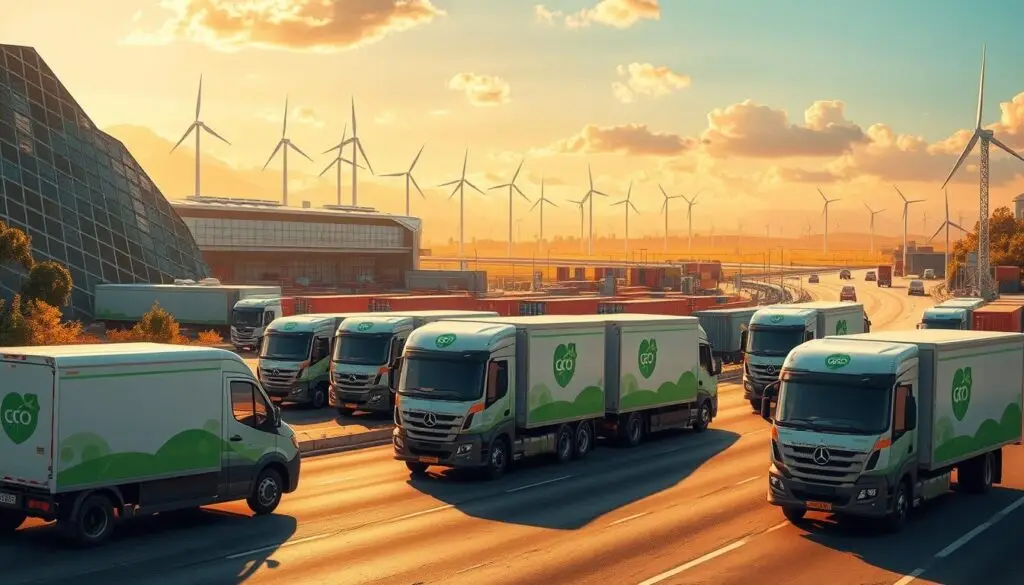
Stream 2 supports vehicle repowers, alternative fuel purchases, and logistics best practices implementation.
Scope: Repowers, Low-Carbon Vehicles, and Logistics
Stream 2 provides non-repayable contributions for three activities. Vehicle repower funding helps convert existing assets to cleaner drivetrains. Low-carbon vehicle grants back purchases of alternative fuel units across Classes 5–8. Logistics best practices funding covers planning and tools that reduce empty miles and optimize routing.
Fleets often pair Stream 2 awards with Stream 1 assessments to validate duty cycles and technology fit. Infrastructure planning through ZEVIP supports charging or hydrogen supply where routes demand it.
Current Status: June 2025 Call Closed
The most recent intake for Stream 2 opened March 4, 2024 and closed June 2, 2025. This time-boxed, competitive window is now closed. Fleets that missed the deadline should organize documentation—vendor quotes, GHG baselines, duty-cycle data—so they are ready when the next intake opens.
Given demand from carriers and shippers, future windows may move quickly. Align scopes for vehicle repower funding, low-carbon vehicle grants, and logistics projects into complete, shovel-ready packages.
Planning Strategy: Positioning for Future Windows
Set a quarterly review cadence for Natural Resources Canada updates and provincial programs. Map these against procurement calendars. Build phased plans that sequence charging or refueling installations, unit orders, and driver training.
Preparation steps include validating duty cycles with Stream 1 data and vendor trials, pre-qualifying technologies and suppliers to lock pricing, staging infrastructure via ZEVIP to support first deliveries, and creating grant-ready documentation packages.
This approach keeps projects fundable and practical when Stream 2 reopens, delivering vehicle repower funding, low-carbon vehicle grants, and logistics improvements without disrupting operations.
Maximizing Retrofit ROI Through Strategic Implementation
Timing and documentation drive success. With retrofit grants Canada available through continuous intake, proof of eligibility and installation matter. Pair fuel-saving technologies with auditable data, then align purchases with grant reimbursement cycles to protect cash flow.

Data-driven retrofit selection delivers measurable fuel savings and faster payback periods.
Proven Technologies for Fuel and GHG Reduction
Focus on devices with verified performance data and warranties matching replacement cycles. Target equipment that reduces drag, rolling resistance, idling, and driver inefficiency across Classes 5–8.
Aerodynamic kits from suppliers like WABCO and Transtex include side skirts, boat tails, and nose cones that cut highway drag. Low-rolling-resistance tires from Michelin and Goodyear paired with automatic inflation systems reduce fuel burn. Idle-reduction solutions from Thermo King and Carrier include auxiliary power units, battery HVAC, and start-stop controls. Telematics platforms such as Geotab or Samsara flag harsh events, route waste, and extended idling.
These fuel-saving technologies deliver quick paybacks and verifiable savings. Bundling multiple measures strengthens applications for GHG reduction retrofits.
Leveraging Third-Party Assessments
Independent assessments funded at up to 50% (capped at $15,000 per company) provide model-year, lane, and payload insights. They convert raw fuel logs into ROI rankings, guiding which trucks receive which retrofits first.
Build a baseline using telematics data, fuel receipts, and odometer records by vehicle. Model retrofit stacks by route type—urban, regional, long-haul—and estimate payback periods. Package top measures with vendor quotes and installation windows to demonstrate readiness.
This methodology strengthens applications for fleet energy assessment funding and helps lock in parts and shop time before peak seasons.
Documentation for Reimbursement
Funds are paid after purchase and installation. Match every expense to the Applicant Guide and maintain a clean audit trail linking VINs, invoices, and serial numbers.
| Process Step | Required Documentation | Success Factor |
|---|---|---|
| Pre-approval alignment | Vendor quotes, device specs, eligibility cross-check | Highlight devices with certified test data matching program criteria |
| Procurement | Purchase orders, dated invoices, payment confirmations | Use consistent SKUs and vendor references across documentation |
| Installation | Work orders, photos with VINs, installer attestations | Schedule installs in batches to cluster submissions and reduce processing time |
| Verification | Telematics snapshots, fuel logs, baseline vs. post-retrofit data | Include route notes explaining duty-cycle variations or seasonal impacts |
Coordinate procurement and documentation so each submission package is complete on day one. This cadence shortens processing and aligns investments with fleet energy assessment funding insights.
Stay Ahead of Industry Trends
Get expert insights, equipment reviews, and operational strategies delivered to your inbox weekly.
Program Governance and Compliance Requirements
Funding rules adapt to market conditions. U.S.-based fleets operating in Canada stay compliant by monitoring the NRCan Applicant Guide and aligning internal timelines with fiscal cycles running April 1 through March 31.
Program compliance requires attention to Applicant Guide updates and fiscal-year allocation cycles.
Applicant Guide Updates and Market Adjustments
Natural Resources Canada may revise the NRCan Applicant Guide with three months’ notice to reflect inflation and market trends. New rules apply to applications received after the effective date. Review important notes before each intake to ensure forms, quotes, and invoices align with the current version.
Ensuring Grant Eligibility
Grant eligibility rests on clear, dated documentation and timing. Stream 1 operates first-come, first-served with funds allocated by fiscal year. Submit completed packages early, confirm vendor eligibility, and keep serial numbers, retrofit specifications, and proof of purchase ready to support program compliance.
Direct Support Channels
For clarifications on criteria, timelines, or inflation adjustments, contact Natural Resources Canada at freightassessment-evaluationdeflotte@nrcan-rncan.gc.ca. Direct questions on grant eligibility, document checklists, and cut-off dates help avoid delays and ensure alignment with the latest program requirements.
ZEVIP: Zero-Emission Infrastructure Funding for Fleets
Natural Resources Canada’s Zero Emission Vehicle Infrastructure Program targets the infrastructure gap that slows adoption: dependable, local refueling. For U.S.-based carriers operating in Canada, ZEVIP fleet charging and hydrogen refueling grants bridge the gap from pilot to scale.
What ZEVIP Funds
ZEVIP supports Level 2 and DC fast chargers in public places, on-street locations, multi-unit residential buildings, workplaces, and fleet depots. It also backs hydrogen refueling for commercial routes. Projects can include make-ready work, networked hardware, and smart load management.
Workplace charging incentives align particularly well with shift-based operations and overnight dwell times common in freight logistics.
Cost Share Structure
For most owners and operators, Natural Resources Canada covers up to 50% of eligible costs, capped at $5 million per project. Indigenous organization funding can reach 75%, up to $2 million per project. Large private projects exceeding $20 million may be steered to the Canada Infrastructure Bank’s Charging and Hydrogen Refuelling Infrastructure Initiative for additional financing.
Program Duration
Funding runs through March 31, 2027, with competitive intakes that prioritize readiness and impact. Since 2016, federal budgets have provided over $1 billion for EV infrastructure. Budget 2022 added $400 million to ZEVIP, while the Canada Infrastructure Bank committed $500 million for large-scale charging and hydrogen networks.
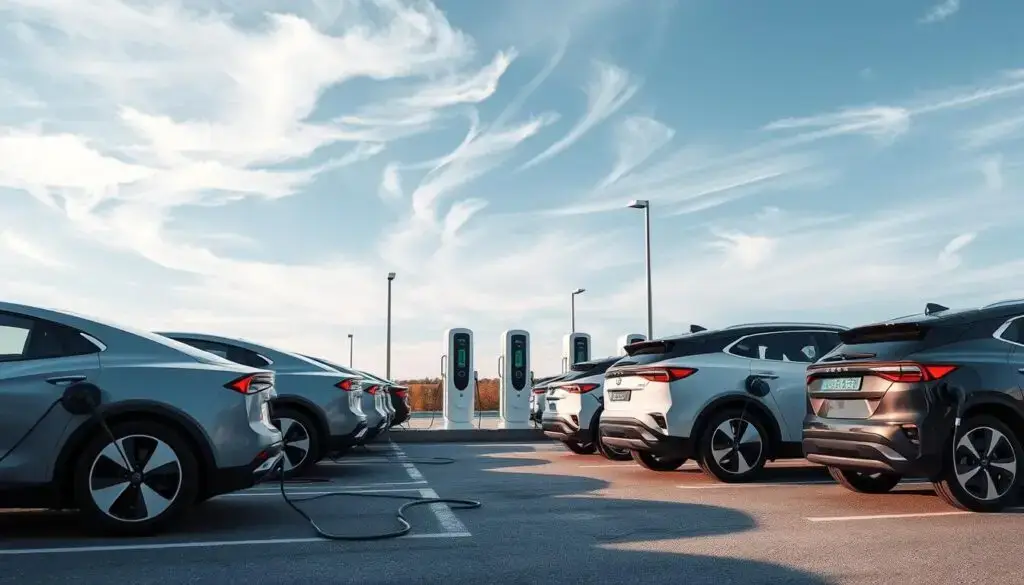
ZEVIP covers depot charging, workplace installations, and public corridor fast-charging infrastructure.
Eligible Sites and Technologies
Eligible locations include fleet depots, workplaces, multi-unit residential buildings, and public or on-street sites. Technologies span networked Level 2 chargers, DC fast charging systems, and hydrogen refueling stations with load management capabilities. Grants reach up to $5 million per project, with larger builds potentially qualifying for Infrastructure Bank pathways.
Successful applications demonstrate site control, realistic build schedules, and utility coordination. Pairing ZEVIP fleet charging with workplace charging incentives and hydrogen refueling grants de-risks duty cycles for medium- and heavy-duty vehicles on cross-border routes.
ZEVIP Corridor Pilot: November 2025 Launch
Fleets planning depot and corridor upgrades have a defined window. The corridor fast charging pilot scheduled for November 2025 prioritizes high-demand routes. This initiative targets through-traffic and cross-border hubs, helping fleets synchronize charger installations with vehicle rollouts.

The November 2025 corridor pilot addresses high-priority transportation routes with $9 million in available funding.
Pilot Parameters
Funding follows a continuous intake model until the notional $9 million is fully committed. Early, complete submissions tend to place better in queue. Assemble site control documentation, utility letters, and vendor quotes before launch to maximize approval probability.
Smaller deployments below Level 2 connector thresholds or under two DC fast chargers can proceed via authorized delivery organizations. This pathway fits depot and workplace capacity additions without competing in larger national calls.
Project Sizing Considerations
Coordinate charger sizing with duty cycles, weather conditions, and grid constraints. Right-size DC power for turn times and track Level 2 connector thresholds to avoid processing delays. This approach maintains uptime while trimming both capital expenditures and operating costs.
Integrating Infrastructure and Vehicle Incentives
Pair infrastructure dollars with vehicle rebates to unlock scale and speed. ZEVIP can cover up to 50% of eligible costs, or 75% for Indigenous organizations, reducing out-of-pocket expenditure for chargers and hydrogen stations. When combined with future low-carbon vehicle calls similar to Stream 2, fleets can stack incentives across hardware, installation, and vehicles.
Large, hub-scale projects exceeding $20 million in capital costs may benefit from the Canada Infrastructure Bank’s concessional financing through public-private partnerships. This approach complements grants to balance equity, debt, and risk without delaying construction schedules.
Deployment Coordination Strategy
Align deployment with annual grant cycles. Use Stream 1 timelines to phase site work so charger energization meets truck delivery dates. Monitor future windows similar to Stream 2 to pair vehicle orders with make-ready milestones.
U.S.-based fleets operating in Canada can layer infrastructure grants to lower Canadian site costs while U.S. alternative fuel credits optimize taxes and cash flow for stateside operations.
| Funding Mechanism | Coverage | Optimal Application |
|---|---|---|
| ZEVIP (Fleet Charging & Hydrogen) | Chargers, hydrogen stations, make-ready, installation | Depot builds, workplace charging, corridor pilots; front-end grant reduces capex |
| Future Vehicle Calls (Stream 2-type) | Zero-emission or low-carbon trucks, repowers | Coordinate vehicle purchases with charger readiness to synchronize commissioning dates |
| Canada Infrastructure Bank Initiative | Concessional financing for large networks | Multi-site networks and public hubs over $20M; fills gaps after grants |
| U.S. Alternative Fuel Tax Credits | Credits for qualified vehicles and equipment | Lowers U.S. tax burden while Canadian capex falls under infrastructure awards |
Procurement Phasing
Plan procurement in waves. Lock utility upgrades with ZEVIP first, then time vehicle grants and orders to match energization dates. For multi-depot rollouts, layer Canada Infrastructure Bank financing where project size triggers capital needs exceeding grant caps.
Maintain a clear calendar tracking fiscal-year allocations for Stream 1 reimbursements, anticipated vehicle calls, and internal tax deadlines. This cadence supports stacking incentives with precise cash flow timing.
MHDV Decarbonization Strategy for Class 5–8 Fleets
MHDV decarbonization succeeds when planning starts with data and ends with field results. A focused Class 5–8 strategy concentrates resources where duty cycles are heavy and fuel burn is high.
Environment and Climate Change Canada reports that the transportation sector produced 159 megatonnes of carbon dioxide equivalent in 2020, representing 24% of Canada’s total greenhouse gas emissions. Medium- and heavy-duty vehicles account for a growing share of this total.
Targeting Classes 5–8 for Maximum Impact
North American fleets achieve the largest emission reductions by prioritizing straight trucks, day cabs, and tractors in Classes 5–8. These assets run frequent routes, idle more, and offer quick wins from aerodynamic add-ons, tire technologies, and idle-reduction systems.
Combining Operations and Technology
Pair operational best practices with hardware upgrades to lock in durable savings. Apply driver training and SmartWay-aligned routing while installing aerodynamic devices, low-rolling-resistance tires, and telematics-based coaching. Where duty cycles fit, stage engine repowers, battery-electric pilots, or hydrogen-ready components within a phased retrofit roadmap.
Lifecycle Planning for In-Use Fleets
Many trucks stay in service beyond a decade. Fleet lifecycle plans must address vehicles already on the road. Schedule third-party assessments to quantify route-level gains, then time engine repowers and component swaps at major service intervals.
Coordinate depot charging or hydrogen supply with route turnover to avoid stranded assets. Use Stream 1 assessments to rank routes by fuel intensity and map upgrades by shop availability. Align ZEVIP-supported infrastructure with near-term vehicle deliveries, phasing in new technologies as warranties and leases roll over.
Alternative Fuel Tax Credits: U.S. Complement to Canadian Grants
Smart fleets pair U.S. alternative fuel tax credits with Canadian grant programs to accelerate TCO reduction. Grants trim upfront costs for retrofits and charging, while credits offset tax liability tied to qualified fuels, vehicles, and infrastructure.
Positioning Credits Alongside Grants
Use grant and tax credit stacking to cover distinct cost buckets. Stream 1 and ZEVIP reduce capital expenditures, while U.S. credits apply at tax filing to net down cash taxes. This sequencing strengthens payback models and sustains TCO reduction across fleet cycles.
Coordinating Timelines
Build a calendar reflecting Stream 1’s April-March fiscal year and reimbursement timing after invoices. Map project milestones to IRS filing dates for precise tax year alignment. This approach supports cash flow and sharpens fleet tax planning for multi-entity operations.
Documentation Best Practices
Maintain tight substantiation records: third-party assessment reports, vendor quotes, executed purchase orders, invoices, proof of eligible purchases, and commissioning records for chargers or hydrogen refueling infrastructure. Keep copies of program correspondence and the Applicant Guide version in force.
For cross-border carriers, segregate Canadian grant-funded assets from U.S. credit-eligible items. Clear coding in enterprise resource planning systems and shared evidence folders reduce audit risk and preserve grant and tax credit stacking opportunities.
Preparing Competitive Applications
Start with fleet assessment readiness. Commission a third-party energy assessment to pinpoint eligible retrofts and quantify savings. Under Stream 1, up to 50% of assessment costs may be covered, capped at $15,000.
Build a concise grant application checklist mapping each measure to program criteria, cost share, and timing. Attach vendor quotes for aerodynamic devices, low-rolling-resistance tires, idle-reduction technology, or telematics. Add a project schedule showing purchase, installation, and verification milestones.
First-Come, First-Served Strategy
Submit early using a first-come, first-served approach. Target the start of the fiscal year to navigate annual allocations through March 31, 2027. Prepare a backup package so you can file quickly if funds roll forward or new windows open.
Applicant Guide Compliance
Ensure strict compliance with program requirements. Align model numbers, quantities, and eligible cost lines with the latest guide. Track Natural Resources Canada’s three-month notice policy for changes so you can update budgets for inflation, specifications, or eligibility shifts.
Documentation Requirements
Plan for fast reimbursement by meeting all documentation standards. Keep stamped invoices, proof of purchase, serial numbers, and installation records. Document before-and-after photos where relevant and log meter data to support realized savings.
Infrastructure Timing
Coordinate infrastructure timing with ZEVIP. Align proposals with the November 2025 corridor pilot and its continuous intake with $9 million in notional allocation. For smaller builds under 20 Level 2 connectors or 2 fast chargers, consider delivery organizations to streamline approvals.
Use Natural Resources Canada’s channel at freightassessment-evaluationdeflotte@nrcan-rncan.gc.ca for clarifications before submitting. Confirm cost eligibility, stackability with provincial programs, and procurement lead times.
Share Your Expertise
Join Heavy Duty Journal as a guest author and reach thousands of industry decision-makers.
Conclusion
Fleets have a clear path in 2025 to cut emissions and costs by pairing alternative fuel incentives with Canadian grants. The Green Freight Program maintains Stream 1 open on a continuous, first-come basis through March 31, 2027, funding third-party assessments at 50% up to $15,000 and retrofit devices at 50% per device, capped at $250,000 per applicant.
Stream 2’s most recent call closed June 2, 2025, underscoring the need to track future windows for repowers, low-carbon vehicle purchases, and logistics upgrades. ZEVIP supports fleet charging and hydrogen refueling through March 31, 2027, covering up to 50% of costs, or 75% for Indigenous organizations, with $5 million per-project caps.
A corridor fast-charging pilot launches in November 2025 with continuous intake and a notional $9 million allocation. Smaller projects can move through delivery organizations for streamlined approval.
Canada’s sustained investments signal durable infrastructure momentum. Budget 2019 and the 2020 Fall Economic Statement committed $280 million to ZEVIP. Budget 2022 added $400 million, complemented by $500 million from the Canada Infrastructure Bank. For U.S. operators, a cross-border fleet strategy that blends federal alternative fuel incentives with these grants can speed adoption across Class 5–8 vehicles.
Treat fleet decarbonization funding 2025 as a portfolio. Align tax years with grant cycles, keep documentation airtight, and stage projects so hardware, infrastructure, and operations reinforce each other. Done well, the combined force of the Green Freight Program, ZEVIP, and U.S. credits lowers total cost of ownership while delivering measurable, near-term cuts in fuel use and greenhouse gases.
Frequently Asked Questions
How do alternative fuel tax credits and grants lower fleet total cost of ownership in 2025?
Grants cut upfront capital for retrofits and infrastructure, while U.S. alternative fuel tax credits offset operating costs, depreciation, and fuel use. Pairing Canada’s Green Freight Program and ZEVIP with U.S. credits improves cash flow and accelerates payback for Class 5–8 fleets operating cross-border.
What does the Green Freight Program Stream 1 fund?
Stream 1 funds third-party fleet energy assessments and eligible truck/trailer retrofit devices that reduce fuel use and GHG emissions. Examples include aerodynamic kits, low-rolling-resistance tires, idle-reduction technologies, and telematics supporting logistical best practices.
How much funding can I receive under Stream 1?
Stream 1 covers up to 50% of costs for eligible retrofit devices and up to 50% of an assessment, capped at $15,000 per company for assessments. The total Stream 1 maximum is $250,000 per applicant, with reimbursement after you submit invoices and proof of eligible purchases.
What are the Stream 1 timelines and how is intake managed?
Stream 1 has continuous intake from December 12, 2022 to March 31, 2027. Funding is awarded first-come, first-served to complete applications meeting Applicant Guide requirements, with allocations set by fiscal year (April 1–March 31).
How should fleets plan around fiscal-year allocations for Stream 1?
Submit early each fiscal year with complete documentation and vendor quotes. Align procurement schedules, installation, and invoicing to the fiscal cycle to reduce the risk of annual funds being committed before your application is processed.
What did Green Freight Program Stream 2 cover, and what is its 2025 status?
Stream 2 supported vehicle repowers, low-carbon vehicle purchases, and logistical best practices. The most recent call opened March 4, 2024 and closed June 2, 2025. Fleets should monitor Natural Resources Canada for future windows and prepare shovel-ready scopes.
How can assessments speed ROI on retrofits?
Third-party fleet energy assessments quantify baseline fuel use, rank measures by payback, and validate technology choices. Using the findings to target high-impact retrofits helps secure funding and shortens the route to fuel savings.
What documentation is required for Stream 1 reimbursement?
Maintain the assessment report, vendor quotes, invoices, proof of eligible purchases, and installation records. Ensure alignment with the Applicant Guide version in force at submission to avoid delays and support audit-ready claims.
How are Applicant Guide updates handled?
Natural Resources Canada may amend the Applicant Guide with three months’ notice to reflect market conditions, including inflation. Changes apply to applications received after they take effect and remain until repealed, so review the latest guide before filing.
Who can I contact at NRCan for Stream 1 questions?
Use freightassessment-evaluationdeflotte@nrcan-rncan.gc.ca for clarification on eligibility, required documents, or timing. Early engagement helps align your application with current criteria.
What does ZEVIP fund for fleets?
ZEVIP funds deployment of EV charging and hydrogen refueling in public places, on-street, at workplaces, in multi-unit residential buildings, and for vehicle fleets. It addresses infrastructure gaps that slow electrification and fuel switching.
What are ZEVIP cost shares and caps?
Natural Resources Canada’s contribution is up to 50% of total project costs (up to $5 million per project for owners/operators and delivery organizations). For Indigenous organizations and communities, the cost share is up to 75% (up to $2 million per project).
How long is ZEVIP available?
ZEVIP is extended to March 31, 2027. Since 2016, Canada has invested over $1 billion in ZEV adoption and infrastructure, including Budget 2019/2020’s $280 million and Budget 2022’s $400 million, complemented by $500 million from the Canada Infrastructure Bank.
What is the ZEVIP corridor fast-charging pilot launching in November 2025?
It’s a transportation-corridor opportunity focused on high-priority routes. Intake is continuous until funds are fully committed, with a notional allocation of $9 million. Align corridor sites with duty cycles and cross-border lanes.
How can smaller charging projects access ZEVIP?
Projects under 20 Level 2 connectors or under 2 fast chargers can apply through delivery organizations that redistribute ZEVIP funds. This pathway suits depot-scale, workplace, and mixed-use installations.
Can ZEVIP be combined with vehicle incentives or financing?
Yes. ZEVIP can pair with vehicle-side incentives from Green Freight Program Stream 2 (when available) and with concessional financing via the Canada Infrastructure Bank for large projects. Coordinate timelines so infrastructure is ready for vehicle commissioning.
Why prioritize Class 5–8 vehicles for decarbonization?
Medium- and heavy-duty vehicles are a major share of transportation GHG emissions in Canada, and many stay in service for more than 10 years. Targeting these classes yields the largest reductions and fastest operational savings.
What operational best practices complement hardware upgrades?
Driver training (such as Natural Resources Canada SmartDriver), idle-reduction policies, route optimization, tire management, and SmartWay-aligned logistics amplify savings from aerodynamic and drivetrain upgrades.
How do alternative fuel tax credits fit with Canadian grants for cross-border fleets?
Use Canadian grants to reduce capex for retrofits and infrastructure at Canadian sites, while U.S. alternative fuel tax credits optimize tax liability on U.S. operations. Segregate costs by jurisdiction to maintain compliance and maximize benefits.
How should fleets align tax years with grant reimbursements?
Map Stream 1’s fiscal cycle (April 1–March 31) and reimbursement timing to your tax year. Recognize when expenses are incurred versus reimbursed to position U.S. credits and Canadian grants without double counting.
What records should we keep to substantiate grants and tax credits?
Maintain assessment reports, technology specifications, vendor quotes, dated invoices, proof of eligible purchases, commissioning records for chargers or hydrogen stations, correspondence with Natural Resources Canada, and the applicable Applicant Guide version.
Are U.S.-based fleets operating in Canada eligible for these programs?
Yes, if they meet Natural Resources Canada eligibility and project requirements under the Applicant Guide. Stream 1’s continuous intake through March 31, 2027 is particularly useful for ongoing retrofit programs supporting cross-border operations.
What happens if our infrastructure project exceeds $20 million?
Large private-sector projects above $20 million may be redirected to the Canada Infrastructure Bank’s Charging and Hydrogen Refuelling Infrastructure Initiative, which can complement grants with scalable financing.
Share This Article
Share this post with your network and help other industry professionals stay informed.