
By Michael Nielsen, Editor & Publisher | 15+ Years in Diesel Repair
Last Updated: December 2025
📖 Estimated reading time: 22 minutes
Your truck’s compressed air system powers the most critical safety component on the road: your braking system. Standing between reliable brake performance and catastrophic failure is a single component that filters moisture, oil vapor, and contaminants before they reach your brake lines. When this protective barrier fails, the consequences extend far beyond a repair bill.
Neglecting this essential service creates a domino effect of problems. Frozen brake lines during winter operations can leave you stranded or worse. Moisture-induced corrosion silently shortens component life, leading to premature wear across your entire pneumatic system. The result? Unexpected downtime, costly emergency repairs, and compromised safety that puts drivers and other motorists at risk.
Fleet managers and owner-operators who understand operational efficiency know one truth: preventive service costs a fraction of emergency repairs. This guide takes a no-nonsense approach to air dryer maintenance, providing practical strategies that protect your investment, ensure regulatory compliance, and maintain the system reliability your operations demand.
Key Takeaways
- Prevent brake failures: Regular air dryer maintenance prevents frozen brake lines and moisture damage that compromise vehicle safety and cause DOT violations.
- Replace both components together: Always replace the desiccant cartridge and purge valve simultaneously—skipping the purge valve risks complete air dryer failure and costly system replacement.
- Follow tiered inspection schedules: Daily, weekly, and monthly inspection routines catch problems before they escalate into emergency repairs costing thousands of dollars.
- Watch for warning signs: Continuous purging, moisture in air tanks, and desiccant powder near the exhaust port indicate immediate service requirements.
- Adjust for operating conditions: High-humidity environments, extreme temperatures, and severe-duty cycles require shortened service intervals beyond manufacturer recommendations.
Understanding Your Truck’s Air Dryer System
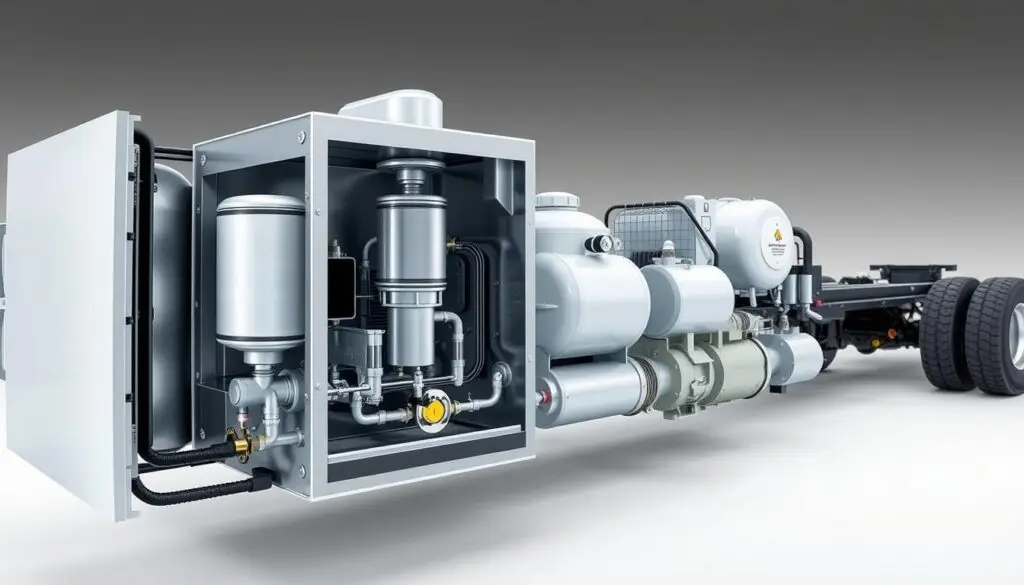
Between the air compressor and your brake chambers sits a component that determines whether your brakes will respond reliably or fail when you need them most. The air dryer serves as the protective barrier in your truck’s pneumatic brake system, filtering out moisture and contaminants before they can damage critical components. Unlike the hydraulic brake systems found in passenger vehicles, commercial trucks depend entirely on compressed air to generate stopping force.
This fundamental difference creates unique maintenance requirements. When an air compressor draws in ambient air and compresses it to operating pressure (typically 120-135 PSI), the compression process generates heat and concentrates any moisture present in the atmosphere. Without intervention, this moisture would travel through brake lines, settle in air tanks, and eventually cause catastrophic system failures.
The Critical Role of Air Dryers in Brake Performance
Air dryers function as the primary defense mechanism against moisture-related brake system failures. Their importance extends far beyond simple water removal. These devices protect your entire pneumatic system from three major threats that compromise safety and operational reliability.
First, moisture accumulation leads to internal corrosion throughout the brake system. Metal air tanks, steel brake lines, and precision-machined valve bodies all suffer progressive rust damage when exposed to water vapor. This corrosion weakens structural integrity and creates particulate contamination that accelerates wear on moving components.
Second, water freezes in cold weather conditions. Even small amounts of moisture can form ice blockages in air lines, valves, and brake chambers during winter operation. These ice formations restrict airflow and prevent proper brake application, creating dangerous situations where stopping power disappears without warning.
Third, moisture combines with oil aerosols from the compressor to form sludge deposits. This contaminated mixture clogs small passages in governors, quick-release valves, and relay valves. The resulting restrictions disrupt normal brake system operation and cause erratic brake performance.
15.1% Out-of-Service Rate
During CVSA’s 2025 Brake Safety Week, inspectors placed 2,296 commercial vehicles out of service for brake-related violations—the most common vehicle violation category in roadside inspections.
How Air Dryers Remove Moisture from Brake Lines
The moisture removal process combines chemical absorption with pressure differential cycling. Understanding this mechanism helps operators recognize normal operation and identify problems before they escalate. The complete cycle occurs automatically with each air compressor loading and unloading sequence.
As compressed air exits the air compressor, it enters the air dryer housing at elevated temperature and pressure. Inside the housing, the air stream passes through a desiccant cartridge filled with specialized silica gel or molecular sieve material. These desiccant beads have microscopic pores that trap water molecules through a process called adsorption, where moisture adheres to the vast internal surface area of the material.
The desiccant also captures oil aerosols and particulate contamination larger than its filtration rating. This three-stage filtration ensures that only clean, dry air reaches the primary and secondary air reservoirs. The efficiency of this moisture removal directly impacts the longevity of every downstream component in your brake system.
When the air compressor reaches cut-out pressure and unloads, the purge cycle begins. A purge valve at the base of the air dryer opens, releasing a burst of pressurized air back through the desiccant material. This reverse flow strips accumulated moisture from the desiccant beads and exhausts it to atmosphere through the purge valve outlet.
That characteristic “pssshhh” sound you hear every few minutes signals the system is functioning properly. The purge cycle typically lasts 15-30 seconds and regenerates the desiccant for the next compression cycle. This self-cleaning design allows the air dryer to operate continuously between cartridge replacement intervals.
Components of a Standard Air Dryer Assembly
Modern air dryers incorporate multiple integrated components that work together as a complete moisture removal system. Familiarity with these parts supports effective air brake system maintenance and helps you communicate clearly with service technicians when issues arise.
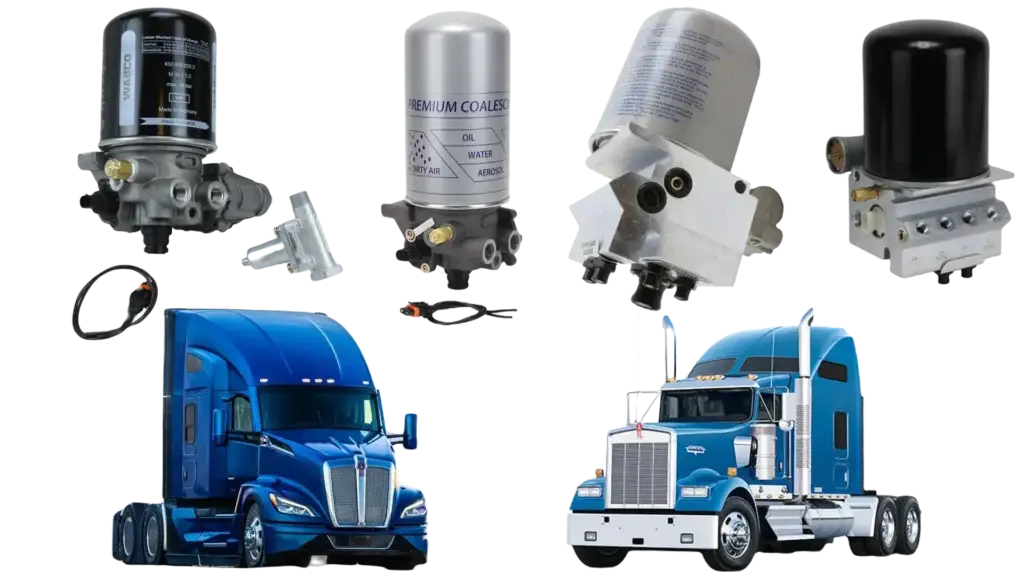
- Desiccant Cartridge: The replaceable filter element containing moisture-absorbing material. Service life typically ranges from 25,000 to 100,000 miles depending on operating conditions and manufacturer specifications.
- Purge Valve Assembly: Controls the regeneration cycle timing and duration. Contains an internal piston, spring mechanism, and exhaust port that releases accumulated moisture.
- End Cover and Seal: Provides access to the desiccant cartridge during replacement. The seal prevents external air leaks and maintains proper internal pressure for efficient moisture removal.
- Check Valve: Prevents backflow from air reservoirs during the purge cycle, ensuring system pressure remains available for brake application.
- Mounting Hardware: Brackets and fasteners that secure the dryer between the compressor discharge and primary air tank.
Many modern units also include an integrated heater element for cold-weather operation. This electric heater prevents ice formation inside the dryer housing during extreme winter conditions, maintaining proper purge valve function when temperatures drop below freezing.
| Component | Function | Service Interval | Failure Symptoms |
|---|---|---|---|
| Desiccant Cartridge | Absorbs moisture and contaminants | Every 1-3 years or per OEM specs | Excessive purging, moisture in tanks |
| Purge Valve | Controls regeneration cycle | Replace with each cartridge change | Continuous purging, no purge sound |
| End Cover Seal | Prevents air leaks from housing | Replace with each cartridge change | Audible air leak, pressure loss |
| Heater Element | Prevents freezing in cold weather | Test seasonally before winter | Ice formation, frozen purge valve |
Spin-on style dryers use a threaded cartridge similar to an oil filter, while cartridge-style units require removing the end cover to access internal components. Both designs accomplish the same moisture removal objectives, though replacement procedures differ slightly. Your truck’s specific configuration depends on the air compressor manufacturer and vehicle specifications.
The location of the air dryer also matters for maintenance accessibility. Most installations position the unit directly on the air compressor discharge port or on a nearby mounting bracket. This proximity minimizes the distance hot, moisture-laden air travels before entering the desiccant material, maximizing drying efficiency and protecting your investment in reliable brake performance.
Warning Signs Your Air Dryer Needs Attention
Your truck’s air dryer sends clear warning signals when trouble is developing, if you know what to look for. Recognizing these indicators early prevents minor issues from escalating into complete brake system failures. Effective air dryer troubleshooting requires a multi-sensory approach that combines visual inspection, performance monitoring, and listening for abnormal sounds during operation.
Most air dryer problems announce themselves through specific patterns that trained operators can identify during routine pre-trip inspections. The key is understanding what constitutes normal operation versus warning signs that demand immediate attention. This diagnostic knowledge separates proactive maintenance from reactive emergency repairs.
Visual Indicators of Air Dryer Problems
The most obvious warning signs appear around the air dryer assembly itself. Check the purge valve exhaust port during your daily inspection—continuous air leakage indicates a serious problem. Normal purge cycles occur only when the compressor unloads, producing a brief “psssht” sound every few minutes.
If you see constant exhaust from the purge valve, several issues might be present. An internal purge valve leak prevents proper sealing. The compressor may not be unloading correctly, or the purge control line connection could be incorrect. In cold weather, a frozen purge valve creates the same symptom.
Look for oil residue or streaks around fittings and the dryer body. This visual clue suggests either normal service intervals have been exceeded or the compressor is passing excessive oil into the system. Both conditions require immediate investigation to protect brake performance optimization throughout your air system.
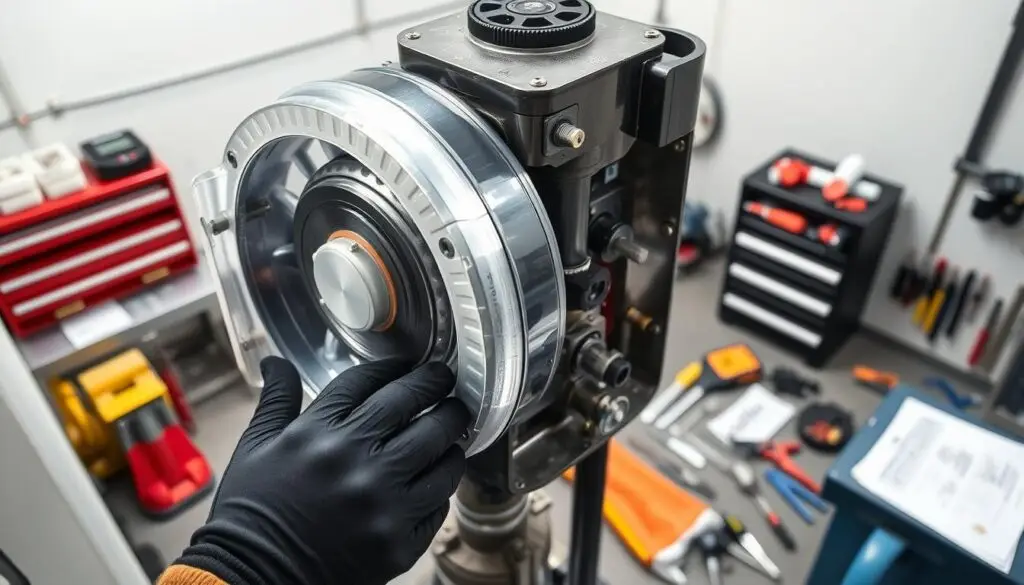
The most critical visual indicator is desiccant powder near the purge exhaust. This appears as blue, pink, or orange dust depending on your desiccant type. Desiccant material being expelled means contaminated particles are reaching downstream brake components. This breakthrough occurs when the air dryer isn’t securely mounted (causing vibration), the desiccant is saturated or malfunctioning, the compressor is passing excessive oil, or chemicals like alcohol have been added to the discharge line before the air dryer.
During visual inspection, verify that all mounting bolts remain tight. Vibration loosens connections over time, reducing the dryer’s effectiveness and accelerating desiccant breakdown. A simple hand-check of mounting hardware takes seconds but prevents hours of future troubleshooting.
Performance Symptoms in Brake Systems
Air dryer problems manifest directly in brake system behavior. Slow pressure build-up after starting the engine is your first performance clue. This symptom may indicate restrictions in the discharge line or a saturated cartridge that cannot process air efficiently.
Monitor your air pressure gauges during warm-up. Normal systems reach operating pressure within two to three minutes. Extended build-up times compromise brake performance and signal developing air dryer issues. Document these times to establish your baseline and detect gradual degradation.
Pressure that won’t hold or drops rapidly when the engine is off points to leaks in the dryer assembly or failed check valves. A properly functioning system maintains pressure for hours after shutdown. Significant pressure loss within 15-30 minutes demands immediate inspection.
Excessive compressor cycling reveals system inefficiency. The compressor should cycle on and off regularly based on air demand. Constant running indicates the system is losing air through dryer leaks or cannot build pressure due to restrictions. This condition accelerates compressor wear and increases fuel consumption significantly.
Check your first reservoir tank for moisture or oil contamination during drain valve servicing. Any liquid present means the air dryer isn’t removing moisture effectively. This contamination eventually damages brake valves, chambers, and ABS components. Catching this symptom early through routine maintenance inspection prevents costly downstream repairs.
Audible Clues During Operation
Your ears provide valuable diagnostic information during air dryer troubleshooting. Listen for the normal purge cycle sound—a brief, sharp exhaust noise when the compressor unloads. This “psssht” should occur predictably based on air usage and system pressure settings.
A continuous hissing sound from the purge valve indicates a stuck valve that cannot seal properly. This constant air loss prevents proper pressure maintenance and wastes energy. The difference between normal purging and problematic hissing becomes obvious once you know what to listen for.
Rattling or fluttering sounds during the compressor charging cycle signal check valve problems. A defective check valve allows air to backflow through the system. You might also hear these sounds if the turbo cut-off valve is leaking or if the purge valve control piston O-ring has failed.
Unusual silence presents another diagnostic clue. If the dryer should be purging but produces no sound, the control line may be blocked or disconnected. This prevents the automatic cleaning cycle that keeps the desiccant functional. Without regular purging, moisture accumulates rapidly and saturates the desiccant material.
During your pre-trip inspection, stand near the air dryer while the system builds pressure. Note the sounds at different pressure levels. Developing familiarity with your truck’s normal acoustic signature allows you to detect abnormalities immediately. This audible monitoring complements visual and performance checks for comprehensive brake system care.
| Warning Sign | Normal Condition | Problem Indication | Required Action |
|---|---|---|---|
| Purge Valve Exhaust | Brief “psssht” every few minutes | Continuous hissing sound | Inspect valve, control line, compressor |
| Pressure Build-Up Time | Reaches maximum in 2-3 minutes | Takes 5+ minutes or fails to reach max | Check desiccant saturation, restrictions |
| Desiccant Appearance | No visible powder near exhaust | Blue, pink, or orange dust present | Replace cartridge immediately |
| Reservoir Drainage | Dry air only during drain | Moisture or oil discharge | Service air dryer, check compressor |
Combining these visual, performance, and audible observations creates a complete diagnostic picture. Most air dryer failures provide multiple warning signs before complete breakdown occurs. Regular attention to these indicators transforms maintenance from reactive crisis management into proactive system care that maximizes equipment lifespan and ensures safe brake operation.
Essential Air Dryer Maintenance Procedures
A structured approach to air system inspection ensures your truck’s brake components receive the protection they require. Building a preventive maintenance schedule around three distinct intervals—daily, weekly, and monthly—creates comprehensive coverage without overwhelming operators. This tiered system balances thoroughness with operational efficiency, allowing drivers and technicians to catch problems before they escalate into expensive failures.
Understanding air system maintenance is critical because braking and suspension systems rely on consistent air supply. Air system failures caused by water, particles, or oil can lead to truck-down situations, costly repairs, and lost productivity. The maintenance procedures outlined here prevent these scenarios through systematic monitoring and timely intervention.
⚠️ Safety Warning
Before performing any air system maintenance, fully drain all air reservoirs to eliminate stored pressure. Air brake systems operate at 120-135 PSI—enough force to cause serious injury if components are removed under pressure. Block wheels and engage parking brakes before beginning any inspection or service procedure.
Daily Pre-Trip Inspection Checklist
Every trip should begin with a focused five-minute inspection that targets the most common failure points. This daily routine catches developing problems while they’re still manageable, preventing roadside breakdowns that cost hours of lost productivity.
Start by visually inspecting the air dryer mounting for security and checking that all connections remain tight. Vibration loosens hardware gradually, and a secure mounting prevents internal component damage. Look for any signs of physical damage to the dryer housing or cracks in mounting brackets.
With the engine off and air tanks full, manually drain moisture from air tanks by opening the petcocks. What comes out tells you everything about system health. Clear air indicates proper desiccant function. Water droplets suggest saturation is approaching. Oil contamination points to compressor problems requiring immediate attention.

Listen for the characteristic purge sound when starting the engine. This confirms the purge valve is functioning correctly, expelling accumulated moisture from the desiccant bed. A weak purge or no purge at all signals valve problems that compromise the entire drying process.
Check the dash-mounted pressure gauges to ensure the system reaches proper operating pressure. Most systems should hit 120-125 PSI within the expected time frame, typically 45 seconds to two minutes depending on ambient temperature. Slow pressure buildup indicates air loss somewhere in the system.
Perform a brake leak-down test with the engine off and full tanks. According to 49 CFR Part 393 Subpart C brake system requirements, if you lose more than 3 PSI in one minute for a single vehicle or 4 PSI for a combination, you have a leak that requires immediate investigation. This simple test identifies air loss before it becomes critical during operation.
Complete your daily inspection with a quick walk-around, listening for air leaks. The distinctive hissing sound indicates fittings, lines, or components are compromised. Address any audible leaks before departure, as they worsen rapidly under operating conditions.
Weekly Maintenance Tasks
Weekly air system inspection routines dig deeper than daily checks, identifying problems that develop gradually over time. Schedule these tasks during planned downtime, such as weekend layovers or maintenance windows between loads.
Use a soapy water solution to spray along fittings and connections throughout the air system. Bubbles mean leaks, even when they’re too small to hear. Pay particular attention to the air dryer connections, fittings, and the purge valve exhaust port. Small leaks that aren’t audible today become major air losses tomorrow.
Tighten or replace suspect lines immediately. Aging rubber develops cracks, and plastic airlines become brittle over time. Inspect all visible air lines for physical damage including abrasions, weather-checking, or signs of rubbing against frame components.
Verify that the dryer heater functions properly by checking electrical connections and testing continuity with a multimeter. This step is critical for winter operations in northern climates, where frozen air lines can disable the entire brake system. A non-functional heater becomes apparent only when temperatures drop, leaving you stranded.
Check mounting bolts and brackets for tightness using the appropriate torque specifications. Vibration loosens hardware over weeks of operation, and a loose dryer destroys its desiccant through excessive shaking. Re-torque all mounting hardware according to manufacturer specifications.
Document any unusual findings in your maintenance logs. Tracking small changes week-to-week reveals patterns that predict major failures, allowing you to schedule repairs during convenient times rather than emergency roadside situations.
Monthly Service Requirements
Monthly maintenance procedures provide the deepest level of preventive care, addressing components that degrade slowly over extended operation. These tasks require more time and technical knowledge but prevent the majority of catastrophic air dryer failures.
Remove and inspect the spin-on desiccant cartridge for saturation indicators or physical damage. Most cartridges feature color-change indicators that show moisture saturation levels. Purple or pink desiccant beads indicate adequate drying capacity, while white or pale beads signal saturation requiring replacement.
Clean the end cover thoroughly and inspect O-rings for wear or compression set. O-rings that have flattened or hardened no longer seal effectively, allowing moisture bypass that defeats the entire drying system. Replace any O-ring showing signs of deterioration, as they’re inexpensive compared to system contamination costs.
| Maintenance Task | Inspection Focus | Failure Indicators | Required Action |
|---|---|---|---|
| Desiccant Cartridge | Color change indicators | White or pale beads | Replace cartridge immediately |
| O-Ring Seals | Compression and elasticity | Flattening or hardening | Replace with OEM parts |
| Purge Valve | Exhaust flow and timing | Weak or absent purge | Clean or replace valve |
| Mounting Hardware | Torque specifications | Loose bolts or brackets | Re-torque to specifications |
Test the purge valve operation by manually triggering it and confirming proper exhaust. The purge should be forceful and complete, lasting approximately three to five seconds. A weak purge indicates partial blockage or internal valve wear requiring cleaning or replacement.
Document all findings in maintenance logs to track component life and identify recurring problems. Detailed records transform reactive maintenance into predictive maintenance. Patterns emerge that reveal whether operating conditions are accelerating wear, allowing you to adjust service intervals accordingly.
A comprehensive preventive maintenance schedule built around these three inspection frequencies prevents the vast majority of air dryer failures. The small time investment in regular checks pays enormous dividends in system reliability, safety, and operational uptime. Fleet operators who implement these procedures consistently report significant reductions in emergency repairs and roadside breakdowns.
Stay Ahead of Air Brake System Issues
Get maintenance alerts, technical bulletins, and fleet management insights delivered to your inbox. Join thousands of fleet managers and diesel technicians who rely on HDJ for practical guidance.
Step-by-Step Desiccant Cartridge Replacement
Most fleet mechanics will tell you that air dryer maintenance is one job you cannot afford to cut corners on. The desiccant cartridge replacement process determines whether your brake system stays reliable or leaves you stranded on the roadside. Getting this procedure right the first time protects your investment and keeps your drivers safe.
After reviewing Bendix technical recommendations and consulting with experienced technicians and parts managers, the consensus is simple: Replacing the air dryer purge valve is just as critical as replacing the cartridge. Skipping this step risks premature system failure and a roadside breakdown no driver wants.
Because if the valve sticks or fails inside the air dryer assembly, it can render the entire unit unusable. That means replacing the complete dryer—hundreds of dollars in parts and labor—all because a small purge valve wasn’t serviced.
Tools and Parts Required
Gathering the correct parts before you start prevents frustration and ensures a successful desiccant cartridge replacement. The specific cartridge model matters tremendously because parts are not interchangeable between different air dryer units.
Your Bendix AD-9, AD-IS, PuraGuard, or other manufacturer-specific unit requires its exact replacement cartridge. Using the wrong cartridge leads to improper sealing and moisture breakthrough into your brake lines.

The purge valve assembly represents the component that many operators neglect. Bendix and experienced technicians unanimously recommend replacing it with every cartridge change. This minor addition prevents pressure loss, moisture carry-over, and costly downtime.
| Required Parts | Required Tools | Additional Supplies |
|---|---|---|
| Replacement desiccant cartridge (model-specific) | Wrench set or strap wrench for spin-on cartridges | Clean shop towels |
| New purge valve assembly | Torque wrench with specifications chart | Approved brake-safe cleaning solvent |
| Fresh O-rings and seals (complete set) | Penetrating oil for corroded fasteners | Clean air brake system oil for lubrication |
| End cover gasket (if applicable) | Plastic scraper for old gasket material | Soapy water solution for leak testing |
Even if your current O-rings and seals look serviceable, replace them anyway. They’re inexpensive insurance against leaks that can compromise your entire air system. Never use petroleum-based products during this purge valve service because they damage brake system components.
Removing the Old Cartridge Safely
Safety comes first during any desiccant cartridge replacement procedure. Begin by depressurizing the entire air system completely. Drain all tanks with the engine turned off to eliminate any stored pressure.
Disconnect the purge valve control line carefully. Note how it routes because proper reinstallation prevents kinks that interfere with operation.
Remove the end cover bolts using the appropriate wrench size. Older units often have corrosion that makes separation difficult. Apply penetrating oil and exercise patience to prevent broken studs that create expensive complications.
Carefully separate the end cover from the housing. Some units require gentle tapping with a rubber mallet to break the gasket seal. Avoid using excessive force that could damage the sealing surfaces.
Extract the old cartridge while noting its orientation. The desiccant material has a specific flow direction that must match during installation. Take a photo with your phone if you’re uncertain about the positioning.
Inspect the interior housing thoroughly for concerning signs. Look for oil contamination, corrosion, or loose desiccant debris. These conditions indicate upstream problems that need addressing before completing the replacement.
Installing and Sealing the New Cartridge
Clean all sealing surfaces meticulously before proceeding with installation. Remove old gasket material and any contaminants using a plastic scraper. Metal scrapers can gouge the surfaces and create leak paths.
Install the new O-rings after lubricating them with clean air brake system oil. This lubrication helps them seat properly and prevents pinching during assembly. Never use petroleum-based lubricants that deteriorate rubber components.
Insert the new cartridge ensuring proper orientation matches what you documented during removal. The desiccant material must be positioned correctly for effective moisture removal. An improperly oriented cartridge cannot protect your brake system.
Install the new purge valve assembly now. This is where many operators cut corners and regret it later. Whenever you schedule air dryer service, insist on replacing the purge valve along with the desiccant cartridge. This critical step prevents the complete system failures that result from valve malfunctions.
Torque the end cover bolts to manufacturer specifications using a star pattern. This crisscross tightening sequence ensures even pressure distribution and proper sealing. Uneven torque creates leaks no amount of retightening can fix.
Reconnect the purge valve control line ensuring it routes properly without kinks. Sharp bends restrict airflow and prevent proper purge cycles. Secure the line away from hot components and moving parts.
Testing After Replacement
Verification testing confirms your desiccant cartridge replacement was successful. Never skip these critical checks that prevent callbacks and roadside failures.
Charge the air system to normal operating pressure. Immediately inspect for leaks using soapy water on all disturbed connections. Bubbles indicate escaping air that requires correction before the vehicle returns to service.
Verify the purge valve cycles properly when the compressor unloads. You should hear the characteristic purge sound and see expelled air. Improper cycling indicates installation problems or a defective valve.
Confirm pressure build-up occurs within normal time parameters. Excessive build time suggests system leaks or compressor problems. Compare your results to the baseline measurements from your maintenance records.
Conduct a leak-down test to ensure system integrity. With the engine off and tanks fully charged, monitor the pressure gauge. Acceptable leak rates vary by system size, but most trucks should lose less than 3 PSI in one minute.
Document the completed purge valve service in your maintenance records. Include the date, mileage, parts used, and test results. This documentation proves invaluable for warranty claims and helps establish predictable service intervals.
Recommended Service Intervals and Schedules
Consistent maintenance timing transforms air dryer reliability from guesswork into predictable performance. Every truck operator faces a critical decision: follow generic maintenance schedules or customize service intervals based on actual operating conditions. The right approach protects your brake system investment while preventing costly emergency repairs.
Understanding air dryer service intervals requires balancing manufacturer recommendations with real-world operating demands. Your maintenance schedule directly impacts system reliability, component lifespan, and overall fleet safety.
Brand-Specific Maintenance Requirements
Major manufacturers provide baseline service recommendations designed for standard operating conditions. These guidelines establish minimum intervals that protect warranty coverage and ensure basic system performance.
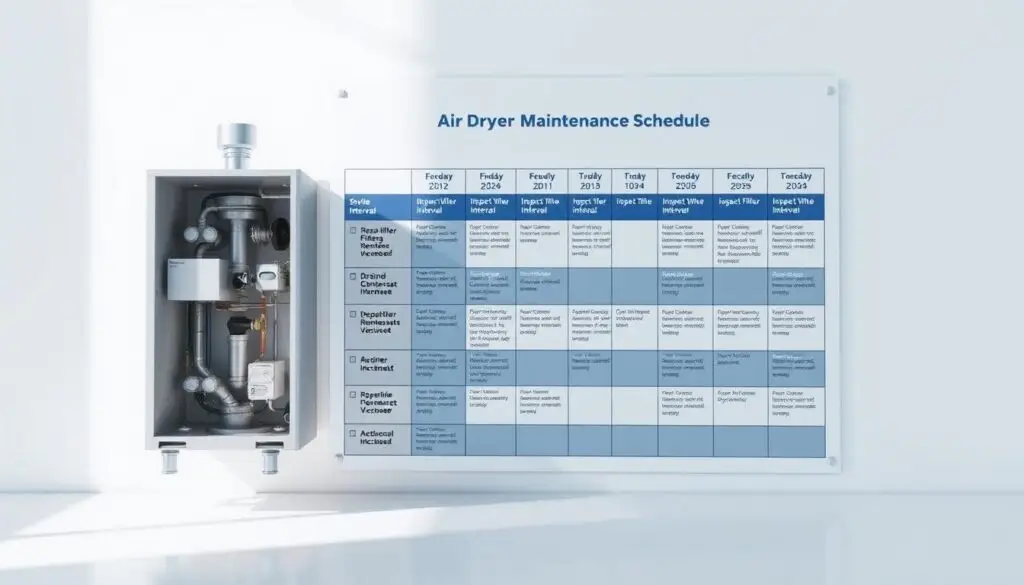
Bendix recommends desiccant cartridge and purge valve replacement every 24 months or 100,000 miles, whichever comes first. Their systems require more frequent attention during severe-duty applications where compressor cycles increase dramatically. Trucks that consume larger amounts of air or operate in vocational service should have cartridges replaced every 18 months, with annual replacement for severe duty applications.
Wabco specifies similar replacement intervals but emphasizes visual inspection of safety valve operation and spin-on cartridge condition indicators. Their diagnostic approach helps identify problems before complete system failure occurs.
Haldex systems incorporate oil coalescing technology requiring attention to both the desiccant element and oil separator components. This dual-filtration design demands careful monitoring of both moisture and oil contamination levels.
| Manufacturer | Cartridge Interval | Purge Valve Service | Special Requirements |
|---|---|---|---|
| Bendix | 24 months / 100,000 miles | Replace with cartridge | Severe-duty reduction needed |
| Wabco | 24 months / 100,000 miles | Inspect quarterly | Monitor condition indicators |
| Haldex | Annual / 100,000 miles | Check with each service | Oil separator maintenance |
Customizing Intervals for Real-World Operations
Generic manufacturer intervals rarely match actual operating conditions. Smart fleet maintenance best practices require adjusting service schedules based on environmental and operational factors that accelerate component wear.
High-humidity environments demand shortened cartridge replacement intervals. Gulf Coast operations and trucks frequently exposed to rain should reduce service intervals by 25-30% because desiccant reaches saturation faster than standard predictions.
Severe-duty cycles involving frequent stops stress air dryer components significantly. Urban delivery routes and construction site operations generate excessive compressor cycles that produce more moisture accumulation.
Cold-weather operations create additional challenges for air dryer systems. Winter months require monthly heater element circuit testing to prevent freeze-related failures that can disable your entire brake system.
Consider these operating condition adjustments:
- Dusty environments: Construction, agricultural operations, and unpaved roads contaminate desiccant 40% faster than highway operations
- Urban delivery routes: Frequent stops increase compressor cycles by 60-80%, accelerating moisture buildup
- Coastal operations: Salt air and humidity reduce effective cartridge life by approximately one-third
- Aging compressors: Oil-passing compressors saturate cartridges with contamination far faster than standard intervals predict
Trucks with compressor wear issues require immediate attention to the root cause. Meanwhile, increase cartridge service frequency until compressor replacement resolves the underlying problem.
Complete brake inspections every 25,000 to 30,000 miles should include shoes, drums, and S-cams. Quarterly brake stroke measurements using a stroke indicator tool catch slack adjuster problems before they compromise safety.
Documentation That Drives Better Decisions
Accurate service records transform maintenance from a cost center into a data-driven operation. Proper documentation supports warranty claims, demonstrates regulatory compliance, and identifies problem patterns before they cause failures.
Your maintenance logs should capture essential information at every service interval. Record cartridge replacement dates, exact mileage at service, and specific parts used including complete part numbers for warranty tracking.
Document the technician performing each service and any abnormal conditions observed during maintenance. Excessive oil contamination, unusual wear patterns, or unexpected component damage provides early warning of developing problems.
These detailed records deliver multiple operational benefits. Pattern recognition helps identify chronic issues requiring systematic solutions rather than repeated repairs. Documentation supports warranty claims by proving proper maintenance intervals were followed.
DOT inspections require proof of proper maintenance. According to CVSA’s Operation Airbrake program, complete service records demonstrate regulatory compliance and professional fleet management practices that satisfy inspectors. Brake-related violations comprise the largest percentage of all out-of-service violations cited during roadside inspections.
Most importantly, historical data allows fleet managers to optimize maintenance schedules based on actual component life. Real-world performance data beats generic recommendations every time, reducing costs while improving reliability.
Implementing fleet maintenance best practices means treating documentation as seriously as the physical maintenance itself. The Technology & Maintenance Council (TMC) of the American Trucking Associations publishes recommended practices for air brake maintenance that provide industry-standard benchmarks for service procedures and intervals. Digital maintenance management systems make record-keeping easier while providing analytical tools that identify optimization opportunities.
The HDJ Perspective
After decades of observing fleet maintenance operations, one pattern stands out: the shops with the lowest emergency repair costs aren’t necessarily spending more on maintenance—they’re spending smarter. Air dryer maintenance exemplifies this principle perfectly. The $150 investment in a desiccant cartridge and purge valve replacement prevents the $2,000-$5,000 cascade of valve, chamber, and ABS component failures that result from moisture contamination. Smart fleet managers treat air dryer service as brake system insurance, not an optional expense. With CVSA continuing to place brake violations at the top of out-of-service categories year after year, the operators who maintain proper service intervals aren’t just protecting equipment—they’re protecting their operating authority and driver safety records.
Purge Valve Testing and Adjustment
The distinctive “pssht” sound you hear when your compressor reaches cut-out pressure signals your purge valve performing its critical regeneration cycle. This often-overlooked component plays a vital role in keeping your brake system free from moisture and contamination. Proper commercial truck maintenance requires understanding how to test, diagnose, and correct purge valve issues before they compromise your entire air system.
Many fleet technicians misdiagnose air dryer problems because they don’t fully understand the relationship between the purge valve, compressor, and governor. These three components work together as an integrated system. When one fails, the symptoms often appear in another area, leading to unnecessary parts replacement and continued problems.
Understanding Purge Valve Function
The purge valve controls the regeneration cycle that keeps your desiccant cartridge effective at removing moisture. When your air compressor reaches cut-out pressure—typically around 125 PSI—the governor sends a signal through a small control line to the purge valve. This signal triggers a carefully timed sequence that cleanses the desiccant material.
Once activated, the purge valve opens momentarily, creating a sudden pressure drop inside the air dryer assembly. This pressure change causes a reverse airflow through the desiccant cartridge. The backward flow carries away accumulated moisture and oil that the desiccant has trapped during the compression cycle.
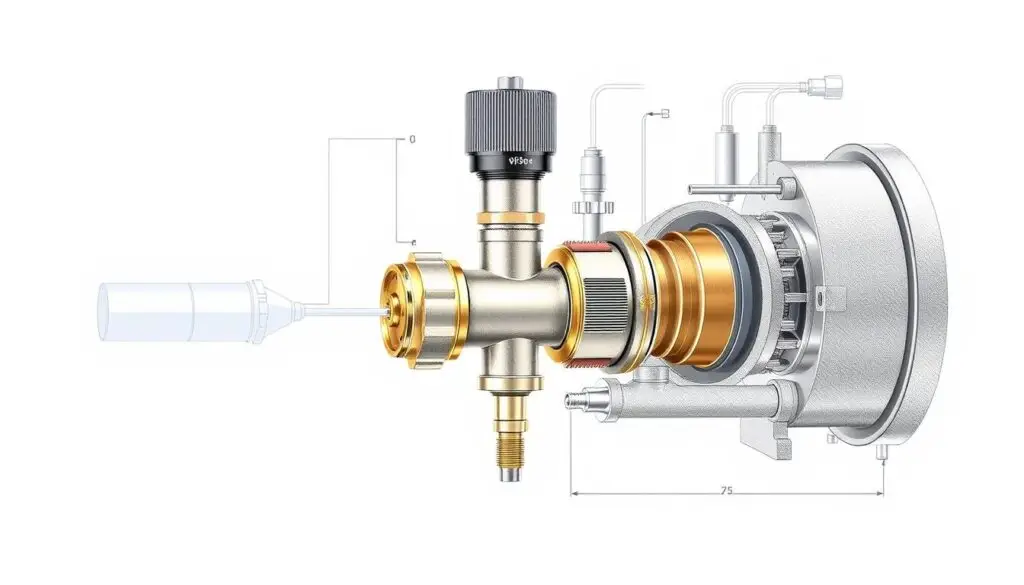
This “backwash” exhausts through the purge valve port, producing the characteristic exhaust sound familiar to most drivers. The valve then closes immediately, allowing the system to maintain pressure while the desiccant regenerates and dries. Without proper purging, the desiccant remains saturated and cannot remove moisture from incoming air, rendering your entire air dryer ineffective.
The timing and duration of this cycle directly impact your brake system performance. Proper air compressor maintenance includes verifying that this regeneration process occurs at the correct intervals. A malfunctioning purge valve wastes compressed air, reduces fuel efficiency, and allows moisture to contaminate your brake components.
Checking Purge Cycle Timing
Diagnosing purge valve operation requires careful observation during normal system operation. The purge cycle should occur only when the compressor reaches cut-out pressure and unloads, not continuously or at random intervals. Any deviation from this pattern indicates a problem that needs immediate attention.
Start by timing the duration of the exhaust pulse during a normal purge cycle. A healthy purge valve exhausts air for one to three seconds. Shorter exhaust times suggest a weak purge that isn’t adequately regenerating the desiccant cartridge. Longer exhaust times indicate a sticking valve that’s wasting valuable system air and reducing your tank pressure unnecessarily.
Next, verify that the control line connects properly to the governor’s unloader port. Misrouting this small line is surprisingly common during commercial truck maintenance procedures. If connected to a reservoir port or the wrong governor port, the purge valve will either purge continuously or fail to purge at all.
Inspect the control line itself for damage or restrictions. Look for kinks, cracks, or disconnections—problems that frequently occur after other maintenance work. A kinked control line restricts the signal from the governor, preventing proper purge valve operation. A cracked line allows air to leak, weakening the control signal and causing erratic purging behavior.
Correcting Improper Purge Operation
When your purge valve exhibits abnormal behavior, systematic diagnosis prevents wasting money on unnecessary parts. The table below outlines common symptoms, their causes, and the appropriate corrective actions for each situation.
| Symptom | Probable Cause | Diagnostic Test | Corrective Action |
|---|---|---|---|
| Constant exhaust from purge valve | Internal valve leak or compressor unload failure | Check if compressor stops at cut-out pressure | Replace purge valve if compressor unloads; repair unloader if not |
| No purge or exhaust from dryer | Blocked, kinked, frozen, or disconnected control line | Inspect control line routing; verify connection at governor | Clear obstruction, replace damaged line, or reconnect |
| Rapid cycling or rattling during unload | Compressor unloader malfunction | Listen for rapid piston movement | Repair compressor unloader—not air dryer components |
| Purge valve frozen open | Heater element failure in cold climates | Check electrical connection and heater resistance | Replace heater element or purge valve assembly |
Continuous purging often results from a failed internal seal within the purge valve body. However, before replacing the valve, verify that your compressor actually unloads when it reaches system pressure. If the compressor continues running past cut-out pressure, the problem lies with the governor or compressor unloader, not the purge valve itself.
When you observe no purging despite adequate system pressure, the issue typically involves either a blocked control line or a seized purge valve mechanism. Start by disconnecting the control line at both ends and blowing through it to verify it’s clear. If the line is open, replace the purge valve and carefully verify the control line routing according to your vehicle’s service manual.
Rapid cycling creates a distinctive rattling sound from the purge piston moving back and forth quickly. This symptom indicates the compressor unloader is malfunctioning, not the air dryer. The compressor fails to fully unload, causing pressure fluctuations that trigger repeated purge cycles. Proper air compressor maintenance requires repairing the compressor rather than replacing dryer components in this situation.
Remember that purge valve diagnosis demands understanding the complete air system architecture. The air dryer, compressor, and governor function as interconnected components. Problems in one area frequently manifest as symptoms in another, leading to misdiagnosis and unnecessary parts replacement if you focus on symptoms rather than root causes.
Common Air Dryer Problems and Solutions
Most air dryer problems fall into four categories, each with distinct symptoms and specific solutions. Effective air dryer troubleshooting requires identifying root causes rather than simply replacing components. This systematic approach prevents the frustrating cycle of repeated failures that waste time and money.
Understanding these common issues helps you diagnose problems accurately. Each problem creates specific symptoms that point to particular failures. The key is recognizing whether you’re dealing with normal wear or a serious system malfunction.
Excessive Purging and Air Loss
A properly functioning air dryer purges approximately once every three to five minutes during normal operation. If your system purges more than once per minute, you’re losing critical air pressure. This excessive purging indicates a serious malfunction that demands immediate attention.
Several conditions cause this problem. An internal purge valve leak allows continuous air escape, requiring valve replacement. A compressor that fails to unload properly keeps building pressure unnecessarily. This typically stems from governor or unloader assembly failure.
Incorrect control line routing creates constant purging cycles. Verify the connection runs to the governor unloader port, not to a reservoir or wrong governor port. This simple five-minute check solves many excessive purging complaints.
Winter conditions can freeze the purge valve in the open position. Moisture accumulation combined with heater failure causes this issue. Test heater continuity with a multimeter and replace failed heating elements before cold weather arrives.
Oil Contamination in the System
Some oil mist in discharge air is completely normal. Air-cooled compressors always pass trace amounts of oil into the system. However, visible oil pooling in reservoirs or oil-saturated desiccant indicates serious compressor wear.
The critical diagnostic is determining where oil appears. Oil present only at the air dryer indicates time for regular maintenance. If oil continues downstream past the dryer into the first reservoir, the compressor needs repair or replacement.
Oil contamination destroys desiccant effectiveness and ruins downstream components. The oil-saturated desiccant cannot be regenerated and must be replaced. Attempting to reuse contaminated desiccant leads to rapid system failure.
Follow this solution hierarchy for air line contamination from oil:
- Replace the desiccant cartridge if oil appears only at the dryer during normal service intervals
- Rebuild or replace the compressor if oil accumulates in reservoirs or shows heavy contamination
- Service the air dryer with a new cartridge and purge valve after compressor repair
- Never attempt to clean and reuse oil-contaminated desiccant material
Compressor repair must happen before air dryer service. Installing a new cartridge while the compressor continues passing excessive oil wastes money and creates recurring failures.
Frozen Air Lines in Winter Conditions
Moisture that passes through a failed air dryer freezes in air lines, brake chambers, and valves. This creates dangerous brake lockup or complete failure to apply brakes. Winter driving demands a fully functional air dryer system.
Prevention requires three critical elements. First, maintain a functioning air dryer with proper desiccant that hasn’t exceeded service life. Second, verify operational heater elements before winter arrives. Third, drain air tanks daily to remove any moisture that bypassed the dryer.
⚠️ Cold Weather Safety Warning
If freezing occurs, move the truck to a heated facility immediately. Allow several hours for ice to melt completely from all air lines and components. Never use open flames or excessive heat that could damage air lines or reservoirs. Avoid using alcohol-based de-icing solutions—they corrode brake system seals and valve lubricants, causing long-term damage.
The immediate solution addresses symptoms, but the root cause remains. A failed air dryer allowed moisture into the system. Replace the desiccant cartridge, test the purge valve operation, and verify heater function before returning the truck to service.
Cold weather exposes air dryer weaknesses that might go unnoticed in summer. Schedule air dryer service before winter rather than waiting for freezing problems to appear.
Desiccant Breakthrough Issues
Desiccant particles expelled during purging create an alarming but clear failure indicator. Blue, pink, or orange powder near the purge port means desiccant is breaking down. This contamination travels downstream to valves, regulators, and brake components.
Several conditions cause desiccant material expulsion. Excessive vibration from loose mounting hardware allows particles to break apart. Check all mounting bolts and brackets for proper torque. A dryer that isn’t securely mounted will destroy desiccant prematurely.
Desiccant saturation beyond capacity causes structural breakdown. The material becomes so moisture-laden that it crumbles. This indicates you’ve exceeded recommended service intervals or operate in extremely humid conditions requiring more frequent changes.
Oil contamination from compressor problems destroys desiccant structure. The oil coats desiccant beads and prevents moisture absorption. Eventually, the saturated material breaks down and expels during purging cycles.
Chemical contamination from aftermarket additives causes rapid desiccant failure. Never add alcohol or other chemicals to the air system. These substances destroy desiccant effectiveness and void manufacturer warranties.
Solutions for desiccant breakthrough follow this priority:
- Tighten all mounting fasteners to specification and verify secure installation
- Replace the desiccant cartridge immediately to prevent downstream contamination
- Address compressor oil passing problems before installing new desiccant
- Remove any chemical additives and flush the system completely
- Inspect downstream components for desiccant contamination damage
Root cause analysis prevents repeated failures. Simply replacing the cartridge without addressing why it failed guarantees the problem will return. Each desiccant breakthrough indicates a specific system problem that requires correction.
Share Your Air Brake Maintenance Expertise
Are you a fleet maintenance manager, master technician, or shop owner with insights on keeping pneumatic brake systems reliable? Heavy Duty Journal welcomes contributions from industry professionals who can help fellow operators avoid costly failures.
The Cost of Neglecting Air Dryer Maintenance
When you defer air dryer maintenance, you’re not saving money—you’re investing in future disasters. The upfront cost of regular service seems minor compared to daily operational expenses. However, the cascading failures that result from neglected air dryers create financial burdens that can cripple even well-established operations.
The true expense goes far beyond replacement parts. Emergency repairs, operational downtime, and safety incidents multiply costs exponentially. Understanding these consequences makes brake system failure prevention not just good practice, but essential business strategy.
Brake System Component Damage from Moisture
Moisture contamination creates a domino effect throughout your entire brake system. When water reaches air reservoirs, it corrodes tank interiors and creates rust particles. These particles then circulate through your pneumatic system like sandpaper.
The rust contaminants lodge in governor seats first, causing pressure regulation failures. From there, moisture enters brake valves including foot valves, relay valves, and quick-release valves. Internal components corrode, leading to sluggish or uneven brake application that compromises vehicle control.
Brake chambers suffer particularly severe damage. Moisture corrodes pushrods and diaphragms, causing brake drag or complete failure to release. In winter conditions, this moisture freezes solid, creating ice blockages that prevent brake application or cause brakes to lock on unexpectedly.
The long-term effect is systematic degradation of every air system component. What starts as a $150 cartridge replacement escalates into $5,000 or more for complete system rehabilitation. This includes valve replacement, chamber rebuilds, tank cleaning, and line replacement—all preventable through proper truck brake maintenance.
Each failed component requires diagnostic time, disassembly, and installation labor. The financial impact extends beyond parts alone. Contaminants like water, oil, and particles can freeze or corrode critical valves, causing uneven braking, poor suspension response, or total system failure.
Unexpected Downtime and Repair Expenses
Air system failures can lead to truck-down situations that devastate your operational schedule. A refrigerated load detained by brake failure risks cargo spoilage and customer claims. The liability for damaged goods adds thousands to your repair bill.
Missed delivery windows trigger service failures that affect customer relationships. These delays can void rate agreements and damage your reputation with shippers who demand reliability. Your competitive position erodes with each breakdown.
A truck sidelined for emergency repairs loses two to three days of revenue. For typical operations, that means $2,000 to $3,000 per day in lost income. Add emergency repair premiums for after-hours labor and expedited parts shipping, and costs spiral quickly.
The driver’s wages continue whether the truck moves or not. Meanwhile, dispatch planning falls apart as you scramble to cover loads. Load transfers and expensive deadhead moves to recover schedules add operational chaos to financial losses.
A single preventable air system failure can cost $8,000 to $12,000 in direct and indirect expenses. That’s enough to fund air dryer maintenance across an entire fleet for a year. Moisture in the air system can freeze in cold weather, causing brake lines to block or the brakes to become less responsive.
Safety Risks and Liability Concerns
The ultimate risk is safety—compromised brakes can lead to accidents that endanger lives. When brakes fail during critical situations like downhill grades, emergency stops, or adverse weather, the consequences can be catastrophic. Human tragedy aside, the legal exposure can end careers and businesses.
DOT investigations following crashes scrutinize maintenance records with forensic precision. According to FMCSA Part 396 inspection and maintenance requirements, carriers must maintain records demonstrating proper vehicle maintenance. Negligent maintenance findings support civil liability claims with potentially unlimited damages. Your insurance may not protect you when maintenance deficiencies are documented.
Insurance carriers can deny claims or cancel policies for operators with proven maintenance neglect. The precedent is clear: skipping basic truck brake maintenance voids your coverage when you need it most. Criminal charges become possible in cases involving fatalities and egregious neglect.
Contaminants and moisture lead to premature wear on critical brake system components. This results in frequent repairs and higher maintenance costs that could have been avoided. If a purge valve sticks or fails, it can render the entire unit unusable, meaning replacing the complete dryer—hundreds of dollars in parts and labor—all because a small component wasn’t serviced.
Air dryer maintenance isn’t optional for responsible operators. It’s a legal, ethical, and business imperative that protects your investment, your drivers, and the public. The relatively minor cost of proper service provides insurance against catastrophic consequences that no trucking operation can afford.
Best Practices for Extended Air Dryer Life
A comprehensive preventive maintenance schedule protects your air dryer investment while reducing unexpected failures. Smart maintenance goes beyond following basic service intervals. It requires understanding how your operating environment, upstream components, and parts quality directly impact system reliability.
Fleet maintenance best practices recognize that air dryers don’t operate in isolation. They depend on proper compressor function, clean air supply, and protection from environmental extremes. Implementing these advanced strategies significantly extends component life while improving overall brake system performance.
Protecting Your System in Extreme Climates
Environmental conditions dramatically affect air dryer performance and service life. Standard maintenance schedules assume moderate operating conditions. Extreme climates require adjusted service intervals and additional protective measures to prevent premature failures.
Hot and humid climates place the greatest moisture load on air dryers. Gulf Coast operations and southeastern routes during summer months generate excessive condensation. Reduce cartridge service intervals by thirty percent in these operating conditions.
Verify auto-drain valves function properly to remove accumulated moisture. Manually drain air tanks weekly as a backup measure when operating in high-humidity environments.
Cold climate operations require different protection strategies. Test heater element continuity with a multimeter before each winter season. A failed heater element allows moisture to freeze in air lines, creating dangerous brake failures.
Consider upgrading to higher-wattage heaters for extreme cold operations. Most air dryer models offer enhanced heating options. Install insulated wrap on air lines between the dryer and first reservoir to prevent freeze-ups during mountain passes and northern tier operations.
Dusty environments present unique challenges. Construction sites, agricultural operations, and desert routes introduce airborne particles that clog desiccant pores. Replace dryer cartridges annually even in dry climates because dust reduces moisture capacity.
Install pre-filters on air compressor intakes to reduce particulate load. Inspect and clean intake filters weekly rather than monthly in dusty conditions. This simple step prevents contaminants from reaching the air dryer assembly.
Coastal operations face accelerated corrosion from salt air. Apply corrosion inhibitor to external fittings and hardware. Inspect mounting hardware frequently for rust that compromises secure mounting. Consider stainless steel replacement hardware for critical fasteners exposed to marine environments.
Proper Air Compressor Maintenance Connection
Air compressor condition directly determines air dryer longevity. A worn compressor passing excessive oil will destroy desiccant cartridges in a fraction of their normal service life. No amount of frequent cartridge changes solves oil contamination when the compressor needs repair.
Track oil contamination patterns across your fleet. If multiple trucks show excessive oil in air dryers, compressor rebuild intervals may need adjustment fleet-wide. This diagnostic approach identifies systemic problems before they cascade into expensive repairs.
Proper air compressor maintenance includes several critical tasks. Regular oil changes using the correct specification prevent internal wear. Many compressors use standard engine oil, but some require special compressor oil formulations.
Intake filter service directly impacts system efficiency. A clogged intake reduces air delivery and increases oil carryover into the air system. Replace intake filters according to manufacturer recommendations or more frequently in dusty conditions.
Check drive belt tension and condition during every service. Loose or worn belts cause inconsistent operation and excessive vibration. These issues stress mounting brackets and accelerate component wear throughout the air system.
Governor adjustment maintains proper cut-in and cut-out pressures. Improper pressure settings stress the entire air system. Verify governor function annually and after any compressor service work to ensure correct operation.
Monitor compressor output capacity as trucks accumulate miles. If the compressor isn’t producing the required CFM (cubic feet per minute), you may be due for a rebuild or full replacement. Reduced air delivery increases compressor run time, generating more heat and moisture.
Using Quality Replacement Parts
Parts quality significantly impacts maintenance efficiency and total cost of ownership. Cheap components create a false economy that increases long-term expenses. Quality replacement parts extend service intervals and reduce unexpected failures that sideline trucks.
Aftermarket desiccant cartridges vary dramatically in quality. Low-grade desiccant has reduced moisture capacity and shorter service life. Seemingly saving thirty to fifty dollars on the cartridge costs more when replacement becomes necessary twice as often.
OEM purge valves are engineered for precise timing and durability. Generic substitutes may not seal properly or maintain correct purge duration. These differences cause premature cartridge saturation and compressed air loss.
Never compromise on O-rings and seals during reassembly. A five-dollar seal prevents a two-thousand-dollar repair caused by leak-back and pressure loss. Inspect wheel seals and hub gaskets for oil leaks that contaminate brake components.
| Component Type | OEM Parts | Aftermarket Parts | Long-Term Impact |
|---|---|---|---|
| Desiccant Cartridge | 12-month service life, consistent performance | 6-8 month service life, variable quality | OEM provides better value despite higher cost |
| Purge Valve Assembly | Precise timing, 3-5 year lifespan | Inconsistent timing, 1-2 year lifespan | OEM reduces diagnostic time and callbacks |
| O-Rings and Seals | Exact specifications, proper materials | Generic sizing, lower grade compounds | OEM prevents air leaks and contamination |
| Heater Elements | Correct wattage, proven reliability | May not meet cold weather requirements | OEM ensures winter operation safety |
For critical fleet operations, OEM parts provide consistency, warranty protection, and assurance that components meet original specifications. Parts cost represents only thirty to forty percent of service expense. Labor, downtime, and diagnostic time dominate the total cost equation.
Reliable parts that extend service intervals represent the most cost-effective choice. Fleet maintenance best practices emphasize total cost of ownership rather than focusing solely on component prices. Clean brake drums thoroughly with brake-safe solvent and replace any linings showing contamination.
When to Upgrade to a New Air Dryer
Knowing when to replace rather than repair an air dryer saves money and prevents recurring problems. Several indicators signal that unit replacement makes more economic sense than continued service.
If an air dryer requires frequent cartridge replacement more than twice per year despite proper compressor function, internal problems exist. The housing may have corrosion or damage that prevents proper desiccant regeneration. Continued repairs become more expensive than replacement in these situations.
Air dryers with external damage, mounting cracks, or port thread damage should be replaced immediately. These structural issues compromise system integrity. Attempting repairs creates safety risks and doesn’t restore original performance specifications.
Technology upgrades offer substantial advantages over older air dryer designs. Newer models incorporate improved desiccant materials that handle higher moisture loads. Better oil coalescing reduces contamination from upstream compressor issues.
More reliable purge valves in modern designs extend service intervals and reduce maintenance frequency. These improvements justify proactive replacement on aging trucks approaching major service milestones.
When rebuilding or repowering a truck, upgrading to larger capacity air dryers provides insurance for future modifications. Additional accessories like lift axles and advanced suspension systems increase air demand. Installing adequate capacity prevents system strain from future upgrades.
Develop a preventive maintenance schedule that accounts for equipment age, operating conditions, and performance history. Document all service work to identify patterns that indicate when replacement becomes more economical than continued repairs. This strategic approach maximizes fleet uptime while controlling maintenance costs.
Frequently Asked Questions
How often should I replace my truck’s air dryer desiccant cartridge?
Most manufacturers recommend replacing desiccant cartridges every 24 months or 100,000 miles, whichever comes first. However, operating conditions significantly affect this interval. Trucks in high-humidity environments, urban delivery routes with frequent stops, or severe-duty applications may need cartridge replacement every 12-18 months. Always replace the purge valve assembly at the same time to prevent valve-related failures that could damage the new cartridge. Monitor your air tank drain valves—moisture appearing during routine draining indicates the desiccant may need earlier replacement regardless of mileage.
What causes continuous hissing from my air dryer purge valve?
Continuous hissing from the purge valve typically indicates one of three problems: an internal valve seal failure that prevents proper closure, a compressor that fails to unload at cut-out pressure, or an incorrectly routed control line. Start diagnosis by verifying the compressor actually stops loading when air pressure reaches 120-125 PSI. If the compressor cycles normally, the purge valve seal has likely failed and needs replacement. Check that the control line connects to the governor’s unloader port—not a reservoir port—and inspect for kinks or cracks that could affect valve operation.
Can I use aftermarket desiccant cartridges instead of OEM parts?
While aftermarket cartridges cost less initially, they often provide shorter service life and inconsistent moisture removal performance. Low-grade desiccant materials reach saturation faster, requiring replacement in 6-8 months versus 12+ months for OEM cartridges. The labor cost of additional replacements typically exceeds any parts savings. For commercial operations where brake reliability is critical, OEM cartridges from Bendix, Wabco, or Haldex provide documented performance specifications and warranty protection. If budget constraints require aftermarket parts, select only those tested to meet original equipment specifications.
Why is there moisture in my air tanks even with a functioning air dryer?
Small amounts of moisture in air tanks can occur even with properly functioning air dryers, particularly in areas experiencing 30+ degree daily temperature swings. However, significant moisture indicates problems. Common causes include a saturated desiccant cartridge that needs replacement, insufficient purge cycles due to low air demand, a failed heater element allowing ice to block the purge valve in cold weather, or a compressor passing excessive oil that coats desiccant beads and prevents moisture absorption. Check desiccant color indicators during your next service—white or pale beads indicate saturation requiring immediate cartridge replacement.
How do I test my air dryer heater element before winter?
Test the heater element by checking electrical continuity with a multimeter. With the ignition switch in the ON position but the engine off, verify voltage reaches the heater’s electrical terminal—typically 12V or 24V depending on your system. Then, with the ignition off, measure resistance across the heater element leads. A functioning heater shows continuity with measurable resistance; an open circuit indicates a failed element requiring replacement. Schedule this test before cold weather arrives—a non-functional heater only becomes apparent when temperatures drop and moisture freezes in your brake lines, potentially leaving you stranded with inoperative brakes.
Protect Your Fleet’s Braking System
Air dryer maintenance stands as one of the smartest investments in commercial truck operations. The cost of a cartridge and purge valve replacement is minimal compared to the thousands of dollars lost to brake system failures and unexpected downtime.
Replace the cartridge and purge valve together during each service interval. Inspect all lines for restrictions or oil contamination. Test the heater element before winter arrives. These simple steps keep your air system dry and your brakes dependable when you need them most.
A preventive maintenance schedule protects more than just the air dryer. Regular servicing ensures moisture and contaminants stay out of brake chambers, valves, and governor assemblies. Catching problems early prevents the cascade of failures that sideline trucks and destroy expensive components.
No driver wants to be stranded roadside with a full load and a deadline approaching. Routine air dryer maintenance could have prevented that scenario. The time invested in daily inspections, weekly checks, and monthly detailed examinations pays dividends in reliability and safety.
Review your current air dryer maintenance practices today. Compare them against the standards outlined throughout this guide. Implement improvements before your next trip. Whether you manage a fleet of hundreds or operate a single truck, the principles remain constant: systematic inspection, timely service, quality parts, and accurate documentation create brake systems that perform when they matter most.
In commercial trucking, where safety is paramount and time translates directly to revenue, proper air dryer maintenance isn’t optional. It’s the foundation of professional operations.
Help Fellow Fleet Operators Avoid Brake Failures
Know a fleet manager or owner-operator who could benefit from these air dryer maintenance practices? Share this guide to help them protect their equipment and keep drivers safe on the road.


