
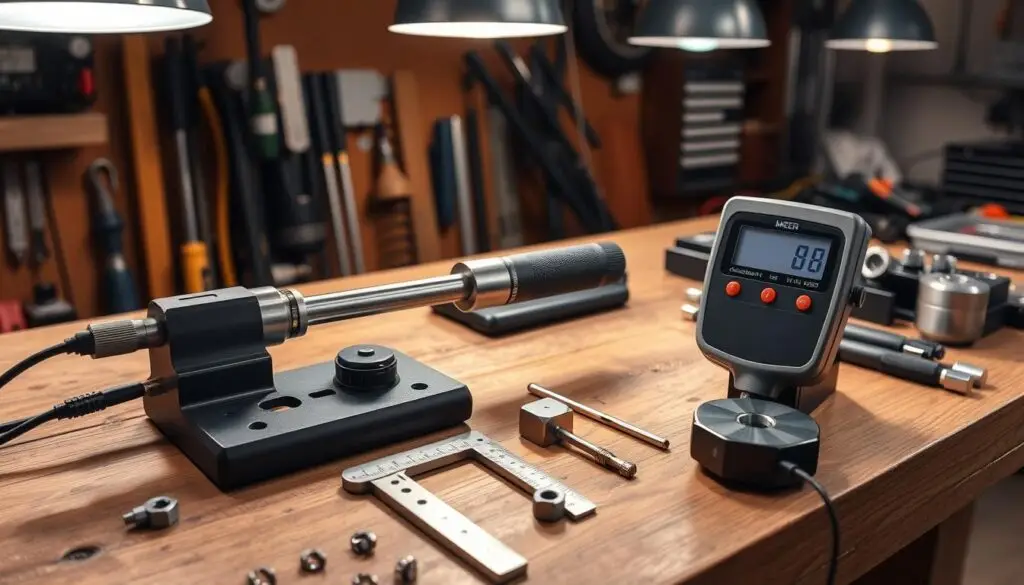
Professional torque wrench calibration costs drain budgets fast. Service centers charge between $75 and $150 per wrench, with annual expenses exceeding $500 for shops maintaining multiple tools. These recurring costs add up year after year.
Smart mechanics build their own torque wrench calibration DIY setups for a fraction of these costs. A complete testing station runs $150 to $300 and pays for itself after calibrating just two or three wrenches. The same precision weights and lever arm calculations that professionals use work perfectly in garage workshops.
Quality torque wrenches like the Husky 20-80 inch-pound model cost under $100 but need regular verification to stay accurate. Research shows that proper tool maintenance cuts equipment failure rates by 72 percent. Building codes demand exact torque specs for critical connections, making accurate testing methods essential for compliance and safety.
This guide shows proven methods to test and adjust torque wrenches at home. Contractors and mechanics save over $500 yearly in calibration fees while maintaining professional-grade accuracy through DIY protocols.
Key Takeaways
- Cost savings: DIY setups cost $150-$300 versus $500+ annual professional fees
- Comparable accuracy: DIY methods achieve ±3-4% precision suitable for most applications
- Reduced failures: Proper maintenance cuts equipment failures by 72 percent
- Legal compliance: Building codes require specific torque values for professional work
- Same physics: DIY methods use identical principles as professional calibration labs
Why Torque Wrench Accuracy Matters for Critical Applications
Precision in torque application forms the foundation of mechanical integrity. When fasteners receive incorrect torque values, consequences range from minor leaks to catastrophic failures.
Research from Plumbing Manufacturers International reveals that improper torque application causes 37 percent of all mechanical failures. This establishes torque specification verification as a critical quality control element.
The Cost of Inaccurate Torque Readings
Under-torquing creates loose connections that lead to leaks, vibrations, and component separation. A simple plumbing leak from an under-torqued fitting can result in water damage exceeding $500. Over-torquing presents equally serious problems, stripping threads and crushing gaskets beyond repair.
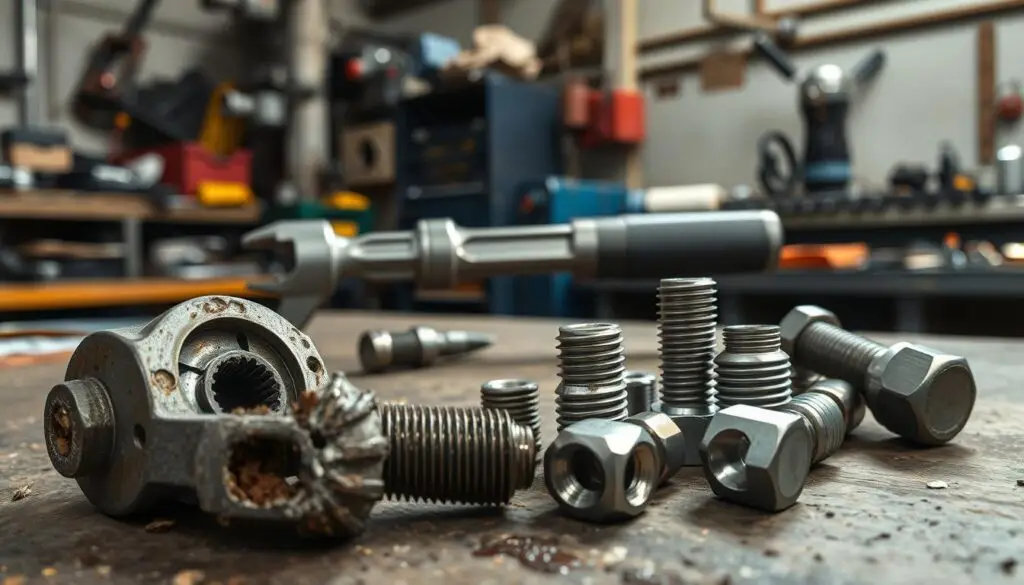
Critical failures from improper torque include engine head gasket blowouts, wheel separation incidents, and brake system malfunctions. Engine repairs from blown head gaskets typically cost $1,200 to $2,500. NHTSA data confirms wheel separation incidents have caused multiple fatalities, highlighting the life-or-death importance of proper torque application.
Brake caliper mounting bolts represent another high-stakes application. Manufacturers specify torque values between 70 and 90 foot-pounds for most passenger vehicles. Under-torqued calipers can shift during braking, reducing stopping power by 30 percent or more.
Industry Standards and Tolerance Requirements
Professional calibration follows strict tolerance guidelines. Most industries accept a ±4 percent deviation for critical applications, while aerospace and medical device manufacturing demand ±2 percent or tighter.
| Application | Required Torque Range | Tolerance |
|---|---|---|
| Toilet Mounting Bolts | 55-65 inch-pounds | ±2.4 inch-pounds |
| Tank-to-Bowl Connections | 30-50 inch-pounds | ±1.6 inch-pounds |
| Supply Line Fittings | 25-35 inch-pounds | ±1.2 inch-pounds |
| Water Heater Elements | 20-30 foot-pounds | ±0.8 foot-pounds |
Automotive applications follow SAE standards, with cylinder head bolts requiring multi-stage torque sequences. First-stage torque typically runs 30-40 foot-pounds, followed by second-stage torque of 60-70 foot-pounds, then a final angular rotation of 90-110 degrees.
Premium Rates for Professional Calibration
Professional calibration services charge premium rates during peak construction seasons. Spring and summer months see price increases of 40-60 percent due to high demand. Emergency calibration requests can cost $150-300 per tool, with turnaround times extending to two weeks.
ISO 17025 accredited calibration adds another $50-100 per tool for documentation and traceability. While necessary for government contracts, most automotive and construction applications don’t require this certification level.
Understanding How Torque Wrenches Lose Accuracy
Torque wrenches are precision instruments requiring regular maintenance to preserve accuracy. Internal components wear down over time, and environmental conditions affect performance.
How Click-Type Mechanisms Degrade
Click-type torque wrenches rely on spring tension to produce their signature click at preset torque values. The internal spring experiences metal fatigue with each use, gradually losing original tension.
This degradation accelerates when wrenches remain stored at maximum torque settings, increasing spring wear by up to 35 percent compared to proper storage at minimum settings.
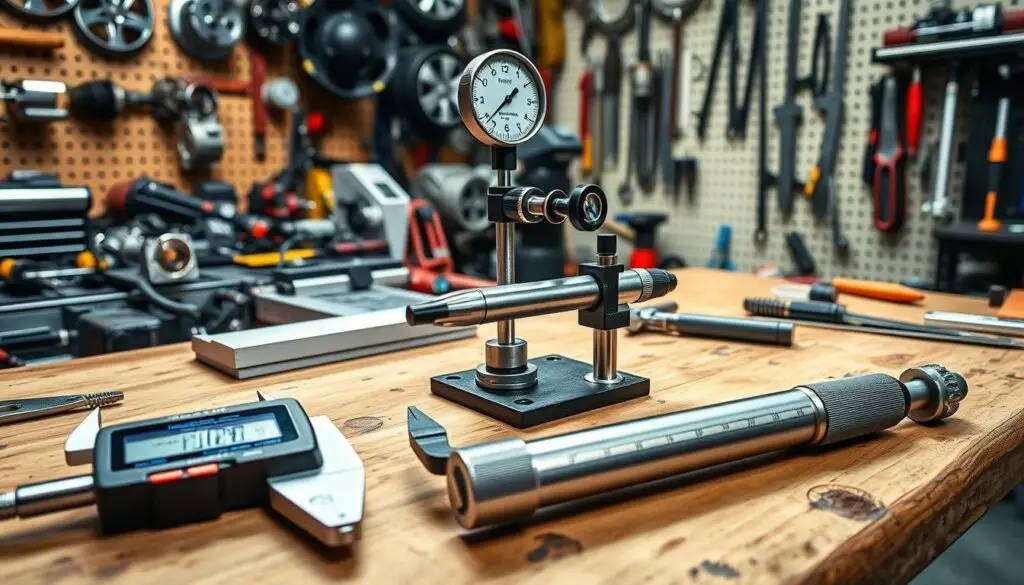
Professional mechanics typically observe accuracy drift of 1 to 3 percent annually under normal working conditions. After 5,000 cycles of use, accumulated wear often pushes the tool outside acceptable tolerance limits.
The clicking mechanism itself develops inconsistencies over thousands of cycles. The pawl that creates the audible click can develop flat spots or rounded edges, altering the torque value at which the click occurs.
Environmental Factors Affecting Performance
Temperature changes significantly impact torque wrench accuracy. Metal components expand and contract with temperature fluctuations, causing calibration shifts between 0.4 and 0.9 percent.
A wrench stored in an unheated garage during winter may read 5-7 percent higher when brought to room temperature for use.
| Environmental Factor | Impact on Accuracy | Prevention Method |
|---|---|---|
| Temperature Extremes | 0.4-0.9% drift per 20°F | Store at room temperature (65-75°F) |
| High Humidity | Internal corrosion and binding | Use climate-controlled storage below 60% RH |
| Dust and Debris | Mechanism binding and friction | Clean after each use, store in cases |
| Impact/Drops | Immediate calibration loss (10-20%) | Use tool lanyards, padded storage |
Humidity poses another threat to accuracy. Moisture enters the tool through seals and adjustment points, causing internal rust and corrosion. Coastal shops operating in high-humidity environments report accelerated calibration drift compared to dry-climate facilities.
Warning Signs Your Wrench Needs Testing
Several indicators suggest a torque wrench needs immediate testing. The most obvious sign appears as inconsistent click feel when reaching the set torque value.
Visual inspection reveals other warning signs:
- Visible rust or corrosion on the shaft or handle
- Difficulty adjusting the torque setting
- Loose or wobbly adjustment collar
- Physical damage from drops or impacts
- Oil or grease buildup on internal components
- Scratches or gouges on the scale
Tools approaching or exceeding 5,000 cycles require testing according to industry standards. Extended storage periods without use can cause lubricants to dry out and springs to take a set position, both affecting accuracy.
Essential Equipment for Torque Wrench Calibration DIY
Setting up a personal calibration station doesn’t require breaking the bank. With appropriate equipment and proper procedures, achieving accuracy levels that meet most automotive and industrial needs becomes straightforward.
A basic setup costs between $150 to $300, compared to professional calibration services charging $150 to $300 per tool annually.
Building a Cost-Effective Test Setup
The calibration workspace needs a solid foundation. A sturdy workbench or horizontal beam mounted at comfortable working height serves as the testing platform. The surface must remain perfectly level and support weights up to 100 pounds without flexing.
Essential components include precision weights ranging from 5 to 50 pounds. Olympic weight plates work well when verified on an accurate scale. Standard gym weights often vary by 2-5 percent from stated values, making verification essential.
A quality measuring tape marked in inches allows precise distance measurements from the wrench head center point. A bubble level ensures the wrench remains perfectly horizontal during testing.
Digital Torque Adapters vs Traditional Methods
Digital torque adapters revolutionize home calibration setups. Models from CDI Torque Products and Snap-on range from $200 to $400, delivering accuracy within 2 percent of reading.
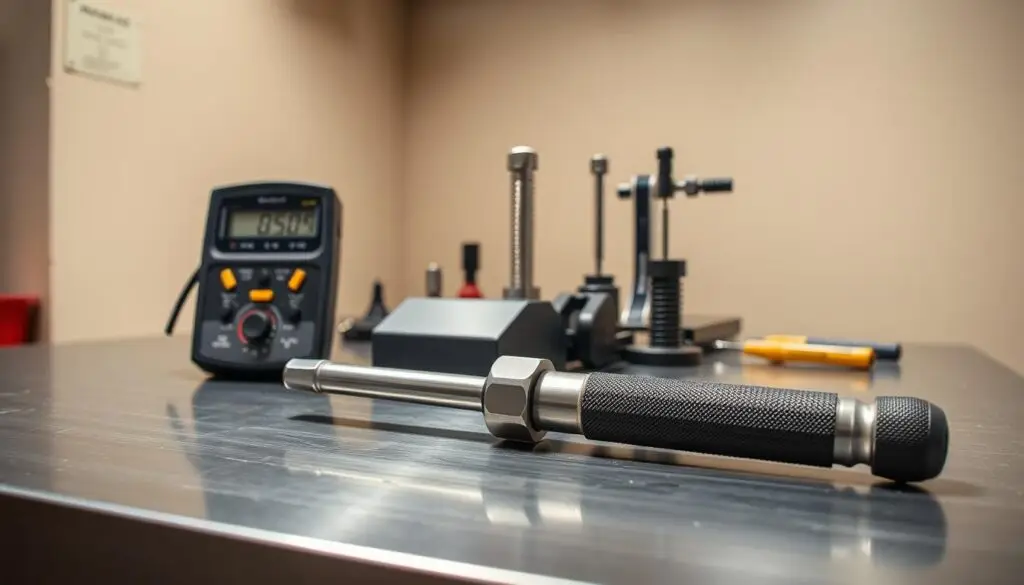
Traditional beam methods remain reliable and cost-effective. This approach uses calibrated weights and precise measurements to verify torque output. DIY setups typically reach 3 to 4 percent accuracy—sufficient for most applications outside aerospace and medical device manufacturing.
Digital adapters offer distinct advantages:
- Peak-hold functions automatically capture maximum applied torque
- Data logging capabilities track calibration history electronically
- Bluetooth connectivity enables immediate documentation
- Multiple unit displays without conversion calculations
Precision Weights and Calculations
Accurate calibration depends on precise calculations. The fundamental formula remains simple: Torque equals Force multiplied by Distance.
A 25-pound weight positioned 12 inches from the wrench head center generates 300 inch-pounds of torque. Converting to foot-pounds requires dividing by 12, yielding 25 foot-pounds.
| Weight (lbs) | Distance (inches) | Torque (ft-lbs) | Torque (in-lbs) |
|---|---|---|---|
| 10 | 12 | 10 | 120 |
| 20 | 12 | 20 | 240 |
| 25 | 24 | 50 | 600 |
| 40 | 18 | 60 | 720 |
| 50 | 24 | 100 | 1200 |
Certified calibration weights provide the best accuracy but cost more. Fitness weights verified on a precision scale offer an affordable alternative. Record exact weight values rather than relying on stated weights.
Measurement precision matters equally. Measure from the exact center of the drive head to the point where weight hangs. Even a half-inch error creates notable torque calculation differences.
The Beam Method: Classic DIY Testing
The beam method stands as one of the most reliable DIY approaches for torque specification verification. This time-tested technique uses basic physics principles to check wrench accuracy without expensive equipment.
Setting Up Your Test Station
Building a proper test station requires a sturdy foundation. Mount the torque wrench horizontally in a bench vise, ensuring the handle extends freely. The vise jaws should grip only the square drive, not the wrench body.
Position the wrench perfectly level using a bubble level. Any angle affects measurements. Even a 5-degree tilt can introduce 8 percent error into readings.
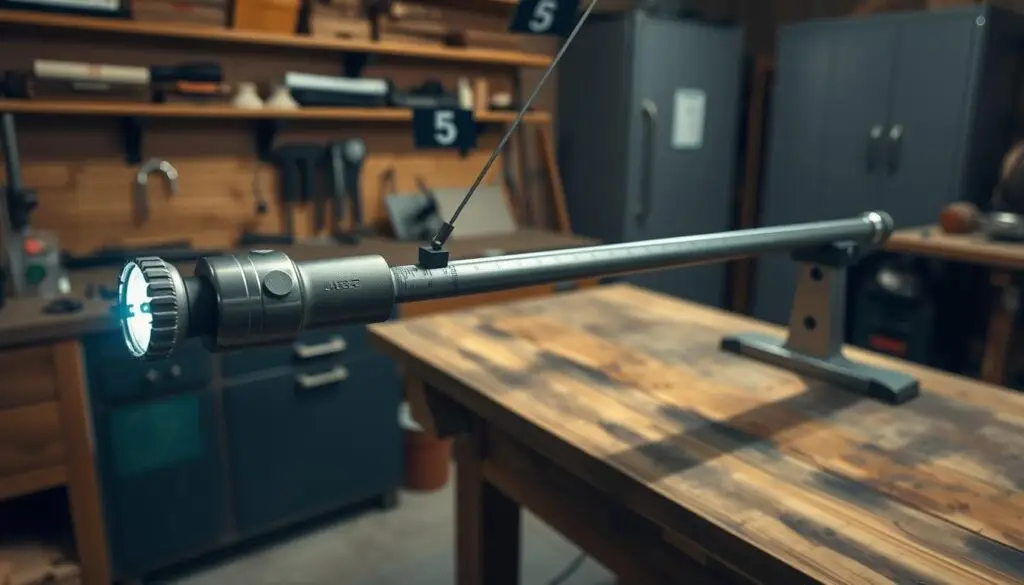
Alternative mounting methods include specialized torque wrench holders available for $40-80. These devices clamp onto workbenches and provide adjustable positioning without risking damage to the wrench drive.
Weight Placement and Calculations
Calculating torque involves simple multiplication: weight times distance equals torque. A 20-pound weight hung 12 inches from the drive center produces 240 inch-pounds of torque.
Test at three points: 20 percent, 60 percent, and 100 percent of the wrench’s range. This comprehensive approach reveals non-linear errors that single-point verification misses.
Attach weights using rope or cable that doesn’t stretch. Nylon paracord works well, while bungee cords and rubber straps introduce errors. The suspension point must align exactly perpendicular to the wrench handle for accurate results.
Recording and Interpreting Results
Document each test thoroughly. Note the calculated torque versus the actual click point. General applications allow ±4 percent deviation, while critical work demands ±2 percent accuracy.
Create a simple calibration certificate showing test date, results, and pass/fail status for each range tested. Professional shops maintain these records for warranty claims and liability protection.
Calculate percentage error using the formula: Error equals measured value minus true value, divided by true value, times 100. Errors exceeding 4 percent indicate adjustment needs or replacement consideration.
Digital Testing Methods for Modern Accuracy
Digital torque testers provide instant, precise readings without manual calculations. These electronic devices display real-time torque values on LCD screens, making verification straightforward and reliable.
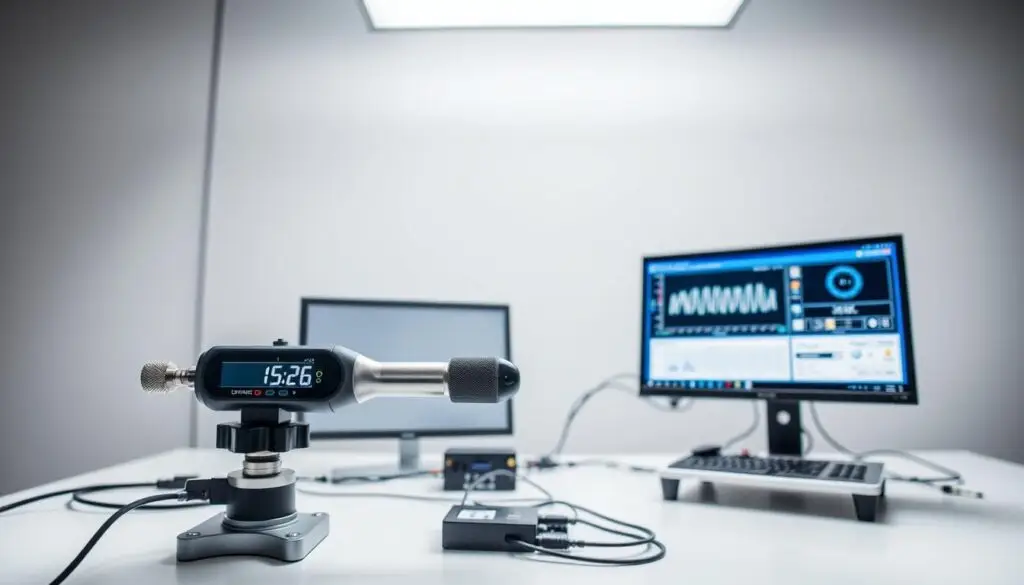
Quality digital testers like Norbar TTT and Checkline DTW models achieve 0.5 percent accuracy ratings. The testing process involves connecting the digital unit between the torque wrench and socket.
Key advantages include:
- Peak-hold function captures maximum applied torque automatically
- Eliminates human error from reading analog scales
- Bluetooth connectivity for data export and documentation
- Quick pass/fail indicators with programmable tolerance bands
- Multiple unit displays without conversion calculations
- Backlit displays for use in dimly lit environments
| Digital Tester Model | Accuracy | Price Range | Best For |
|---|---|---|---|
| ACDelco ARM601-4 | ±2% | $150-200 | Home mechanics and DIY enthusiasts |
| Checkline DTW-625 | ±0.5% | $400-500 | Small shops with multiple tools |
| Norbar Pro-Test | ±0.5% | $700-800 | Professional and commercial use |
| CDI Torque Tester | ±1% | $300-400 | Mid-range professional applications |
The investment pays off quickly. A shop maintaining five torque wrenches spends $750 annually on professional calibration. A $400 digital tester pays for itself in eight months, then continues saving money for years.
Testing Across Different Torque Ranges
Different torque ranges require specific procedures to ensure accuracy. Each range presents unique challenges affecting testing approaches.
Low-Range Testing (20-80 inch-pounds)
Low-range torque wrenches need careful attention during calibration. These precision tools work with smaller forces, making accurate testing essential.
Start by using lightweight test weights between 5 and 10 pounds. Position these weights at calculated distances to achieve target torque values.
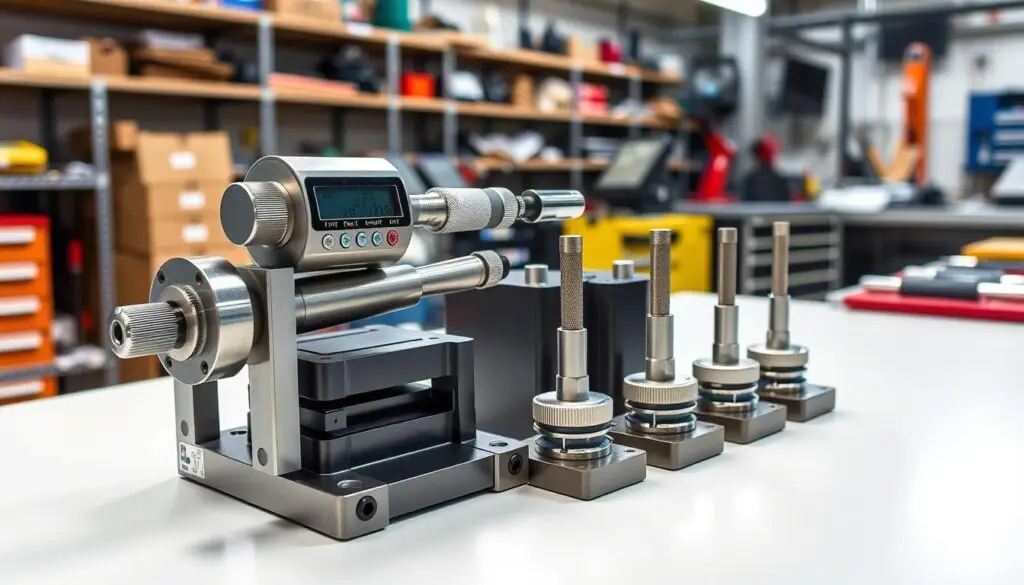
Test wrenches at regular intervals: 20, 40, 60, and 80 inch-pounds. This systematic approach reveals any inconsistencies throughout the operating range.
Low-range wrenches often show greater percentage errors due to their sensitive mechanisms. A 2 inch-pound error represents 10 percent deviation at 20 inch-pounds but only 2.5 percent at 80 inch-pounds.
Mid-Range Procedures (10-150 ft-lbs)
Mid-range torque wrenches handle most automotive and industrial tasks. Testing at this level requires 25 to 50-pound weights for accurate verification.
Always test at multiple points within the range. Check calibration at 25 percent, 50 percent, 75 percent, and 100 percent of the wrench’s capacity.
Mid-range testing reveals the most common wear patterns. The 60-80 percent range sees the heaviest use in automotive work, often leading to accelerated wear in this zone.
High-Torque Safety Considerations
High-torque testing demands extra safety precautions. Wear protective gloves and safety glasses during all tests. Secure testing setups firmly to prevent dangerous movement under heavy loads.
Temperature changes affect high-torque measurements significantly. Allow tools to reach room temperature before testing. Cold tools from unheated storage can read 5-10 percent higher until they warm to ambient temperature.
Consider using breaker bars or cheater pipes for high-torque testing rather than your body weight. This controlled approach prevents injury and provides more consistent force application.
Adjustment Procedures for Click-Type Wrenches
After completing accuracy checks, tools may need adjustment. Click-type torque wrenches rely on internal spring mechanisms controlling when the wrench clicks at preset torque values.
To adjust these wrenches, first remove the end cap at the handle’s base. Inside, find the spring tension adjustment screw. Turn the screw clockwise to increase torque readings or counterclockwise to decrease them.
Make minimal adjustments—just a quarter turn at a time. After each adjustment, perform another accuracy test to verify changes. This gradual approach prevents overcorrection.
Document every adjustment carefully. Record how many turns were made and in which direction. If adjustments exceed one full turn without achieving calibration, the wrench likely needs professional repair or replacement.
Preventive Maintenance to Extend Accuracy
Smart maintenance practices can double or triple the time between testing. Well-maintained torque wrenches keep their accuracy 50-75 percent longer than neglected tools.
Proper Storage Techniques
Click-type torque wrenches need special care when not in use. Always dial the wrench back to its lowest setting—usually 20 percent of maximum range. This relieves tension on the internal spring mechanism.
Keep wrenches in protective cases between uses. Store them in controlled environments where temperatures stay between 50-85°F. Humidity levels above 60 percent can cause internal corrosion affecting calibration.
Never use torque wrenches as breaker bars or hammers. These precision instruments aren’t designed for impact or excessive force beyond their rated capacity.
Cleaning and Lubrication
Clean the ratchet mechanism every three months using non-chlorinated brake cleaner. Dirt and debris interfere with the clicking mechanism and throw off readings.
After cleaning, apply a single drop of light machine oil to pivot points. Too much oil attracts dirt and creates new problems. Use precision oilers or toothpicks to apply minimal amounts.
Inspect seals and O-rings annually for deterioration. Replace worn seals preventing moisture intrusion. A $5 seal replacement prevents a $300 wrench replacement.
Calibration Schedule Planning
Professional shops recommend calibration after every 5,000-10,000 cycles. Create a simple logbook tracking usage. Mark each work session where the torque wrench sees use.
Safety-critical applications need quarterly testing, while general shop use requires annual checks at minimum. Mark calibration dates on calendars based on tool usage patterns.
Consider environmental factors when planning calibration intervals. Coastal areas with high humidity accelerate corrosion, necessitating more frequent testing. Adjust calibration schedules based on actual operating conditions.
Conclusion
Torque wrench calibration DIY methods deliver significant savings compared to professional services costing over $500 annually. With basic equipment like a bench vise, weights, and measuring tape, setting up a calibration station for under $200 becomes straightforward.
The beam method provides reliable results with accuracy within 4 percent for most applications. Digital torque testers require higher upfront investment but deliver convenience and faster verification.
Regular testing catches accuracy drift before it causes stripped threads or loose connections. Investment in DIY calibration equipment typically pays for itself within the first year through avoided professional service fees.
Preventive maintenance plays a crucial role in extending calibration intervals. Store wrenches at their lowest setting, perform regular cleaning, and track usage patterns.
While critical safety applications in industries like aerospace may still require certified professional calibration, most workshop and automotive uses benefit from torque wrench calibration DIY approaches. Following these methods maintains tool accuracy while keeping costs manageable, ultimately improving work quality and professional reputation.
Share Your Expertise
Join Heavy Duty Journal as a guest author and reach thousands of industry decision-makers.
FAQ
How much does professional torque wrench calibration cost compared to DIY methods?
Professional torque wrench calibration services typically charge $75-$150 per wrench with minimum fees, totaling $500+ annually for regular users. Building a DIY calibration setup costs approximately $150-$300 initially, with basic beam method setups under $200 providing ±4% accuracy suitable for most applications.
How often should I check my torque wrench accuracy?
Industry standard intervals recommend annual calibration for occasional use and quarterly for daily use. Professional mechanics report torque wrench accuracy drifts 1-3% annually under normal use. After 5,000-10,000 usage cycles, calibration testing becomes essential regardless of time elapsed.
What basic equipment do I need for DIY testing?
Essential items include a horizontal beam or sturdy workbench, precision weights (5-50 pounds), measuring tape, and calculator. Digital torque adapters like CDI or Snap-on models provide ±2% accuracy for $200-$400. Traditional beam method uses gymnasium weights or certified calibration weights.
How do I perform a basic accuracy check using the beam method?
Position the wrench horizontally using a vise or specialized fixture. Attach known weights at measured distances from the drive center using the formula: Torque = Force × Distance. For example, a 20-pound weight at 12 inches = 240 inch-pounds. Test at 20%, 60%, and 100% of the wrench range.
What are the signs my torque wrench needs calibration?
Key indicators include inconsistent click feel, visible rust, history of being dropped, or usage exceeding 5,000 cycles. Spring tension degrades 60% faster with improper storage, and temperature fluctuations can affect calibration by 0.4-0.9%.
How do I properly store my torque wrench to maintain calibration?
Store click-type wrenches at their lowest setting (typically 20% of range) to prevent spring set. Maintain environmental conditions of 50-85°F with below 60% humidity. Storage at maximum torque setting accelerates spring degradation by 35%, significantly reducing accuracy retention.
Can I adjust my torque wrench if it’s out of calibration?
Click-type wrenches can be adjusted by removing the handle end cap and accessing the spring tension screw. Make small adjustments (1/4 turn) and retest after each change. Always verify adjustment across the entire range, not just a single point.
Is DIY calibration accurate enough for professional use?
DIY methods typically achieve ±3-4% accuracy, sufficient for most applications. Professional calibration labs use equipment costing $5,000+ to achieve ±0.5% accuracy. For critical safety applications, professional calibration may still be required, but DIY testing serves well for routine verification.


