
Diesel Fuel Contamination: Complete Prevention Guide [2025]

Table of Contents
    Add a header to begin generating the table of contents

    By Michael Nielsen, Editor & Publisher | 15+ Years in Diesel Repair

    Last Updated: December 2025

    📖 Estimated reading time: 23 minutes

    Diesel fuel contamination represents one of the most persistent threats to modern high-pressure fuel systems. Today’s common rail injectors operate at pressures exceeding 30,000 PSI with tolerances measured in microns—and even microscopic particles can cause catastrophic damage. For fleet managers and diesel technicians managing equipment across the United States, understanding contamination sources, detection methods, and prevention strategies isn’t optional; it’s essential for protecting equipment investments and maintaining operational uptime.

    The financial stakes are significant. A contaminated fuel system can sideline a truck for days while repairs mount into the tens of thousands of dollars. Worse, contamination often spreads through multiple vehicles before operators recognize the problem. This comprehensive guide covers everything fleet operations need to know about protecting diesel fuel quality—from identifying common contaminants to implementing proven remediation solutions that keep equipment running reliably.

    Key Takeaways

    • Modern fuel systems demand exceptional cleanliness: High-pressure common rail systems require fuel purity levels that were unimaginable two decades ago.
    • Water is the primary threat: Diesel fuel’s hygroscopic nature makes water intrusion the most common and damaging form of contamination.
    • ULSD increases contamination risks: Ultra-low sulfur diesel has reduced lubricity and increased susceptibility to microbial growth compared to older formulations.
    • Prevention costs far less than remediation: Regular fuel testing, proper storage protocols, and filtration systems represent essential investments.
    • Early detection prevents catastrophic failures: Visual inspections and field testing can identify contamination before it reaches engine components.
    • Fuel quality management requires systematic protocols: Effective programs integrate scheduling, training, testing, and preventive maintenance.

    Understanding the Threat of Fuel Contamination in Modern Diesel Systems

    The battle against fuel contamination has intensified as diesel engines become more sophisticated and precise. Today’s high-pressure common rail systems operate at pressures exceeding 30,000 PSI, requiring fuel purity levels that were unimaginable just two decades ago. Even microscopic contaminants can wreak havoc on these precision-engineered components, making contamination prevention a critical priority for equipment operators.

    Diesel engine control panel with performance monitoring gauges in fleet maintenance bay

    What Constitutes Diesel Fuel Contamination

    Fuel contamination occurs when foreign substances infiltrate diesel fuel and compromise its intended performance characteristics. These contaminants fall into three primary categories: solid particles like dirt and rust, liquid substances such as water or gasoline, and biological organisms including bacteria and fungi.

    The sources of contamination are varied and often unavoidable. Storage tanks accumulate sediment over time, transportation equipment introduces cross-contamination risks, and refueling processes expose fuel to environmental elements. This contamination has far-reaching consequences, from the smallest generator to large commercial fleets, often being the underlying reason equipment fails to start or operate properly.

    Why Modern Diesel Fuel Properties Create Vulnerability

    Diesel fuel’s chemical composition creates inherent vulnerabilities to contamination. The fuel’s hygroscopic nature means it naturally attracts and absorbs moisture from the surrounding environment, creating an ideal breeding ground for microbial growth.

    Modern Ultra-Low Sulfur Diesel (ULSD) formulations have changed the contamination landscape significantly. According to EPA diesel fuel regulations, ULSD must contain no more than 15 parts per million of sulfur—a 97% reduction from previous standards. While this dramatically reduces emissions, the removal of sulfur compounds has reduced lubricity and made the fuel more susceptible to fuel system damage. Biodiesel blends amplify these challenges, as their organic components degrade faster and attract even more water than conventional diesel.

    Fuel TypeWater Absorption RateMicrobial Growth RiskStorage Stability
    Conventional DieselModerateLow to Moderate12-18 months
    Ultra-Low Sulfur DieselHighModerate to High6-12 months
    B20 Biodiesel BlendVery HighHigh3-6 months

    Economic Impact on Fleet Operations

    The financial consequences of contaminated fuel extend far beyond immediate repair costs. Fuel system damage from contamination typically requires injector replacement at $400-$800 per injector, with high-pressure fuel pumps costing $2,000-$5,000 to replace.

    Fleet operations costs escalate when contamination spreads through multiple vehicles. Unplanned downtime disrupts schedules and reduces revenue, while contaminated fuel reduces combustion efficiency by 5-15%, increasing consumption and operational expenses. A mid-sized fleet experiencing widespread contamination can face costs exceeding $50,000 in repairs and lost productivity. Prevention measures cost a fraction of remediation expenses—making regular fuel testing, proper storage protocols, and filtration systems essential investments that protect both diesel engine performance and the bottom line.

    Primary Sources of Diesel Fuel Contamination

    Understanding where contamination originates is the first step in protecting diesel fuel systems from degradation and failure. Diesel fuel encounters various threats throughout its lifecycle, from refinery production to final consumption in the engine. Each contamination pathway creates specific problems that demand targeted prevention strategies.

    Water Intrusion: The Most Prevalent Threat

    Water represents the most prevalent threat to fuel system integrity. Diesel fuel’s hygroscopic nature means it actively absorbs moisture from surrounding environments, making water in diesel fuel an ongoing challenge for fleet operators and equipment owners.

    Cutaway diagram showing water accumulation points in diesel fuel storage tank

    Condensation in Storage Tanks

    Temperature fluctuations create moisture problems in partially filled storage tanks. When temperatures drop overnight, the air space above the fuel cools rapidly, causing water vapor to condense on tank walls and drip into the fuel below. Tanks with large air-fuel interfaces experience the most severe condensation issues—the greater the air space, the more moisture accumulates over time.

    Environmental Moisture Entry

    External water sources infiltrate fuel systems through multiple pathways. Damaged tank seals allow precipitation to enter during rainstorms, and improperly sealed fill caps provide direct access for environmental moisture. Compromised tank integrity from corrosion or physical damage creates additional entry points, with even small cracks permitting significant water accumulation over extended periods.

    The distribution chain introduces water at multiple stages. Transfer operations from refineries through tankers and delivery trucks expose fuel to atmospheric moisture, and equipment used for fuel transfer may contain residual water from previous operations.

    Microbial Contamination: The “Diesel Bug”

    Biological growth in fuel systems creates serious operational problems. These organisms thrive where fuel and water meet, producing corrosive byproducts and thick sludge. As Cummins technical documentation explains, diesel fuel in a storage tank becomes a smorgasbord for many forms of micro-organisms that live in ever-present water and feed off the hydrocarbons.

    Microorganisms commonly called “diesel bug” or “algae” establish colonies at the fuel-water interface. These bacteria and fungi feed on hydrocarbons while producing acidic waste products. The resulting microbial growth problems include filter plugging and accelerated fuel system corrosion.

    Several environmental factors accelerate biological contamination. Temperature ranges between 50°F and 95°F provide ideal growth conditions. Available water serves as the primary habitat requirement, while stagnant fuel allows undisturbed colony development. Biodiesel content provides enhanced nutrients that microorganisms particularly favor.

    Particulate and Sediment Contamination

    Solid contaminants enter fuel systems from numerous sources. Particulate contamination encompasses materials ranging from microscopic metallic fragments to visible dirt and grime. Rust from aging black iron tanks represents a significant contributor to particle loads.

    Atmospheric exposure during transfer operations introduces dust and debris. Metallic wear particles from pumps and transfer equipment add to the contamination burden. Over time, these materials settle as sediment layers that can be stirred up during fuel movement, suddenly overwhelming filtration systems.

    Cross-Contamination with Other Fuels

    Mixing incompatible fuel grades creates chemical instability. Biodiesel blends present particular challenges due to their susceptibility to oxidation. When exposed to oxygen, these blends form peroxides that eventually create acids, resulting in gums and resins that deposit throughout fuel systems. Residual fuels left in transfer equipment can react adversely with fresh fuel deliveries, causing unexpected contamination problems.

    How Contamination Damages Diesel Engine Components

    When contaminated fuel enters a diesel engine, it triggers a cascade of mechanical failures that can devastate high-precision fuel delivery systems. Modern diesel components operate within tolerances measured in microns, making them exceptionally vulnerable to even microscopic contaminants. Understanding these damage mechanisms helps fleet operators recognize problems before catastrophic failures occur.

    Fuel Injection System Failure

    High-pressure common rail injectors contain three critical components that suffer immediate fuel injector damage from contamination: the nozzle holes, needle valve and seat, and electronic control valves. Abrasive particles wear down precision-machined surfaces, causing valve deterioration and reduced fuel pressure.

    Cross-section of damaged diesel fuel injector showing contamination wear patterns

    Water intrusion creates catastrophic conditions leading to diesel injector failure, including tip explosion and permanent component damage. Contaminated fuel disrupts atomization patterns, creating larger fuel droplets that don’t burn completely. This results in black smoke, excessive soot accumulation, power loss, and increased emissions that can trigger compliance issues.

    ⚠️ Safety Warning

    High-pressure common rail fuel systems operate at pressures capable of penetrating skin and causing serious injury. Never loosen fuel system components while the engine is running or immediately after shutdown. Allow systems to depressurize and always wear appropriate PPE when servicing fuel injection components.

    Filter Clogging and Fuel Starvation

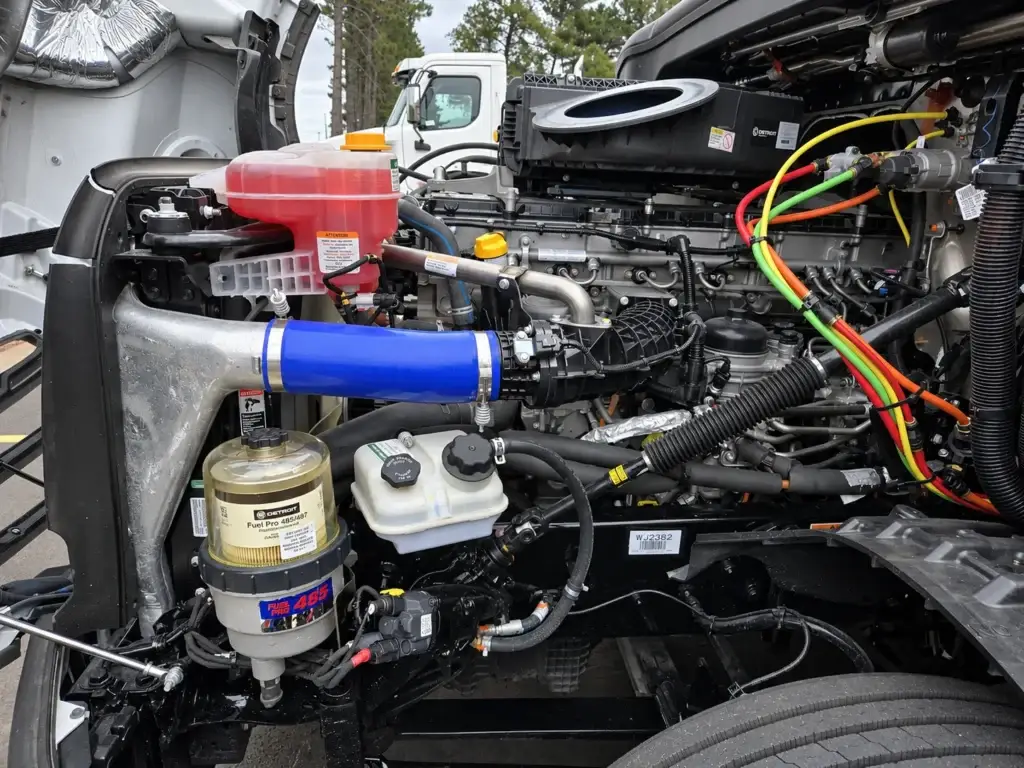
    As filters trap contaminants, they progressively restrict fuel flow to the engine. This fuel starvation creates several warning signs that operators should never ignore: hard starting especially in cold weather conditions, power loss during acceleration or under load, engine stalling at idle or during operation, and surging performance with inconsistent power delivery.

    Per TMC Recommended Practice 339B, fuel/water separators should be inspected and drained at regular intervals to prevent filter bypass and downstream contamination. Fleets operating in humid climates or using biodiesel blends may need more frequent service intervals.

    Corrosion of Fuel System Parts

    Water and microbial byproducts create acidic conditions that accelerate fuel system corrosion throughout the entire fuel pathway. This electrochemical corrosion process attacks metal surfaces in tanks, fuel lines, pumps, and injectors. Rust particles then become additional contaminants, creating a self-perpetuating cycle of damage. The corrosion weakens structural integrity and creates rough surfaces that further disrupt fuel flow characteristics.

    Combustion Chamber Deposits

    Contaminated fuel severely compromises combustion efficiency by disrupting the optimal air-fuel mixture. Incomplete combustion leaves carbon deposits on valves, pistons, and cylinder walls. These deposits reduce compression ratios and create hot spots that cause pre-ignition. The buildup interferes with heat transfer, leading to increased fuel consumption, engine misfires, and accelerated wear on moving parts—creating a deterioration cycle that compounds performance problems over time.

    Identifying Diesel Fuel Contamination Early

    Recognizing contaminated diesel fuel symptoms early gives operators the critical advantage of addressing problems before major damage occurs. Detecting fuel quality issues at their earliest stages prevents expensive repairs and eliminates unexpected downtime. Fleet managers and equipment operators need reliable methods to spot contamination before it reaches the engine.

    Visual Inspection Techniques

    Regular visual fuel inspection provides the first line of defense against contamination. Simple observation techniques can reveal fuel quality problems that laboratory testing might confirm later. Checking fuel appearance should become a routine part of maintenance protocols.

    Fleet technician examining diesel fuel sample in clear container for contamination signs

    Fresh, high-quality diesel fuel appears bright and clear with a slight amber or yellow tint. As fuel degrades, it darkens significantly and becomes murky due to the formation of tar and asphaltenes. Contaminated fuel may appear brown, black, or have visible cloudiness indicating particulate matter or microbial growth.

    The progression from clean to contaminated fuel follows a predictable pattern. Clear fuel transitioning to hazy or opaque signals ongoing degradation. Dark sediment settling at the bottom of storage containers confirms advanced contamination requiring immediate attention.

    Phase Separation Indicators

    Water contamination creates distinct visible layers within fuel containers. A clear demarcation line separates the diesel fuel from water that has settled to the bottom. The interface between these phases often contains sludge indicating microbial activity. This separation appears as a darker band or cloudy layer where water meets fuel, and observing these indicators during routine inspections enables quick response before water reaches fuel system components.

    Engine Performance Warning Signs

    Engine performance issues frequently signal contaminated fuel circulating through the system. Operators who recognize these symptoms can initiate diesel fuel testing protocols before catastrophic failures occur.

    Contamination affects the engine’s ability to achieve smooth ignition and maintain stable idle speeds. Hard starting occurs when water or particulates interfere with proper fuel atomization. Rough idling results from inconsistent fuel delivery caused by clogged filters or injector deposits. Engines may require extended cranking periods or multiple attempts to start. Once running, contaminated diesel fuel symptoms include engine shaking, uneven RPMs, and hesitation at idle.

    Reduced throttle response indicates fuel quality problems affecting combustion efficiency. Vehicles struggle to reach normal operating speeds or exhibit sluggish acceleration. Power loss under load becomes particularly noticeable when hauling heavy equipment or climbing grades. These symptoms progressively worsen as contamination levels increase throughout the fuel system.

    Fuel System Warning Signals

    Additional indicators provide early warning of contamination problems requiring intervention. Abnormally frequent fuel filter replacements signal excessive particulate or microbial contamination. Dashboard warning lights illuminate when sensors detect fuel system irregularities.

    Unusual fuel consumption patterns suggest incomplete combustion from contaminated fuel. Excessive exhaust smoke production varies by contaminant type—black smoke indicates incomplete combustion from particulates, while white smoke reveals water presence. Unusual odors from exhaust or fuel systems may indicate microbial contamination or advanced fuel degradation.

    Stay Ahead of Fuel Quality Issues

    Fuel contamination can silently undermine your fleet’s reliability. Heavy Duty Journal delivers practical maintenance insights that help fleet managers protect their equipment investments.

    Subscribe to the Newsletter →

    Comprehensive Prevention Strategies Against Diesel Fuel Contamination

    Building a robust defense against fuel contamination starts with understanding the critical control points in your fuel quality management system. Prevention proves far more cost-effective than remediation. A strategic approach addresses infrastructure, environmental factors, and operational procedures to maintain fuel integrity throughout its lifecycle.

    Tanks need maintenance to keep their integrity, as no fuel additive can overcome a rusty tank that allows rainwater to leak in. Keeping tanks full helps minimize condensation development, which remains one of the primary sources of water intrusion.

    Storage Tank Design and Installation

    The foundation of contamination prevention begins with proper storage infrastructure. Well-designed fuel storage tanks incorporate multiple protective features that work together to exclude contaminants.

    Above-ground diesel fuel storage tank installation with proper drainage and venting

    Material Selection

    Different tank materials offer distinct advantages for diesel fuel storage. Stainless steel provides the highest corrosion resistance but comes with substantial upfront costs. Fiberglass tanks resist corrosion effectively and work well for underground installations where soil contact poses risks. Coated steel tanks deliver economical solutions when maintained properly through regular inspections and protective coating renewal. Experienced fleet managers avoid uncoated black iron tanks that generate rust particles, which accelerate fuel system component wear.

    Proper Venting Systems

    Correctly designed vents prevent pressure differentials during temperature fluctuations while incorporating filters to exclude moisture and particulates. Improperly designed vents actually draw in contaminated air, defeating their protective purpose. Vent filters require regular inspection and replacement to maintain effectiveness.

    Water Drainage Provisions

    Sloped tank bottoms direct water accumulation toward low-point drains for easy removal. Install drain valves at the lowest tank point and establish regular water removal schedules. This simple provision prevents water from reaching fuel pickup points where it would enter engine systems.

    Environmental Controls

    Managing ambient conditions around fuel storage tanks significantly reduces contamination risks through temperature and humidity management. Maintaining stable fuel temperatures minimizes condensation formation by reducing the differential between fuel and air temperatures. Tank insulation and strategic location selection contribute to temperature stability, while indoor storage or shaded outdoor locations protect fuel from extreme temperature swings.

    Controlling moisture in storage areas prevents water vapor from condensing inside tanks. Dehumidification systems in enclosed storage facilities maintain optimal conditions, and proper ventilation in outdoor tank enclosures reduces humidity buildup around tank surfaces.

    Fuel Transfer Best Practices

    When moving fuel, run it through a fuel filtration system to catch contaminants before they enter clean storage or equipment tanks. Use dedicated transfer equipment for proper fuel handling to prevent cross-contamination. Maintain clean hoses and couplings through regular inspection and cleaning, and ground equipment during transfers to prevent static electricity buildup. Avoid aggressive pumping that agitates settled contaminants, suspending them back into fuel flow.

    Pre-Filtration at Fill Points

    Filtering fuel as it enters storage tanks or equipment serves as your first line of defense against contamination from external sources. Install high-quality filters at all fill points, regardless of supplier assurances about fuel cleanliness. This redundant protection catches contaminants introduced during transportation and delivery.

    Supplier Quality Verification

    Buy from reputable sources to prevent microbe, water, or particulate contaminant problems from being passed on. Reputable fuel distributors who turn over higher fuel volumes are more likely to prevent these problems through better storage practices. Monitor fuel deliveries carefully to ensure suppliers follow quality standards and don’t cause contamination during refueling. Request certificates of analysis documenting fuel quality, establish quality specifications in purchase agreements, and verify supplier storage and handling practices through facility audits.

    The HDJ Perspective

    After more than 15 years covering diesel maintenance, one pattern stands out: the fleets that consistently avoid contamination catastrophes aren’t the ones with the biggest budgets—they’re the ones with the most disciplined fuel handling protocols. The shops we see thriving treat fuel quality as seriously as they treat oil analysis or brake inspections. They sample regularly, train their people, and never assume the fuel truck brought clean product. In an era of increasingly sensitive fuel systems, that discipline isn’t paranoia; it’s operational intelligence.

    Proven Solutions for Treating Contaminated Fuel

    Diesel fuel contamination doesn’t have to mean disposal—proven treatment technologies can restore fuel to specification. Multiple fuel treatment approaches exist to address different contamination types and severity levels. Understanding these solutions helps fleet managers make informed decisions about the most cost-effective remediation strategy.

    Mechanical Filtration Systems

    Advanced fuel filtration systems form the foundation of effective contamination removal. These mechanical solutions physically separate contaminants from diesel fuel without chemical additives. Two primary filtration technologies dominate commercial applications.

    Depth filters capture contaminants throughout the entire thickness of the filter media rather than just at the surface. This multi-layer design makes them exceptionally effective for handling high particulate loads. These filters typically offer efficiency ratings from 1 to 30 microns, with finer ratings providing greater contaminant removal.

    Coalescent filters specialize in removing emulsified water from diesel fuel. They work by causing tiny water droplets to merge into larger droplets that gravity can separate. This specialized technology addresses one of the most damaging contaminant types in diesel systems.

    According to ASTM D975 specifications, diesel fuel must maintain water and sediment content below 0.05% by volume. Effective filtration systems help fleets maintain compliance with these industry standards while protecting sensitive fuel system components.

    Fuel Polishing and Reconditioning

    Fuel polishing represents a comprehensive technique that restores and maintains quality of stored fuel. This process combines particulate filtration, water separation, and magnetic conditioning into one integrated system. Modern polishing equipment can remove dirt, grime, sludge, free water, and metallic particles simultaneously.

    Mobile fuel polishing unit connected to diesel storage tank for contamination removal

    Mobile fuel polishing systems offer flexible solutions for maintaining fuel quality across multiple storage locations. These portable units mount on carts or skids and include pumps, filters, and water separators. Fleet operations benefit from servicing multiple tanks without requiring permanent installation at each location.

    Permanent Circulation Systems

    Fixed circulation systems continuously or periodically cycle stored fuel through filtration equipment. These automated installations maintain consistent fuel quality and prevent the degradation cycle that occurs with stagnant fuel. Permanent systems offer less labor-intensive approaches for high-volume storage facilities.

    Chemical Treatment Programs

    Additive-based solutions complement mechanical filtration by addressing biological contamination and preventing future degradation. Strategic fuel treatment with chemicals provides protection that filtration alone cannot achieve.

    Effective biocides for diesel eliminate microbial contamination that causes sludge and corrosion. Application should occur every 90 days for prevention, with higher shock treatment doses addressing active contamination. Proper contact time ensures complete microbial elimination throughout the fuel system. Cummins fuel quality guidelines recommend consulting fuel suppliers for qualified testing laboratories to monitor biological contamination levels.

    Dispersants and stabilizers prevent sludge formation and keep contaminants suspended for easier filter removal. Fuel stabilizers extend storage life by preventing oxidation and degradation. Corrosion inhibitors protect metal components, while combustion improvers maintain engine performance during the remediation process.

    Tank Remediation Procedures

    Severely contaminated storage tanks require complete contaminated fuel cleaning procedures beyond standard filtration. The remediation process begins with fuel removal and progresses through tank cleaning and sludge disposal. Inspection for corrosion damage follows, with necessary repairs completed before recommissioning. This comprehensive approach ensures contaminants don’t immediately re-contaminate treated fuel.

    Share Your Fuel Contamination Experience

    Have you developed effective contamination prevention protocols at your fleet or shop? Heavy Duty Journal welcomes guest contributions from experienced professionals who can help their peers avoid costly fuel quality problems.

    Submit Your Expertise →

    Implementing a Fuel Quality Management Program

    Moving beyond emergency responses, successful diesel operations require structured fuel quality management programs that prevent contamination before it occurs. These comprehensive systems integrate scheduling protocols, chemical treatments, personnel training, and preventive maintenance into a cohesive framework. The result is sustained engine performance, reduced downtime, and lower operational costs across fleet operations.

    Establishing Fuel Turnover Schedules

    Diesel fuel has a finite shelf life that demands strategic inventory management. Conventional diesel maintains quality for 6-12 months under ideal conditions, while ultra-low sulfur diesel begins degrading within six months. Biodiesel blends face even shorter stability periods of just 3-6 months.

    Implementing first-in, first-out principles ensures older fuel gets consumed before degradation occurs. Facilities with multiple storage tanks benefit from fuel turnover rotation strategies that balance operational needs against storage time limitations. Calculating appropriate inventory levels prevents both fuel starvation and excessive aging that compromises quality.

    Preventive Additive Protocols

    Systematic fuel additives programs address specific contamination risks before they damage engine components. Three primary categories provide targeted protection for stored diesel fuel.

    Fleet maintenance supervisor reviewing fuel quality management documentation on tablet

    Water controllers either demulsify water, causing it to separate for removal, or emulsify it into microscopic particles small enough to pass safely through the fuel system and combust. The choice depends on whether water removal or controlled combustion better suits operational requirements.

    Antioxidant formulations prevent fuel degradation during storage by interrupting oxidation chain reactions. These chemical treatments stop the formation of gums and sediments that would otherwise accumulate and clog filters. Stability enhancers are particularly critical for diesel fuel maintenance in long-term storage scenarios.

    ULSD contains significantly less natural lubrication than older high-sulfur formulations. Lubricity additives create protective films on fuel pumps and injectors, preventing excessive wear. This protection extends component lifespan and maintains injection precision. Per TMC RP 312B, fleet maintenance managers should maintain a documented list of qualifying questions when evaluating aftermarket diesel fuel additive packages.

    Additive TypePrimary FunctionApplication FrequencyStorage Benefit
    Water ControllersSeparate or emulsify moistureEvery fill or monthlyPrevents microbial growth
    Stability EnhancersPrevent oxidation reactionsAt initial storageExtends shelf life 6-12 months
    Lubricity ImproversProtect injection systemsContinuous treatmentReduces component wear
    Corrosion InhibitorsForm protective metal filmsQuarterly applicationPrevents tank degradation

    Staff Training and Procedures

    Effective fuel quality management depends on knowledgeable personnel executing standardized procedures. Technology and additives alone cannot ensure fuel quality without properly trained staff who understand contamination risks and prevention protocols.

    Essential training topics include visual inspection techniques, proper sampling methods, and contamination recognition. Operators must understand correct additive dosing calculations to avoid under-treatment or waste. Emergency response procedures prepare staff for contamination incidents, while documentation requirements ensure traceability. Regular refresher sessions maintain awareness as personnel change and new technologies emerge.

    Maintenance Scheduling

    A structured preventive maintenance framework prevents small issues from becoming major failures. Monthly tank inspections identify water accumulation, sediment buildup, and structural concerns. Weekly water removal from tank bottoms eliminates microbial habitat before contamination spreads.

    Filter changes follow manufacturer intervals or pressure differential readings, whichever comes first. Quarterly fuel sampling provides laboratory-quality data on contamination levels and fuel chemistry. This comprehensive approach to diesel fuel maintenance ensures consistent fuel quality and reliable engine operation across all conditions.

    Testing and Monitoring for Fuel Quality Assurance

    Proactive fuel quality assurance relies on implementing regular testing schedules that detect contamination in its earliest stages. Diesel fuel testing provides the critical data needed to make informed decisions about fuel condition and necessary interventions. A comprehensive monitoring program combines visual inspections, field testing tools, and laboratory services to create multiple layers of protection against contamination.

    Routine Visual Inspections

    Monthly visual inspections represent the simplest yet most informative first line of defense in fuel quality testing. Operators should sample fuel from various tank depths using hand-operated sampling pumps with flexible tubing to reach difficult areas. Key indicators include darkening color that signals degradation, cloudiness suggesting particulate or microbial contamination, sour odors indicating bacterial activity, and visible phase separation showing water accumulation at the tank bottom.

    Regular tank dipping procedures help monitor water phase levels and sediment buildup. This basic practice requires minimal equipment but provides essential baseline information about fuel condition.

    Field Testing Methodologies

    On-site testing tools deliver immediate results without requiring laboratory analysis. These practical instruments enable quick decision-making when contamination is suspected.

    Water-detecting paste applied to dipping rods changes color instantly upon contact with water. This provides immediate confirmation of water presence and approximates the depth of the water layer, enabling rapid response to water intrusion issues.

    Colorimetric test strips offer rapid screening for various contamination types within minutes. These simple tools detect microbial activity and other quality deviations, serving as an effective early warning system between comprehensive tests.

    Electronic testing devices measure multiple parameters including water content, particulate count, and fuel conductivity. These sophisticated instruments provide quantitative field data that supports immediate operational decisions.

    Laboratory Testing Services

    Professional laboratory analysis delivers comprehensive fuel quality assessment when detailed information is required. These services provide definitive answers about fuel condition and contamination types.

    Laboratory fuel analysis examines the full spectrum of quality parameters including cetane number, sulfur content, flash point, and chemical composition. This testing verifies specification compliance and identifies degradation patterns that field tests cannot detect.

    Specialized microbial testing identifies and quantifies bacterial and fungal contamination through culture methods. Results typically require several days but provide definitive identification of contamination types, guiding targeted treatment strategies.

    Documentation and Trend Analysis

    Maintaining detailed records of all testing results creates a valuable historical database for predictive maintenance. Trend charts reveal gradual quality degradation patterns, enabling intervention before critical failures occur. Baseline quality standards provide comparison benchmarks, while historical data predicts when preventive measures will be necessary.

    Testing MethodDetection CapabilityResults TimeframeBest Application
    Visual InspectionColor changes, cloudiness, water separation, odorImmediateMonthly routine monitoring
    Water Detection PasteWater presence and approximate depthInstantTank dipping procedures
    Contamination Test StripsMicrobial activity, general contamination2-10 minutesQuick screening between detailed tests
    Portable AnalyzersWater content, particulates, conductivity5-15 minutesField troubleshooting and verification
    Laboratory AnalysisComplete specification compliance, chemical composition3-7 daysComprehensive quality assessment

    Frequently Asked Questions

    What are the first signs of diesel fuel contamination?

    The earliest indicators of diesel fuel contamination typically appear before engine symptoms develop. Visual inspection of fuel samples reveals cloudiness, color changes from amber to dark brown or black, or visible separation layers at the bottom of containers. When contamination reaches the engine, operators notice hard starting, rough idling, reduced power under load, and increased exhaust smoke. Abnormally frequent fuel filter changes—more than the manufacturer’s recommended interval—often signals contamination problems. Address these early warning signs immediately, as the damage compounds rapidly once contaminated fuel circulates through precision injection components.

    How often should fleet operators test their diesel fuel?

    Testing frequency depends on storage conditions, fuel turnover rates, and operational environment. As a baseline, perform visual inspections monthly, conduct field tests with water-detecting paste weekly for high-turnover bulk storage, and send samples for comprehensive laboratory analysis quarterly. Fleets operating in humid climates, using biodiesel blends, or storing fuel for extended periods should increase testing frequency. Emergency and standby power equipment with infrequent fuel turnover warrants sampling from multiple tank depths every six months to detect stratification and biological contamination before the fuel is needed.

    Can contaminated diesel fuel be saved or must it be disposed of?

    Most contaminated fuel can be successfully remediated through mechanical filtration, fuel polishing, or chemical treatment—though the appropriate method depends on contamination type and severity. Water contamination responds well to coalescent filters and water-separating systems. Particulate contamination requires multi-stage filtration at progressively finer micron ratings. Microbial contamination demands biocide treatment followed by filtration to remove dead organisms. Severely degraded fuel with extensive asphaltene formation or chemical breakdown may be beyond economical recovery and require disposal. Consult a fuel quality specialist to assess remediation costs versus replacement before making disposal decisions.

    What fuel storage practices minimize contamination risk?

    Effective fuel storage starts with proper tank design: sloped bottoms for water drainage, filtered vents to exclude moisture and particulates, and appropriate materials that resist corrosion. Keep tanks as full as practical to minimize the air space where condensation forms. Drain water from tank sumps weekly or more frequently in humid conditions. Implement first-in, first-out inventory rotation to prevent fuel aging beyond its stable shelf life. Use dedicated transfer equipment to prevent cross-contamination, and filter fuel at every transfer point. Finally, verify supplier quality through certificates of analysis and periodic audits of their storage and handling practices.

    How does ultra-low sulfur diesel increase contamination susceptibility?

    The refining process that reduces sulfur to 15 ppm also removes naturally occurring lubricity compounds and changes fuel chemistry in ways that increase contamination vulnerability. ULSD absorbs water more readily than older formulations, creating favorable conditions for microbial growth. The fuel also has reduced oxidation stability, meaning it degrades faster in storage. These characteristics require more vigilant monitoring, shorter fuel turnover schedules, and often the use of lubricity and stability additives to maintain fuel quality. Fleets transitioning to ULSD should expect to adjust their fuel quality management protocols accordingly.

    Protecting Your Investment Through Strategic Fuel Management

    Diesel fuel contamination presents a serious threat to equipment across all operational scales. Small agricultural machines and large industrial generators face identical risks when fuel quality standards decline. Modern fuel injection systems demand exceptional cleanliness to maintain diesel engine reliability.

    The financial case for prevention remains clear. Regular monitoring and preventive fuel maintenance cost substantially less than replacing damaged injectors or rebuilding engines. Downtime expenses compound these losses when equipment sits idle during repairs.

    Effective engine protection requires a systematic approach. Start by evaluating current storage conditions and handling procedures. Identify weak points where water or particulates might enter the fuel supply. Install appropriate filtration systems at transfer points and schedule routine testing to catch problems early. Personnel training plays a vital role in contamination control—staff members who understand visual inspection techniques and performance warning signs become your first line of defense.

    Fuel contamination solutions work best when applied proactively. Waiting until problems appear costs more and creates unnecessary equipment stress. Strategic use of additives, proper tank maintenance, and verified supplier quality form the foundation of successful programs. Your diesel engines will reward proper fuel care with extended service life and reliable performance.

    Share This Guide With Your Team

    Fuel contamination prevention works best when everyone involved understands the stakes and protocols. Share this resource with maintenance teams, fleet managers, and operators who can help protect your equipment investment.

    Leave a Comment

    Your email address will not be published. Required fields are marked *

    Sponsored

    Emergency Breakdown?

    Find Certified Repair Shops Near You

    24/7 Mobile Service
    Verified Facilities
    Nationwide Coverage
    Find Repair Shops Now →

    Trusted by thousands of fleet operators