
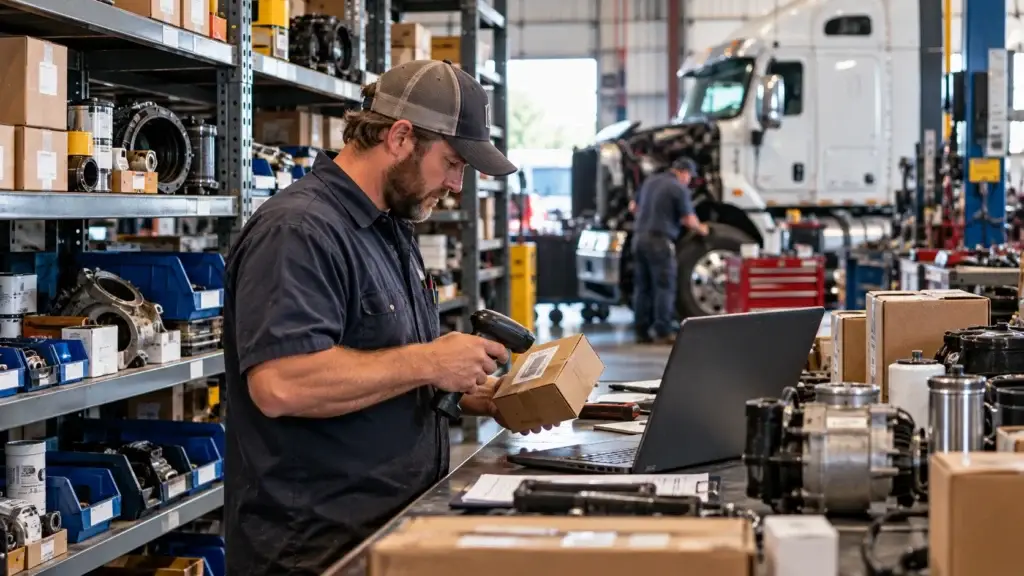
Parts departments represent the biggest profit opportunity for equipment dealers and automotive repair shops. When managed effectively, parts operations generate gross margins of 40-50% and contribute 20-25% of total dealership revenue. Poor parts inventory control shop practices drain resources and halt growth.
The numbers reveal the stakes. Power Equipment Systems data shows dealers lose 30 minutes of technician labor every time repairs stop for missing parts. This pushes shop efficiency ratings below 30% and frustrates customers waiting for completed work. Effective inventory management systems prevent these costly delays while improving profitability.
Equipment downtime reduction starts with understanding inventory turnover rates and optimization strategies. Healthy parts departments achieve six turns per year, calculated by dividing total parts purchases by average inventory value. Mid-size dealers working with suppliers like Oregon Cutting Systems track this critical metric through business management platforms.
Key Takeaways
- Parts departments achieve 40-50% gross margins when properly managed with strategic inventory control systems
- Missing parts cause 30-minute technician delays that reduce shop efficiency below 30% and increase emergency ordering costs
- Target six inventory turns per year to balance cash flow with parts availability and prevent obsolescence
- Real-time tracking systems eliminate guesswork through barcode scanning and cloud-based visibility across all locations
- Strategic vendor consolidation improves profitability through volume discounts and priority treatment during supply shortages
Understanding Parts Inventory Control Shop Management Fundamentals
Managing parts inventory stands as the critical foundation for successful automotive repair operations. When shops master inventory fundamentals, they reduce equipment downtime and keep customers satisfied. The difference between profitable shops and struggling ones often comes down to how effectively they control their stocking systems.
Balance between stock levels and fill rates creates the foundation for profitability. Carrying excessive inventory ties up working capital and creates obsolete parts that never sell. Cutting inventory too aggressively leads to lost sales opportunities and frustrated customers.
Finding optimal balance requires implementing systems and processes tailored to your operation.

The True Cost of Poor Parts Management
Poor parts control creates ripple effects throughout entire business operations. When technicians can’t locate needed components, vehicles sit idle in service bays consuming valuable shop space. This downtime damages shop reputation and forces expensive rush orders from emergency suppliers at premium prices.
Inventory control costs skyrocket when facilities rely on emergency shipments instead of planned purchasing strategies. Financial impact extends beyond inflated parts prices to include lost productivity when mechanics wait for deliveries. Customer relationships suffer when repairs take longer than promised, especially for commercial clients who depend on equipment uptime for their own business operations.
Commercial clients often represent the highest-margin customers. When they experience repeated delays due to parts availability issues, they take their lucrative business elsewhere. The cost of losing a single fleet account can exceed tens of thousands of dollars annually in lost revenue and referrals.
Key Components of Modern Inventory Systems
Today’s inventory management platforms combine several essential technological elements that work together seamlessly. Real-time tracking across all storage locations using barcode technology eliminates manual counting errors. Mobile applications let technicians check stock availability from service bays without interrupting their work.
Automated reorder points based on historical usage patterns prevent stockouts before they occur. Vendor relationship management tools streamline interactions with multiple suppliers while maintaining pricing transparency. Historical data analysis capabilities predict seasonal demand shifts, allowing proactive inventory adjustments.
Impact on Service Department Efficiency
Proper parts management transforms service department optimization efforts dramatically. First-call completion rates improve when technicians have immediate access to required components without delays. This efficiency boost directly correlates with customer satisfaction scores and long-term retention rates.
Service vehicles benefit from standardized stock lists organized by common job types and equipment models. Regular truck audits ensure field technicians carry the right parts mix for typical service calls. When mobile units operate efficiently, shops eliminate costly return trips and scheduling conflicts that frustrate customers and reduce daily job capacity substantially.
Real-Time Digital Tracking Systems for Maximum Visibility
Modern shops need instant access to parts information to keep operations running smoothly without delays. Real-time inventory tracking transforms how automotive businesses manage stock, replacing guesswork and manual counts with accurate digital data. These integrated systems show exactly what parts are available, precise storage locations, and optimal reorder timing.
Cloud-Based Inventory Management Platforms
Cloud-based parts management puts critical inventory data at your fingertips from any device with internet access. Shop owners check stock levels from home or while traveling. Technicians verify parts availability directly from the service bay floor.
These platforms track parts across multiple shop locations, making inventory transfers between facilities seamless when urgent needs arise.

Leading digital inventory systems offer comprehensive tracking across warehouses and sales channels simultaneously. They provide automatic notifications when stock runs low and generate detailed reports about usage patterns and trends. This real-time visibility helps shops maintain optimal inventory levels without tying up excessive cash in slow-moving parts.
Cloud platforms eliminate the need for expensive on-premise servers and IT infrastructure. Automatic software updates ensure shops always run the latest features without manual upgrades. Data backup occurs continuously, protecting against loss from hardware failures or disasters.
Barcode Scanning and Mobile Integration
Mobile inventory systems bring powerful tracking capabilities to smartphones and tablets that technicians already carry. Workers scan barcodes to update stock counts instantly as they use parts during repairs. This immediate recording prevents duplicate orders and ensures accurate customer billing without discrepancies.
Mobile applications let workers photograph receipts, automatically matching them to purchases for warranty documentation and expense tracking. Systems organize all transaction data by technician, job type, and cost center for comprehensive reporting. Mobile integration means inventory accuracy no longer depends on technicians remembering to log parts usage at day’s end.
Automated Reordering and Stock Alerts
Automated reordering features prevent stockouts that delay repairs and frustrate customers. Systems monitor usage patterns continuously and trigger purchase orders when inventory drops below preset threshold levels. Integration with accounting software ensures all transactions flow seamlessly into financial records without duplicate data entry.
Multi-location shops benefit from consolidated reporting that tracks purchases by branch, technician, and specific job types. Managers identify which locations consume which parts most frequently, enabling better inventory distribution decisions. Automated alerts notify purchasing staff before critical parts run out, providing adequate lead time for standard shipping rather than expensive expedited delivery.
Strategic Vendor Management Programs That Drive Profitability
Successful parts control begins with building strong relationships with reliable suppliers and distributors. Operations that work closely with vendors create competitive advantages extending beyond just ordering parts efficiently. Strategic partnerships unlock better pricing structures, faster delivery times, and expert technical support when dealing with complex equipment repairs.

Effective vendor management programs focus on consolidating purchases with select suppliers rather than spreading orders across many vendors. This strategic approach brings several measurable benefits: volume discounts improve profit margins significantly, priority status during industry supply shortages ensures parts availability when competitors face shortages, access to broader product lines under single accounts simplifies ordering, and simplified billing with consolidated freight reduces administrative overhead.
Leading suppliers like Stens and Oregon provide valuable tools to optimize purchasing strategies. These vendors offer curated lists highlighting fast-moving wear items such as belts, filters, and spindles based on industry data. Many distributors report that 25-37% of their orders now come through electronic ordering systems, making cross-referencing and inventory lookup faster than traditional phone orders.
“The best vendors don’t just sell parts—they become true business partners who help you plan inventory, manage cash flow, and grow your service department profitably.”
— Industry Parts Management Expert
Understanding freight programs plays crucial roles in maintaining healthy profitability while controlling costs. Dealers should balance qualifying for prepaid freight minimums against inventory turnover goals. Many successful shops find optimal results ordering twice weekly on Monday and Thursday schedules, keeping fresh stock flowing without tying up excessive capital in slow-moving inventory.
Establishing backup supplier relationships provides insurance against primary vendor stockouts. When your main distributor can’t supply critical parts, having pre-established accounts with secondary suppliers prevents costly downtime. Negotiate clear terms regarding returns, warranties, and emergency delivery options before urgent situations arise.
Cycle Counting and Physical Organization Systems
Effective warehouse management relies on systematic physical organization and accurate inventory tracking protocols. Well-organized facilities implement structured systems that prevent costly errors and reduce time wasted searching for misplaced parts. These proven methods create measurable improvements in both operational efficiency and bottom-line profitability.
Implementing FIFO Principles in Parts Storage
FIFO inventory management (First In, First Out) protects your investment by ensuring older stock gets used before newer inventory. Place newly received parts behind existing inventory on shelves or in bins. Label each item with its arrival date using bright colored stickers or tags visible from distance.
This simple practice prevents parts from becoming obsolete as manufacturers update designs and supersede part numbers. Many shops discover thousands of dollars in dead inventory when they first organize their storage areas properly. Obsolete parts represent pure loss—they tie up capital while generating zero revenue and consuming valuable storage space.

FIFO principles apply especially to parts with expiration dates like lubricants, sealants, and batteries. Rotating stock properly ensures customers receive fresh products with maximum useful life remaining. This attention to quality builds customer trust and reduces warranty claims from deteriorated parts.
Bin Location Systems and Cabinet Solutions
Professional parts storage solutions transform cluttered spaces into efficient work areas that improve productivity. Vidmar cabinets maximize vertical space while keeping parts clean and protected from dust and damage. Assign unique alphanumeric codes to each bin location (A1, B2, C3) and label everything clearly with large, readable fonts.
Small parts drawers with adjustable dividers prevent mixing of similar items that causes picking errors. This organization makes returns simple and reduces technician search time by up to 75% compared to disorganized storage. Time saved searching translates directly into increased billable hours and improved shop efficiency ratings.
Group related parts together logically by equipment type, system, or service category. Store fast-moving items in easily accessible locations at waist height. Place slower-moving inventory higher or lower where retrieval takes slightly more effort. This strategic placement speeds up the most common picking tasks while maintaining complete inventory availability.
Regular Audit Procedures for Accuracy
Cycle counting procedures maintain inventory accuracy without shutting down operations for full physical counts. Count high-value and fast-moving parts weekly to catch discrepancies quickly. Audit slower-moving items monthly on rotating schedules that cover all inventory over time.
Use traffic light reporting systems to identify problems quickly and prioritize action items effectively:
| Color Code | Status Indicator | Action Required |
|---|---|---|
| Green | Optimal stock level | Continue monitoring usage patterns |
| Yellow | Low inventory warning | Reorder within 48 hours |
| Red | Critical shortage or overstock | Immediate adjustment needed |
Document all discrepancies discovered during cycle counts and investigate root causes systematically. Common issues include parts used but not recorded, incorrect receiving counts, or theft. Set reorder points based on actual usage patterns and lead times rather than guesswork or outdated assumptions.
Regular spot checks between scheduled cycle counts catch errors early and maintain system integrity. Assign accountability for accuracy to specific team members, creating ownership and reducing careless mistakes that corrupt inventory data.
Predictive Analytics and Demand Forecasting Tools
Modern service shops shift from reactive to proactive inventory management through predictive systems powered by advanced analytics. These sophisticated tools analyze historical sales data, equipment age profiles, and maintenance schedules to anticipate future parts needs before shortages disrupt operations.
Demand forecasting analytics transform raw transactional data into actionable insights that drive purchasing decisions. By tracking equipment installations and active maintenance contracts, shops gain visibility into upcoming parts requirements weeks or months in advance. This forward-looking approach helps maintain optimal turnover rates while reducing excess stock and associated storage costs.

Leading inventory optimization tools now incorporate several advanced analytical features that improve decision-making: historical usage pattern analysis identifies trends and seasonality in parts consumption, seasonal demand prediction algorithms adjust inventory levels before peak periods hit, lead time tracking and alerts ensure reorders occur with adequate buffer time, equipment lifecycle monitoring anticipates replacement part needs as fleets age, and automated reorder point calculations adapt to changing usage patterns continuously.
Companies have revolutionized parts availability through 3D printing technology and on-demand manufacturing capabilities. This innovative production approach allows shops to manufacture certain components instantly, reducing dependency on traditional supply chains for slow-moving or obsolete parts. Combined with digital fabrication tools, these solutions minimize downtime and improve operational resilience during supply disruptions.
Traffic light reporting systems provide instant visual indicators for stock level status across entire inventories. Green signals indicate healthy inventory levels with adequate coverage. Yellow warns of approaching reorder points requiring attention. Red alerts flag critical shortages demanding immediate action. This simple yet effective visual approach helps managers make quick decisions about shipping priorities and supplier orders without analyzing detailed reports.
Integration with production schedules ensures parts availability aligns precisely with service demands and scheduled maintenance windows. When demand forecasting connects with work order systems, shops anticipate parts needs weeks in advance. This maintains steady turnover while avoiding emergency orders and expensive rush shipping costs that erode profitability.
Integration Between Service Management and Parts Control
Service integration software creates powerful connections between repair operations and parts inventory management. When these systems work together seamlessly, shops eliminate delays, reduce operational costs, and keep customers satisfied with faster service. The right integration transforms how shops handle everything from simple routine repairs to complex diagnostic jobs.
Connecting Work Orders to Inventory Levels
Modern management systems automatically link work orders to real-time parts availability without manual intervention. When technicians create repair orders, integrated systems instantly check stock levels and reserve needed parts for specific jobs. This real-time connection prevents double-booking parts across multiple jobs and ensures accurate job costing from the start.
Key benefits of comprehensive work order integration include automatic parts allocation to specific jobs upon creation, real-time availability checks before scheduling appointments, accurate cost tracking without manual data entry or transcription errors, and seamless transfer requests between shop locations to facilitate parts redistribution when needed.

Service advisors benefit from instant visibility into parts costs and availability when creating estimates for customers. They confidently commit to completion dates knowing required components are available or provide accurate lead times when parts need ordering. This transparency builds customer trust and reduces callbacks to adjust estimates or timelines.
Preventive Maintenance Scheduling and Parts Planning
Preventive maintenance planning becomes straightforward when parts systems anticipate future needs based on scheduled service intervals. Service departments schedule routine maintenance knowing exact parts availability months in advance. This proactive approach prevents emergency orders and keeps maintenance programs on schedule without delays.
Operations track equipment history to predict parts usage patterns accurately. Service writers use detailed inspection checklists to identify worn components like filters, belts, and hydraulic hoses before failure occurs. Ordering these items in advance based on inspection findings eliminates rush orders and maximizes technician efficiency.
Fleet accounts with multiple pieces of similar equipment benefit especially from integrated preventive maintenance planning. Systems track service intervals across all units and batch parts orders for maximum efficiency. This consolidation often qualifies for volume discounts and reduces per-unit shipping costs significantly.
Technician Mobile Access and Field Inventory
Mobile field inventory tools give technicians instant access to parts data from anywhere in the shop or at customer locations. Field service teams check availability, request transfers between trucks or shops, and update usage records directly from tablets or smartphones. This mobile connectivity keeps inventory accurate while speeding up service calls substantially.
Well-integrated systems track parts-to-labor ratios automatically without manual calculations. Shops improving from $1 in parts revenue per $5 in labor to $2 per $5 demonstrate real profitability gains through better integration and upselling opportunities. Mobile access enables technicians to identify additional service needs and check parts availability immediately, facilitating same-visit upsells that increase ticket values.
Measuring Success Through Key Performance Indicators
Tracking performance metrics transforms parts management from guesswork into data-driven decision making that improves outcomes. Well-run facilities rely on specific key performance indicators to identify weaknesses, spot opportunities, and boost both operational efficiency and profits. The right metrics reveal exactly where your inventory system excels and where it needs improvement to reach optimal performance.
Inventory Turnover Rates and Optimization
Inventory turnover optimization starts with understanding how often your parts move through the system annually. Calculate this critical metric by dividing total annual parts purchases by average inventory value. A turnover rate of six times per year indicates healthy movement—your parts aren’t collecting dust on shelves or becoming obsolete.
Low turnover signals overstocking or obsolete inventory eating into cash flow and consuming valuable warehouse space. High turnover might indicate frequent stockouts that frustrate customers and cause lost sales opportunities. Finding the sweet spot requires regular monitoring and adjustment based on seasonal patterns, equipment trends, and customer demand shifts.
Compare your turnover rate to industry benchmarks and top-performing competitors. Equipment dealers typically target 6-8 turns annually, while automotive shops may achieve 8-12 turns depending on their service mix and customer base.
Fill Rate Analysis and First-Call Completion
Fill rate metrics show the percentage of parts requests fulfilled immediately from existing stock when technicians need them. A 95% fill rate means your team completes most repairs without waiting for parts orders to arrive. This metric directly impacts first-call completion rates and overall customer satisfaction scores.
| Fill Rate Range | Customer Impact | Pricing Power |
|---|---|---|
| 95-100% | Minimal delays, high satisfaction | Premium pricing justified |
| 85-94% | Occasional waits, moderate satisfaction | Standard market rates |
| Below 85% | Frequent delays, low satisfaction | Price competition pressure |
High fill rates enable premium pricing strategies because customers value convenience and minimal downtime. Shops that consistently have parts available can charge more than competitors who frequently delay repairs waiting for orders. This pricing power translates directly to improved gross margins and profitability.
Parts-to-Labor Ratio Tracking
Parts profitability tracking includes monitoring your parts-to-labor ratio across different equipment types and service categories. This metric reveals which service lines generate the best margins and where opportunities exist for improvement. A healthy ratio typically ranges from 0.8:1 to 1.2:1, meaning parts revenue closely matches labor revenue across the service mix.
Equipment requiring expensive components might show higher ratios, while basic maintenance work trends lower due to minimal parts requirements. Use this comparative data to focus inventory investments on your most profitable service lines. Identify opportunities to increase parts sales on labor-intensive jobs through better upselling techniques.
Implementation Strategies for Different Shop Sizes
Successful automotive parts inventory optimization starts with understanding your shop’s unique needs and resource constraints. Small repair facilities face different challenges than large dealership operations, yet both require tailored approaches to manage parts effectively and profitability.
For shops earning under one million dollars annually, assigning inventory responsibilities to existing team members works best from a cost perspective. These operations don’t require full-time dedicated parts managers. Instead, designate detail-oriented employees to handle weekly parts ordering and vendor communication, monthly inventory counts and physical organization, obsolete parts identification and disposal, and basic reporting with budget tracking.
Look for team members with strong organizational skills and attention to detail rather than extensive technical knowledge. Computer proficiency matters more than mechanical expertise for inventory management success. Provide clear procedures and checklists that guide this person through required tasks systematically.
Medium-sized operations benefit from part-time inventory managers who bring computer proficiency and business acumen to the role. Technical knowledge helps, but organizational skills matter more for effective control. These facilities should invest in digital tools that provide intelligent purchase controls and custom approval workflows that scale with growing operations.
Large multi-location shops need scalable management solutions that maintain consistency across all facilities while allowing local flexibility. Standardized procedures across locations create operational efficiency and enable meaningful performance comparisons. Key elements include centralized purchasing with location-specific budgets and accountability, real-time inventory visibility across all facilities through cloud platforms, emergency supplier networks for after-hours needs and rush situations, and clear escalation protocols for urgent requests that exceed normal authority levels.
Training remains critical regardless of shop size or sophistication. Every technician should understand inventory procedures and feel personally accountable for accurate parts tracking. This cultural shift transforms inventory management from burdensome chore into profit-driving competitive advantage that everyone supports.
Start implementation by addressing the biggest pain points first rather than attempting complete system overhauls. Quick wins build momentum and demonstrate value, making staff more receptive to broader changes. Measure progress using the KPIs discussed earlier, celebrating improvements and addressing setbacks constructively.
Conclusion
Effective parts inventory control shop systems transform maintenance operations from reactive scrambles to proactive success stories that deliver consistent results. Strategic planning combined with modern technology boosts profitability across every department. When inventory runs smoothly, technicians complete jobs faster, customers stay satisfied, and revenue grows steadily quarter over quarter.
The right mix of digital tracking, strategic vendor partnerships, and predictive analytics creates inventory management success that compounds over time. Real-time visibility eliminates guesswork while automated systems prevent stockouts before they disrupt operations. These tools free up working capital and turn parts departments from cost centers into profit generators that contribute substantially to overall dealership performance.
Implementation strategies vary by shop size but core principles remain constant across all operations. Whether managing small independent fleets or running operations for major equipment brands, accurate inventory data drives better business decisions. Operations that master these systems see higher first-call completion rates, more precise job estimates, and stronger competitive positions in their markets.
The future belongs to operations that embrace modern inventory control technology and data-driven decision making. As maintenance demands increase and customer expectations rise continuously, efficient parts management becomes the foundation for long-term growth and sustainability. Start implementing these proven strategies today to position your shop for sustained profitability and operational excellence in an increasingly competitive marketplace.
Share Your Expertise
Join Heavy Duty Journal as a guest author and reach thousands of industry decision-makers.
Frequently Asked Questions
What is the ideal inventory turnover rate for parts departments?
The target for parts departments is 6 turns per year, calculated by dividing total parts purchases by average inventory value. Lower turnover rates indicate overstocking and obsolescence problems, while pushing too aggressively for higher turns can lead to lost sales due to lower fill rates and frequent stockouts. Parts departments with proper inventory management systems achieve this target while maintaining healthy 40-50% gross margins through balanced inventory strategies.
How much time do shops lose when technicians stop repairs to order parts?
According to Power Equipment Systems data, dealers lose approximately 30 minutes of technician labor when halting repairs to order missing parts. This causes shop efficiency ratings to drop below 30% and creates expensive emergency orders at premium prices. Implementing proper automotive parts inventory optimization prevents these costly disruptions and maintains higher productivity levels that directly improve profitability and customer satisfaction.
What technology solutions help manage parts inventory across multiple locations?
Cloud-based parts inventory management software provides real-time visibility across all shop locations simultaneously while mobile applications allow instant updates from job sites and service bays. Digital tracking with barcode scanning eliminates guesswork and updates inventory counts automatically. Modern platforms enable real-time purchase visibility across all technicians, with automated receipt matching and consolidated reporting by branch, technician, and job type for comprehensive oversight.
How should service vehicles be stocked to maximize first-call completion rates?
Service vehicles require standardized stocking lists organized by common service types and equipment models with regular truck audits to ensure proper mix. Technician mobile access ensures field inventory remains accurate while enabling real-time availability checks and transfer requests between trucks when needed. First-call completion rates directly correlate with customer satisfaction and retention, especially for commercial clients depending on equipment uptime for their business operations.
What are the benefits of consolidating purchases with fewer vendors?
Consolidating purchases with select strategic partners provides significant volume discounts that improve margins, access to broader product lines under single accounts, and priority treatment during supply shortages. Better pricing structures create competitive advantages while stronger technical support relationships solve complex problems faster. Understanding freight programs and ordering twice weekly on Monday/Thursday schedules helps balance qualifying for prepaid freight minimums with inventory turnover goals while maintaining fresh stock.
How often should cycle counts be performed on parts inventory?
Regular cycle counts maintain accuracy by counting subsets of parts on rotating schedules without shutting down operations. High-value and fast-moving items merit weekly counts, while slower-moving inventory can be audited monthly. Frequent spot checks supplement comprehensive inventories and catch errors early. Root cause analysis for all discrepancies prevents future errors and maintains system accuracy in your warehouse management system.
When should smaller dealers invest in a dedicated parts manager?
Until reaching million-dollar revenue levels with five to seven employees managing separate departments, justifying full-time dedicated parts managers proves difficult from a cost perspective. Smaller dealers benefit from part-time managers handling ordering, organization, and obsolete inventory management. Computer skills and organizational abilities prove essential, while smaller operations should assign parts control responsibility to at least one detail-oriented person regardless of size.
Enjoyed This Article?
Share this post with your network and help other industry professionals stay informed.