By Michael Nielsen, Editor & Publisher | 15+ Years in Diesel Repair
Last Updated: January 2026
📖 Estimated reading time: 22 minutes
Modern commercial vehicles have become rolling data centers. A single connected heavy-duty truck can generate up to 25 gigabytes of data per hour, fundamentally transforming how fleet operators manage their assets. This massive information flow comes from IoT sensor networks that communicate constantly, tracking everything from engine temperature to driver behavior in real time.
For fleet managers and diesel technicians, IoT sensors in heavy-duty vehicles represent both an opportunity and a challenge. The technology enables predictive maintenance that catches problems before breakdowns occur, but implementing these systems requires understanding the hardware, software, and communication protocols that make them work. This guide provides a comprehensive overview of fleet telematics technology in 2025, covering sensor types, infrastructure requirements, and practical implementation strategies.
Key Takeaways
- Data generation capacity: Connected commercial vehicles generate up to 25 gigabytes of operational data hourly through networked sensor systems.
- Predictive maintenance impact: IoT-enabled monitoring reduces unplanned downtime by up to 50% and maintenance costs by 25-30% through early problem detection.
- ROI timeline: Most fleets achieve positive return on telematics investment within 12-18 months of deployment.
- Market trajectory: The fleet telematics market is projected to grow from $20.2 billion in 2025 to $47 billion by 2034.
- Adoption rates: Large enterprise fleets (500+ vehicles) show 78% telematics adoption, with mid-sized fleets rapidly closing the gap.
1. The State of IoT Technology in Heavy-Duty Vehicle Operations
IoT technology has fundamentally reshaped how fleet operators monitor, manage, and optimize their heavy-duty vehicle operations. The integration of sensor networks with cloud analytics platforms creates a seamless flow of real-time data that transforms decision-making processes. This technological evolution enables companies to shift from reactive problem-solving to proactive fleet management strategies that prevent issues before they occur.
Defining IoT Sensor Networks for Commercial Fleets
An IoT sensor network for commercial vehicles consists of interconnected hardware components that collect and transmit operational data continuously. These systems include telematics devices, environmental sensors, GPS trackers, and onboard diagnostics interfaces. Fleet telematics systems connect these sensors through wireless protocols like 4G, 5G, or satellite communication networks to maintain constant connectivity.
The collected data flows to cloud-based platforms where advanced analytics engines process millions of data points. This architecture enables fleet managers to access comprehensive vehicle performance metrics from any location. The system converts raw sensor readings into actionable insights about maintenance needs, fuel efficiency, and driver behavior patterns that directly impact the bottom line.
The Connected Vehicle Revolution in Logistics
Connected commercial vehicles have transformed traditional logistics operations into intelligent transportation networks. Real-time visibility across entire fleets allows dispatchers to optimize routes dynamically based on traffic conditions, weather patterns, and delivery priorities. Companies implementing comprehensive telematics achieve substantial improvements in delivery accuracy and customer satisfaction scores.
The revolution extends beyond simple tracking to encompass predictive analytics and automated decision support. Fleet operators leverage continuous data streams to reduce fuel consumption by 15-25% through optimized driving patterns. This transformation impacts industries from long-haul trucking to construction equipment management, creating competitive advantages for early adopters.

Market Adoption Rates and Industry Trends
IoT adoption rates in the commercial vehicle sector have accelerated dramatically over the past three years. The global fleet management market reached $27 billion in 2025, with projections showing growth to over $122 billion by 2035 at a 16.9% compound annual growth rate. Large enterprise fleets with 500+ vehicles show the highest implementation rates at 78%, while mid-sized operations rapidly close the adoption gap.
The market demonstrates clear segmentation based on fleet size and operational complexity. Industry analysts project the global commercial vehicle telematics market will expand from $20.4 billion in 2023 to over $108 billion by 2034. This widespread acceptance validates the return on investment that early adopters have documented across different fleet segments.
| Fleet Size Category | Current Adoption Rate | Primary Use Cases | Average ROI Timeline |
|---|---|---|---|
| Large Enterprise (500+ vehicles) | 78% | Predictive maintenance, route optimization, compliance tracking | 8-12 months |
| Mid-Size Fleet (100-499 vehicles) | 62% | Fuel monitoring, driver behavior analysis, asset tracking | 12-18 months |
| Small Fleet (25-99 vehicles) | 44% | Basic telematics, GPS tracking, hours of service compliance | 18-24 months |
| Specialty Equipment | 56% | Equipment utilization, maintenance scheduling, theft prevention | 10-15 months |
2. Types of IoT Sensors Heavy-Duty Vehicles Use for Remote Monitoring
The sensor ecosystem in modern commercial fleets encompasses specialized monitoring devices designed to track everything from cargo conditions to mechanical performance. These vehicle sensor types work in concert to provide fleet managers with comprehensive visibility into every aspect of their operations. Each category of sensor addresses specific monitoring needs while contributing to a holistic understanding of vehicle health and operational efficiency.
IoT sensors in heavy-duty vehicles collect millions of data points daily, transforming raw information into actionable intelligence. The integration of multiple sensor technologies creates redundant safety systems and validates data accuracy through cross-referencing across different measurement sources.
Temperature and Environmental Monitoring Systems
Thermal monitoring represents one of the most critical applications of sensor technology in commercial transportation. Temperature monitoring systems protect both cargo integrity and mechanical components from heat-related damage that can cause significant financial losses.
Refrigerated Cargo Sensors
Cold chain logistics depends entirely on precise temperature control throughout the transportation journey. Refrigerated cargo sensors continuously measure temperature variations within trailer compartments, alerting drivers and dispatchers to any deviations that could compromise perishable goods. These specialized sensors typically monitor multiple zones within a single trailer, providing real-time alerts when temperatures drift outside predetermined thresholds.
Engine Temperature Monitoring
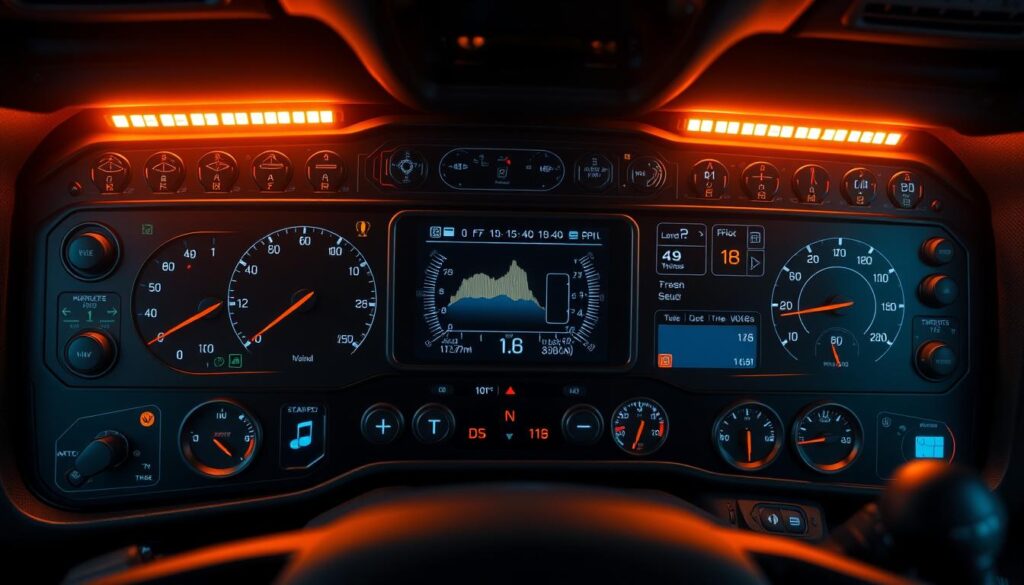
Engine overheating remains a leading cause of roadside breakdowns in heavy-duty vehicles. Temperature sensors embedded within the cooling system track coolant temperatures, oil temperatures, and exhaust gas temperatures to identify potential overheating conditions before catastrophic failure occurs. Advanced temperature monitoring systems analyze thermal patterns over time, detecting gradual degradation in cooling system performance.
87% Reduction
Fleet operators report significant decreases in refrigerated cargo claims after implementing comprehensive temperature monitoring systems.
Pressure and Fluid Level Detection
Hydraulic and fluid monitoring sensors prevent mechanical failures by identifying leaks, consumption anomalies, and pressure irregularities. The pressure sensors trucks rely on provide early warning of system degradation that could otherwise result in expensive repairs or dangerous breakdowns.
Hydraulic System Sensors
Heavy equipment and specialized vehicles depend on hydraulic systems for critical functions including braking, steering, and lifting operations. Pressure sensors monitor hydraulic line pressures in real-time, detecting sudden drops that indicate leaks or gradual increases that suggest blockages or pump failures. These sensors ensure operational safety by preventing brake failure and steering malfunctions while extending component lifespan.
Oil and Coolant Level Monitoring
Fluid level sensors track engine oil, transmission fluid, coolant, and diesel exhaust fluid levels continuously. Unlike traditional dipstick checks performed during scheduled maintenance, IoT sensors in heavy-duty vehicles provide constant monitoring between service intervals. These sensors detect slow leaks that might otherwise go unnoticed for weeks and identify abnormal consumption patterns that indicate internal engine wear or seal degradation.
Vibration and Shock Detection Technology
Accelerometers and vibration sensors identify abnormal movement patterns that indicate bearing failures, wheel imbalance, or structural damage. These vehicle sensor types analyze vibration frequencies to pinpoint specific component issues before they escalate into major problems. Shock detection capabilities protect cargo from damage during rough road conditions while documenting handling incidents that could affect insurance claims or driver performance evaluations.
GPS and Telematics Tracking Sensors
Global positioning sensors form the foundation of fleet visibility and route optimization. GPS telematics technology combines location data with vehicle performance metrics to create comprehensive operational profiles that support data-driven decision making.
These sensors enable real-time tracking across continental operations, geofencing capabilities that trigger alerts when vehicles enter or exit designated areas, and route analysis that identifies efficiency improvements. GPS telematics integration with other sensor systems creates powerful correlations between location, driving behavior, and mechanical performance. Modern pressure sensors trucks use transmit data through telematics gateways, creating unified data streams that support advanced analytics and machine learning applications.
3. Core Components of Heavy-Duty Vehicle IoT Infrastructure
Heavy-duty vehicle IoT infrastructure operates through an integrated network of specialized components working together to deliver real-time fleet intelligence. These systems transform raw sensor data into valuable operational insights that drive business decisions. Understanding each component helps fleet managers build robust monitoring solutions that withstand the demanding commercial transportation environment.
The foundation of effective IoT infrastructure rests on three interconnected layers. Each layer serves a distinct function while contributing to the overall system performance. Together, they create a seamless flow of information from vehicle to management dashboard.
Sensor Hardware and Strategic Installation Points
IoT infrastructure begins with durable sensor hardware designed specifically for harsh commercial vehicle conditions. These devices must withstand temperature extremes ranging from -40°F to 185°F, constant vibration, and exposure to moisture and contaminants. Military-grade ingress protection ratings of IP67 or higher ensure reliable operation across all operating environments.
Strategic placement of sensors throughout the vehicle maximizes data collection effectiveness. The engine compartment houses temperature, pressure, and diagnostic sensors that monitor critical performance parameters. Chassis-mounted accelerometers detect vibration patterns that indicate mechanical issues before they escalate. Cargo areas require specialized sensors for refrigeration monitoring and security applications, while driver cab installations typically include gateway devices that aggregate data from distributed sensors before transmission.

Wireless Communication Protocols
Transmitting sensor data from moving vehicles to central management systems requires sophisticated wireless communication protocols. These networks form the critical communication backbone between physical assets and digital platforms. Multiple protocol options address different operational requirements and coverage scenarios.
Cellular Networks and LTE-M Technology
Cellular telematics leverages 4G LTE, 5G, and satellite networks to provide wide-area connectivity for fleet vehicles. Advanced cellular router solutions deliver high-speed data transmission with built-in security features and network redundancy. These systems maintain connectivity even in challenging environments where signal strength fluctuates significantly.
LTE-M technology represents a specialized cellular protocol optimized for IoT applications. This low-power wide-area network standard extends battery life for wireless sensors while maintaining reliable connectivity. LTE-M supports mission-critical transportation use cases requiring continuous vehicle-to-cloud communication across vast geographic areas.
Bluetooth Low Energy and Local Area Networks
Short-range wireless protocols complement cellular networks for specific applications. Bluetooth Low Energy enables communication between sensors and onboard gateway devices without draining battery resources. This protocol proves particularly valuable for driver smartphone integration and wireless diagnostic tools that technicians use for in-shop troubleshooting.
Local area networks within vehicle maintenance facilities provide high-bandwidth connections for firmware updates and bulk data downloads. These networks reduce cellular data costs while accelerating system maintenance procedures during scheduled service intervals.
Cloud-Based Data Processing and Storage Platforms
Cloud-based fleet management platforms serve as the central nervous system for IoT sensor networks. These scalable environments process millions of data points daily, transforming raw sensor readings into actionable intelligence. Cloud infrastructure eliminates the need for expensive on-premises server investments while providing anywhere-access capabilities for fleet managers.
Modern platforms employ distributed processing architectures that analyze data streams in real-time. Machine learning algorithms identify patterns and anomalies that trigger automated alerts. Historical data storage enables trend analysis and predictive maintenance modeling that optimize fleet performance over time.
| Infrastructure Component | Primary Function | Key Technology | Business Impact |
|---|---|---|---|
| Sensor Hardware | Data Collection | IP67-rated devices | Reliable environmental monitoring |
| Cellular Networks | Wide-area Connectivity | 4G/5G/LTE-M | Continuous vehicle communication |
| Bluetooth LE | Short-range Communication | Low-energy protocols | Driver integration and diagnostics |
| Cloud Platforms | Data Processing | Scalable computing | Real-time analytics and insights |
4. Real-Time Fleet Monitoring and Management Capabilities
Real-time fleet monitoring transforms heavy-duty vehicle management by delivering continuous data streams that enable immediate operational decisions. IoT sensor networks collect information from multiple vehicle systems simultaneously, creating a comprehensive operational picture. Fleet managers gain instant access to critical metrics that previously required manual inspection or delayed reporting.
The integration of sensor technology with cloud-based platforms establishes a centralized command center for all fleet activities. This connectivity eliminates information gaps and reduces response times to emerging issues. Modern monitoring systems process thousands of data points per vehicle every minute.
Continuous Vehicle Performance Tracking
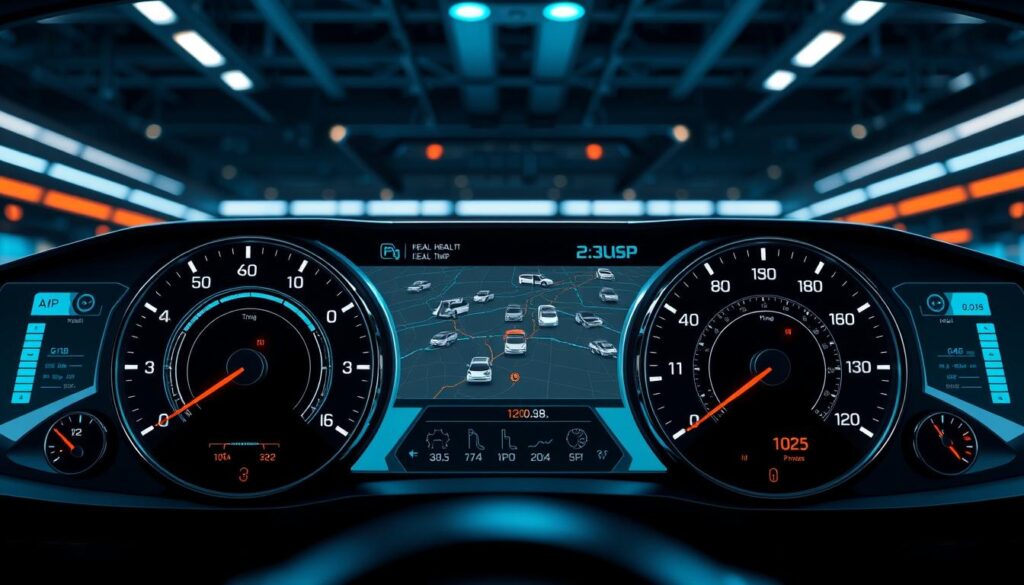
IoT-enabled vehicle performance tracking delivers unprecedented visibility into fleet operations through sophisticated dashboard interfaces. These systems aggregate sensor data from engines, transmissions, and auxiliary components across entire fleets. Fleet managers can identify underperforming assets within seconds of anomaly detection.
Comprehensive dashboards display real-time health metrics including engine temperature, oil pressure, battery voltage, and system diagnostics. Color-coded alerts prioritize attention based on severity levels. Historical trend analysis reveals patterns that indicate developing mechanical problems before they cause breakdowns, allowing maintenance teams to address issues proactively.
Driver Behavior Analytics and Scoring
Advanced driver behavior analytics combine accelerometer readings, GPS coordinates, and engine sensor inputs to create detailed performance profiles. Each driving event receives classification and scoring based on established safety parameters. The system generates comprehensive driver scorecards that quantify operational behaviors objectively.
Specific metrics track harsh braking incidents, rapid acceleration events, speeding violations, and excessive idling periods. These measurements provide objective data for coaching conversations and performance improvement programs. Fleet managers can compare individual drivers against team averages and industry benchmarks. The analytics support insurance premium negotiations by documenting fleet-wide safety improvements that demonstrate risk reduction.
Fuel Consumption Monitoring and Optimization
Fuel optimization systems integrate multiple sensor streams including fuel level monitors, engine load sensors, GPS data, and idle time tracking. This comprehensive approach identifies specific behaviors and conditions that waste fuel resources. Fleet managers receive actionable recommendations for reducing one of their largest operating expenses.
The technology benchmarks individual vehicle efficiency against fleet averages and manufacturer specifications. Variations from expected consumption rates trigger investigations into mechanical issues or driver habits. Route-specific fuel usage patterns reveal opportunities for operational adjustments. Idle time reduction alone can decrease fuel costs by 10-15% in typical fleet operations, with monitoring systems quantifying idle periods and correlating them with specific locations, drivers, or operational circumstances.
Dynamic Route Planning and Geofencing Applications
GPS-enabled route planning systems adapt continuously to changing traffic conditions, delivery priorities, and regulatory requirements. These intelligent algorithms balance multiple variables including distance, fuel efficiency, driver hours-of-service limits, and customer time windows. The optimization happens automatically as conditions evolve throughout the workday.
Geofencing technology establishes virtual boundaries around authorized operational zones, customer locations, and restricted areas. The system generates instant alerts when vehicles cross these digital perimeters. This capability prevents unauthorized vehicle usage and verifies contract compliance for dedicated delivery routes. Fleet managers configure geofencing parameters based on specific operational needs and security requirements.
5. Predictive Maintenance Through IoT Sensors in Heavy-Duty Applications
Heavy-duty vehicle operators face significant financial losses from unexpected breakdowns, making predictive maintenance through IoT sensors a critical operational advantage. Rather than waiting for components to fail or following rigid time-based maintenance schedules, real-time health monitoring identifies problems weeks before they cause roadside failures. This proactive approach reduces downtime by up to 50% and extends vehicle lifespan through optimized maintenance timing.
The transition from reactive repairs to predictive interventions delivers substantial cost savings. Fleet managers report maintenance cost reductions of 25-30% when implementing sensor-based monitoring systems. These savings come from preventing catastrophic failures, optimizing parts inventory, and scheduling repairs during planned downtime rather than emergency situations.
Engine Diagnostics and Health Monitoring Systems
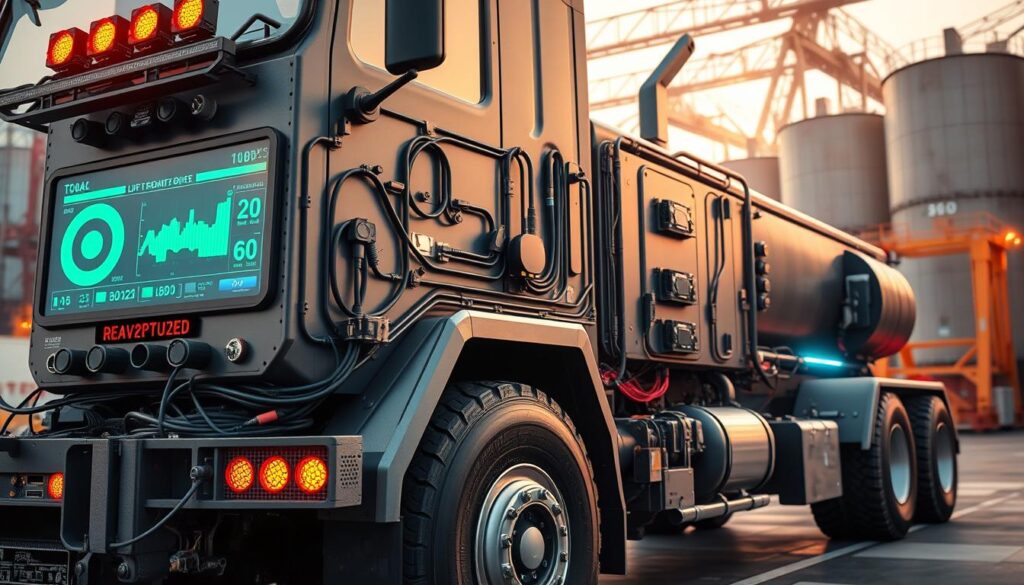
Modern engine diagnostics platforms continuously analyze hundreds of parameters to assess motor health and performance. Onboard diagnostic sensors track temperature fluctuations, oil pressure variations, coolant flow rates, and combustion efficiency in real time. This comprehensive monitoring creates a complete picture of engine condition that reveals developing issues long before drivers notice symptoms.
Fault Code Detection and Analysis
Standardized OBD-II protocols and manufacturer-specific diagnostic trouble codes provide immediate alerts when engine systems deviate from normal operating parameters. Advanced engine diagnostics systems analyze patterns to determine root causes and predict cascading failures rather than simply reporting fault codes. When a sensor detects elevated exhaust gas temperature combined with decreased fuel efficiency, the system can identify a failing turbocharger before complete breakdown occurs.
Component Lifespan Prediction
Machine learning algorithms process historical performance data to predict when critical components will reach end-of-life conditions. These systems analyze wear patterns across entire fleets to establish baseline expectations for component longevity. When individual vehicles show accelerated degradation in fuel injectors, timing belts, or water pumps, maintenance teams receive advance warnings with recommended service windows that maximize component usage without compromising safety.
“Predictive maintenance enabled by IoT sensors has fundamentally changed our repair strategy. We’ve reduced emergency breakdowns by 60% and cut our maintenance budget by nearly a third.”
— National Fleet Management Association Industry Report
Brake System Performance and Wear Analysis
Brake monitoring systems represent one of the most critical safety applications of predictive maintenance technology. Sensors measure pad thickness, rotor temperature, hydraulic pressure, and application frequency to track wear rates with precision. For heavy-duty vehicles where brake system failure can have catastrophic consequences, this continuous monitoring provides both safety assurance and regulatory compliance documentation required under 49 CFR Part 393.
Temperature sensors detect overheating conditions that indicate excessive brake use or cooling system problems. When combined with thickness measurements, these systems calculate remaining brake life and schedule replacement timing that maximizes component usage without compromising safety margins.
Transmission and Drivetrain Monitoring
Drivetrain sensors track vibration patterns, fluid temperatures, and gear engagement quality to identify early signs of transmission problems. Vibration analysis detects bearing wear, gear tooth damage, and clutch degradation weeks before drivers notice performance changes. Fluid quality sensors monitor transmission oil condition, identifying contamination or breakdown that signals internal component wear.
Differential and axle monitoring prevents complete drivetrain failures that can result in repair bills exceeding $10,000. By detecting abnormal temperature rises or unusual noise signatures, these systems enable scheduled repairs during convenient maintenance windows rather than emergency roadside situations that disrupt operations and revenue.
Tire Pressure Monitoring Systems and Tread Wear Prediction
Tire pressure monitoring technology provides real-time pressure and temperature readings across all wheel positions, preventing blowouts while optimizing fuel efficiency. Under-inflated tires reduce fuel economy by 3-5% and accelerate tread wear, while over-inflation increases blowout risk. TPMS systems maintain optimal pressure ranges automatically, alerting drivers to gradual leaks or sudden pressure losses that require immediate attention.
Emerging tread-depth sensors use ultrasonic or electromagnetic technology to measure actual tire wear rather than relying on mileage estimates. This enables replacement scheduling based on real conditions, extending tire life while maintaining safety margins throughout the tire’s service life.
| Maintenance Aspect | Traditional Approach | IoT Predictive Maintenance | Cost Impact |
|---|---|---|---|
| Scheduling Method | Time-based intervals | Condition-based triggers | 25-30% cost reduction |
| Failure Detection | Driver reports or breakdown | Automated early warning | 60% fewer emergency repairs |
| Component Replacement | Fixed mileage intervals | Actual wear analysis | 15-20% longer component life |
| Downtime Planning | Reactive, unscheduled | Proactive, scheduled | 50% reduction in downtime |
6. Safety Enhancement and Regulatory Compliance Features
Fleet safety systems powered by IoT technology deliver protection for drivers, cargo, and assets while ensuring regulatory adherence. These integrated sensor networks address the dual challenges that fleet operators face daily: preventing accidents before they happen and automating compliance documentation to meet stringent government requirements.
The financial impact extends beyond accident prevention. Insurance premiums decrease significantly when fleets demonstrate consistent safety performance through documented sensor data. Liability exposure drops as operators prove their commitment to safety through real-time monitoring and immediate corrective actions that create defensible records.
Intelligent Collision Prevention Through Sensor Integration
Forward-facing radar systems work alongside cameras and LIDAR sensors to detect potential collision scenarios before drivers can react. This collision avoidance technology creates multiple layers of protection on the road. The sensors measure closing distances, relative speeds, and trajectory patterns of vehicles ahead to assess risk continuously.
When dangerous situations develop, the system provides graduated warnings to alert drivers. Visual displays flash on dashboards while audible alerts increase in urgency as threats escalate. In critical moments, collision avoidance technology can initiate automatic emergency braking to prevent rear-end collisions. Lane departure warnings activate when vehicles drift without turn signals engaged, with the system monitoring road markings through camera inputs and vibrating the steering wheel to redirect driver attention.
Automated Hours Tracking and Federal Compliance
Electronic Logging Devices have revolutionized how fleets maintain compliance with Federal Motor Carrier Safety Administration regulations. These IoT-enabled systems automatically record driving time, eliminating the errors and fraud common with paper logbooks. The technology connects directly to vehicle engine control modules to capture precise operational data as required under FMCSA’s ELD mandate.
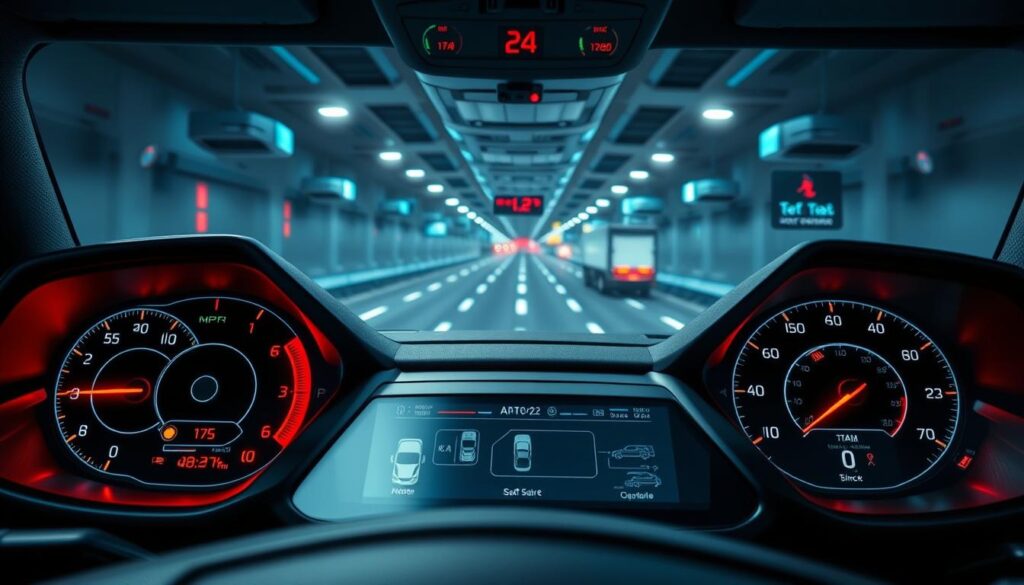
Hours of service tracking occurs continuously without driver input. The system monitors duty status changes and calculates remaining available drive time. When drivers approach their 11-hour driving limit or 14-hour on-duty threshold, alerts notify them to plan for mandatory rest periods. Roadside inspections become faster and more efficient with digital ELD compliance records, as officers can access driving logs instantly through wireless data transfer.
Real-Time Protection for High-Value Cargo
Cargo security sensors create comprehensive monitoring systems that detect unauthorized access attempts. Door sensors trigger immediate alerts when cargo compartments open unexpectedly. Motion detectors inside trailers identify movement patterns that suggest tampering or theft that could result in significant losses.
GPS tracking provides real-time location data that fleet managers monitor continuously. Geofencing technology establishes virtual boundaries around approved routes and destinations. When vehicles deviate from planned paths, the system sends instant notifications to security teams. Temperature and humidity sensors protect sensitive shipments requiring environmental controls, with pharmaceutical companies and food transporters relying on these systems to maintain cold chain integrity throughout delivery.
Dynamic Rollover Detection and Prevention
Gyroscopic sensors and accelerometers continuously measure vehicle dynamics to identify dangerous situations. These vehicle stability systems detect excessive cornering speeds that could lead to rollovers, while load shift detection identifies when cargo movement creates instability within trailers.
The system calculates real-time stability scores based on multiple sensor inputs. When thresholds are exceeded, drivers receive immediate warnings to reduce speed or adjust steering. In extreme cases, the technology can automatically engage differential braking to individual wheels, helping maintain vehicle control. Rollover prevention becomes particularly critical for tanker trucks and other vehicles with high centers of gravity, with sensors accounting for vehicle weight distribution and road conditions.
The HDJ Perspective
The real value of fleet IoT isn’t the technology itself—it’s the cultural shift toward data-driven decision making. We’ve watched fleets struggle with telematics adoption not because the hardware failed, but because they never changed their maintenance workflows to act on the insights. The most successful implementations start with a clear answer to one question: what specific problem costs you money today? Start there, measure the improvement, and expand only after you’ve proven ROI on the first use case. Trying to boil the ocean with comprehensive monitoring before your team trusts the data creates expensive shelfware.
7. Data Analytics and Business Intelligence Integration
Transforming millions of sensor readings into strategic business decisions requires sophisticated data analytics platforms and integration frameworks. Fleet operators who effectively process IoT data gain competitive advantages through operational insights that directly impact profitability and efficiency. The integration of business intelligence tools creates a comprehensive ecosystem where vehicle sensor data informs every level of decision-making.
Modern analytics systems convert raw telemetry into actionable intelligence that drives measurable improvements across fleet operations. Companies leverage these capabilities to reduce costs, enhance safety protocols, and optimize resource allocation throughout their transportation networks.
Real-Time Dashboard and Visualization Tools
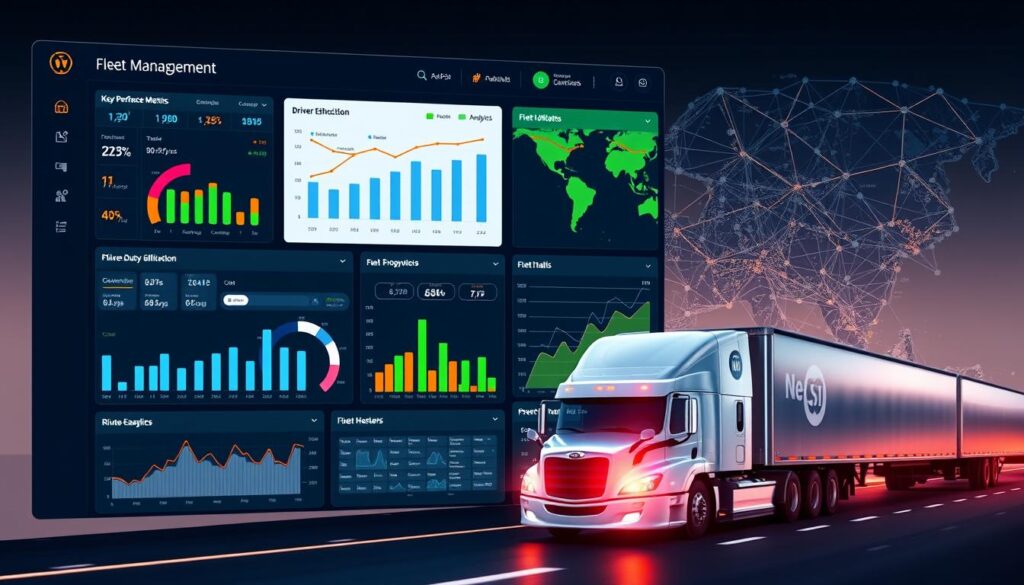
Contemporary fleet management software delivers customizable interfaces that consolidate data from thousands of sensors into intuitive visual displays. Managers access at-a-glance status indicators showing vehicle performance metrics including speed, fuel efficiency, and engine health across entire fleets.
These dashboards provide exception-based alerts that highlight vehicles requiring immediate attention. Drill-down capabilities allow operators to investigate specific routes, time periods, or individual vehicles to identify operational inefficiencies before they escalate into costly problems. Historical data trends appear alongside real-time information, enabling quick assessments and informed decision-making.
Machine Learning and AI-Powered Predictive Insights
Artificial intelligence algorithms analyze historical sensor patterns to forecast maintenance needs with remarkable accuracy. AI fleet optimization systems identify correlations invisible to human operators, generating predictive models that anticipate component failures before they occur.
Machine learning processes historical driving data to recommend targeted training interventions for operators whose behavior patterns correlate with elevated incident risk. These systems optimize dispatch decisions, predict fuel consumption rates, and suggest route modifications based on traffic patterns and vehicle performance characteristics that improve over time as more data becomes available.
Enterprise Resource Planning and Transportation Management System Integration
Connecting IoT sensor data with transportation management systems creates unified operational visibility across entire organizations. Fleet location and status information flows directly into customer delivery estimates, inventory control processes, and supply chain planning functions that depend on accurate timing.
Maintenance costs automatically populate financial systems when sensors trigger service alerts. Route optimization algorithms consider both real-time vehicle data and business priorities such as customer commitments and driver preferences, creating seamless coordination between fleet management software and broader enterprise operations.
Cost Analysis and ROI Tracking Metrics
Fleet managers quantify IoT investment returns through specific performance indicators captured by data analytics platforms. ROI tracking mechanisms measure fuel consumption reductions, decreased maintenance expenditures through predictive interventions, and improved asset utilization rates that directly impact profitability.
Organizations document reduced insurance premiums resulting from safety improvements and decreased administrative overhead from automated compliance reporting. These quantifiable metrics demonstrate how sensor technology investments translate into bottom-line financial benefits, typically showing positive returns within 12-18 months of deployment for most fleet sizes.
Free Professional Fleet Tools
Cost calculators, fault code lookup, maintenance planners, and more—built for owner-operators, fleet managers, and diesel techs. No signup required.
8. Implementation Strategies for IoT Sensor Deployment
The journey from traditional fleet management to IoT-enabled operations demands comprehensive preparation and methodical execution. Fleet operators investing in IoT solutions today position themselves for competitive advantages in an industry increasingly driven by data. The shift toward data-driven fleet management is accelerating, and embracing this technology ensures more sustainable, efficient, and profitable operations.
Despite the clear benefits, IoT implementation requires significant investment in hardware, software, and cloud services. Organizations must navigate challenges including integration with legacy systems and managing large volumes of fleet data that require advanced analytics tools. A structured deployment framework reduces risks and maximizes return on investment.
Conducting Comprehensive Fleet Assessment
Every successful deployment begins with a thorough audit of current operations. Fleet assessment strategies involve documenting existing vehicle composition, maintenance pain points, and technology infrastructure gaps. This baseline analysis identifies where IoT sensors deliver the highest value for your specific operation.
Operators should evaluate specific operational challenges they face daily. Long-haul operations might prioritize fuel monitoring systems, while aging fleets benefit most from predictive maintenance sensors. Regulated industries require enhanced compliance tracking capabilities that automated systems provide. The assessment phase also reveals integration requirements with existing fleet management tools, helping design solutions that enhance rather than disrupt current workflows.
Selecting the Right IoT Platform and Vendor Partners
Choosing the appropriate technology partner determines long-term success. Vendor selection criteria must address multiple factors beyond initial hardware costs. Platform reliability, communication network coverage, and software usability affect daily operations significantly.
Fleet managers should evaluate sensor hardware durability under harsh operating conditions. Heavy-duty vehicles encounter extreme temperatures, vibrations, and environmental exposure that consumer-grade electronics cannot withstand. Customer support quality and integration capabilities with existing systems deserve equal consideration during the selection process.
Total Cost of Ownership Analysis
Comprehensive cost evaluation extends beyond initial purchase prices. Total ownership expenses include hardware purchase or subscription fees, installation labor and system commissioning, ongoing connectivity charges and software licensing, training expenses and technical support, and system maintenance with periodic upgrades. These costs must be balanced against quantifiable savings from reduced fuel consumption, lower maintenance expenses, improved asset utilization, and decreased administrative overhead. Organizations typically achieve positive ROI within 12-24 months of full deployment.
Professional Installation and System Deployment
Proper sensor placement and mounting determine data accuracy and system longevity. Professional installation services ensure devices withstand vibration, weather exposure, and electromagnetic interference common in commercial vehicles. Secure connections and weather-resistant enclosures prevent premature failures that undermine system reliability.
System commissioning validates that sensors transmit accurate data before full-scale rollout. Calibration procedures and connectivity testing during this phase identify issues before they affect operations. Phased deployment approaches allow organizations to refine processes before scaling across entire fleets, minimizing disruption while maximizing learning opportunities.
Staff Training and Change Management Programs
Technology adoption succeeds only when people embrace new workflows. Change management addresses the human side of IoT implementation by preparing drivers, mechanics, dispatchers, and managers for data-driven decision-making processes. Training programs should explain how sensor data improves their specific roles rather than replaces them.
Drivers need guidance on new monitoring systems and dashboard interfaces. Maintenance teams require training on interpreting diagnostic alerts and predictive maintenance recommendations. Dispatchers must learn to leverage real-time data for dynamic route optimization and customer communication. Investing in comprehensive training accelerates adoption and improves the return on technology investments.
9. Addressing Common Challenges in IoT Implementation
Despite the clear advantages of IoT sensor technology, fleet managers encounter real-world challenges during deployment that can impact system performance and operational efficiency. Understanding these implementation challenges and developing strategic mitigation plans helps organizations capture the full value of their remote monitoring investments. Proper planning and expert implementation support enable fleet operators to navigate obstacles successfully.
Network Coverage Gaps and Remote Operation Issues
Cellular connectivity limitations present significant barriers in rural areas, remote job sites, and underdeveloped regions where heavy-duty vehicles frequently operate. Data transmission interruptions from IoT sensors can create blind spots in fleet visibility that compromise the value of real-time monitoring systems.
Effective connectivity solutions include hybrid systems that buffer sensor data locally during network outages and automatically upload information when coverage returns. Satellite communication backup provides critical redundancy for high-priority applications such as refrigerated cargo monitoring or hazardous material tracking. Fleet operators should evaluate cellular carriers based on coverage maps for their specific operating territories and consider multi-carrier solutions that automatically switch to the strongest available network.
Protecting Fleet Data from Cyber Threats
Connected vehicles create potential attack vectors that malicious actors might exploit to steal operational data, disrupt fleet operations, or compromise vehicle control systems. The cybersecurity landscape for fleet management requires continuous vigilance as threat sophistication increases with broader adoption of connected vehicle technology.
Comprehensive data security protocols form the foundation of protected IoT deployments. End-to-end encryption ensures that sensor data remains secure during transmission from vehicles to cloud platforms. Multi-factor authentication prevents unauthorized access to fleet management dashboards and control interfaces. Regular software updates and patch management address newly discovered vulnerabilities before they can be exploited. Network segmentation isolates vehicle systems from corporate IT infrastructure, limiting potential damage from any single breach.
Connecting New Technology with Existing Systems
Many fleet operators maintain established dispatch systems, maintenance management platforms, and enterprise resource planning software that may not easily connect with modern IoT solutions. Legacy system integration challenges can create data silos that prevent organizations from achieving unified visibility across operations.
API-based connections provide the most flexible integration approach, allowing IoT platforms to exchange data with existing software through standardized interfaces. Middleware platforms serve as translation layers that bridge disparate systems with incompatible data formats. Phased migration strategies gradually replace legacy components while maintaining operational continuity throughout the transition period.
| Integration Method | Best Use Case | Implementation Complexity | Typical Timeline |
|---|---|---|---|
| Direct API Integration | Modern systems with open architecture | Low to Medium | 2-4 weeks |
| Middleware Platform | Multiple legacy systems requiring connection | Medium to High | 6-12 weeks |
| Phased System Replacement | Outdated infrastructure with no integration capability | High | 3-12 months |
| Custom Development | Proprietary systems with unique requirements | Very High | 3-6 months |
Vendor selection criteria should prioritize open architecture and standard communication protocols that facilitate future integration needs. While these challenges require careful attention, proper planning and expert implementation support enable fleet operators to successfully navigate obstacles and realize the substantial operational improvements that IoT sensor technology delivers.
10. Emerging Trends and Future Innovations in Heavy-Duty Vehicle IoT Technology
As the transportation sector evolves, cutting-edge technologies are converging to create unprecedented opportunities for fleet optimization and operational efficiency. The next wave of smart transportation solutions will fundamentally transform how commercial vehicles communicate, operate, and integrate with broader logistics ecosystems. These innovations build upon existing IoT sensor infrastructure while introducing capabilities that extend far beyond current monitoring applications.
Fleet managers who understand these emerging trends can position their operations to capitalize on new opportunities. The technologies discussed in this section represent the leading edge of commercial vehicle innovation, with many already entering pilot programs and early deployment phases across North American fleets.
Next-Generation Connectivity and Processing Architecture
5G fleet technology delivers transformational improvements in data transmission speed and network responsiveness. This fifth-generation cellular infrastructure provides bandwidth increases of 10 to 100 times compared to 4G networks, while reducing latency to as low as one millisecond for critical applications.
These performance gains enable real-time high-definition video streaming from vehicle cameras for remote assistance and inspection. Fleet managers can virtually accompany drivers during complex maneuvers or troubleshoot issues without dispatching field technicians. The technology also supports vehicle-to-vehicle communication for platooning operations where multiple trucks travel in coordinated formations to reduce fuel consumption.
Edge computing in vehicles processes sensor data directly on board rather than sending everything to distant cloud servers. This architectural approach reduces bandwidth costs and enables continued operation during connectivity interruptions. The combination creates a more resilient and responsive monitoring infrastructure where critical safety decisions happen in milliseconds at the edge while comprehensive analytics continue in the cloud.
Semi-Autonomous Driving Technologies
Current IoT sensor infrastructure forms the foundation for driver assistance features already appearing in commercial vehicles. Autonomous vehicle sensors including cameras, radar, LIDAR, GPS receivers, and inertial measurement units work together to create comprehensive environmental awareness that supports multiple levels of automation.
These systems enable adaptive cruise control that automatically maintains safe following distances and lane-keeping assistance that prevents unintentional drift. As sensor accuracy and processing capabilities improve, these features evolve toward higher levels of autonomy. The technology promises to address persistent driver shortages while improving safety and operational efficiency across the industry.
Environmental Compliance and Sustainability Initiatives
Increasingly stringent regulations drive adoption of emissions monitoring systems that continuously measure exhaust composition and particulate output. These sensors provide real-time data on nitrogen oxide levels, diesel particulate matter, and carbon dioxide emissions throughout vehicle operation as required by EPA emissions standards for heavy-duty vehicles.
The information helps fleet operators optimize routes and driving behaviors to minimize environmental impact. Managers can identify vehicles with declining emissions performance before they fail regulatory inspections. Emissions monitoring systems integrate with fuel consumption tracking to provide comprehensive efficiency metrics that support both compliance and sustainability reporting.
Virtual Fleet Replication and Simulation
Digital twin technology creates virtual replicas of physical vehicles that mirror real-world conditions through continuous sensor data feeds. These digital representations enable fleet managers to test maintenance strategies, optimize configurations, and simulate operational scenarios without risking actual assets.
For commercial fleets, virtual replicas enable sophisticated what-if analysis. Managers can model the impact of different tire specifications, test alternative maintenance schedules, or evaluate performance under various load conditions—all in the digital environment before implementing changes to physical vehicles. This simulation capability reduces risk while accelerating optimization cycles.
| Technology | Primary Benefit | Implementation Timeline | Operational Impact |
|---|---|---|---|
| 5G Fleet Technology | Ultra-low latency communication | 2025-2027 widespread adoption | Real-time coordination and video streaming |
| Edge Computing Vehicles | Local data processing capability | Currently deploying | Reduced bandwidth costs and improved reliability |
| Autonomous Vehicle Sensors | Driver assistance and safety enhancement | Phased implementation through 2030 | Addresses driver shortage and improves safety |
| Emissions Monitoring Systems | Regulatory compliance and sustainability | Accelerating adoption 2025-2026 | Environmental impact reduction |
| Digital Twin Technology | Virtual testing and optimization | Early adoption phase | Risk-free scenario planning and configuration testing |
Frequently Asked Questions
How much data do IoT sensors generate in heavy-duty vehicles?
A single connected commercial vehicle can generate up to 25 gigabytes of data per hour through various IoT sensor systems. This massive data stream includes GPS coordinates, engine diagnostics, temperature readings, pressure measurements, and driver behavior metrics. Fleet management platforms process this information to deliver actionable insights for maintenance scheduling, route optimization, and compliance tracking. The volume of data requires cloud-based processing infrastructure capable of handling continuous streams from hundreds or thousands of vehicles simultaneously.
What types of IoT sensors are commonly used in fleet telematics?
Commercial fleets deploy several sensor categories including temperature and environmental monitors for refrigerated cargo and engine cooling systems, pressure sensors for hydraulic systems and tire monitoring, vibration and shock detectors for cargo protection and bearing failure detection, and GPS telematics units for location tracking and route optimization. These sensors work together through integrated networks to provide comprehensive visibility into vehicle health and operational performance across the entire fleet.
How does predictive maintenance through IoT sensors reduce fleet downtime?
IoT-enabled predictive maintenance analyzes real-time sensor data to identify developing problems weeks before they cause breakdowns. Machine learning algorithms detect patterns in engine temperature, oil pressure, vibration frequencies, and other parameters that indicate component wear. This allows maintenance teams to schedule repairs during planned downtime rather than emergency situations, reducing unplanned downtime by up to 50% and maintenance costs by 25-30%. The approach transforms maintenance from a reactive cost center into a strategic operational advantage.
What ROI can fleets expect from implementing telematics systems?
Most fleets achieve positive return on investment within 12-18 months of full telematics deployment. Typical benefits include 15-25% fuel savings through optimized driving patterns, 25-30% reduction in maintenance costs through predictive interventions, and up to 50% decrease in unplanned downtime. Insurance premium reductions from documented safety improvements provide additional financial benefits that continue compounding over time. Larger fleets often see faster ROI due to economies of scale in implementation and greater absolute savings.
How do ELD requirements integrate with fleet IoT systems?
Electronic Logging Devices mandated by FMCSA connect directly to vehicle engine control modules to automatically record driving time and duty status changes. Modern telematics platforms integrate ELD compliance with broader IoT sensor networks, allowing fleet managers to monitor hours of service alongside vehicle health, fuel consumption, and driver behavior from unified dashboards. This integration streamlines compliance documentation while maximizing operational insights from the same hardware investment.
What communication networks support IoT sensors in remote areas?
Fleet IoT systems rely on multiple communication protocols to maintain connectivity across different operating environments. Cellular networks using 4G LTE and increasingly 5G provide primary wide-area coverage for most routes. LTE-M technology offers low-power wide-area connectivity optimized for IoT applications with extended battery life. Satellite communication provides backup coverage for vehicles operating in rural areas or regions with limited cellular infrastructure, ensuring continuous data transmission regardless of location. Many modern systems automatically switch between networks to maintain optimal connectivity.
Building a Data-Driven Fleet Operation
The transportation industry stands at a critical turning point where IoT sensors in heavy-duty vehicles deliver measurable advantages in operational efficiency, cost reduction, and competitive positioning. Real-time tracking capabilities, predictive maintenance alerts, and fuel optimization strategies deliver returns that far exceed initial investment costs when implemented with clear objectives.
Connected vehicle technology has moved beyond experimental status into mainstream fleet operations. Major carriers report significant reductions in unplanned downtime and maintenance expenses. Safety records improve through continuous monitoring systems. Regulatory compliance becomes automated rather than burdensome. The market trajectory from $20 billion today to nearly $50 billion by 2034 reflects industry-wide recognition of these benefits.
Implementation requires commitment to hardware installation, software integration, and workforce training. These investments prove worthwhile as operational data transforms decision-making processes. Fleet managers access actionable insights that were previously unavailable or delayed. The shift toward intelligent vehicle systems accelerates as sensor technology becomes more sophisticated and affordable.
Organizations that prioritize IoT sensor deployment position themselves for sustained growth in an evolving industry landscape. Start with a specific operational problem, measure improvements rigorously, and expand systematically. The technology exists—success depends on implementation discipline and organizational commitment to acting on the insights these systems provide.
Share This Guide With Your Team
If this guide helped you understand fleet IoT implementation, share it with colleagues evaluating telematics solutions. Practical information helps the entire industry make better technology decisions.