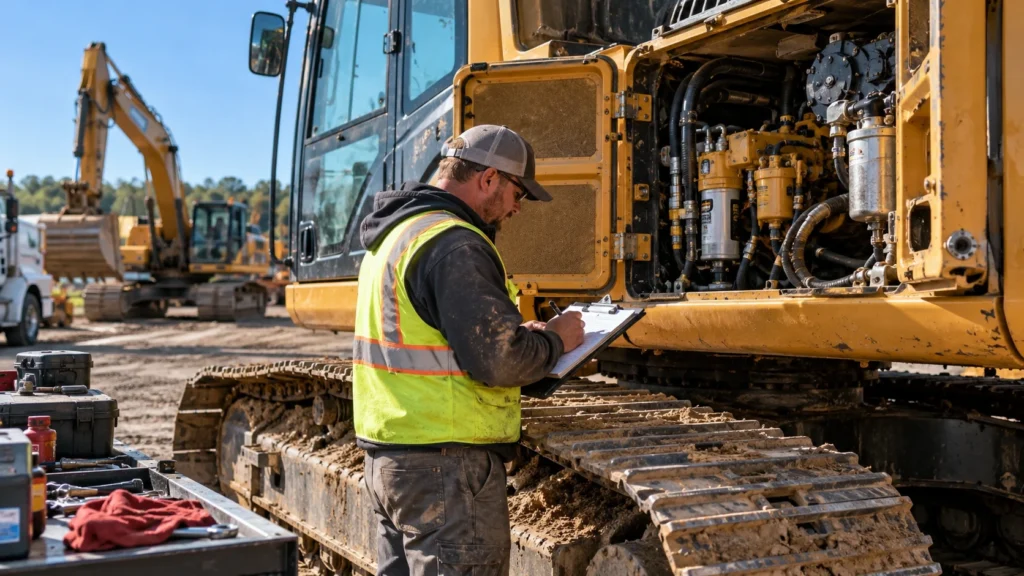
Fleet managers and commercial vehicle owners face a critical choice every time their vehicles need servicing. Should you take your rig to an independent truck repair shop or head straight to the dealership? This decision affects more than just your immediate budget—it impacts operational expenses, vehicle downtime, and long-term fleet maintenance performance.
Understanding truck repair costs at different facilities helps you make smarter choices. Your warranty status, vehicle age, and specific repair needs all play important roles in determining the best service provider. Both independent shops and dealership service centers offer distinct advantages worth examining.
This comprehensive comparison examines cost differentials, service quality metrics, and turnaround times between independent facilities and dealerships. You’ll discover when each option makes the most sense for your operation, backed by data-driven analysis to help optimize your fleet maintenance strategy and reduce unnecessary expenses.
Last Updated: November 2025
Key Takeaways
- Cost Savings: Independent shops typically charge 20-40% less than dealerships for comparable repairs, with labor rates averaging $85-$125/hour versus $125-$175/hour at dealerships.
- Warranty Protection: The Magnuson-Moss Warranty Act protects your right to use independent shops for maintenance without voiding manufacturer warranties.
- Strategic Approach: Sophisticated fleet operators use a dual-provider strategy—dealerships for warranty work and complex diagnostics, independents for routine maintenance.
- Quality Verification: ASE certification, facility inspections, and customer reviews help identify high-quality independent shops that match dealership capabilities.
- Turnaround Advantage: Independent shops often complete repairs faster due to smaller queues and flexible scheduling compared to high-volume dealerships.
Understanding Your Truck Repair Options
When your truck requires maintenance or repair, understanding the fundamental differences between service providers can save thousands of dollars annually. The commercial truck repair landscape offers two primary pathways: manufacturer-affiliated dealership service centers and independently-owned repair facilities. Each operates under distinct business models designed to serve different operational needs and budget requirements.
The comparison begins with recognizing that these two options represent fundamentally different approaches to vehicle maintenance. Dealerships function as extensions of manufacturers, following corporate protocols and utilizing brand-specific resources. Independent shops operate autonomously with flexibility in their service methods and parts sourcing strategies.

Understanding your service options helps optimize maintenance budgets and minimize downtime.
Many fleet managers harbor common misconceptions about both service types that can lead to suboptimal decisions. The assumption that dealerships automatically provide superior service overlooks the sophisticated capabilities many independent facilities now possess. Similarly, viewing independent shops merely as budget alternatives ignores the specialized expertise and advanced equipment many have acquired.
The commercial truck repair industry has evolved dramatically over the past decade. Independent shops have invested heavily in diagnostic technology, technician training, and specialized equipment. Many now offer capabilities that rival or exceed dealership offerings in specific service areas, particularly for mixed-fleet operations requiring multi-brand expertise.
Your optimal choice depends on multiple context-specific factors that vary with each service situation. These include vehicle age and warranty status, repair complexity, budget constraints, fleet composition, downtime sensitivity, and parts preferences. Understanding that no single provider represents the universally “best” option empowers you to make informed decisions based on your specific circumstances.
What Is an Independent Truck Repair Shop?
Privately-owned repair facilities have emerged as practical alternatives to dealership service centers for truck owners nationwide. These businesses operate without manufacturer affiliation, giving them the freedom to service multiple vehicle brands and make independent decisions about pricing, parts sourcing, and service procedures. Unlike dealerships tied to specific manufacturers, independent shops build their reputation on quality workmanship and customer satisfaction rather than corporate mandates.
Most independent facilities maintain lower operating costs by choosing strategic locations outside expensive commercial districts. This cost advantage often translates directly into more competitive pricing for truck owners. The business model prioritizes long-term customer relationships, as repeat business and word-of-mouth referrals drive success in the competitive repair market.
How Independent Shops Operate
The business structure of independent repair facilities differs significantly from franchise dealerships. Owners make direct decisions about equipment investments, staff training, and service offerings without corporate oversight. This autonomy allows shops to respond quickly to market demands and customer needs.
Independent shops typically offer both OEM and aftermarket parts options, providing customers with choices based on budget and preferences. They can source components from multiple suppliers, often securing better pricing through established relationships. The flexibility in parts selection represents a key advantage over dealerships restricted to manufacturer-supplied components.

Many independent facilities invest in advanced diagnostic equipment comparable to dealership technology.
Many facilities provide comprehensive warranties on both parts and labor. These guarantees demonstrate confidence in workmanship and protect customers from unexpected repair costs. A reputable fleet service provider understands that warranty protection builds trust and encourages repeat business.
Different Categories of Independent Facilities
The independent repair sector encompasses several distinct facility types, each serving specific market segments. General automotive repair shops handle passenger vehicles and light trucks, offering basic maintenance and common repairs. These facilities work well for pickup truck owners needing routine service.
Specialized commercial truck repair centers focus exclusively on heavy-duty vehicles. They invest in equipment designed for larger trucks and employ technicians experienced with commercial applications. A dedicated fleet service provider in this category typically maintains specialized diagnostic tools and lift systems capable of handling Class 6-8 trucks.
Fleet maintenance specialists cater specifically to businesses operating multiple vehicles. These shops understand the unique demands of commercial operations, including minimizing downtime and managing scheduled preventive maintenance. They often provide customized service packages and dedicated account management.
Mobile repair services bring the shop to your location, performing on-site diagnostics and repairs. This category has grown substantially as technology enables more field-based services. Mobile operations particularly benefit fleet service clients who cannot afford to take vehicles out of service for transport to a facility.
Professional Credentials and Training
The qualification standards for independent truck mechanics often match or exceed dealership requirements. ASE (Automotive Service Excellence) certification represents the industry’s most recognized credential, covering multiple specialty areas from engine repair to brake systems. An ASE-certified truck mechanic has demonstrated competency through rigorous testing and ongoing education requirements.
Many independent technicians previously worked at dealerships before establishing their own careers. They bring factory training and insider knowledge to their independent practices. This background provides them with manufacturer-specific expertise without the constraints of dealership employment.
State licensing requirements vary, but most jurisdictions mandate specific credentials for automotive repair businesses. Repair shop certification may include business licenses, environmental compliance documentation, and proof of insurance. Legitimate facilities maintain current certifications and display them prominently for customer verification.
Continuing education keeps independent mechanics current with evolving vehicle technology. Manufacturers offer training programs that independent shops can access, covering new diagnostic procedures and repair techniques. Professional truck mechanics invest in ongoing learning to maintain their competitive edge and service quality standards.
What Dealership Service Centers Offer
When you drive your truck into a dealership service center, you’re entering a manufacturer-connected repair ecosystem. These facilities operate as official extensions of truck manufacturers, maintaining direct relationships that influence every aspect of their service delivery. Unlike independent shops that work across multiple brands, dealerships typically specialize in one or two specific manufacturers.
The dealership structure creates a unique service experience. You’ll generally speak with service advisors rather than mechanics directly. These advisors act as intermediaries who communicate your truck’s needs to the technicians working in the service bays.

Dealerships maintain direct manufacturer relationships that provide access to proprietary diagnostic systems and technical support.
Factory-Authorized Service Model
Dealerships maintain franchise agreements with truck manufacturers that provide exclusive benefits. This authorization grants access to proprietary technical information that independent facilities cannot obtain. The manufacturer supplies detailed repair procedures, diagnostic protocols, and engineering updates directly to authorized locations.
The relationship extends to specialized training programs for technicians. Factory-trained technicians receive ongoing education about new models, updated systems, and manufacturer-recommended repair techniques. This training happens at manufacturer facilities or through certified programs that keep technicians current with evolving truck technology.
Service department organization follows a standardized structure. Service advisors handle customer communication and schedule coordination. Technicians work in dedicated bays equipped with manufacturer-specified tools. Parts departments stock OEM parts with direct ordering access to manufacturer inventories.
This model prioritizes consistency and protocol compliance. Every repair follows manufacturer guidelines precisely. Documentation meets factory standards, which becomes particularly important for warranty claims and service history verification.
Brand-Specific Expertise
Dealership technicians develop deep knowledge within their specialized brands. A Freightliner dealership focuses exclusively on Freightliner models. A Peterbilt facility concentrates solely on Peterbilt trucks. This narrow focus creates significant expertise depth for those specific vehicles.
Factory-trained technicians learn the specific quirks and common issues of particular models. They understand which components fail frequently on certain engines and recognize patterns in electrical systems unique to their brands. This familiarity can speed diagnosis and reduce troubleshooting time.
However, this specialization represents a trade-off. While dealerships excel with their designated brands, they don’t service other manufacturers. If you operate a mixed fleet with multiple truck brands, you’ll need relationships with several different dealerships. Each facility will only handle their specific manufacturer’s vehicles.
Warranty and Recall Services
Dealerships serve as the primary authorized channel for warranty repairs and manufacturer recall campaigns. When your truck experiences a covered failure, taking it to a dealership eliminates questions about repair authorization. The facility has direct access to warranty claim systems and can verify coverage instantly.
Warranty work at dealerships carries no risk of coverage denial due to service provider qualifications. The manufacturer recognizes repairs performed at authorized locations without dispute. Documentation automatically enters manufacturer databases, creating seamless service history records.
Recall campaigns follow similar channels. When manufacturers issue safety recalls or NHTSA-mandated recalls, dealerships receive immediate notification and repair procedures. They stock necessary OEM parts for recall corrections before other facilities can access them. If your truck falls under a recall, the dealership handles the entire process, including filing paperwork with the manufacturer.
Advantages of Choosing an Independent Truck Repair Shop
Fleet operators who partner with independent repair facilities discover advantages extending far beyond simple cost reduction. These shops have built their reputations on delivering value through competitive pricing, relationship-based service, and flexible solutions tailored to diverse fleet maintenance needs. Understanding these benefits helps you make informed decisions that protect your budget while maintaining vehicle reliability.
Independent repair shops operate with a business model designed to compete aggressively for your service dollars. Their lower overhead structure translates directly into savings you can measure on every invoice.
Cost Savings and Competitive Pricing
Independent truck repair shops typically charge 20-40% less for labor and parts compared to dealership service centers. This significant price difference stems from several operational advantages that directly benefit your bottom line.
Lower facility costs represent the foundation of their pricing advantage. Independent shops don’t carry the expensive real estate investments, elaborate showrooms, or corporate overhead that dealerships must support. These savings flow directly to customers through reduced labor rates and competitive pricing structures.

Cost differentials can result in thousands of dollars saved annually for fleet operations.
The flexibility in sourcing creates additional opportunities to control truck repair costs. Independent facilities can shop multiple suppliers to find the best combination of quality and value for your specific needs. This procurement freedom allows them to offer tiered pricing options that match your budget constraints without sacrificing safety or reliability.
Many independent shops also provide volume discounts and fleet maintenance agreements that further reduce your per-vehicle service expenses. These customized pricing arrangements recognize your repeat business and create predictable maintenance budgets.
Personalized Customer Service
The relationship-based service model distinguishes independent shops from larger corporate facilities. You’ll work directly with technicians and shop owners who depend on reputation and customer loyalty for their success.
This direct communication eliminates the frustration of dealing with multiple service advisors who may not understand your operation. The mechanics who diagnose and repair your trucks can explain issues in plain language, offer maintenance advice, and provide honest assessments of repair priorities.
Independent shops typically experience lower employee turnover than dealership service departments. This stability means you build long-term relationships with the same service advisors and technicians who learn your fleet’s unique characteristics and maintenance history. They remember your preferences, understand your operational constraints, and anticipate potential issues based on your vehicle usage patterns.
Flexibility in Parts Selection
Independent repair facilities offer multiple parts options that balance quality, cost, and availability according to your specific requirements. This flexibility represents a significant advantage for managing fleet maintenance expenses effectively.
Rather than limiting you to expensive OEM components, independent shops can source aftermarket parts from reputable manufacturers that meet or exceed original specifications. These alternatives often cost 30-50% less than dealer parts while delivering comparable performance and longevity.
You maintain complete control over parts decisions. Your shop can present options including OEM parts for critical systems or warranty-protected components, premium aftermarket parts that offer enhanced performance or extended warranties, standard aftermarket parts that provide reliable service at reduced costs, and remanufactured components for high-cost items like engines, transmissions, or turbochargers.
Specialized Expertise and Equipment
Many independent truck repair shops develop niche expertise that matches or exceeds dealership capabilities in specific areas. These specializations often focus on particular truck brands, engine types, or system components.
Contrary to common assumptions, independent facilities frequently invest in advanced diagnostic equipment and training that rivals dealership technology. Shops specializing in diesel engines, transmission repairs, or electrical systems often possess deeper technical knowledge in their focus areas than generalist dealership technicians.
The certification landscape supports this expertise development. Independent technicians pursue credentials from organizations like ASE and manufacturer-specific training programs. Many hold multiple certifications demonstrating mastery across various truck systems and brands.
Stay Current on Fleet Maintenance Best Practices
Get weekly insights on truck repair strategies, cost optimization, and industry trends delivered to your inbox. Join thousands of fleet managers making smarter maintenance decisions.
Disadvantages of Independent Truck Repair Shops
No service option is perfect, and independent truck repair shops come with certain challenges that warrant careful consideration. Understanding these limitations helps you make informed decisions about where to service your fleet. While many independent facilities deliver excellent service, specific constraints can affect their ability to handle certain repairs.
The good news is that these drawbacks don’t apply universally to all independent shops. Well-established facilities often invest heavily in equipment and training to overcome these challenges. However, recognizing potential limitations allows you to ask the right questions when evaluating service providers.
Access to Manufacturer Technology
Modern trucks rely on sophisticated electronic systems that require specialized diagnostic tools to service properly. Manufacturers increasingly protect their truck diagnostic equipment and software with licensing agreements and proprietary access restrictions. Some independent shops struggle to obtain these factory-level tools due to cost barriers or manufacturer policies.
Aftermarket diagnostic equipment has improved dramatically in recent years. Many independent facilities now possess scan tools capable of reading and clearing codes across multiple truck brands. However, certain advanced functions remain locked behind manufacturer firewalls.

Diagnostic capabilities vary significantly between independent facilities based on equipment investment.
Programming new control modules, performing advanced calibrations, or accessing manufacturer-specific data streams often requires factory tools. Independent shops may need to refer these specialized jobs to dealerships or invest tens of thousands of dollars in brand-specific equipment. This technology gap varies significantly based on the shop’s size, investment capacity, and manufacturer relationships.
The situation improves constantly as right-to-repair legislation gains traction. The FTC has ramped up enforcement against illegal repair restrictions, and more independent facilities now negotiate tool access agreements with manufacturers.
Warranty Service Considerations
Many truck owners worry that using independent shops will void their manufacturer warranties. This concern has some validity when considering repair warranty language in service contracts. However, federal law provides important protections for consumers choosing independent service.
The Magnuson-Moss Warranty Act prevents manufacturers from requiring dealership-exclusive service to maintain warranty coverage. You can use independent shops for routine maintenance without sacrificing your repair warranty protection. Manufacturers cannot void warranties simply because you chose an independent facility.
The critical factor is documentation quality. Independent shops must maintain detailed service records showing that proper parts and procedures were used. If a warranty claim arises later, you’ll need proof that maintenance was performed correctly. Some independent facilities excel at documentation, while others fall short.
Warranty work itself presents another consideration. Dealerships handle recall repairs and warranty-covered services directly through manufacturer authorization systems. Independent shops cannot perform warranty repairs unless they’ve established specific agreements with manufacturers.
Quality Consistency Challenges
Unlike dealership networks with corporate quality controls and standardized procedures, independent shops operate autonomously. This independence creates significant variability in service quality, technician expertise, and facility capabilities. Repair shop certification standards help address this issue, but they’re not universally required or enforced.
One independent shop might employ ASE Master Technicians with decades of experience and state-of-the-art equipment. Another facility down the street might operate with minimal certification and outdated tools. The independent designation tells you little about actual quality levels.
This variability makes research essential when selecting an independent provider. Evaluate technician certifications, inspect facilities, request references, and verify insurance coverage. The extra research effort pays dividends by identifying truly capable providers while avoiding substandard operations.
Benefits of Dealership Service Centers
Authorized dealership service centers offer several compelling benefits that set them apart in the commercial truck repair industry. Their manufacturer-backed infrastructure provides resources and capabilities that create distinct advantages for fleet operators and individual truck owners. Understanding these benefits helps you determine when dealership service represents the best value for your specific maintenance needs.
Dealerships maintain direct relationships with truck manufacturers, which translates into tangible service advantages. This connection ensures access to the latest technical information, specialized training programs, and authentic components.
Manufacturer-Certified Technical Expertise
Dealership technicians receive comprehensive training directly from truck manufacturers. These factory-trained technicians complete rigorous certification programs that cover every system in specific vehicle brands. The initial training establishes a foundation of brand-specific knowledge that independent mechanics may lack.
Manufacturers provide continuous education to keep dealership staff current with evolving technologies. When new model years launch or manufacturers introduce advanced features, dealership technicians receive immediate training. This ongoing professional development ensures your truck receives service from mechanics who understand the latest engineering innovations.
Dealership technicians also maintain direct access to manufacturer technical support networks. When complex diagnostic challenges arise, they can consult with factory engineers who designed the systems. This connection to specialized expertise helps resolve difficult problems more efficiently than shops working without manufacturer backing.

Factory diagnostic systems provide full access to proprietary vehicle data and programming capabilities.
Authentic Component Supply Chain
Dealerships maintain privileged relationships with manufacturer parts distribution systems. They stock genuine OEM parts designed specifically for each truck model they service. These authentic components meet exact engineering specifications established during vehicle development.
The advantages of OEM parts extend beyond simple compatibility. Genuine components come with manufacturer warranties that protect your investment. They guarantee proper fitment, eliminating trial-and-error installations that can occur with generic alternatives.
Dealerships receive priority allocation when parts availability becomes limited. During supply chain disruptions or for newly-released models, dealerships typically secure components before independent shops. This preferential access can significantly reduce downtime when you need critical repairs completed quickly.
Specialized Diagnostic Technology
Dealership service departments invest in manufacturer-specific diagnostic systems that provide comprehensive vehicle analysis. This truck diagnostic equipment connects directly to electronic control modules with full access to proprietary data streams. The diagnostic capabilities available at dealerships often exceed what generic scan tools can achieve.
Manufacturers release diagnostic software updates to dealerships as soon as new protocols become available. This ensures dealership equipment remains synchronized with the latest vehicle systems. The investment in cutting-edge diagnostic technology allows technicians to identify problems with precision that saves time and prevents unnecessary repairs.
Comprehensive Service Documentation
Dealership service creates indisputable warranty compliance records that manufacturers recognize without question. Every repair, maintenance procedure, and parts replacement enters manufacturer databases automatically. This documentation eliminates disputes about whether you followed required service schedules.
The detailed service history maintained by dealerships adds tangible value when selling your truck. Prospective buyers view complete dealership records as proof of proper maintenance. This documentation demonstrates that your vehicle received professional care throughout its service life, potentially commanding higher resale prices.
Drawbacks of Dealership Service
The premium nature of dealership service extends beyond quality—it includes premium prices, extended timelines, and operational limitations that deserve careful consideration. While dealership facilities offer specialized expertise and genuine parts, these benefits come with financial and logistical trade-offs that impact fleet budgets and operational efficiency.
Fleet managers and owner-operators must evaluate whether the dealership premium justifies the added expense. The combination of higher costs, scheduling challenges, and service restrictions creates obstacles that independent shops often avoid.

Understanding the full cost picture helps fleet managers make informed service provider decisions.
Higher Labor and Parts Costs
Dealership service center operations command significantly higher prices than independent alternatives. Labor rates at authorized dealers typically run 25-50% higher than independent truck repair shops, reflecting substantial overhead expenses. Those impressive glass showrooms, expansive facilities, and corporate infrastructure create ongoing costs that customers ultimately pay through elevated service rates.
The dealership business model requires supporting multiple revenue streams beyond service operations. Sales departments, finance offices, and administrative staff all contribute to overhead that gets distributed across all business functions. This corporate structure adds layers of management and operational expenses that independent shops simply don’t carry.
Parts pricing represents another area where truck repair costs escalate at dealerships. Genuine OEM components already carry premium pricing compared to aftermarket alternatives. Dealerships then apply additional markup on these parts, sometimes reaching 30-40% above wholesale cost.
Longer Wait Times
Scheduling flexibility often proves challenging at busy dealership service centers. High service volume combined with limited bay capacity creates appointment backlogs that extend days or even weeks. Fleet operators needing quick turnaround for routine maintenance frequently encounter frustrating delays that impact operational schedules.
Dealerships prioritize work based on profitability and customer relationships. High-margin warranty repairs and fleet contract work often receive precedence over individual customer requests. This prioritization system means your truck might wait while more profitable jobs move ahead in the queue.
Parts ordering through official dealer networks ensures authenticity but frequently involves extended lead times. While independent shops may source aftermarket alternatives quickly, dealerships commit to OEM parts that sometimes require ordering from regional or national distribution centers.
Limited Multi-Brand Service
Brand specialization becomes a significant limitation for mixed-fleet operators. Dealerships focus exclusively on their authorized manufacturer’s vehicles. Fleet managers operating trucks from multiple manufacturers must coordinate service across different dealership networks, multiplying scheduling complexity and administrative burden.
This single-brand focus creates logistical headaches that independent shops easily avoid. A fleet running Freightliner, Peterbilt, and International trucks requires relationships with three separate dealership networks. Each operates on different scheduling systems, pricing structures, and service protocols.
Cost Comparison: Breaking Down the Numbers
Price differences between independent mechanics and dealership technicians can dramatically impact your annual truck maintenance budget. Understanding these financial variations helps fleet managers and owner-operators make informed decisions that balance quality service with cost efficiency.
Dealerships are notorious for charging premium prices due to their overhead structure and manufacturer requirements. Independent shops offer significantly better prices because they operate with lower fixed costs and greater pricing flexibility. These savings compound over time, particularly for fleets managing multiple vehicles.
Labor Rate Differences
Labor rates represent one of the most significant cost variables between service providers. Independent truck repair shops typically charge between $85 and $125 per hour for commercial vehicle service. Dealership service centers charge considerably more, with rates ranging from $125 to $175 per hour for comparable work.
Geographic location heavily influences these rates. Shops in metropolitan areas or regions with higher costs of living command premium prices. Rural locations often provide more competitive labor rates, though specialized services may be limited.
Technician certification levels also affect hourly charges. Master-certified technicians with advanced training justify higher rates regardless of shop type. However, independent shops with equally qualified technicians still maintain lower overall labor costs than dealerships.
Parts Pricing: OEM vs. Aftermarket
The choice between OEM parts and aftermarket alternatives creates substantial price differences. Original Equipment Manufacturer components from dealerships typically cost 30-60% more than aftermarket equivalents available through independent shops. This premium doesn’t always translate to superior quality or performance.
Aftermarket parts often meet or exceed original specifications while offering better value. Reputable aftermarket manufacturers provide warranties comparable to OEM coverage. Independent mechanics can guide customers through which repairs are absolutely essential versus those that can be safely delayed, providing transparency that dealerships sometimes lack.
Certain situations justify OEM parts premium pricing. Vehicles under warranty, specialized components with safety implications, or rare parts without reliable aftermarket alternatives warrant original equipment. However, routine replacements like filters, belts, and standard brake components rarely require OEM specifications.
Common Service Cost Examples
Examining specific service scenarios reveals concrete cost differences between provider types. These real-world comparisons demonstrate potential savings across various maintenance and repair categories.
| Service Type | Independent Shop | Dealership | Potential Savings |
|---|---|---|---|
| Oil Change & Filter | $150-$250 | $225-$375 | $75-$125 |
| Brake Service (Complete) | $400-$650 | $600-$950 | $200-$300 |
| Scheduled Maintenance (30K) | $300-$500 | $475-$750 | $175-$250 |
| Transmission Rebuild | $2,500-$4,500 | $4,000-$7,000 | $1,500-$2,500 |
| Engine Overhaul | $3,500-$6,500 | $5,500-$9,500 | $2,000-$3,000 |
| Differential Rebuild | $1,200-$2,200 | $1,900-$3,400 | $700-$1,200 |
Cost ranges reflect typical pricing for Class 6-8 commercial trucks. Actual prices vary by region, vehicle condition, and specific repair requirements.
Emergency Service Pricing
After-hours and roadside assistance pricing varies substantially between providers. Independent shops often provide more flexible and affordable emergency service options. Weekend or evening emergency calls typically add $50-$100 to standard labor rates at independent facilities.
Dealerships charge premium emergency service fees, often adding $150-$300 for after-hours assistance. Limited dealership emergency availability in many markets forces drivers toward independent options regardless of preference. Mobile repair services from independent mechanics frequently cost less than towing to dealership facilities.
Service Quality and Turnaround Time Comparison
Beyond cost considerations, the quality of repairs and how quickly your trucks return to service determine the true value of any maintenance provider. Fleet managers must evaluate service providers based on measurable performance metrics that directly affect operational efficiency.
Independent repair shops typically ensure their employees receive ongoing training, including for newly-released models and specialized vehicles. They often go the extra mile to provide on-time repairs. Dealerships typically have easy access for appointments and maintain solid service records that document every service intervention.
Diagnostic Accuracy
The precision of initial diagnostics determines whether repairs address root causes or merely treat symptoms. Diagnostic accuracy depends more on technician expertise and equipment quality than on business model alone. Well-equipped independent shops often achieve diagnostic results comparable to dealerships, particularly when specializing in specific truck brands or systems.
Modern truck diagnostic equipment has become increasingly sophisticated. Both service types invest in advanced scanning tools and software that interface with vehicle computer systems. Independent shops frequently purchase professional-grade diagnostic platforms that provide comprehensive system access across multiple manufacturers.
Dealerships maintain advantages for complex electronic system issues through direct manufacturer technical support channels. Factory engineers can provide real-time diagnostic assistance for unusual problems that standard protocols don’t resolve. This proprietary access proves valuable when troubleshooting new model systems or rare failure modes.
Repair Completion Times
Minimizing downtime represents a critical priority for commercial fleet operations. Every day a truck sits idle costs money in lost revenue and delayed deliveries. Understanding typical turnaround time differences helps fleet managers set realistic expectations and plan accordingly.
Independent shops often complete repairs faster due to several operational advantages. These include smaller service queues that prevent backlog delays common at high-volume dealerships, flexible scheduling that accommodates urgent repairs without rigid appointment systems, stronger motivation to minimize customer downtime since their business depends on reputation, and streamlined approval processes without corporate bureaucracy slowing repair authorization.
| Repair Type | Independent Shop | Dealership | Typical Difference |
|---|---|---|---|
| Brake System Overhaul | 4-6 hours | 6-8 hours | 2 hours faster |
| Transmission Repair | 2-3 days | 3-5 days | 1-2 days faster |
| Engine Diagnostic | 1-2 hours | 2-3 hours | 1 hour faster |
| Electrical System Repair | 3-5 hours | 4-6 hours | 1 hour faster |
Warranty on Repairs
A comprehensive repair warranty provides peace of mind and financial protection against premature failure. Industry-standard practice provides 12-month/12,000-mile warranties on repairs, establishing a baseline expectation for both service types. However, actual warranty terms vary significantly between individual providers.
Many independent shops offer competitive or superior warranty terms to differentiate their service from dealership alternatives. Extended warranty coverage demonstrates confidence in repair quality and serves as a powerful marketing tool. Some independent facilities provide warranties exceeding 24 months or 24,000 miles on major component repairs.
Dealerships typically maintain consistent warranty policies aligned with manufacturer guidelines. Their repair warranty documentation integrates seamlessly with vehicle service records, creating comprehensive maintenance histories. This documentation proves valuable when selling trucks or substantiating maintenance compliance for warranty claims.
Making the Right Choice for Your Fleet
Your fleet maintenance strategy should reflect both immediate repair needs and long-term operational goals. The decision between independent shops and dealerships isn’t one-size-fits-all. Smart fleet managers evaluate each situation individually, considering factors like warranty status, repair complexity, and budget constraints.
Understanding when to use each fleet service provider type maximizes value while maintaining service quality. The right choice depends on your specific circumstances, vehicle age, and operational priorities.
Scenarios Favoring Independent Repair Facilities
Independent shops deliver exceptional value in specific situations. Routine maintenance on out-of-warranty vehicles represents their strongest use case. Once manufacturer warranties expire, independent facilities provide identical service quality at substantially lower costs.
Cost-sensitive repairs where aftermarket parts meet performance standards favor independent providers. These shops offer flexibility in parts selection, allowing you to balance quality and budget effectively. Situations requiring rapid turnaround without appointment delays benefit from independent shop responsiveness.
Independent mechanics can guide customers through essential repairs versus those that can be delayed. They determine if any repairs might be eligible for replacement under a recall or warranty and direct customers to dealers when it makes the most sense financially.
Repairs requiring specialized expertise also favor independent shops. Facilities focusing on transmission work, electrical systems, or diesel engine repair often surpass general dealership capabilities in these specific areas. Additional scenarios favoring independents include fleet maintenance programs with volume pricing agreements, brake system replacements and suspension repairs, exhaust system work and routine fluid services, and vehicles with modifications not covered by manufacturer warranties.
Conditions Where Dealership Service Excels
Dealership service centers provide irreplaceable advantages in specific circumstances. Warranty-period repairs where coverage applies should always route to authorized dealers. Using independent shops during warranty periods risks coverage denial and creates documentation gaps.
Recall campaigns requiring manufacturer authorization must proceed through dealership channels. Only authorized service centers access recall bulletins and receive compensated parts for these safety-related repairs. Fleet managers should regularly monitor NHTSA’s recall database, which covers commercial trucks and can be searched by VIN or manufacturer.
Complex diagnostics involving proprietary electronic systems favor dealership capabilities. Factory-trained technicians with brand-specific diagnostic equipment solve problems that independent shops cannot address efficiently. Repairs to newly-released models benefit from dealership experience when commercial truck repair involves cutting-edge technology or recent design changes.
Strategic Dual-Provider Framework
Sophisticated fleet operators leverage both service types strategically. This hybrid approach optimizes cost control while maintaining service quality across diverse repair needs.
The dual-provider strategy directs warranty work and complex diagnostics to dealerships while routing routine fleet maintenance and out-of-warranty repairs to cost-effective independent shops. This framework typically reduces overall maintenance expenses by 25-35% compared to dealership-exclusive programs.
Implementation requires clear decision criteria. Establish protocols specifying which repairs route to each fleet service provider type based on warranty status, repair complexity, and cost thresholds.
Successful hybrid programs maintain relationships with both provider types. Regular communication ensures smooth transitions when repairs require referrals between facilities. Independent mechanics often identify warranty-eligible issues and direct vehicles appropriately, protecting your financial interests.
| Decision Factor | Choose Independent | Choose Dealership |
|---|---|---|
| Warranty Status | Out of warranty | Under warranty coverage |
| Repair Complexity | Routine maintenance, common repairs | Proprietary systems, new technology |
| Cost Sensitivity | Budget-conscious operations | Warranty-covered or resale priority |
| Urgency Level | Immediate need without appointment | Scheduled maintenance acceptable |
| Parts Preference | Quality aftermarket acceptable | OEM parts required or preferred |
How to Evaluate Service Providers
Evaluating truck service providers demands attention to specific benchmarks that separate exceptional shops from mediocre ones. Whether you’re considering an independent repair facility or a dealership service center, applying a structured assessment framework helps you make informed decisions. The right fleet service provider becomes a valuable partner in maintaining vehicle reliability and controlling maintenance costs.
Independent repair shops depend on local goodwill to keep their business open. You can form a positive working relationship with service advisors and mechanics who get to know your vehicles. This personal connection often translates into better communication and more attentive service over time.
Professional Credentials That Matter
Repair shop certification provides objective evidence of technical competence and professional commitment. The most important credential to verify is ASE (Automotive Service Excellence) certification, particularly Master Technician status and specialized commercial vehicle certifications. These credentials demonstrate that a truck mechanic has passed rigorous testing and maintains current knowledge through continuing education.
Look for shops with certified technicians who receive ongoing training. Independent shops generally have lower employee turnover, allowing for long-term relationships with skilled professionals who understand your fleet’s history. Additional credentials to verify include manufacturer-specific training certificates for the truck brands you operate, state licensing requirements that ensure legal compliance, facility certifications such as AAA Approved Auto Repair, and environmental compliance certifications for proper waste disposal.
You can verify facility credentials through the ASE Blue Seal shop locator, which identifies repair facilities with high percentages of certified technicians. For individual technician verification, look for displayed ASE certificates at the shop, ask technicians to show their credentials, or contact ASE directly at 1-800-390-6789.
Research Strategies for Reputation Assessment
Online reviews offer unfiltered insights into actual customer experiences with repair facilities. Start your research with Google reviews, which provide the broadest customer feedback base. Pay attention to overall rating trends rather than focusing on individual extreme reviews.
The Better Business Bureau rating system adds another layer of verification, particularly regarding complaint resolution practices. A shop’s BBB rating reflects both complaint volume and how effectively the business addresses customer concerns.
Effective review interpretation requires pattern recognition rather than reaction to isolated incidents. Look for recurring themes in feedback: consistent mentions of communication quality or problems, patterns regarding estimate accuracy and unexpected charges, repeated references to repair durability or comeback issues, and comments about scheduling flexibility and turnaround times.
Fleet manager networks and industry-specific forums provide particularly valuable insights. These professional communities share experiences with commercial vehicle service providers and often identify shops with proven track records in fleet maintenance.
Facility Capabilities and Tool Investment
Requesting a facility tour reveals critical information about shop capabilities and operational standards. Modern diagnostic equipment represents significant capital investment that indicates a shop’s commitment to staying current with technological advances.
During your assessment, observe computerized diagnostic systems compatible with your truck makes and models, specialized tools for commercial vehicle repairs including heavy-duty equipment, organized work environment with clearly designated service bays and parts storage, safety equipment and procedures that protect both vehicles and technicians, and evidence of ongoing equipment upgrades demonstrating continuous improvement investment.
The shop’s cleanliness and organization reflect operational discipline. Well-maintained facilities typically correlate with attention to detail in repair work. Cluttered, disorganized shops often struggle with efficiency and quality control.
Share Your Fleet Maintenance Expertise
Are you a fleet manager or shop owner with insights on optimizing truck service operations? Heavy Duty Journal welcomes industry professionals to share their expertise with our community of fleet operators and technicians.
Communication Standards and Transparency
Customer service quality significantly impacts your overall service experience and long-term satisfaction. Clear communication about repairs prevents misunderstandings and builds trust between you and your service provider.
Evaluate repair authorization transparency with detailed explanations before work begins, estimate accuracy including itemized labor and parts pricing, progress updates for extended repairs or unexpected complications, warranty explanation clarity covering what’s protected and for how long, and billing transparency with detailed invoices explaining all charges.
The best shops proactively communicate throughout the repair process. You shouldn’t need to call repeatedly for status updates. Service advisors should contact you before performing any work beyond the original authorization.
Professional communication extends to explaining technical issues in understandable terms. A skilled service advisor translates mechanic jargon into clear language that helps you make informed decisions about repairs. This educational approach builds your confidence and demonstrates respect for your intelligence.
Frequently Asked Questions
What is the typical cost difference between independent truck repair shops and dealership service centers?
Independent truck repair shops typically charge 20-40% less than dealership service centers for comparable repairs. Labor rates at independent shops generally range from $85-$125 per hour, while dealerships charge $125-$175 per hour. For routine maintenance like oil changes and brake service, independent shops typically cost $150-$400 compared to $225-$600 at dealerships. Major repairs such as transmission rebuilds or engine overhauls can result in savings of $1,500-$4,000 through independent service. These cost differences stem from lower facility overhead, competitive market positioning, and the ability to source quality aftermarket components at significantly reduced prices while maintaining performance standards.
Will using an independent truck repair shop void my vehicle warranty?
Using an independent truck repair shop does not automatically void your vehicle warranty. The federal Magnuson-Moss Warranty Act protects consumers’ rights to choose their service provider, and manufacturers cannot require dealership service as a warranty condition unless they provide the service for free. However, proper documentation becomes critical when maintaining warranty coverage through independent service. Keep detailed records of all maintenance and repairs, use quality parts that meet manufacturer specifications, and ensure repairs follow manufacturer guidelines. For warranty-covered repairs themselves, dealerships remain the safest option as they provide indisputable warranty compliance documentation.
Do independent truck repair shops have the same diagnostic equipment as dealerships?
The diagnostic equipment capabilities of independent truck repair shops vary significantly depending on the facility’s investment and specialization. Many well-equipped independent shops possess diagnostic technology that matches or exceeds dealership capabilities, particularly those specializing in commercial trucks. Aftermarket diagnostic systems have become increasingly sophisticated and can access most vehicle electronic systems. However, manufacturers increasingly use proprietary diagnostic software and systems requiring licensing agreements that some independent shops may not possess. Certain manufacturer-specific functions—particularly related to advanced electronic control systems and driver assistance features—may require factory tools available only at dealerships.
When should I choose a dealership over an independent truck repair shop?
Dealership service makes the most sense for warranty-period repairs where manufacturer coverage applies, recall campaigns requiring manufacturer authorization, complex diagnostics involving proprietary electronic systems or advanced driver assistance features, repairs to newly-released truck models where independent shops lack experience, and situations where manufacturer service records enhance resale value. Dealerships provide factory-trained technicians with brand-specific expertise, genuine OEM parts with guaranteed fitment, advanced manufacturer-specific diagnostic equipment, and indisputable warranty compliance documentation. For these specialized circumstances, the dealership premium pricing is often justified by the reduced risk and manufacturer integration benefits.
Is it beneficial to use both independent shops and dealerships for fleet maintenance?
Yes, a hybrid approach combining both service types represents an optimal strategy for many fleet operators. Sophisticated fleet managers leverage dealerships for warranty work, recall campaigns, complex diagnostics involving proprietary systems, and repairs to newly-released models. They direct routine maintenance, out-of-warranty repairs, and cost-sensitive service to qualified independent shops that offer substantial savings without sacrificing quality. This dual-provider strategy typically reduces overall maintenance expenses by 25-35% compared to dealership-exclusive programs while maintaining service quality across diverse repair needs.
What certifications should I look for when choosing a truck repair facility?
Look for ASE (Automotive Service Excellence) certifications as the industry-recognized standard for technician competence, particularly ASE Master Technician status which requires passing multiple certification exams. Specifically relevant certifications include ASE T-series (Medium/Heavy Truck) certifications covering diesel engines, drivetrain, brakes, suspension, and electrical systems. Check for manufacturer-specific training certificates from brands like Freightliner, International, Peterbilt, Kenworth, Volvo, or Mack. Verify state licensing requirements are met and look for facility-level certifications such as AAA Approved Auto Repair. These credentials correlate strongly with technical competence and professional commitment to ongoing education.
Conclusion
Selecting the right service provider for your trucks requires careful evaluation rather than automatic assumptions about quality or cost. Neither an independent truck repair shop nor a dealership service center holds a universal advantage across all situations.
Smart fleet maintenance strategies combine both options strategically. Dealerships excel at warranty work and complex diagnostics for newer vehicles. Independent shops deliver exceptional value for routine maintenance and out-of-warranty repairs, with typical savings of 25-40% compared to dealer rates.
The truck service comparison presented here demonstrates that provider quality matters more than category. Certified independent facilities with modern diagnostic equipment often match or exceed dealership capabilities at substantially lower truck repair costs. Building relationships with qualified independent shops while maintaining dealership connections creates optimal flexibility for your fleet operations.
Apply the evaluation frameworks outlined in this article to assess certifications, equipment, reputation, and service quality metrics. Check ASE certifications, read verified customer reviews, and inspect facility capabilities before committing to any provider. Your specific circumstances—including warranty status, repair complexity, budget constraints, and operational priorities—should guide each decision.
Fleet managers who master this strategic approach maximize both cost efficiency and vehicle reliability. The time invested in proper provider evaluation pays substantial dividends through reduced downtime and improved maintenance outcomes for your entire fleet.
Help Fellow Fleet Managers Make Smarter Decisions
If this comparison helped clarify your service provider strategy, share it with colleagues facing similar maintenance decisions. Your network of fleet professionals will appreciate the data-driven insights.