
By Michael Nielsen, Editor & Publisher | 15+ Years in Diesel Repair
Last Updated: December 2025
📖 Estimated reading time: 15 minutes
Hydraulic system troubleshooting ranks among the most critical maintenance skills for fleet managers and diesel technicians working with commercial vehicles. From power steering units to PTO-driven dump bodies, hydraulic components power essential functions across nearly every class of commercial truck. When these systems fail, the consequences extend far beyond repair costs—each day of unplanned downtime costs fleets an average of $448 to $760 in lost revenue, according to Fleet Maintenance.
Effective troubleshooting requires understanding how hydraulic systems function under real-world operating conditions. Commercial trucks subject these systems to extreme demands—temperature swings from winter cold starts to summer highway pulls, constant vibration, and the contamination exposure inherent to vocational applications. Mastering systematic diagnostic approaches helps technicians identify problems before they escalate into catastrophic failures that sideline equipment during peak season.
Key Takeaways
- Contamination dominates failures: Fluid contamination causes 75-90% of all hydraulic system breakdowns across commercial vehicle applications.
- Temperature management matters: Operating below 70°F before load application prevents cavitation damage; exceeding recommended ranges by 18°F halves hose service life.
- Systematic diagnosis wins: Start with accessible components—fluid levels, filter conditions, visible leaks—before moving to complex disassembly.
- CVSA inspection compliance: Any observable hydraulic fluid leak upon brake application results in out-of-service violations during roadside inspections.
- Prevention pays dividends: Regular fluid analysis and scheduled maintenance cost far less than emergency repairs and lost revenue from downtime.
- Safety remains non-negotiable: Pressurized hydraulic systems store tremendous energy—pinhole leaks can inject fluid under skin causing severe medical emergencies.
Understanding Commercial Vehicle Hydraulic System Fundamentals
Successful hydraulic system troubleshooting starts with recognizing patterns in how these systems fail on commercial trucks. Unlike passenger vehicles with relatively simple power steering circuits, heavy-duty applications involve multiple interconnected hydraulic systems operating under demanding conditions.
Commercial vehicles commonly use hydraulic power for steering assist, brake boosters on medium-duty trucks, PTO-driven equipment (dump bodies, refuse compactors, crane operations), lift gates, fifth wheel mechanisms, and trailer landing gear. Each application presents unique failure modes that experienced technicians learn to anticipate based on equipment type and operating environment.
Key Components That Commonly Fail
Four primary components experience the highest failure rates across commercial vehicle hydraulic systems. Pumps account for nearly 40% of all system failures, driven largely by contamination-induced wear. Relief valves and directional valves follow closely, each representing about 20% of common issues. Cylinders complete the list with various seal and alignment problems that develop over time.
| Component | Failure Rate | Common Issues |
|---|---|---|
| Pumps | 40% | Cavitation, internal wear, contamination damage |
| Relief Valves | 20% | Sticking, improper pressure settings |
| Directional Valves | 20% | Spool wear, seal degradation |
| Cylinders | 20% | Seal leaks, rod scoring, misalignment |
Essential Safety Measures Before Starting Diagnostics
⚠️ Safety Warning
Pressurized hydraulic systems store tremendous energy. Pinhole leaks can inject fluid under skin at velocities that cause severe tissue damage requiring immediate surgical intervention. Never use hands to locate leaks—use cardboard or paper instead. Always depressurize systems before opening any connections.
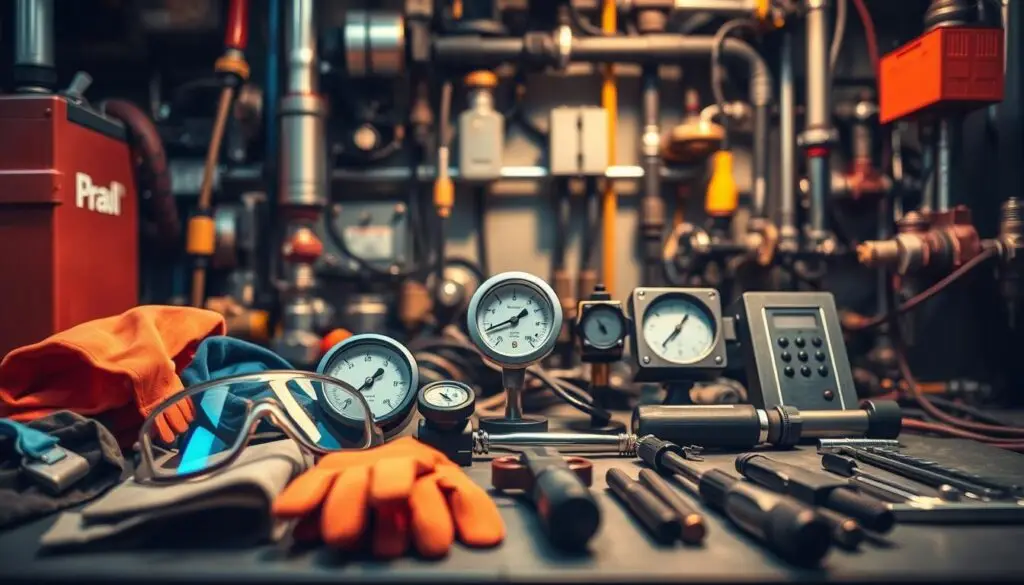
Personal protective equipment remains non-negotiable during system diagnostics. Wear safety glasses and steel-toed boots as baseline protection. Use heat-resistant gloves when checking components that may have reached operating temperature. Install pressure gauges carefully to avoid sudden releases, and lock out energy sources before opening any circuits.
Required Tools and Equipment for Effective Troubleshooting
Professional hydraulic troubleshooting demands specific instruments beyond basic hand tools. Pressure gauges monitor system performance and help identify restrictions or pump degradation. Temperature sensors detect overheating conditions before they cause pump failure or fluid breakdown.
Fluid analysis kits reveal contamination levels that standard visual checks miss entirely. Many OEM manufacturers provide specialized diagnostic tools designed for their specific hydraulic systems—Muncie Power Products, Parker Hannifin, and other major suppliers offer equipment tailored to their components. Investing in quality diagnostic equipment pays for itself through faster problem resolution and reduced downtime.
Air and Water Contamination: Primary Causes of Hydraulic Failures
Air and water contamination create the most serious operational problems in commercial vehicle hydraulic systems. According to Muncie Power Products, up to 90% of all hydraulic system failures can be attributed to contaminated fluid. Both contaminants enter through various pathways and produce distinct warning signs that alert operators to developing problems.
Identifying Cavitation and Aeration Symptoms
Cavitation produces a distinct whining noise from the pump as vapor bubbles form and implode inside the system. This occurs when the pump draws in dissolved air naturally present in hydraulic oil at approximately 9% concentration. The violent implosions damage pump components and create characteristic erosion patterns on metal surfaces.
Aeration produces different warning signs. Technicians hear knocking sounds as larger air bubbles compress and decompress through the system. Foamy or frothy hydraulic fluid indicates excessive air mixing. Erratic cylinder movements and spongy control response signal that corrective measures are needed immediately before component damage occurs.
Testing for Water Contamination in Hydraulic Fluid
Water contamination appears as milky or cloudy hydraulic fluid during visual inspection. Simple observation catches severe contamination, but laboratory testing detects lower levels that still cause significant damage over time.
The crackle test offers a quick field method for initial assessment. Heat a small fluid sample on a hot plate—popping sounds indicate water presence above 500 parts per million. For precise measurement, Karl Fischer testing detects contamination as low as 10 ppm, providing the accuracy needed for critical applications.
| Test Method | Detection Level | Time Required |
|---|---|---|
| Visual Inspection | Above 1000 ppm | Immediate |
| Crackle Test | Above 500 ppm | 5 minutes |
| Karl Fischer Test | As low as 10 ppm | 30 minutes |
Prevention and Remediation Strategies
Effective contamination prevention starts with securing all fittings and connections during installation and maintenance. Check reservoir fluid levels regularly and maintain proper breather caps to prevent environmental contamination. Install return lines below fluid surface to prevent air entrainment during operation.
System temperatures should stay above 70°F before applying loads to reduce viscosity-related cavitation. This warm-up period allows fluid to reach optimal flow characteristics—critical during winter operations when ambient temperatures drop well below freezing.
Water contamination requires different remediation approaches. Seal all potential entry points including worn cylinder rod seals and reservoir covers. Use desiccant breathers to remove moisture from incoming air. Regular fluid sampling catches contamination early when correction costs less. Replace severely contaminated fluid completely rather than attempting partial changes that leave residual contaminants in system components.
Temperature-Related Hydraulic System Failures
Temperature extremes pose significant risks to hydraulic systems in commercial vehicles, affecting fluid properties and component integrity in ways that accelerate wear and increase failure probability. Understanding these challenges helps fleet managers implement effective solutions that maintain optimal performance across seasonal variations.
High operating temperatures cause hydraulic fluid to thin dramatically. This reduced viscosity leads to poor lubrication between moving parts and increased internal leakage that reduces system efficiency. Components designed for specific clearances begin experiencing metal-to-metal contact as the protective fluid film breaks down.

Heat Dissipation and System Overheating
When temperatures exceed manufacturer recommendations by just 18°F, hydraulic hoses become brittle and develop cracks. This temperature increase cuts hose service life in half, requiring premature replacement and increasing maintenance costs substantially.
Extreme heat also triggers fluid oxidation. As oil oxidizes, it thickens and creates flow restrictions throughout the system. These restrictions reduce efficiency and strain components while generating additional heat in a feedback loop that accelerates degradation.
Poor heat dissipation remains the primary cause of overheating in commercial vehicle applications. Blocked coolers, damaged fans, and restricted airflow from accumulated road grime all contribute to excessive temperatures. Regular inspection and cleaning of cooling components prevents most temperature-related failures.
Stay Current on Fleet Maintenance Best Practices
Hydraulic system technology and maintenance practices continue evolving. Heavy Duty Journal delivers practical guidance fleet managers and technicians can apply immediately.
Cold Temperature Challenges
Cold temperatures present different challenges for hydraulic systems. Low temperatures increase fluid viscosity dramatically, making it difficult for pumps to draw oil efficiently through suction lines. Systems need proper warm-up procedures before accepting full operational loads.
Most hydraulic systems require temperatures above 70°F before applying significant loads. Operating below this threshold risks cavitation damage and pump failure as thick fluid creates vacuum conditions at pump inlets. Following manufacturer-specified warm-up procedures protects equipment investment—especially critical for early morning operations during winter months.
Temperature Monitoring Best Practices
Regular temperature monitoring identifies problems before they cause failures. Implementing consistent monitoring practices protects equipment and extends service life while reducing unexpected breakdown frequency.
- Verify oil cooler operation during routine maintenance inspections
- Install temperature gauges at critical points including pump outlet and reservoir return
- Follow manufacturer-specified warm-up procedures before loading
- Check cooling fan operation and radiator cleanliness weekly during summer months
- Monitor ambient temperature conditions and adjust operating procedures accordingly
Hydraulic Pressure Problems and Solutions
Hydraulic systems rely on precise pressure levels to function properly. When pressure issues arise, equipment performance suffers and components face potential damage from operating outside design parameters. Understanding how to identify and correct pressure problems saves time, reduces costs, and prevents unexpected breakdowns.
Diagnosing Low Pressure Conditions
Low pressure often signals worn pump components or fluid flow restrictions. Start pressure diagnostics by installing calibrated gauges at key system points to establish baseline readings.
Check the suction strainer first. Clogs here starve the pump of fluid and create cavitation conditions. Next, verify pressure compensator settings on variable displacement pumps match manufacturer specifications exactly.
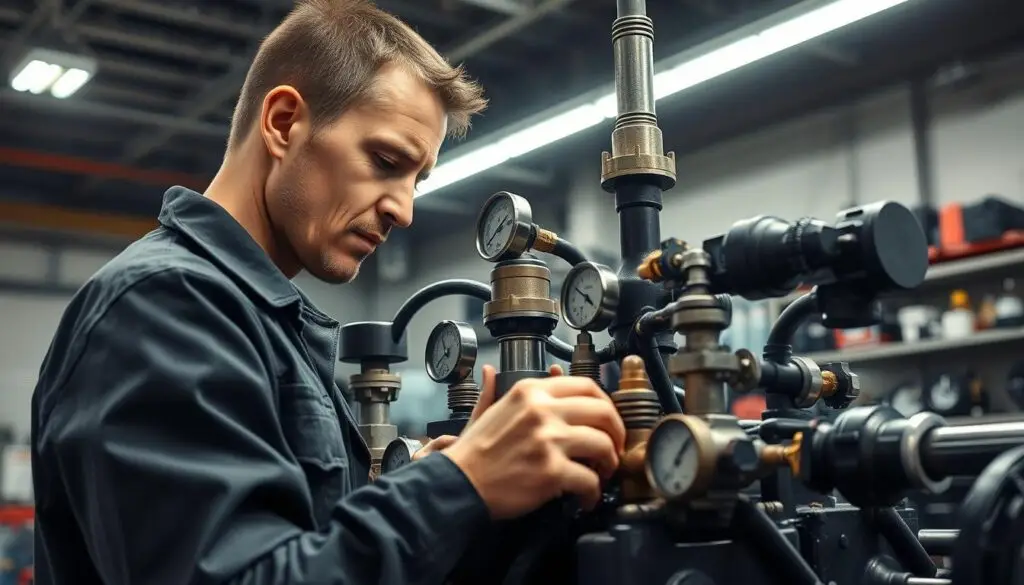
Common causes of low pressure include worn pump internals reducing volumetric efficiency, incorrect pressure control valve settings, restricted flow through filters or valves, and internal leakage past worn seals. Systematic testing identifies which component requires attention.
Addressing Pressure Surges and Spikes
Sudden pressure spikes damage hoses, fittings, and seals throughout the system. Install pressure-relief valves near pumps and actuators to protect against surges that exceed rated working pressure.
For applications with recurring surges—common in refuse trucks and construction equipment—use spiral wire-reinforced hoses rated significantly above peak pressure levels. This provides safety margin that prevents catastrophic hose failure during transient conditions.
Pressure Relief Valve Adjustments and Testing
Regular relief valve testing prevents system overpressure conditions. Connect a test gauge downstream and slowly increase pressure while monitoring valve cracking point.
Adjust spring tension per manufacturer guidelines, typically setting relief pressure 10-15% above normal operating pressure. Document all pressure settings for future reference and troubleshooting. Advanced systems provide fail-safe control with operation capability up to 5,000 psi for extreme commercial applications.
Pump Failure Diagnosis and Repair
Recognizing early signs of hydraulic pump failure saves thousands of dollars in equipment repairs and prevents revenue-draining downtime. When pumps start failing, they send clear warning signals through sounds, temperature changes, and performance degradation that alert attentive technicians to developing problems.
Common Pump Cavitation Indicators
Cavitation occurs when vapor bubbles form and collapse inside the pump, creating distinctive warning signs. Listen for loud whining or grinding sounds during operation. Watch for erratic pressure readings that fluctuate wildly. Feel the pump housing for excessive vibration beyond normal operation. Check if hydraulic cylinders move slower than normal or struggle under load.
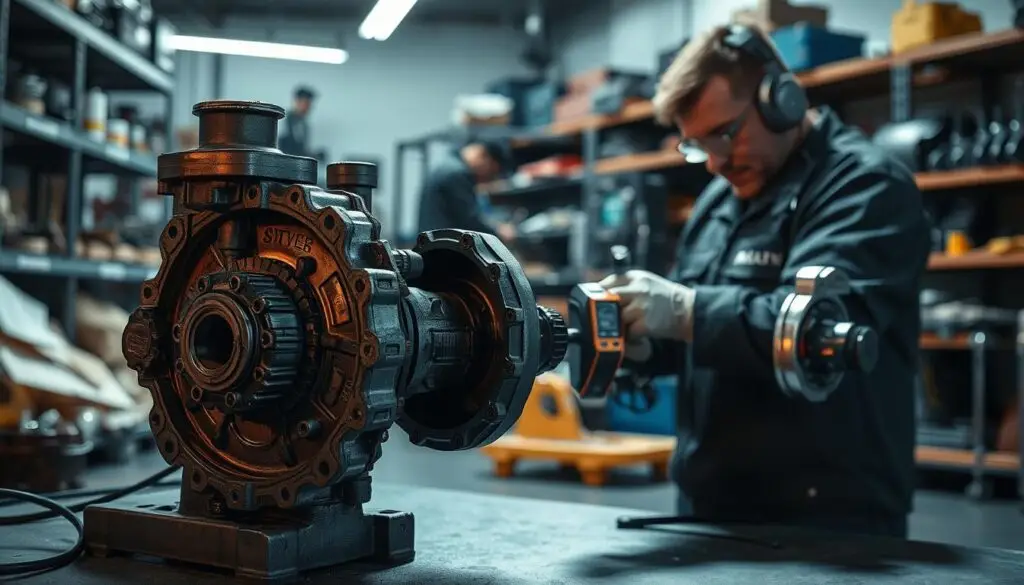
Clogged suction strainers often trigger cavitation by restricting fluid flow to pump inlets. Regular inspection and replacement prevents this common cause of pump damage.
Internal Component Wear Assessment
Internal damage requires systematic inspection procedures. Start by checking pump temperature at operating conditions around 100°F.
Examine rotors and vanes for scoring marks that indicate contamination damage. Inspect bearings for pitting or unusual wear patterns suggesting misalignment or inadequate lubrication. Test seal integrity by looking for internal leakage between chambers. Document findings to track deterioration trends over time.
Pump Noise Analysis and Troubleshooting
Different sounds indicate specific problems in hydraulic pumps. Knocking noises suggest air entering the system through loose connections or inadequate fluid level. Squealing points to belt slippage or shaft misalignment.
Grinding indicates metal-on-metal contact from worn components requiring immediate attention. Recording these sounds helps technicians track deterioration patterns and predict failure timing before catastrophic damage occurs.
The HDJ Perspective
Fleet managers often underestimate the cumulative cost of deferred hydraulic maintenance until a critical failure sidelines equipment during peak season. In practice, most shops find that investing $200-400 in quarterly fluid analysis and systematic inspections prevents $3,000-5,000 emergency repairs—not counting the lost revenue from vehicles sitting idle. The most successful fleets we’ve observed treat hydraulic systems with the same rigor they apply to engine maintenance, recognizing that a failed PTO pump or steering unit creates just as much downtime as a blown turbo. Building this mindset into your maintenance culture pays dividends in equipment availability and total cost of ownership.
Fluid Contamination Detection and Management
Contamination stands as the leading cause of hydraulic system failures across all commercial vehicle applications. Managing contamination effectively requires understanding detection methods and implementing systematic prevention strategies.
Visual Inspection Techniques
Visual inspection remains the first line of defense in fluid contamination detection. Fresh hydraulic fluid typically appears clear or amber-colored depending on formulation.
When fluid turns dark brown or black, oxidation has occurred and the fluid’s lubricating properties have degraded. Milky or cloudy fluid indicates water contamination requiring immediate attention, while foamy fluid suggests air entrainment. These visual cues signal conditions that need correction before component damage occurs.

Laboratory Analysis and Testing Programs
Regular hydraulic fluid analysis provides deeper insights into system health than visual inspection alone. Laboratory testing detects microscopic particles, water content below 0.1%, and chemical degradation before symptoms become visible.
Many fleets implement quarterly sampling programs to track contamination trends and predict maintenance needs. This proactive approach catches problems early when corrections cost significantly less than emergency repairs.
Contamination Prevention Strategies
Effective contamination prevention starts with proper fluid handling and storage. Following best practices protects equipment and extends service life.
- Store hydraulic fluids in sealed containers away from moisture and temperature extremes
- Use only manufacturer-specified fluid types and viscosity grades for each application
- Install high-quality filtration systems with appropriate micron ratings
- Maintain breather caps and seals to prevent ingress points
- Implement clean filling procedures using filtered transfer pumps
When incompatible fluids mix, severe consequences follow. Rubber seals swell and deteriorate, system response slows dramatically, and internal components suffer accelerated wear. Prevention requires careful labeling of fluid types and training operators on proper identification procedures.
Hydraulic Cylinder Repair Techniques
Cylinders power the working functions of commercial vehicle hydraulic systems—from dump body lift to refuse compactor operation. When cylinders fail, operators face leaks, knocking sounds, or drift problems that compromise equipment safety and productivity.
Seal Inspection and Replacement Procedures
Seals prevent fluid from escaping where components meet inside the cylinder. During seal replacement, technicians must first depressurize the system and drain the fluid completely.
Remove the cylinder head carefully to access internal seals. Inspect each seal for cuts, cracks, or compression damage. Replace damaged seals with exact manufacturer specifications to ensure proper fit and function—aftermarket seals that don’t match OEM specifications often fail prematurely.

Rod and Piston Damage Assessment
Chrome rods and pistons face constant stress during operation. Look for scoring marks, pitting, or bent sections along the rod surface that indicate contamination damage or misalignment.
Minor scratches under 0.002 inches deep can sometimes be polished out using 600-grit paper. Deeper damage requires rod replacement or professional chrome replating. Check piston surfaces for wear patterns that indicate misalignment or contamination issues requiring system-level correction.
| Damage Type | Repair Method | Typical Cost |
|---|---|---|
| Light Scratches | Polish with 600-grit paper | $50-$100 |
| Deep Scoring | Chrome replating | $300-$800 |
| Bent Rod | Complete replacement | $500-$2000 |
Proper Cylinder Alignment Methods
Misaligned cylinders bind during operation and wear out prematurely. Start alignment verification by checking mounting brackets for looseness or damage.
Use precision levels to verify the cylinder sits square to its mounting surface. Shim mounting points as needed to achieve proper alignment within specifications. Test the repaired cylinder through its full stroke to confirm smooth operation without binding before returning equipment to service.
Share Your Hydraulic Troubleshooting Expertise
Have you developed effective hydraulic maintenance procedures your peers could benefit from? Heavy Duty Journal welcomes contributions from fleet managers and diesel technicians.
System Leaks and Regulatory Compliance
Hydraulic systems face constant stress from high pressures and temperature fluctuations. When seals weaken or connections loosen, fluid escapes and performance drops. More critically for fleet operators, hydraulic leaks can trigger out-of-service violations during roadside inspections.
According to CVSA inspection bulletins, any observable leaking hydraulic fluid in brake systems upon full application results in out-of-service conditions. The Federal Motor Carrier Safety Regulations at 49 CFR Part 396 require systematic inspection and maintenance of all commercial motor vehicle components, including hydraulic systems.
Hose and Fitting Inspection Guidelines
Visual checks reveal most hose problems early. Look for cover abrasion where hoses rub against machine parts or frame components. Burst spots appear as bubbles or bulges when pressure surges exceed hose ratings.
Temperature extremes cause surface cracks that spread deeper over time. Blistering indicates incompatible fluids attacking the inner tube material. Any of these conditions warrant immediate replacement before complete failure occurs.
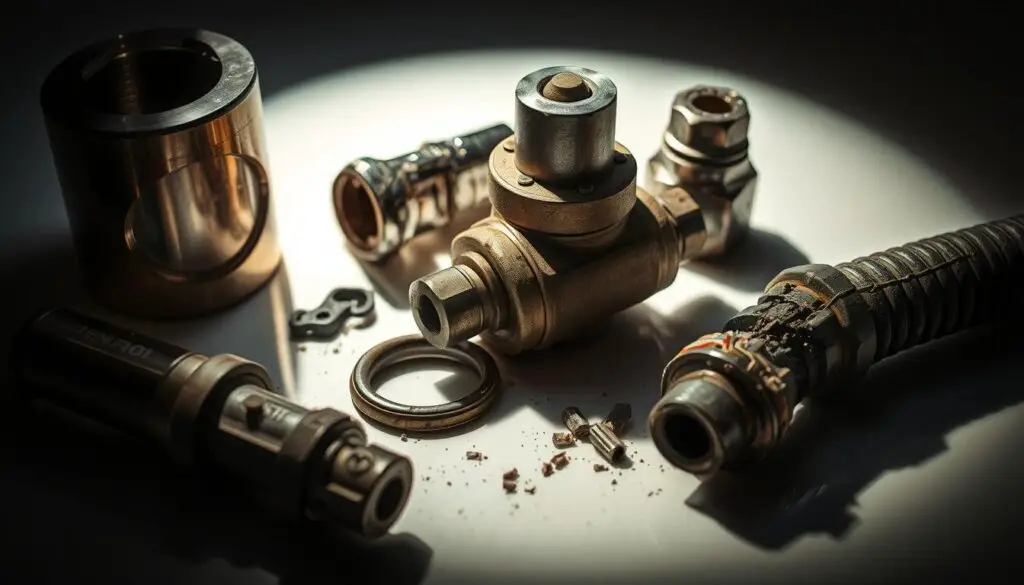
Proper leak diagnosis starts at connection points. Check each fitting for wetness or oil residue. Tighten connections to manufacturer torque specifications using calibrated wrenches. Replace any hose showing wear before complete failure occurs on the road.
Coupling Interface Troubleshooting
Coupling problems create dangerous situations quickly. Blow-offs occur when crimping pressure varies from specifications during assembly. Under-crimped fittings pull apart under load. Over-crimped connections crack and weaken the hose structure.
Weeping at ferrule ends signals improper assembly techniques requiring correction. Address these issues immediately to prevent system failure.
- Inspect O-rings for cuts, flat spots, or missing sections
- Verify correct ferrule alignment before tightening
- Match coupling materials to system requirements and fluid compatibility
- Check crimp dimensions with go/no-go gauges
Emergency Repair Procedures
Emergency repairs restore temporary function until permanent fixes can be completed. Quick-fix kits contain clamps, sealants, and replacement fittings for common sizes that handle most roadside situations.
Clean damaged areas thoroughly before applying temporary patches. Reduce system pressure during emergency repairs to prevent additional component failures. Get the vehicle to a proper repair facility as soon as practical.
Permanent solutions require proper tools and techniques. New hoses must match original pressure ratings and fluid compatibility. Account for high-pressure contraction when measuring replacement lengths. Follow manufacturer crimping charts exactly for lasting connections.
Frequently Asked Questions
What causes most hydraulic system failures on commercial trucks?
Contamination causes 75-90% of all hydraulic system failures in commercial vehicle applications. Air and water contamination enter through loose connections, worn seals, damaged hoses, or improper maintenance procedures. These contaminants cause component damage through oxidation, cavitation, and accelerated wear of precision-machined surfaces.
How can I detect hydraulic pump failure early?
Early pump failure detection involves monitoring for unusual noises at operating temperature, checking pressure output with calibrated gauges, feeling for overheating from internal friction, and inspecting pump suction strainers for debris accumulation. Loud whining indicates cavitation while knocking sounds suggest aeration problems requiring immediate attention.
What are the signs of hydraulic fluid contamination?
Contaminated hydraulic fluid appears dark when oxidized, milky when water-contaminated, or foamy when air-entrained. Additional signs include seal swelling from incompatible fluids, sluggish system response, and accelerated component wear. Regular fluid analysis identifies contamination before visible symptoms appear.
What temperature range should hydraulic systems maintain?
Hydraulic systems should reach temperatures above 70°F before accepting full loads to prevent cavitation damage. Exceeding manufacturer-recommended temperatures by 18°F causes hose brittleness and reduces service life by 50%. High temperatures thin fluid and reduce lubrication effectiveness, while low temperatures increase viscosity and restrict flow.
Can hydraulic leaks cause CVSA out-of-service violations?
Yes. According to CVSA out-of-service criteria, any observable leaking hydraulic fluid in brake systems upon full application results in out-of-service conditions. Additionally, inoperative brake power assist units and hydraulic power brake systems trigger violations. Fleet managers should include hydraulic system inspection in pre-trip and periodic inspection procedures.
What safety equipment is required for hydraulic troubleshooting?
Essential safety equipment includes safety glasses, gloves, and steel-toed boots as baseline protection. Never service running systems unless absolutely necessary. Use cardboard or paper rather than hands to locate leaks—pinhole leaks can inject fluid under skin at pressures causing severe medical emergencies requiring immediate surgical intervention.
Building Effective Hydraulic Maintenance Programs
Effective hydraulic system maintenance starts with a structured approach to inspection and problem-solving. Visual inspections serve as the first line of defense against major failures. From there, technicians move into detailed diagnostics using specialized tools and testing procedures that identify developing problems before they cause unexpected downtime.
Success requires understanding how hydraulic components interact within commercial vehicle systems and recognizing early warning signs of failure. The common problems covered in this guide represent the majority of hydraulic system failures encountered in daily fleet operations. By mastering these troubleshooting techniques, maintenance teams can maintain peak performance and maximize equipment investment.
Regular maintenance combined with swift problem resolution keeps hydraulic systems running reliably for years. Document all repairs and use this data to refine maintenance schedules and predict component lifecycles. The investment in systematic hydraulic care pays dividends in reduced downtime, lower repair costs, and improved fleet availability.
Share This Guide With Your Team
Help other fleet managers and diesel technicians improve their hydraulic troubleshooting skills by sharing this comprehensive guide.