
By Michael Nielsen, Editor & Publisher | 15+ Years in Diesel Repair
Last Updated: January 2026
📖 Estimated reading time: 22 minutes
Heavy duty diesel powers the backbone of the American economy. From the Class 8 trucks delivering goods coast to coast to the construction equipment building our infrastructure, diesel technology keeps commerce moving. The global heavy duty diesel engine market exceeded $14.7 billion in 2020 and continues growing as freight demand increases and fleets expand operations.
This guide serves as your comprehensive resource for understanding the heavy duty diesel industry—whether you’re a diesel technician advancing your career, a fleet manager optimizing maintenance operations, a shop owner building your business, or an owner-operator maintaining your own equipment. We’ll cover the technical systems that power these machines, the maintenance strategies that keep them running, the career paths available in this field, and the industry trends shaping the future.
Heavy duty diesel isn’t just about big engines. It’s an interconnected ecosystem of technology, skilled labor, regulatory compliance, and business operations. Understanding how these elements work together gives professionals a competitive advantage in their specific roles.
Key Takeaways
- Heavy duty diesel covers Class 7-8 vehicles (26,001+ lbs GVWR) including semi-trucks, buses, and heavy equipment—distinct from light duty diesel applications.
- Modern heavy duty diesel engines regularly achieve 1 million+ miles with proper maintenance, featuring complex emissions systems including DPF, SCR, and EGR components.
- Career opportunities remain strong with median salaries of $60,640 (BLS 2024), ongoing technician shortages, and approximately 26,500 annual job openings projected through 2034.
- The industry is evolving with EPA 2027 emissions standards, emerging alternative powertrains, and increasing electronic system complexity driving demand for advanced skills.
What Is Heavy Duty Diesel?
Heavy duty diesel refers to diesel-powered vehicles and equipment classified by their Gross Vehicle Weight Rating (GVWR). The Federal Highway Administration and Department of Transportation use weight classifications to categorize commercial vehicles, with heavy duty designations applying to the largest and most powerful machines on our roads and job sites.
Defining Heavy Duty by Classification
The weight classification system divides commercial vehicles into eight classes. Heavy duty diesel encompasses Class 7 (26,001-33,000 lbs GVWR) and Class 8 (33,001+ lbs GVWR) vehicles. This includes over-the-road semi-trucks, city transit buses, concrete mixers, dump trucks, refuse vehicles, and heavy construction equipment.
Medium duty (Class 4-6, 14,001-26,000 lbs) bridges the gap between consumer vehicles and true heavy duty applications. Light duty (Class 1-3, under 14,000 lbs) covers the diesel pickup trucks and vans familiar to most consumers. While all three categories use diesel technology, heavy duty applications demand significantly different engineering, maintenance approaches, and technician skills.
The distinction matters because heavy duty diesel engines operate under fundamentally different conditions. They’re designed for sustained high-load operation, extended service intervals, and service lives measured in hundreds of thousands—often millions—of miles. A Class 8 truck averaging 100,000 miles per year will see more operational hours in two years than most light duty vehicles experience in their entire lifespan.
Why Diesel Dominates Heavy-Duty Applications
Diesel engines power heavy duty applications for practical reasons that alternative technologies haven’t yet matched at scale. The diesel combustion cycle produces significantly more torque at lower RPM than gasoline equivalents—essential for moving heavy loads from a standstill and maintaining speed on grades. A modern heavy duty diesel engine produces 1,800 to 2,050 lb-ft of torque, enabling it to pull 80,000+ pound gross combination weights.
Fuel efficiency translates directly to operating costs in commercial applications. Diesel fuel contains approximately 10-15% more energy per gallon than gasoline, and diesel engines convert that energy to work more efficiently. For a truck running 120,000 miles annually, even small efficiency improvements represent thousands of dollars in fuel savings.
Durability defines the heavy duty diesel value proposition. These engines are engineered for rebuild cycles rather than replacement. An over-the-road truck engine might receive its first in-frame overhaul at 750,000 miles, get rebuilt completely at 1.2 million miles, and continue operating productively well beyond. This longevity, combined with predictable maintenance intervals, makes lifecycle cost calculations favorable for commercial operators.
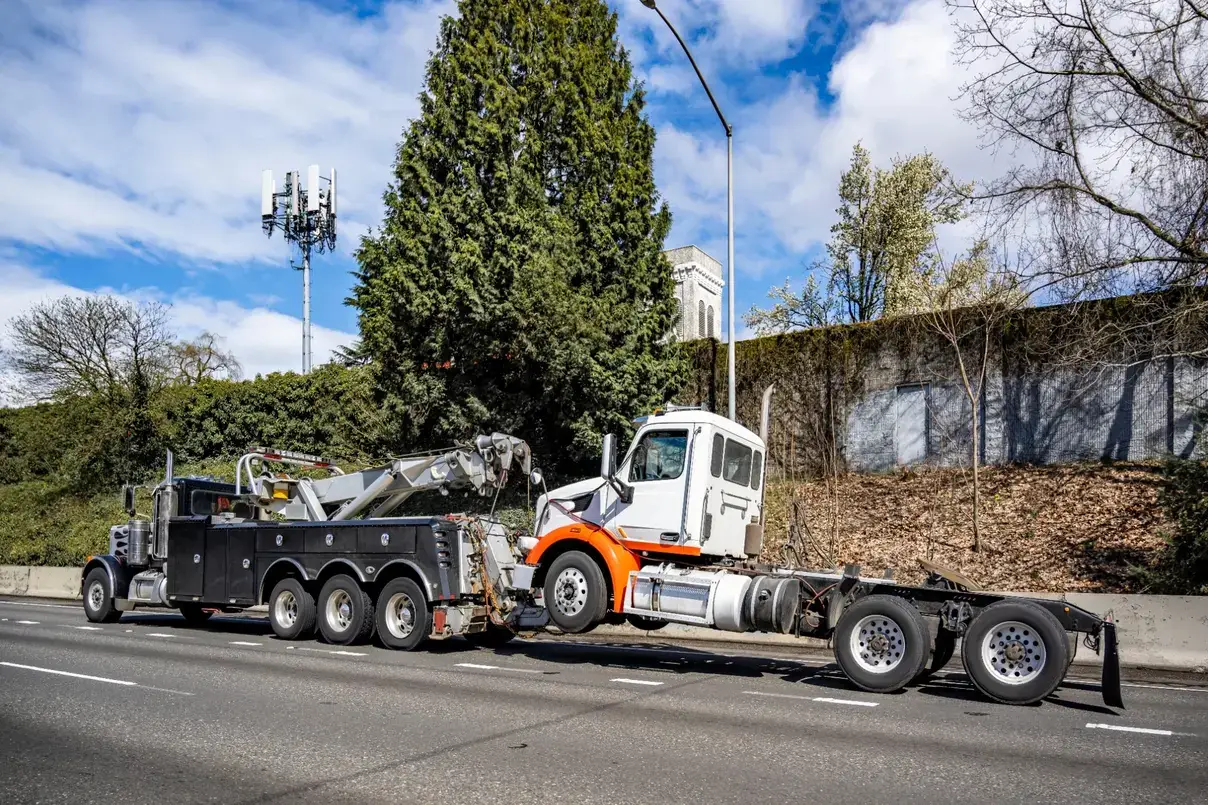
Heavy Duty Diesel vs. Light Duty: Key Differences
Understanding the differences between heavy duty and light duty diesel helps technicians transition between sectors, fleet managers communicate equipment needs, and owner-operators appreciate the engineering behind their investments. These aren’t just scaled-up versions of the same technology—they’re purpose-built systems designed for fundamentally different operating profiles.
| Factor | Light Duty Diesel | Heavy Duty Diesel |
|---|---|---|
| GVWR | Under 14,000 lbs | 26,001+ lbs |
| Engine Displacement | 3.0L – 6.7L | 10L – 16L |
| Horsepower Range | 200 – 450 HP | 400 – 605 HP |
| Torque Output | 400 – 1,075 lb-ft | 1,450 – 2,050 lb-ft |
| Oil Change Intervals | 7,500 – 15,000 miles | 25,000 – 50,000 miles |
| Typical Service Life | 200,000 – 300,000 miles | 750,000 – 1,500,000+ miles |
| Emissions Systems | DPF, basic SCR | DPF, SCR, EGR, complex aftertreatment |
| Primary Users | Consumers, small business | Fleets, commercial operators |
The engineering differences extend beyond raw specifications. Heavy duty engines use more robust internal components—forged steel crankshafts, heavy-duty connecting rods, and larger bearings—designed to handle sustained high loads. Cooling systems are substantially more capable, often including separate circuits for charge air cooling. Fuel systems operate at higher pressures with tighter tolerances.
For technicians, these differences translate to different diagnostic approaches, specialized tooling requirements, and distinct certification paths. A master technician in light duty diesel applications would face a learning curve transitioning to heavy duty work, particularly around emissions systems, air brake diagnostics, and the specific electronic architectures used by heavy duty OEMs.
Core Systems in Heavy Duty Diesel Vehicles
Modern heavy duty diesel vehicles integrate multiple complex systems that must work in harmony. Understanding these systems—and how they interact—is essential for effective diagnostics, maintenance planning, and operational decision-making. Each system has evolved significantly over the past two decades, driven by emissions regulations, fuel efficiency targets, and reliability demands.
Engine and Powertrain
The major heavy duty diesel engine manufacturers serving the North American market include Cummins, Detroit Diesel (Daimler Truck), PACCAR (MX engines for Kenworth and Peterbilt), and Navistar. Caterpillar, once a dominant player in on-highway applications, exited that market in 2010 but remains significant in off-highway and vocational applications.
The inline-six configuration dominates heavy duty diesel design for good reason. It provides inherent balance without counterbalance shafts, accommodates the cylinder displacement needed for required power output, and packages efficiently in the traditional truck hood configuration. Current production engines range from approximately 10.8 liters (PACCAR MX-11) to 15.6 liters (Detroit DD16), with 13-liter engines representing the volume sweet spot for over-the-road applications.
Transmission integration has evolved beyond simple mechanical connections. Modern automated manual transmissions (AMTs) from Eaton, ZF, and proprietary OEM offerings communicate directly with engine electronics to optimize shift points, manage fuel consumption, and protect drivetrain components. The integration extends to predictive features using GPS data to anticipate grades and adjust powertrain behavior accordingly.
Fuel Systems and Injection Technology
High-pressure common rail (HPCR) fuel systems have become universal in heavy duty applications, replacing the unit injector systems that dominated through the early 2000s. These systems maintain fuel at extremely high pressure—up to 36,000 psi in current designs—in a common rail that feeds all injectors. Electronically controlled injectors can deliver multiple injection events per combustion cycle, enabling precise control over power delivery, emissions, and combustion noise.
Fuel quality directly impacts system longevity and performance. Heavy duty fuel systems have tighter tolerances than their light duty counterparts, making them more sensitive to water contamination, particulate matter, and fuel degradation. The fuel filtration systems on modern heavy duty trucks typically include primary (water separator) and secondary (fine filtration) stages, with some applications adding tertiary filtration at the injector.
Diesel Exhaust Fluid (DEF) has become integral to fuel system operations since EPA 2010 emissions standards. The DEF dosing system—separate from but coordinated with the fuel system—injects precisely metered urea solution into the exhaust stream for NOx reduction in the SCR catalyst. DEF quality and handling have become maintenance considerations equal in importance to fuel quality.
Emissions and Aftertreatment Systems
The emissions aftertreatment systems on current heavy duty diesel vehicles represent some of the most complex and expensive components on the truck. A typical system includes the Diesel Particulate Filter (DPF), Selective Catalytic Reduction (SCR) catalyst, Diesel Oxidation Catalyst (DOC), and associated sensors, dosing hardware, and control systems.
The DPF captures particulate matter (soot) from the exhaust stream and periodically burns it off through regeneration cycles. Active regeneration injects additional fuel to raise exhaust temperatures, converting accumulated soot to ash. Passive regeneration occurs naturally during high-load operation when exhaust temperatures are sufficient. Managing regeneration cycles—and understanding when DPF-related fault codes indicate genuine problems versus normal system behavior—requires specific training.
Exhaust Gas Recirculation (EGR) reduces NOx formation by recirculating a portion of exhaust gas back into the intake, lowering combustion temperatures. The EGR cooler, valve, and associated components require periodic maintenance and represent common failure points. Some manufacturers have moved toward lower EGR rates in favor of increased SCR capacity, trading complexity in one system for another.
⚠️ Safety Warning
Aftertreatment systems operate at extremely high temperatures during regeneration cycles—DPF surface temperatures can exceed 1,000°F. Never work on aftertreatment components immediately after engine shutdown. Allow adequate cool-down time, and be aware that parked regeneration can initiate automatically under certain conditions.
Electrical and Electronic Systems
Modern heavy duty diesel vehicles are networked computer systems on wheels. The Engine Control Module (ECM) serves as the central processor for engine operations, but it communicates constantly with the Transmission Control Module, Antilock Braking System module, instrument cluster, telematics gateway, and numerous other networked devices.
The J1939 Controller Area Network (CAN) protocol serves as the primary communication backbone for heavy duty vehicle electronics. Understanding J1939 data interpretation has become as essential to diagnostics as understanding mechanical systems. Fault codes, parameter identifications (PIDs), and system status information all flow across this network. Older vehicles may also use J1708/J1587 protocols, requiring technicians to work with multiple communication standards.
Telematics integration has transformed fleet management capabilities. Modern trucks transmit real-time data on location, fuel consumption, driver behavior, fault codes, and maintenance indicators. This connectivity enables remote diagnostics—a service technician can often identify the likely cause of a breakdown before a service truck arrives—but also introduces cybersecurity considerations that the industry is still addressing.
Cooling and Lubrication Systems
Heavy duty cooling systems manage significantly higher heat loads than light duty applications. The cooling stack typically includes the main engine radiator, charge air cooler (CAC), air conditioning condenser, and potentially a transmission cooler. EGR-equipped engines add the EGR cooler to this thermal management challenge.
Coolant specifications have evolved with emissions system requirements. Extended Life Coolant (ELC) formulations have largely replaced traditional Supplemental Coolant Additive (SCA) maintenance approaches in newer equipment, though mixed fleets require careful attention to coolant compatibility. Coolant quality monitoring—for freeze point, pH, additive concentration, and contamination—remains a critical preventive maintenance function.
Oil specifications for heavy duty diesel have bifurcated into CK-4 (compatible with older and newer engines) and FA-4 (lower viscosity for 2017+ engines optimized for fuel economy). The FA-4 specification represents a significant departure from traditional heavy duty oil formulations, with lower viscosity grades (SAE 10W-30 and 5W-30) replacing the 15W-40 standard that dominated for decades. Fleet managers must carefully match oil specifications to their equipment mix.
Heavy Duty Diesel Applications
Heavy duty diesel technology serves diverse applications, each with unique operational demands and maintenance considerations. Understanding these application-specific factors helps technicians, fleet managers, and operators make informed decisions about equipment specification, maintenance intervals, and technician training.
Over-the-Road Trucking
Class 8 over-the-road (OTR) trucks represent the highest-volume heavy duty diesel application. These vehicles operate primarily on highways, accumulating 100,000 to 150,000 miles annually in typical fleet operations. The duty cycle favors steady-state cruise operation with relatively predictable loads.
Long-haul operations prioritize fuel efficiency, driver comfort, and maximum uptime. Sleeper tractors allow drivers to take required rest breaks without leaving the vehicle, while day cab configurations serve regional operations where drivers return home nightly. Maintenance planning for OTR fleets focuses on maximizing miles between service events and minimizing unplanned downtime that strands loads.
Regional and local delivery operations present different challenges. Stop-and-go duty cycles, more frequent regeneration requirements, and increased idle time all impact maintenance needs. Urban delivery fleets often see higher brake wear, more frequent transmission service, and increased emissions system attention compared to their long-haul counterparts.

Vocational and Construction
Vocational applications—dump trucks, concrete mixers, refuse collection vehicles, utility trucks—subject equipment to severe-duty operating conditions that differ dramatically from highway trucking. These vehicles may travel relatively few miles but accumulate substantial engine hours due to PTO operations, extended idle periods, and demanding duty cycles.
Construction site conditions expose equipment to dust, debris, and uneven terrain that accelerate wear on air filtration systems, undercarriage components, and cooling systems. Maintenance intervals based on hours rather than miles often prove more appropriate for this equipment. A refuse truck that travels 25,000 miles annually may accumulate as many engine hours as an OTR truck traveling 100,000 miles.
The hydraulic systems integrated with vocational equipment add another maintenance dimension. Dump bodies, refuse compactors, concrete drums, and aerial lift equipment all rely on hydraulic power supplied by engine-driven pumps. Hydraulic fluid condition, filter maintenance, and system integrity become critical maintenance areas beyond the base vehicle systems.
Heavy Equipment and Off-Highway
Off-highway equipment—excavators, bulldozers, wheel loaders, agricultural tractors—uses heavy duty diesel technology adapted for stationary and mobile non-road applications. These machines face their own regulatory framework (EPA Tier 4 Final standards) and operating conditions that differ from on-highway vehicles.
Service life expectations for off-highway equipment often exceed on-road applications. A well-maintained agricultural tractor or construction excavator may remain in productive service for 15,000 to 20,000 hours—equivalent to 750,000 to 1 million highway miles. Rebuild and component replacement decisions follow different economic calculations than trucking applications.
Bus and Transit
School buses, transit buses, and motor coaches apply heavy duty diesel technology to passenger transportation with unique regulatory and operational requirements. School buses, as the most regulated vehicles on American roads, must meet specific safety standards including body construction, emergency exits, and stop-arm systems.
Transit operations typically involve severe-duty urban cycles with frequent stops, high idle percentages, and continuous passenger loading considerations. Air conditioning and heating systems sized for 40+ passengers create significant auxiliary loads. Driver training and vehicle inspection protocols are particularly rigorous in passenger applications.
Stay Current on Heavy Duty Diesel Developments
Get expert insights on diesel technology, maintenance strategies, and industry trends delivered to your inbox. Join fleet managers and technicians who rely on HDJ for actionable intelligence.
Maintenance Essentials for Heavy Duty Diesel
Effective maintenance programs balance equipment reliability, operating costs, and regulatory compliance. The approaches that work for light duty vehicles often fail when scaled to heavy duty operations—the stakes are higher, the systems more complex, and the cost of unplanned downtime more severe.
Preventive Maintenance Schedules
Heavy duty diesel PM programs typically organize around A-B-C service levels performed at increasing intervals. An “A” service might occur every 15,000-25,000 miles, covering oil and filter changes, fluid level checks, and basic inspections. “B” services add more comprehensive inspections, fuel filter replacement, and air filtration service. “C” services extend to major systems including cooling system service, valve adjustment (where applicable), and detailed brake inspections.
Oil drain intervals have extended significantly with modern engine designs and lubricant technology. Many fleets successfully run 50,000-mile drain intervals using oil analysis programs to validate condition. However, extending intervals without proper monitoring risks expensive engine damage. The cost of oil analysis—typically $15-25 per sample—represents cheap insurance against premature wear.
DPF maintenance has become a significant PM consideration. Active regeneration cycles handle most particulate accumulation, but ash—the non-combustible residue from oil consumption—accumulates over time and must be periodically removed through cleaning. Most manufacturers recommend DPF cleaning every 200,000-400,000 miles, though severe-duty applications may require more frequent attention.
Diagnostics and Troubleshooting
Modern heavy duty diesel diagnostics require both traditional mechanical troubleshooting skills and proficiency with electronic diagnostic tools. A technician investigating a power complaint must consider fuel system performance, turbocharger operation, emissions system status, and engine control programming—any of which could cause similar symptoms.
OEM diagnostic software (Detroit Diesel Diagnostic Link, Cummins INSITE, PACCAR ESA) provides the deepest system access for their respective engines. Aftermarket tools like Noregon JPRO and Nexiq provide multi-platform capability at lower cost but may lack some OEM-specific functions. Most well-equipped shops maintain both types of tools.
Fault code interpretation requires understanding context. A single code might indicate a failed component, a wiring issue, a software calibration need, or simply a momentary sensor glitch. Experienced technicians recognize patterns and know when codes indicate urgent problems versus conditions that can be monitored. Building this knowledge base takes years of hands-on experience.
Fleet Maintenance Strategies
Fleet operators face ongoing decisions about maintenance approach: in-house shop operations, outsourced service relationships, or hybrid models. Each approach has merit depending on fleet size, geographic distribution, equipment complexity, and available talent.
In-house maintenance provides control over quality, scheduling, and parts sourcing while capturing labor cost savings. However, it requires capital investment in facilities, equipment, and tooling, plus the management challenges of recruiting and retaining qualified technicians. Fleets operating 50+ trucks from concentrated locations often find in-house operations economically attractive.
Outsourced maintenance—whether to dealer networks, national service providers, or independent shops—trades direct control for flexibility and reduced capital requirements. Smaller fleets and those with widely dispersed equipment often find this model more practical. The key is establishing clear service expectations, monitoring repair quality, and maintaining competitive pricing relationships.
Predictive maintenance leveraging telematics data represents the industry’s emerging frontier. Algorithms analyzing fault code patterns, sensor trends, and operational data can identify developing problems before they cause failures. The technology is maturing but not yet universal—fleets must evaluate whether their operational profile and equipment mix justify the investment in predictive capabilities.
$448–$760/day
Average cost of unplanned truck downtime including lost revenue, recovery costs, and indirect expenses — Element Fleet Management research
Careers in Heavy Duty Diesel
The heavy duty diesel industry offers diverse career paths with strong earning potential and job security. The ongoing technician shortage has shifted bargaining power toward skilled workers, driving wage increases and improved benefits across the sector.
Career Paths and Specializations
Entry-level positions typically focus on preventive maintenance tasks—oil changes, filter service, basic inspections—under supervision of experienced technicians. This apprenticeship model allows newcomers to learn systems and build diagnostic skills while contributing productive work. Progression to journeyman status typically requires 2-4 years depending on training background and aptitude.
Diesel service technicians working on Class 7-8 trucks represent the largest employment category. These technicians diagnose, repair, and maintain over-the-road equipment, typically working in fleet shops, dealerships, or independent repair facilities. Related specializations include trailer mechanics (focused on non-powered equipment) and mobile technicians who perform roadside and on-site repairs.
Heavy equipment technicians work on construction machinery, agricultural equipment, and industrial applications. This specialization often involves more hydraulic system work, different engine platforms, and field service in remote locations. The equipment is equally complex but the work environment and customer base differ from trucking.
Career advancement opportunities include shop foreman or supervisor roles, service manager positions, fleet maintenance management, and technical training positions. Some technicians transition to equipment sales, parts sales, or warranty administration roles that leverage their technical background. Others pursue shop ownership, either starting independent businesses or acquiring existing operations.

Certifications and Training
ASE (National Institute for Automotive Service Excellence) certifications represent the industry-recognized standard for validating technician competency. The T-series tests cover heavy duty truck systems: T1 (Gasoline Engines), T2 (Diesel Engines), T3 (Drive Train), T4 (Brakes), T5 (Suspension and Steering), T6 (Electrical/Electronic Systems), T7 (Heating, Ventilation and A/C), and T8 (Preventive Maintenance Inspection).
Achieving Master Truck Technician status requires passing all eight T-series tests plus demonstrating required work experience. This credential signals comprehensive competency across all major systems and commands premium compensation. The certification requires recertification every five years, ensuring technicians maintain current knowledge.
OEM-specific training from Cummins, Detroit Diesel, PACCAR, Navistar, and other manufacturers provides deep knowledge of particular engine platforms. These programs—often offered through manufacturer training centers or authorized dealers—cover proprietary systems, diagnostic procedures, and service specifications that generic training cannot address. Many fleet and dealer employers require or prefer OEM credentials.
Educational pathways include post-secondary diesel technology programs (typically 12-24 months), military training programs, manufacturer-sponsored technician development programs, and traditional apprenticeships. The BLS notes that employers increasingly prefer candidates with formal training, though entry without credentials remains possible through apprenticeship paths.
Salary and Job Market
According to BLS data from May 2024, the median annual salary for diesel service technicians and mechanics was $60,640. The lowest 10 percent earned less than $41,670, while the highest 10 percent earned more than $85,980. Heavy vehicle and mobile equipment service technicians earned a slightly higher median of $62,740.
Geographic variation significantly impacts earnings. Technicians in Alaska, Washington, Massachusetts, Hawaii, and California reported the highest median wages, while Southern states generally showed lower figures—though often accompanied by lower cost of living. Urban areas typically pay more than rural regions, though specialized agricultural or mining operations in remote areas can offer premium compensation.
The technician shortage continues driving market dynamics. The BLS projects approximately 26,500 annual job openings for diesel technicians through 2034, primarily to replace workers retiring or leaving the field. Industry surveys consistently show shops struggling to fill positions, leading to signing bonuses, accelerated wage progression, and improved benefits packages. Over 73% of shops surveyed by Fullbay reported providing wage increases in recent years, with increases ranging from $1 to $25 per hour.
The HDJ Perspective
Heavy duty diesel careers offer something increasingly rare in the modern economy: stable employment that’s difficult to offshore or automate, with clear advancement paths and rising wages driven by genuine labor scarcity. The technicians entering this field today will work with increasingly sophisticated technology while maintaining the hands-on problem-solving that makes the work engaging. For those willing to invest in continuous learning—keeping pace with emissions technology, electronic systems, and emerging alternative powertrains—the career runway extends decades.
Industry Trends and Future Outlook
The heavy duty diesel industry is navigating significant transitions—regulatory, technological, and workforce-related. Understanding these trends helps professionals position themselves and their organizations for future success.
Emissions Regulations Evolution
EPA emissions standards continue tightening. The 2027 standards will reduce NOx limits by approximately 75% compared to 2010 requirements, driving another generation of aftertreatment technology advancement. California’s Advanced Clean Trucks rule and associated regulations push toward zero-emission vehicles for certain applications, creating a regulatory patchwork that fleet operators must navigate.
The practical impact for technicians includes more complex emissions systems requiring more sophisticated diagnostic capabilities. For fleet managers, it means equipment specification decisions increasingly influenced by regulatory compliance requirements that vary by operating territory. For shop owners, it suggests continued investment in training and tooling to service evolving technology.
Alternative Powertrains
Battery-electric heavy duty vehicles have moved from concept to limited production. Major manufacturers including Freightliner, Volvo, and Peterbilt offer electric Class 8 options, though current technology limitations restrict practical application to regional and urban routes with predictable charging infrastructure. Range anxiety and charging time constraints remain significant barriers for over-the-road applications.
Hydrogen fuel cell technology offers theoretical advantages for heavy duty applications—longer range and faster refueling than battery-electric—but infrastructure and cost challenges are even more pronounced. Nikola, Hyundai, and others continue development, with limited commercial deployments testing real-world viability.
Natural gas (CNG and LNG) has established a niche in refuse, transit, and regional trucking applications. The technology is mature and proven, but infrastructure limitations and the natural gas market’s price volatility have constrained broader adoption. For fleets operating in established natural gas corridors, it remains a viable alternative fuel choice.
The realistic near-term outlook: diesel will remain dominant in heavy duty applications for years to come, particularly for long-haul trucking and off-highway equipment. Alternative powertrains will grow from a small base, initially capturing applications where duty cycles match technology capabilities. Technicians would be wise to build foundational knowledge of electric and alternative fuel systems without abandoning diesel expertise.
Technology Integration
Advanced telematics, predictive analytics, and connectivity features are transforming fleet operations. Real-time visibility into vehicle location, performance, and condition enables proactive maintenance scheduling and rapid response to developing issues. The technology investment has largely paid for itself in reduced breakdown events and optimized service timing.
Autonomous vehicle technology continues advancing, though fully autonomous Class 8 trucking remains years away from commercial scale. Current deployments focus on limited operational design domains—specific routes, controlled conditions, often with safety drivers aboard. The technology will eventually impact the industry, but the timeline remains uncertain and the transition will be gradual.
Over-the-air (OTA) updates have begun reaching heavy duty vehicles, allowing manufacturers to deploy software improvements, calibration updates, and even some fault corrections without shop visits. This capability changes the service model but doesn’t eliminate the need for physical maintenance and repair—it simply shifts some diagnostic and programming work from technicians to automated systems.
Workforce Challenges
The technician shortage reflects demographic realities—an aging workforce with insufficient young talent entering the pipeline. Industry associations, manufacturers, and educational institutions have increased recruitment efforts, but results take years to materialize. The shortage has accelerated automation of routine tasks (automated PM scheduling, electronic parts ordering, digital inspection recording) to maximize productive time from available technicians.
Attracting younger workers requires addressing perceptions about the trades. The modern heavy duty diesel technician works with sophisticated diagnostic equipment, electronic systems, and connected vehicle technology—far removed from the grease-monkey stereotypes that discourage some potential entrants. Compensation packages that compete with other skilled trades and technology jobs help, but awareness of career opportunities remains a challenge.
Free Professional Fleet Tools
Cost calculators, fault code lookup, maintenance planners, and more—built for owner-operators, fleet managers, and diesel techs. No signup required.
Heavy Duty Diesel Resources
Staying current in heavy duty diesel requires ongoing engagement with industry organizations, regulatory bodies, and educational resources. These organizations provide technical standards, professional development, regulatory guidance, and networking opportunities essential to career advancement.
Industry Organizations
The American Trucking Associations (ATA) serves as the primary trade association for the trucking industry, providing advocacy, industry research, and professional development resources. Its Technology & Maintenance Council (TMC) division focuses specifically on fleet maintenance and engineering, publishing recommended practices that serve as de facto industry standards.
The Owner-Operator Independent Drivers Association (OOIDA) represents small business trucking interests, providing advocacy, insurance, and business resources for independent operators and small fleet owners.
ASE (National Institute for Automotive Service Excellence) administers the certification testing that validates technician competency across the automotive and truck service industries. Their website provides test registration, study resources, and certification verification.
Regulations and Compliance Resources
The Federal Motor Carrier Safety Administration (FMCSA) regulates commercial motor vehicle operations including safety standards, driver qualifications, and carrier compliance. The regulations in 49 CFR 396 specifically address inspection, repair, and maintenance requirements.
The Environmental Protection Agency (EPA) establishes and enforces emissions standards for heavy duty vehicles and engines. Their website provides regulatory guidance, compliance resources, and updates on upcoming standards.
Continuing Education
OEM training programs from Cummins, Detroit Diesel, PACCAR, and other manufacturers provide the deepest knowledge of specific engine platforms. Most programs are offered through regional training centers or authorized dealer networks, with course catalogs available through manufacturer websites.
Community colleges and technical schools throughout the country offer diesel technology programs ranging from certificate courses to associate degrees. The BLS Occupational Outlook Handbook provides career information and links to educational resources.
Industry conferences including TMC’s annual meetings, Heavy Duty Aftermarket Week (HDAW), and the Mid-America Trucking Show provide networking, education, and exposure to new technology and products. These events offer concentrated learning opportunities that complement ongoing training programs.
Frequently Asked Questions
What qualifies as heavy duty diesel?
Heavy duty diesel refers to diesel-powered vehicles and equipment with a Gross Vehicle Weight Rating (GVWR) of 26,001 pounds or more, classified as Class 7 and Class 8 vehicles. This includes semi-trucks, buses, construction equipment, and large agricultural machinery. The designation applies to both the vehicles themselves and the specialized diesel engines that power them, typically ranging from 10 to 16 liters in displacement. Medium duty (Class 4-6) and light duty (Class 1-3) designations apply to smaller commercial and consumer diesel vehicles.
How long do heavy duty diesel engines last?
Well-maintained heavy duty diesel engines routinely achieve 750,000 to 1.5 million miles before requiring major overhaul. Some fleet operators report engines exceeding 2 million miles with proper preventive maintenance programs, quality lubricants, and consistent fuel quality. Longevity depends on factors including maintenance consistency, operating conditions, duty cycle severity, and driver behavior. Engines in severe-duty applications like construction or refuse service may see shorter intervals between rebuilds due to increased stress and contamination exposure.
What certifications do heavy duty diesel technicians need?
ASE T-series certifications are the industry standard for heavy duty diesel technicians. Key certifications include T2 (Diesel Engines), T3 (Drive Train), T4 (Brakes), T5 (Suspension and Steering), T6 (Electrical/Electronic Systems), T7 (Heating, Ventilation and A/C), and T8 (Preventive Maintenance Inspection). Achieving Master Truck Technician status requires passing all eight tests. OEM-specific certifications from Cummins, Detroit Diesel, PACCAR, or Navistar provide additional specialization and often command higher wages. Many employers require or prefer specific credential combinations.
How much do heavy duty diesel mechanics make?
According to Bureau of Labor Statistics data from May 2024, the median annual salary for diesel service technicians and mechanics was $60,640. The lowest 10 percent earned less than $41,670, while the highest 10 percent earned more than $85,980. Heavy vehicle and mobile equipment technicians earned a median of $62,740. Geographic location significantly impacts wages—technicians in Alaska, Washington, and California report the highest earnings. Experienced technicians with specialized skills and certifications in high-demand regions can earn $80,000 to $100,000+ annually including overtime.
What is the difference between a diesel technician and diesel mechanic?
The terms are often used interchangeably in the industry. Traditionally, “technician” implies greater diagnostic and electronic systems expertise, reflecting the increasingly computerized nature of modern diesel engines. “Mechanic” may suggest more traditional mechanical repair focus. In practice, both perform similar core functions including diagnostics, maintenance, and repairs on diesel-powered vehicles and equipment. Job titles vary by employer preference rather than strict role definitions. What matters most is the individual’s skill set and certifications rather than their job title.
Is heavy duty diesel a good career in 2026?
Yes, heavy duty diesel offers strong career prospects. The BLS projects approximately 26,500 annual job openings for diesel technicians through 2034, primarily to replace retiring workers. The ongoing technician shortage has driven wage increases—over 73% of shops surveyed by industry sources provided raises in recent years. The field offers job security, competitive compensation, clear advancement paths into supervision or management, and the satisfaction of solving complex technical problems. For those willing to pursue continuing education in emissions technology, electronic systems, and emerging alternative powertrains, career opportunities continue expanding.
Moving Forward with Heavy Duty Diesel
Heavy duty diesel technology will continue evolving, but its fundamental role in powering commerce and industry remains secure for the foreseeable future. The Class 8 trucks moving freight, the construction equipment building infrastructure, and the buses transporting passengers all depend on diesel power—and on the skilled professionals who keep that equipment running.
For technicians, the path forward involves continuous learning: staying current with emissions technology, building electronic diagnostic proficiency, and preparing for the gradual emergence of alternative powertrains. For fleet managers, success requires balancing maintenance investment against downtime costs while navigating an evolving regulatory landscape. For shop owners, the technician shortage creates both challenges and opportunities—those who build attractive workplaces and develop talent will capture market share from those who don’t.
The heavy duty diesel industry rewards expertise, dedication, and adaptability. Whether you’re diagnosing fault codes, planning maintenance schedules, building a business, or just starting your career journey, the fundamentals matter: understand the systems, respect the technology, and never stop learning.
Share This Resource
Know a technician building their career, a fleet manager optimizing operations, or someone considering a path into heavy duty diesel? Share this guide to help them understand the industry.