

The transportation industry faces a critical turning point as fleet service providers adapt to shifting buyer expectations. Nearly 45% of fleet decision-makers are ready to switch service providers due to poor digital engagement or fragmented offerings. This represents more than changing preferences—it signals a fundamental transformation in how businesses evaluate and select partners.
Traditional relationship-based selling alone no longer drives results in fleet service lead generation. Today’s fleet managers expect seamless, data-driven experiences across every digital touchpoint. The numbers reveal a compelling story: 91% of industry leaders plan to increase digital investments by 2030, prioritizing platforms that deliver real-time visibility and automation capabilities
Complex service offerings and substantial investments create naturally extended sales cycles in commercial vehicle maintenance. This reality makes strategic fleet service lead generation essential for sustainable business growth. Organizations that master multi-channel digital approaches capture qualified prospects who understand value propositions and align with their service capabilities.
The stakes continue rising. Over 60% of fleet managers cite lack of transparency or online responsiveness as primary reasons for changing service partners. Success in B2B fleet services now depends on delivering the same digital convenience that buyers experience as consumers. Quality prospects—not just quantity—drive higher conversion rates and lasting client relationships in competitive markets.
Last Updated: November 2025
Key Takeaways
- Digital presence is critical: 45% of fleet managers will switch providers over poor digital engagement, making online visibility essential for retention and growth.
- Industry investment trends: 91% of fleet service leaders are increasing digital investments by 2030, prioritizing automation, real-time visibility, and seamless customer experiences.
- Strategic multi-channel approach: Extended sales cycles in fleet services require integrated strategies across websites, SEO, PPC, content marketing, and social media to nurture qualified prospects effectively.
- Transparency drives decisions: 60% of fleet buyers cite online responsiveness and transparency as deciding factors when evaluating new service partners.
- Quality over volume: Prospects who understand your value proposition through targeted digital marketing convert at significantly higher rates than those generated through volume-based approaches.
- B2B expectations evolve: Fleet managers now expect consumer-grade digital convenience in B2B transactions, requiring service providers to modernize their customer engagement strategies.
Understanding the Fleet Service Market and Buyer Journey
Fleet service providers who generate consistent, quality leads share one common trait: they understand their ideal clients better than competitors do. The difference between businesses struggling to fill pipelines and those with steady fleet maintenance leads comes down to market understanding and strategic targeting. Without this foundation, even sophisticated digital marketing campaigns fail to attract the right prospects.
The fleet service market has evolved dramatically in recent years. Today’s decision-makers are younger, more digitally savvy, and face mounting pressure to reduce costs while improving sustainability metrics. They don’t respond to generic marketing messages. Instead, they seek providers who understand specific operational challenges and can demonstrate measurable value through data-driven insights.
Many fleet service businesses make a critical mistake by casting too wide a net. They focus on quantity over quality, generating leads that rarely convert into profitable long-term clients. Sustainable growth requires a different approach—one that targets the right prospects with precision and speaks directly to their unique operational needs.
Identifying Your Ideal Fleet Client Profile
Effective fleet manager targeting starts with defining exactly who your best clients are. This goes beyond basic demographics to include industry vertical, fleet size, geographic location, and specific service requirements. Transportation, logistics, and construction companies represent the highest-value segments for most fleet service providers because they depend heavily on vehicle uptime for revenue generation.
Fleet size serves as a primary segmentation criterion that influences both service needs and decision-making complexity. Companies operating five or more vehicles typically require professional fleet management solutions, but their specific needs vary significantly based on scale. Understanding these differences allows you to tailor messaging and service offerings to resonate with commercial fleet clients at each level.
Geographic considerations also play a vital role in client profiling. Local and regional fleets have different priorities than national operations. Multi-state fleets need providers with broad service networks, while local businesses value quick response times and personal relationships. Your ideal client profile should account for these geographic factors to ensure you’re attracting fleet maintenance leads you can actually serve effectively.
| Fleet Size Category | Vehicle Range | Primary Decision Factors | Typical Decision Timeline |
|---|---|---|---|
| Small Business Fleets | 5-20 vehicles | Cost per service, convenience, local availability | 1-2 weeks |
| Mid-Market Fleets | 20-100 vehicles | Service consistency, reporting capabilities, cost predictability | 1-3 months |
| Enterprise Fleets | 100+ vehicles | Network coverage, technology integration, compliance support | 3-6 months |
| Specialized Fleets | Varies by industry | Technical expertise, specialized equipment, uptime guarantees | 2-4 months |

The B2B Fleet Service Decision-Making Process
Fleet service purchasing differs fundamentally from consumer decisions. Multiple stakeholders evaluate potential providers from different perspectives, each weighing distinct criteria. Understanding this complex dynamic is essential for developing marketing messages that address all decision-influencers effectively.
The typical B2B buying committee for commercial fleet clients includes four to seven people, each with specific concerns. Fleet managers focus on operational efficiency and vehicle uptime. Operations directors evaluate service quality and reliability. CFOs scrutinize total cost of ownership and budget impact. Procurement teams compare vendor capabilities and contract terms.
This multi-stakeholder reality means your marketing content must speak to various concerns simultaneously. A single message emphasizing low prices might appeal to procurement but raise quality concerns among operations directors. Successful fleet service marketing addresses multiple perspectives through layered messaging that demonstrates comprehensive value.
The decision timeline also varies significantly based on fleet size and organizational complexity. Small business fleet owners might make service provider decisions within days, while enterprise fleets conduct months-long evaluation processes. Your lead nurturing strategies must accommodate these different timelines to maintain engagement throughout extended buying cycles.
Key Pain Points Fleet Managers Face
Successful fleet manager targeting requires deep understanding of challenges that drive service provider searches. These pain points represent the gap between current reality and desired outcomes. When your marketing directly addresses these issues, you position your business as a valuable partner rather than just another vendor.
Unplanned downtime ranks as the most critical concern for commercial fleet clients across all industries. Every vehicle sitting in the shop represents lost revenue and disrupted operations. Fleet managers lose sleep over breakdowns that force them to scramble for rental replacements or disappoint customers with delayed deliveries. Your marketing should demonstrate how preventive maintenance programs and rapid response capabilities minimize these costly interruptions.
Rising maintenance costs create constant budget pressure. Parts prices increase, labor rates climb, and older vehicles require more frequent repairs. Fleet managers need partners who help control these expenses through efficient service delivery, transparent pricing, and strategic maintenance planning. Demonstrating cost predictability and long-term savings potential resonates powerfully with this audience.
Regulatory compliance adds another layer of complexity and stress. DOT inspections, emissions standards, and safety regulations require constant attention and documentation. Non-compliance carries severe penalties including fines and out-of-service orders. Fleet service providers who simplify compliance through comprehensive inspections and detailed recordkeeping deliver significant peace of mind.
The transition to electric and alternative fuel vehicles presents a growing challenge that many traditional fleet managers feel unprepared to handle. They need education, infrastructure planning support, and service providers with technical expertise in these emerging technologies. Positioning your business as a knowledgeable guide through this transition creates significant competitive advantage with forward-thinking fleet maintenance leads.
Building a High-Converting Fleet Service Website
The foundation of successful fleet service digital marketing begins with a website engineered specifically for lead generation rather than simple information display. Today’s fleet managers conduct extensive online research before ever picking up the phone. They expect instant access to service details, transparent pricing frameworks, and friction-free ways to request quotes.
Your website must function as a 24/7 sales representative that qualifies prospects and moves them through the decision-making process. A static online brochure no longer meets market expectations. Instead, your digital presence should anticipate questions, address concerns, and guide visitors toward conversion actions.
Research shows that over 60% of fleet managers cite lack of transparency or online responsiveness as their primary reason for switching service providers. This statistic underscores the critical importance of fleet service website optimization. When your site delivers the information and experience fleet decision-makers demand, you capture leads your competitors lose.
Essential Website Elements for Fleet Service Providers
A high-performing fleet service website requires specific components that address the unique needs of commercial vehicle managers. These elements work together to build confidence, demonstrate capability, and facilitate easy contact. Missing even one critical component can significantly reduce your conversion potential.
The homepage must immediately communicate your value proposition. Fleet managers should understand within seconds how your services improve operational efficiency, reduce downtime, and lower total cost of ownership. This clarity separates professional operations from amateur competitors.
Organize your service offerings into distinct categories with detailed descriptions. Preventive maintenance programs, emergency repair services, DOT compliance inspections, mobile fleet service, and parts supply should each have dedicated sections. Specify which vehicle types you service—light-duty trucks, medium-duty commercial vehicles, heavy-duty tractors, trailers, or specialized equipment.
Create individual service pages for each major offering rather than listing everything on a single page. This approach improves search engine visibility and allows you to provide comprehensive information without overwhelming visitors. Each service page should explain the process, typical turnaround times, and business benefits.
The quote request form represents your most important conversion tool. However, poorly designed forms create friction that drives prospects away. Balance your need for qualifying information with user convenience. Essential fields for fleet service conversion optimization include current fleet size, primary vehicle types, specific service needs, current pain points, and preferred contact method.
Include clear explanations of what happens after form submission. Will they receive an immediate automated response? When can they expect a personalized quote? Who will contact them? This transparency reduces anxiety and increases completion rates. Consider offering instant ballpark estimates for simple services while promising detailed quotes within 24 hours for complex needs.
Mobile Optimization for On-the-Go Fleet Managers
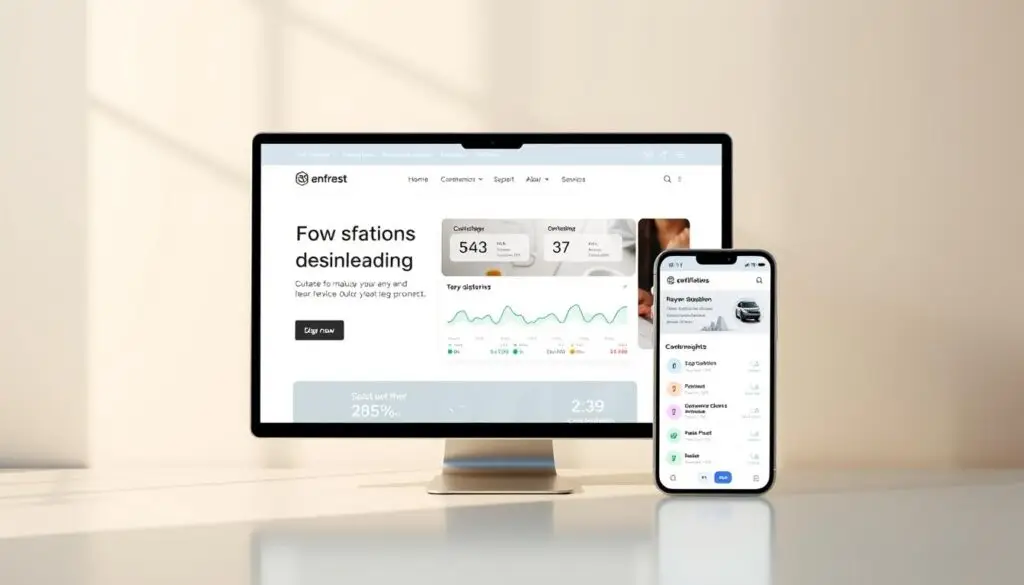
Fleet managers frequently research service providers while traveling between facilities or during vehicle inspections. Your website must deliver full functionality on smartphones and tablets without compromising user experience. Responsive design that adapts seamlessly to different screen sizes is non-negotiable.
Mobile optimization extends beyond visual formatting. Page load speed becomes even more critical on mobile devices, particularly in areas with limited connectivity. Compress images, minimize code, and leverage browser caching to achieve load times under three seconds. Google’s mobile-first indexing means your mobile site performance directly impacts search rankings.
Implement click-to-call functionality on all phone numbers throughout your mobile site. Fleet managers should be able to initiate contact with a single tap rather than manually dialing. Similarly, ensure quote forms use mobile-friendly input methods with appropriate keyboard types for each field—numeric keypads for fleet size, email keyboards for contact information.
Trust Signals and Social Proof That Convert
Fleet managers make high-stakes decisions when selecting service providers. Vehicle downtime directly impacts revenue and customer satisfaction. Your website must overcome natural skepticism by demonstrating proven capability and reliability through multiple trust signals.
Customer testimonials with specific metrics carry tremendous persuasive power. Generic praise like “great service” lacks impact. Instead, feature testimonials that quantify results: “Reduced unscheduled downtime by 34% in the first six months” or “Lowered our per-mile maintenance costs by $0.12 through their preventive maintenance program.”
Display industry certifications and professional affiliations prominently. ASE certifications, manufacturer authorizations, and memberships in organizations like NAFA (National Association of Fleet Administrators) signal expertise and commitment to professional standards. Include logos of certification bodies rather than simple text mentions for greater visual impact.
Case studies provide deeper proof of your problem-solving capabilities. Detail specific client challenges, your approach to addressing them, and measurable outcomes. Include client names and quotes when possible. Anonymous case studies still offer value but lack the credibility of identified companies.
Master Fleet Service Lead Generation
Get weekly insights on digital marketing strategies, website optimization techniques, and lead generation tactics specifically for fleet service providers. Join 3,200+ service center operators growing their businesses.
SEO Strategies for Fleet Service Lead Generation
Organic search visibility delivers the highest-quality leads for fleet service businesses, bringing in prospects actively searching for solutions. When fleet managers search for commercial vehicle maintenance leads, they demonstrate clear intent and immediate need. Fleet service SEO creates a sustainable pipeline of these high-value prospects without ongoing advertising costs.
The approach to search optimization in the fleet service industry requires specialized tactics that differ from consumer-focused strategies. B2B search behavior involves longer keyword phrases and extensive research before contact. Fleet decision-makers typically investigate multiple providers and compare detailed service offerings before reaching out.
This technical complexity demands a comprehensive strategy that addresses both local visibility and industry authority. Your digital presence must answer specific questions about capabilities, certifications, and service scope.
Local SEO for Multi-Location Fleet Service Centers
Fleet service providers operating multiple locations face unique optimization challenges that require coordinated yet individualized approaches. Each location competes in its own geographic market while maintaining consistent brand standards. The balance between centralized control and location-specific relevance determines your success in local fleet service marketing.
Your Google Business Profile represents the single most important local ranking factor for fleet service providers. Complete profiles with accurate business information, service categories, and operating hours establish foundational credibility. Regular profile updates signal active business operations to both search engines and potential clients.
Post weekly updates about industry insights, seasonal maintenance tips, or service promotions. These posts appear in local search results and demonstrate your engagement with the fleet community. Customer reviews on your Google Business Profile dramatically impact conversion rates and local rankings. Implement systematic review requests after successful service completion.
Each service location requires a dedicated landing page with unique content addressing local fleet needs and market conditions. Generic pages duplicated across locations receive search engine penalties and fail to connect with local prospects. Effective location pages include embedded maps, driving directions, and proximity to major transportation corridors.
Keyword Research for Commercial Fleet Services
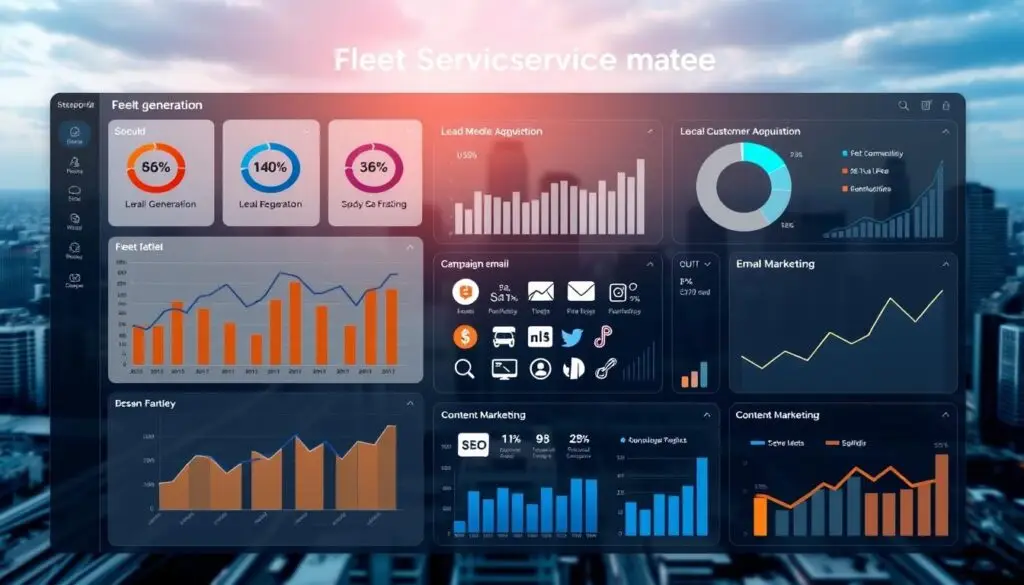
Identifying high-value search terms requires understanding the specific language fleet managers use during different research stages. Service-specific keywords like “preventive maintenance for delivery fleets” indicate prospects researching ongoing service relationships. Problem-based searches such as “reduce fleet downtime” reveal pain points driving immediate action.
Compliance-related keywords represent particularly valuable opportunities because they indicate non-negotiable service needs. Terms like “DOT inspection services” or “commercial vehicle safety compliance” attract prospects with regulatory deadlines. These searches convert at higher rates because fleet managers face legal requirements and financial penalties for non-compliance.
Long-tail keyword phrases may generate lower search volumes but deliver significantly higher conversion rates. A search for “24-hour emergency fleet repair in [city]” demonstrates urgent need and clear service requirements. Target these specific phrases on dedicated service pages rather than competing for broad, highly competitive terms.
Creating Service Pages That Rank and Convert
Service pages must balance search engine optimization with persuasive copywriting that motivates fleet managers to take action. Technical optimization gets pages ranked, but compelling content converts visitors into qualified leads. Structure service pages with clear H2 headings that include primary target keywords while remaining natural and descriptive.
Include detailed service descriptions that answer common questions before prospects need to ask. Explain your process, typical timeframe, required vehicle information, and expected outcomes. Transparency builds trust and qualifies leads by setting accurate expectations about your service delivery.
Place multiple calls-to-action throughout longer service pages rather than relying on a single button at the bottom. Offer various contact methods including phone numbers, contact forms, and online scheduling options. Different fleet managers prefer different communication channels based on urgency and organizational processes.
Pay-Per-Click Advertising for Fleet Service Providers
While organic SEO builds long-term authority, fleet service PPC campaigns generate qualified leads starting from day one of implementation. Paid advertising creates immediate visibility in search results when fleet managers actively seek solutions to urgent maintenance challenges. This instant market presence becomes particularly valuable for new service centers, seasonal promotions, or launching specialized fleet services.
Fleet managers increasingly research service providers outside traditional business hours, making 24/7 digital visibility essential. Google Ads for fleet services positions your business at the top of search results precisely when decision-makers compare options. Unlike traditional marketing channels, PPC delivers measurable ROI through detailed tracking of impressions, clicks, and conversion actions.
Google Ads Campaign Structure for Fleet Services
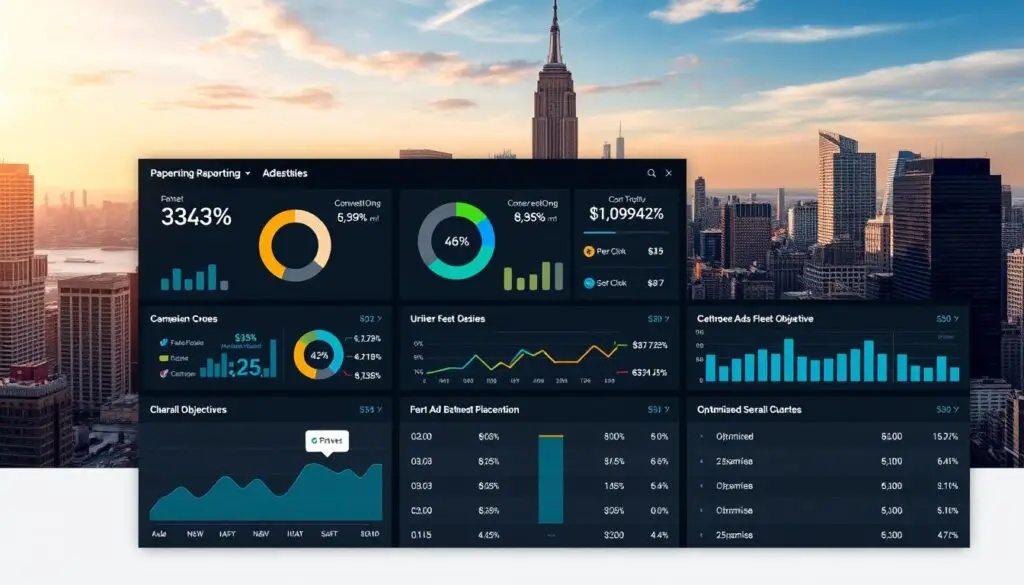
Successful paid advertising begins with proper campaign architecture tailored to commercial vehicle services. Organize campaigns by service category, geographic location, and vehicle specialization to maximize relevance and Quality Score. This structure allows precise budget allocation and performance tracking across different service offerings.
Create separate campaigns for emergency services, preventive maintenance contracts, and specialized repairs. Each campaign should contain tightly themed ad groups focusing on specific services like brake repair, transmission service, or fleet inspections. Search campaigns target fleet managers actively looking for immediate solutions to maintenance challenges.
Focus on high-intent keywords that signal urgent need or evaluation readiness. Phrases like “emergency fleet repair near me” or “fleet maintenance contract pricing” indicate prospects ready to engage service providers. Use exact match for high-value, high-intent terms where you want complete control. Phrase match works well for service categories where variations indicate similar intent.
Display remarketing keeps your services visible as prospects continue researching across the web. These visual ads appear on industry websites, news platforms, and business publications that fleet managers visit daily. Segment remarketing audiences based on website behavior for personalized messaging.
Targeting Fleet Managers with Precision Audiences
Effective fleet manager targeting requires layering demographic and behavioral data to reach decision-makers. Start with job title targeting through LinkedIn audience integration with Google Ads. Focus on roles like Fleet Manager, Transportation Director, Operations Manager, and Facilities Coordinator at companies with commercial vehicle fleets.
Company size filtering ensures ad delivery to organizations with substantial fleet needs. Target businesses with 50+ employees where dedicated fleet management exists. Industry targeting narrows focus to sectors with high commercial vehicle usage like construction, delivery services, utilities, and field service operations.
Custom audience segments provide the most precise fleet manager targeting available. Upload customer email lists to create lookalike audiences that match existing client characteristics. Build affinity audiences around industry associations, fleet management publications, and commercial vehicle manufacturer websites that fleet managers frequent.
Content Marketing That Attracts Fleet Managers
Fleet managers don’t want sales pitches—they need educational resources that solve real operational challenges. Strategic fleet service content marketing positions your company as an industry authority rather than just another vendor competing on price. When you deliver valuable insights that address specific pain points, you transform the buyer relationship from transactional to advisory.
Full-funnel content programs create multiple touchpoints throughout the decision journey. They attract prospects searching for solutions, engage them with relevant expertise, and nurture relationships until fleet decision-makers are ready to commit. This approach establishes thought leadership in B2B fleet services that builds trust long before the first sales conversation begins.

Educational Blog Content for Fleet Decision-Makers
Blog content targets specific questions fleet managers ask at different stages of their buying journey. Awareness-stage articles identify problems they may not have fully recognized yet. Posts like “5 Warning Signs Your Fleet Maintenance Strategy Is Costing You Money” capture attention from prospects just beginning their research.
Consideration-stage content helps fleet decision-makers evaluate different approaches and solutions. Articles such as “In-House vs. Outsourced Fleet Maintenance: A Total Cost Analysis” provide comparative frameworks that position your expertise. These pieces demonstrate understanding of the trade-offs fleet managers face.
Decision-stage blog posts address final concerns before commitment. Topics like “What to Include in Your Fleet Service Contract” help prospects feel confident in their evaluation process. This educational approach builds credibility even as it subtly highlights your service advantages.
Case Studies and Success Stories
Case studies transform abstract service promises into concrete proof of capabilities. Generic testimonials saying “great service” lack the specificity that influences B2B fleet services decisions. Compelling success stories follow a structured narrative that fleet decision-makers can relate to their own situations.
Effective case studies begin with the client’s specific challenge in detail. Rather than “needed better maintenance,” describe the actual problem: “A regional delivery company with 75 vehicles experienced average monthly downtime of 4.2 days per vehicle, costing approximately $180,000 annually in lost productivity and rushed repairs.”
Quantifiable results make case studies credible and memorable. Fleet managers need specific metrics they can benchmark against their own operations. Include percentage reduction in unplanned downtime, cost savings per vehicle annually, improvement in vehicle availability rates, and reduction in emergency repair incidents.
Downloadable Resources and Lead Magnets
High-value downloadable resources convert anonymous website visitors into identified leads. These gated assets require email submission to access, transforming casual browsers into prospects you can nurture. Comprehensive guides position your company as the definitive resource on critical topics.
Assessment tools and calculators offer immediate personalized value. Create resources like Fleet Efficiency Audit Checklist, Total Cost of Ownership Calculator, Preventive Maintenance Schedule Template, Compliance Requirements Checklist by State, and Fleet Downtime Cost Calculator.
Industry benchmark reports attract decision-makers seeking competitive intelligence. Annual reports comparing maintenance costs, downtime rates, and service intervals across fleet types provide data fleet managers can’t easily find elsewhere. These reports establish authority while generating qualified leads year after year.
Leveraging LinkedIn and Social Media for B2B Fleet Leads
While traditional networking once dominated fleet service sales, digital platforms now provide unprecedented access to fleet managers and transportation executives. Social media has evolved from a consumer-focused communication channel into a powerful B2B lead generation tool that connects service providers directly with decision-makers.
LinkedIn stands as the premier platform for B2B fleet service outreach, offering sophisticated targeting capabilities and professional context that other networks cannot match. Fleet managers, operations directors, and transportation executives maintain active profiles on LinkedIn, making it the ideal environment for meaningful business conversations.

LinkedIn Outreach Strategies for Fleet Service Providers
Successful LinkedIn for fleet services requires a multi-faceted approach that combines profile optimization, strategic content publishing, and personalized outreach. Your LinkedIn presence serves as a digital storefront where prospects evaluate your expertise before engaging.
Your LinkedIn Company Page functions as the foundation for all activities. The page description should clearly articulate your value proposition and service specializations within the first 150 characters. Create Showcase Pages for different service lines or geographic locations to target specific segments of your fleet audience.
Direct messaging requires a delicate balance between proactive fleet service outreach and respectful engagement. Generic sales pitches trigger immediate deletion, while personalized messages that reference shared interests or mutual connections generate positive responses. Value-first messaging delivers insights before pitching services.
LinkedIn’s publishing platform enables long-form thought leadership content that positions individuals and companies as industry authorities. Articles addressing emerging trends generate sustained visibility and attract inbound inquiries. Focus on topics that fleet managers actively research like fleet electrification strategies, regulatory changes affecting commercial vehicle maintenance, and maintenance technology innovations.
Paid Social Advertising for Fleet Service Targeting
Organic fleet service outreach builds foundation relationships, but paid social advertising accelerates lead generation through precise targeting. LinkedIn offers sophisticated capabilities to reach fleet managers, operations directors, and transportation executives by job title, company size, and industry.
Sponsored Content promotes thought leadership pieces to targeted audiences beyond your existing followers. These native ads appear directly in users’ feeds alongside organic content. Message Ads deliver personalized fleet service outreach at scale, appearing directly in LinkedIn inboxes.
Lead Gen Forms eliminate friction by pre-populating prospect information from LinkedIn profiles. Users can submit requests for downloadable resources or consultation appointments with a single click. This format generates 2-3 times higher conversion rates than ads directing to external landing pages.
Email Marketing Campaigns for Fleet Service Conversion
When fleet managers evaluate service providers, consistent email engagement often determines which company earns their business. The extended decision-making process in fleet services requires a strategic approach to communication that maintains momentum without overwhelming prospects. Fleet service conversion optimization depends on delivering the right message at precisely the right moment throughout a sales cycle that frequently spans three to six months.

Segmenting Your Fleet Service Email List
Generic email blasts to your entire database waste opportunities and damage sender reputation. Effective fleet service email campaigns begin with sophisticated segmentation that goes far beyond basic demographics. Fleet size represents one of the most critical segmentation factors. A transportation company managing 200 vehicles faces entirely different challenges than a local utility with 15 trucks.
Industry vertical segmentation allows you to speak directly to sector-specific pain points. Construction fleets deal with harsh operating conditions and equipment variety. Delivery services prioritize uptime and rapid turnaround times. Municipalities focus on compliance and budget constraints. Each vertical requires tailored content that demonstrates understanding of their unique operational realities.
Behavioral segmentation tracks how prospects interact with your previous communications. Someone who opened three consecutive emails about preventive maintenance programs shows different intent than a contact who only clicks on emergency service content. Sales cycle stage segmentation ensures appropriate messaging timing.
Nurture Sequences for Long Sales Cycles
Fleet managers rarely make purchasing decisions immediately upon first contact. The complexity and financial commitment involved require sustained engagement that builds trust gradually. Well-designed nurture sequences transform fleet maintenance leads into qualified opportunities by providing consistent value throughout extended evaluation periods.
Educational drip campaigns deliver a series of helpful resources over weeks or months, each building on previous content. A six-email sequence on “Fleet Maintenance Best Practices” might address preventive maintenance scheduling in the first email, parts inventory management in the second, and leveraging telematics data in the third.
Seasonal maintenance reminders provide timely value while keeping your service brand prominent in fleet managers’ minds. Pre-winter fleet preparation emails should arrive in late October or early November, providing checklists for cold-weather readiness. Spring inspection reminders in March emphasize post-winter damage assessment.
Email Templates That Generate Fleet Service Appointments
Even perfectly segmented and timed emails fail without compelling copy that drives specific actions. High-converting email templates balance informative content with clear calls-to-action that make scheduling appointments effortless for busy fleet managers.
New lead welcome sequences set expectations and deliver immediate value upon first contact. Appointment request emails require clarity and convenience. Subject lines should specify the purpose: “Complimentary Fleet Assessment—30 Minutes” or “Q2 Maintenance Planning Discussion.”
Offering multiple scheduling methods accommodates different preferences. Include a calendar link for self-scheduling, specific time slot options if calendar integration isn’t available, and a phone number for prospects who prefer verbal coordination. The fewer clicks required to schedule, the higher your conversion rate.
Marketing Automation and CRM Integration
Marketing automation and CRM integration transform how fleet service businesses handle lead generation, eliminating the gaps that cause missed opportunities. These systems create a technological foundation that allows you to scale personalized communication beyond what manual processes can support. A robust CRM for fleet businesses manages every lead from initial contact through conversion.
The integration of CRM with marketing tools creates a centralized hub for customer data. This connection streamlines lead nurturing by linking email platforms, website analytics, and social media management tools into one system. You gain complete visibility into every prospect’s journey.
Lead Scoring for Fleet Service Prospects
Lead scoring systems assign point values to behaviors and characteristics that indicate purchase readiness. This prioritization allows your sales team to focus energy on the hottest prospects while marketing automation for fleet services continues nurturing those not yet ready to buy.
High-value activities include visits to pricing pages, service detail pages, or quote request forms. These behaviors signal strong interest and immediate need. Demographic and firmographic factors also contribute to lead scores including fleet size indicators, job title verification, engagement recency, and geographic location.
Automated Follow-Up Systems
Automated follow-up systems ensure no opportunity slips through due to delayed response or inconsistent communication. These workflows maintain engagement throughout extended B2B sales cycles that characterize fleet service lead generation.
Speed matters tremendously when fleet managers request quotes. An automated acknowledgment email sent within minutes demonstrates professionalism and sets expectations. This immediate response should thank prospects for their inquiry and confirm receipt of their information.
Long sales cycles require strategic nurturing that stays visible without becoming intrusive. Multi-touch sequences deliver coordinated communication across days or weeks, combining automated emails, SMS reminders, and task assignments for sales representatives.
Tracking ROI Across Multiple Channels
Understanding which marketing investments generate actual customers solves one of the biggest challenges facing fleet service providers. Accurate attribution requires connecting data points across the entire customer journey.
Call tracking assigns unique phone numbers to different marketing channels, enabling precise attribution. A comprehensive CRM for fleet businesses integrates call tracking data automatically. This granular tracking reveals performance patterns.
True ROI measurement requires tracking leads from first touchpoint through final sale and beyond. Your CRM integration must capture lead source information and maintain it throughout the customer lifecycle. This complete tracking enables calculation of customer acquisition cost by channel.
Share Your Fleet Service Marketing Experience
Have you successfully implemented digital marketing strategies that transformed your fleet service business? Share your insights with thousands of service providers navigating similar challenges. We’re seeking practical case studies and expert perspectives on lead generation tactics that deliver measurable results.
Conclusion
The fleet service market has transformed dramatically over the past five years. Success with fleet service lead generation now demands an integrated digital approach that combines multiple channels working in harmony. Fleet managers expect seamless online experiences, instant responsiveness, and clear data-driven insights from service partners.
Your competitive advantage comes from mastering the strategies outlined in this comprehensive guide. Start with a high-converting website that builds trust through transparency and social proof. Layer in comprehensive SEO to dominate local search results for commercial fleet clients. Deploy strategic PPC campaigns to capture high-intent prospects actively seeking solutions.
Create valuable content that positions your brand as a thought leader in fleet management marketing. Build relationships through LinkedIn and targeted social media engagement. Nurture prospects with segmented email campaigns designed for extended sales cycles. Implement marketing automation with CRM integration to scale your efforts while tracking ROI across every channel.
Remember that fleet service lead generation is not static. Continuous optimization based on performance data separates market leaders from competitors. Programs should be data-driven with ongoing refinement to generate significant impact. Quality engagement builds long-term reputation and transforms marketing into a driver of measurable business results.
Audit your current lead generation efforts against these proven strategies. Identify gaps in your digital approach. Prioritize investments based on your specific market position and growth objectives. The fleet service providers who master these digital techniques will capture disproportionate market share while competitors still rely on outdated methods.
Your commitment to excellence in fleet management marketing determines your position in an increasingly competitive landscape. The time to act is now—fleet managers are searching for service partners online at this very moment. Ensure they find your business ready to demonstrate value, build trust, and earn their long-term partnership.
Frequently Asked Questions
Why is digital lead generation essential for fleet service providers today?
Digital lead generation has become a fundamental requirement for fleet service providers because the industry has transformed from traditional relationship-based selling to a sophisticated digital ecosystem. Fleet managers now expect the same level of digital convenience in B2B transactions as they experience as consumers. Over 60% of fleet managers cite lack of transparency or online responsiveness as top reasons for switching providers. Successful providers must implement multi-channel digital strategies to capture market share, as quality leads who understand value propositions through digital channels convert at significantly higher rates and develop into long-term client relationships. The investment in digital presence is no longer optional—it’s essential for business survival and growth in an increasingly competitive market.
How do fleet service buying decisions differ from typical B2B services?
Fleet service buying decisions involve multiple stakeholders including fleet managers, operations directors, CFOs, and procurement teams, each evaluating different criteria from cost efficiency to safety compliance. The sales cycle is typically extended, often spanning months rather than days or weeks. Decision-making complexity varies significantly by fleet size, with small business fleets making faster decisions than enterprise fleets which require extensive vetting, committee approvals, and formal procurement processes. This multi-stakeholder environment requires targeted content and messaging that addresses the specific concerns of each decision-maker. Unlike consumer services, fleet management decisions carry substantial financial weight and operational consequences, making trust, proven expertise, and documented track records critical factors in provider selection.
What website elements are most critical for converting fleet service visitors into leads?
The most critical website elements include prominently displayed service offerings organized by specialty such as preventive maintenance, emergency repairs, DOT compliance, and mobile service. Detailed service area information with location-specific pages helps prospects quickly determine accessibility. Online quote request forms that balance information gathering with user convenience are essential—forms with too many required fields see abandonment rates above 70%. Customer testimonials with specific metrics like reduced downtime percentages and cost savings build credibility. Industry certifications, manufacturer authorizations, and professional affiliations signal expertise. Compelling case studies demonstrating problem-solving capabilities provide proof of value. Mobile optimization is critical since fleet managers often research services while on the road, requiring fast-loading pages, touch-friendly navigation, and click-to-call functionality.
What are the most effective local SEO strategies for fleet service providers?
Effective local SEO for fleet service providers starts with comprehensive Google Business Profile optimization including complete business information, accurate service categories, regular posts about promotions or industry insights, active customer review management, and location-specific photos of facilities and service bays. Multi-location providers must create unique location-specific landing pages with content addressing local fleet needs, embedded maps, location-relevant testimonials, and geo-modified keywords. Citation management across directories ensures NAP (Name, Address, Phone) consistency that Google rewards with higher local rankings. Building domain authority through backlinks from industry associations like NAFA, local business directories, and supplier partnerships further strengthens local search visibility. Consistency in business information across all platforms is crucial—even minor variations can confuse search engines and dilute local authority.
How should fleet service providers structure Google Ads campaigns for maximum ROI?
Fleet service providers should structure Google Ads campaigns by organizing them according to service type, location, and vehicle specialty, creating tightly themed ad groups that improve Quality Score and reduce cost-per-click. Search campaigns should target high-intent keywords like “emergency fleet repair,” “fleet maintenance contract,” or “commercial vehicle service near me” that indicate immediate need and higher conversion potential. Display remarketing campaigns should re-engage website visitors who didn’t convert initially with targeted ads featuring specific services they viewed, customer testimonials, or limited-time offers. Target CPA bidding works well once sufficient conversion data exists, while manual bidding with bid adjustments for high-value audience segments, locations, and time periods when fleet managers actively research solutions provides greater control for newer campaigns. Allocate 50-60% of spend to high-intent search campaigns, 20-30% to remarketing, and 10-20% to experimental campaigns.
What role does content marketing play in attracting fleet management decision-makers?
Content marketing serves as a powerful trust-building tool that positions fleet service providers as industry authorities rather than transactional vendors. Effective content includes educational blog posts addressing specific challenges throughout the buying journey—awareness-stage content like “5 Signs Your Fleet Needs a New Maintenance Provider,” consideration-stage pieces like “In-House vs. Outsourced Fleet Maintenance Cost Comparison,” and decision-stage content like “What to Look for in a Fleet Service Contract.” Detailed case studies with specific client challenges, service approaches, and quantifiable results demonstrate expertise and problem-solving capabilities. High-value downloadable resources such as comprehensive guides, fleet efficiency audit checklists, cost calculators, and industry benchmark reports serve as lead magnets that convert anonymous visitors into identified prospects. Video content including facility tours, service process demonstrations, and customer testimonials builds trust more effectively than text alone while improving website engagement metrics.
Why is LinkedIn particularly important for fleet service lead generation?
LinkedIn is the premier social platform for B2B fleet service lead generation because it provides direct access to fleet managers, operations directors, transportation executives, and other decision-makers in a professional context. The platform offers sophisticated targeting capabilities for paid advertising based on job title, company size, and industry—allowing precision targeting impossible on other social networks. An optimized LinkedIn Company Page with regular industry insights, showcase pages for different service lines, and employee advocacy programs amplifies reach and establishes credibility. Direct messaging campaigns enable personalized outreach that references shared interests or mutual connections. Publishing thought leadership content on emerging trends like fleet electrification, regulatory changes, and maintenance technology innovations positions providers as industry experts rather than transactional vendors. The professional nature of LinkedIn means users expect and welcome business-focused engagement, unlike consumer-oriented platforms where commercial outreach often feels intrusive.
How should fleet service providers segment their email lists for better engagement?
Fleet service providers should segment email lists beyond basic demographics to include behavioral and psychographic factors. Effective segmentation strategies include fleet size and complexity (small business fleets 5-20 vehicles, mid-market 20-100, enterprise 100+), industry vertical (construction, delivery, transportation, utilities, municipal), specific service needs (preventive maintenance, emergency repair, compliance support), engagement level (frequent email openers, website visitors, content downloaders), and sales cycle stage (awareness, consideration, decision, existing customer). This sophisticated segmentation enables personalized messaging that addresses the specific challenges and priorities of each segment. A construction fleet operator faces different challenges than a last-mile delivery service—your email content should reflect these distinct operational realities. Segmentation significantly improves open rates, click-through rates, and conversion rates throughout extended fleet service sales cycles by ensuring relevance at every touchpoint.
What is lead scoring and why does it matter for fleet service providers?
Lead scoring is a systematic approach to ranking prospects based on behaviors and characteristics that indicate purchase readiness. For fleet service providers, this means assigning point values to specific actions: website visits to pricing or service pages (high value), email engagement with educational content (medium value), social media follows (low value), fleet size indicators (larger fleets score higher), job title (decision-makers score higher), and engagement recency (recent activity scores higher). This scoring system allows sales teams to prioritize outreach to the hottest prospects—those most likely to convert—while marketing automation continues nurturing lower-scored leads with educational content. Lead scoring becomes essential in industries with extended sales cycles and multiple stakeholders because it prevents sales resources from being wasted on prospects not yet ready to buy. The system creates efficiency by matching sales effort to prospect readiness, significantly improving conversion rates and ensuring optimal resource allocation.
How can fleet service providers track which marketing channels generate actual customers?
Tracking marketing ROI requires integrating call tracking that assigns unique phone numbers to different marketing channels (website, Google Ads, direct mail, vehicle wraps) to attribute phone leads accurately. Connect marketing data to sales outcomes through comprehensive CRM integration that captures lead source information and tracks it through the entire customer lifecycle from first touchpoint to closed sale and beyond. This enables calculation of customer acquisition cost by channel, lifetime value analysis, and data-driven budget allocation decisions. Marketing automation platforms should track digital touchpoints including email opens, website visits, content downloads, and form submissions, providing a complete view of the customer journey. Attribution modeling helps understand which touchpoints contribute most to conversions—first-touch attribution shows what initially attracted prospects, while last-touch reveals what finally convinced them to buy. Multi-touch attribution provides the most comprehensive view by assigning value to every interaction throughout the sales cycle, allowing providers to optimize marketing spend toward the highest-performing channels and tactics.
What are the biggest pain points that drive fleet managers to seek new service providers?
The critical pain points driving fleet managers to seek service providers include unplanned downtime causing operational disruptions and revenue loss—every vehicle in the shop represents lost productivity and customer service failures. Rising maintenance costs eroding profit margins create constant budget pressure as parts prices increase, labor rates climb, and aging vehicles require more frequent repairs. Difficulty maintaining regulatory compliance with DOT and safety regulations generates stress and liability concerns, as non-compliance carries severe financial penalties and out-of-service orders. Challenges with fleet tracking and visibility across distributed operations make it difficult to optimize maintenance schedules and prevent breakdowns. Driver safety concerns affecting insurance costs and company reputation drive the search for partners who can improve vehicle reliability and reduce accident risk. The complexity of transitioning to electric or alternative fuel vehicles without in-house expertise creates anxiety about future operations. By thoroughly understanding and addressing these specific challenges in marketing messaging and value propositions, fleet service providers position themselves as valuable strategic partners rather than transactional vendors competing primarily on price.
How long does it typically take to see results from fleet service lead generation efforts?
Fleet service lead generation timelines vary significantly by channel and strategy. Pay-per-click advertising can generate immediate visibility and leads within days of launch, though campaign optimization for maximum ROI typically requires several weeks of data collection and refinement. Search engine optimization including local optimization and content marketing generally requires three to six months before significant organic traffic increases become evident, with ongoing effort needed to maintain and improve rankings against competitive pressure. Email marketing and nurture campaigns work on extended timelines matching the fleet service sales cycle, often nurturing prospects for several months before conversion—particularly for enterprise fleets with complex procurement processes. Social media engagement builds gradually over time, with LinkedIn thought leadership typically requiring consistent posting for 2-3 months before meaningful lead generation results. The most successful fleet service providers implement integrated approaches that combine immediate-result channels like PPC with long-term strategies like SEO and content marketing, creating consistent lead flow while building sustainable competitive advantages that compound over time.
Should fleet service providers focus more on organic or paid lead generation strategies?
The most effective approach combines both organic and paid strategies in an integrated lead generation program rather than viewing them as either-or options. Organic strategies including SEO, content marketing, and LinkedIn thought leadership provide sustainable, cost-effective lead flow over time and establish the provider as an industry authority, but require months to generate significant results and ongoing effort to maintain. Paid strategies including Google Ads, Local Service Ads, and LinkedIn advertising deliver immediate visibility and precise targeting capabilities particularly valuable for new market entry, seasonal promotions, or competitive markets, but require ongoing budget investment with costs per lead typically higher than mature organic channels. The ideal balance depends on business maturity, growth timeline, budget constraints, and competitive landscape. Newer providers often emphasize paid strategies for quick traction while simultaneously building organic foundations. Established providers leverage strong organic presence supplemented with strategic paid campaigns during peak seasons or for new service launches. Most successful operations allocate 60-70% of marketing budget to organic strategies for long-term growth with 30-40% to paid campaigns for immediate lead generation and market testing.
What role does mobile optimization play in fleet service lead generation?
Mobile optimization is absolutely critical for fleet service lead generation because fleet managers frequently research services while on the road, between site visits, or during vehicle inspections. Over half of B2B searches now occur on mobile devices, and Google prioritizes mobile-friendly websites in search rankings through mobile-first indexing. Essential mobile optimization elements include fast-loading pages under three seconds even on slower connections, touch-friendly navigation with appropriately sized buttons and links for finger taps rather than mouse clicks, click-to-call functionality enabling immediate phone contact without manual dialing, simplified forms that minimize data entry on small screens with appropriate keyboard types for different fields, responsive design that adapts seamlessly to different screen sizes from smartphones to tablets, and location-based features that help prospects find the nearest service facility. Websites that fail to deliver excellent mobile experiences lose prospects to competitors who understand that modern fleet managers expect digital convenience comparable to their consumer experiences. Mobile optimization also improves conversion rates—studies show mobile-optimized sites convert 3-5 times better than non-optimized competitors.
Help Fleet Service Providers Succeed
Share these proven lead generation strategies with fellow service center operators and fleet maintenance professionals. Digital marketing success in the commercial vehicle industry requires continuous learning and adaptation—help build a stronger community by spreading actionable insights.