
By Michael Nielsen, Editor & Publisher | 15+ Years in Diesel Repair
Last Updated: January 2026
📖 Estimated reading time: 22 minutes
Fleet driver management software has evolved from basic GPS tracking into sophisticated safety platforms that prevent accidents before they happen. These systems combine real-time monitoring with AI-powered analytics to transform how transportation operations approach road safety—and the data proves they work. Video telematics can reduce fatal crashes by 20% and injury crashes by 35%, according to industry research documented by the American Transportation Research Institute.
The stakes for fleet managers have never been higher. Rising accident liability, critical driver shortages, and escalating insurance premiums create mounting pressure to protect both people and vehicles. Traditional manual monitoring methods simply cannot meet these demands. Modern platforms from providers like Motive, Geotab, Samsara, and Verizon Connect deliver comprehensive solutions that integrate vehicle tracking, behavior analysis, compliance monitoring, and performance metrics into unified operations systems.
The telematics market reflects this technology’s critical importance, with projections showing growth to $127.23 billion by 2034. Fleets delaying implementation face growing competitive disadvantages in safety performance, operational costs, and regulatory compliance. This guide covers everything fleet managers need to evaluate, select, and successfully implement driver management software that delivers measurable safety improvements and documented ROI.
Key Takeaways
- Proven safety impact: AI-powered platforms detect road risks 2-4 times more effectively than conventional monitoring, with video telematics reducing fatal crashes by 20% and injury crashes by 35%.
- Strong ROI: Typical returns range from 3:1 to 6:1 within the first year, with most fleets recovering investment within 12 months through accident prevention, insurance savings, and reduced maintenance costs.
- Comprehensive compliance: Modern platforms automate Hours of Service tracking, ELD requirements, DVIRs, and drug testing coordination—protecting against penalties up to $25,000 per violation.
- Predictive prevention: Advanced analytics identify high-risk drivers and predict potential incidents before they occur, shifting fleet management from reactive to proactive.
- Implementation success: Driver acceptance is the critical success factor—fleets that involve drivers early and emphasize coaching over punishment see the strongest adoption and results.
The State of Fleet Safety and Driver Management in 2025
The transportation industry faces unprecedented safety demands that traditional management methods can no longer address effectively. Fleet operations have evolved into data-intensive enterprises where every mile traveled generates actionable insights. Companies that embrace modern safety technology gain measurable advantages in outcomes, cost control, and competitive positioning.
Managing a fleet in 2025 represents a tipping point where vehicle data has become essential for driver safety, efficiency, and compliance. The industry has shifted from reactive problem-solving to proactive risk management. Fleets without integrated digital platforms face systematic disadvantages that directly impact their bottom line and operational viability.
Current Challenges Facing Fleet Managers
Fleet managers confront a complex array of operational obstacles that threaten safety and profitability. These challenges have intensified as business demands increase and margins tighten.
Rising accident rates and associated liability costs erode profitability, while sophisticated fraud and false claims require video evidence for defense. Critical driver shortages make retention more important than ever. Escalating insurance premiums driven by poor safety records compound these issues, and administrative burdens of managing compliance across multi-state operations consume valuable management time.
Traditional manual compliance management quickly leads to mistakes, missed deadlines, and costly fines. Without automated systems, fleet managers spend excessive time on paperwork rather than strategic safety initiatives that actually reduce risk and protect drivers.
Rising Safety Standards and Expectations
Regulatory bodies, insurance carriers, and the public have dramatically elevated their safety expectations. The documented ability of video telematics to reduce fatal crashes by 20% and injury crashes by 35% creates pressure on fleets to adopt these technologies.
Transportation safety standards continue to tighten at both federal and state levels. FMCSA regulations under 49 CFR Part 395 have become more stringent, with enhanced enforcement mechanisms for Hours of Service violations. State-level safety initiatives add another layer of compliance requirements that vary by jurisdiction.
Corporate social responsibility now demands transparent safety metrics. Customers increasingly evaluate fleet partners based on safety performance and environmental impact. Companies without documented safety programs face disadvantages in competitive bidding processes.
The Technology Gap in Traditional Fleet Operations
Legacy fleet systems create fundamental operational disadvantages that compromise safety and efficiency. Paper logs, spreadsheets, and reactive maintenance approaches cannot meet the demands of modern fleet operations. The contrast between traditional and modern methods reveals critical gaps that translate directly to higher accident rates, increased costs, and diminished operational efficiency.
Manual compliance tracking lacks real-time visibility and predictive capabilities. Spreadsheet-based driver management prevents timely intervention before incidents occur. The shift from reactive to proactive fleet management is not merely technological but fundamental to survival in the modern transportation industry.
What Fleet Driver Management Software Delivers for Safety
The safety value proposition of fleet driver management software centers on its ability to convert raw vehicle data into actionable intelligence that prevents accidents before they occur. Modern platforms deliver comprehensive protection through multiple integrated systems working simultaneously. These solutions transform fleet risk management from reactive incident response into proactive safety optimization.
Fleet managers gain unprecedented visibility into operations that previously remained hidden. The technology captures every critical moment on the road and translates it into meaningful safety improvements. This fundamental shift enables organizations to protect their most valuable assets—their drivers.
Continuous Observation of Driving Patterns
Driver behavior monitoring systems track multiple performance indicators simultaneously throughout every trip. Modern platforms analyze speed patterns, acceleration habits, braking intensity, cornering techniques, and following distance in real time. These systems also monitor seat belt compliance and detect distraction indicators that compromise safety.
Platforms like Motive provide 360° visibility that captures behaviors traditional supervision could never observe. The technology transforms telematics data streams into clear safety insights. Fleet managers receive detailed reports showing exactly how drivers operate vehicles during every shift.
Prevention Through Advanced Analytics
Predictive safety technology shifts focus from accident investigation to incident prevention. Real-time alert systems notify managers immediately when risky behaviors occur. Automated intervention triggers activate coaching protocols before dangerous patterns escalate.
5.5% Reduction in Predicted Collisions
Geotab Safety Center advanced analytics results
Risk scoring algorithms identify high-risk drivers through pattern analysis. Geotab’s Safety Center has demonstrated this measurable collision reduction through advanced analytics. These systems use historical data to forecast which drivers require immediate attention and targeted training.
Unified Safety Operations
A centralized safety platform consolidates all safety data, coaching records, incident reports, and compliance documentation in one accessible location. This eliminates information silos that previously fragmented safety efforts. All stakeholders access the same real-time information for coordinated decision-making.
Fleet managers streamline workflows by managing everything through a single interface. The unified approach ensures consistent safety standards across all vehicles and locations. Teams collaborate more effectively when operating from a shared data foundation.
Evidence-Based Safety Strategies
Fleet data analytics capture comprehensive information including GPS location, speed, harsh braking, seat belt usage, fuel consumption, fault codes, and G-force collision data. This detailed data collection enables objective, evidence-based decisions about training priorities and safety investments.
Managers identify specific improvement areas through quantitative analysis rather than guesswork. The data reveals which training programs deliver measurable results. Evidence-driven approaches consistently outperform intuition-based safety management in reducing incidents and protecting drivers.
Real-Time Monitoring and Alert Systems
The foundation of effective fleet safety lies in the ability to monitor driver behavior and vehicle performance as events unfold, not days later during weekly reviews. Real-time fleet tracking systems provide fleet managers with second-by-second visibility into their entire operation, enabling immediate responses to safety violations and operational inefficiencies. These systems combine GPS monitoring, intelligent alert mechanisms, and comprehensive telematics data to create a responsive safety ecosystem.
Live GPS Tracking and Geofencing
Modern fleet driver management platforms deliver continuous location visibility for every vehicle in your fleet. Dispatchers can monitor routes in real time, verify job site arrivals, and respond to emergencies with precise location data.
Geofencing technology adds another layer of control by creating virtual boundaries around specific locations. When vehicles enter or exit these designated areas, the system triggers automated alerts to relevant personnel. This capability supports multiple safety and operational objectives including unauthorized vehicle use detection, customer arrival notifications, and restricted zone compliance.
“When we implemented real-time tracking with geofencing, we reduced speeding in target zones by 76% over three months, improving our average safety score to 88 out of 100—six points better than peer group leaders’ benchmark.”
— Irish Utilities Fleet Implementation Case Study
Instant Violation and Risk Alerts
Intelligent fleet alert systems notify both drivers and managers the moment safety violations occur. In-cab notifications provide drivers with immediate feedback about unsafe events such as harsh braking or speeding, allowing them to correct behavior instantly.
Dashboard alerts simultaneously inform fleet managers about violations including speeding, seat belt non-compliance, and unauthorized vehicle use. This dual-notification approach enables immediate corrective action rather than relying on after-the-fact discipline that may come days or weeks later.
Telematics Data Collection
Telematics systems capture hundreds of vehicle and driver performance metrics every second. This continuous data stream powers the real-time monitoring capabilities that distinguish modern fleet management from traditional approaches.
Advanced systems continuously compare vehicle speed against posted limits and company policies. They also track aggressive acceleration patterns that increase fuel costs and accident risk, providing managers with detailed speed compliance reports. Accelerometer data identifies sudden deceleration and excessive lateral G-forces that indicate aggressive or distracted driving. These metrics serve as leading indicators of potential accidents, allowing intervention before incidents occur.
| Monitoring Capability | Data Source | Safety Impact | Alert Trigger |
|---|---|---|---|
| Speed Violation Detection | GPS and OBD-II | Reduces speeding incidents by up to 76% | Exceeding posted limit or policy threshold |
| Harsh Braking Events | Accelerometer sensors | Identifies distracted or aggressive driving | Deceleration exceeding 8 mph per second |
| Geofence Violations | GPS coordinates | Prevents unauthorized vehicle use | Entry or exit from designated zone |
| Excessive Idle Time | Engine diagnostics | Reduces fuel waste and emissions | Idling beyond configured time limit |
Advanced Driver Safety Features for 2025
Fleet safety technology in 2025 represents a quantum leap from traditional surveillance, with AI-powered systems delivering context-aware protection that prevents incidents before they occur. These advanced features combine artificial intelligence, computer vision, and predictive analytics to create comprehensive safety ecosystems. The market recognizes this transformation, with video telematics predicted to see a 12.7% compound annual growth rate through 2030.
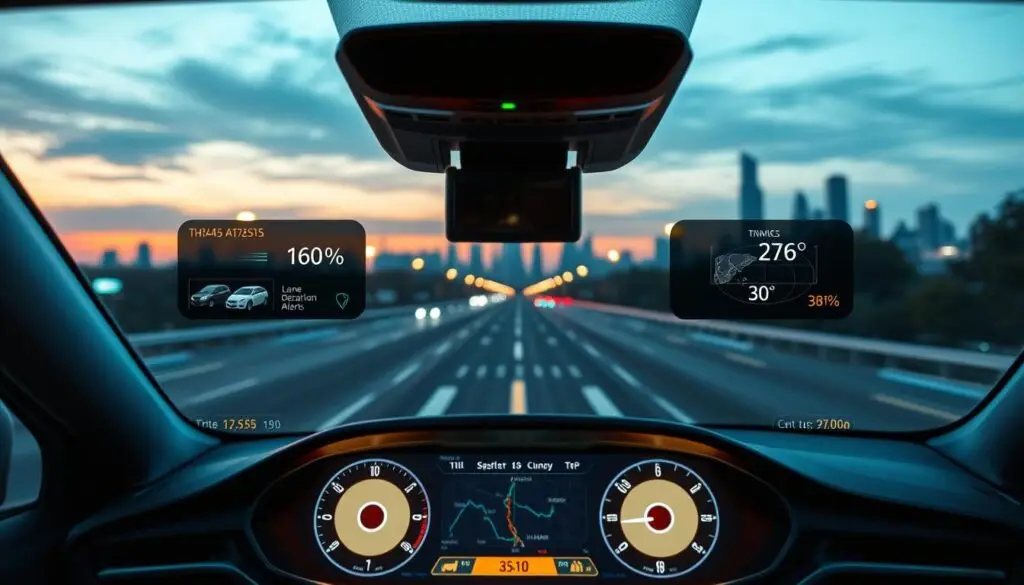
AI-Powered Dashcam Technology
AI dashcam technology has evolved far beyond simple recording devices into intelligent safety partners that analyze driving behavior in real-time. These sophisticated systems use machine learning algorithms to identify risks, provide immediate feedback, and create objective documentation of road events. Companies like Plastic Express have demonstrated remarkable results, achieving a 13% decrease in severe alerts through integration of Geotab with Netradyne’s AI-driven system.
Modern driver-facing cameras work in tandem with road-facing lenses to provide complete incident context. This dual perspective simultaneously monitors external road conditions and internal driver behavior, creating comprehensive event records. The technology protects drivers from false claims while identifying genuine safety concerns that require coaching intervention.
Advanced systems detect incidents through g-force sensors, sudden braking patterns, and visual analysis without requiring driver intervention. The AI algorithms automatically capture and upload footage when safety events occur, creating objective records that streamline claims processing and investigations. This automation eliminates the burden on drivers while ensuring no critical event goes undocumented.
Distraction and Drowsiness Detection
Computer vision algorithms continuously monitor driver eye movement, head position, and facial expressions to identify safety risks before they cause incidents. These systems detect phone use, extended periods looking away from the road, and signs of fatigue through sophisticated monitoring technology. Plastic Express documented significant improvements in these areas, with reductions in speeding, stoplight violations, and stop sign infractions following implementation.
The real-time nature of these alerts enables immediate intervention through in-cab warnings or dispatcher communication. Drivers receive audio or visual notifications when distraction or drowsiness is detected, creating opportunities for self-correction before incidents occur.
Collision Avoidance Integration
Fleet management platforms now integrate seamlessly with both factory-installed and aftermarket collision detection systems to create unified safety ecosystems. These connections combine forward collision warnings, lane departure alerts, and automatic emergency braking data with driver behavior analytics. The integration provides fleet managers with comprehensive visibility into both vehicle safety system performance and driver response patterns.
This holistic approach transforms isolated safety tools into coordinated protection networks that address risks from multiple angles simultaneously.
Driver Performance Tracking and Scoring
Systematic driver performance tracking replaces subjective assessments with data-driven scorecards that provide clear benchmarks for safety excellence. Modern fleet management platforms transform raw telematics information into actionable driver safety scores that quantify behavior and create accountability. This objective measurement system enables fleet managers to identify top performers, target coaching resources effectively, and demonstrate measurable safety improvements to stakeholders.
Score Calculation Algorithms
Advanced platforms convert telematics data into composite safety scores using weighted algorithmic approaches. These calculations typically incorporate multiple behavior factors including speeding incidents, harsh braking frequency, rapid acceleration events, sharp cornering, seatbelt compliance, and following distance violations.
One utilities service provider achieved an impressive 88 out of 100 average safety score using this methodology. This performance exceeded peer group leaders’ benchmark score of 83 by six percent, demonstrating the effectiveness of systematic tracking across critical performance metrics. Sophisticated scoring systems weight recent performance more heavily than historical data, encouraging continuous improvement while accounting for changing driving conditions and seasonal factors.

Custom Performance Indicators
Fleet managers can define customizable performance metrics aligned with their specific operational priorities and industry regulations. Cost-conscious operations might emphasize fuel efficiency scores, while hazmat carriers prioritize strict speed compliance measurements. These tailored metrics address unique risk profiles across different fleet types. Construction fleets might track backing incidents, while delivery operations focus on idling time and route adherence as critical safety indicators.
Recognition Through Competition
Fleet gamification transforms safety compliance from punitive enforcement into positive competition that motivates voluntary behavior improvement. Leading platforms leverage behavioral psychology through leaderboards, achievement badges, performance challenges, and recognition systems that drivers access via mobile applications.
Mobile scorecards accessible through apps like Geotab Drive offer drivers clear views of their performance metrics over time. This transparency encourages self-correction and creates cultural change more effectively than discipline alone. Public recognition of top performers generates friendly competition between drivers or terminals. Recognition programs create sustained motivation by celebrating safety achievements and making performance improvement a source of professional pride rather than compliance burden.
Longitudinal Performance Analysis
Driver performance analytics reveal whether individual operators are improving or declining over time through trend analysis. Longitudinal data examination identifies seasonal patterns, correlates performance with route characteristics, and enables predictive identification of drivers at risk of future incidents.
Digital twin benchmarking compares fleet performance against anonymized peers with similar operational characteristics. This context helps managers understand whether a 75 safety score represents excellent or concerning performance relative to industry standards. Trend analysis transforms single data points into meaningful patterns that guide strategic safety investments.
Automated Coaching and Behavioral Improvement
Effective driver coaching requires consistency, objectivity, and timely intervention—three elements that automated coaching systems deliver seamlessly. Modern fleet driver management software transforms sporadic safety conversations into systematic behavioral programs that produce measurable improvements. Instead of relying on manager memory or availability, these platforms create structured workflows that ensure every safety incident receives appropriate attention.
“When we looked at the inputs for driver safety, we realized that we had a global score of 40.5. That’s very low. And so the first goal that we set was we wanted to get to a global score of 75 within six months. In three months, we reached 80.5. So we doubled the score essentially in three months.”
— Evan Sloan, City of Raleigh Fleet Manager
Triggered Coaching Workflows
Advanced platforms like Motive automatically initiate coaching sequences when specific safety thresholds are exceeded. A driver who commits three speeding violations in one week triggers an immediate coaching requirement without manager intervention. The system sends automated notifications to supervisors, ensuring timely conversations happen consistently.
Configurable trigger rules adapt to fleet-specific safety priorities. Fleet managers can establish custom thresholds for harsh braking, rapid acceleration, distracted driving, or any monitored behavior. The software tracks whether required coaching sessions occur and documents them for compliance and liability protection.
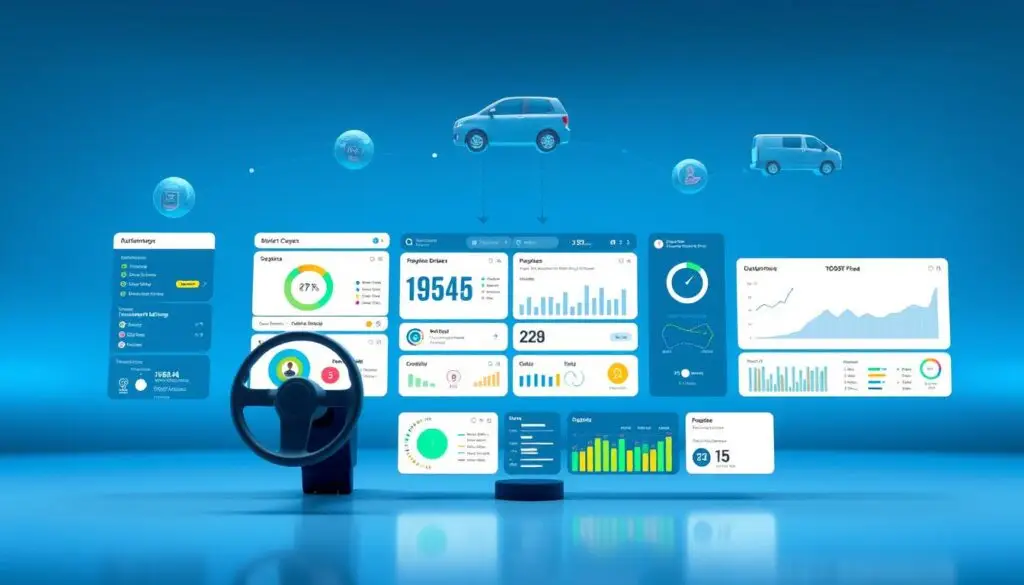
Video-Based Incident Review
Integrated dashcam footage transforms incident reviews from subjective disputes into objective learning opportunities. Supervisors and drivers review exactly what happened during safety events, eliminating disagreements about fault or circumstance. This evidence-based approach makes conversations more constructive and less confrontational.
Video evidence creates shared understanding of safety expectations. Drivers often self-correct when viewing their own behavior captured on camera. The visual record provides teaching moments that verbal descriptions cannot match, particularly for complex traffic situations or near-miss incidents.
Personalized Training Assignments
Intelligent driver training software analyzes individual performance patterns to recommend targeted training modules. A driver with frequent following-distance violations receives defensive driving refreshers. Someone with phone-use incidents gets distraction awareness training. This personalized approach proves more effective than generic training applied universally.
Integration with learning management systems tracks training completion and comprehension. The platform documents which courses each driver completed, when they finished, and their assessment scores—creating a comprehensive training record for regulatory compliance.
Progress Tracking and Follow-Up
Driver improvement tracking monitors whether coaching interventions actually change behavior. The system compares performance metrics before and after coaching sessions, measuring tangible improvements. Automated follow-up scheduling ensures supervisors revisit problematic behaviors after appropriate intervals.
Escalation protocols activate when drivers don’t respond to initial coaching efforts. The platform flags persistent safety concerns for management attention, enabling timely decisions about additional training, route reassignment, or disciplinary action. This accountability loop ensures unsafe behaviors receive consistent attention until resolved.
| Coaching Component | Traditional Approach | Automated System | Key Advantage |
|---|---|---|---|
| Incident Detection | Sporadic manager observation | Real-time automated alerts | 100% incident capture rate |
| Coaching Timing | Delayed by days or weeks | Triggered within hours | Immediate behavioral correction |
| Evidence Quality | Subjective recollections | Video-verified incidents | Objective, indisputable facts |
| Training Relevance | One-size-fits-all programs | Personalized skill development | Targeted improvement focus |
| Effectiveness Measurement | Anecdotal assessments | Quantified performance metrics | Verified behavior change |
Compliance and Regulatory Management
The regulatory framework surrounding fleet operations has grown increasingly complex, with penalties for non-compliance reaching devastating financial levels. Fleet compliance software addresses this challenge by automating critical regulatory processes that once consumed countless administrative hours. These platforms transform legal requirements from constant sources of anxiety into systematized workflows that protect both operating authority and financial stability.
Modern systems integrate multiple compliance functions into unified dashboards. Fleet managers gain visibility across driver qualifications, vehicle inspections, safety records, and testing programs. This centralized approach eliminates the fragmented record-keeping that historically created audit vulnerabilities and regulatory gaps.
Automating Hours of Service Requirements
Hours of Service tracking represents one of the most critical compliance functions for commercial fleets. Violations in this area carry penalties ranging from $1,000 to $11,000 per incident under 49 CFR Part 395, making automation essential for financial protection. Advanced platforms automatically calculate remaining driving hours based on current duty status and historical patterns.
These systems monitor driver activity in real time and generate alerts before regulatory limits are reached. Dispatchers receive advance warnings when drivers approach their 11-hour driving limit or 14-hour on-duty threshold. This proactive approach prevents violations before they occur rather than documenting them after the fact.
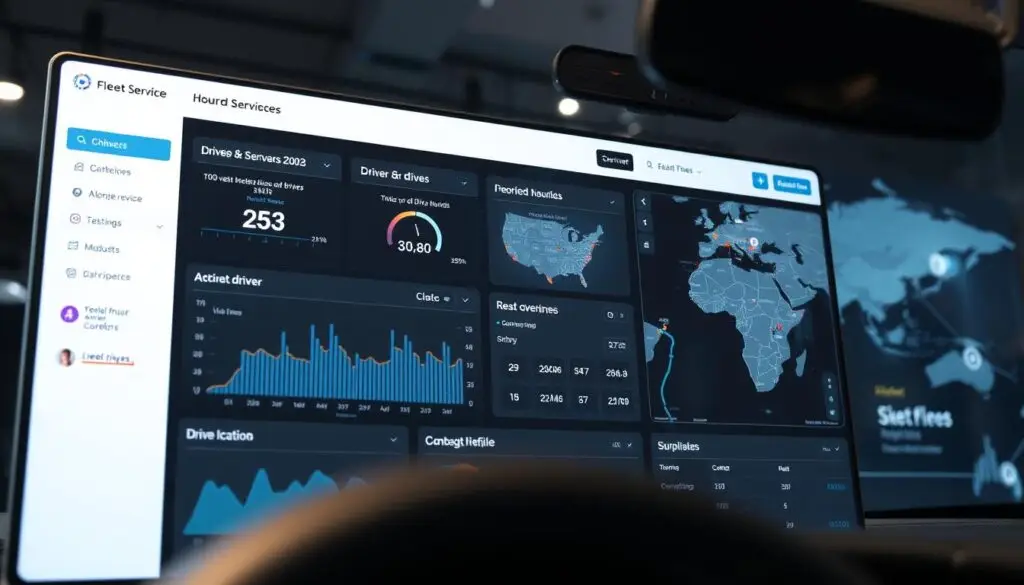
Seamless Electronic Logging Device Connectivity
ELD integration forms the technical foundation of modern compliance management. These devices automatically record driving time and duty status changes, eliminating the manual logs that were prone to errors and falsification. Platforms like Geotab seamlessly incorporate ELD data into comprehensive fleet management dashboards.
Proper implementation protects fleets from substantial financial exposure. ELD non-compliance violations carry penalties between $2,000 and $25,000 per occurrence under FMCSA enforcement guidelines. Beyond monetary fines, violations can trigger out-of-service orders that immediately halt revenue-generating operations.
Leading solutions from Samsara, Geotab, Fleetworthy, Motive, and Verizon Connect feature built-in FMCSA-compliant ELD functionality. These integrated approaches eliminate compatibility issues and data synchronization problems that plague disconnected systems.
Tracking Federal Motor Carrier Regulations
FMCSA compliance extends far beyond Hours of Service requirements. Regulations govern vehicle maintenance intervals, driver qualification files, safety ratings, and inspection protocols. Sophisticated platforms maintain updated regulatory rules within their systems, automatically applying relevant requirements based on vehicle classification and operation type.
This automation relieves fleet managers from manually tracking regulatory changes across multiple jurisdictions. When regulations evolve, platform updates ensure continued compliance without requiring fleet staff to become legal experts. Platforms also generate Driver Vehicle Inspection Reports through mobile applications, with apps like Geotab Drive automating DVIR workflows per 49 CFR Part 396 requirements.
Managing Drug and Alcohol Testing Programs
DOT compliance management includes comprehensive drug and alcohol testing requirements that create significant administrative complexity. Federal regulations mandate specific testing protocols for pre-employment screening, random selection, post-accident investigations, reasonable suspicion situations, and return-to-duty procedures. Modern platforms centralize these diverse requirements into manageable workflows.
Every new driver must complete drug testing before operating commercial vehicles. Software platforms track testing status for applicants, maintain laboratory results, and prevent vehicle assignment until requirements are satisfied. Regulations require statistically random selection of drivers for testing throughout the year, and automated systems generate selections using certified random algorithms, schedule appointments, and maintain documentation that withstands regulatory audits.
The HDJ Perspective
The fleet management software landscape has matured from a “nice to have” technology experiment into fundamental operational infrastructure. Fleet managers who wait for the “perfect” time to implement these systems watch their safety metrics, insurance costs, and competitive positioning deteriorate. The documented results—20% fewer fatalities, 35% fewer injuries, doubled safety scores in 90 days—aren’t marketing claims but verified outcomes from real operations. The question isn’t whether to invest in driver management technology, but how quickly you can get your implementation right.
Analytics and Reporting Capabilities
Advanced analytics capabilities separate comprehensive fleet management systems from basic tracking solutions by delivering meaningful intelligence from operational data. Modern fleet analytics software processes millions of data points daily, transforming raw telematics information into visual insights that drive strategic decisions. These platforms eliminate the guesswork from fleet safety management by presenting complex information through intuitive interfaces that anyone can understand.
Visual Intelligence for Fleet Safety
Safety reporting dashboards present complex fleet information through intuitive graphical interfaces that require no data science expertise. Heat maps show incident concentrations across routes and territories. Trend lines reveal safety score trajectories over time. Comparative charts benchmark individual driver performance against team averages.
“If you’re looking to answer questions about your fleet, there’s not a better way to go about it. You have live real-time data about your drivers, the vehicles, the costs associated with them. It really helps you leverage data in a meaningful way.”
— Austin Lundy, City of Raleigh
Fleet data visualization enables at-a-glance understanding of fleet safety status through real-time displays. Mobile dashboard access allows field supervisors to monitor safety metrics from any location, ensuring continuous oversight regardless of physical presence.
Strategic Reporting for Leadership
Executive fleet reports condense operational detail into strategic insights designed for senior leadership and board presentations. These automated reporting packages highlight overall safety trends, compliance status, incident cost analysis, and ROI metrics. Leaders can make informed decisions about safety investments without drowning in operational minutiae.
Automated delivery schedules ensure executives receive timely updates. Summary formats translate technical metrics into business outcomes that resonate with financial stakeholders.
Preventing Incidents Through Prediction
Predictive fleet analytics applies machine learning algorithms to historical patterns, identifying risks before they materialize. These advanced platforms calculate which drivers face statistically higher incident probability. They determine which vehicles require maintenance before breakdowns occur. They flag routes with elevated accident risk based on historical data.
Predictive models convert raw inputs into actionable risk scores, maintenance predictions, and route optimization insights. This capability shifts fleet management from reactive problem-solving to proactive risk prevention—the same approach that delivered Geotab’s documented 5.5% reduction in predicted collisions.
Tailored Reports for Every Stakeholder
Customizable report generation allows users to create specific reports tailored to distinct stakeholder needs. Safety committees require detailed incident analysis. Operations teams need utilization metrics. Finance departments track cost per mile. Compliance officers document regulatory adherence.
Scheduled automated delivery eliminates manual report compilation time. Drag-and-drop interfaces enable non-technical users to build sophisticated reports. Export options accommodate various formats for seamless integration with existing business intelligence systems.
Calculating ROI from Fleet Driver Management Software
The decision to invest in fleet driver management software becomes straightforward when you calculate the measurable financial impact on your bottom line. Typical fleet management ROI ranges from 3:1 to 6:1 within the first year, with most operations recovering their initial investment within 12 months. Understanding both direct and indirect cost savings helps executives justify technology adoption and set realistic expectations.
The ROI calculation formula provides a clear framework: (Cost avoided – Telematics investment) ÷ Telematics investment. This straightforward approach quantifies how safety technology transforms operational expenses into strategic advantages.
Direct Cost Savings
Immediate financial benefits create the foundation for strong returns. These quantifiable reductions appear quickly after implementation and continue growing over time. Video telematics systems deliver 20% reductions in fatal crashes and 35% decreases in injury crashes. Each prevented severe accident eliminates costs exceeding $100,000 when factoring in vehicle repairs, medical expenses, legal fees, regulatory fines, cargo loss, and downtime.
Documented safety improvements enable substantial insurance savings. Team Goliath reduced annual insurance costs by over $100,000 using safety features including driver scorecards and video telematics. Insurers increasingly offer telematics-based discounts recognizing that monitored fleets present measurably lower risk profiles.
Eliminating harsh acceleration, aggressive braking, and excessive idling extends vehicle lifespan significantly. Predictive maintenance capabilities reduce unplanned downtime by up to 30% and cut repair costs by 20%, per TMC recommended practices guidance. Lower fuel consumption from smoother driving patterns adds thousands in annual savings per vehicle.
| ROI Category | Annual Savings per Vehicle | Payback Period | Impact Level |
|---|---|---|---|
| Accident Prevention | $3,200 – $5,800 | 6-8 months | High |
| Insurance Premiums | $1,500 – $3,000 | 12 months | High |
| Maintenance Reduction | $1,200 – $2,400 | 8-10 months | Medium |
| Fuel Efficiency | $800 – $1,600 | 10-12 months | Medium |
| Driver Retention | $600 – $1,200 | 12-18 months | Medium |
Indirect Financial Benefits
Beyond immediate cost reductions, fleet efficiency gains create competitive advantages that strengthen business performance across multiple dimensions. Enhanced visibility into vehicle location and status enables dispatchers to optimize asset deployment. Fleets reduce deadhead miles, improve customer response times, and often decrease fleet size while maintaining service levels.
Documented safety commitments attract quality drivers and win customer contracts. Large shippers increasingly require carrier safety certifications backed by telematics data. Strong safety records protect brand value from accident-related negative publicity. Professional drivers prefer working for safety-focused fleets with modern equipment and fair coaching systems, reducing turnover that costs $8,000-$12,000 per driver replacement.
Free Professional Fleet Tools
Cost calculators, fault code lookup, maintenance planners, and more—built for owner-operators, fleet managers, and diesel techs. No signup required.
Implementation Strategies for Maximum Safety Impact
Fleet software implementation determines whether advanced safety platforms deliver measurable results or become expensive digital shelfware collecting virtual dust. Technical capabilities matter far less than organizational change management in predicting whether your investment transforms driver behavior and reduces incidents. The difference between fleets achieving dramatic safety improvements and those struggling with technology resistance lies in how deliberately they approach deployment.
Successful driver technology adoption requires strategic planning across four critical dimensions. Fleet managers must assess current operations thoroughly, design deployment sequences that minimize disruption, secure genuine driver support, and establish achievable targets that maintain momentum.
Conducting Thorough Operational Assessments
Before selecting any platform, document your current safety performance baseline with precision. Record existing incident rates, compliance violations, and operational pain points that technology should address. This assessment reveals whether you need collision reduction, Hours of Service compliance, or driver coaching capabilities most urgently.
Evaluate your technology infrastructure honestly. Identify integration requirements with existing maintenance systems, fuel management platforms, and dispatch software. Assess organizational readiness by gauging management commitment and driver receptiveness to change. Pilot programs validate collision-detection accuracy and benchmark new reporting against current operations before full commitment.
Designing Deployment Sequences
Phased rollout approaches minimize disruption while allowing organizational learning. Start with a single terminal or specific vehicle type rather than overwhelming your entire operation simultaneously. Deploy to early-adopter drivers who become internal champions, demonstrating benefits to skeptical colleagues.
Sequence feature activation strategically. Introduce GPS tracking first, then add driver scoring, and finally implement automated coaching workflows. This gradual approach prevents overwhelming users with full functionality immediately.
| Implementation Approach | Timeline | Risk Level | Best For |
|---|---|---|---|
| Big Bang Deployment | 2-4 weeks | High | Small fleets with urgent compliance needs |
| Phased Rollout | 3-6 months | Low | Large operations prioritizing change management |
| Pilot-Then-Expand | 4-8 months | Minimal | Risk-averse organizations needing proof of concept |
Securing Genuine Driver Support
Driver acceptance is the single most critical success factor in any safety technology deployment. Involve drivers early in platform evaluation, soliciting their input on features and usability concerns. Explain how technology protects them from false accident claims rather than simply monitoring behavior.
At Team Goliath, a Domino’s Pizza franchisee, employees initially expressed skepticism about video cameras. Once drivers understood that video recordings provided protection and peace of mind during disputed incidents, support grew substantially. Transparency transforms resistance into acceptance.
Share performance scorecards through mobile applications like Geotab Drive, providing continuous feedback that drivers can access independently. Emphasize coaching over punishment in all communications. Address privacy concerns directly and honestly, explaining what data gets collected and how it’s used. Create driver advisory committees that give voice to concerns and recommendations.
Establishing Achievable Targets
Realistic fleet safety goals maintain momentum without setting teams up for failure. The City of Raleigh targeted a safety score of 75 within six months when implementing their driver management system. They exceeded expectations by reaching 80.5 in just three months through consistent coaching.
Apply SMART goal frameworks: Specific, Measurable, Achievable, Relevant, and Time-bound. Instead of vague aspirations like “improve safety,” set concrete targets such as “reduce harsh braking events by 25% within 90 days.” Benchmark against peer fleets in similar industries. Celebrate incremental improvements publicly, recognizing drivers who demonstrate consistent progress.
Integration with Fleet Ecosystems
Today’s fleet driver management platforms achieve maximum value through seamless connectivity with maintenance, dispatch, fuel, and specialized safety systems. Rather than operating as standalone solutions, modern platforms function as central hubs that unify data from multiple sources. This integration eliminates information silos and creates comprehensive operational visibility.
Fleet managers benefit from ecosystem approaches that connect previously disconnected systems. Platforms with robust API connectivity enable data exchange between technologies without manual intervention. The result is a technology stack that works together to enhance safety and efficiency across operations.
Connecting Maintenance Operations
Linking driver management platforms with maintenance systems creates powerful operational synergies. Maintenance integration automatically schedules preventive service based on telematics-detected mileage and engine hours. Driver-reported vehicle issues from DVIR inspections flow directly into maintenance work orders.
These connections reduce vehicle downtime significantly. Mechanics receive diagnostic fault codes detected by telematics before vehicles arrive at the shop. The system also correlates driver behavior patterns like harsh braking with accelerated wear on brake components.
Fuel Management Platform Connections
Connecting telematics data with fuel card systems provides comprehensive consumption management. Integration links fuel purchases to specific vehicles and drivers automatically. Fleet managers can identify fuel theft through volume discrepancies between card transactions and tank capacity.
The combined data enables fuel efficiency analysis across the entire fleet. Managers correlate driving behaviors with consumption patterns to identify improvement opportunities. Route optimization based on fuel economy becomes possible when both systems share information.
Unified Dispatch Operations
Dispatch system integration ensures real-time coordination between planning and execution. Fleet management platforms exchange location data with dispatch systems for dynamic scheduling adjustments. Estimated arrival times update automatically based on actual vehicle progress and traffic conditions.
This connectivity eliminates duplicate data entry across systems. Dispatchers work with current information rather than outdated snapshots. On-time performance tracking becomes accurate when systems synchronize delivery windows with actual arrival data.
Specialized Safety Technology Networks
Leading platforms maintain ecosystems of specialized safety technologies through open APIs. Fleet system compatibility enables connections with dashcam providers like Netradyne, which Plastic Express successfully integrated with Geotab. Collision avoidance systems and driver monitoring devices connect seamlessly to core platforms. Compliance specialists like Fleetworthy connect with fleet management systems to streamline regulatory reporting.
| Integration Type | Primary Benefits | Data Exchange |
|---|---|---|
| Maintenance Systems | Automated scheduling, reduced downtime, predictive maintenance | Mileage, engine hours, fault codes, DVIR reports |
| Fuel Management | Theft detection, efficiency analysis, cost optimization | Fuel purchases, consumption rates, driver behavior |
| Dispatch Software | Real-time scheduling, accurate ETAs, performance tracking | Vehicle location, route progress, delivery status |
| Safety Technologies | Enhanced monitoring, specialized detection, compliance automation | Video footage, collision alerts, driver monitoring data |
Open architecture and integration capabilities represent essential platform selection criteria. Fleet technology investments must work together rather than creating new data silos. The most effective safety programs leverage connected ecosystems where each component enhances the others through shared intelligence.
Frequently Asked Questions
What is fleet driver management software?
Fleet driver management software combines GPS tracking, telematics, AI-powered analytics, and behavioral monitoring to improve fleet safety and operational efficiency. Modern platforms integrate real-time vehicle monitoring, driver behavior analysis, compliance management, and automated coaching into unified systems. These solutions transform raw operational data into actionable safety insights, enabling fleet managers to prevent accidents before they occur rather than responding after incidents happen. Leading platforms include Motive, Geotab, Samsara, and Verizon Connect.
How much can fleet management software reduce accidents?
Video telematics systems can reduce fatal crashes by 20% and injury crashes by 35%, according to industry research from the American Transportation Research Institute. Individual fleet results vary based on implementation quality and driver engagement. Organizations implementing comprehensive safety programs with automated coaching have documented significant improvements—the City of Raleigh doubled their safety scores within three months of deploying driver management technology through consistent coaching and performance tracking.
What ROI can fleets expect from driver management software?
Typical fleet management ROI ranges from 3:1 to 6:1 within the first year, with most operations recovering their initial investment within 12 months. Cost savings come from accident prevention, reduced insurance premiums, lower maintenance expenses, improved fuel efficiency, and decreased driver turnover. Team Goliath reduced annual insurance costs by over $100,000 using safety features including driver scorecards and video telematics. The ROI formula is straightforward: (Cost avoided – Telematics investment) ÷ Telematics investment.
What compliance features do fleet management platforms include?
Modern platforms automate Hours of Service tracking per 49 CFR Part 395, ELD compliance, DVIR workflows per 49 CFR Part 396, drug and alcohol testing coordination, and driver qualification file management. These systems monitor regulatory limits in real time and generate alerts before violations occur. Comprehensive compliance management protects fleets from penalties ranging from $1,000 to $25,000 per violation while maintaining CSA scores and operating authority. ELD integration eliminates manual logs prone to errors and falsification.
How do AI dashcams improve fleet safety?
AI-powered dashcams use machine learning algorithms to identify risks in real-time, including distracted driving, drowsiness, phone use, and dangerous following distances. Dual-facing camera systems monitor both road conditions and driver behavior simultaneously, creating comprehensive incident documentation. Context-aware detection distinguishes between genuine safety events and false positives—recognizing that hard braking to avoid a deer differs from aggressive driving—reducing alert fatigue while focusing coaching efforts on actual risks.
What factors determine successful fleet software implementation?
Driver acceptance is the single most critical success factor in any safety technology deployment. Successful implementations involve drivers early in platform evaluation, explain how technology protects them from false claims, and emphasize coaching over punishment. Phased rollouts starting with early-adopter drivers minimize disruption while building internal champions. Setting realistic SMART goals maintains momentum—the City of Raleigh targeted a safety score of 75 within six months and exceeded it, reaching 80.5 in just three months through consistent performance tracking and coaching.
Moving Forward with Fleet Safety Technology
Fleet driver management software has evolved from optional technology into fundamental operational infrastructure. The documented results speak clearly: 20% fewer fatal crashes, 35% fewer injury crashes, doubled safety scores in 90 days, and ROI reaching 6:1 within the first year. Fleets delaying implementation face growing competitive disadvantages in safety performance, insurance costs, and regulatory compliance.
The path forward requires thoughtful change management and genuine driver engagement. Platforms from Motive, Geotab, Samsara, and Verizon Connect deliver the technology—your organization supplies the commitment to make it work. Start by assessing current safety metrics and documenting your baseline. Evaluate leading platforms against your specific operational needs. Design a phased implementation that builds driver buy-in from day one.
The telematics market’s projected growth to $127.23 billion by 2034 confirms that data-driven safety has become the industry standard, not the exception. Transportation operations committed to protecting their people and their bottom line cannot afford to wait.
Share This Guide With Your Team
Know a fleet manager or safety director who’s evaluating driver management software? Share this comprehensive guide to help them make an informed decision.