

By Michael Nielsen, Editor & Publisher | 15+ Years in Diesel Repair
Last Updated: February 2026
📖 Estimated reading time: 21 minutes
Fleet dispatchers serve as the operational nerve center of every commercial transportation company, coordinating driver schedules, route assignments, and compliance requirements while solving problems in real time. These professionals manage the complex intersection where logistics coordination meets customer service and regulatory adherence—keeping freight moving safely across the United States. The role demands sophisticated multitasking, advanced technology skills, and split-second decision making that directly impacts company profitability and driver safety.
Women are increasingly stepping into leadership positions across dispatch centers nationwide, bringing communication strengths, strategic thinking, and crisis management expertise that enhance fleet operations. The growing presence of female professionals in dispatching roles reflects a broader shift in the transportation industry toward recognizing that diverse teams drive better operational outcomes. For anyone considering a career in fleet coordination—or fleet managers looking to strengthen their dispatch operations—understanding what defines excellence in this role is essential.
Key Takeaways
- Operational command hub: Fleet dispatchers coordinate 45-50 drivers daily, managing route assignments, load planning, HOS compliance, and real-time problem resolution simultaneously.
- Growing female leadership: Women in transportation dispatch bring documented strengths in communication, compliance accuracy, and collaborative problem-solving that improve fleet performance.
- Technology-driven role: Modern dispatching requires proficiency in TMS platforms, GPS/telematics, ELDs, and mobile coordination tools that transform raw data into actionable decisions.
- Competitive compensation: Dispatcher salaries range from $35,000 at entry level to $85,000+ for senior roles, with comprehensive benefits including tuition assistance, healthcare, and retirement contributions.
- Clear advancement pathways: Career progression moves from entry-level dispatcher through senior, lead, and supervisor roles to operations manager and director-level positions.
- Multiple entry points: Candidates enter through high school diploma plus experience, logistics degrees, CDL certification, or customer service backgrounds in transportation companies.
Understanding Fleet Dispatch Operations in Commercial Transportation
Dispatchers function as the strategic command center controlling thousands of daily vehicle movements across the country. These professionals coordinate complex networks where timing, efficiency, and safety converge to deliver goods on schedule. Fleet dispatch operations extend far beyond simple phone calls and route assignments into sophisticated orchestration of people, technology, and resources.
Modern dispatching involves managing real-time GPS tracking, fleet management software, and federal and state safety regulations simultaneously. Dispatchers monitor driver wellness, handle crisis management, and ensure compliance with 49 CFR Part 395 Hours of Service regulations. The role demands constant vigilance and the ability to make split-second decisions that affect operational success.

The Foundation of Logistics Coordination
Dispatchers serve as the vital connection between customers, drivers, management teams, and regulatory bodies. They orchestrate the movement of goods across networks that span cities, states, and entire regions. Logistics coordination requires balancing customer expectations with driver capabilities, vehicle availability, and regulatory constraints—all while maintaining cost efficiency.
This central position means dispatchers must maintain clear communication channels at all times. They translate customer requirements into actionable driver assignments, provide drivers with critical information about routes, cargo, and delivery specifications, and relay status updates back to management and customers. When problems arise—and they always do—dispatchers are the first line of response.
Key Components of Dispatch Management
Effective dispatch management systems incorporate multiple operational elements that work together seamlessly. Vehicle assignment matches the right equipment with specific cargo requirements. Route optimization considers traffic patterns, weather conditions, and delivery windows to maximize efficiency. Load planning ensures proper weight distribution and cargo security for safe transportation.
| Dispatch Component | Primary Function | Business Impact |
|---|---|---|
| Vehicle Assignment | Match equipment to cargo specifications | Reduces empty miles and maximizes asset utilization |
| Route Optimization | Plan efficient paths considering multiple variables | Decreases fuel costs and improves delivery times |
| Load Planning | Coordinate cargo weight and distribution | Enhances safety and prevents equipment damage |
| Communication Protocols | Maintain driver connectivity and status updates | Enables real-time problem resolution |
| Compliance Documentation | Track regulatory requirements and records | Avoids penalties and maintains operating authority |
Economic Value in the U.S. Transportation Sector
Professional fleet dispatch operations contribute directly to operational profitability in an industry where margins remain tight. Efficient coordination reduces fuel consumption by selecting optimal routes and consolidating shipments. Maximizing asset utilization means vehicles spend more time generating revenue and less time sitting idle.
Transportation management excellence minimizes delivery delays that erode customer satisfaction and damage business relationships. According to ATRI’s Operational Costs of Trucking research, fuel and driver wages represent the largest line-item expenses for carriers—areas where skilled dispatchers create measurable savings through route efficiency and schedule optimization. Companies with superior dispatch operations consistently achieve better fuel efficiency compared to industry averages.
The cumulative effect of skilled dispatching ripples throughout the entire supply chain. Retailers maintain proper inventory levels. Manufacturers receive raw materials on schedule. Consumers get products when promised. This interconnected system depends on dispatchers making thousands of correct decisions every single day.
Core Dispatcher Responsibilities and Daily Operations
Dispatcher responsibilities form the operational backbone of commercial transportation, requiring continuous attention across scheduling, documentation, and problem-solving domains. The role demands simultaneous management of multiple critical functions that directly impact service delivery, regulatory compliance, and company profitability. Experienced dispatchers coordinate activities for 45-50 drivers daily while maintaining service quality and operational efficiency.

Driver Scheduling and Route Assignment
Driver scheduling represents one of the most complex dispatcher responsibilities, requiring careful consideration of multiple variables simultaneously. Dispatchers must match driver qualifications with specific cargo requirements, customer preferences, and delivery timeframes. Hours of Service regulations under 49 CFR Part 395 add another layer of complexity, mandating specific rest periods and maximum driving hours that dispatchers must track meticulously to prevent violations.
Balancing workload equity across the driver fleet ensures fair treatment while maintaining operational capacity. Route assignment involves analyzing geographic factors, traffic patterns, weather conditions, and delivery windows. Dispatchers create optimized schedules that minimize deadhead miles while maximizing productive driving time—a skill that directly affects company profitability.
Real-Time Problem Resolution
Transportation operations rarely proceed exactly as planned, making real-time problem resolution an essential dispatcher capability. Vehicle breakdowns, traffic accidents, weather emergencies, and unexpected customer changes occur frequently in commercial transportation. When problems arise, dispatchers must quickly assess available resources and implement alternative solutions—rerouting drivers, arranging backup vehicles, or coordinating with maintenance teams for emergency repairs.
15-20%
Fuel efficiency improvement achieved by companies with superior dispatch operations through route optimization and load consolidation, per fleet management industry benchmarks
Communication skills become critical during crisis situations. Dispatchers must keep drivers informed, update customers on delivery status, and coordinate with management regarding operational changes. The ability to maintain service continuity despite operational disruptions separates exceptional dispatchers from average performers.
Compliance Documentation and Regulatory Adherence
Fleet compliance represents a critical responsibility that protects companies from legal liability and operational penalties. Dispatchers maintain extensive records including hours-of-service logs, vehicle maintenance schedules, delivery confirmations, and incident reports. Federal transportation regulations under 49 CFR Part 396 require meticulous documentation for inspection and maintenance requirements.
The documentation burden extends beyond simple record-keeping to include proactive compliance monitoring. Dispatchers must identify potential violations before they occur, scheduling preventative maintenance and ensuring drivers receive adequate rest periods. This preventative approach minimizes regulatory risks while supporting operational safety objectives—and directly affects a carrier’s CSA scores.
| Daily Task Category | Frequency | Complexity Level | Time Investment |
|---|---|---|---|
| Driver scheduling and assignments | Multiple times daily | High | 2-3 hours |
| Real-time problem resolution | Continuous monitoring | Very High | 3-4 hours |
| Load planning coordination | Throughout shift | Medium-High | 1-2 hours |
| Compliance documentation | End of shift | Medium | 1-2 hours |
Essential Skills That Define Successful Fleet Dispatchers
Outstanding dispatcher performance emerges from developing specialized skills that enable professionals to navigate complex logistical challenges with confidence and precision. The transportation industry demands a sophisticated blend of technical competencies and interpersonal abilities that distinguish exceptional dispatchers from basic operational knowledge. Female fleet dispatchers who excel in this field cultivate these capabilities through experience, training, and continuous professional development.

Advanced Multitasking and Prioritization
Fleet dispatchers manage multiple responsibilities simultaneously while maintaining accuracy across all operational dimensions. Multitasking abilities enable professionals to monitor driver locations, process customer requests, update scheduling systems, and respond to emergencies without compromising service quality. This cognitive demand requires exceptional organizational techniques and mental stamina that develops with experience.
Successful dispatchers develop systematic approaches to prioritization that account for urgency, business impact, and resource availability. They assess competing demands in real-time and allocate attention strategically. The ability to shift focus rapidly between tasks while maintaining situational awareness across the entire fleet separates competent dispatchers from exceptional ones.
Strategic Communication Across Multiple Channels
Professional communication skills form the foundation of effective fleet coordination. Dispatchers interact with drivers, customers, management teams, maintenance personnel, and regulatory officials through diverse channels including phone, radio, email, text messaging, and specialized dispatch software. Each interaction requires adapting communication style to the audience while maintaining clarity and professionalism.
Dispatchers must convey complex information concisely, listen actively to understand problems, and document conversations accurately for compliance purposes. During crisis situations—delayed deliveries, equipment failures, scheduling conflicts—communication effectiveness determines whether problems escalate or get resolved quickly.
Critical Thinking and Geographic Expertise
Critical thinking capabilities enable dispatchers to analyze complicated situations under time pressure and implement effective solutions. When drivers encounter road closures, equipment failures, or schedule conflicts, dispatchers must quickly evaluate options, anticipate consequences, and choose optimal responses. This analytical process often occurs with incomplete information and high operational stakes.
Comprehensive route expertise distinguishes knowledgeable dispatchers from those who simply follow mapping software. Understanding regional geography, traffic patterns, seasonal road conditions, delivery location characteristics, and alternative routing options enables dispatchers to optimize schedules and provide valuable guidance to drivers. This knowledge develops through experience, continuous learning, and attention to operational feedback.
Technology Platforms Powering Modern Fleet Dispatch
Today’s fleet dispatchers rely on an integrated suite of technology solutions that streamline coordination and enhance operational visibility. These digital tools transform raw data into actionable insights, enabling dispatchers to make informed decisions throughout their shifts. The sophistication of modern transportation technology requires continuous learning and adaptability from operations professionals.

Transportation Management Systems and Integration
Fleet management software serves as the central nervous system for transportation operations. These platforms coordinate order management, route planning, carrier selection, and performance analytics within a unified interface. Dispatchers access real-time data that informs strategic decisions about resource allocation and scheduling optimization.
Modern systems integrate with accounting software, customer relationship management tools, and warehouse management platforms. This connectivity eliminates duplicate data entry and reduces human error. Integrated systems allow dispatchers to identify efficiency opportunities that might otherwise remain hidden in isolated data silos—a capability that becomes increasingly valuable as fleet complexity grows.
Real-Time Vehicle Monitoring and Telematics
GPS tracking systems provide continuous visibility into fleet locations, movement patterns, and operational status. Telematics solutions extend beyond simple location data to capture driver behavior, fuel consumption, engine diagnostics, and maintenance needs. Dispatchers monitor these metrics to identify safety concerns before they escalate into serious incidents.
The predictive capabilities of telematics platforms enable proactive maintenance scheduling that prevents breakdowns. Pattern recognition across telematics data—such as identifying routes with consistently higher fuel consumption or drivers who may need additional coaching—creates opportunities for continuous operational improvement. The American Trucking Associations reports that technology adoption continues accelerating across fleets of all sizes, making telematics proficiency an essential dispatcher skill.
Electronic Logging Devices and Compliance Automation
Electronic Logging Devices automatically track driver hours and enforce federally mandated rest requirements under the FMCSA’s ELD mandate. These systems prevent hours-of-service violations that could result in substantial fines and safety risks. Dispatchers use this information to schedule routes that maximize productivity while maintaining full regulatory compliance.
The automation of compliance documentation reduces administrative burden significantly. However, dispatchers must still interpret the data and make strategic decisions about driver assignments. Understanding the nuances of HOS exceptions—adverse driving conditions, short-haul exemptions, personal conveyance rules—requires human expertise that no automated system fully replaces.
| Technology Platform | Primary Functions | Dispatcher Benefits |
|---|---|---|
| Transportation Management Systems | Order processing, route optimization, carrier selection, freight auditing | Centralized control, data-driven decisions, performance tracking |
| GPS Tracking and Telematics | Real-time location, driver behavior monitoring, fuel analysis, maintenance alerts | Fleet visibility, safety management, cost reduction |
| Electronic Logging Devices | HOS tracking, compliance reporting, driver logs, violation prevention | Regulatory compliance, schedule optimization, reduced liability |
| Mobile Communication Apps | Instant messaging, document sharing, route updates, proof of delivery | Real-time coordination, improved accuracy, faster problem resolution |
Women in Fleet Dispatch: Leading Industry Excellence
Female fleet dispatchers have emerged as powerful drivers of efficiency, safety, and innovation in commercial transportation operations. The presence of women in transportation continues to expand across dispatch centers nationwide, bringing fresh perspectives and proven capabilities to this demanding role. Organizations increasingly recognize that gender diversity in dispatch operations strengthens team performance and operational results.

Growing Representation in Transportation Operations
The commercial transportation sector shows increasing acceptance of women in leadership positions within dispatch operations. Companies actively recruit female talent, recognizing the competitive advantages that diverse teams bring to decision-making processes. Woman-owned transportation companies with all-female dispatching teams have demonstrated that female-led dispatch operations achieve exceptional performance standards, earning top customer satisfaction ratings through professionalism and commitment to safety.
This growth pattern extends across regional carriers, national fleets, and specialized transportation providers. Bureau of Transportation Statistics freight data shows the transportation workforce continues evolving, with women filling increasingly critical operational roles throughout the supply chain.
Contributions to Operational Efficiency
Industry research indicates that female dispatchers enhance operations through distinctive approaches to coordination challenges. Documented strengths include detailed communication protocols that reduce misunderstandings and prevent costly errors. Collaborative problem-solving represents another significant contribution—women in dispatch roles frequently employ team-oriented strategies that engage drivers, maintenance personnel, and customer service representatives in finding solutions together.
Attention to compliance requirements stands out as a measurable advantage. Female dispatchers typically maintain meticulous documentation practices, ensuring regulatory adherence while minimizing liability risks. These practices directly contribute to better CSA scores, fewer violations during roadside inspections, and stronger company reputations with shippers.
The HDJ Perspective
The conversation around women in fleet dispatch has shifted from whether they belong to recognizing that they’re essential. Fleet managers we’ve spoken with consistently report that diverse dispatch teams produce better outcomes—not because of gender specifically, but because different perspectives catch different problems. In an industry where a single missed compliance deadline or overlooked route hazard can cost thousands of dollars, having dispatchers who approach challenges from multiple angles is a genuine competitive advantage. The carriers investing in recruiting and retaining female dispatchers today are positioning themselves for stronger operations tomorrow.
Leadership Qualities and Communication Strengths
Industry observations reveal that many female dispatchers excel at empathetic communication that builds trust with diverse stakeholders. This ability proves essential when managing driver concerns, addressing customer requests, and coordinating with management teams. Conflict de-escalation represents a particularly valuable skill—transportation operations inevitably involve tense situations where dispatchers who can reduce tension and focus conversations on solutions maintain productivity during crises.
Multitasking under pressure showcases the leadership qualities that define successful dispatchers regardless of gender. Female professionals in these roles demonstrate remarkable composure during emergencies, managing multiple communication channels while maintaining strategic oversight of fleet operations. These qualities translate directly to improved safety records, enhanced customer satisfaction, and reduced driver turnover.
Professional Challenges and Strategic Solutions
Women entering fleet dispatch operations face distinct professional hurdles that can be systematically overcome through targeted strategies. The transportation industry has traditionally been male-dominated, which creates specific workplace challenges that require both awareness and practical solutions. However, female dispatchers consistently demonstrate that competence and strategic approaches lead to exceptional performance and career success.

Establishing Authority Through Performance
Some drivers, customers, or colleagues may initially question a female dispatcher’s authority due to ingrained stereotypes. The most effective response is demonstrated expertise—professional credibility develops through comprehensive transportation knowledge and fair, consistent decision-making. Female dispatchers build relationships with drivers based on mutual respect by applying the same standards uniformly and resolving problems efficiently.
Companies that invest in clear protocols and merit-based evaluation create environments where operational results speak louder than assumptions. Digital communication platforms enhance coordination and reduce interpersonal friction. These organizational supports prove essential for fostering inclusive operations where dispatchers are evaluated on outcomes rather than demographics.
Navigating Operational Pressure and Work-Life Balance
Fleet dispatch involves simultaneous emergencies, demanding customers, and driver conflicts that create intense operational pressure. Effective stress management requires emotional intelligence, systematic prioritization, and support networks within the organization. Dispatchers who maintain calm under pressure and clear-headed analysis during crises develop reputations that transcend any initial skepticism.
The reality of 24/7 operations creates demanding schedules and on-call responsibilities. Achieving sustainable work-life balance requires boundary-setting and employer flexibility programs. Successful dispatchers communicate their availability clearly while remaining committed to operational excellence. Negotiating schedules that accommodate personal needs without compromising service quality enables long-term career sustainability in fleet operations.
Free Professional Fleet Tools
Cost calculators, fault code lookup, maintenance planners, and more—built for owner-operators, fleet managers, and diesel techs. No signup required.
Career Entry and Professional Requirements
Breaking into the fleet dispatch profession demands a combination of foundational credentials and industry-specific qualifications. Understanding dispatcher requirements helps aspiring professionals plan strategic career entry approaches that align with their background and goals. The transportation industry values both formal education and practical knowledge, creating opportunities for candidates from diverse educational backgrounds.
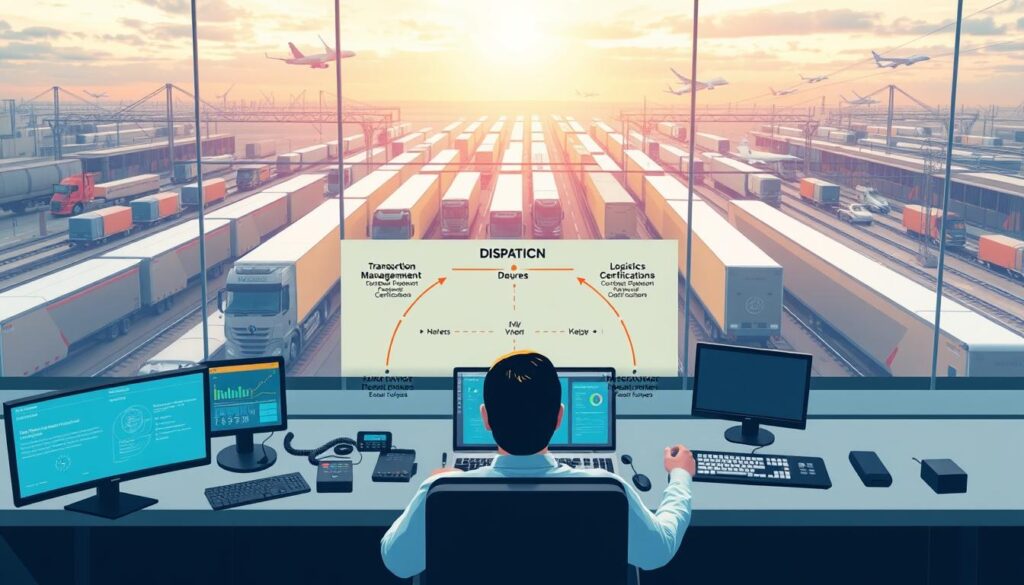
Educational Standards and Certification Pathways
Entry-level dispatcher positions typically require a high school diploma or GED equivalent as the foundational education requirement. Many employers combine this minimum standard with experience requirements, creating accessible pathways for candidates without college degrees. Pursuing higher education provides competitive advantages—associate degrees in logistics, business administration, or supply chain management demonstrate commitment to the profession, while bachelor’s degrees in transportation management often lead to faster career progression.
Industry certifications significantly enhance employability and professional credibility. The Commercial Driver’s License stands out as particularly valuable, even for dispatchers who don’t drive commercially—understanding driver perspectives and regulations creates operational advantages. Additional valuable credentials include the Certified Transportation Professional designation, fleet management certification programs, safety training credentials covering DOT regulations, and specialized software certifications for transportation management systems.
| Educational Pathway | Time Investment | Career Entry Level | Advancement Potential |
|---|---|---|---|
| High School + 2 Years Experience | 2-3 years total | Entry-level dispatcher | Moderate progression |
| Associate Degree in Logistics | 2 years academic | Junior dispatcher | Good advancement options |
| Bachelor’s Degree + Internship | 4 years academic | Dispatcher or coordinator | Accelerated career growth |
| CDL + Industry Certifications | 6-12 months training | Specialized dispatcher | Strong technical credibility |
Building Foundational Transportation Experience
Practical experience often proves equally important as formal education for career success. Entry-level positions in logistics coordination or customer service within transportation companies offer excellent foundations. These roles expose aspiring dispatchers to fleet operations, communication protocols, and problem-solving scenarios. Administrative positions in transportation offices provide exposure to documentation, compliance requirements, and operational workflows.
Some candidates gain valuable perspective by starting as drivers themselves. This firsthand experience creates deep understanding of road challenges, regulatory constraints, and driver concerns that makes dispatch decisions more informed and empathetic. Internship programs with transportation providers offer structured learning opportunities that combine observation with hands-on coordination tasks. The most successful career entry strategies combine formal education with practical transportation experience across multiple operational areas.
Career Advancement, Compensation, and Industry Outlook
Fleet dispatchers who demonstrate operational excellence discover numerous pathways to advance into management and specialized leadership positions. The transportation industry recognizes dispatching as a foundational role that builds comprehensive operational knowledge, and this expertise translates directly into qualifications for senior management responsibilities.
Advancement Pathways and Specialization
The typical progression path starts at entry-level dispatcher and moves through several distinct stages: senior dispatcher, lead dispatcher managing small teams and shift operations, dispatch supervisor with direct management responsibilities, operations manager requiring strategic planning abilities, and eventually director-level positions overseeing entire transportation divisions. Many employers invest in employee growth through tuition assistance programs providing up to $6,000 annually for continuing education.
Dispatchers can also pursue fleet specialization to distinguish themselves and access premium compensation. Refrigerated transport operations require expertise in temperature-controlled logistics and cold chain management. Hazardous materials transport demands advanced regulatory knowledge. Intermodal logistics combines rail, truck, and ocean freight coordination. These specializations command higher salaries because they require advanced technical knowledge that fewer professionals possess.
Compensation Overview
Entry-level fleet dispatchers typically earn between $35,000 and $45,000 annually during their first years in the profession, varying based on company size, geographic location, and industry sector. Metropolitan areas with higher costs of living generally offer premium compensation. Experienced dispatchers with three to five years command $45,000 to $65,000 per year, while those advancing to senior or supervisory positions can earn $65,000 to $85,000 or more annually.
| Experience Level | Annual Salary Range | Hourly Equivalent | Regional Notes |
|---|---|---|---|
| Entry-Level Dispatcher | $35,000 – $45,000 | $16.83 – $21.63 | Standard baseline |
| Experienced Dispatcher (3-5 yrs) | $45,000 – $65,000 | $21.63 – $31.25 | +15% in major metros |
| Senior / Supervisor | $65,000 – $85,000+ | $31.25 – $40.87+ | +20% in shortage regions |
Comprehensive benefits significantly enhance total compensation beyond base salary. Leading transportation employers provide medical, dental, and vision coverage, retirement contribution programs with employer matching up to 6-8%, paid time off packages of five weeks or more, student loan assistance programs, tuition reimbursement, and family-friendly benefits including emergency child and elder care options.
Job Market Demand and Growth Trends
Strong market trends indicate expanding opportunities for qualified fleet dispatchers nationwide. E-commerce growth continues driving increased demand for sophisticated logistics coordination and real-time transportation management. The ongoing driver shortage paradoxically strengthens dispatcher employment prospects—companies require skilled operational coordinators to maximize efficiency from available driver resources and manage increasingly complex scheduling constraints.
Retiring workforce demographics create additional openings as experienced dispatchers transition from active careers. Industry complexity continues increasing, demanding professionals with advanced technological proficiency and strategic problem-solving abilities. These factors establish fleet dispatching as an economically viable career offering competitive wages, comprehensive benefits, job security, and advancement potential.
Performance Metrics and Professional Development
Success in fleet dispatch operations requires tracking specific performance metrics that establish credibility and demonstrate professional value. Dispatchers who consistently improve measurable outcomes create documented evidence of their contributions to company profitability and operational efficiency.
Key Performance Indicators for Fleet Dispatchers
- On-time delivery percentages: Measuring schedule adherence and customer satisfaction
- Driver utilization rates: Maximizing productive hours and minimizing idle time
- Miles per gallon efficiency: Demonstrating fuel cost management through route optimization
- Safety incident rates: Reflecting driver coaching effectiveness and risk management
- HOS compliance rates: Ensuring regulatory adherence and avoiding violations
- Driver retention rates: Showing relationship management and workplace satisfaction
- Cost per mile calculations: Comprehensive operational efficiency measurement
Female dispatchers and leaders drive innovation in fleet management through predictive analytics for maintenance scheduling, driver coaching programs that improve safety records, customer communication systems that enhance satisfaction through proactive updates, and workplace culture improvements that reduce driver turnover. Professional networks through industry associations, women in trucking organizations, and mentorship programs connect experienced professionals with emerging talent, creating pathways for continued career advancement.
The CVSA’s out-of-service criteria provide a framework that dispatchers use to ensure vehicles meet inspection standards before deployment—a compliance area where attention to detail directly prevents costly violations and roadside delays.
Frequently Asked Questions
What does a fleet dispatcher do on a daily basis?
Fleet dispatchers coordinate driver schedules, assign routes, monitor real-time vehicle locations through GPS tracking, manage Hours of Service compliance, handle emergency rerouting, and maintain communication between drivers, customers, and management. Experienced dispatchers typically manage 45-50 drivers simultaneously while balancing load planning, compliance documentation, and real-time problem resolution. The role requires continuous attention across scheduling, safety, and customer service domains throughout each shift.
What qualifications do you need to become a fleet dispatcher?
Entry-level fleet dispatcher positions typically require a high school diploma or GED combined with two years of dispatching or logistics experience. Alternatively, a bachelor’s degree in transportation management, logistics, or business administration can substitute for direct experience. Valuable certifications include a Commercial Driver’s License, Certified Transportation Professional designation, and fleet management software training. FMCSA Drug and Alcohol Clearing House verification is commonly required, and candidates should be prepared to pass background clearances.
How much do fleet dispatchers earn in the United States?
Fleet dispatcher salaries range from $35,000-$45,000 annually for entry-level positions, $45,000-$65,000 for experienced dispatchers with three to five years of service, and $65,000-$85,000 or more for senior dispatchers and supervisors. Metropolitan areas with higher costs of living and regions experiencing driver shortages typically offer premium compensation. Benefits packages often include medical coverage, retirement contributions with employer matching up to 6-8%, over five weeks of paid time off, and tuition assistance programs.
What technology platforms do modern fleet dispatchers use?
Modern fleet dispatchers rely on Transportation Management Systems for centralized order processing and route optimization, GPS tracking and telematics platforms for real-time vehicle monitoring and driver behavior analysis, Electronic Logging Devices for automated Hours of Service compliance tracking, and mobile dispatch applications for instant driver communication. These platforms integrate with accounting software, warehouse management systems, and customer portals to create comprehensive operational visibility across the entire fleet.
What career advancement opportunities exist for fleet dispatchers?
Fleet dispatchers advance through a clear progression from entry-level dispatcher to senior dispatcher, lead dispatcher, dispatch supervisor, operations manager, and director-level positions overseeing entire transportation divisions. Specialization in refrigerated transport, hazardous materials, intermodal logistics, or dedicated contract fleets commands higher salaries and opens niche leadership roles. Many employers invest in career development through tuition assistance up to $6,000 annually, professional certification support, and mentorship programs.
Building a Career in Fleet Dispatch Operations
Fleet dispatching represents a critical and rewarding career where logistics coordination, customer service, and compliance management converge. Female transportation professionals continue demonstrating that diverse dispatch teams produce stronger operational outcomes through communication excellence, meticulous attention to compliance, and collaborative problem-solving. The career offers competitive compensation starting at $35,000 and reaching well above $85,000 for senior roles, with comprehensive benefits and clear advancement pathways.
For fleet managers evaluating their dispatch operations, investing in diverse talent and modern technology platforms creates measurable competitive advantages. For aspiring dispatchers, the combination of accessible entry requirements, growing market demand, and expanding leadership opportunities makes this an ideal time to enter the profession. Whether you’re starting your career or building your dispatch team, the fundamentals remain the same: operational excellence depends on skilled professionals making thousands of smart decisions every day.
Help Fellow Fleet Professionals Discover This Resource
Know a dispatcher, fleet manager, or someone considering a transportation career? Share this guide to help them navigate the profession.