By Michael Nielsen, Editor & Publisher | 15+ Years in Diesel Repair
Last Updated: January 2026
📖 Estimated reading time: 18 minutes
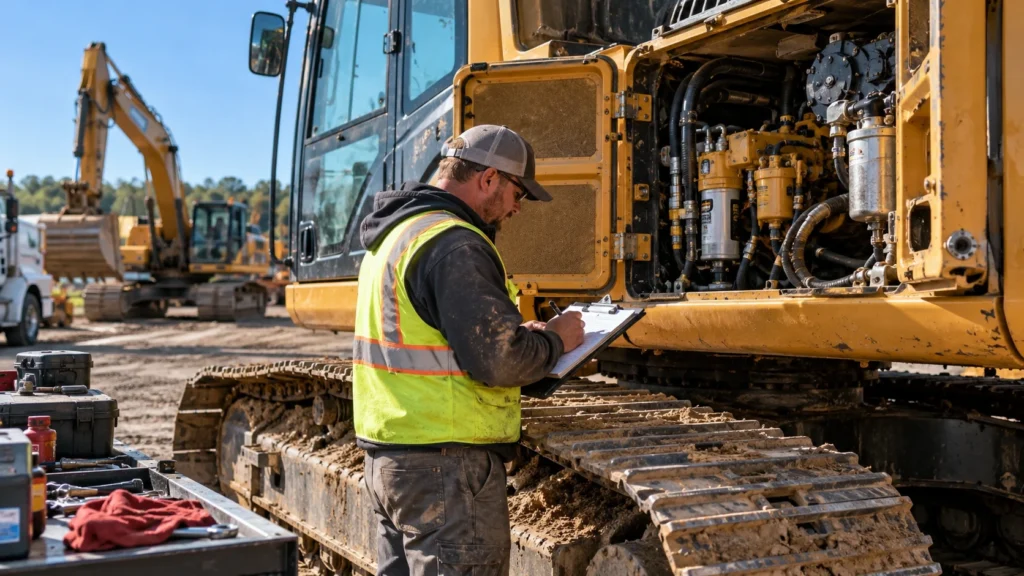
Choosing the right diesel technology training program represents one of the most important career decisions you’ll make. The commercial trucking, agricultural equipment, and construction industries depend on qualified technicians to keep America’s infrastructure operating. With median wages reaching $60,640 annually and steady demand for skilled professionals, diesel technology offers a compelling career pathway for those willing to invest in quality education.
This guide provides the framework fleet managers, career counselors, and prospective students need to evaluate diesel mechanic training options objectively. Rather than ranking individual institutions, we focus on what actually matters: the criteria that distinguish exceptional programs from adequate ones, the credentials that employers value, and the career pathways that quality training unlocks.
The transportation sector faces a persistent technician shortage that creates genuine opportunity for new entrants. Quality training programs cannot produce graduates fast enough to meet industry demand. Understanding how to identify programs that deliver career-ready skills separates successful diesel technicians from those who struggle to find quality employment.
Key Takeaways
- Accreditation matters most: ASE Education Foundation (formerly NATEF) accreditation indicates programs meet industry-validated curriculum and equipment standards.
- Hands-on hours indicate quality: Exceptional diesel technology programs provide 1,000+ hours of lab-based training with current diagnostic equipment.
- Community colleges offer strong ROI: Public institution programs typically cost $6,000-$15,000 compared to $20,000-$45,000 at proprietary schools, with comparable employment outcomes.
- Employer partnerships create pathways: Programs with dealer and fleet relationships provide internships and direct hiring pipelines that accelerate career entry.
- ASE certification preparation is essential: Quality programs align curriculum with T-series certification requirements, positioning graduates for industry-recognized credentials.
- Career advancement is structured: Entry-level technicians earning $40,000-$45,000 can progress to master technician roles exceeding $75,000 with experience and certifications.
Why Diesel Technology Careers Remain in Demand
The diesel technology field continues experiencing sustained demand driven by fundamental economic realities that resist automation and outsourcing. Commercial trucking moves approximately 72% of all freight tonnage across the United States, creating constant need for maintenance and repair services. Unlike many occupations vulnerable to technological displacement, diesel technician work requires physical presence where equipment operates.

The Bureau of Labor Statistics projects approximately 26,500 annual job openings for diesel service technicians through 2034. This figure primarily reflects replacement demand as experienced technicians retire rather than industry expansion. Many current diesel professionals entered the field during the 1980s and 1990s, and their departure creates substantial talent gaps that educational programs struggle to fill.
Modern diesel technology has evolved dramatically from purely mechanical systems. Today’s diesel engines incorporate sophisticated electronic control modules, advanced emissions reduction systems including selective catalytic reduction and diesel particulate filters, and complex diagnostic networks. Variable geometry turbochargers, exhaust gas recirculation systems, and hybrid diesel-electric powertrains represent standard equipment requiring technicians with strong electronic diagnostic capabilities alongside traditional mechanical skills.
$60,640
Median annual wage for diesel service technicians, May 2024 — Bureau of Labor Statistics
Compensation reflects the critical nature of diesel services to business operations. Equipment downtime costs commercial fleets thousands of dollars daily in lost productivity. Companies pay premium wages to technicians who can diagnose problems quickly and complete repairs correctly the first time. Entry-level technicians typically earn $40,000-$45,000 annually, while experienced specialists with advanced certifications command $65,000-$90,000 or more depending on specialization and location.
Geographic wage variation creates strategic opportunities. Western states including Alaska, Wyoming, and Washington consistently offer higher diesel technician compensation. Major metropolitan areas and regions with concentrated industrial activity provide premium wages offset by higher living costs. Rural areas offer lower nominal salaries but reduced living expenses that often provide equivalent purchasing power.
Essential Criteria for Evaluating Diesel Programs
Prospective students need objective criteria for comparing diesel technology training options. Marketing materials and enrollment counselors present every program favorably, making independent evaluation essential. The following framework identifies factors that genuinely distinguish quality programs from those delivering inadequate preparation.

Accreditation and Industry Recognition
The ASE Education Foundation (formerly NATEF) provides the primary accreditation standard for diesel technology programs. This credential requires institutions to meet rigorous standards for curriculum design, instructor qualifications, facility specifications, and equipment inventory. Programs earning ASE Education Foundation accreditation demonstrate alignment with current industry practices and employer expectations.
Accreditation verification involves checking whether programs maintain current credentials rather than historical recognition. Accreditation requires ongoing compliance and periodic renewal. Contact the ASE Education Foundation directly or verify through their online database to confirm current status for any program under consideration.
Regional accreditation through bodies like the Higher Learning Commission ensures academic credentials transfer appropriately and qualifies institutions for federal financial aid participation. Programs lacking proper accreditation may leave students with non-transferable credits and limited financial aid access.
Training Equipment and Facility Quality
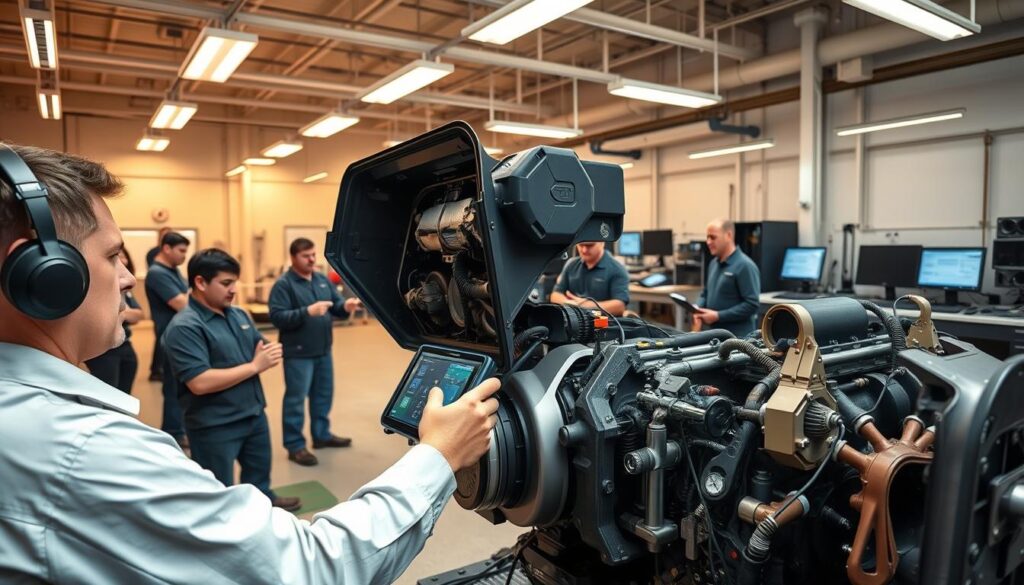
Quality diesel technology programs invest substantially in training equipment representing current industry technology. Evaluate whether programs provide exposure to diagnostic equipment and engines manufactured within the past 5-7 years. Training exclusively on outdated equipment leaves graduates unprepared for modern electronic systems that dominate current diesel technology.
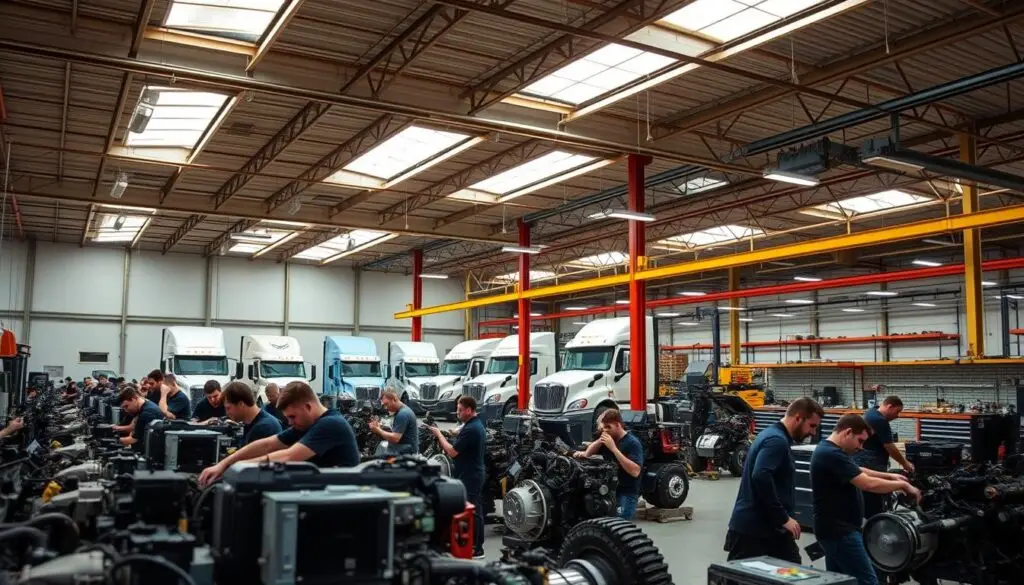
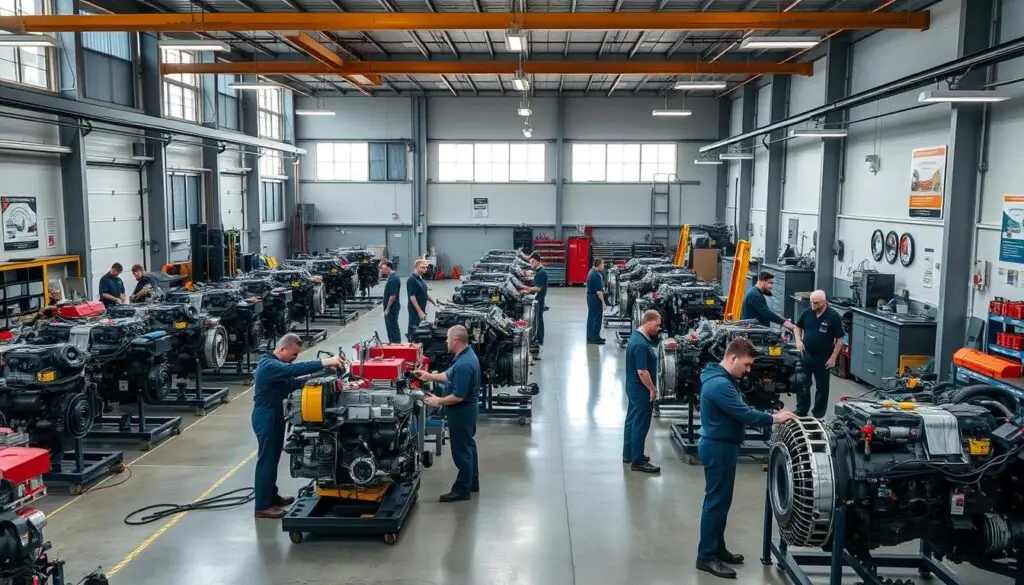
Dedicated lab facilities matter more than shared automotive spaces. Diesel-specific equipment including heavy-duty lifts, dynamometers, hydraulic test benches, and manufacturer-specific diagnostic tools indicates serious program commitment. Programs should provide access to equipment from multiple manufacturers rather than exclusive focus on single brands.
Student-to-equipment ratios determine whether hands-on training is genuinely accessible. Programs with inadequate equipment force students into observation roles rather than active skill development. During campus visits, observe whether sufficient training stations exist for enrolled students to work simultaneously.
Hands-On Training Hours
Lab-based training hours represent the most important predictor of graduate readiness for employment. Quality diesel technology programs provide 1,000 or more hours of hands-on training where students work directly with engines, diagnostic equipment, and systems they will encounter professionally. This practical experience builds manual skills and problem-solving capabilities that classroom instruction alone cannot develop.
Key Recommendation
When evaluating programs, request specific documentation of total lab hours. Quality programs proudly share this information. Programs reluctant to provide concrete numbers often have inadequate hands-on training—the single most important factor in graduate employability.
Programs emphasizing classroom theory over practical application produce graduates who lack the manual skills employers require. Diesel technology is fundamentally an applied field. Employers consistently report preferring candidates with extensive hands-on training over those with primarily academic backgrounds.
Instructor Credentials and Experience
Effective diesel technology instruction requires instructors combining teaching ability with genuine industry experience. Evaluate whether instructors hold current ASE certifications in the areas they teach. Instructors should have substantial field experience beyond purely academic backgrounds.
Ask about instructor-to-student ratios during lab sessions. Effective hands-on instruction requires adequate supervision to provide individual feedback and ensure safety. Ratios exceeding 1:15 during practical training may indicate inadequate instructional support.
Industry connections maintained by instructors often translate into employment opportunities for students. Instructors with ongoing relationships to regional employers provide valuable networking access and current industry intelligence.
Graduate Employment Outcomes
Employment outcomes serve as the ultimate measure of program effectiveness. Quality programs track and publicly report graduate placement rates, employment in field versus unrelated work, and starting salary data. Request specific outcome statistics and ask how the institution defines and verifies these metrics.
Be skeptical of vague placement claims. Legitimate outcomes data specifies timeframes, defines employment criteria, and can be verified through third-party sources or graduate surveys. Programs making unsubstantiated claims about 100% placement rates or exceptional starting salaries without documentation may be misrepresenting results.
Speaking with program alumni provides valuable perspectives on preparation quality and career trajectory. Most programs can connect prospective students with graduates willing to discuss their experiences. Alumni feedback often reveals program strengths and weaknesses not apparent in marketing materials.
Comparing Program Types and Pathways
Multiple educational pathways lead to diesel technology careers. Each offers distinct advantages depending on student circumstances, timeline, and career objectives. Understanding these differences enables informed decisions aligned with individual priorities.
Community College Programs
Community colleges offer the most cost-effective pathway to diesel technology careers for students prioritizing affordability. Public institution tuition typically ranges from $3,000-$8,000 annually for in-state residents, producing total program costs of $6,000-$15,000 for complete associate degrees. This represents substantial savings compared to proprietary technical schools.
Associate degree programs generally require two years of full-time study. Many community colleges offer flexible scheduling including evening, weekend, and part-time options accommodating working students. The longer timeline may extend total time to employment but reduces financial burden and academic intensity.
Community colleges often maintain strong relationships with regional employers who prefer locally trained graduates familiar with area equipment and conditions. These connections create internship opportunities and hiring pathways specific to the local employment market. Students planning to work in their home region often benefit most from community college programs.
The associate degree provides educational credentials facilitating future advancement. Students interested in management roles or continued education find the broader academic foundation valuable. Transfer pathways to four-year institutions exist for students eventually pursuing bachelor’s degrees in related fields.
Trade and Technical Schools
Proprietary technical schools typically offer accelerated programs completing in 45-51 weeks of intensive training. This compressed timeline enables faster workforce entry for students prioritizing speed over cost minimization. Students able to commit to full-time intensive study benefit from rapid career launch.
Technical school programs often maintain manufacturer partnerships providing access to brand-specific training, proprietary diagnostic equipment, and sometimes preferential hiring arrangements. These relationships offer genuine value for students targeting employment with specific dealer networks or equipment types.
Program costs typically range from $25,000-$45,000, significantly higher than community college alternatives. Financial aid availability helps offset these costs, but students should carefully evaluate whether accelerated timelines and manufacturer partnerships justify the premium pricing compared to more affordable alternatives producing similar employment outcomes.
Career services at technical schools often emphasize rapid placement with nationwide employer networks. Students willing to relocate gain access to broader employment opportunities. The national scope may advantage students without specific geographic preferences.
Manufacturer-Sponsored Training
Major equipment manufacturers including Cummins, Detroit Diesel, Caterpillar, and truck OEMs operate training programs through dealer networks. These programs combine paid employment with structured training, allowing participants to earn income while developing skills. Manufacturer training often leads directly to technician positions with sponsoring dealers.
Manufacturer programs focus on brand-specific systems and proprietary diagnostic procedures. Graduates develop deep expertise in particular equipment lines valued highly by corresponding dealer networks. This specialization may limit initial career flexibility but creates strong employment prospects within the manufacturer ecosystem.
Entry into manufacturer training often requires initial employment or commitment to specific dealers. Prospective technicians should contact local authorized dealerships to learn about available programs and requirements. The Cummins and Detroit Diesel dealer networks maintain ongoing training programs in most major markets.
Apprenticeship Pathways
Some regions offer formal diesel technician apprenticeships combining paid employment with structured on-the-job training. Registered apprenticeship programs through the Department of Labor provide recognized credentials upon completion. These pathways suit individuals preferring to earn while learning without accumulating educational debt.
Apprenticeships typically require 3-4 years to complete, combining workplace training with related technical instruction. Apprentices earn wages throughout training, progressing from entry-level rates toward journeyman compensation as skills develop. Union apprenticeships often provide particularly structured progression and strong employment security.
Fleet maintenance operations, municipal agencies, and large trucking companies sometimes offer apprenticeship positions. Contact potential employers directly to inquire about available programs. State apprenticeship agencies maintain databases of registered programs within their jurisdictions.
| Program Type | Typical Duration | Cost Range | Best For |
|---|---|---|---|
| Community College | 18-24 months | $6,000-$15,000 | Cost-conscious students, local employment focus |
| Technical School | 10-14 months | $25,000-$45,000 | Accelerated timeline, manufacturer partnerships |
| Manufacturer Training | Varies | Paid training | Brand specialization, dealer employment |
| Apprenticeship | 3-4 years | Paid training | Earn-while-learning, union career path |
ASE Certification: The Industry Standard
Automotive Service Excellence (ASE) certifications represent the industry standard for verifying diesel technician competence. Employers consistently value these credentials when evaluating candidates and making compensation decisions. Quality training programs structure curriculum specifically around ASE certification requirements, positioning graduates for credential achievement.
Medium/Heavy Truck Certification Series
The ASE Medium/Heavy Truck certification series (T-series) covers eight specialty areas representing comprehensive diesel technology competence. Each certification demonstrates verified knowledge in specific systems through rigorous examination.
The eight T-series certifications include: T1 Gasoline Engines, T2 Diesel Engines, T3 Drive Train, T4 Brakes, T5 Suspension and Steering, T6 Electrical/Electronic Systems, T7 Heating, Ventilation, and Air Conditioning, and T8 Preventive Maintenance Inspection. The T2 Diesel Engines certification represents the most fundamental credential for diesel technicians, with T4 Brakes and T6 Electrical/Electronic Systems also highly valued.
Achieving certifications T2 through T8 earns Master Medium/Heavy Truck Technician status—the highest recognition for diesel technicians. This credential demonstrates comprehensive expertise across all major systems and significantly enhances employment prospects and compensation potential.
Certification Requirements and Process
ASE certification requires both passing examinations and documenting relevant work experience. Candidates must demonstrate two years of hands-on work experience before certification, though graduates of accredited training programs may substitute training time for one year of the experience requirement. This provision enables faster credential achievement for program graduates.
Examinations are computer-based and administered at testing centers nationwide. Each test contains 40-50 multiple-choice questions developed by committees of working technicians, educators, and industry representatives. Questions assess practical diagnostic and repair knowledge rather than purely theoretical understanding.
Certifications remain valid for five years before requiring recertification. This renewal requirement ensures certified technicians maintain current knowledge as technology evolves. Recertification examinations are approximately half the length of initial certification tests.
Certification Impact on Earnings
Industry surveys consistently demonstrate that ASE-certified technicians earn 15-30% more than non-certified counterparts with equivalent experience. Certifications provide objective verification of competence that supports wage negotiations and advancement discussions.
Multiple certifications compound this advantage. Technicians holding three or more certifications demonstrate broad competence attractive to employers managing diverse equipment fleets. Master Technician status particularly distinguishes candidates in competitive job markets.
Beyond immediate compensation impact, certifications facilitate career advancement into specialized roles, shop management, and technical training positions. The investment in certification preparation and examination fees typically produces substantial returns throughout a technician’s career.
The HDJ Perspective
After decades observing technician career trajectories, the pattern is clear: formal training plus certification creates compounding advantages that informal pathways rarely match. The technicians commanding premium wages and interesting work consistently invested in structured education early in their careers. Community college programs often provide the best combination of quality preparation and financial accessibility—don’t assume expensive programs automatically deliver better outcomes. Verify graduate employment data, visit facilities, and speak with alumni before committing to any program.
Curriculum Components That Matter
Understanding essential diesel technology curriculum components helps prospective students evaluate whether programs provide comprehensive preparation. Quality programs cover all major systems while developing both foundational skills and advanced diagnostic capabilities.
Engine Systems Fundamentals
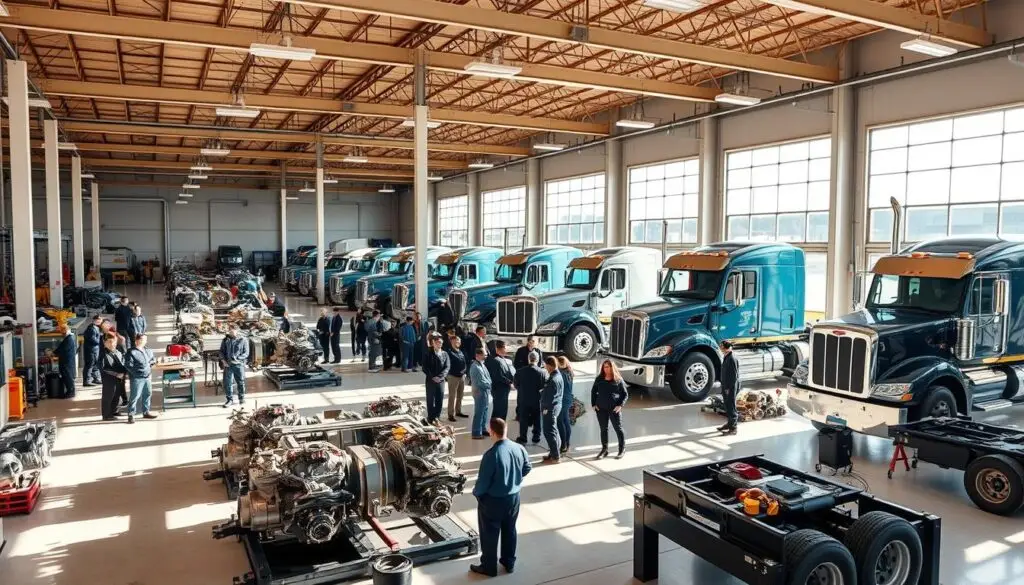
Core engine training forms the foundation of diesel technology education. This includes combustion principles, thermodynamics, and engine design alongside practical disassembly, inspection, and reassembly procedures. Quality programs provide experience with multiple engine types from different manufacturers, exposing students to the diversity they will encounter professionally.
Students should gain competency in cylinder head service, block preparation, bore measurement, crankshaft inspection, piston fitting, and complete engine assembly with proper torque specifications. These foundational capabilities separate professionally trained technicians from parts-changers relying solely on component replacement.
Electronic Diagnostics and Controls
Modern diesel equipment relies heavily on electronic engine controls and computerized diagnostics. Contemporary curriculum must address multiplexed electrical systems, advanced sensor technology, and electronic control module operation. Students need proficiency with multimeters, oscilloscopes, and professional scan tools to diagnose complex electrical faults.
Training with manufacturer-specific diagnostic software builds practical competency with tools used in professional service environments. Programs should provide exposure to platforms from multiple manufacturers rather than exclusive focus on single systems. Electronic diagnostic capabilities increasingly differentiate successful technicians from those limited to mechanical repairs.
Emissions Systems
Current diesel engines incorporate sophisticated emissions reduction systems that represent significant service and diagnostic complexity. Selective catalytic reduction systems, diesel particulate filters, and exhaust gas recirculation require specialized knowledge for proper diagnosis and service.
Curriculum should address EPA emissions regulations governing heavy-duty diesel engines, including maintenance requirements that affect fleet compliance. Understanding the regulatory framework helps technicians communicate effectively with customers about required services and compliance obligations.
Hydraulics and Power Train
Diesel-powered equipment commonly utilizes hydraulic systems for various functions. Training should cover hydraulic principles, component identification, system diagnosis, and repair procedures. Experience with hydraulic test equipment enables systematic troubleshooting of complex hydraulic circuits.
Power train training addresses transmissions, differentials, driveshafts, and axles common in commercial vehicles and equipment. Both manual and automatic transmission service procedures should be included. Understanding complete driveline systems enables technicians to diagnose issues beyond isolated component failures.
Brake Systems
Air brake systems represent critical safety components in commercial vehicles. Comprehensive brake training addresses both air and hydraulic systems, covering foundation brakes, valves, compressors, and antilock braking systems. The Commercial Vehicle Safety Alliance out-of-service criteria establish minimum brake performance standards that technicians must understand.
⚠️ Safety Warning
Air brake systems store significant energy that can cause serious injury if improperly serviced. Quality training programs emphasize safety procedures including proper system depressurization before service. Never work on brake systems without completing proper safety training.
Heating and Air Conditioning
Climate control system service requires specialized training due to refrigerant handling requirements. EPA Section 608 certification is required for technicians servicing vehicle air conditioning systems containing regulated refrigerants. Quality programs include this certification preparation alongside practical HVAC diagnostic and service training.
Financial Planning for Diesel Training
Understanding total education costs and available financial resources enables informed planning for diesel technology training investment. Multiple funding sources can substantially reduce out-of-pocket expenses for qualifying students.
Total Cost Considerations
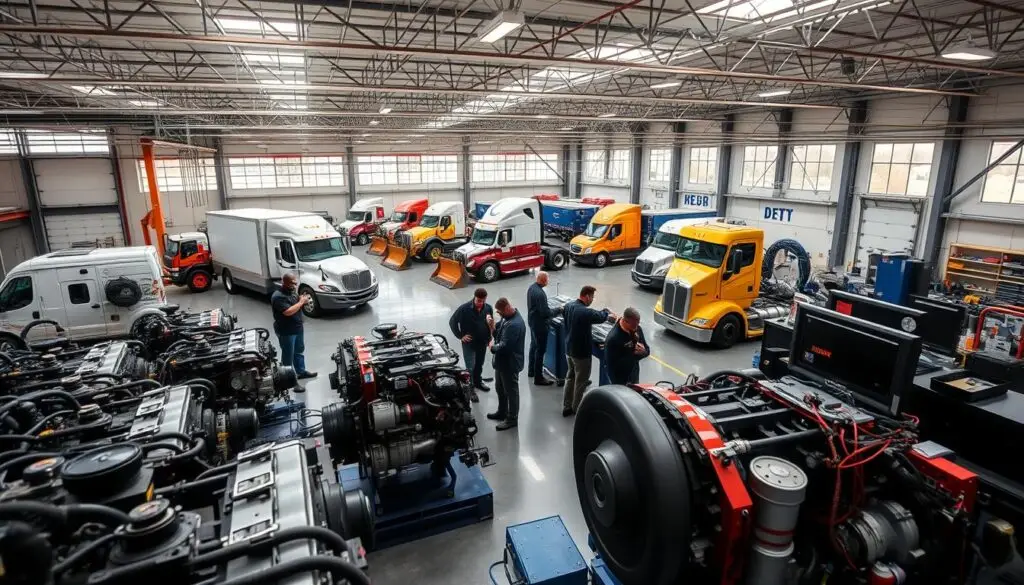
Program tuition represents the largest but not only education expense. Additional costs include tools (typically $1,000-$4,000), textbooks, lab fees, uniforms, and certification examination fees. Transportation and living expenses during training may also factor significantly into total costs, particularly for programs requiring relocation.
Tool costs deserve particular attention. Most programs require students to acquire personal tool sets that become their professional equipment after graduation. Some programs include basic tools in tuition while others require separate purchases. Understanding these requirements before enrollment prevents unexpected expenses.
Federal Financial Aid
Students attending accredited institutions may qualify for federal financial aid including Pell Grants and Direct Student Loans. Pell Grants provide up to $7,395 (2024-2025 award year) to qualifying students based on financial need, with no repayment required. This grant alone may cover substantial portions of community college program costs.
Completing the Free Application for Federal Student Aid (FAFSA) determines eligibility for federal programs. Applications open October 1 each year for the following academic year. Early submission maximizes funding access, as some aid programs distribute funds on a first-come basis. Most community college financial aid offices provide free assistance with FAFSA completion.
Industry Scholarships
Numerous industry organizations offer scholarships specifically for students pursuing diesel technology training. The Technology & Maintenance Council of the American Trucking Associations provides scholarship opportunities, as do state trucking associations and equipment dealer associations throughout the country.
Equipment manufacturers including major engine and truck producers offer scholarship programs, sometimes combined with employment commitments upon graduation. These manufacturer scholarships often receive fewer applications than general academic scholarships, improving award odds for technical education students.
Program instructors and financial aid offices typically maintain current information about available industry scholarships. Proactive inquiry about these opportunities during the enrollment process can identify funding sources students might otherwise miss.
Employer Tuition Assistance
Many employers in transportation and equipment industries offer tuition reimbursement programs to attract technical talent. Trucking companies, equipment dealerships, and fleet maintenance operations may cover partial or complete tuition costs in exchange for employment commitments. These arrangements typically require one to three years of post-graduation employment with the sponsoring company.
Students interested in employer-sponsored training should contact potential employers before enrolling in programs. Understanding available assistance helps inform both program selection and financial planning. Some employers prefer sponsoring students in specific programs with which they maintain relationships.
Free Professional Fleet Tools
Cost calculators, fault code lookup, maintenance planners, and more—built for owner-operators, fleet managers, and diesel techs. No signup required.
Career Pathways and Advancement
Diesel technology offers structured career progression from entry-level positions through specialized roles to senior technical and management positions. Understanding these pathways helps students set realistic expectations and plan long-term career development.
Entry-Level Positions
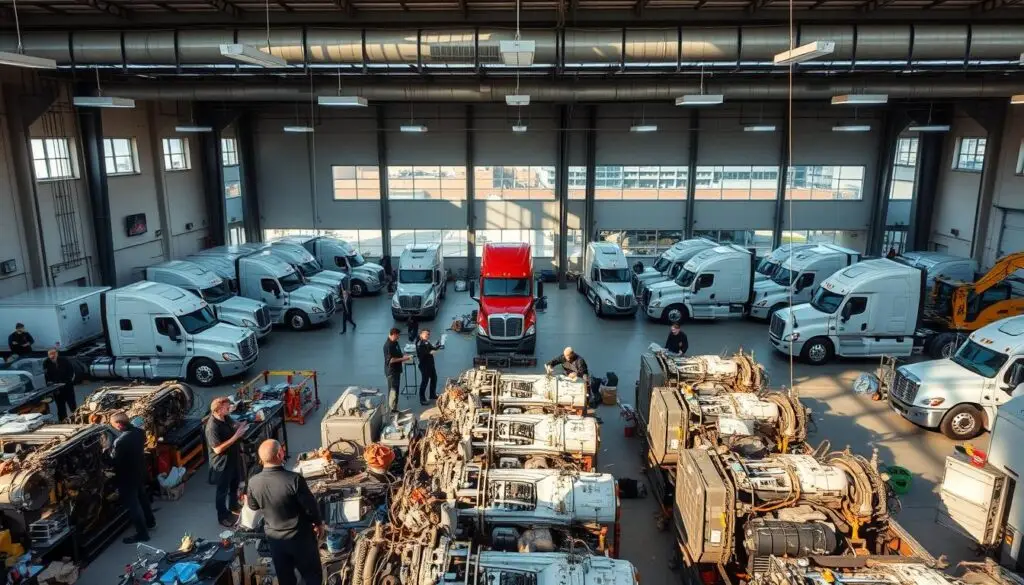
Graduates typically begin careers as entry-level diesel technicians, service technicians, or technician apprentices. Initial responsibilities focus on building speed and efficiency while working under supervision on preventive maintenance, inspections, and standard repairs. This phase typically lasts one to two years as new technicians prove reliability and develop diagnostic intuition.
Entry-level positions typically pay $40,000-$45,000 annually depending on location and employer type. While modest compared to experienced technician earnings, this compensation compares favorably to many other entry-level career options available to individuals with similar education investment.
Specialized Technician Roles
After several years of experience, technicians often specialize in particular systems or vehicle types. Common specializations include diagnostic technician (complex electrical troubleshooting), transmission specialist, emissions technician, and mobile service technician. Specialization develops through concentrated experience, manufacturer training, and additional certifications.
Specialized diesel technicians typically earn $55,000-$75,000 annually, with compensation varying by specialization and location. Certain high-demand specialties command premium wages, particularly in regions with labor shortages or concentrated industrial activity.
Master Technician and Leadership Roles
Master technician positions require comprehensive expertise across multiple systems, demonstrated through ASE Master Technician certification and consistent performance over several years. Master technicians serve as technical resources for shop personnel, handle vehicles that defeat other mechanics, and may participate in training newer staff.
Shop management and service director roles leverage technical knowledge in supervisory positions. Career progression to foreman, service manager, or fleet maintenance director provides compensation ranging from $70,000 to $100,000+ depending on operation size and location. These positions require management skills alongside technical competence.
| Career Stage | Typical Experience | Salary Range | Key Requirements |
|---|---|---|---|
| Entry-Level Technician | 0-2 years | $40,000-$48,000 | Training completion, basic certifications |
| Journey-Level Technician | 2-5 years | $50,000-$65,000 | Multiple ASE certifications, independent diagnostic capability |
| Specialist/Senior Technician | 5-10 years | $60,000-$80,000 | Specialization, manufacturer certifications |
| ✓ Master Technician | 10+ years | $75,000-$100,000+ | ASE Master certification, comprehensive expertise |
Finding Programs in Your Area
Locating diesel technology programs requires systematic research beyond simple internet searches. Multiple resources help identify quality options within reasonable geographic range.
ASE Education Foundation Directory
The ASE Education Foundation maintains a searchable directory of accredited automotive and diesel technology programs. This resource identifies programs meeting rigorous quality standards, providing a starting point for evaluation. Programs without ASE Education Foundation accreditation may still offer quality training but require more careful independent evaluation.
State Community College Systems
Most state community college systems maintain central program directories accessible through state education department websites. These resources identify diesel technology programs at public institutions within your state, typically the most affordable options available.
Equipment Dealer Networks
Major equipment dealers including truck dealerships and agricultural equipment dealers often maintain relationships with training programs they recommend to prospective technicians. Contacting local dealerships about training pathways may identify programs with strong local employment connections.
Quick Reference
- ASE Education Foundation: Accredited program directory
- State education departments: Community college diesel programs
- Local equipment dealers: Manufacturer training connections
- Department of Labor: Registered apprenticeship programs
- Industry associations: ATA, state trucking associations for scholarship info
Frequently Asked Questions
How long does it take to complete a diesel technology program?
Diesel technology programs range from 6 months to 2 years depending on credential type and institutional structure. Certificate programs typically require 6-12 months, diploma programs 12-18 months, and associate degree programs 18-24 months of full-time study. Many community colleges offer flexible scheduling including evening and weekend options that accommodate working students but may extend completion times. Accelerated programs at some technical schools compress training into 45-51 weeks of intensive instruction, enabling faster workforce entry for students able to commit to full-time intensive schedules.
What certifications should diesel technology students pursue?
ASE Medium/Heavy Truck certifications (T-series) represent the industry standard that employers consistently value. The T2 Diesel Engines certification is most fundamental for diesel technicians, with T4 Brakes, T6 Electrical/Electronic Systems, and T8 Preventive Maintenance Inspection also highly valued. Passing tests T2 through T8 earns Master Medium/Heavy Truck Technician status—the highest recognition in the field. Manufacturers like Cummins, Detroit Diesel, and Caterpillar offer proprietary certifications that increase employability with specific dealer networks and often provide training through authorized dealer locations.
How much does diesel mechanic training cost?
Training costs vary significantly by institution type and program duration. Community college programs typically range from $6,000 to $15,000 for complete associate degrees at in-state tuition rates. Technical and trade school programs range from $20,000 to $45,000 depending on duration and included specializations. Additional costs beyond tuition include tools ($1,000-$4,000), textbooks, lab fees, and certification examination fees. Federal Pell Grants, state grant programs, industry scholarships, and employer tuition reimbursement can significantly reduce out-of-pocket expenses for qualifying students.
What is the job outlook for diesel technicians?
The Bureau of Labor Statistics projects approximately 26,500 annual job openings for diesel service technicians and mechanics through 2034, primarily resulting from replacement needs as experienced technicians retire from the workforce. The median annual wage reached $60,640 in May 2024. Technicians with advanced certifications, electronic diagnostic skills, and emissions system expertise command premium compensation. Experienced specialists in high-demand regions including Western states and major metropolitan areas earn $75,000 to $100,000 or more annually with overtime and incentive compensation.
Should I choose a community college or trade school for diesel training?
Both pathways can lead to successful careers, and the optimal choice depends on individual priorities and circumstances. Community colleges offer substantially lower tuition (often less than half the cost of trade schools), associate degrees that facilitate future education, and strong local employer connections. Trade schools typically offer accelerated timelines enabling faster workforce entry, manufacturer partnerships with specialized equipment access, and career services focused on immediate employment. Evaluate based on your priorities: cost sensitivity and local employment focus favors community colleges, while speed to employment and manufacturer relationships may favor trade schools. Verify accreditation status regardless of institution type.
What should I look for when evaluating diesel technology programs?
Key evaluation criteria include accreditation status (ASE Education Foundation accreditation indicates programs meeting industry-validated standards), hands-on training hours (quality programs provide 1,000+ hours of lab-based training), equipment currency (programs should have diagnostic tools and engines from the past 5-7 years), instructor credentials (ASE certification and substantial industry experience), documented graduate employment rates (request specific outcome data with defined metrics), and employer partnerships (relationships with regional dealerships, fleet operators, and equipment companies provide internship opportunities and hiring pathways that accelerate career entry).
Making Your Training Decision
Selecting the right diesel technology training program requires careful evaluation of accreditation, hands-on training quality, instructor expertise, and employment outcomes. The frameworks provided in this guide enable objective comparison across program types and institutions. Rather than relying on marketing claims, verify credentials, visit facilities, speak with current students and graduates, and confirm employment data independently.
Community colleges consistently offer the best value proposition for students prioritizing affordability while maintaining quality outcomes. Technical schools may benefit students needing accelerated timelines or seeking manufacturer partnerships. Manufacturer training and apprenticeships suit students preferring to earn while learning with established employment pathways.
The diesel technology field rewards those who invest in quality education followed by continuous skill development. Begin your research by identifying accredited programs within reasonable distance, then apply the evaluation criteria discussed throughout this guide. Contact programs directly, schedule campus visits, and make decisions based on verified information rather than enrollment pressure.
Your career success depends significantly on this initial training investment. Take the time necessary to make an informed decision that positions you for long-term success in this essential and rewarding field.
Share This Career Resource
Know someone considering diesel technology training? This comprehensive guide helps prospective students and career counselors evaluate programs objectively.