
By Michael Nielsen, Editor & Publisher | 15+ Years in Diesel Repair
Last Updated: January 2026
📖 Estimated reading time: 21 minutes
Do diesel mechanics need a CDL? The short answer: most diesel technicians performing standard shop work do not need a commercial driver’s license. You can diagnose problems, replace components, and maintain commercial vehicles throughout your entire career without CDL certification. However, the situation changes when your responsibilities extend beyond the service bay.
Federal Motor Carrier Safety Administration regulations require a CDL when mechanics test drive repaired commercial vehicles on public roads, transport equipment between facilities, or perform mobile repair services requiring vehicle operation. Understanding this distinction matters for career planning—particularly since CDL-certified technicians often earn higher wages and qualify for more job opportunities.
This guide covers everything diesel technicians need to know about CDL requirements: when federal law mandates certification, how state regulations vary, which license class to pursue, and whether the investment makes sense for your career goals.
Key Takeaways
- Most diesel technicians performing in-shop repairs and maintenance do not need a commercial driver’s license for their daily work
- A CDL becomes mandatory when test driving repaired commercial vehicles on public roads or highways
- Federal Motor Carrier Safety Administration regulations under 49 CFR Part 383 determine when licensing is required based on specific job duties
- Employer policies and state laws may impose additional certification requirements beyond federal standards
- Class A CDL with air brake endorsement provides maximum career flexibility for diesel technicians
- According to the Bureau of Labor Statistics, diesel technicians earn a median salary of $50,200 annually, with CDL-certified mechanics often commanding premium wages
Understanding Commercial Driver’s License Requirements for Mechanics
Before determining whether you need a CDL, understanding the fundamentals of commercial driver licensing and how it intersects with repair work is essential. The licensing system affects millions of professional drivers across the United States, but it also touches those who service the vehicles these drivers operate.
Many diesel technicians find themselves in a gray area between strictly repairing vehicles and occasionally needing to drive them. Understanding CDL requirements for mechanics means first knowing what this credential represents and who typically holds one.
The Core Purpose of Commercial Driver’s Licenses
A Commercial Driver’s License authorizes individuals to operate specialized vehicles exceeding standard passenger car dimensions and weight limits. These vehicles include semi-trucks, buses, tanker trucks, and vehicles carrying hazardous materials. The federal government established CDL requirements through the Commercial Motor Vehicle Safety Act to ensure only properly trained and tested drivers operate these potentially dangerous vehicles on public roads.
Professional truck drivers represent the primary group required to hold CDLs. Bus operators transporting passengers also fall under this requirement. Additionally, drivers hauling hazardous materials must obtain proper licensing regardless of vehicle size.
The licensing system exists primarily for safety purposes. Large commercial vehicles require specialized skills to operate safely. They have longer stopping distances, wider turning radiuses, and different handling characteristics than passenger vehicles.
Breaking Down Vehicle Classifications
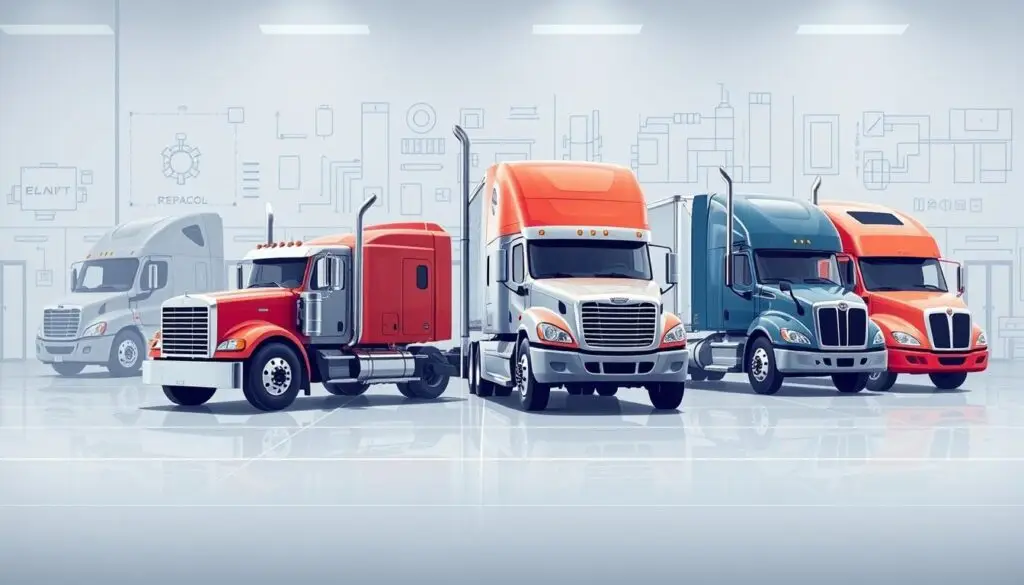
The CDL system divides commercial vehicles into three distinct classes based on weight and configuration. Understanding these classifications helps mechanics determine which license class they might need for their specific work environment.
Class A CDL represents the most comprehensive license tier. This classification covers vehicles with a gross combination weight rating of 26,001 pounds or more when the towed unit exceeds 10,000 pounds gross vehicle weight rating. Typical Class A vehicles include tractor-trailers, tanker trucks, and livestock carriers.
Class B CDL applies to single vehicles with a GVWR of 26,001 pounds or more where towed units cannot exceed 10,000 pounds GVWR. Straight trucks, large buses, and dump trucks typically fall under this classification. Many diesel mechanics work on Class B vehicles in fleet maintenance facilities.
Class C CDL covers smaller commercial vehicles that don’t meet Class A or Class B weight thresholds but either transport 16 or more passengers including the driver or carry hazardous materials requiring placarding. School buses and certain delivery vehicles hauling hazmat cargo require Class C licenses.
| License Class | Weight Requirements | Typical Vehicles | Towing Restrictions |
|---|---|---|---|
| Class A | GCWR 26,001+ lbs | Tractor-trailers, tankers | Towed unit over 10,000 lbs GVWR |
| Class B | GVWR 26,001+ lbs | Straight trucks, buses | Towed unit up to 10,000 lbs GVWR |
| Class C | Below Class A/B thresholds | Passenger vehicles, hazmat carriers | Designed for 16+ passengers or hazmat |
Operating Versus Servicing: A Critical Distinction
The most important concept for diesel technicians involves understanding the difference between operating and servicing commercial vehicles. This distinction forms the basis for most CDL exemptions available to mechanics. Operating a commercial vehicle means driving it as the primary job function, typically on public roads for commercial purposes.
Servicing commercial vehicles involves maintenance, repair, and diagnostic work. This work may require limited vehicle movement within shop premises or on private property. Federal and state regulators recognize that mechanics perform fundamentally different work than commercial drivers.
A diesel technician might move a semi-truck from the service bay to the parking lot. This movement serves a repair purpose rather than a transportation purpose. The operation vs. servicing distinction acknowledges this difference. However, the line becomes less clear when mechanics perform test drives on public roads.
Most maintenance activities occur entirely on private property. Technicians diagnose issues, replace parts, and verify repairs without entering public roadways. These activities typically don’t require CDL certification under federal regulations. The complexity arises when repair verification requires on-road testing.
When Diesel Mechanics Actually Need a CDL
Not every diesel technician needs a commercial driver’s license to perform their job effectively. The majority of diesel mechanics work throughout their entire careers without obtaining CDL certification. According to FMCSA regulations, CDL requirements apply only when specific job duties involve operating commercial motor vehicles on public roadways.
The determining factor comes down to what you actually do during your workday. Mechanics who focus exclusively on diagnostic work, engine repairs, and preventive maintenance inside the shop rarely face this requirement. However, technicians whose responsibilities extend beyond the service bay often need proper licensing to remain compliant with federal regulations.
Job Responsibilities That Determine Your Licensing Needs
Your daily tasks define whether you need a commercial driver’s license. Standard shop operations like engine overhauls, brake system replacements, and electrical troubleshooting don’t require CDL certification. These regulations don’t apply because the vehicles stay on private property throughout the repair process.
The situation changes when your employer expects you to move vehicles beyond the shop boundaries. Quality assurance protocols at many facilities require post-repair verification drives. If these test runs occur on public streets or highways, federal law mandates proper licensing.
Diesel technicians working in stationary shops face different requirements than those providing mobile services. Understanding this distinction helps you make informed decisions about certification investments and career paths.
Test Drive Scenarios That Trigger CDL Requirements
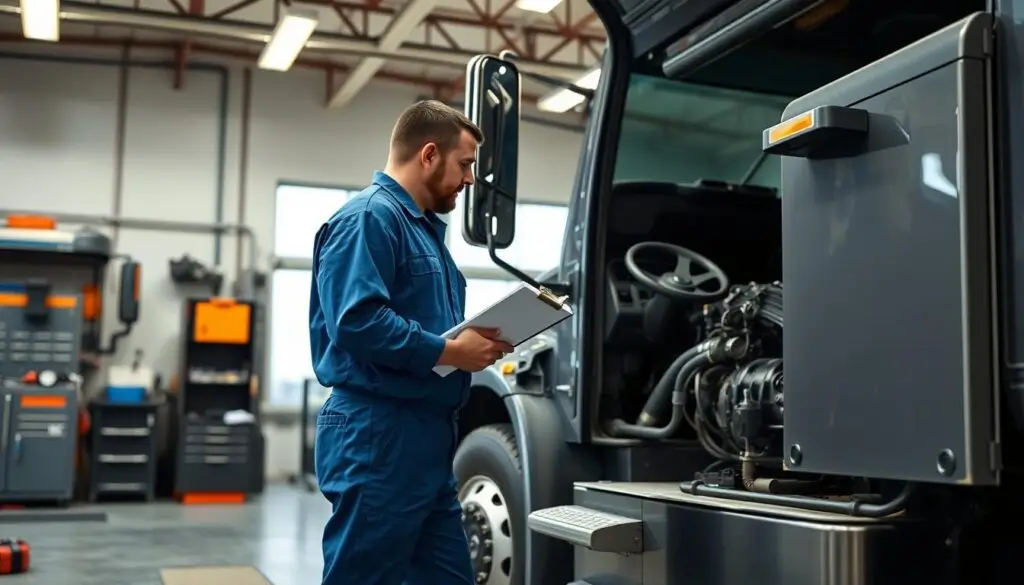
Test drive CDL requirements become mandatory when you take commercial motor vehicles onto public roads. After completing major repairs on air brake systems, transmission overhauls, or suspension work, mechanics must verify proper operation. When this verification happens on public highways or streets, you need the appropriate CDL class for that vehicle.
The FMCSA distinguishes clearly between public and private property. You can legally test drive any commercial vehicle on your employer’s private lot without a license. This exemption allows basic functionality checks and low-speed operational testing without additional certification.
However, real-world driving conditions often reveal issues that don’t appear during stationary tests. Many shops require technicians to perform highway-speed test drives to confirm repairs meet safety standards. These situations make CDL certification unavoidable for technicians who want to complete jobs independently.
Some facilities employ dedicated test drivers with CDL certification. This arrangement allows mechanics without licenses to focus on repair work while licensed personnel handle road testing. Shops must evaluate whether this division of labor improves efficiency or creates workflow bottlenecks.
Comparing In-Shop Work With Road Service Responsibilities
The shop mechanic vs. mobile mechanic comparison reveals significant differences in licensing needs. In-shop technicians typically work in controlled environments where vehicles arrive and depart through customer or tow truck transport. These mechanics perform diagnostic assessments, component replacements, and system repairs without ever sitting in the driver’s seat.
Mobile diesel technicians face completely different operational requirements. Road service calls require driving to breakdown locations, often in company service trucks that themselves may be commercial vehicles. Once on-site, mobile mechanics might need to move disabled equipment off roadways or reposition trucks for safe repair access.
Fleet maintenance technicians working at trucking companies encounter unique situations. Their responsibilities often include moving vehicles between service bays, parking areas, and fueling stations. Even short repositioning moves on company property can extend onto public access roads, triggering licensing requirements.
How Different Employers Approach CDL Requirements
Employer expectations vary considerably across the diesel repair industry. Large truck dealerships and authorized service centers often require or strongly prefer CDL-holding technicians. This policy maximizes operational flexibility by allowing any mechanic to complete jobs from start to finish without waiting for licensed personnel.
These dealership environments typically maintain busy service schedules with tight turnaround times. Having every technician CDL-certified eliminates potential bottlenecks in the workflow. Job postings from these employers frequently list commercial driver’s licenses as required or preferred qualifications.
Independent repair shops demonstrate more varied policies regarding licensing. Smaller operations with limited staff may require all technicians to hold CDLs for maximum versatility. Other independent shops designate specific employees for test driving duties, allowing other mechanics to work without certification.
Fleet maintenance facilities at trucking companies present another scenario entirely. These operations almost universally expect diesel technicians to possess appropriate CDL certification. The reasoning extends beyond test drives to include general vehicle movement, emergency roadside assistance, and comprehensive fleet management support.
Federal CDL Requirements Under FMCSA Regulations
The Federal Motor Carrier Safety Administration establishes the legal framework determining when mechanics must obtain commercial driver’s licenses. These regulations apply nationwide and create baseline standards that all states must follow. Understanding these federal rules helps diesel technicians know their obligations before considering state-specific variations.
FMCSA regulations distinguish between operating commercial vehicles as a primary job duty and performing mechanical work that occasionally requires vehicle movement. This distinction becomes critical when determining whether a CDL is mandatory or optional for your specific role.
How 49 CFR Part 383 Defines CDL Requirements
Title 49 of the Code of Federal Regulations, Part 383 establishes comprehensive standards for commercial driver licensing across the United States. This regulation defines what qualifies as a commercial motor vehicle and who must hold a CDL to operate one.
Under 49 CFR Part 383, a commercial motor vehicle meets any of these criteria: weighs 26,001 pounds or more (gross vehicle weight rating or gross combination weight rating), is designed to transport 16 or more passengers including the driver, or transports hazardous materials requiring placarding.
The regulation states that anyone operating these vehicles on public roads must possess the appropriate CDL classification. This requirement applies regardless of whether driving is your primary occupation or an occasional task. Federal law defines “operate” as having actual physical control of a commercial motor vehicle on public highways. This definition becomes the foundation for understanding when mechanics cross from servicing vehicles to requiring federal licensing.
Federal Test Drive Exemptions for Mechanics
The federal government recognizes that mechanics need to move vehicles as part of their diagnostic and repair work. However, mechanic test drive exemptions remain narrowly defined under federal law.
According to FMCSA guidance, diesel technicians can test drive commercial motor vehicles without a CDL only when operating exclusively on private property. This means shop lots, private testing facilities, and enclosed areas not accessible to the general public.
The moment a mechanic drives a commercial vehicle onto a public road or highway, federal CDL requirements apply. There is no “short distance” exception or “just testing” provision in federal regulations.
⚠️ Important Compliance Note
Some technicians mistakenly believe that brief test drives in front of the shop qualify as exempt activities. Federal law does not support this interpretation. If the vehicle enters any roadway maintained for public use, the driver needs proper licensing. Violations can result in fines and affect your employer’s safety rating.
Private property exemptions apply only when the property is completely controlled by the employer or customer, public access is restricted through gates, barriers, or clear signage, and the test route never crosses or enters public thoroughfares.
When Federal Law Requires Mechanics to Hold a CDL
Federal law unambiguously requires mechanics to obtain CDL certification in several specific circumstances. Understanding these situations helps technicians and employers maintain compliance with FMCSA regulations.
You must hold a CDL as a diesel mechanic when your job responsibilities include: test driving repaired commercial vehicles on public roads following service completion, delivering repaired vehicles to customer locations via public roadways, transporting commercial equipment between shop facilities on state or federal highways, performing mobile repair services that require driving customer vehicles on public roads, or conducting extended diagnostic road tests that venture onto publicly maintained streets.
The critical factor is whether vehicle operation on public roadways constitutes a regular and essential job function. If your employer expects you to perform these duties as part of your normal responsibilities, federal law mandates CDL certification.
Job descriptions stating “occasional test drives” or “as needed vehicle movement” do not exempt mechanics from federal requirements when those drives occur on public property. The frequency matters less than the location and nature of the operation.
State-by-State Variations in CDL Requirements for Technicians
State governments across America interpret CDL requirements for mechanics differently, creating a patchwork of regulations that technicians must understand before operating commercial vehicles. While federal law establishes baseline standards, individual states exercise considerable authority to implement stricter requirements or provide specialized exemptions.
This regulatory diversity means that a diesel technician might need a full CDL in one state but qualify for an exemption in a neighboring jurisdiction. The variation stems from each state’s Department of Motor Vehicles having discretion in rule implementation.
Mandatory Licensing Jurisdictions
Several states maintain strict CDL requirements for test drives regardless of the operator’s profession or purpose. These jurisdictions interpret federal regulations narrowly, requiring full commercial driver’s licenses for virtually any operation of vehicles meeting CDL weight or passenger thresholds. Even short test drives on roads adjacent to repair facilities fall under these requirements.
In these states, diesel technicians must obtain the appropriate CDL class before performing road tests as part of diagnostic procedures. The rationale centers on public safety concerns and uniform application of commercial vehicle regulations. No distinction is made between a mechanic verifying a repair and a driver making a delivery.
States with minimal mechanic exemptions typically require documentation proving the CDL holder works as a technician. However, the license itself remains identical to what professional drivers carry.
Jurisdictions With Special Provisions
Conversely, numerous states offer mechanic exemptions that acknowledge the unique role of service technicians. These exemptions take various forms, including restricted licenses, special endorsements, or regulatory carve-outs that permit limited commercial vehicle operation for repair purposes.
Some states issue special mechanic permits that authorize test drives within defined geographic boundaries, typically within a certain radius of the repair facility. Others provide exemptions based on the duration of vehicle operation, allowing brief test drives without CDL requirements.
The exemption application process differs by state but generally requires proof of employment at a licensed repair facility. Documentation of technical training or certifications may strengthen exemption applications. Technicians should note that exemptions often come with restrictions on distance, time, or cargo status during test operations.
The HDJ Perspective
The state-by-state variation in mechanic CDL exemptions creates real challenges for technicians working in border regions or for companies operating across multiple states. We’ve seen shops struggle with compliance when one jurisdiction offers generous test drive exemptions while the next state over requires full certification. For career-minded diesel technicians, the safest approach is obtaining your CDL regardless of current state exemptions—regulations change, and you may relocate or change employers. The investment pays dividends in career flexibility and eliminates compliance uncertainty.
California and Texas: Two Major State Approaches
California maintains a complex regulatory environment for commercial vehicles due to its massive trucking industry and stringent safety standards. California law generally requires diesel mechanics to hold appropriate CDL classifications when test-driving commercial vehicles on public roads. However, the state recognizes limited exceptions for test drives conducted exclusively on private property or within secure facility boundaries.
Texas applies CDL regulations somewhat differently, reflecting the state’s distinct regulatory philosophy. Texas regulations focus on the vehicle’s gross vehicle weight rating and the nature of operation rather than solely the operator’s profession. Mechanics operating vehicles above CDL weight thresholds on public roads generally need appropriate licenses. However, Texas recognizes certain exemptions for short-distance test drives conducted as part of legitimate repair verification.
Diesel technician jobs in states like Utah, where the average salary reaches $51,752 per year according to Bureau of Labor Statistics data, often specify CDL requirements in job postings based on state regulations.
| State | General CDL Requirement | Available Exemptions | Key Restrictions |
|---|---|---|---|
| California | Required for public road test drives | Private property operation only | Must prove employment at licensed facility |
| Texas | Required above weight thresholds | Short-distance diagnostic test drives | Limited to repair verification routes |
| Florida | Required for all CDL-class vehicles | Minimal mechanic-specific exemptions | Full licensing generally mandatory |
| Illinois | Required with limited exceptions | Restricted permits for technicians | Geographic radius and time limitations |
| Pennsylvania | Required for commercial vehicle operation | Shop-to-shop transport exemptions possible | Documentation of repair purpose required |
Confirming Your State’s Requirements
Given the significant variation in state-specific licensing rules, diesel technicians must verify requirements in their particular jurisdiction before operating commercial vehicles. The primary resource for accurate information is your state’s Department of Motor Vehicles or equivalent licensing authority. Most state DMV websites provide specific sections addressing commercial driver licenses, though mechanic exemptions may require deeper research or direct contact with regulatory staff.
Follow these steps to verify state CDL requirements: contact your state DMV’s commercial licensing division directly by phone or email, request written clarification of exemptions available to diesel technicians and service personnel, review your state’s commercial vehicle statutes and regulations typically available online through the state legislature website, consult with your employer’s human resources or compliance department about company policies, and consider speaking with a transportation attorney if you work near state borders or face complex multi-state situations.
Which CDL Class Do Diesel Mechanics Need?
The specific CDL class a diesel technician needs depends entirely on the types of commercial vehicles they’ll be servicing and test driving. Understanding the differences between CDL classifications helps mechanics make strategic career decisions that maximize employment opportunities. Each license class authorizes operation of specific vehicle weight categories and configurations.
Most diesel professionals benefit from choosing the broadest certification available. This approach prevents career limitations and ensures mechanics can handle any vehicle that enters their shop.
Class A CDL for Tractor-Trailers and Combination Vehicles
A Class A CDL mechanic holds the most comprehensive commercial driving certification available. This license authorizes operation of combination vehicles with a gross vehicle weight rating of 26,001 pounds or more, plus trailers exceeding 10,000 pounds.
Class A certification covers the widest range of commercial equipment. Authorized vehicles include tractor-trailers, flatbed combinations, tanker vehicles, livestock carriers, and tractor-trailer buses. This universality makes Class A the preferred choice for diesel technicians working in diverse repair environments.
The career advantages of Class A certification extend beyond legal authorization. Mechanics with this credential can accept positions at any type of diesel facility without vehicle restrictions. A Class A CDL holder can also operate any vehicle that requires Class B or Class C certification, providing downward compatibility that eliminates concerns about trailer configurations or vehicle combinations.
Class B CDL for Straight Trucks and Buses
A Class B CDL mechanic can operate single vehicles weighing 26,001 pounds or more, along with trailers up to 10,000 pounds. This certification suits technicians working primarily with straight trucks and buses rather than tractor-trailer combinations.
Class B authorization includes straight trucks, box trucks, dump trucks with small trailers, large buses, school buses, and segmented buses. Many municipal fleet maintenance positions and specialized repair facilities find Class B certification sufficient for their operational needs.
The limitation comes when trailers exceed the 10,000-pound threshold. A Class B CDL mechanic cannot legally drive tractor-trailer combinations, which restricts employment options at facilities servicing over-the-road freight equipment. However, Class B requires similar training and testing processes as Class A, with minimal cost difference between the two certifications.
Essential CDL Endorsements for Diesel Technicians
Beyond the base license class, CDL endorsements technicians need depend on the specific vehicles they’ll operate. Endorsements represent additional certifications that authorize driving vehicles with particular characteristics or cargo types. These specialized credentials significantly impact a mechanic’s employability and versatility.
The air brake endorsement represents the most critical additional credential for diesel mechanics. This endorsement is virtually mandatory because the overwhelming majority of commercial vehicles use air brake systems rather than hydraulic brakes. Without an air brake endorsement, mechanics cannot legally operate air brake-equipped vehicles even if they hold the appropriate CDL class.
Obtaining the air brake endorsement requires passing an additional knowledge test covering air brake system components, operation, and safety procedures per 49 CFR 383.111. The test includes questions about brake system inspections, proper use procedures, and emergency braking techniques.
Tanker and hazmat endorsements expand career options significantly. The tanker endorsement authorizes operation of vehicles designed to transport liquids or gases in bulk containers. The hazardous materials endorsement allows mechanics to drive vehicles carrying materials requiring hazmat placarding. Note that the hazmat endorsement requires a Transportation Security Administration background check and fingerprinting.
Free Professional Fleet Tools
Cost calculators, fault code lookup, maintenance planners, and more—built for owner-operators, fleet managers, and diesel techs. No signup required.
Step-by-Step Process to Obtain a CDL as a Mechanic
If you’re a diesel technician considering CDL certification, understanding the step-by-step acquisition process will help you prepare effectively for each requirement. The CDL application process involves multiple phases that build upon each other, from initial paperwork to final road testing.
Mechanics pursuing their CDL benefit from their existing technical knowledge, particularly during vehicle inspection portions of the examination. The entire process typically takes between four to eight weeks depending on your state’s testing schedule and your preparation timeline.
Obtaining Your Commercial Learner’s Permit
The commercial learner’s permit serves as your entry point into the CDL application process and authorizes supervised practice with commercial vehicles. Before applying for your CLP, you must meet minimum age requirements established by federal regulations. Mechanics who plan to operate vehicles exclusively within their home state can apply at age 18, while those seeking interstate driving authority must wait until age 21.
Your CLP application requires gathering specific documentation to verify your identity and residency. You’ll need to present your current driver’s license, Social Security card, and proof of state residency such as utility bills or lease agreements. The application process includes vision screening to ensure you meet minimum visual acuity standards—typically at least 20/40 vision in each eye, with or without corrective lenses.
Once you’ve completed paperwork and vision screening, you’ll attempt the written knowledge examinations required for your commercial learner’s permit. Passing these initial tests authorizes you to practice driving commercial vehicles under the supervision of a licensed CDL holder. Your CLP remains valid for 180 days to one year, during which you must complete your skills testing.
Passing the CDL Knowledge Tests
The CDL knowledge test evaluates your understanding of commercial vehicle operation, safety regulations, and vehicle-specific systems through multiple written examinations. All CDL applicants must pass the General Knowledge test, which covers topics including vehicle inspection procedures, safe driving practices, and federal transportation regulations. This foundational exam contains between 50 and 100 questions depending on your state.
Beyond general knowledge, you must pass additional written tests specific to your desired vehicle classification. Class A candidates take combination vehicle tests covering coupling and uncoupling procedures, trailer handling, and multiple-vehicle dynamics. Class B applicants complete examinations focused on straight truck and bus operation principles.
Diesel mechanics should strongly consider obtaining the air brakes endorsement, as most commercial vehicles in shop environments utilize air brake systems. The air brakes knowledge test covers system components, operation principles, and safety procedures. Preparation materials for these examinations are available through your state’s Department of Motor Vehicles website.
Completing the CDL Skills Test
The CDL skills test represents the practical examination phase where you demonstrate actual vehicle operation competency. This comprehensive assessment consists of three distinct components: pre-trip vehicle inspection, basic vehicle control, and on-road driving. You must pass all three sections during the same testing appointment.
The pre-trip vehicle inspection portion leverages your mechanical expertise by requiring you to identify components and explain inspection procedures. You’ll walk around the test vehicle with an examiner, pointing out specific parts and describing what you’re checking for at each step. Most diesel technicians find this section straightforward given their familiarity with commercial vehicle systems.
Basic vehicle control testing evaluates your ability to maneuver commercial vehicles through precision exercises including straight-line backing, offset backing, and parallel parking. The on-road driving test places you in real traffic conditions where you must demonstrate safe operation across various driving scenarios including turns, lane changes, highway merging, and railroad crossing procedures.
DOT Medical Examination Requirements
The DOT medical exam mechanics must complete ensures you meet federal physical qualification standards for commercial vehicle operation. This examination must be conducted by a certified medical examiner registered with FMCSA. Your medical certificate remains a mandatory component of your CDL validity throughout your licensing period.
The DOT physical examination covers vision and hearing tests, blood pressure and pulse measurements, urinalysis, and review of your complete medical history. Most CDL holders receive medical certificates valid for two years, though certain health conditions may require annual examinations. Many occupational health clinics employ certified DOT medical examiners, with examination costs typically ranging from $75 to $150.
What Employers Expect Regarding CDL Certification
Employer CDL requirements for diesel mechanics depend heavily on the specific type of service facility and their operational needs. The expectations vary significantly between truck dealerships, independent shops, and corporate fleet operations. Understanding these differences helps you target the right job opportunities.
Authorized Service Centers and Truck Dealerships
Truck dealerships representing major manufacturers typically have the strictest CDL policies. Facilities authorized by Freightliner, Peterbilt, Kenworth, Volvo, and Mack frequently require technicians to hold commercial licenses. These dealerships handle high volumes of customer vehicles that need test drives after warranty repairs and major service work.
Dealership service departments prioritize customer satisfaction and quick turnaround times. Relying on dedicated drivers for post-repair verification creates operational bottlenecks. Certified technicians can diagnose, repair, and road test vehicles without waiting for driver availability. Job postings from dealerships often list CDL as required or highly preferred, with some facilities offering higher starting wages for applicants who already hold certification.
Independent Repair Shop Requirements
Independent repair facilities demonstrate more variable approaches to CDL certification. Smaller shops focusing primarily on in-bay repairs may not require commercial licenses at all. Their business model centers on stationary diagnostic work and component replacement that doesn’t involve extensive road testing.
Larger independent shops present different expectations. Facilities providing mobile service or handling fleet accounts often mandate certification as a condition of employment. The specific services offered determine whether independent shops require CDLs.
Fleet Maintenance and Corporate Shop Expectations
Corporate fleet maintenance positions typically require CDL certification as a standard qualification. Fleet mechanics often reposition equipment between terminals, perform extended road tests, and deliver repaired vehicles to dispatch locations. Companies operating their own trucking fleets need mechanics who understand both repair procedures and vehicle operation.
Progressive fleet operators offer CDL training as an employee benefit. Companies sponsor mechanics through commercial driving schools or provide in-house training programs. This investment enhances operational capability while building employee loyalty and retention.
| Employer Type | CDL Expectation | Training Support | Starting Advantage |
|---|---|---|---|
| Truck Dealerships | Required or Strongly Preferred | Sometimes Available | Higher Starting Wage |
| Independent Shops | Varies by Services Offered | Rarely Provided | Competitive Edge |
| Fleet Maintenance | Standard Qualification | Frequently Offered | Essential for Consideration |
| Mobile Service | Mandatory Requirement | Occasionally Available | Job Access |
Career Benefits of Holding a CDL as a Diesel Technician
Diesel technicians who earn their CDL unlock a competitive edge that extends far beyond the shop floor. This credential represents more than just permission to drive commercial vehicles. It signals to employers a commitment to professional excellence and operational versatility that translates into tangible career advantages.
Broader Employment Opportunities
CDL certification immediately expands the pool of available positions. Many employers specifically require this credential, particularly at dealerships, fleet operations, and specialized service centers. Job listings that include CDL requirements often remain open longer than general mechanic positions, suggesting employers prioritize this qualification and may offer premium compensation to attract qualified candidates.
The commercial trucking sector faces persistent workforce challenges. According to American Trucking Associations research, the industry has experienced ongoing driver shortages, creating sustained demand for professionals who understand both vehicle operation and repair. CDL-certified mechanics gain career flexibility that provides insurance against industry downturns.
$50,200
Median annual wage for diesel service technicians and mechanics (Bureau of Labor Statistics, May 2023)
Enhanced Compensation and Benefits
While CDL certification doesn’t always command dramatically higher base wages, the credential opens doors to better-compensated positions. According to BLS data, diesel mechanics earn approximately $50,200 annually, or $24.13 per hour. However, this figure varies significantly by employer type, industry sector, and geographic location.
Technicians who hold CDLs qualify for roles with greater responsibility and corresponding pay increases. Positions requiring independent road testing, mobile service delivery, or fleet maintenance coordination typically offer higher compensation. CDL-certified diesel technicians often receive comprehensive benefit packages that exceed those offered for entry-level positions.
Superior Diagnostic Performance
The connection between CDL certification and diagnostic efficiency cannot be overstated. Many vehicle performance issues only manifest under actual driving conditions. Transmission shift quality, brake balance, suspension behavior, and engine performance under load require road evaluation that static testing cannot replicate.
CDL-certified mechanics conduct comprehensive diagnostic workflows independently. They personally experience the symptoms customers describe, eliminating the communication gaps that occur when non-driving technicians must rely on driver reports. This direct assessment accelerates problem identification and improves repair accuracy.
Cost, Time, and Training Investment for CDL Certification
Understanding the complete cost structure of CDL certification helps diesel mechanics make informed decisions about this career-enhancing credential. The investment encompasses training expenses, testing fees, licensing costs, and the time commitment required to complete the process.
Professional Training Programs and Their Associated Expenses
CDL training costs vary considerably based on program type, location, and duration. Traditional commercial driving school programs charge between $3,000 and $7,000 for comprehensive Class A certification training. These programs typically run three to eight weeks and include classroom instruction, behind-the-wheel practice, and test preparation.
Diesel mechanics often have an advantage over typical CDL students due to their existing technical knowledge of commercial vehicles. This background may allow them to pursue abbreviated training programs or self-study options that cost less. Community colleges and technical schools present more affordable alternatives, with fees typically ranging from $1,500 to $4,000.
Mandatory Testing Expenses and Licensing Expenditures
Beyond training costs, mechanics must budget for several mandatory fees throughout the certification process. The commercial learner’s permit typically costs between $10 and $50 depending on state requirements. CDL skills tests range from $50 to $300, and the DOT medical examination adds another $50 to $150.
Initial license issuance fees typically cost between $50 and $100. Renewal costs represent ongoing expenses, with CDL licenses requiring renewal every four to eight years depending on state regulations. The DOT physical examination must be repeated annually or biennially, creating recurring expenses.
Company-Funded Training and Educational Support Options
Employer-sponsored CDL training programs represent the most cost-effective path for diesel mechanics to obtain certification. Many truck dealerships, fleet operations, and large independent repair facilities cover all training costs, testing fees, and provide paid time off for license acquisition.
Companies offering employer training typically hire mechanics before certification and support them through the entire process. This arrangement allows technicians to earn their regular salary while attending training and eliminates out-of-pocket expenses. Some technical colleges partner with employers to offer integrated programs where students earn money while obtaining certifications.
| Training Option | Typical Cost Range | Duration | Best For |
|---|---|---|---|
| Private Commercial School | $3,000 – $7,000 | 3-8 weeks | Quick certification with flexible scheduling |
| Community College Program | $1,500 – $4,000 | 4-16 weeks | Budget-conscious students seeking comprehensive training |
| Employer-Sponsored Training | $0 (company paid) | 4-8 weeks | Current employees at supportive shops |
| Self-Study with Practice | $500 – $1,500 | 2-6 weeks | Experienced mechanics with access to practice vehicles |
Frequently Asked Questions
Do diesel mechanics need a CDL to work on commercial trucks?
Most diesel mechanics do not need a CDL for standard in-shop repair and maintenance work. You can diagnose engine problems, replace transmissions, overhaul brake systems, and perform preventive maintenance throughout your career without CDL certification. However, a CDL becomes mandatory when your job duties require test driving commercial vehicles on public roads after repairs, transporting equipment between facilities on public highways, or performing mobile repair services that involve operating customer vehicles. The key distinction is whether you operate commercial motor vehicles on public roadways as part of your regular job responsibilities.
What CDL class should diesel technicians pursue?
Class A CDL provides the most flexibility for diesel technicians and is the recommended choice for career-minded mechanics. This classification authorizes operation of tractor-trailers, combination vehicles, and all smaller commercial vehicles. Even if your current job only requires Class B capabilities, the training investment is similar and Class A certification eliminates future restrictions. Most career advisors recommend pursuing Class A alongside the air brake endorsement, which is essentially mandatory since virtually all commercial vehicles use air brake systems rather than hydraulic brakes.
How much does CDL certification cost for mechanics?
CDL training costs range from $1,500 to $7,000 depending on the program type and location. Private commercial driving schools charge $3,000-$7,000 for comprehensive Class A training lasting 3-8 weeks. Community college programs offer more affordable options at $1,500-$4,000. Many employers offer sponsored training programs at no cost to technicians, covering all fees in exchange for employment commitments of six months to two years. Additional costs include testing fees ($50-$300), CLP fees ($10-$50), DOT medical exams ($50-$150), and license issuance fees ($50-$100).
Can mechanics test drive commercial vehicles without a CDL?
Mechanics can legally test drive commercial vehicles without a CDL only when operating exclusively on private property with restricted public access. This includes employer shop lots, private testing facilities, and enclosed areas with gates or barriers preventing public access. The moment a commercial vehicle enters any public road or highway—even briefly—federal law requires the operator to hold the appropriate CDL classification. There is no “short distance” exception, “brief test drive” provision, or “mechanic exemption” under federal regulations for public road operation.
Do truck dealerships require mechanics to have a CDL?
Most truck dealerships and authorized service centers require or strongly prefer CDL-certified technicians. Facilities representing manufacturers like Freightliner, Peterbilt, Kenworth, Volvo, and Mack handle high volumes of customer vehicles requiring post-repair road testing. Having CDL-certified mechanics eliminates workflow bottlenecks and allows technicians to complete jobs independently from diagnosis through final verification. Job postings from these employers frequently list CDL as a required or preferred qualification, often offering higher starting wages for applicants who already hold certification.
What federal regulations govern CDL requirements for mechanics?
Title 49 of the Code of Federal Regulations, Part 383 establishes federal CDL requirements enforced by the Federal Motor Carrier Safety Administration. This regulation defines commercial motor vehicles as those weighing 26,001 pounds or more, designed for 16 or more passengers, or transporting placarded hazardous materials. Anyone operating these vehicles on public roads must hold the appropriate CDL classification, regardless of whether driving is their primary occupation or an occasional task related to repair verification. Federal regulations establish minimum standards that all states must follow.
Making Your CDL Decision as a Diesel Technician
The decision about whether diesel mechanics need a CDL ultimately comes down to your specific job responsibilities and career aspirations. Most technicians performing standard shop work can build successful careers without commercial licensure. However, the credential opens doors to higher-paying positions, greater job flexibility, and enhanced diagnostic capabilities.
For diesel technicians seeking advancement opportunities, CDL certification represents a strategic investment. Fleet operations, dealerships, and mobile service positions frequently require this qualification. Class A certification with the air brake endorsement provides maximum versatility across vehicle types and employer categories.
Before making your decision, verify your state’s specific regulations through the Department of Motor Vehicles. Research employer requirements in your target market by contacting local repair facilities, dealerships, and fleet operations. Consider whether your current employer offers training assistance or whether the investment makes sense for your five-year career plan. The commercial vehicle service industry continues experiencing technician shortages, making CDL-certified mechanics increasingly valuable to employers seeking versatile, capable professionals.
Share This Guide With Fellow Diesel Technicians
Know a diesel mechanic weighing their CDL options? This comprehensive guide covers everything they need to make an informed decision.