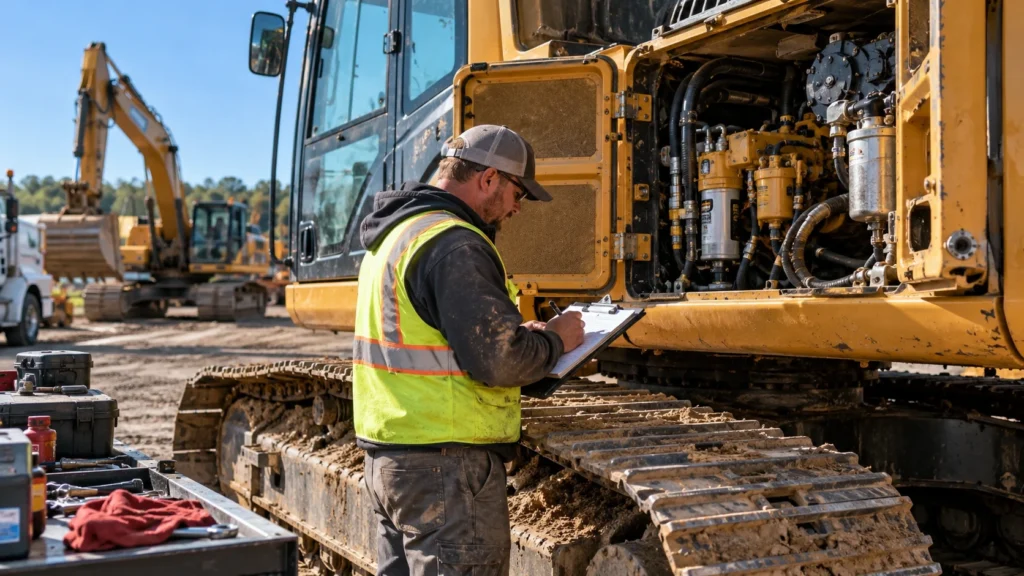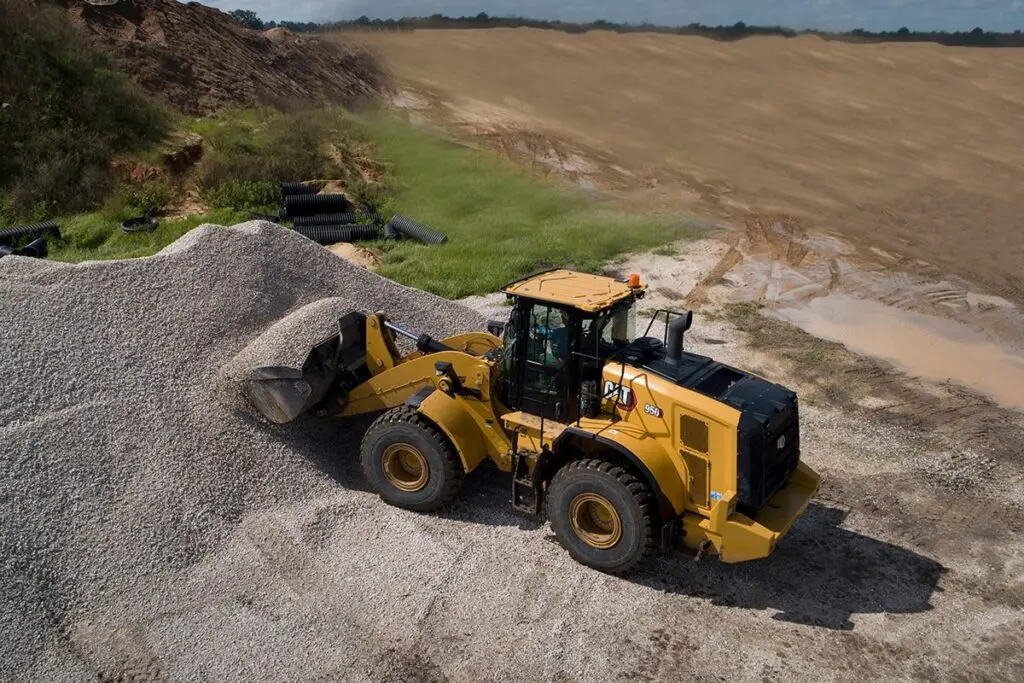
By Michael Nielsen, Editor & Publisher | 15+ Years in Diesel Repair
Last Updated: December 2025
📖 Estimated reading time: 18 minutes
Cat 950 hydraulic maintenance prevents 40% of operational downtime that costs operators $2,500-$4,000 daily. These 28,500-pound wheel loaders push hydraulic fluid at 3,500 PSI through compact systems, creating conditions for catastrophic breakdowns when maintenance lapses.
Emergency repairs cost 3-5 times more than scheduled maintenance, while project delays trigger penalty clauses averaging $1,000-$3,000 per day. Companies implementing strategic maintenance protocols slash failure rates by 80% and save $15,000-$25,000 annually per machine.
Key Takeaways
- Downtime Prevention: 40% of Cat 950 downtime stems from hydraulic failures—costing $2,500-$4,000 daily in lost productivity and emergency repairs
- Failure Reduction: 80% fewer breakdowns through 15-minute daily inspections catching problems when repairs cost hundreds instead of thousands
- Cost Savings: $15,000-$25,000 annual savings per machine with preventive maintenance versus reactive approaches costing $20,000-$35,000
- Early Detection: 75% of hydraulic failures caught early through systematic visual inspection identifying leaks, contamination, and wear
- Resale Value: 20-30% higher resale value for well-maintained equipment with complete digital service records
The True Cost of Hydraulic Failures in Construction Equipment
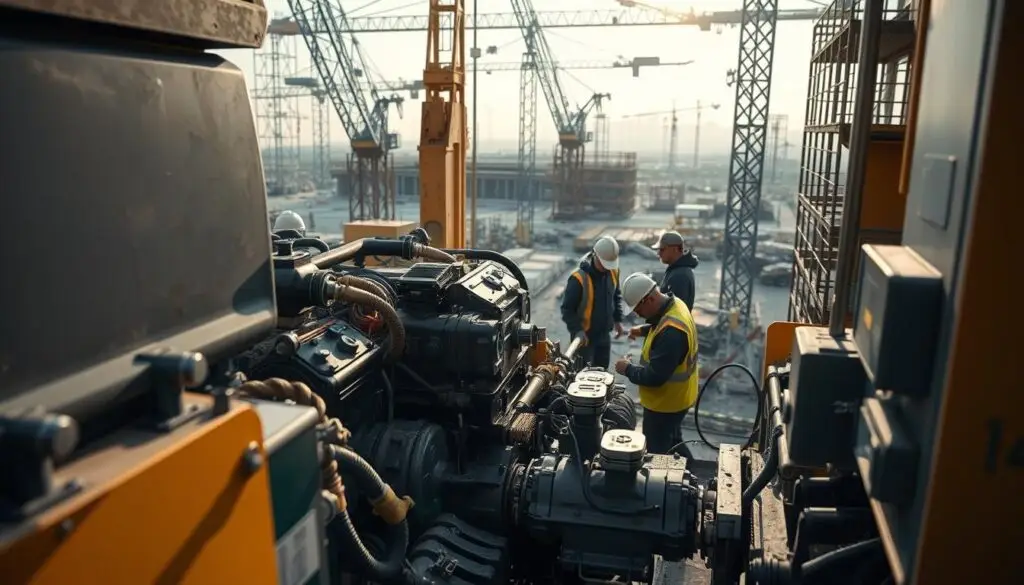
Hydraulic failures create cascading financial damage beyond repair bills. Research from the International Journal of Engineering Science Invention reveals 40% of construction cost overruns stem from poor equipment maintenance—transforming minor oversights into project-threatening expenses.
Cat 950 wheel loaders represent capital investments of $180,000-$250,000 for newer models. When these machines sit idle due to hydraulic system failures, financial hemorrhaging extends far beyond repair invoices.
Lost productivity alone runs $2,500-$4,000 daily based on job type and operator rates. Emergency repair premiums hit 3-5x normal rates ($200-$350/hour versus $65-$85/hour for scheduled service). Rental equipment replacement adds $500-$800 daily for comparable capacity. Overtime labor costs accumulate at $150-$200/hour for crews waiting on equipment. Project delay penalties in contract liquidated damages average $1,000-$3,000 daily. Expedited parts shipping carries 200-400% markup over standard delivery.
Technical research on hydraulic contamination documents that at least 75% of all hydraulic systems fail due to contaminated or aging hydraulic fluid. Contamination decreases the ability of valves to control flow and pressure, wasting horsepower and generating excess heat that accelerates component wear.
Hidden Operational Impacts
Equipment failures ripple through entire project schedules. A single breakdown on grading projects delays concrete pours, steel erection, and finishing work. Subcontractors idle while billing for standby time. Material deliveries get rescheduled at premium rates.
Insurance implications compound financial damage. Frequent breakdowns trigger loss-control reviews and premium increases of 15-30%. OSHA citations for improper maintenance procedures carry fines averaging $7,000-$14,000 per violation.
⚠️ Safety Warning
Hydraulic systems operate at extreme pressures up to 3,500 PSI. Never attempt repairs or inspections without first relieving system pressure and allowing components to cool. Pressurized fluid injection injuries require immediate emergency medical treatment—fluid can penetrate skin at pressures as low as 100 PSI.
Essential Daily Hydraulic Maintenance Protocol
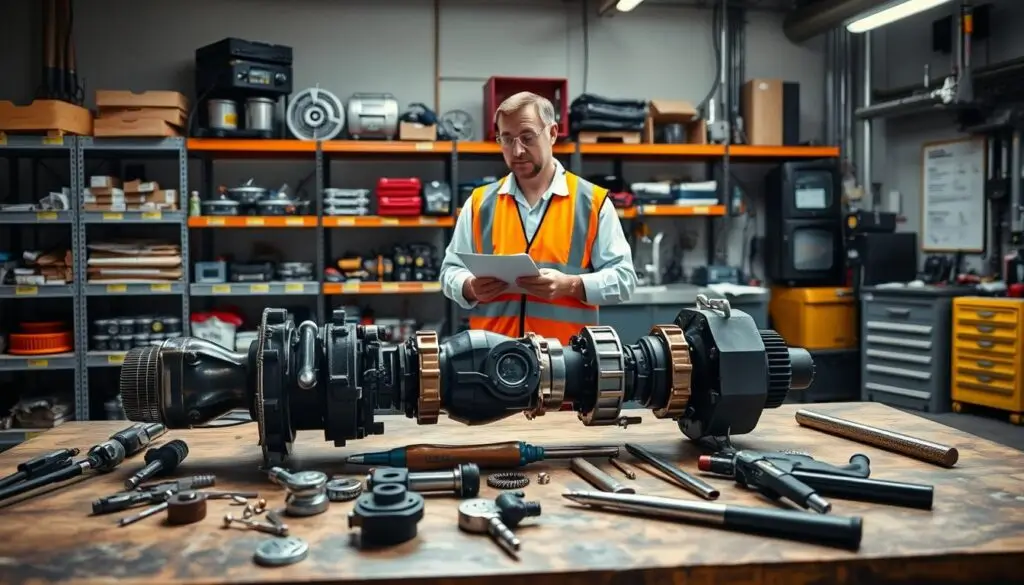
A systematic 15-minute daily inspection prevents 75% of hydraulic failures. This Cat 950 hydraulic maintenance protocol catches problems when repairs cost hundreds, not thousands. Operators following this checklist report 60-80% fewer unscheduled maintenance events versus reactive approaches.
15-Minute Daily Inspection Checklist
Fluid Level Check (3 minutes): Inspect sight gauge for proper level between MIN/MAX marks. Check for contamination indicators like cloudiness, metallic particles, or color changes from amber to brown.
Pressure Verification (2 minutes): Confirm system pressure readings between 2,800-3,200 PSI at operating temperature. Deviations exceeding 200 PSI indicate pump wear or valve issues.
Leak Inspection (4 minutes): Examine all hoses, fittings, cylinder rods, and connections. Small drips waste 5-10 gallons weekly while indicating seal degradation.
Temperature Monitor (1 minute): Ensure hydraulic fluid temperature remains below 180°F. Sustained temperatures above 200°F accelerate oil breakdown and seal deterioration.
Hose Assessment (3 minutes): Check for bulging (indicating internal separation), surface cracking, abrasion wear, and proper routing away from exhaust components.
Function Test (2 minutes): Operate bucket, boom, and steering through complete range verifying smooth response without jerking, hesitation, or unusual sounds.
Start inspections at the hydraulic reservoir behind the operator compartment. Low fluid indicates leaks requiring immediate attention. Cloudy or discolored oil signals contamination that destroys pumps within 20-40 operating hours.
Pre-Operation Warm-Up Procedure
Cold hydraulic systems require 5-10 minutes warm-up before full-load operation. Run engine at 1,000 RPM while cycling hydraulics through partial ranges. This circulates fluid, raises temperature gradually, and prevents shock loading cold components.
Rushing warm-up causes seal damage costing $2,000-$4,000 in premature cylinder rebuilds. Proper warm-up extends component life by 30-40% in cold-weather applications.
Critical Service Intervals for Cat 950 Hydraulic Systems
Operating hours, not calendar dates, determine when Cat 950 hydraulic maintenance is due. A machine running 2,000 hours in six months needs service far sooner than one accumulating the same hours over two years.
Manufacturer specifications base service intervals on actual equipment usage, accounting for component wear rates under normal operating conditions. Hour meters track real stress on hydraulic components—something calendars cannot measure. Ignoring hour-based schedules accelerates failures by 200-300%.
Adjustments for Severe Operating Conditions
Demolition, quarry, and underground mining operations demand doubled maintenance frequency. Standard 500-hour oil changes drop to 250 hours. Filter replacements increase from 250 to 125 hours.
Dusty environments triple contamination risk—requiring additional air filter servicing and frequent hydraulic oil analysis. High-hour machines exceeding 8,000 total hours need quarterly rather than semi-annual major inspections.
Seasonal Maintenance Considerations
Winter operations require switching to lower-viscosity hydraulic fluid (ISO 22 vs standard ISO 32) when ambient temperatures drop below 20°F. Summer heat above 95°F demands auxiliary cooling system inspections and possible oil cooler upgrades.
Seasonal transitions justify complete system flushes removing old fluid before temperature extremes stress components.
Stay Ahead of Equipment Failures
Get maintenance insights, diagnostic tips, and fleet management strategies delivered to your inbox. Join thousands of equipment professionals who rely on Heavy Duty Journal.
Hydraulic Fluid Management Best Practices
Contaminated fluid causes 75% of hydraulic component failures. Cat 950 systems require 45-50 gallons of ISO 32 viscosity oil—representing a $400-$600 investment demanding protection through proper filtration and contamination control.
Industry research on hydraulic contamination documents that particle contamination is the number-one cause of lubricant-related hydraulic equipment failure, accounting for an estimated 82% of component wear. Modern hydraulic systems have clearances measured in microns, meaning relatively tiny particles invisible to the naked eye can cause enormous damage.
Premium synthetic hydraulic fluids deliver documented benefits over conventional petroleum-based oils: 7.5% efficiency gains through reduced internal friction and heat generation, 10.4% productivity improvements from faster cycle times and responsive controls, 4.2% energy savings through reduced pump workload and parasitic losses, 25-40% extended change intervals due to superior oxidation resistance, and 50% reduction in cold-weather starting strain on hydraulic pumps.
Comprehensive Oil Analysis Protocol
Sample hydraulic oil every 250 operating hours using clean collection bottles. Submit samples to accredited laboratories monitoring particle counts (ISO cleanliness codes), water content, viscosity changes, metal content analysis, and acid number (TAN).
Target ISO 18/16/13 or better for optimal component life. Readings above 20/18/15 indicate filter bypass or seal failures. Water content should remain below 100 parts per million (ppm)—water above 500 ppm causes foaming, reduces lubrication, and accelerates corrosion.
Viscosity changes acceptable within ±10% from new oil specifications. Greater deviations signal thermal breakdown or contamination. Metal content analysis identifies wear sources: copper indicates bearing wear, iron signals cylinder/pump deterioration, silicon shows dirt ingress from failed seals.
Laboratory reports provide trending data revealing gradual degradation before catastrophic failures. Sudden metal content spikes indicate active component failure requiring immediate inspection.
Contamination Control Strategies
Install 10-micron return filters capturing particles before they damage pumps. Standard 25-micron filters allow damaging debris to circulate. Breather filters on hydraulic reservoirs prevent airborne contaminants entering during thermal expansion/contraction cycles.
Clean filling equipment and work areas before adding hydraulic fluid. A single cup of dirt introduced during oil changes causes more damage than 1,000 hours of normal operation. Use dedicated clean containers marked specifically for hydraulic fluid.
Component-Specific Maintenance Procedures
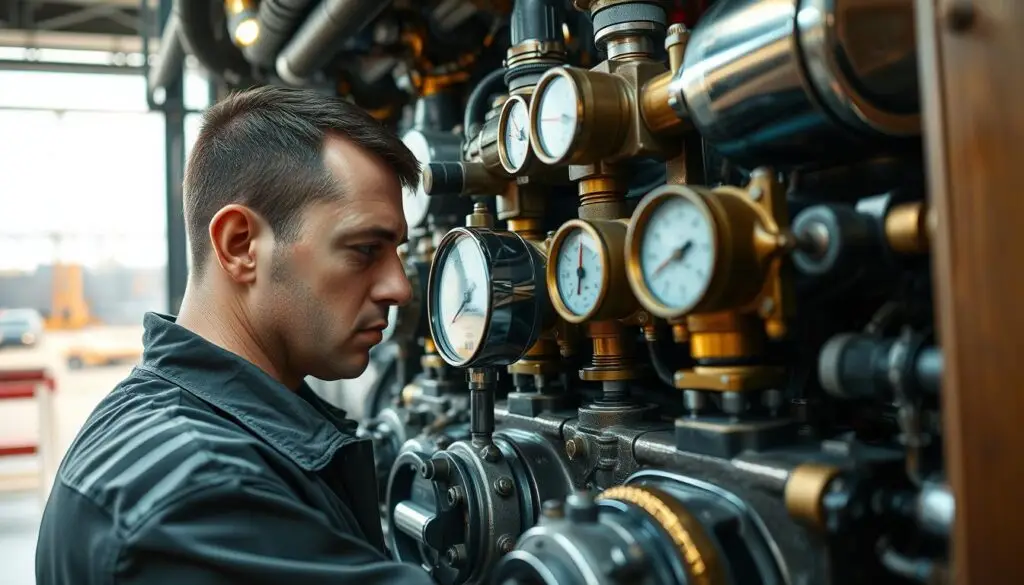
Individual hydraulic components require targeted maintenance approaches. Understanding component-specific needs prevents premature failures and extends service life beyond manufacturer estimates.
Hydraulic Pump Maintenance
Cat 950 loaders use variable displacement piston pumps delivering 65-75 gallons per minute at 3,500 PSI. These precision components demand clean fluid with particle counts below ISO 18/16/13 cleanliness codes, proper suction line sizing preventing cavitation (vacuum readings under 5 inches Hg), inlet screen cleaning every 250 hours removing debris before pump damage, case drain line inspection ensuring proper flow—restrictions cause internal pressure buildup, and coupling alignment verification within 0.003 inches preventing vibration damage.
Pump rebuilds cost $3,500-$6,000 versus $12,000-$18,000 for complete replacement. Preventive maintenance extends pump life from 6,000 hours to 10,000+ hours.
Hydraulic Cylinder Care
Boom, bucket, and steering cylinders endure extreme side-loading and contamination exposure. Proper maintenance includes daily rod wiper inspection removing accumulated dirt before contamination enters seals, chrome rod surface examination for scoring, pitting, or corrosion requiring immediate attention, seal replacement every 3,000-4,000 hours or when leakage exceeds 5 drops per minute, mounting pin bushing inspection every 500 hours—worn bushings cause cylinder misalignment, and rod end bearing lubrication per manufacturer schedules preventing galling.
Cylinder rebuilds average $1,200-$2,500 per unit. Cat 950s contain 6-8 major cylinders representing $10,000-$20,000 in potential rebuild costs when neglected.
Control Valve Maintenance
Main control valves direct hydraulic flow with precision tolerances under 0.0005 inches. Contamination causes valve spool sticking, leading to jerky operation or complete function loss. Maintain valves through ultra-clean fluid eliminating particles that jam precision components, pilot pressure verification ensuring 400-500 PSI for proper valve actuation, load-sensing line inspection preventing pressure feedback issues, and periodic disassembly and cleaning (every 4,000 hours) removing varnish buildup.
The HDJ Perspective
In our experience working with fleet managers across the construction industry, the biggest maintenance gap isn’t knowledge—it’s consistency. Most operators understand the importance of daily inspections; the challenge comes on Monday mornings with trucks waiting and deadlines pressing. The fleets that achieve 80% failure reduction aren’t doing anything exotic—they’ve simply built 15-minute inspections into their non-negotiable daily routines. Digital tracking tools help, but the cultural shift of treating hydraulic maintenance as production time rather than downtime makes the real difference.
Environmental Factors Affecting Hydraulic Performance
Temperature extremes and contamination accelerate hydraulic degradation. Understanding environmental impacts enables targeted protection strategies extending component life by 40-60% compared to operations ignoring these factors.
Heat Management Solutions
Hydraulic oil operating above 180°F experiences exponential degradation. Every 18°F increase above optimal temperature doubles oxidation rates, cutting fluid life by 50%. Monitor oil temperature continuously using dashboard gauges or infrared thermometers.
Dust and mud create insulating layers trapping heat around hydraulic components. Daily pressure washing removes this buildup—particularly critical around oil coolers where deposits block airflow. Clean cooler fins monthly using compressed air or soft bristle brushes.
Moisture Protection Strategies
Water contamination occurs through condensation in partially-filled hydraulic tanks during thermal cycling. Install desiccant breathers removing moisture from incoming air. Maintain full fluid levels minimizing air space where condensation forms.
Outdoor storage in humid climates requires monthly operation cycling hydraulics through full range. This distributes preservative additives and prevents moisture accumulation in stagnant systems.
Early Warning Signs of Hydraulic Problems
Recognizing symptoms early transforms major repairs into minor adjustments. Experienced operators detect problems 2-4 weeks before catastrophic failure, enabling scheduled repairs during planned downtime rather than emergency breakdowns.
Visual and Performance Indicators
Visible leaks anywhere in system: Small drips (5-10 drops/minute) indicate seal degradation progressing toward complete failure within 200-500 operating hours.
Temperature increases above normal: Systems running 10°F hotter than baseline signal internal friction from pump wear, valve sticking, or contamination.
Slower hydraulic response times: Delayed reactions indicate pump wear reducing flow capacity or valve contamination restricting fluid movement.
Unusual operational sounds: Whining pumps signal cavitation or bearing damage; chattering valves indicate contamination or pilot pressure issues.
Jerky or erratic movement: Indicates air contamination, particulate buildup in valves, or internal cylinder wear.
Increased cycle times: Operations taking 15-20% longer signal declining system efficiency requiring investigation.
Foam in hydraulic reservoir: Indicates air entrainment from loose suction connections or low fluid levels.
Electronic Monitoring Systems
Modern Cat 950 models feature Product Link telematics displaying real-time pressure and temperature data. Dashboard warnings provide 48-96 hours advance notice when properly configured.
Monitor systems include individual circuit pressure readings, oil temperature trending, filter restriction indicators, and engine load factor analysis showing hydraulic system efficiency changes.
Operator Training for Hydraulic System Protection
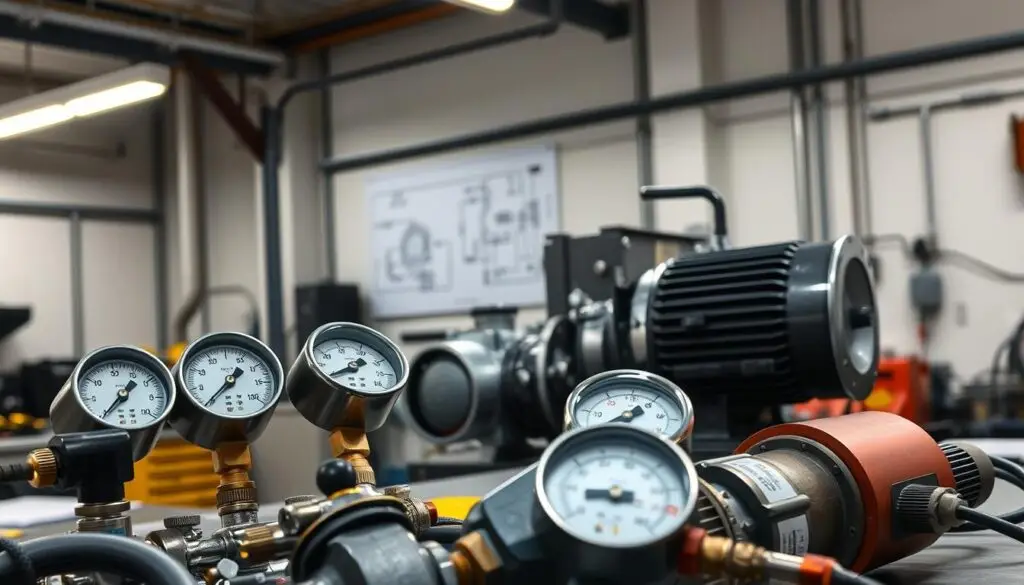
Industry research shows 37% of equipment failures stem from inadequate operator training. Operators who understand their machines become the first defense against breakdowns—detecting anomalies and preventing damage through proper operating techniques.
Heavy equipment safety standards emphasize proper operating techniques preventing hydraulic system overload: smooth, gradual control movements preventing pressure spikes that stress components; proper cold-weather warm-up procedures (5-10 minutes minimum) allowing fluid viscosity normalization; working within manufacturer load limits avoiding excessive side-loading damaging cylinder seals; recognizing abnormal sounds, smells, or performance changes indicating developing problems; and understanding the relationship between operating technique and maintenance requirements.
Certification Programs and Continuing Education
Certified training programs teach operators to identify problems before damage occurs. While technicians handle complex repairs, operators who understand normal operation quickly spot abnormalities.
Annual refresher training updates operators on new equipment features, revised procedures, and lessons learned from fleet-wide failure analysis. Investment in training delivers 300-400% ROI through prevented breakdowns and extended equipment life.
Share Your Field Experience
Have you developed effective hydraulic maintenance protocols for your fleet? Heavy Duty Journal welcomes technical contributions from equipment managers and maintenance professionals.
Digital Maintenance Tracking and Monitoring
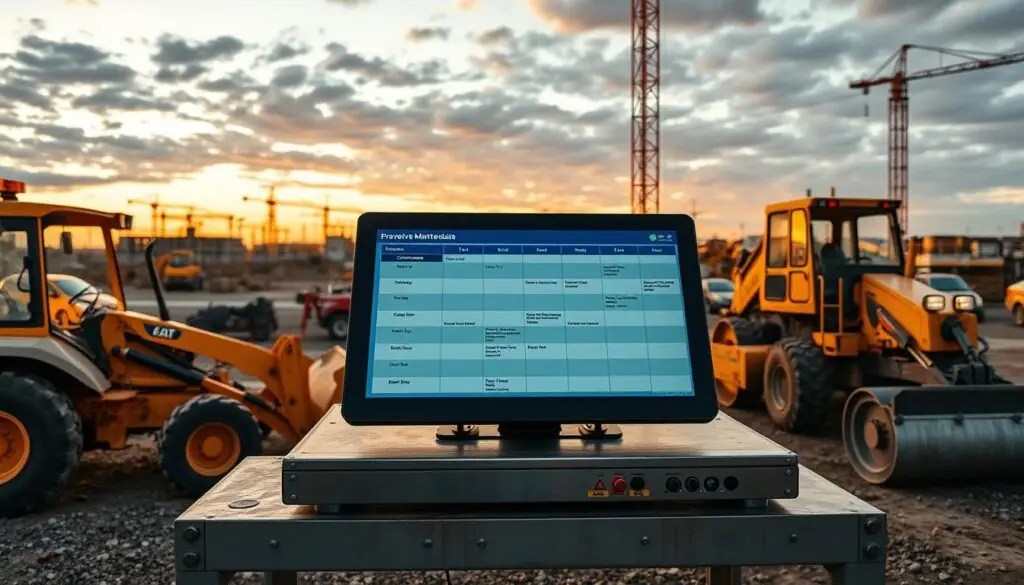
Modern technology transforms hydraulic maintenance from guesswork to precision. Digital systems track every service event, predict failures before they happen, and optimize maintenance schedules based on actual usage.
Integration with Fleet Management Systems
Caterpillar’s Product Link telematics on 950 series loaders provides detailed performance data accessible through web portals and mobile apps. Maintenance teams access complete service histories instantly, eliminating manual tracking and lost records.
System capabilities include automated service reminders based on actual operating hours, fault code monitoring alerting managers to developing problems, utilization tracking optimizing equipment deployment, fuel consumption analysis revealing efficiency degradation, and geofencing alerts preventing unauthorized movement.
Digital Record Benefits for Resale
Complete digital maintenance histories create verified service records supporting resale value claims. Equipment with documented comprehensive maintenance maintains 20-30% higher resale value while streamlining buyer due diligence.
Cost-Benefit Analysis of Preventive Hydraulic Maintenance
The numbers prove preventive maintenance delivers exceptional ROI. Understanding these economics justifies investment in proper protocols while demonstrating financial benefits to stakeholders questioning maintenance budgets.
$125,000
Five-year savings per machine: preventive vs. reactive maintenance approach
Preventive maintenance programs cost $8,000-$12,000 annually covering scheduled services, fluid analysis, and component inspection. Reactive approaches run $20,000-$35,000 yearly including emergency repairs, downtime costs, and expedited parts. Emergency repair premiums hit 3-5x standard rates due to after-hours labor, expedited shipping, and rental equipment needs.
Equipment with documented comprehensive maintenance maintains 20-30% higher resale value compared to poorly-maintained equivalents. Buyers pay $15,000-$30,000 premiums for machines with verified maintenance documentation. Operational efficiency gains include 10-15% fuel savings with properly maintained hydraulic systems reducing engine load, plus 5-10% insurance premium reductions for fleets demonstrating comprehensive maintenance programs.
Long-Term Financial Impact
Five-year total cost of ownership analysis reveals dramatic differences between maintenance approaches. Preventive maintenance delivers $50,000 scheduled maintenance costs versus $100,000 for reactive approaches—a $50,000 savings. Downtime costs run $15,000 with preventive programs versus $75,000 reactively—another $60,000 savings. Fuel efficiency costs $85,000 with maintained systems versus $100,000 without—$15,000 in savings. Total five-year costs: $150,000 preventive versus $275,000 reactive—$125,000 saved per machine.
Frequently Asked Questions
What percentage of Cat 950 downtime comes from hydraulic failures?
Hydraulic system failures cause over 40% of wheel loader downtime according to multiple industry studies. Research confirms poor hydraulic maintenance practices contribute to 40% of total construction project cost overruns, making proper maintenance protocols critical for operational efficiency and budget control.
How much can proper hydraulic maintenance save annually?
Strategic hydraulic maintenance programs save $15,000-$25,000 annually per machine through reduced emergency repairs, minimized downtime, and extended component life. Preventive programs cost $8,000-$12,000 yearly versus $20,000-$35,000 for reactive approaches relying on emergency repairs.
What are the critical service intervals for Cat 950 hydraulics?
Key maintenance intervals include: 50 hours (greasing all 45 pivot points), 250 hours (filter replacement and oil sampling), 500 hours (complete oil change with 45-50 gallons), 1,000 hours (pressure testing and hose inspection), and 2,000 hours (major service with pump/valve inspection). Severe operating conditions require doubling maintenance frequency.
How long do daily hydraulic inspections take?
Daily hydraulic inspections require just 15 minutes: fluid level check (3 minutes), pressure verification (2 minutes), leak inspection (4 minutes), temperature monitoring (1 minute), hose assessment (3 minutes), and function test (2 minutes). This brief investment prevents 75% of hydraulic failures.
What causes most hydraulic component failures?
Contaminated hydraulic fluid causes 75% of component failures. Particles create foaming, varnish buildup, accelerated wear, and water separation. Contamination sources include improper fluid handling during changes, failed breather filters, worn seals, and inadequate filtration systems.
What hydraulic oil should Cat 950 loaders use?
Cat 950 hydraulic systems require ISO 32 viscosity hydraulic oil with total capacity of 45-50 gallons. Premium synthetic fluids deliver 7.5% efficiency gains, 10.4% productivity improvements, and 25-40% extended change intervals. Winter operations below 20°F demand ISO 22 (lower viscosity) fluid.
Maximizing Cat 950 Reliability Through Systematic Maintenance
Hydraulic maintenance transforms Cat 950 reliability and profitability. The 15-minute daily inspection protocol catches 75% of problems when repairs cost hundreds rather than thousands. Following hour-based service intervals prevents catastrophic failures that devastate construction budgets.
Companies implementing comprehensive maintenance programs see immediate results: 80% fewer system failures, $15,000-$25,000 annual savings per machine, and 35% lower total ownership costs. Equipment maintains 20-30% higher resale value while delivering consistent performance throughout operational life.
Success requires three commitments: daily inspections before operation, service intervals following operating hours rather than calendar dates, and quality fluids with genuine OEM filters protecting investments through superior contamination control. Start with the 15-minute inspection checklist and document findings using mobile apps or logbooks. Your bottom line will reflect the difference within 30-60 days as failures decrease and efficiency improves.
Share This Resource
Help other equipment professionals reduce downtime and maintenance costs. Share this guide with your network.