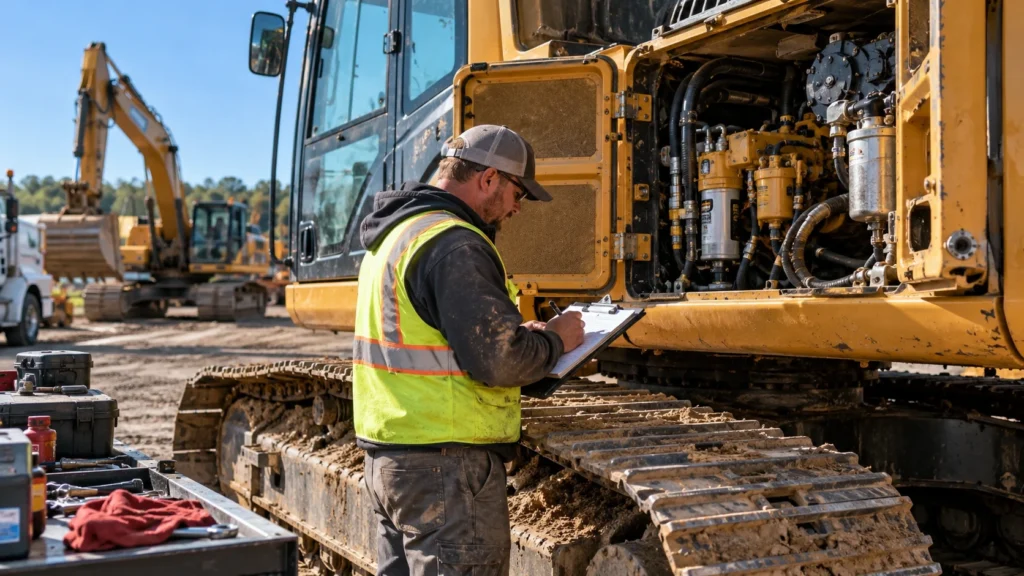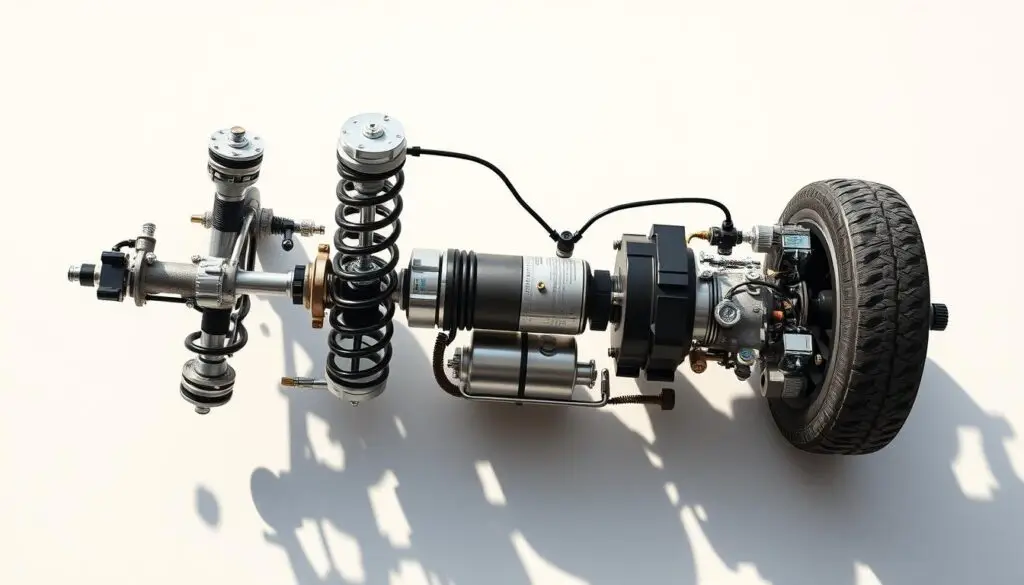
Fleet managers implementing comprehensive air suspension maintenance programs reduce repair costs by up to 40% while extending component lifespan from 3-5 years to 8-12 years. This dramatic improvement stems from systematic preventive care that addresses the root causes of system failures before they escalate into roadside emergencies.
Recent industry data reveals that 68% of air suspension failures originate from preventable contamination issues, primarily moisture accumulation in system lines. With compressor replacement costs ranging from $1,200 to $2,500 per vehicle, the financial impact of reactive maintenance quickly overwhelms fleet budgets. Meanwhile, proper maintenance protocols transform these expensive emergencies into manageable scheduled services.
The difference between proactive and reactive maintenance approaches determines whether your fleet operates profitably or hemorrhages money through constant repairs. Fleets implementing bi-annual inspection protocols see equipment lasting 8-12 years, while neglected systems barely reach 3-5 years before requiring major overhauls. This guide delivers evidence-based strategies that maximize vehicle uptime, protect cargo integrity, and optimize maintenance spending through systematic preventive care tailored specifically for commercial fleet operations.
Last Updated: November 2025
Key Takeaways
- Cost Reduction: Proper preventive maintenance reduces repair costs by up to 40% for fleet operations.
- Root Cause: 68% of failures stem from contaminated lines—a completely preventable issue with proper air dryer service.
- Lifespan Extension: Bi-annual servicing extends equipment life from 3-5 years to 8-12 years.
- Financial Impact: Compressor replacement alone costs $1,200-$2,500, not including downtime expenses.
- System Complexity: ECU-controlled components require specialized diagnostics beyond traditional mechanical knowledge.
Understanding Commercial Fleet Air Suspension Systems
Modern commercial vehicles equipped with air suspension technology operate through sophisticated networks of interdependent components that demand specialized maintenance approaches. Unlike traditional leaf spring systems, air suspensions combine pneumatic, electronic, and mechanical elements that work in precise coordination to maintain vehicle stability and load distribution.
Fleet managers who understand the technical architecture of these systems make maintenance decisions that save thousands in repair costs annually. Each component serves a specific function while working harmoniously with others to deliver superior performance compared to conventional suspension designs. This knowledge forms the foundation for implementing effective preventive maintenance protocols that address system-specific requirements.
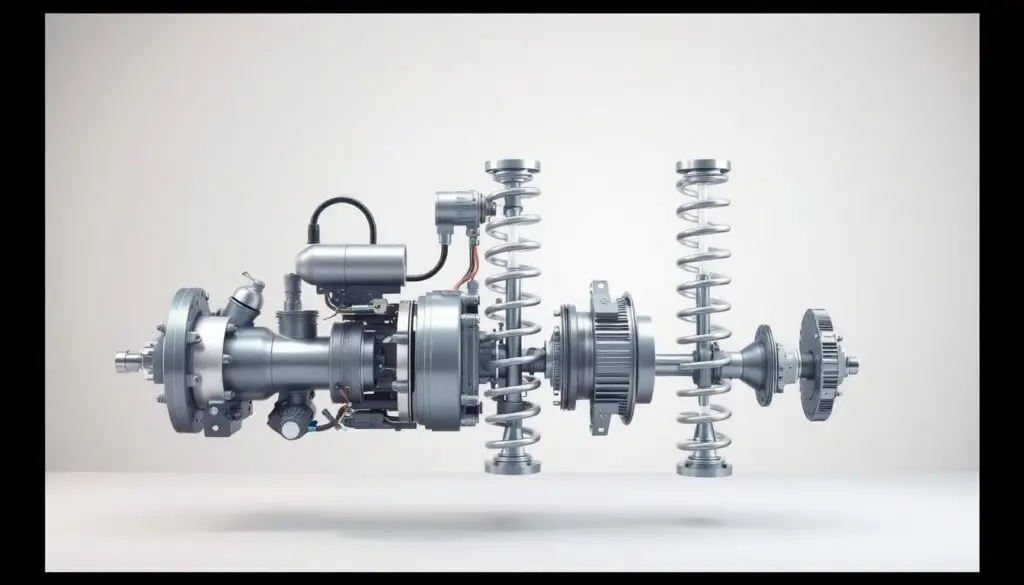
The air compressor generates pressurized air between 100 and 150 PSI to inflate the air bags, running intermittently to maintain optimal pressure levels throughout the system. When pressure drops below threshold levels, the compressor automatically activates to restore proper operating conditions. According to 49 CFR 393.207, commercial vehicle air suspension systems must maintain proper pressure with the regulator valve not allowing air into the suspension until at least 55 psi is in the braking system.
Critical Component Functions and Integration
Solenoid valves function as the system’s traffic controllers, directing airflow to individual air springs based on commands from the electronic control unit. These electronically operated valves open and close rapidly to balance pressure across all suspension points, with their precision determining how quickly the system responds to load changes and road conditions.
Height sensors continuously monitor vehicle ride height at each corner, feeding real-time data to the ECU for automatic adjustments. In heavy-duty trucks, this automated leveling system transfers air between bags to compensate for uneven loads, maintaining proper vehicle stance regardless of cargo distribution. The ECU processes sensor information and orchestrates adjustments automatically, creating a dynamic response system.
Air springs—also called air bags—are pressurized rubber chambers that replace traditional coil or leaf springs. These flexible components expand and contract to absorb road impacts while supporting vehicle weight. The ECU adjusts air pressure within these chambers based on sensor feedback, adapting to changing conditions in real time.
Component interdependence means failure in one area cascades throughout the entire system. A malfunctioning height sensor provides incorrect data to the ECU, resulting in improper pressure adjustments. A leaking air spring forces the compressor to run continuously, leading to premature wear and eventual compressor failure. Regular air spring inspection becomes critical to preventing these cascading failures.
| Component | Operating Parameters | Maintenance Priority |
|---|---|---|
| Air Compressor | 100-150 PSI output | High – Monthly checks |
| Solenoid Valves | 10-15 ohms resistance | Medium – Quarterly testing |
| Height Sensors | Real-time monitoring | High – Weekly inspection |
| Air Springs | Variable pressure | Critical – Daily checks |
Performance Advantages Over Traditional Systems
Air suspension systems offer decisive advantages through adjustability and customizable ride characteristics based on load and road conditions. Unlike passive coil springs that provide fixed spring rates, air ride systems actively modify their response. This adaptability translates to superior performance across diverse operating scenarios while protecting both cargo and vehicle components.
The maintenance protocols differ significantly between these technologies. Conventional springs require periodic inspection for cracks, broken leaves, or worn bushings. Air suspension components demand more sophisticated diagnostic approaches including pressure testing, electronic system scans, and pneumatic line integrity checks. Your preventive maintenance checklist must account for these additional requirements.
Cargo protection represents a measurable financial benefit of properly maintained air suspension systems. Reduced vibration transmission protects sensitive freight from damage during transport. Electronics, pharmaceuticals, and fragile goods arrive in better condition when air ride systems function optimally, reducing damage claims and preserving customer relationships.
Recognizing Early Air Suspension Failure Warning Signs
Early identification of air suspension deterioration prevents minor issues from escalating into catastrophic breakdowns that sideline vehicles and disrupt delivery schedules. Fleet personnel trained in suspension system diagnostics detect problems during routine operations rather than waiting for complete system failure.
Visual inspection reveals one of the most obvious failure indicators: uneven vehicle height across different corners or sides. When a commercial vehicle displays sagging on one corner while maintaining proper height elsewhere, this indicates air spring failure or compromised solenoid valves requiring immediate investigation.
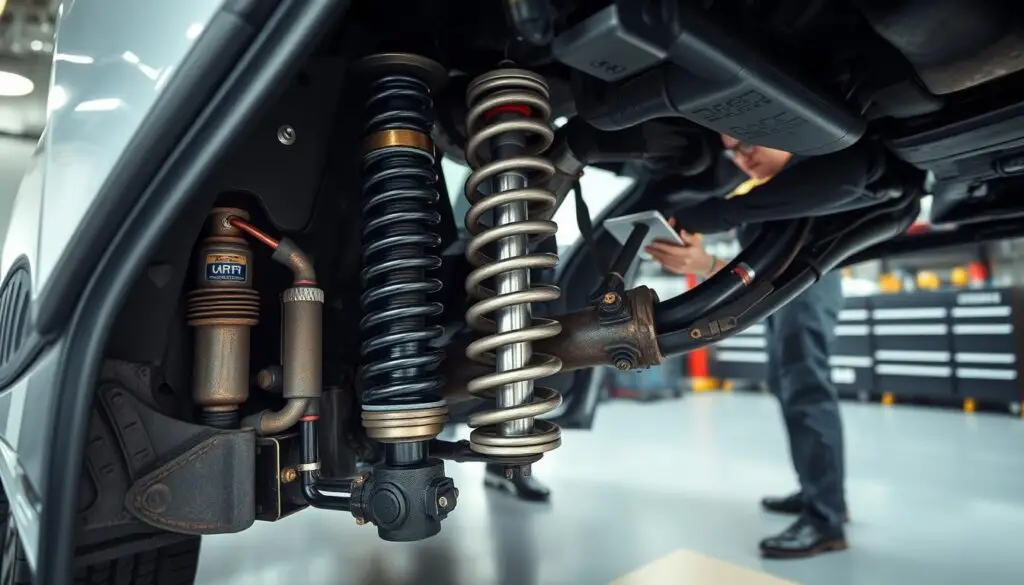
Fleet managers should establish baseline height measurements for each vehicle when systems function properly. Deviations exceeding two inches from these baselines signal developing problems. The Commercial Vehicle Safety Alliance inspection criteria specify suspension components as critical safety items requiring immediate attention when defects are identified.
Compressor Performance Abnormalities
A compressor running continuously indicates the system cannot maintain adequate pressure, forcing constant operation to compensate for air loss. This continuous operation points to significant system leaks somewhere in the air suspension circuit. Extended continuous operation dramatically shortens compressor life while increasing fuel consumption due to parasitic power draw.
Conversely, a compressor that fails to start presents equally serious concerns. Electrical issues frequently cause this problem, including blown fuses, damaged relays, or corroded connections. Carbon brush wear represents a common mechanical failure point—when carbon brush length falls below 5mm, replacement becomes necessary to prevent complete compressor failure.
Additional compressor failure indicators include unusual grinding or screeching noises during operation, excessive heat buildup in the compressor housing, oil leaks around compressor seals, and tripped circuit breakers when the system attempts to activate. These symptoms typically appear 2-3 weeks before complete failure, providing a critical window for preventive action.
Diagnostic Codes and System Monitoring
Modern commercial vehicles equipped with electronic air suspension systems provide diagnostic trouble codes that streamline troubleshooting procedures. Dashboard warning lights alert drivers to system malfunctions, enabling immediate response before minor issues escalate into major failures.
Common diagnostic codes include height sensor errors indicating position sensor failure or wiring damage, pressure faults suggesting air leaks or sensor malfunction, compressor codes revealing electrical faults or mechanical failure, and valve malfunctions showing stuck valves or electrical shorts. Each code category requires different urgency levels and response protocols.
Fleet managers must establish clear protocols for responding to warning indicators. Critical codes indicating complete system failure demand immediate vehicle removal from service. Less severe codes may allow continued operation with reduced capability while scheduling repair appointments. Regular diagnostic scanning during scheduled maintenance reveals intermittent faults that may not activate dashboard warnings.
Essential Maintenance Practices for Air Suspension Systems
Effective air suspension care demands a tiered approach balancing daily vigilance with comprehensive periodic evaluations. A well-designed maintenance schedule reduces emergency repairs by up to 73% and extends component lifespan significantly. The foundation of successful maintenance lies in establishing clear responsibilities across your team—drivers handle quick visual checks, maintenance personnel conduct systematic assessments, and technicians perform detailed evaluations.
Your drivers serve as the first line of defense against air suspension problems. Pre-trip and post-trip inspection procedures focus on observable indicators signaling potential issues. These quick checks take less than five minutes but prevent road failures that could sideline vehicles for days.
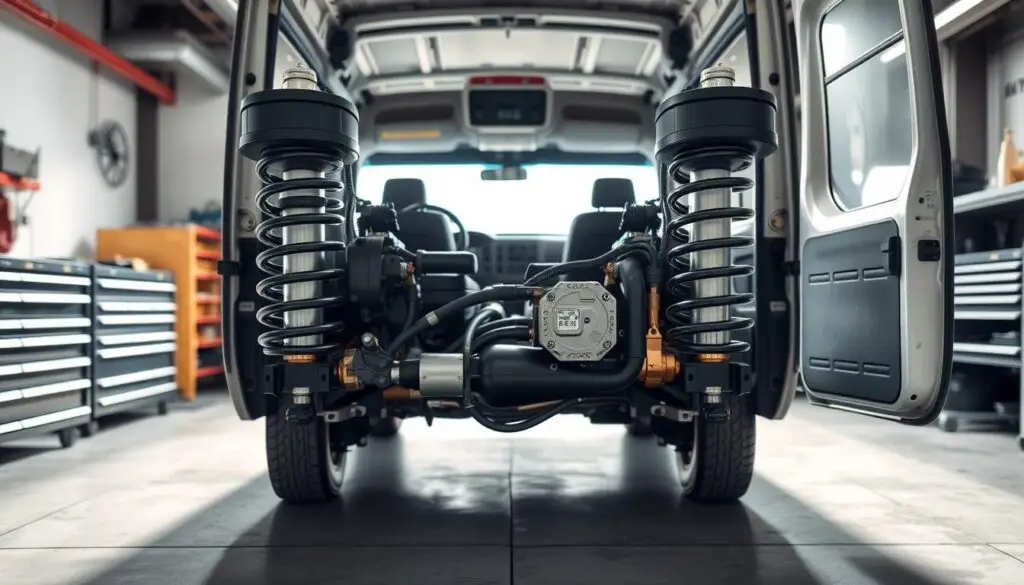
Before each trip, drivers should verify vehicle ride height by comparing both sides of each axle. They should listen for hissing sounds during engine start-up, which typically signal valve seal failures requiring immediate attention. Post-trip procedures mirror pre-trip checks with added attention to any changes noticed during operation.
Stay Ahead of Industry Trends
Get expert insights, equipment reviews, and operational strategies delivered weekly.
Subscribe to Heavy Duty JournalCritical Monthly Air Dryer Service
Monthly air dryer and filter service represents the most important preventive measure for air suspension longevity. Moisture contamination causes approximately 68% of all air suspension failures, making air dryer maintenance essential rather than optional. This service takes 15-30 minutes per vehicle and dramatically extends component life.
Begin air dryer service by opening drain valves to release accumulated moisture. In humid climates, substantial water discharge occurs even with monthly service intervals. Inspect the desiccant cartridge for saturation, which appears as color change in most systems. Replace desiccants showing more than 50% color change.
Climate considerations affect air dryer service frequency significantly. Vehicles operating in coastal areas or regions with high humidity require service every 3-4 weeks rather than monthly. Cold climate operations also stress air dryers as condensation increases with temperature fluctuations. Industry guidelines emphasize the importance of moisture control in pneumatic systems for maintaining component reliability.
Quarterly Component Evaluation Protocols
Quarterly comprehensive system evaluation provides opportunity for thorough component assessment and preventive replacement. This detailed inspection requires 60-90 minutes per vehicle and should be scheduled during regular maintenance windows. These evaluations identify wear patterns before they cause failures and validate the effectiveness of your preventive maintenance checklist.
Air spring detailing forms a critical part of quarterly maintenance. Clean all air springs using pH-neutral soap solutions applied with soft brushes. Never use petroleum-based cleaners, as they degrade rubber compounds and accelerate cracking. Inspect cleaned surfaces under good lighting for hairline cracks, particularly around mounting beads and flex zones.
Compressor performance testing validates system efficiency. Measure the time required to pressurize from 0 to 100 PSI. Most commercial air suspension compressors should complete this cycle in under two minutes. Longer cycles indicate wear, restricted intake filters, or developing mechanical problems requiring attention.
Component-Specific Inspection and Service Procedures
Targeted component maintenance represents the most effective approach to extending air suspension system life and preventing unexpected downtime. Each element within your air suspension system requires distinct diagnostic techniques and service protocols tailored to its specific function and failure modes.
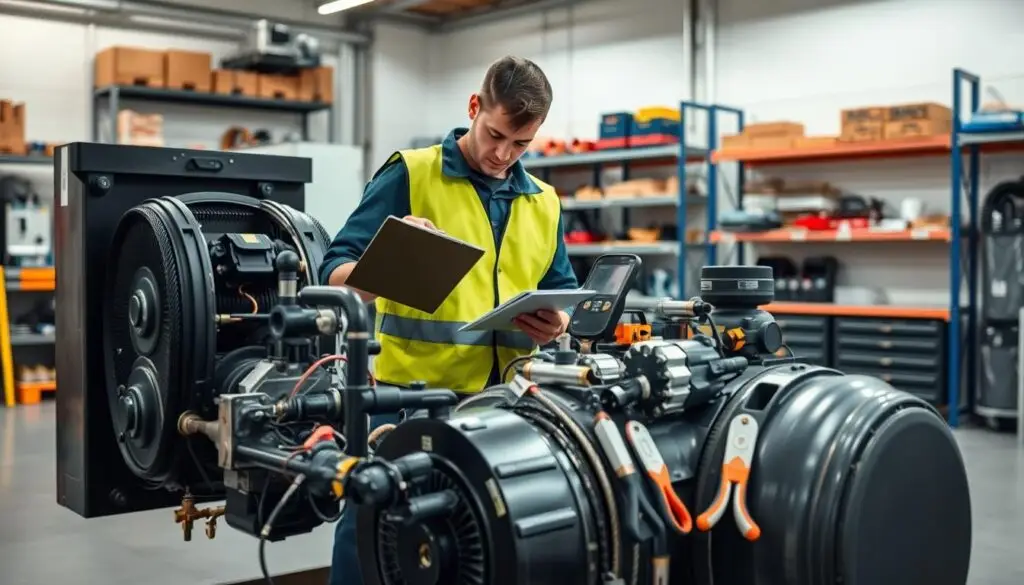
The air compressor serves as the power source for your entire suspension system. Regular air compressor maintenance prevents cascading failures throughout connected components. Listen for unusual noises during operation—grinding, squealing, or excessive vibration indicates internal wear requiring immediate attention. These warning signs typically appear 2-3 weeks before complete failure occurs.
Replace the compressor filter according to manufacturer specifications, typically every 25,000 miles for highway operations. Contaminated filters allow dirt and debris to enter the system, causing premature wear on cylinder walls and piston rings. Cold weather presents unique challenges, with low temperatures thickening compressor oil and resulting in dry starts that accelerate wear.
Air Spring Condition Assessment
Air spring inspection forms the foundation of effective suspension system diagnostics. Visual assessment reveals early signs of deterioration before complete failure occurs. Clean air springs using pH-neutral soap and water before inspection to remove road grime that obscures cracks and abrasions.
Examine the rubber surface for critical indicators including surface cracks or checking patterns, abrasion marks from contact with frame components, discoloration indicating chemical exposure, bulging during inflation cycles, and oil contamination from leaking components. Any internal crack exceeding 2mm in length demands immediate replacement, regardless of external appearance.
Establish replacement timing based on condition assessment rather than mileage alone. Replace air springs showing visible rubber deterioration even if manufacturer mileage specifications haven’t been reached. Proactive replacement costs significantly less than emergency roadside repairs and associated downtime expenses.
Solenoid Valve Testing Protocols
Solenoid valve performance determines how effectively your air suspension system responds to height adjustment commands. Use a digital multimeter to verify solenoid valve resistance—properly functioning valves measure between 10-15 ohms resistance across the coil terminals. Readings outside this range indicate coil degradation requiring valve replacement.
Clean solenoid valve bodies during quarterly maintenance intervals. Remove valves from mounting positions and inspect internal passages for contamination. Compressed air removes loose debris, while brake cleaner dissolves oil and dirt buildup. Never use lubricants on solenoid valve components, as these attract additional contamination.
Test valve response time during system operation. Sluggish response or incomplete opening indicates internal wear or contamination interference. Replace valves showing delayed response to maintain proper system control and leveling accuracy. Maintain a valve replacement inventory based on fleet size and usage patterns to minimize downtime during component swaps.
Developing Fleet-Specific Maintenance Schedules
The gap between factory-recommended service intervals and actual fleet needs can mean the difference between eight years of reliable service and premature system failure. Creating effective fleet maintenance protocols requires balancing manufacturer guidelines with the harsh realities of commercial operations. Your vehicles face extreme temperatures, heavy loads, varied terrain, and relentless duty cycles that test every component beyond textbook specifications.
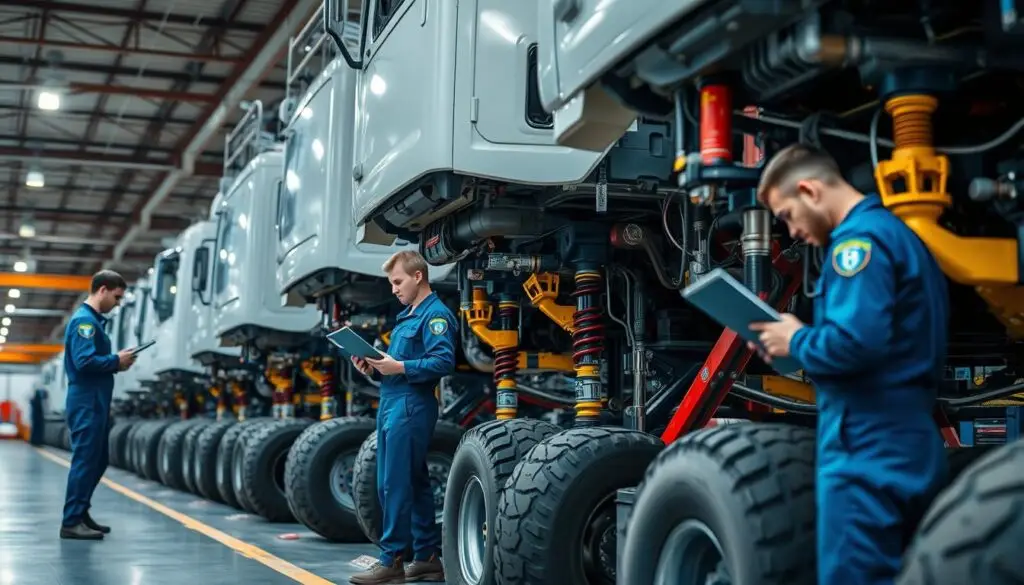
Manufacturer service intervals represent minimum requirements based on ideal operating conditions. These baseline recommendations assume moderate climates, well-maintained roads, and standard payload configurations. Commercial vehicles operating in severe service environments require maintenance intervals reduced by 30-50% to achieve comparable reliability.
Fleet managers should treat manufacturer recommendations as starting points requiring adjustment. Analyze specific duty cycles, routes, and environmental exposures to determine appropriate interval modifications. Documentation of failure patterns across your fleet provides invaluable data for schedule refinement.
High-Mileage Vehicle Considerations
Vehicles exceeding 200,000 miles enter a critical phase where component wear accelerates and failure risks increase substantially. Your fleet maintenance protocols must adapt to these aging systems through enhanced monitoring and proactive replacement strategies. High-mileage air suspension systems require more frequent inspections rather than simply waiting for failure symptoms.
Accelerate inspection intervals by approximately 25-40% for vehicles in this category. Monthly inspections become bi-weekly, and quarterly comprehensive evaluations shift to every six weeks. Implement preemptive air spring replacement at 6-year service life regardless of visual condition, and conduct monthly air dryer performance testing versus quarterly standard.
The investment in enhanced monitoring pays dividends through reduced roadside failures and extended vehicle service life. High-mileage vehicles receiving elevated attention frequently operate reliably beyond 400,000 miles when systematic maintenance addresses accelerated wear patterns.
Climate-Specific Maintenance Adaptations
Environmental conditions dramatically impact component wear rates and failure mechanisms. Arctic operations present unique challenges when temperatures drop to -30°C and below, causing compressor oil to thicken significantly and creating dry-start scenarios. Install tank heaters, switch to synthetic ISO VG 32 oil formulated for low-temperature performance, and establish pre-heating protocols.
Desert environments operating at 50°C and above accelerate rubber component degradation through intense UV exposure and heat cycling. Rubber components experience failure rates 3 times faster than moderate climate operations. Apply 303 Aerospace Protectant monthly to exposed rubber components, install protective shrouds over air springs, and reduce rubber component replacement intervals by 40%.
Humid climates require aggressive moisture management to prevent system contamination and component corrosion. Open drain valves during routine inspections to release accumulated moisture actively. Air dryer cartridges in humid environments require replacement every 12-18 months rather than standard 24-month intervals.
| Climate Type | Adjusted Interval | Critical Focus Areas |
|---|---|---|
| Arctic (-30°C and below) | 60 days | Compressor oil, air lines, pre-heating |
| Desert (50°C and above) | 45-60 days | Rubber components, UV protection |
| Humid (coastal/tropical) | 30-45 days | Air dryer, drain valves, moisture |
| Moderate/Mixed | 90 days | General inspections, transitions |
Implementing Digital Documentation and Tracking Systems
Modern fleet operations demand robust documentation systems that convert raw maintenance data into actionable intelligence for air suspension management. Digital platforms centralize all suspension-related data across your entire fleet, making information instantly accessible to dispatchers, technicians, and management personnel simultaneously.

The integration of telematics technology with maintenance documentation systems creates continuous visibility into suspension performance. Wireless pressure sensors installed on air springs transmit real-time data directly to management dashboards. Applications like Air Guard Pro provide technicians with instant access to complete vehicle service histories during inspections.
IoT monitoring devices measure pressure fluctuations, compressor cycle frequency, and temperature variations throughout daily operations. This continuous data stream identifies developing problems weeks before they cause roadside failures. Automated alert systems prevent vehicles from leaving the yard with overdue maintenance by notifying supervisors and generating work orders automatically.
Predictive Analytics and Pattern Recognition
Comprehensive repair records become exponentially more valuable when analyzed for patterns revealing underlying fleet issues. AI-powered diagnostic platforms like SuspensionAnalytix analyze vibration patterns, pressure variations, and operational parameters to predict component failures up to three months in advance. This predictive capability transforms maintenance scheduling from calendar-based intervals to condition-based interventions.
Pattern analysis reveals correlations invisible in individual service records. Data might show vehicles operating specific regional routes experience air spring failures at 40% higher rates than the fleet average. This insight enables targeted preventive measures for high-risk units while optimizing resource allocation.
Driver behavior analysis through repair data identifies whether certain operators consistently generate higher suspension maintenance costs. Vendor performance tracking within maintenance documentation systems identifies which parts suppliers provide components with superior longevity, enabling data-driven sourcing decisions.
Compliance and Warranty Documentation
Regulatory agencies, insurance carriers, and manufacturer warranty departments require detailed service documentation proving maintenance schedules were followed consistently. Digital systems generate complete audit trails documenting every inspection, repair, and component replacement with timestamps, technician identification, and photographic evidence.
DOT audits examine maintenance records to verify compliance with Federal Motor Carrier Safety Regulations Part 396. Complete service histories with date-stamped records and parts receipts eliminate ambiguity and protect your investment in premium components. Insurance premium negotiations benefit from demonstrated maintenance excellence, with carriers offering favorable rates to operations proving systematic preventive maintenance.
Building Technical Competency Across Your Team
Investing in comprehensive technician training and fleet maintenance protocols creates a foundation for long-term operational excellence. Technical knowledge distributed across all fleet personnel—from drivers to master technicians—directly determines your air suspension system reliability and maintenance cost-effectiveness.

Drivers represent your first line of defense against air suspension failures. They interact with vehicles daily and can identify developing problems before breakdowns occur. Effective driver training programs teach basic system operation principles and enable early problem recognition.
Air suspension systems require specialized knowledge extending beyond traditional mechanical suspension expertise. Technician training programs must address both electronic diagnostics and pneumatic system principles to develop comprehensive competency. Modern diagnostic procedures require proficiency with multimeters, OBD-II scanners, and manufacturer-specific platforms.
Standard operating procedures document proven maintenance procedures and create consistency across multiple technicians. Comprehensive fleet maintenance protocols reduce training time for new personnel while establishing quality benchmarks that ensure every repair meets organizational standards.
Maximizing ROI Through Strategic Maintenance Planning
Smart fleet managers recognize that preventive maintenance delivers measurable returns through cost avoidance and operational efficiency. The shift from reactive repairs to proactive care fundamentally changes how air suspension systems impact your bottom line. Evidence-based maintenance strategies reduce overall repair costs by up to 40% while extending component lifespan significantly.
The actual financial impact of air suspension failures extends far beyond immediate repair invoices. A comprehensive cost analysis reveals multiple expense categories accumulating rapidly when vehicles sit idle. Average compressor replacement costs range from $1,200 to $2,500 including labor, but lost revenue from vehicle unavailability typically exceeds repair costs by substantial margins.
A truck generating $800 daily in revenue loses $2,400 during a three-day repair period. Expedited shipping costs for delayed deliveries add another $500-1,500 per incident. Emergency repair situations compound expenses through premium labor rates and rushed parts procurement. A roadside breakdown costing $2,500 in repairs typically generates $3,000-5,000 in additional operational disruption expenses.
Share Your Expertise
Join Heavy Duty Journal as a guest author and reach thousands of industry decision-makers.
Become a Guest AuthorStrategic Parts Sourcing and Performance Metrics
Quality specifications matter significantly for air suspension components. Stainless steel braided hoses resist abrasion and ozone damage far better than standard rubber alternatives. Dual compressor kits provide system redundancy preventing total failure. The SAE J393 standard provides specifications for wheels, hubs, and rims used in commercial vehicle applications.
Data-driven maintenance programs require specific metrics quantifying effectiveness and guiding continuous improvement. Key performance indicators transform subjective assessments into objective measurements demonstrating program value. Mean time between failures measures reliability improvements, while maintenance cost per mile identifies trends and efficiency improvements.
Conclusion
Air suspension system maintenance stands as a critical differentiator between profitable fleet operations and those plagued by constant breakdowns. The evidence-based strategies outlined in this guide enable fleet managers to reduce repair expenses by 40% while extending component life from 3-5 years to 8-12 years through systematic preventive care.
Implementing comprehensive maintenance protocols transforms your approach from reactive repairs to strategic asset management. This shift delivers measurable results including fewer roadside failures, enhanced driver satisfaction, improved cargo protection, and sustained competitive advantage in the commercial transportation market.
The financial case for systematic air suspension maintenance proves compelling—each dollar invested in preventive care saves an average of three dollars in emergency repairs and downtime costs. Modern fleets combining traditional inspection protocols with digital tracking systems and predictive analytics identify potential issues before they escalate into expensive emergencies.
Your maintenance program should balance manufacturer recommendations with real-world operating conditions specific to your fleet. High-mileage vehicles, extreme climates, and demanding routes require adjusted service intervals tailored to actual wear patterns rather than idealized specifications.
Start implementing these practices today by establishing clear inspection protocols, training personnel at all levels, and investing in digital documentation systems. The result will be a more reliable fleet, lower operating costs, and sustainable competitive advantage through operational excellence.
Share This With Your Heavy-Duty Network
Help fleet managers and diesel technicians discover valuable insights by sharing this article.
Frequently Asked Questions
How much can proper air suspension maintenance reduce repair costs?
Proper air suspension maintenance reduces repair costs by up to 40% while extending system lifespan from 3-5 years to 8-12 years. This reduction stems from preventing catastrophic failures through early detection and addressing minor issues before they cascade throughout the system. Fleet managers implementing evidence-based maintenance strategies eliminate premium costs associated with emergency roadside repairs while protecting capital investments through systematic preventive care.
What percentage of air suspension failures come from moisture contamination?
Industry data reveals that 68% of air suspension failures originate from preventable moisture contamination in system lines. This statistic underscores the critical importance of monthly air dryer servicing and proper filter replacement. Moisture causes corrosion in metal components, freezes in cold climates creating blockages, and degrades rubber air springs. Fleet managers prioritizing aggressive moisture management through regular air dryer maintenance dramatically reduce failure rates.
How quickly should an air compressor build pressure during testing?
A properly functioning air compressor should build pressure from 0 to 100 PSI in under 2 minutes during quarterly performance testing. Compressors requiring longer indicate declining performance from worn components, inadequate lubrication, or filter restriction. This performance benchmark provides objective criteria for evaluating compressor health and making proactive replacement decisions before complete failure occurs, preventing significantly higher costs associated with roadside breakdowns.
When should air springs be replaced regardless of appearance?
Air springs require immediate replacement when internal bladder cracks exceed 2mm, regardless of external appearance. Additionally, replace air springs showing visible rubber deterioration or when component age exceeds manufacturer specifications. Even springs that look serviceable externally may have internal degradation compromising structural integrity. Proactive replacement based on these criteria prevents roadside failures and associated operational disruptions.
What resistance range indicates healthy solenoid valves?
Solenoid valves should display resistance readings between 10-15 ohms when tested with a digital multimeter. Readings outside this range indicate electrical problems—higher resistance suggests corroded connections or coil degradation, while lower resistance indicates short circuits. Regular testing during quarterly evaluations enables identification of failing components before they cause system malfunctions, maintaining proper automatic leveling and height adjustment capabilities.
How do high-mileage vehicles require adjusted maintenance schedules?
Vehicles exceeding 200,000 miles require maintenance intervals reduced by 25-40% compared to standard schedules. High-mileage systems experience accelerated component wear requiring more frequent inspections, proactive replacement strategies, and enhanced monitoring protocols. Monthly inspections become bi-weekly, quarterly evaluations shift to every six weeks, and components approaching service life get replaced proactively rather than waiting for failure symptoms.