
By Michael Nielsen, Editor & Publisher | 15+ Years in Diesel Repair
Last Updated: January 2026
📖 Estimated reading time: 19 minutes
Commercial trucking fleets face mounting pressure to reduce accidents, lower insurance costs, and protect drivers from liability. Traditional safety measures often fall short—basic dash cams document incidents after they occur but do nothing to prevent them. AI dash cam systems transform this equation by using artificial intelligence to analyze driving behavior and road conditions in real time, delivering alerts before risky situations become collisions.
The results are significant. Fleets deploying AI-powered cameras have achieved accident reductions of 30-50%, with some operations reporting 100% exoneration rates in disputed claims. Industry data shows 75% of commercial fleets now use video technology to enhance safety, while 70% report improved protection from false claims. For fleet managers weighing this investment, understanding how these systems work—and how to implement them effectively—has become essential to competitive operations.
Key Takeaways
- Real-time intervention: AI systems analyze video instantly and alert drivers to unsafe behaviors before accidents occur—not just document them afterward.
- Measurable ROI: Fleets typically achieve 30-50% accident reductions, 5-15% insurance premium discounts, and significant savings on fraudulent claim defense.
- Comprehensive monitoring: Modern systems combine forward collision warnings, driver distraction detection, fatigue monitoring, and following distance analysis in one platform.
- Liability protection: HD video evidence from multiple angles provides 100% exoneration potential in not-at-fault incidents.
- Implementation matters: Driver acceptance depends on transparent communication, privacy protections, and framing technology as coaching rather than surveillance.
The Evolution from Passive Recording to Active Safety
Traditional dash cams continuously record video while the vehicle’s ignition is on, saving footage to SD cards for manual review. These devices function as passive observers, capturing everything but analyzing nothing. Fleet managers had to spend countless hours reviewing footage to identify safety incidents—and by then, prevention was impossible.
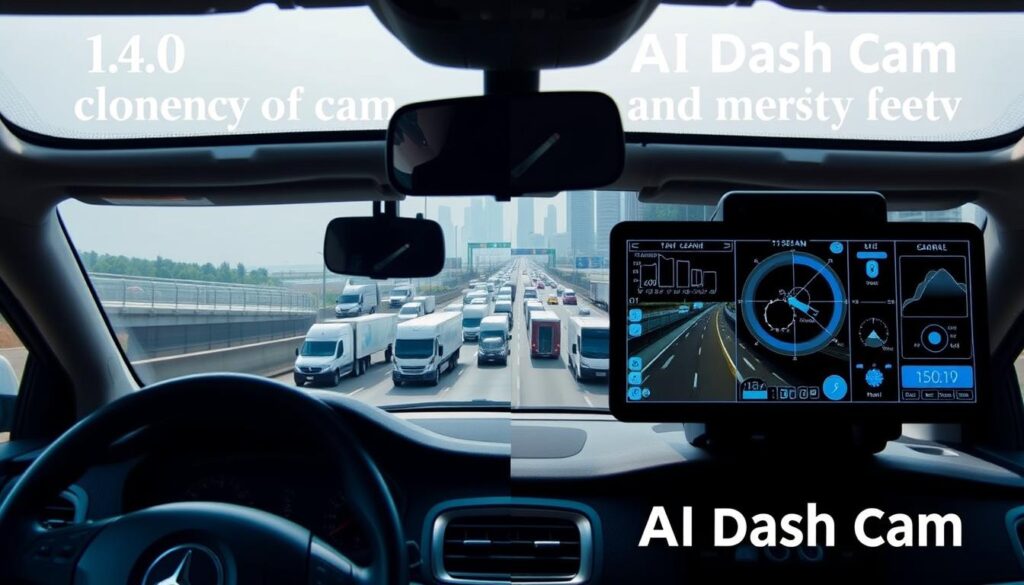
AI-powered systems fundamentally change this approach by utilizing artificial intelligence to analyze footage in real time and immediately alert drivers about unsafe behaviors such as speeding, harsh braking, or tailgating. The technology has evolved from passive recording to active safety systems with edge computing and cloud connectivity. Processing happens in milliseconds, identifying risks as they develop rather than documenting them after the fact.
| Feature | Traditional Dash Cams | AI-Powered Systems |
|---|---|---|
| Recording Method | Continuous video to SD card | Intelligent event-triggered with cloud backup |
| Analysis | Manual review after incidents | Real-time AI analysis with instant alerts |
| Driver Feedback | Delayed, after-the-fact coaching | Immediate in-cab alerts |
| Risk Detection | Reactive documentation | Proactive hazard identification |
Why Fleets Are Adopting AI Technology
The business case for AI-powered video telematics extends beyond accident documentation. Insurance premiums have risen sharply—companies without robust safety programs often face premium increases of 20-30% annually. Driver shortages make maximizing safety performance of existing staff essential. Customer expectations have shifted, with shippers increasingly demanding proof of safety commitment from carrier partners.
According to the American Transportation Research Institute’s operational cost analysis, fuel and insurance represent two of the largest controllable expenses for motor carriers. AI dash cam systems address both by reducing accidents that drive premium increases and by identifying fuel-wasting behaviors like excessive idling and harsh acceleration.
How AI Dash Cam Systems Work
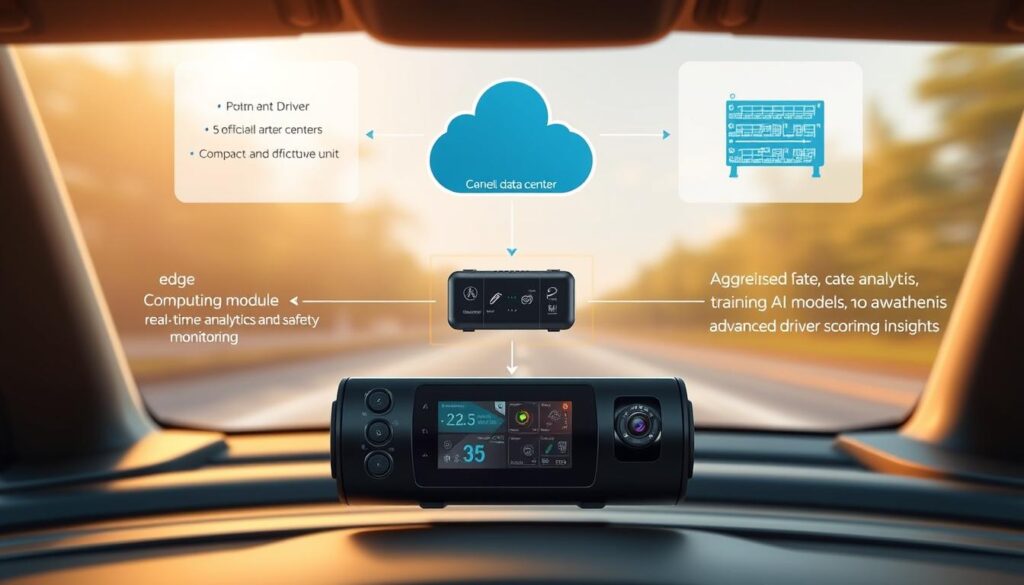
Modern AI dash cam platforms integrate three technology layers: sophisticated hardware, edge computing processors, and cloud-based analytics. Understanding this architecture helps fleet managers evaluate systems and set realistic implementation expectations.
Hardware Components
Quality AI dash cam hardware typically includes dual-facing cameras—one monitoring the road ahead and one observing the driver. Road-facing cameras capture 720p to 1080p HD video at 30 frames per second with 120-150° wide-angle views. Driver-facing cameras include built-in infrared technology for night vision recording, ensuring 24/7 monitoring capability regardless of lighting conditions.
Leading systems utilize high-quality image sensors (commonly 1.3MP Sony CMOS) that deliver clear footage even in challenging lighting. Road-facing cameras feature IP69K weatherproof ratings that withstand extreme temperatures, moisture, and road debris—critical for the demanding conditions commercial trucks face daily.
Edge Computing and Real-Time Processing
Edge computing represents a fundamental advancement in how these systems process visual data. Rather than sending all video footage to the cloud for analysis, powerful processors mounted within the camera units perform real-time scene analysis locally. This enables continuous live scene analysis and object detection without network delays.
The edge computing capability allows systems to identify threats and deliver instant alerts to drivers. Processing happens in milliseconds, providing warnings when they matter most—the difference between a near-miss and a costly collision.
Machine Learning and Computer Vision
Computer vision algorithms form the intelligence layer that transforms video footage into actionable safety insights. These systems have been trained on millions of driving scenarios to recognize dangerous behaviors, road hazards, and collision risks. The algorithms can identify everything from hard braking events to distracted driving behaviors, distinguishing between normal driving variations and genuine safety threats.
Cloud-based AI quickly distills large amounts of video data into useful video tags and insights. Rather than requiring fleet managers to review hours of footage, the system automatically identifies and categorizes safety-relevant events. Capabilities include forward collision risk assessment, lane departure identification, driver distraction recognition, following distance measurement, and speed limit monitoring—all working simultaneously.
Real-Time Safety Analytics and Driver Alerts
Real-time safety analytics separate AI dash cam systems from traditional recording devices. These platforms continuously process video streams and sensor data to identify safety threats the moment they occur, enabling intervention during critical moments when correction has the greatest impact.
Event Detection and Classification
Advanced systems employ sophisticated algorithms that categorize dozens of distinct driving behaviors and road hazards. Rather than flagging generic “incidents,” these platforms identify specific safety events with precise classification—enabling targeted coaching interventions and accurate risk assessment.
Hard braking events serve as critical indicators of distracted driving, following too closely, or inadequate hazard anticipation. Systems measure deceleration rates and classify braking intensity based on G-force thresholds. When sudden braking occurs, the AI instantly captures video footage before, during, and after the event to provide complete context.
Near-miss detection represents one of the most valuable capabilities. Traditional dash cams only capture actual collisions, missing the close calls that precede serious accidents. AI systems identify situations where collisions were narrowly avoided—early warning signs that demand attention. Research consistently demonstrates that drivers involved in multiple near-miss incidents show significantly higher collision rates in subsequent months.
81% Alert Accuracy
Virginia Tech Transportation Institute research found leading AI dashcam systems successfully alert drivers to unsafe behavior 81% of the time—2-4x more effective than alternative platforms.
Driver Scoring and Performance Tracking
AI-driven scoring algorithms apply mathematical models that weight various risk factors according to their statistical correlation with accident probability. Higher-risk actions receive more significant score deductions, ensuring that extreme risk behavior impacts the score more substantially than minor infractions.
Key performance indicators include speed compliance, harsh maneuvers (acceleration, braking, cornering), following distance, and reaction times. Computer vision algorithms continuously calculate following distance measured in seconds of travel time, flagging instances where drivers fail to maintain safe spacing. Slower reaction times may indicate distraction, fatigue, or lack of situational awareness—early warning signs that can be addressed through coaching before they result in collisions.
Data-Driven Coaching
Driver coaching becomes dramatically more effective when backed by concrete video evidence and objective performance data. Instead of generic safety reminders, fleet managers can conduct targeted coaching sessions addressing specific documented behaviors. The combination of dashcam footage showing exactly what happened and detailed metrics quantifying the risk creates powerful teaching moments.
Systems use driving data and safety score trends with video footage to coach drivers in safer practices and foster a culture of safety performance. This evidence-based approach removes defensive reactions that often occur when drivers feel unfairly criticized without proof. Fleet managers can track improvement over time, documenting how coaching interventions lead to measurable behavior changes.
Advanced Safety Features
Beyond basic video recording, AI-powered systems deploy multiple layers of proactive safety technologies that continuously monitor road conditions and driver behavior. These features function as intelligent co-pilots identifying potential hazards before they become accidents.
Forward Collision and Lane Departure Warnings
Forward-facing cameras equipped with computer vision constantly analyze the road ahead, calculating closing speeds with vehicles, pedestrians, and obstacles. When collision risk exceeds safe thresholds, the system issues urgent audio and visual alerts that escalate in intensity as danger increases, giving drivers critical seconds to respond.
Lane departure detection algorithms monitor road markings and track vehicle position. When drivers drift from their lane without activating turn signals, the system triggers immediate alerts—especially valuable for preventing fatigue-related accidents, as unintentional lane drift often signals drowsiness before other symptoms appear.
Driver Distraction and Fatigue Monitoring
Driver-facing cameras use facial recognition and behavioral analysis to identify risk behaviors in real time. Systems analyze multiple physiological indicators to detect drowsiness: blink rate, eye closure duration, head position, and facial expressions. When fatigue patterns emerge, immediate in-cab alerts help drivers recognize their condition.
Cell phone detection identifies the distinctive head position and hand movements associated with phone use, triggering immediate alerts when detected. The technology distinguishes between legitimate activities like adjusting mirrors and dangerous phone interactions through sophisticated behavioral analysis. Yawning frequency serves as a critical early fatigue indicator—even brief microsleep episodes at highway speeds can result in devastating accidents.
⚠️ Safety Warning
No technology replaces adequate rest. FMCSA Hours of Service regulations (49 CFR Part 395) exist because fatigue is a leading cause of commercial vehicle accidents. AI monitoring systems supplement—but cannot substitute for—proper compliance with rest requirements.
Blind Spot Monitoring and Extended View
Extended view cameras create 360-degree visibility around commercial trucks by combining multiple camera feeds. Side-facing and rear-facing cameras eliminate traditional blind spots that make lane changes and backing maneuvers dangerous. In-cab monitors display this footage to provide drivers with unparalleled visibility.
AI algorithms identify vehicles, pedestrians, and cyclists entering danger zones around the truck, automatically alerting drivers during turns and lane changes. These integrated safety features work together—when forward collision warning, lane departure detection, and fatigue monitoring operate simultaneously, they significantly reduce accident probability through comprehensive risk management.
The HDJ Perspective
The commercial trucking industry has reached an inflection point with AI safety technology. Five years ago, these systems were cutting-edge investments for large fleets with deep pockets. Today, they’re becoming table stakes for competitive operations. The combination of rising insurance costs, nuclear verdict litigation risk, and driver shortage pressures makes the ROI case compelling even for smaller fleets. The question isn’t whether to adopt AI dash cams—it’s how quickly you can implement them effectively while maintaining driver buy-in. Fleets that delay face both competitive disadvantage and preventable risk exposure.
Accident Prevention and Liability Protection
AI dash cam technology delivers both proactive accident prevention and comprehensive liability protection—addressing two fundamental challenges facing fleet operators.
Reducing Collision Rates
Real-world implementation data demonstrates substantial impact. Fleets have achieved 30-50% reduction in accident rates after deploying AI-enabled cameras. This improvement stems from instant alerts when dangerous driving behaviors or hazardous conditions emerge, providing split-second intervention that often allows drivers to correct course and avoid incidents.
The behavioral modification effect amplifies direct prevention benefits. Drivers who know their actions are monitored naturally adopt safer habits. This psychological component, combined with coaching based on AI-generated insights, creates lasting improvements in driver performance.
Video Evidence for Claims Defense
High-definition video from multiple angles transforms the insurance claims process. Fleet managers can access footage within minutes of an incident, allowing immediate assessment of what occurred. This rapid evidence retrieval proves invaluable when responding to accident reports, insurance inquiries, or legal demands.
According to Commercial Vehicle Safety Alliance data, proper documentation significantly impacts enforcement outcomes. The same principle applies to liability claims—comprehensive video evidence often reveals critical details that witness statements or police reports miss.
Industry research shows 70% of fleets report improved protection from false claims using video technology. Fraudulent claims and staged accidents represent a growing problem, with some estimates suggesting 10-15% of accident claims involve exaggerated or fabricated circumstances. A single exoneration from a serious fraudulent claim can generate returns exceeding the total cost of a fleet-wide dash cam system.
| Cost Category | Without AI Dash Cams | With AI Dash Cams |
|---|---|---|
| Average Settlement (Not-at-Fault) | $45,000 – $75,000 | $0 – $5,000 |
| Legal Defense Costs | $25,000 – $50,000 | $3,000 – $8,000 |
| Claims Processing Time | 60-180 days | 7-21 days |
| Fraudulent Claim Success Rate | 40-60% | 5-10% |
Fleet Management Integration
AI dash cam systems deliver maximum ROI when integrated with existing fleet management infrastructure rather than operating as standalone devices.
Telematics and ELD Integration
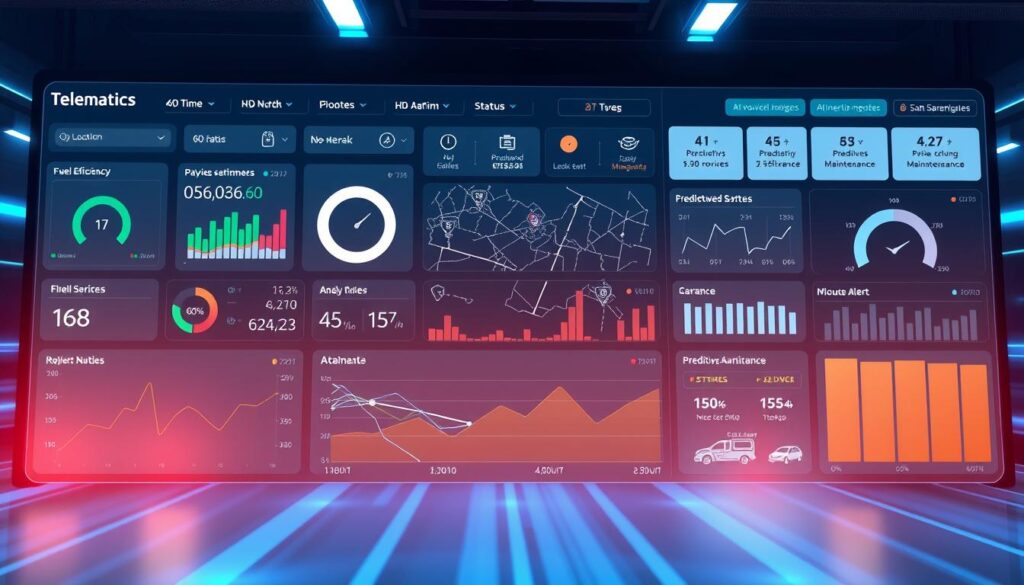
Modern AI dash cam systems connect directly with existing telematics architectures through standardized APIs and cloud-based data exchange. Many systems require fleet management platform connectivity—these aren’t standalone solutions but components of a unified ecosystem.
Electronic logging devices and dash cam systems share critical data points that enhance compliance accuracy. Hours of service violations detected through video evidence correlate with electronic logs to identify discrepancies. GPS tracking systems combine with video data to verify driver locations during specific events, creating documentation valuable for regulatory audits. FMCSA’s ELD requirements intersect with video telematics to create comprehensive compliance documentation.
Route Optimization and Efficiency
AI algorithms analyze video data combined with GPS information to identify route optimization opportunities. Systems detect recurring traffic patterns, loading zone delays, and road hazards that impact driver performance. Fleet managers use this intelligence to create optimized routes balancing speed with safety for different driver skill levels.
Video evidence of extended idle times provides coaching opportunities that telematics alone cannot deliver. Managers review footage showing drivers leaving vehicles running during breaks, creating awareness that drives behavior change. Targeted coaching based on video analysis reduces fuel consumption by 5-15% across most fleets through improved driver awareness.
Maintenance Alerts
AI systems detect maintenance issues through visual inspection capabilities and driving behavior analysis. The technology identifies tire wear patterns, brake problems evident in abnormal stopping distances, and alignment issues showing vehicles drifting within lanes. These visual indicators trigger notifications complementing traditional diagnostic systems.
Predictive maintenance scheduling improves through correlation of driving behavior with mechanical wear patterns. Aggressive driving identified through video analysis predicts accelerated brake pad wear and suspension component degradation—enabling maintenance intervals based on actual usage rather than generic manufacturer recommendations.
Free Professional Fleet Tools
Cost calculators, fault code lookup, maintenance planners, and more—built for owner-operators, fleet managers, and diesel techs. No signup required.
Implementation Strategy
A well-structured implementation strategy determines whether AI dash cam systems deliver promised safety benefits or create operational challenges. The difference between successful deployment and costly failure often hinges on preparation and driver acceptance rather than the technology itself.
Assessing Fleet-Specific Needs
Every commercial fleet faces unique safety challenges that should guide system selection and deployment. Analyze accident data from the past three years to identify common incident types. Fleets with frequent following-distance violations benefit most from forward collision warnings, while operations struggling with drowsy driving should prioritize fatigue monitoring.
Consider operational environment differences. Urban delivery fleets need robust pedestrian detection and tight-space maneuvering support, while highway operations benefit more from lane departure prevention. Insurance claim history provides another critical factor—fleets spending significant resources defending against fraudulent claims should prioritize high-resolution video and extended recording capabilities.
Hardware Installation
AI dash cam systems offer flexible installation options. Fleets can self-install cameras or schedule professional installation. Hardware mounts on the inside of the windshield behind the rearview mirror, providing optimal viewing angles while minimizing driver distraction.
Dual-facing configurations have both driver-facing and road-facing cameras using AI to analyze driving behavior. Road-facing systems focus exclusively on external hazards, while driver-facing systems monitor in-cab behavior. Installation involves mounting the device, connecting to the vehicle’s power source (typically OBD-II port or direct fuse box wiring), and configuring with fleet management software.
Driver Training and Change Management
The human element determines success or failure. Comprehensive training and thoughtful change management separate fleets that realize safety improvements from those facing resistance and poor adoption.
Effective programs begin before hardware installation. Drivers need clear explanations of why the company is implementing technology, what benefits they personally gain, and how the system protects them from false accusations. Training should cover technical operation and behavioral expectations—how the AI detects and classifies events, what triggers alerts, how footage is reviewed, privacy protections, and the distinction between coaching conversations and disciplinary actions.
Overcoming Driver Resistance
Driver pushback represents the most significant implementation obstacle. Address resistance through transparent communication and driver involvement:
- Emphasize protection from false accusations as the primary purpose
- Involve driver representatives in pilot programs before full deployment
- Clearly communicate privacy protections and off-duty camera deactivation
- Position systems as coaching tools rather than punishment mechanisms
- Recognize and reward safe driving behaviors identified through AI scoring
Phased vs. Full Fleet Deployment
Phased rollout offers advantages for larger fleets or organizations new to the technology. Starting with 10-20 vehicles allows testing in your specific operational environment, identifying installation challenges, refining training programs, building internal advocates, and demonstrating measurable improvements to justify continued investment.
Full fleet deployment works best for smaller operations or companies with urgent safety concerns. This approach accelerates benefits, eliminates disparity between monitored and unmonitored drivers, and may qualify for volume discounts. Insurance premium reductions typically require fleet-wide coverage.
Privacy, Compliance, and Legal Considerations
Balancing operational safety with driver privacy rights requires understanding complex legal frameworks. Fleet operators must navigate workplace surveillance laws, transportation regulations, and data protection standards simultaneously.
Driver Privacy Protections
Professional drivers maintain legitimate privacy expectations in company vehicles. Modern systems include features addressing these concerns. Driver Privacy Mode allows disabling driver-facing cameras during breaks and off-duty periods. Systems connect to ignition power, activating during working hours only. Audio recording is disabled by default on most commercial systems, addressing heightened privacy concerns with voice capture.
Fleet operators should implement written notification policies explaining what is recorded, obtain documented driver acknowledgment, limit video access to authorized safety personnel, and establish footage retention schedules. FMCSA driver qualification requirements (49 CFR Part 391) provide framework for documentation requirements that intersect with monitoring policies.
State Recording Laws
Commercial trucking operations cross multiple state jurisdictions with distinct consent requirements. Two-party consent states—including California, Florida, Illinois, and Pennsylvania—require all parties to consent to audio recording. Fleet operators should disable audio recording or obtain explicit driver consent when operating in these jurisdictions. Interstate carriers must apply the most restrictive standard when routes cross multiple states.
Data Security
AI systems generate massive volumes of sensitive video requiring robust protection. Leading systems employ AES-256 encryption for data at rest and TLS 1.2 or higher for data in transit. Role-based access controls ensure only authorized personnel can view footage. Cloud providers must meet SOC 2 Type II compliance and ISO 27001 standards.
Cost Analysis and ROI
Understanding the complete financial picture helps fleet operators make informed investment decisions. Most fleets discover AI dash cam systems pay for themselves within the first year, with compounding returns as safety culture improves.
Investment Components
Hardware typically costs $300-$800 per vehicle depending on camera quality, storage capacity, and features. Professional installation adds $100-$300 per vehicle. Monthly subscription fees covering cloud storage, AI analytics, and platform access range from $20-$50 per vehicle. Budget for driver training and change management initiatives as well.
Returns and Savings
Insurance premium reductions of 5-15% provide immediate savings. Accident cost reductions through 30-50% collision rate improvements deliver substantial value—a single prevented serious collision can save $50,000-$150,000 in direct costs plus indirect expenses from vehicle downtime, driver replacement, and operational disruption.
False claim prevention often generates the highest single returns. Video evidence combined with driver behavior data provides powerful defense that can save $50,000+ per prevented fraudulent claim. Settlement negotiations shift dramatically when clear footage demonstrates facts, resulting in substantially lower amounts or complete dismissal.
| ROI Component (50-Vehicle Fleet) | Annual Amount |
|---|---|
| Total System Investment (Year 1) | $75,000 |
| Insurance Premium Savings (10%) | $25,000 |
| Accident Cost Reduction (40%) | $120,000 |
| False Claims Prevention | $30,000 |
| First Year Net Savings | $100,000 |
Frequently Asked Questions
How much do AI dash cam systems cost for commercial fleets?
AI dash cam systems typically cost $300-$800 per vehicle for hardware, plus $100-$300 for professional installation. Monthly subscription fees range from $20-$50 per vehicle for cloud storage, AI analytics, and platform access. Most fleets achieve positive ROI within the first year through accident reduction (30-60% typical), insurance premium discounts (5-15%), and protection from fraudulent claims. A 50-vehicle fleet can expect first-year net savings of $75,000-$125,000 after system costs.
What is the difference between traditional dash cams and AI-powered systems?
Traditional dash cams simply record continuous video to SD cards for manual review after incidents occur. AI-powered systems use machine learning and computer vision to analyze footage in real-time, automatically detecting risky behaviors like distracted driving, tailgating, and drowsiness. AI systems deliver instant in-cab alerts to drivers, automatically flag safety events for manager review, and provide driver scoring and coaching insights. This proactive approach prevents accidents rather than just documenting them.
How do AI dash cams protect drivers from false liability claims?
AI systems capture HD video from multiple angles—typically road-facing and driver-facing cameras with 120-150 degree fields of view. When incidents occur, timestamped footage provides irrefutable evidence of what actually happened. Fleet managers can retrieve footage within minutes. Industry data shows 70% of fleets report improved protection from false claims, with some achieving 100% exoneration rates in not-at-fault accidents. This protection speeds claim resolution and significantly reduces legal defense costs.
Do AI dash cams reduce insurance premiums for commercial fleets?
Yes, many insurance carriers offer premium discounts of 5-15% for fleets using certified AI safety systems. Insurers recognize that video telematics significantly reduces risk exposure through accident prevention and faster claim resolution. Beyond direct discounts, AI systems help fleets avoid premium increases after incidents by providing evidence of safe driving practices. Some insurers now require advanced safety systems for coverage renewal.
What safety features do modern AI dash cams include?
Modern systems include forward collision warnings, lane departure detection, driver distraction monitoring (including cell phone detection), drowsiness recognition through facial analysis, following distance alerts, and blind spot monitoring with extended-view cameras. Many integrate with automatic emergency braking. Driver-facing cameras use infrared technology for 24/7 monitoring regardless of lighting, while road-facing cameras feature weatherproof ratings for all-condition operation.
How do fleet managers address driver privacy concerns with AI dash cams?
Effective implementation starts with transparent communication—emphasizing protection from false claims rather than surveillance. Most systems offer Driver Privacy Mode to disable driver-facing cameras during breaks and off-duty periods. Audio recording is typically disabled by default. Fleet managers should establish clear policies on footage access and use, limiting review to safety events. Framing technology as a coaching tool rather than punishment mechanism significantly improves driver acceptance.
Building a Safer Fleet Operation
AI dash cam systems have evolved from cutting-edge technology to essential fleet infrastructure. The combination of rising insurance costs, litigation risk, and driver shortage pressures makes the ROI case compelling for operations of all sizes. Fleets using these systems achieve measurable accident reductions, insurance savings, and liability protection that collectively deliver positive returns within the first year.
Successful implementation requires more than hardware installation. Driver acceptance, transparent policies, and integration with existing fleet management systems determine whether technology investment translates to operational improvement. Fleet managers who approach AI dash cams as coaching and protection tools—rather than surveillance systems—build the safety culture that delivers lasting results. The technology continues advancing, but the fundamental value proposition is proven: proactive safety monitoring protects drivers, reduces costs, and creates competitive advantage in commercial trucking operations.
Share This Guide With Your Network
Know a fleet manager or safety director evaluating AI dash cam technology? This comprehensive guide covers implementation strategy, ROI analysis, and driver acceptance factors they need to make informed decisions.


