By Michael Nielsen, Editor & Publisher | 15+ Years in Diesel Repair
Last Updated: January 2026
📖 Estimated reading time: 22 minutes
The transportation industry faces a workforce shortage that threatens fleet operations and service centers nationwide. Repair costs continue climbing while wait times extend, creating urgent pressure on businesses to find qualified mechanics. A structured diesel technician apprenticeship offers the most effective solution for building a sustainable talent pipeline that doesn’t depend on competing for scarce experienced hires.
Industry data shows successful apprenticeship models can graduate substantial numbers of qualified technicians annually when properly implemented. Competency-based programs spanning 10 to 24 months combine paid work experience with comprehensive benefits and industry certifications like I-CAR and ASE credentials. These programs directly address the staffing gaps that increase repair expenses and turnaround times across the diesel service sector.
Whether you manage fleet maintenance facilities, independent shops, or dealership service departments, implementing a diesel mechanic apprenticeship allows you to customize training while cultivating loyal, highly skilled workers. This guide provides actionable strategies for recruitment, program design, legal compliance, funding opportunities, and retention methods that position your business competitively.
Key Takeaways
- Structured apprenticeship programs effectively address the critical shortage of qualified diesel mechanics through internal talent development rather than external hiring competition
- Competency-based training combining paid work experience with formal education creates loyal, job-ready professionals with measurable skills
- DOL-registered programs unlock federal funding, tax credits ($1,000-$5,000 per apprentice annually), and nationally recognized credentials
- ROI typically turns positive within 18-36 months through reduced recruitment costs, improved retention, and higher service quality
- Multiple program models exist—from federally registered apprenticeships to hybrid school-to-work partnerships—allowing customization to your operational needs
- Effective recruitment combines technical school partnerships, veteran transition programs, and digital outreach to build diverse candidate pipelines
The Growing Need for Skilled Diesel Technicians
Across the United States, service centers struggle to fill thousands of diesel technician positions as demand for qualified professionals outpaces supply. This diesel technician shortage has evolved from a manageable hiring challenge into a critical business threat affecting fleet operations, logistics companies, and independent repair facilities nationwide. The problem extends beyond simple job vacancies—it represents a fundamental mismatch between industry needs and the available workforce.
As experienced technicians retire and fewer young workers choose careers in diesel repair, the gap continues to widen. The transportation sector’s dependence on heavy-duty vehicles makes this shortage particularly concerning for businesses that rely on consistent maintenance and rapid repairs.
Current Workforce Shortage Statistics
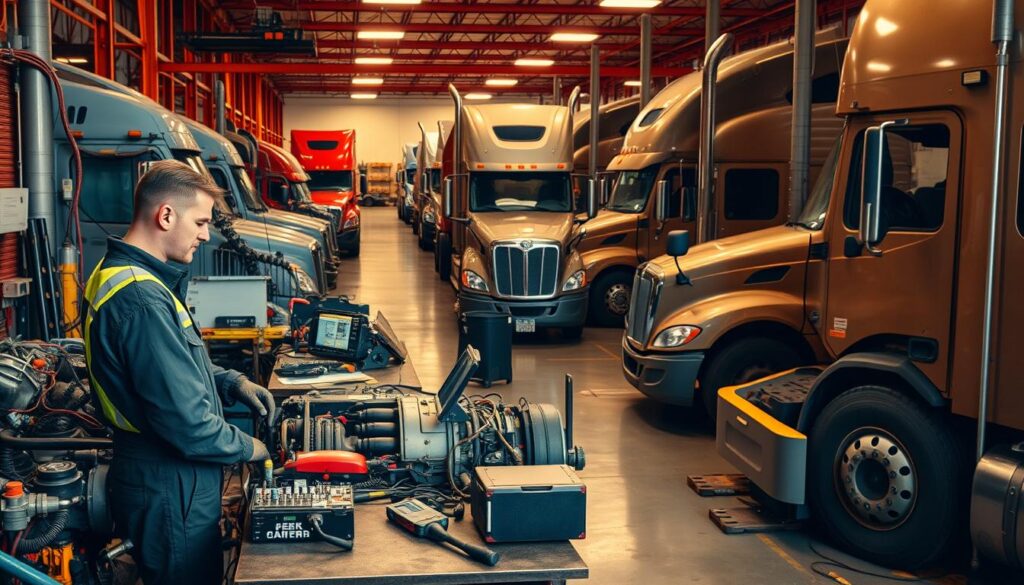
The numbers reveal the severity of the current labor crisis. Many regions across America report vacancy rates exceeding 20% in commercial truck and fleet maintenance facilities. Service centers routinely operate with unfilled positions that directly limit their capacity to accept new business and serve existing customers.
The deficit of skilled diesel technicians impacts businesses of all sizes. Large fleet operators struggle to maintain in-house repair capabilities, while independent shops turn away profitable work simply because they lack the staff to handle it. Industry surveys consistently show that workforce availability ranks as the top operational challenge for service center managers.
This shortage mirrors similar challenges in the collision repair industry, which shares comparable skilled trade characteristics. Despite increased awareness and recruitment efforts, the pipeline of new technicians remains insufficient to replace retiring workers and meet growing demand.
Industry Growth Projections Through 2030
The Bureau of Labor Statistics projects steady growth in demand for diesel service technicians and mechanics through 2030. This expansion stems from multiple converging factors that show no signs of slowing. E-commerce logistics continue expanding, requiring larger fleets and more maintenance capacity to support increasing delivery volumes.
Aging commercial vehicle fleets require more frequent maintenance and repairs as vehicles accumulate mileage. Stricter emissions regulations necessitate specialized expertise that only trained technicians can provide. These regulations create demand for diesel mechanic training programs that emphasize environmental compliance and advanced diagnostic skills.
Positions for heavy duty mechanic apprenticeship graduates will increase substantially as transportation maintains its essential role in the American economy. The combination of replacement needs and industry growth means businesses must compete more aggressively for limited talent.
| Factor Driving Demand | Impact Level | Timeline | Skill Requirements |
|---|---|---|---|
| E-commerce fleet expansion | High | Immediate and ongoing | General maintenance and diagnostics |
| Technician retirement wave | Critical | 2024-2030 | All specializations affected |
| Emissions regulations | Moderate to High | Progressive through 2030 | Advanced electronic systems |
| Fleet aging and maintenance | Moderate | Continuous | Preventive maintenance expertise |
Impact on Fleet Operations and Service Centers
The consequences of the diesel technician shortage extend far beyond hiring difficulties. Extended repair times lead to increased vehicle downtime, which directly reduces fleet availability and operational capacity. Delayed deliveries frustrate customers and damage business relationships that companies have spent years building.
Service centers report operating with significant backlogs that force them to make difficult choices about which customers to serve. Some facilities turn away new business entirely, sacrificing revenue growth because they simply cannot handle additional workload with existing staff levels.
$448-$760
Average daily cost of unplanned vehicle downtime per truck, per industry research
The shortage drives up labor costs as businesses compete for limited talent. Shop owners find themselves increasing wages and benefits packages to attract and retain skilled diesel technicians, which affects profit margins and competitive positioning. This financial pressure creates a difficult cycle—higher costs must be passed to customers, potentially pricing some businesses out of the market.
Excessive workload pressure on existing technicians contributes to burnout and further turnover, compounding the staffing problem. Overworked employees make more mistakes, experience declining job satisfaction, and eventually leave for less demanding opportunities. This creates a vicious cycle that worsens the shortage.
For businesses dependent on diesel-powered equipment and vehicles, the technician shortage represents a direct threat to operational efficiency and profitability. Developing internal training capabilities and partnering with apprenticeship initiatives has shifted from a nice-to-have benefit to an essential survival strategy.
Why Diesel Technician Apprenticeship Programs Are Essential
Establishing a structured apprenticeship program for diesel technicians delivers significant competitive advantages in today’s challenging labor market. These programs provide solutions to multiple operational challenges while creating measurable returns on investment. Business owners who implement apprenticeships gain control over their workforce development strategy rather than depending on unpredictable external hiring.
The benefits extend across financial performance, service quality, and long-term organizational stability. Companies with established programs report improvements in technician retention, customer satisfaction, and operational efficiency. These outcomes result from strategic workforce planning rather than reactive hiring practices.
Building a Sustainable Talent Pipeline
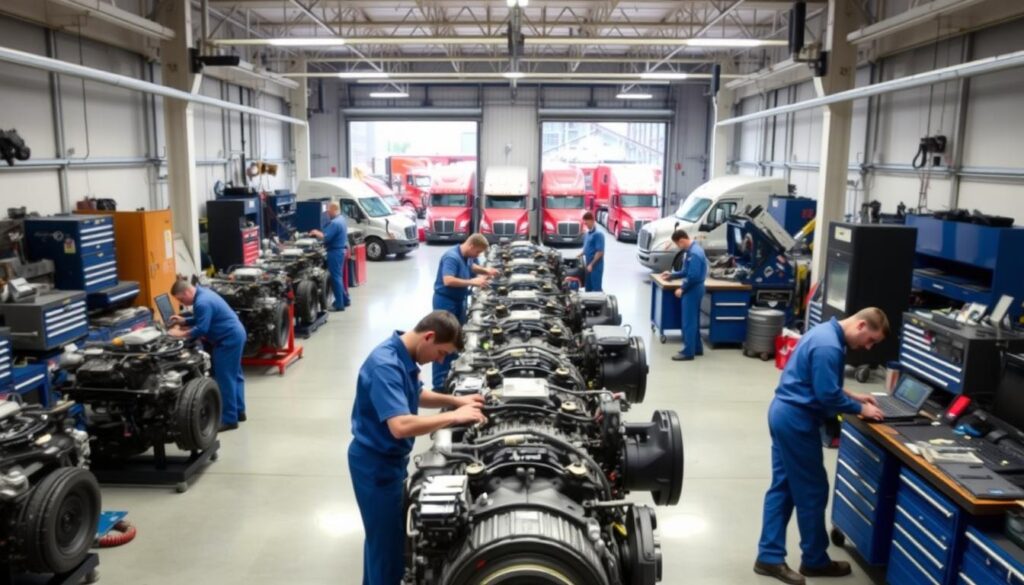
Creating a talent pipeline through apprenticeships ensures consistent staffing levels regardless of external labor market conditions. Your business develops multiple qualified candidates simultaneously rather than competing for scarce experienced technicians. This approach provides predictable advancement timelines and reduces dependency on uncertain hiring markets.
Successful programs demonstrate this sustainability model effectively by operating apprenticeships at multiple locations, showing scalability across various markets. Participants receive paid training while earning full health and retirement benefits throughout their development period. The continuous flow of advancing technicians creates organizational depth that traditional hiring cannot match.
Reducing Recruitment and Turnover Costs
Traditional hiring generates substantial recurring expenses that compound quickly over time. Job advertisements, candidate screening, interviews, and onboarding processes consume both financial resources and management time. These costs multiply when turnover rates remain high among externally hired technicians.
Apprenticeship programs substantially lower these expenses through internal development with predictable timelines. You invest in training rather than constant recruitment cycles. Retention rates improve dramatically among apprentice-trained technicians compared to external hires—these individuals develop loyalty to organizations that invested in their diesel technician career development.
| Cost Category | Traditional Hiring | Apprenticeship Program | Annual Savings |
|---|---|---|---|
| Recruitment Advertising | $8,500 per position | $2,000 program promotion | $6,500 per technician |
| Screening and Interviews | $3,200 per hire | $800 per apprentice | $2,400 per position |
| Onboarding and Initial Training | $5,600 per technician | $1,400 structured program | $4,200 per employee |
| Turnover Replacement Costs | $12,000 annually | $3,000 annually | $9,000 per year |
| ✓ Total First-Year Investment | $29,300 per technician | $7,200 per apprentice | $22,100 savings |
Customizing Training to Your Specific Needs
Generic technical school education cannot match the targeted value of customized apprenticeship training. You structure curriculum around the specific equipment brands, diagnostic systems, and repair procedures your operation uses daily. Whether your fleet emphasizes Cummins, Detroit Diesel, or Caterpillar engines, training focuses on relevant competencies.
This customization produces immediately productive technicians upon program completion. Graduates require minimal additional training because they learned on the actual equipment and systems they’ll service. The efficiency gains begin immediately rather than after months of adjustment.
Experienced mentors emphasize the importance of building confidence through hands-on guidance—creating positive learning environments without micromanaging allows apprentices to develop problem-solving skills specific to operational requirements. This mentorship approach transfers institutional knowledge that formal education cannot provide.
Improving Service Quality and Customer Satisfaction
Comprehensive hands-on training under experienced mentors produces technicians with stronger attention to detail and quality consciousness. Apprentice-trained diesel mechanics demonstrate better understanding of safety protocols and greater pride in workmanship. These qualities translate directly into measurable service improvements.
Fewer comeback repairs result when technicians receive thorough training on proper diagnostic and repair procedures. Quality apprenticeship programs track graduates for several months post-completion to ensure quality standards and safe repairs throughout the development period. This quality assurance builds customer trust and reduces warranty expenses.
Your business reputation strengthens in local markets as service quality consistency improves. Word-of-mouth referrals increase when customers experience reliable repairs and professional service interactions. This reputation advantage creates competitive differentiation that drives business growth beyond the immediate workforce development benefits.
Types of Diesel Technician Apprenticeship Models
Choosing the right apprenticeship framework requires understanding the four primary models available to diesel service businesses today. Each structure offers distinct advantages based on your company’s size, available resources, and long-term workforce goals. Selecting the appropriate diesel mechanic training model ensures alignment between your operational needs and the training outcomes you want to achieve.
The landscape of registered apprenticeship programs has expanded significantly in recent years. Businesses now have access to federally recognized options alongside flexible custom approaches.
Federally Recognized Registered Programs
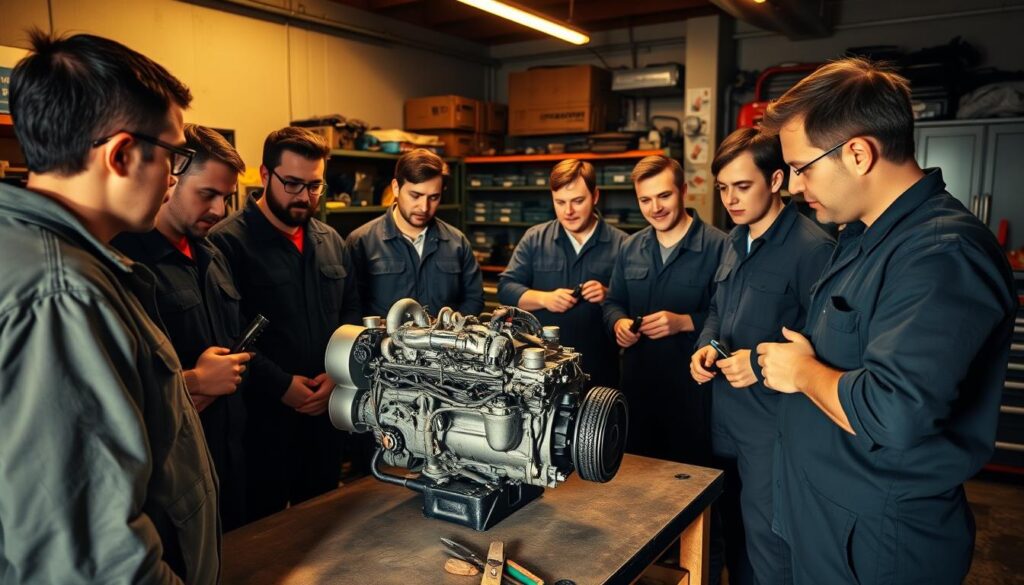
A DOL apprenticeship program operates under federal Department of Labor standards or state apprenticeship agency guidelines. These structured frameworks combine on-the-job learning with related technical instruction over a 3-4 year period. Apprentices must complete between 6,000 and 8,000 hours of supervised work experience alongside classroom training.
Registration with federal or state agencies delivers significant business advantages. Your company gains access to federal funding opportunities, valuable tax credits, and nationally recognized credentials for graduates. The proven curriculum framework ensures comprehensive skill development across all essential competencies.
Employers implementing registered programs receive guidance on wage progression schedules and competency standards. Compliance requirements are clearly outlined, reducing legal risks. The formal structure also enhances your company’s reputation as a serious workforce development partner, making recruitment easier.
Foundation-Building Pre-Apprenticeship Programs
Pre-apprenticeship initiatives serve as entry pathways for candidates lacking foundational knowledge. These shorter programs typically span 8-12 weeks and introduce participants to basic diesel systems, shop safety, and tool identification. They help candidates determine if a diesel technician career matches their interests and abilities.
This model reduces your risk before committing to multi-year training investments. You can assess candidate aptitude, work ethic, and cultural fit during a condensed timeframe. Participants gain realistic job previews while developing essential workplace expectations. Pre-apprenticeships work particularly well when recruiting from non-traditional talent pools.
Hybrid School-to-Work Partnership Models
Hybrid programs combine technical college coursework with concurrent employment at your facility. Students earn associate degrees while gaining practical experience in your shop, creating seamless transitions from education to employment. This approach benefits both parties equally.
Technical colleges offer relevant degree programs with hands-on training through internships, often affiliating with established collision or diesel technology education programs. Hybrid approaches allow apprentices to earn income while applying classroom concepts immediately, accelerating their certification journey.
Your company gains extended evaluation periods with these partnerships. Students demonstrate their capabilities over months rather than weeks, giving you confidence in hiring decisions. The arrangement also strengthens relationships with local educational institutions, improving future recruitment pipelines.
Customized In-House Training Structures
In-house custom training programs offer maximum flexibility for businesses preferring complete curriculum control. These programs allow you to design training sequences perfectly aligned with your specific equipment, customer base, and service offerings. You determine pacing, content emphasis, and competency benchmarks.
This model works particularly well for larger fleet operations or dealer networks with standardized procedures. Sufficient staff availability for mentorship is essential. Custom programs may not qualify for certain government incentives available to DOL apprenticeship program participants. However, the operational advantages often outweigh this limitation when you have dedicated training resources.
| Program Type | Duration | Key Advantages | Best Suited For |
|---|---|---|---|
| Registered Apprenticeship | 3-4 years | Federal funding, tax credits, nationally recognized credentials | Businesses seeking structured frameworks with external validation |
| Pre-Apprenticeship | 8-12 weeks | Low-risk candidate assessment, foundational skill building | Companies recruiting from non-traditional talent pools |
| Hybrid School-to-Work | 2-4 years | Degree attainment, extended evaluation periods, education partnerships | Organizations near technical colleges seeking long-term development |
| In-House Custom | Variable | Maximum flexibility, company-specific training, complete control | Larger operations with dedicated training resources |
Finding and Recruiting Quality Apprentice Candidates
Building a strong talent pipeline starts with knowing where to find candidates who demonstrate genuine interest in diesel mechanic careers. Successful diesel mechanic recruitment requires multiple strategies that connect your business with motivated individuals ready to commit to technical training. The most effective apprentice candidate sourcing combines traditional community relationships with modern digital outreach.
Your recruitment approach should target candidates at various stages of career exploration. Some prospects are still in high school discovering their interests, while others are military veterans transitioning to civilian careers.
Building Relationships with Technical Schools
Technical school partnerships represent one of the most productive recruitment channels for finding qualified apprentices. These institutions concentrate students already committed to automotive technology career pathways. Students enrolled in diesel technology programs have demonstrated serious interest by investing time and money into relevant education.
Establish direct relationships with program directors and instructors at local technical colleges. Offer to speak in their classes about real-world diesel technician work and career opportunities. Consider providing facility tours that allow students to see professional diesel repair operations firsthand. Many technical colleges operate job placement services eager to connect graduates with quality employers.
Scholarship programs and tool grants create powerful incentives for students to choose your apprenticeship. Offering tuition assistance to students who commit to apprenticeships upon graduation reduces their financial burden while securing your talent pipeline.

Connecting with High School Vocational Programs
Engaging with high school vocational programs cultivates the earliest-stage talent pipeline. Career and Technical Education (CTE) programs reach students before they’ve committed to college or other career paths. These programs provide the perfect opportunity to introduce young people to diesel technology careers.
Guest speaking opportunities, shop tours, and mentorship programs allow you to showcase your operation to high school students. Summer employment programs give students practical exposure while allowing you to evaluate potential future apprentices. The earlier you connect with motivated students, the stronger your long-term talent pipeline becomes.
Some states are expanding vocational education infrastructure significantly, which would dramatically increase the pool of trade-ready graduates. Positioning your business within these networks now prepares you for future recruitment opportunities.
Recruiting Through Military Veteran Programs
Military veteran transition programs connect you with candidates who bring exceptional discipline and work ethic. Veterans often possess relevant heavy equipment or vehicle maintenance experience from their service. They understand structured training environments and typically excel in apprenticeship programs.
Organizations like Helmets to Hardhats and SkillBridge facilitate veteran transitions into skilled trades. These programs actively match separating service members with apprenticeship opportunities. Veterans frequently qualify for educational benefits through the GI Bill that can offset your training costs.
Many apprenticeship programs offer priority enrollment for veteran candidates, recognizing their unique qualifications. Veterans bring technical aptitude developed through military training, often including diesel engine maintenance, hydraulics, and electrical systems. Their commitment to completing missions translates directly to apprenticeship success.
Digital Recruitment Strategies
Using digital recruitment strategies extends your reach beyond local networks. Platforms like Indeed, LinkedIn, and industry-specific sites allow targeted advertising to candidates actively seeking opportunities. Digital channels enable you to reach passive candidates who might not be visiting schools or attending career fairs.
Develop compelling job descriptions that emphasize training opportunities rather than just listing requirements. Highlight career advancement pathways, competitive compensation, and your commitment to employee development. Candidates want to understand how apprenticeships lead to long-term careers, not just entry-level positions.
Social media channels, particularly Facebook and Instagram, effectively showcase your shop culture and team members. Post photos of completed projects, technician achievements, and day-in-the-life content that appeals to younger candidates. Video content showing actual repair work helps prospects envision themselves in diesel technician roles.
Organizing Open Houses and Career Days
Hosting open houses and career days provides tangible experience that helps candidates envision themselves in your operation. These events allow prospective apprentices, their families, and guidance counselors to tour your facilities and meet current team members. Face-to-face interaction builds trust that digital recruitment cannot replicate.
Invite attendees to observe actual repair work and ask questions directly to experienced technicians. Hands-on demonstrations or simple tasks allow candidates to experience the work directly. Structure your events to showcase not just technical work but also career progression—have apprentices at different stages share their experiences and achievements.
| Recruitment Channel | Candidate Readiness | Primary Advantage | Timeline to Hire |
|---|---|---|---|
| Technical Schools | High – enrolled in relevant programs | Pre-screened technical knowledge | 3-6 months |
| High School CTE Programs | Medium – exploring career options | Earliest pipeline development | 1-2 years |
| Veteran Transition Programs | High – motivated career changers | Discipline and relevant experience | 1-3 months |
| Digital Job Boards | Variable – active job seekers | Broad geographic reach | Immediate to 3 months |
| Open Houses | Variable – community exploration | Personal connection and culture fit | Immediate to 6 months |
Structuring Your Diesel Apprenticeship Program for Success
The difference between a successful apprenticeship and one that wastes resources comes down to how you structure the learning journey from day one. A solid diesel apprenticeship structure provides clear direction for both apprentices and instructors while ensuring every training hour contributes to measurable skill development. Without this framework, participants may accumulate work hours without gaining the comprehensive competencies your business needs.
The most effective programs combine defined timelines with flexible learning paths that accommodate individual progress rates.
Establishing Timeline Frameworks and Milestones
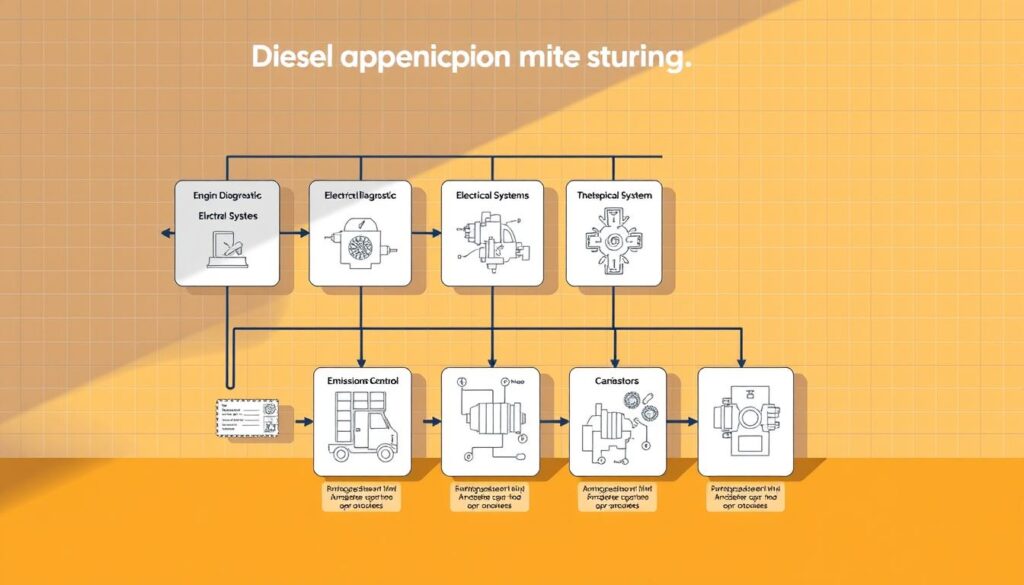
Program duration depends largely on your specific business requirements and the technical complexity your technicians handle daily. Registered diesel apprenticeships typically span three to four years, requiring 6,000 to 8,000 hours of hands-on learning combined with classroom instruction. However, accelerated programs of 12 to 24 months can produce capable entry-level technicians for shops focusing on routine maintenance and less complex repairs.
Competency-based approaches work effectively in practice. Year-round programs of 10 to 12 months include defined graduation criteria where apprentices complete training as qualified entry-level technicians with multiple certifications. This competency-focused model ensures that advancement depends on demonstrated skills rather than simply logging time.
Apprenticeship milestones should include regular checkpoints—typically quarterly or semi-annually—where participants demonstrate proficiency before advancing:
Typical Apprenticeship Phase Structure
- Phase One (Months 1-6): Basic maintenance procedures, tool identification, safety protocols, and shop operations
- Phase Two (Months 7-12): Brake systems, electrical fundamentals, cooling systems, and basic diagnostics
- Phase Three (Year 2): Engine diagnostics, fuel systems, transmission basics, and computer system introduction
- Phase Four (Years 3-4): Complex drivetrain repairs, advanced diagnostics, specialty systems, and independent problem-solving
Defining Skill Expectations and Standards
Clear learning objectives eliminate confusion about what apprentices should accomplish at each program stage. Develop detailed competency lists specifying exactly what knowledge and skills participants must demonstrate before moving forward. This precision transforms vague expectations into concrete, measurable outcomes.
Your competency framework should progress logically from foundational knowledge to complex application. Early-stage objectives might include identifying 50 common tools, explaining basic diesel engine operation, and performing oil changes independently. Advanced objectives could require diagnosing intermittent electrical faults, rebuilding fuel injection systems, or programming engine control modules.
Document these competencies in a tracking system that both apprentices and supervisors can reference regularly. This transparency allows participants to understand their progress and identify areas needing additional practice.
Integrating Practical Work with Classroom Instruction
The most successful diesel apprenticeship programs allocate approximately 80-85% of time to hands-on shop work and 15-20% to formal classroom instruction. This balance ensures apprentices develop practical skills while understanding the theoretical principles that guide proper repair procedures.
On-the-job training provides the tactile learning essential for technical proficiency. Apprentices need to feel the difference between properly torqued fasteners and loose connections, hear unusual engine noises, and develop the muscle memory that makes complex procedures second nature.
Classroom components can occur through multiple channels: partnerships with technical colleges offering evening or weekend courses, online training modules from manufacturers like Cummins, Detroit Diesel, or Caterpillar, in-house instruction sessions led by senior technicians, and industry association workshops. The key is ensuring classroom content directly supports shop work—when apprentices learn about fuel injection timing in class on Tuesday, they should apply that knowledge to actual injector service by Thursday.
Building Effective Mentorship Systems
A diesel mechanic mentor serves as the cornerstone of successful skill transfer from experienced technicians to developing apprentices. Without proper mentorship protocols, apprentices may receive inconsistent instruction or develop unsafe work habits that compromise quality and safety.
Assign each apprentice a primary mentor—typically a master-level technician with both technical expertise and strong interpersonal skills. Effective mentors introduce apprentices to safety protocols first, then progressively advance them through increasingly complex procedures. Teaching philosophy should emphasize building confidence by allowing apprentices to work independently rather than constant hovering.
“Creating positive learning environments without micromanaging allows apprentices to develop problem-solving skills while knowing expert guidance remains available when needed.”
— Best practice from experienced diesel apprenticeship mentors
Define mentor responsibilities explicitly in writing: daily skill instruction, regular performance feedback, safety oversight, documentation of completed competencies, and professional development guidance. Consider providing mentors with teaching skill training since technical expertise doesn’t automatically translate to effective instruction. Recognize their additional responsibilities through compensation adjustments or reduced billable hour requirements.
Developing Progressive Compensation
Progressive wage scales provide tangible recognition of developing capabilities while managing your labor costs during the training period. Structure compensation to increase at defined intervals or milestone achievements, rewarding skill development and incentivizing program completion.
A typical progression might start apprentices at 40-50% of journeyperson wages during their first six months when they’re learning fundamentals. As they master basic procedures, increase wages to 55-65% of full technician pay. By year two, when apprentices handle routine repairs with minimal supervision, compensation should reach 65-75% of journeyperson rates. Final program stages warrant 75-85% of full technician wages.
Clearly communicate the wage progression schedule during recruitment so candidates understand the financial pathway ahead. Consider including performance bonuses for early competency achievement or certification completion.
The HDJ Perspective
The shops seeing the best apprenticeship outcomes aren’t necessarily those with the biggest budgets—they’re the ones that treat apprentices as investments rather than cheap labor. When young technicians feel genuinely supported and see a clear path forward, they commit to building careers rather than just logging hours until something better comes along. The industry’s workforce crisis won’t be solved by competing for the same shrinking pool of experienced technicians; it requires building the next generation from the ground up, one mentor relationship at a time.
Developing Effective Training Curriculum
Building a robust diesel apprenticeship curriculum requires careful attention to both technical competencies and industry standards that prepare graduates for real-world challenges. Your training program must balance foundational knowledge with specialized skills while incorporating recognized certifications that enhance apprentice credentials.
Building Core Technical Competencies
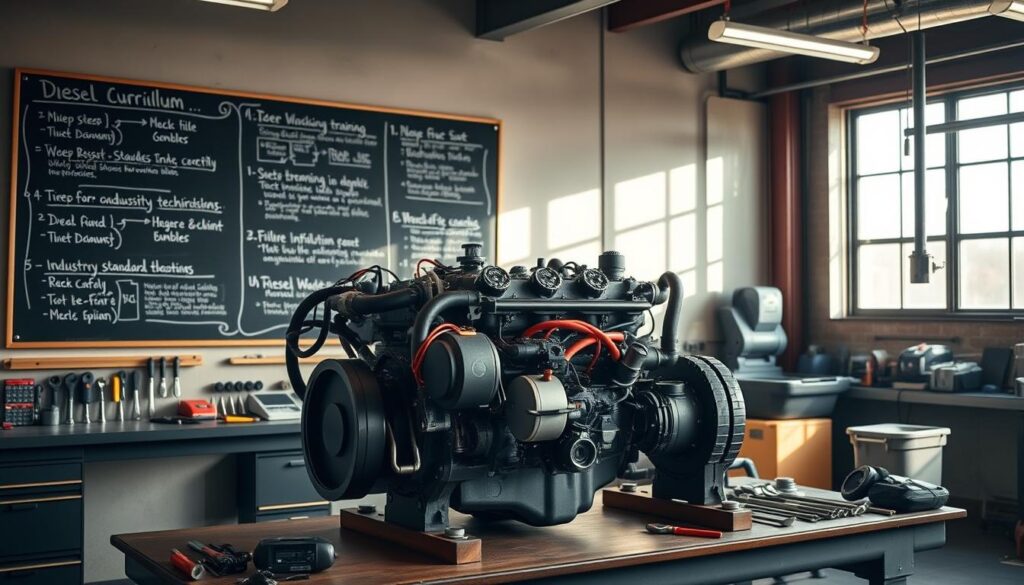
The foundation of any effective diesel apprenticeship curriculum starts with essential technical skills that every technician must master. Core technical areas include engine systems where apprentices learn diesel combustion principles, fuel injection systems, turbochargers, and cooling systems. Electrical and electronic systems training covers battery systems, charging systems, starting systems, and increasingly complex electronic controls.
Drivetrain components represent another critical competency area—apprentices must understand transmissions, clutches, differentials, drive shafts, and axles. Brake system expertise encompasses both air brake systems and hydraulic systems, along with ABS and stability control technologies.
Your curriculum should structure skill development progressively. Apprentices begin with basic tasks like fluid services and routine inspections. They advance to intermediate repairs including brake jobs and component replacements. Finally, they tackle complex diagnostics and engine rebuilds requiring advanced problem-solving abilities.
Integrating Manufacturer-Specific Training
Manufacturer training programs from Cummins, Detroit Diesel, and Caterpillar add substantial value to your diesel engine repair training curriculum. These industry leaders offer structured training covering proprietary systems, diagnostic software, and repair procedures specific to their power plants.
Cummins provides comprehensive training through their distributor network and online platforms, addressing everything from basic engine operation to advanced troubleshooting of electronic control systems. Detroit Diesel similarly offers training focusing on their DD13, DD15, and DD16 engine platforms along with proprietary diagnostic tools. Caterpillar’s training programs extend beyond engines to include complete equipment systems.
Incorporating these manufacturer training programs ensures technicians gain expertise in the specific equipment your customers operate. Partner with equipment dealers or manufacturers to access training resources, potentially negotiating group rates for your apprentices.
Prioritizing Safety and OSHA Standards
Safety protocols and OSHA compliance requirements deserve prominent emphasis throughout your diesel engine repair training program. Diesel repair environments present numerous hazards including heavy components, high-pressure systems, chemical exposures, and powered equipment that can cause serious injuries.
⚠️ Safety Training Requirements
Comprehensive safety training must cover lockout/tagout procedures, proper lifting techniques, personal protective equipment requirements, high-voltage system precautions (batteries, hybrid components), hot component handling (exhaust, turbochargers, DPF during regen), and pressurized system protocols (fuel, hydraulic, air brake).
Graduate technicians consistently emphasize the critical importance of following proper repair procedures and the safety consequences of shortcuts. This perspective demonstrates how effective training creates professionals who understand their personal responsibility for safety outcomes. Regular safety refreshers, incident analysis, and a culture that prioritizes safety over speed ensure apprentices develop lifelong safe work habits.
Mastering Diagnostic Technology
Diagnostic technology and software training has become increasingly critical as diesel engines incorporate sophisticated electronic controls, emissions systems, and telematics. Modern diesel technicians must master multiple technology platforms to diagnose and repair today’s equipment effectively.
Your curriculum should include substantial hands-on time with diagnostic scan tools from major manufacturers. Apprentices need proficiency with OEM software interfaces that access proprietary control systems. Understanding wiring diagrams, using multimeters correctly, and interpreting oscilloscope readings represent essential diagnostic skills.
Computer-based troubleshooting logic helps technicians work systematically rather than replacing parts randomly. This systematic approach reduces unnecessary parts replacement, improves first-time fix rates, and increases customer satisfaction.
Developing Professional Skills
Customer service and professional development skills distinguish exceptional technicians from merely competent ones. Professional communication training should address interactions with service advisors and customers—apprentices need to explain technical issues in understandable terms without oversimplifying.
Time management skills help technicians balance multiple jobs efficiently. Teamwork capabilities prove essential in shop environments where complex jobs require collaboration. Building ASE certification preparation into your curriculum provides apprentices with nationally recognized credentials that validate technical knowledge and enhance career prospects.
Free Professional Fleet Tools
Cost calculators, fault code lookup, maintenance planners, and more—built for owner-operators, fleet managers, and diesel techs. No signup required.
Legal Requirements and Compliance
Navigating apprenticeship compliance involves multiple layers of federal and state requirements that shape how you structure and operate your training program. Understanding these legal frameworks protects your business from liability while maximizing the benefits available through formal registration.

Federal Registration Through the DOL
The DOL registration process establishes your program as a formally recognized apprenticeship that meets national standards. You’ll submit your program standards to either the federal Office of Apprenticeship or your State Apprenticeship Agency, depending on your location.
Your submission must include documented program standards covering several critical elements: occupation title, program duration, detailed training outline, wage progression schedule, and required hours for both on-the-job learning and classroom instruction. You’ll also need instructor qualifications, apprentice-to-journeyworker ratios, evaluation procedures, and comprehensive record-keeping systems.
While DOL registration isn’t legally mandatory for operating training programs, it provides substantial advantages. Registered programs gain access to federal grants, eligibility for tax credits, and nationally recognized credentials for graduates. The registration process typically takes 60 to 90 days from initial submission to approval.
State-Level Requirements
State-specific apprenticeship regulations vary considerably across jurisdictions, creating a complex patchwork of requirements. Some states maintain active apprenticeship agencies that set additional requirements beyond federal standards. Others default entirely to federal oversight through the Office of Apprenticeship.
Research your state’s specific requirements regarding minimum training hours and instructor qualifications. Many states mandate particular related instruction content, apprentice-to-journeyworker ratios, and industry-specific standards for diesel technicians. Several states offer additional funding, tax incentives, or support services exclusively for registered programs.
Wage Compliance Under the FLSA
FLSA apprentice wage requirements present important considerations that affect your program’s legal standing. Apprentices are employees entitled to minimum wage and overtime protections under federal labor standards. Your progressive wage scale must meet or exceed federal and state minimum wage requirements at every training stage.
Properly classify apprentices as non-exempt employees eligible for overtime pay unless they meet specific exemption criteria. Most apprentices won’t qualify for exemptions due to their training status and supervised work. Accurately track and compensate all work hours, including training time spent in the shop or classroom. Any classroom instruction directly related to apprentices’ jobs counts as compensable time under wage and hour compliance rules.
Insurance and Liability Protection
Insurance and liability coverage requirements warrant careful attention when establishing apprenticeship programs. Apprentices—particularly in early training stages—may present elevated risk compared to experienced technicians. Their limited experience increases the potential for workplace accidents or errors that damage customer vehicles.
Verify that your general liability insurance, workers compensation coverage, and garage keepers insurance adequately cover apprentice employees. Some insurers require notification of apprenticeship programs or adjust premiums based on trainee presence. Workers compensation insurance is mandatory in most states and covers medical expenses and lost wages for work-related injuries.
Funding Options and Cost Management
Smart business owners understand that apprenticeship funding extends beyond their own budgets, tapping into government programs designed to offset training costs. When you combine tax benefits, grant opportunities, and strategic resource planning, the actual cost becomes far more manageable than initial budget estimates suggest.
Federal and State Tax Credits
Apprenticeship tax credits provide direct financial benefits that reduce your bottom-line costs immediately. The federal government periodically offers tax credit programs for businesses employing registered apprentices, though availability depends on current legislation. These credits typically deliver $1,000 to $5,000 per apprentice annually, creating substantial savings for shops running multiple apprentice positions.
Many states maintain their own tax credit programs regardless of federal offerings. State-level credits often provide enhanced benefits for apprentices from underrepresented groups or economically disadvantaged backgrounds. Work with your tax professional to ensure you claim all eligible benefits and maintain required documentation including registration papers, wage records, and training hour logs.
Grant Programs and Workforce Development Funds
Diesel training grants represent another significant funding source that can cover substantial program costs. The U.S. Department of Labor periodically announces competitive grant opportunities through initiatives like Apprenticeship Building America, with individual awards commonly ranging from $50,000 to over $500,000.
State workforce development boards administer federal Workforce Innovation and Opportunity Act (WIOA) funds that support apprenticeship programs. These funds can cover related technical instruction costs, curriculum development, and even wage subsidies during initial training periods. Community colleges frequently access Perkins Career and Technical Education grants funding equipment purchases, curriculum development, and instructor training that benefit partnering employers.
Return on Investment Analysis
Return on investment analysis demonstrates the financial wisdom of apprenticeship programs despite upfront costs. Comprehensive ROI calculations typically reveal positive returns within 18 to 36 months of program operation, with ongoing benefits increasing as you cycle multiple apprentice cohorts through your system.
Factor in the avoided cost of unfilled positions when calculating ROI. The revenue lost when insufficient technicians limit your service capacity often exceeds apprenticeship program costs considerably. An unfilled bay represents thousands of dollars in lost revenue monthly, making the investment compelling from a pure business perspective beyond workforce development benefits.
Measuring Success and Program Effectiveness
Without systematic evaluation, even well-designed apprenticeship programs risk missing critical improvement opportunities. Establishing clear measurement frameworks enables you to track progress, demonstrate value to stakeholders, and make data-driven adjustments that enhance outcomes.
Successful programs closely monitor apprentice progress through regular assessments, performance reviews, and feedback sessions throughout the apprenticeship period. This continuous tracking approach identifies development areas early and provides timely guidance. Quality programs follow graduates for several months post-completion to ensure they’re working up to quality standards and delivering safe repairs.
Performance Indicators Worth Tracking
Comprehensive apprenticeship program metrics encompass multiple dimensions of program health and effectiveness. Start by monitoring recruitment effectiveness through several key indicators: number of applicants per open apprentice position, applicant quality scores based on screening criteria, and time-to-fill compared to industry benchmarks.
Training progression metrics reveal whether your program maintains appropriate pacing. Monitor milestone completion rates showing whether apprentices meet expected timelines, average time spent at each competency level, reasons for training delays, supervision hours required per apprentice, and per-apprentice training costs compared to budgeted amounts.
Productivity metrics demonstrate how apprentices contribute to business operations. Track billable hours percentage at various program stages, quality issues attributable to apprentice work, and customer satisfaction scores for services involving apprentices.
Tracking Completion and Retention
Apprentice completion rates represent critical success indicators that reveal program health. High dropout rates signal systemic issues requiring immediate attention, while strong completion rates demonstrate effective program design. Industry benchmarks suggest quality apprenticeship programs maintain completion rates of 65-75% or higher.
Track the percentage of apprentices who complete your full program versus those who leave before completion. More importantly, analyze departure reasons to identify improvement opportunities. Each departure reason points toward different solutions—performance-related departures may indicate inadequate candidate screening, while departures for better opportunities suggest compensation or advancement issues.
Long-term technician retention metrics reveal whether your apprenticeship investment yields lasting workforce stability. Track retention rates at one year, two years, three years, and five years post-completion. Compare these rates against retention of externally hired technicians at similar experience levels.
Retention Strategies for Apprentices and New Technicians
Investing thousands of hours in apprentice development pays dividends only when those technicians remain with your business long-term. Effective diesel technician retention requires deliberate strategies that address compensation, career growth, workplace environment, and ongoing development opportunities.
Creating Clear Career Advancement Pathways
Ambitious diesel technicians leave employers primarily because they cannot envision future growth opportunities. Without transparent career progression, even satisfied employees eventually seek advancement elsewhere. Establish a documented career ladder that outlines progression from entry-level positions through specialist roles, lead technician positions, and supervisory opportunities.
Each level should specify required competencies, necessary certifications, typical experience timelines, and associated compensation ranges. Career advancement programs should include regular development conversations between supervisors and technicians ensuring individuals understand their current standing and identify next opportunities.
Competitive Compensation and Benefits
Financial considerations directly impact retention decisions, particularly for newly graduated apprentices evaluating their market value. Regular benchmarking against regional market rates ensures your wages remain competitive. Implement performance-based compensation components that reward exceptional work: efficiency bonuses, quality incentives tied to customer satisfaction scores, profit-sharing programs, and skill-based pay increases when technicians complete new certifications.
Comprehensive technician benefits matter tremendously in competitive markets. Quality health insurance, retirement plans with employer matching, paid time off, continuing education funding, tool allowances, and family-friendly policies separate exceptional employers from average ones.
Fostering Positive Workplace Culture
Workplace culture in diesel shops profoundly influences whether technicians choose to stay or leave, often outweighing compensation considerations. Culture encompasses respect, recognition, communication, teamwork, work-life balance, and overall work environment. Toxic cultures drive talented technicians away regardless of pay levels.
Experienced mentors emphasize creating positive environments for the next generation—they remember their own difficult early experiences and work to ensure apprentices don’t face the same challenges. This commitment to supportive mentorship retains talent and attracts quality candidates. Negative apprenticeship experiences with unsupportive mentors or poor environments drive people from the industry entirely.
Implement recognition programs that celebrate accomplishments. Foster ongoing mentorship beyond formal apprenticeship by pairing less experienced technicians with veterans who provide guidance. Address interpersonal conflicts quickly and fairly, maintaining professional standards.
Continuing Education and Specialization
Professional development desires extend throughout technicians’ careers, not just during initial apprenticeships. Fund advanced manufacturer training, specialized certification programs, technical seminars, and industry conferences that keep technicians current with evolving technology.
As diesel technology incorporates electric and hybrid-electric commercial vehicles, alternative fuels, advanced telematics, and autonomous systems, continuous learning becomes essential. Offer tuition reimbursement for technical degrees or advanced certifications. Create specialist positions that recognize deep expertise in areas like diesel engine performance, electrical diagnostics, emissions systems, or specific equipment brands.
Frequently Asked Questions
How long does a diesel technician apprenticeship take to complete?
DOL-registered diesel apprenticeships typically span 3-4 years, requiring 6,000-8,000 hours of supervised hands-on experience combined with classroom instruction. Accelerated competency-based programs can prepare entry-level technicians in 10-24 months, though they cover fewer specializations. Program duration depends on your operational needs—routine maintenance focus requires less time than comprehensive engine rebuild capabilities. Most apprentices advance through progressive wage scales as they demonstrate competencies at each milestone.
What funding is available for diesel apprenticeship programs?
Multiple funding sources offset apprenticeship costs. Federal and state tax credits typically provide $1,000-$5,000 per apprentice annually for registered programs. The DOL offers competitive grants through Apprenticeship Building America initiatives, with awards ranging from $50,000 to over $500,000. State workforce development boards administer WIOA funds covering related technical instruction and wage subsidies. Community colleges often access Perkins CTE grants funding equipment and curriculum development that benefit partnering employers.
What certifications should diesel apprentices earn?
ASE certifications remain the industry gold standard for diesel technicians. The T-series covers medium/heavy truck systems including brakes (T4), electrical (T6), and diesel engines (T2). Manufacturer certifications from Cummins, Detroit Diesel, and Caterpillar add value for shops servicing specific equipment. Quality apprenticeship programs graduate technicians with multiple credentials—typically 2-3 industry certifications that demonstrate competency and enhance career mobility. I-CAR certifications apply for collision-related diesel work.
How do you recruit quality apprentice candidates?
Effective recruitment combines multiple channels. Technical school partnerships connect you with students already committed to diesel careers. High school CTE program relationships build early pipelines with motivated young workers. Military veteran transition programs like SkillBridge match you with disciplined candidates possessing relevant equipment experience. Digital platforms including Indeed and industry-specific job boards extend geographic reach. Open houses let prospects tour facilities and meet technicians, building personal connections that improve candidate quality and retention outcomes.
What ROI can employers expect from diesel apprenticeship programs?
Most employers see positive returns within 18-36 months of program operation. Direct savings come from reduced recruitment costs—typically $6,500 per position in avoided advertising alone—plus lower turnover expenses. Apprentice-trained technicians demonstrate 40-60% higher retention rates than external hires, significantly reducing replacement costs. Additional ROI factors include improved service quality reducing comeback repairs, customized training producing immediately productive technicians, and tax credits offsetting program expenses.
What legal requirements apply to diesel apprenticeship programs?
DOL registration, while voluntary, unlocks federal funding and tax credits. Registration requires documented program standards covering training outlines, wage progression schedules, instructor qualifications, and apprentice-to-journeyworker ratios. FLSA requires apprentices receive minimum wage and overtime as non-exempt employees—all work hours including shop training time are compensable. Workers compensation and liability insurance must adequately cover apprentice employees. State requirements vary; consult your state apprenticeship agency for specific compliance requirements.
Building Your Diesel Technician Workforce
The diesel technician shortage demands immediate action from businesses that depend on skilled mechanics. Industry leaders emphasize the critical nature of this challenge—the lack of technicians drives up repair costs and repair times across the entire sector, creating a situation that affects everyone from shop owners to end customers.
Structured diesel technician apprenticeship program implementation represents the answer to workforce challenges the industry has discussed for years. Rather than waiting for external solutions that won’t materialize, businesses that establish apprenticeship programs now gain skilled employees trained specifically for their equipment and service standards while reducing recruitment costs and improving retention.
Building your diesel technician workforce through apprenticeships delivers measurable results. The path forward begins with assessment of your current needs and available resources. Connect with local technical schools to explore partnership opportunities. Research state and federal funding programs that offset program costs. Design training structures that match your operational requirements. Your competitors face the same technician shortage—businesses that act decisively will maintain competitive advantages through superior workforce stability for years ahead.
Found This Guide Helpful?
Share it with fellow fleet managers and shop owners facing the same workforce challenges. Building the next generation of diesel technicians takes an industry-wide effort.